
Back in the 1960s, high school life looked very different from what students experience today. Rules were strict, dress codes were detailed, and respect for authority was non-negotiable.
From what you wore to how you styled your hair, almost every part of a student’s day was regulated. Take a look at some of the most common rules teens were expected to follow during that era.
1. Girls Had to Wear Skirts or Dresses Every Day
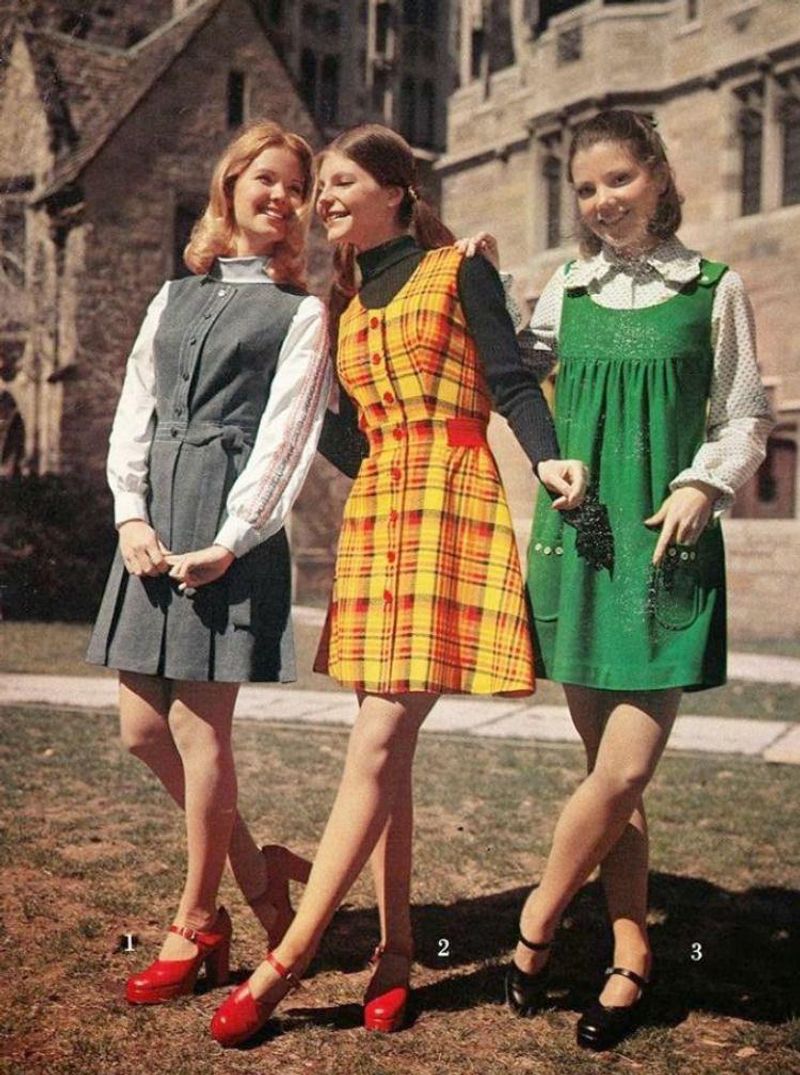
Imagine showing up to school on a freezing winter morning and still being required to wear a skirt. That was everyday reality for girls in the 1960s.
Pants were completely off-limits for female students, even on the coldest days. Schools believed dresses and skirts represented proper femininity and respectability.
Girls who showed up in pants risked being sent home to change before the school day could even begin.
2. Skirt Hemlines Were Measured With a Ruler
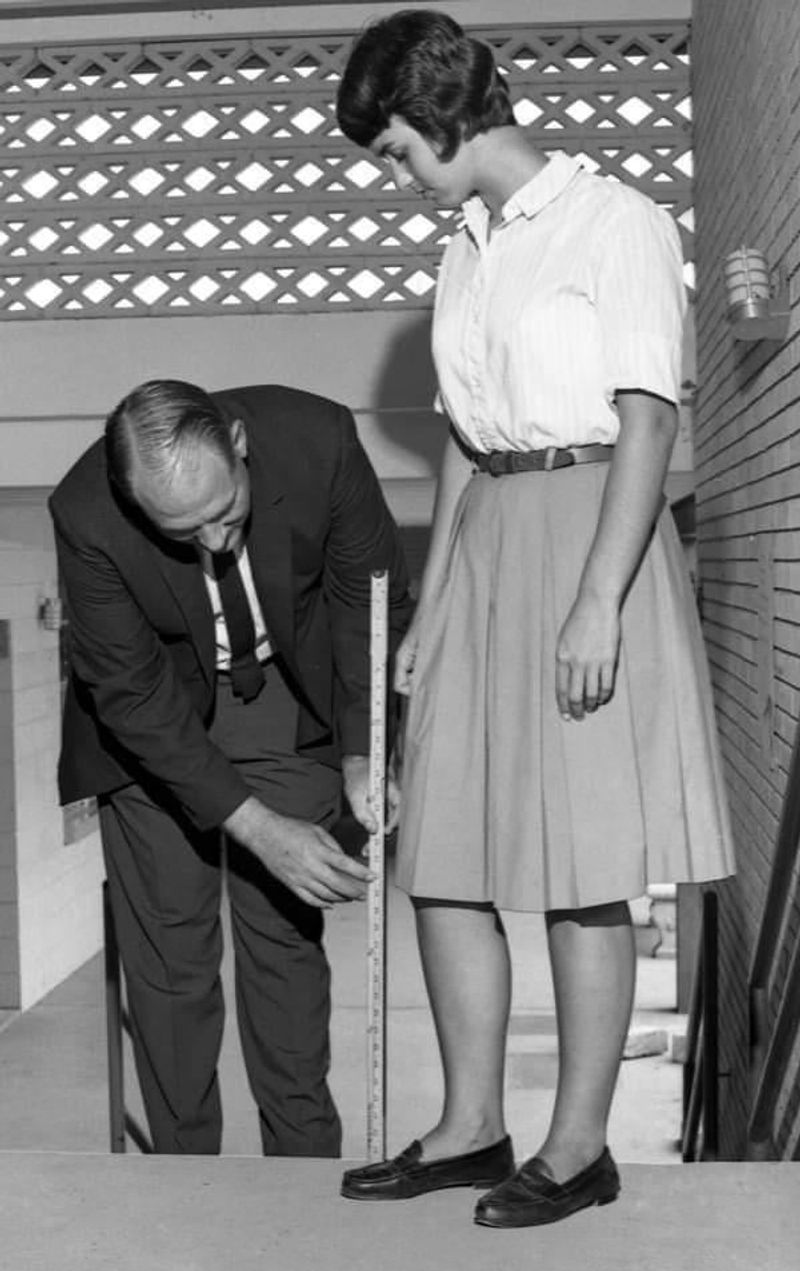
Teachers and hall monitors in the ’60s were not shy about pulling out a ruler to check skirt lengths. Hemlines were expected to reach the knee or, in some schools, touch the floor when a girl knelt down.
This rule was enforced with surprising seriousness.
The mini skirt trend of the mid-’60s caused real tension between fashion-forward students and school administrators who refused to budge on the policy.
3. Boys Were Not Allowed to Have Long Hair
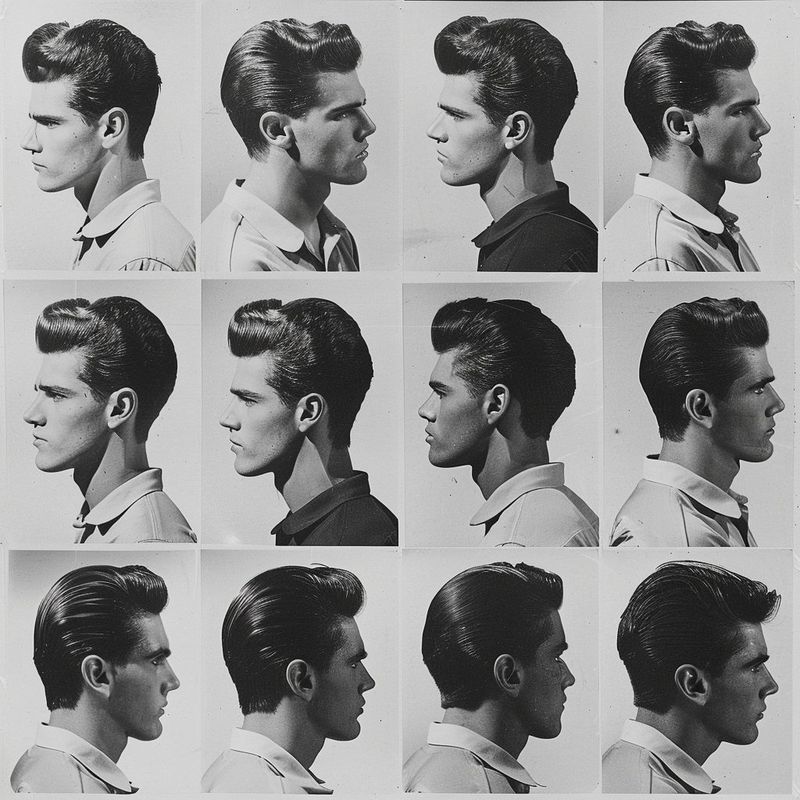
Hair touching the collar was practically a criminal offense in many ’60s high schools. Boys were expected to keep their hair short, neat, and off the ears.
As rock and roll grew in popularity and bands like The Beatles influenced teen style, this rule became a constant battleground.
Some schools even kept rulers on hand to measure hair length. Students who pushed the limit too far were sometimes sent to the barber before returning to class.
4. Boys Had to Show Up Clean-Shaven
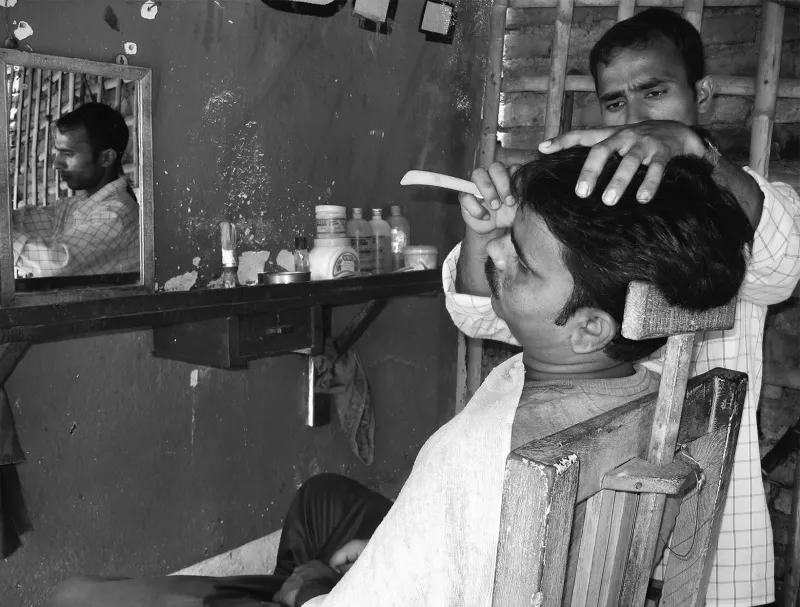
Facial hair of any kind, even a little stubble, was a fast ticket to the principal’s office in the ’60s. Schools viewed beards and mustaches as signs of rebellion or poor grooming habits.
Male students were expected to arrive every single morning with a freshly shaved face.
This rule reflected the era’s broader expectation that young men should look polished and disciplined. Looking “rough” was not considered a style choice back then.
5. Jeans and Sneakers Were Banned From School
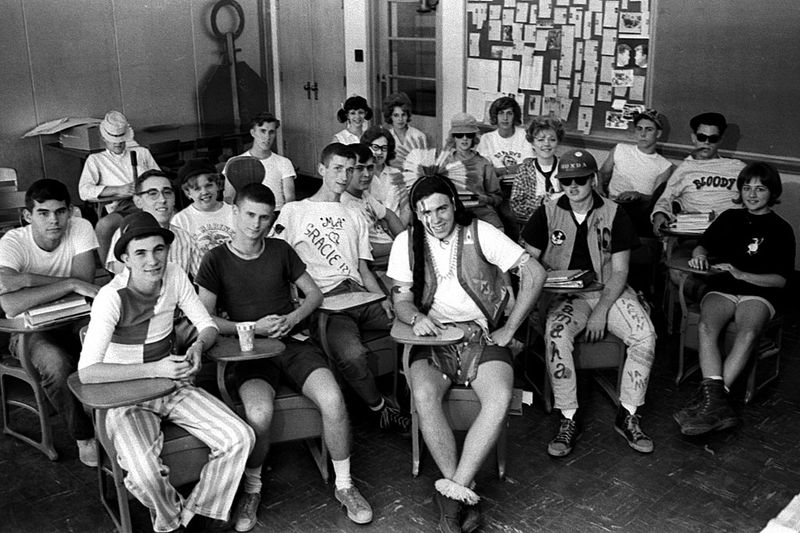
Denim carried a rebellious reputation in the early ’60s, closely tied to greasers and troublemakers in popular culture. Because of this, jeans were banned from most school campuses.
Students were expected to wear dress pants, slacks, or other more formal bottoms instead.
Sneakers got the same treatment. They were reserved strictly for gym class.
Showing up in them for regular classes could mean a trip to the office or even a call home to parents.
6. Public Displays of Affection Were Strictly Prohibited
Holding hands in the hallway? Not a chance.
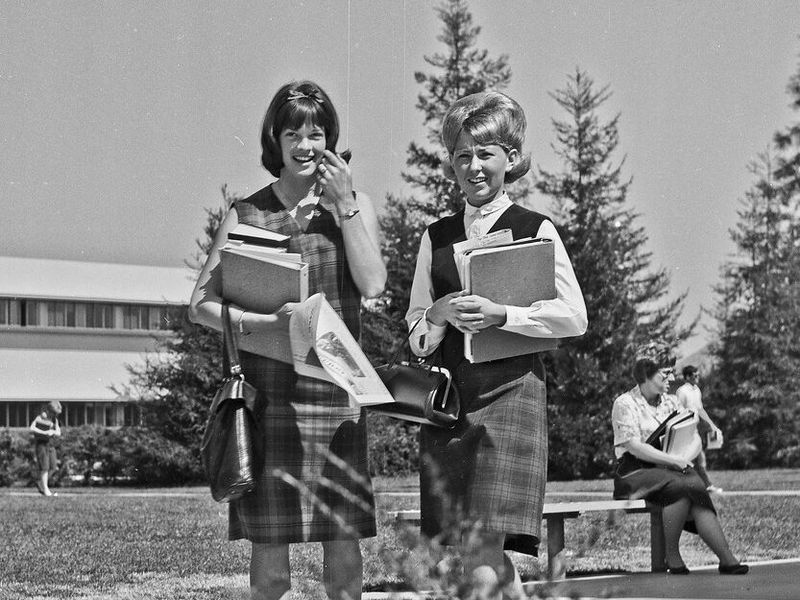
In the 1960s, any physical display of affection between students on school grounds was a serious rule violation. Hugging, kissing, or even walking too close together could result in detention or a call to parents.
Schools wanted to maintain an environment focused on academics and proper conduct. The idea that romance had no place in school was taken very literally, and staff were quick to intervene.
7. Talking Back to Teachers Was Completely Unacceptable
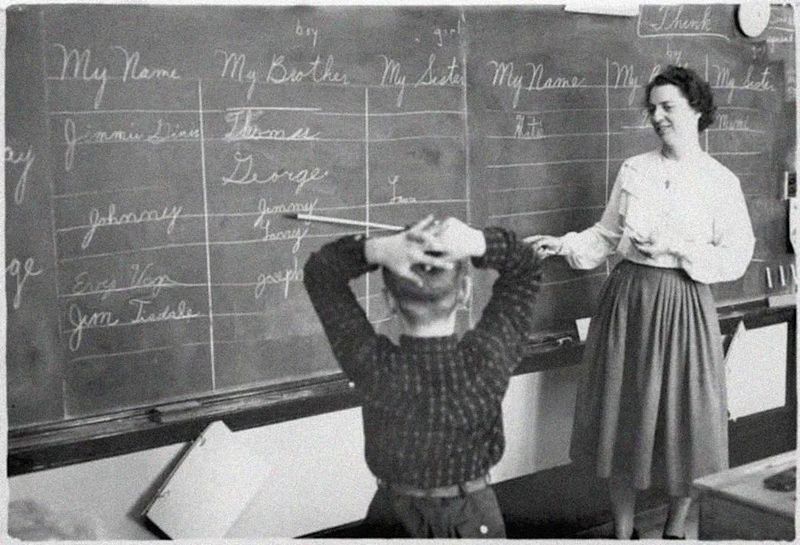
Questioning a teacher’s instructions or arguing back was considered one of the worst things a student could do. Obedience was not optional in 1960s schools.
Students were expected to listen, follow directions, and keep any disagreements to themselves. Teachers held enormous authority.
Even a slightly disrespectful tone could lead to detention, a parent-teacher meeting, or worse. The phrase “because I said so” carried real weight, and students knew better than to challenge it.
8. Curfews Were Early and Non-Negotiable
Nine o’clock was the magic number for many teens in the ’60s. Whether it was a school night or a Friday, curfews were enforced by parents who expected their kids home on time, no exceptions.
Being even a few minutes late could mean losing privileges for the entire following week.
Schools also supported this culture by scheduling activities early. The idea was simple: responsible teens came home on time, and the community expected nothing less.
9. Dating Often Required a Chaperone

Going on a date without an adult nearby? That was almost unheard of in the early 1960s.
Parents routinely insisted that a sibling, family friend, or trusted adult accompany teens on outings. It felt old-fashioned even then, but many families held firmly to the tradition.
The chaperone rule was a holdover from earlier decades and slowly faded as the ’60s progressed. Still, for many teens at the decade’s start, solo dates remained a distant dream.
10. Meeting the Parents Before a Date Was Mandatory

Before any serious date could happen, the boyfriend had to pass inspection. A girl’s parents expected to meet, question, and size up any young man interested in their daughter.
This was not a casual suggestion but a firm household expectation that most families upheld without question.
Boys who skipped this step risked being labeled disrespectful or untrustworthy. It was an awkward but standard ritual that set the tone for the entire relationship going forward.
11. Corporal Punishment Was a Common Consequence
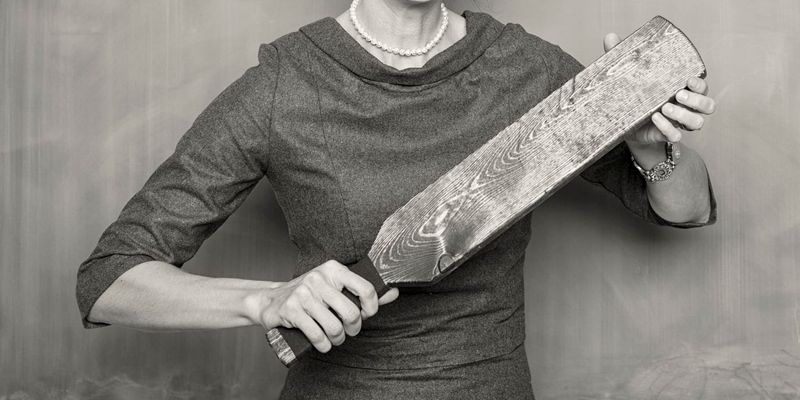
Paddling, ruler slaps, and even caning were not unusual disciplinary tools in 1960s schools. Teachers and principals had broad authority to physically punish students who broke the rules, and most parents supported it.
Misbehaving in class carried real physical consequences that students took seriously.
Looking back, this practice seems harsh by today’s standards. But at the time, corporal punishment was widely accepted as a normal part of maintaining order in schools across the country.
12. Girls Were Required to Take Home Economics
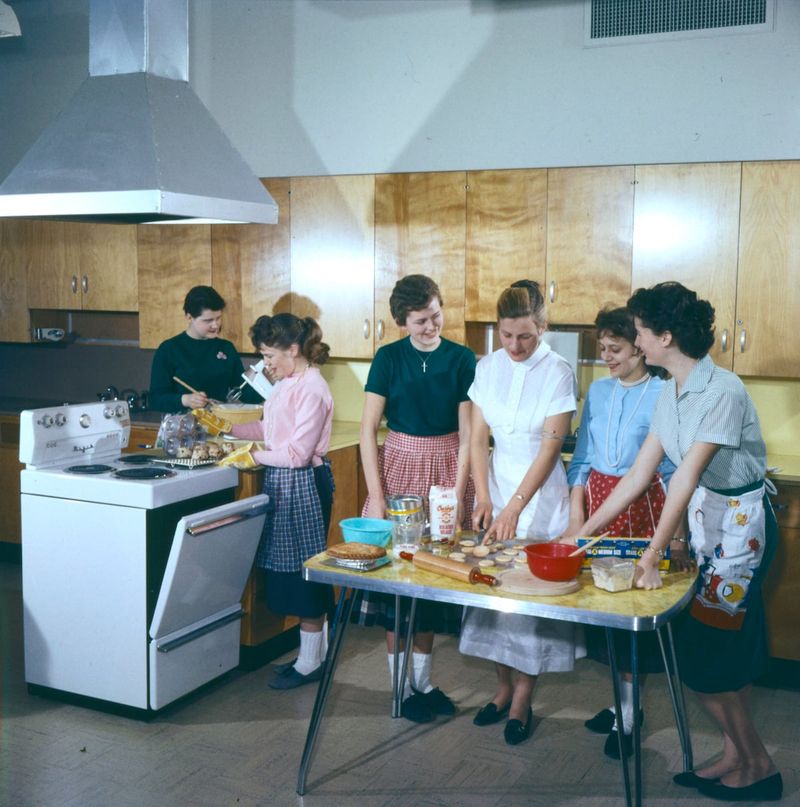
Cooking, sewing, and keeping a tidy home were considered essential skills for girls in the 1960s. Home Economics classes were not electives but mandatory courses designed to prepare young women for their future roles as wives and mothers.
Boys were rarely, if ever, enrolled in these classes.
The curriculum reflected the social expectations of the era. While many women found these skills genuinely useful, the class also reinforced narrow ideas about what girls were supposed to aspire to.
13. Boys Were Required to Take Shop Class

While girls were in the kitchen, boys were in the workshop. Shop class, covering woodworking, metalworking, and basic mechanics, was a standard requirement for male students in the 1960s.
Schools believed hands-on vocational training would prepare boys for careers and practical adult life.
Many students actually enjoyed the class for its creative and hands-on nature. The skills learned there, from building furniture to fixing engines, stayed with students long after graduation day arrived.
14. Hall Passes Were Required to Leave the Classroom
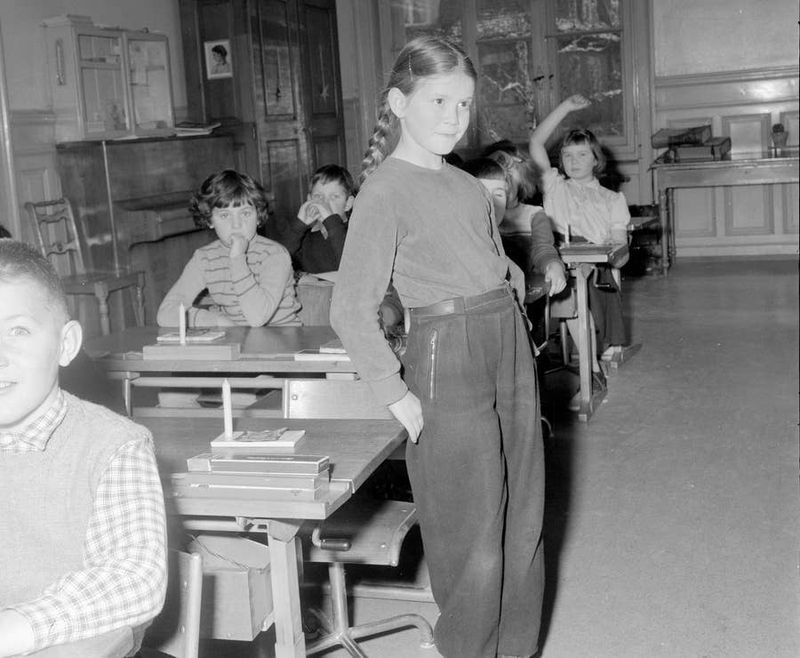
Wandering the hallways without permission was simply not done in the 1960s. If a student needed to use the restroom, visit the nurse, or go to the office, they had to ask for a hall pass first.
Teachers kept these small wooden or laminated cards as a controlled system of accountability.
Getting caught in the hall without one meant an immediate escort back to class or a detention slip. The system kept students in line and teachers in control.
15. Good Manners and Etiquette Were Non-Negotiable
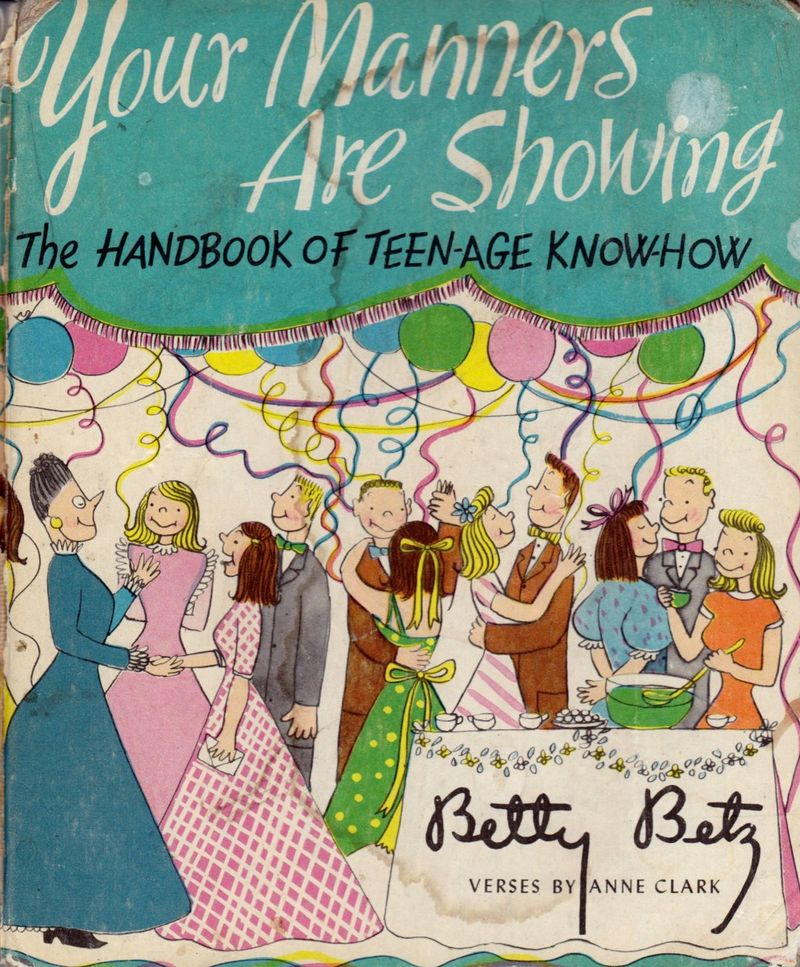
Saying “please” and “thank you,” holding doors open, and addressing adults as “sir” or “ma’am” were not optional niceties in the 1960s. Etiquette was taught at home, reinforced at school, and expected everywhere in between.
Teens who skipped these courtesies were seen as poorly raised.
Schools sometimes included formal etiquette lessons in the curriculum. Learning how to set a table, write a thank-you note, or greet an adult properly was considered just as important as math or science.
16. Sunglasses and Hats Were Forbidden Indoors

Wearing sunglasses or a hat inside a school building was considered flat-out disrespectful. Students were expected to remove both the moment they stepped through the front door.
Hats in particular carried an old-fashioned association with poor manners indoors, rooted in etiquette traditions going back generations.
Sunglasses were seen as a way to appear aloof or to avoid making eye contact with authority figures. Neither accessory had any place inside a 1960s classroom, and teachers enforced this rule without hesitation.