
Words carry a lot of weight, especially when they come from someone famous. Over the past few years, many celebrities have found themselves at the center of heated debates after making comments about gender identity and language.
From tweets to interviews to stand-up specials, these moments sparked strong reactions from fans, advocacy groups, and the public alike. Here is a look at some well-known figures who stirred up controversy with what they said about gender and language.
1. J.K. Rowling
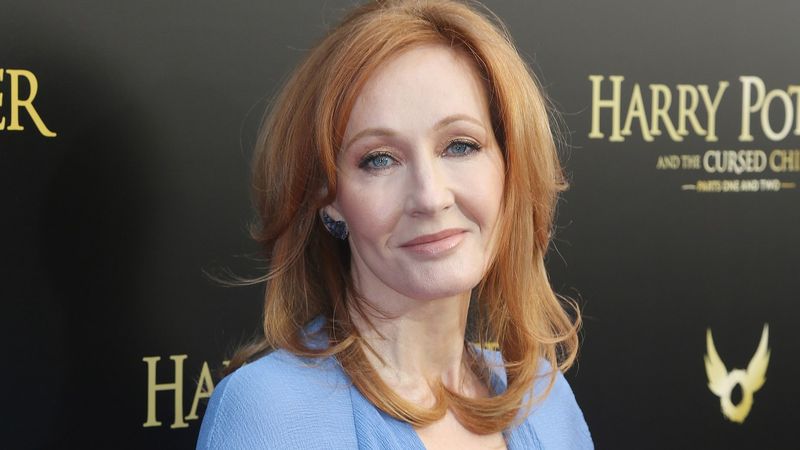
Few controversies in recent memory hit as hard as the one surrounding the creator of Harry Potter. J.K.
Rowling posted tweets questioning the use of phrases like “people who menstruate” instead of “women,” which many saw as dismissive of transgender and non-binary individuals.
Fans, cast members from the Harry Potter films, and advocacy groups all responded with sharp criticism. She followed up with an essay expanding her views, deepening the divide between her supporters and those who felt hurt by her words.
2. Dave Chappelle
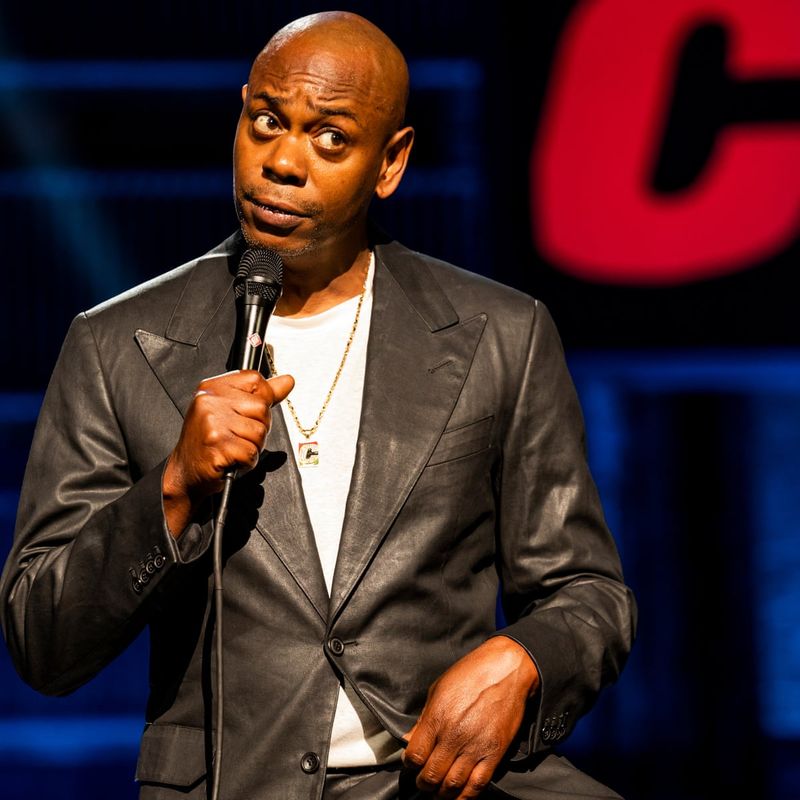
Dave Chappelle has never shied away from pushing boundaries, but his Netflix special “The Closer” took things to a new level. He declared himself “Team TERF” in support of J.K.
Rowling and made jokes about biological differences between men and women that many found deeply offensive.
Netflix employees staged a walkout in protest, and advocacy groups called for the special to be removed. Chappelle stood by his material, framing the debate as a free speech issue rather than one of harm.
3. Bette Midler
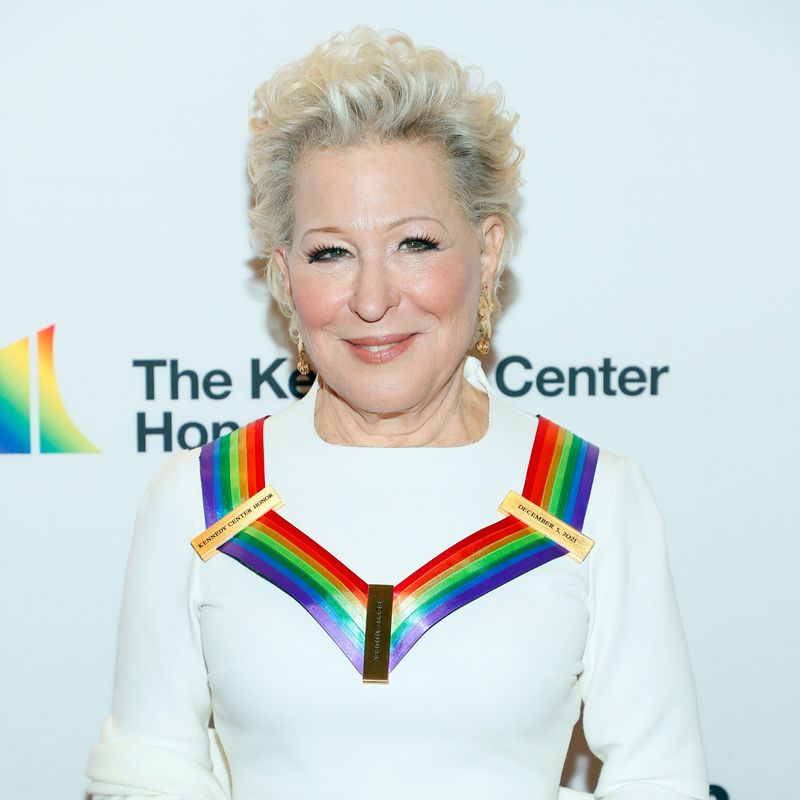
Known for her bold personality, Bette Midler stirred up a storm in 2022 with a tweet about gender-inclusive language. She argued that terms like “birthing people” and “menstruators” were effectively “erasing women” from important conversations about health and rights.
Critics pushed back quickly, pointing out that her comments ignored the real experiences of transgender men and non-binary people. Many felt she was prioritizing one group’s identity over another’s, which turned what might have been a nuanced debate into a social media firestorm.
4. Gina Carano
Gina Carano’s social media habits eventually cost her a major role. She added “beep/bop/boop” to her bio, a move widely interpreted as mocking non-binary people who list their pronouns online.
The gesture felt dismissive to many in the LGBTQ+ community and their allies.
Disney and Lucasfilm ultimately cut ties with her, ending her run on The Mandalorian. The situation became a flashpoint in the broader debate about whether celebrities should face professional consequences for their personal social media activity.
5. Ricky Gervais
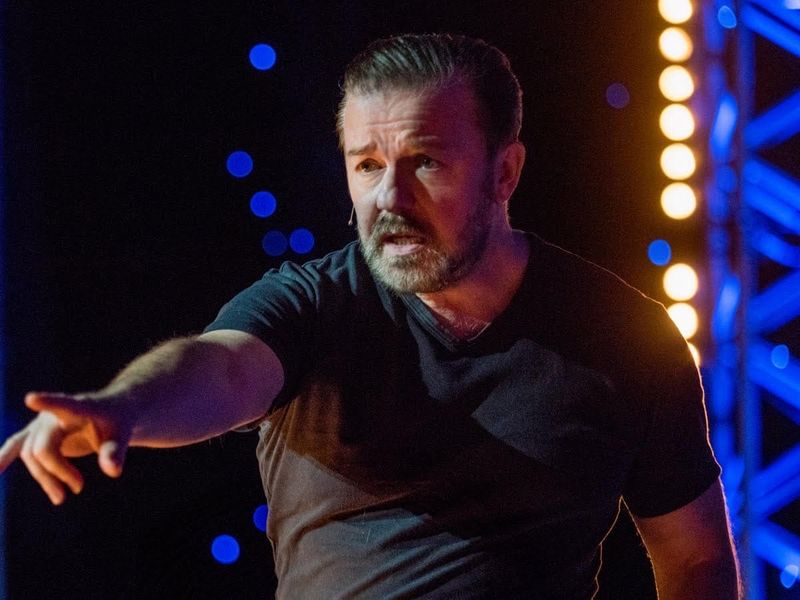
Ricky Gervais has built a reputation for comedy that deliberately provokes, and his special “SuperNature” was no exception. He drew a sharp line between what he called “old-fashioned women” and “new women” with beards, framing transgender identity as a punchline rather than a lived experience.
Advocacy groups condemned the material as harmful and transphobic. Gervais pushed back by calling it satire and invoking free speech, but critics argued that jokes targeting marginalized communities cause real-world harm regardless of comedic intent.
6. Macy Gray
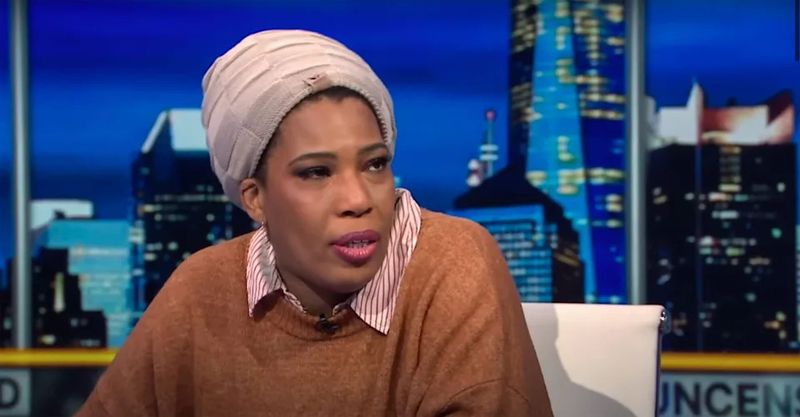
Grammy winner Macy Gray sparked serious backlash during a television interview when she stated that changing one’s “parts” or pronouns does not change a person’s biological reality. Her comments about transgender women were seen as dismissive and hurtful by many in the LGBTQ+ community.
Gray later attempted to walk back her remarks, saying she was not trying to offend anyone. However, many felt her clarification did not go far enough, and the incident drew renewed attention to how public figures discuss gender identity in media appearances.
7. John Cleese
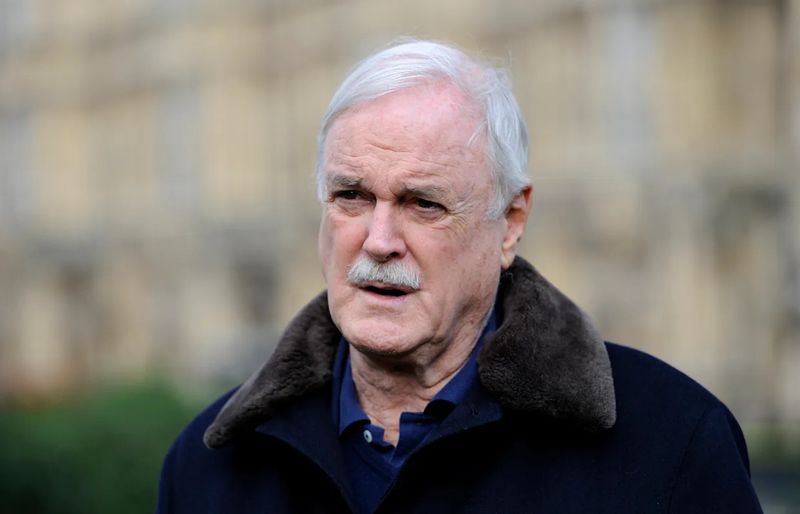
Monty Python legend John Cleese joined the controversy by tweeting his support for J.K. Rowling and adding his own commentary about transgender issues.
Many felt his remarks were flippant and showed little regard for the struggles transgender people face in daily life.
Cleese defended himself by saying he values free expression above all else. Still, fans who had long admired his irreverent humor were disappointed, arguing there is a meaningful difference between challenging ideas and dismissing people’s identities entirely.
8. Alice Cooper
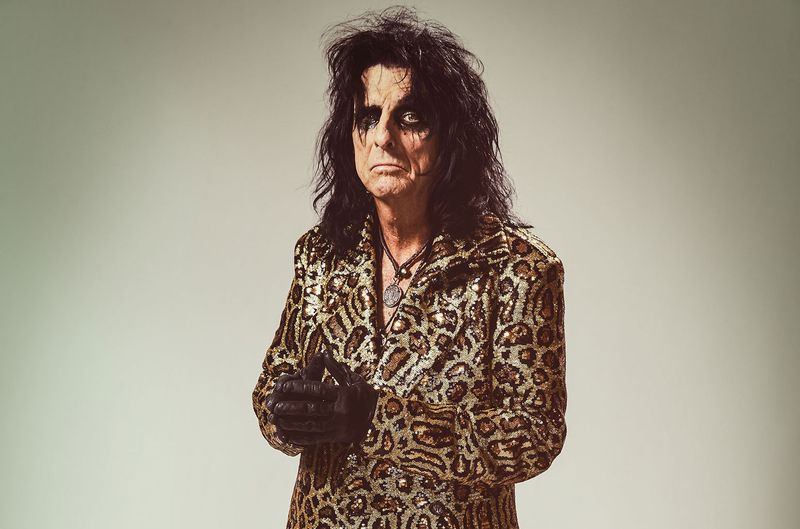
Rock icon Alice Cooper described the growing focus on pronouns and gender transition as a “fad” during a public interview, expressing concern that it might confuse children. His comments felt like a sharp turn to many fans who had celebrated his career-long embrace of unconventional identity through music and performance.
A cosmetics brand quickly ended its partnership with him following the remarks. The irony was not lost on observers, given that Cooper built his persona on breaking gender norms in rock and roll long before it was mainstream.
9. Carlos Santana
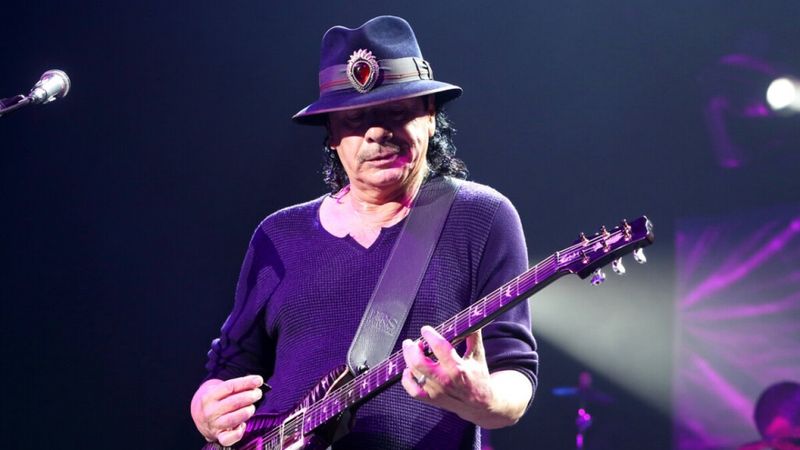
During a live concert, a video went viral showing Carlos Santana telling the crowd that “a woman is a woman and a man is a man,” adding that this is determined by “God and nature.” The clip spread rapidly online, drawing both applause and fierce criticism from different corners of the internet.
Santana later issued a public apology, acknowledging that his words caused pain. Many appreciated the gesture, though others felt the apology came only after significant public pressure rather than genuine reflection on the impact of his statement.
10. Demi Lovato
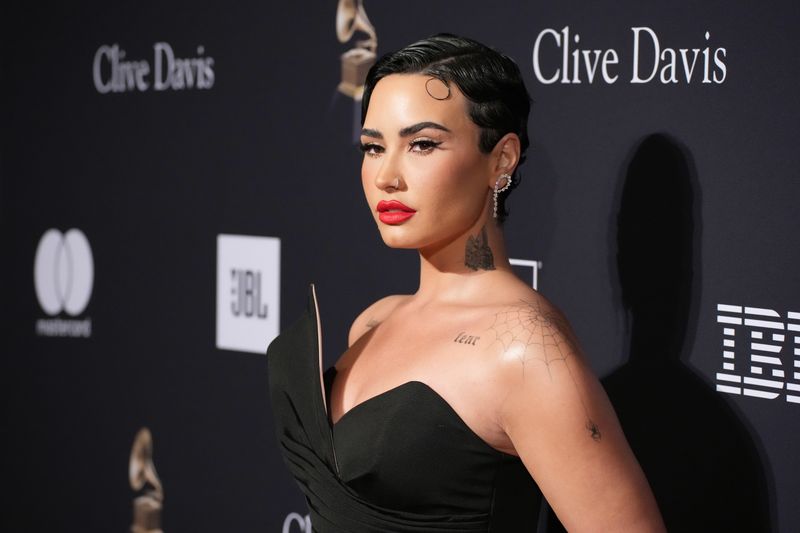
Demi Lovato’s pronoun journey became a public conversation in itself. After coming out as non-binary and adopting “they/them” pronouns, Lovato later reintroduced “she/her” pronouns as well, which prompted a wave of commentary from all sides of the gender identity debate.
Some supporters felt the shift showed that identity can be fluid and personal. Others, including some in the non-binary community, expressed frustration that the back-and-forth fueled skepticism about non-binary identities more broadly.
It highlighted how much scrutiny public figures face when navigating personal identity openly.
11. Drake Bell
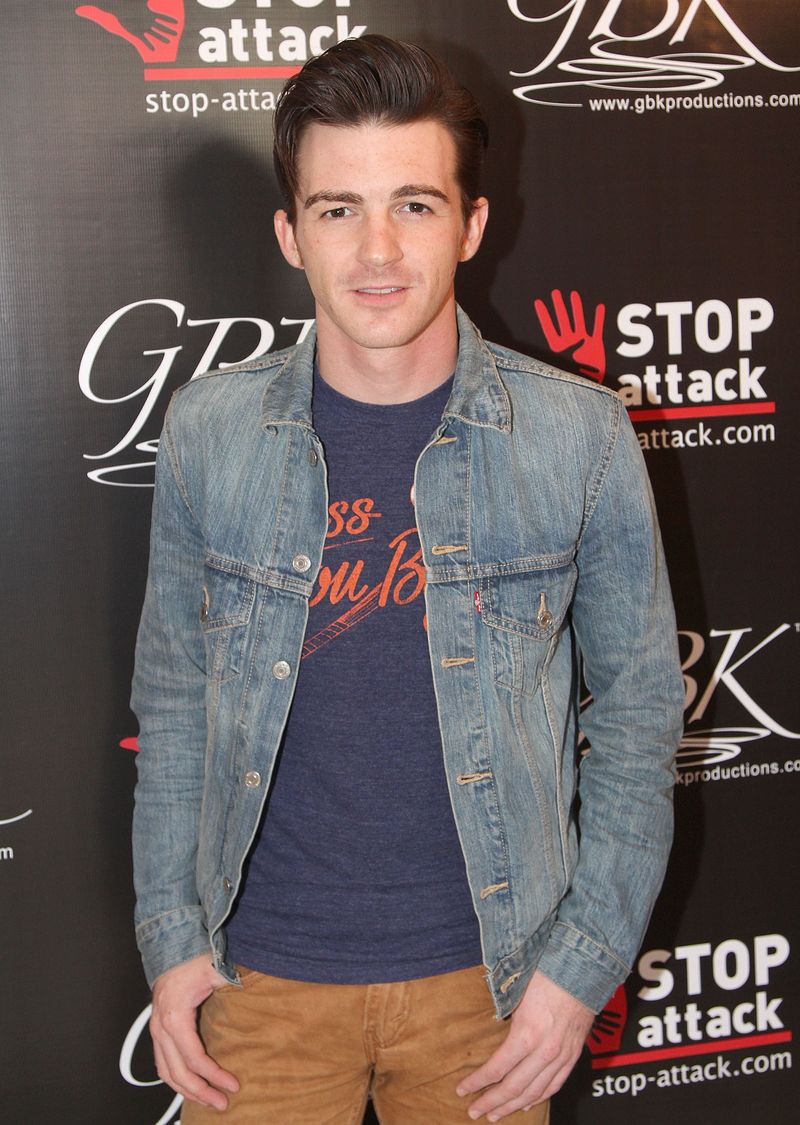
Back in 2015, Drake Bell tweeted “Sorry…still calling you Bruce” just after Caitlyn Jenner publicly came out as a transgender woman. The comment was widely condemned as disrespectful and deliberately dismissive of Jenner’s identity and courage in sharing her story publicly.
Bell later misgendered Jenner again before eventually issuing an apology, calling his earlier remarks “thoughtless” and “insensitive.” The episode served as an early and highly visible example of how celebrity reactions to transgender coming-out moments can quickly become flashpoints for broader cultural debate.
12. Victoria Jackson
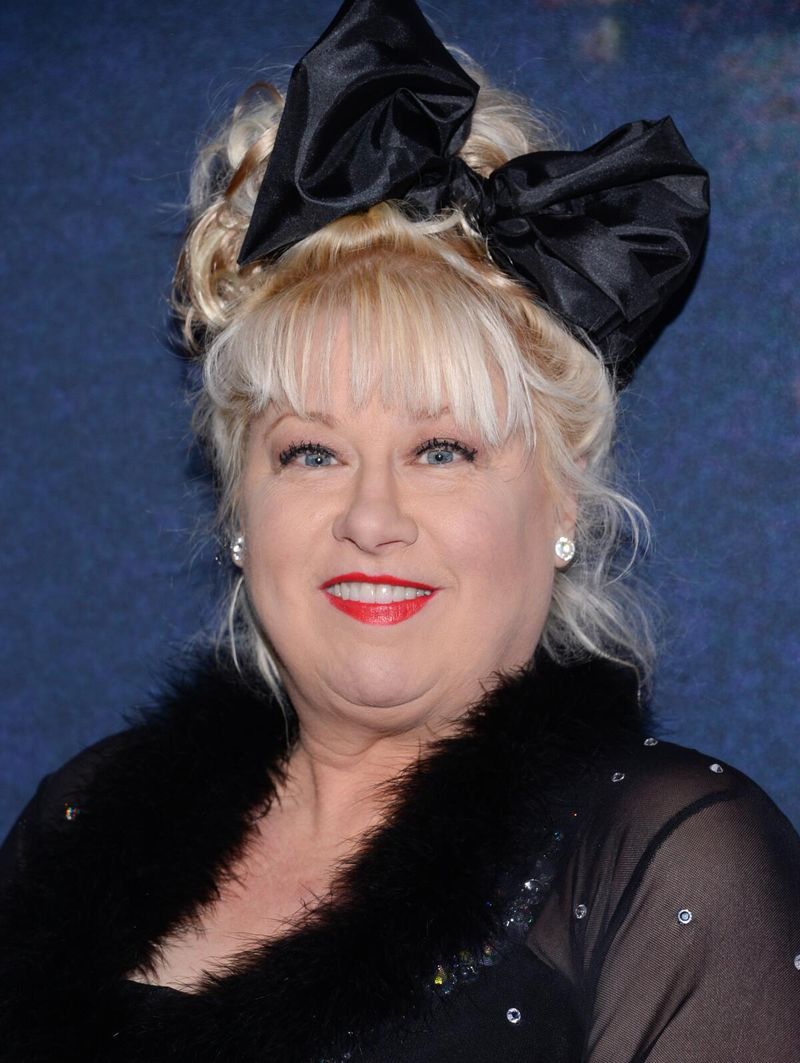
Former Saturday Night Live cast member Victoria Jackson has been outspoken for years about her opposition to gender identity topics in media and education. She has repeatedly criticized the use of preferred pronouns and pushed back against LGBTQ+ representation in popular culture.
Her comments have generated ongoing public friction and distanced her from many former fans and colleagues. While she frames her views as rooted in religious belief, critics argue that her platform amplifies messages that contribute to discrimination against transgender and non-binary individuals in real and measurable ways.
13. Sharon Osbourne
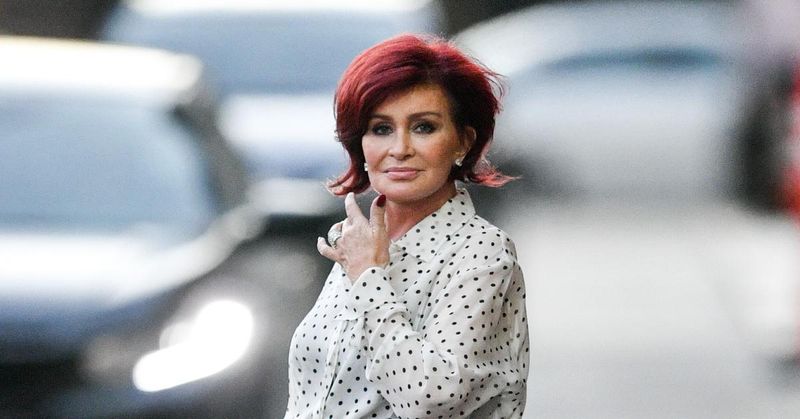
Sharon Osbourne found herself in hot water after making blunt remarks about gender identity during media appearances. She expressed skepticism about gender-affirming care for minors and used language that many critics described as reductive and harmful to young transgender people seeking support.
The comments added fuel to an already polarizing national debate about parental rights versus medical care for transgender youth. Osbourne has a history of speaking her mind without a filter, but this particular moment resonated far beyond her usual tabloid moments and drew sustained criticism from health advocates.
14. Bill Maher
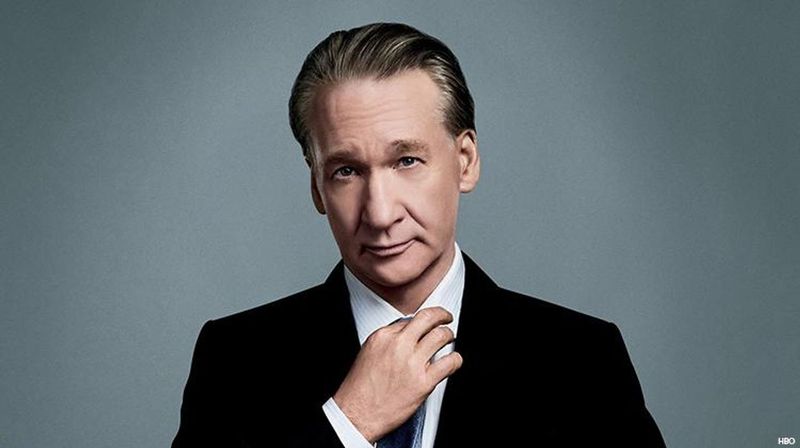
Bill Maher has repeatedly used his HBO platform to question what he calls the rapid rise in gender identity among young people, framing it as a social trend rather than a genuine identity. He cited statistics about increasing numbers of young people identifying as LGBTQ+ and suggested outside influence played a role.
LGBTQ+ advocacy groups fired back, calling his framing misleading and harmful. Many argued that greater visibility and acceptance simply allow more people to feel safe being themselves, and that Maher’s commentary risks discouraging young people from exploring their identities honestly.
15. Martina Navratilova
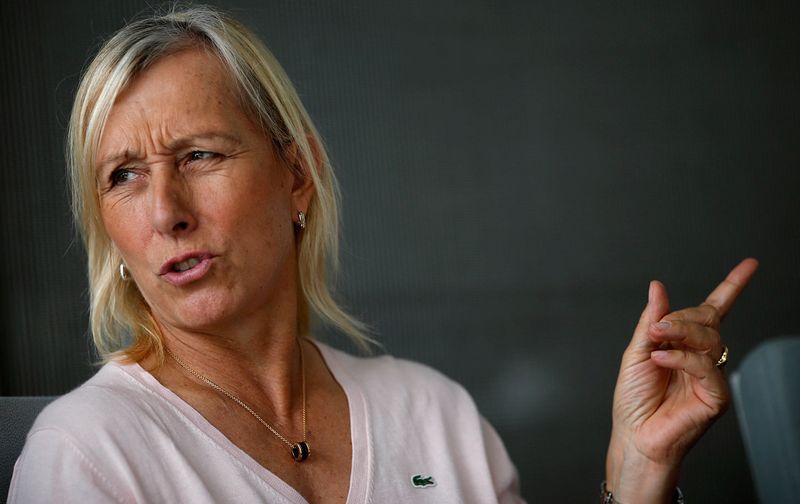
Tennis great Martina Navratilova sparked controversy when she argued that allowing transgender women to compete in female sports categories is “insane” and “unfair.” Coming from an openly gay athlete who has championed LGBTQ+ rights for decades, the comments caught many by surprise and sparked intense debate.
Critics, including transgender athletes and their allies, felt her stance contradicted her own history of fighting for inclusion. Navratilova maintained that her position was about competitive fairness, not identity, though many felt the distinction did not hold up under scrutiny in practice.
16. Piers Morgan
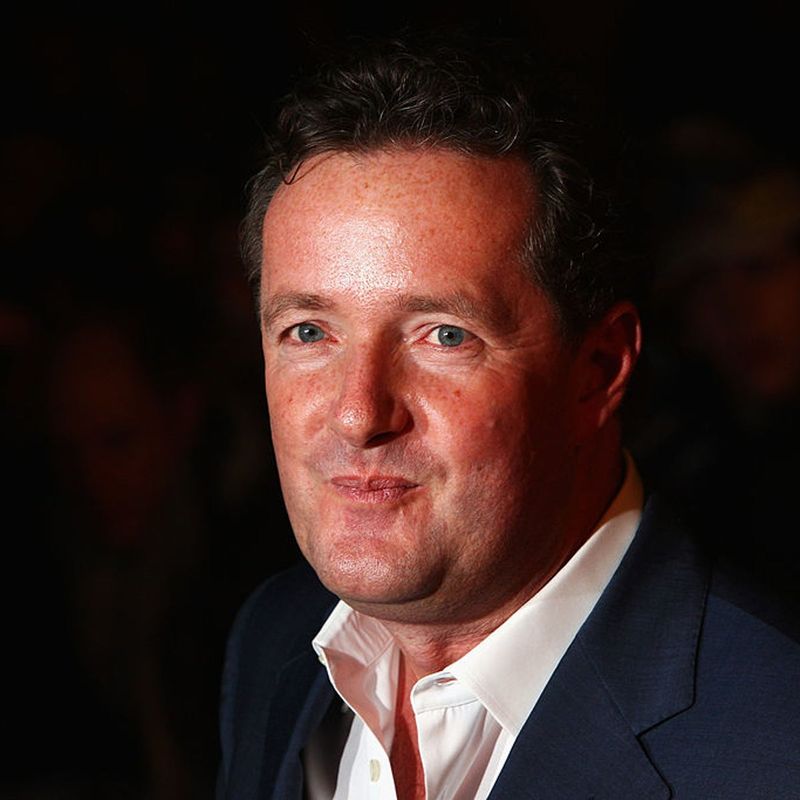
Piers Morgan has made questioning gender identity a recurring theme across his television shows and social media presence. He has challenged guests who use non-binary pronouns on air and has been openly critical of what he calls “woke” gender politics, often in confrontational and dismissive tones.
His approach has earned him a loyal audience among those who share his skepticism, but also fierce backlash from LGBTQ+ communities and allies who argue his platform does more harm than good. For Morgan, the controversy appears to be part of the brand he has spent years carefully building.