
Hollywood’s debate over diversity, equity, and inclusion can get heated fast. But questioning a hiring rule is not the same as rejecting fair chances for everyone.
The supplied material does not establish that 16 actresses openly reject DEI culture, and several names belong to outspoken supporters of inclusion. Here is a closer look at what the claims show, where context matters, and which labels go too far.
1. Kirstie Alley: Opposition to Mandatory Percentages
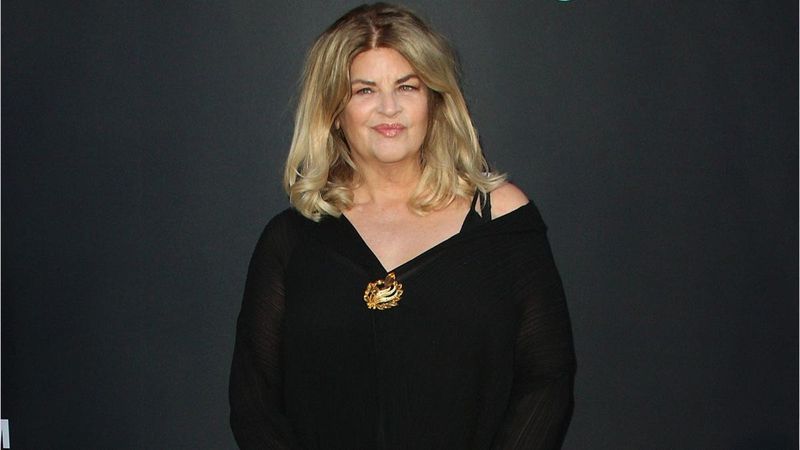
Few examples in the supplied material are as direct as the Cheers star’s criticism of Academy diversity rules. Alley objected to mandatory hiring percentages while also saying she supported diversity, inclusion, and tolerance.
That distinction matters: opposing a particular rule does not establish opposition to every inclusion effort. Her comments support describing her as a critic of mandated percentages, rather than treating her as someone who rejected diversity itself across the entire entertainment industry.
2. Samaire Armstrong: A Claim That Needs Context
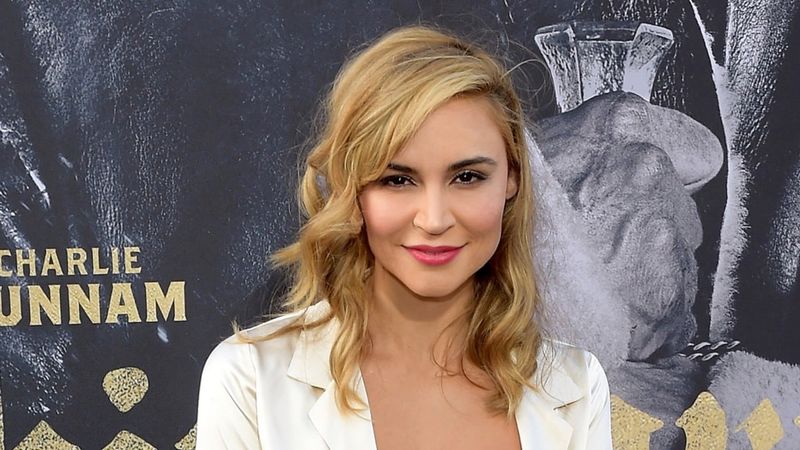
A strong claim deserves a clear source. The supplied notes attribute criticism of race-based discrimination to Armstrong, but they do not provide an accessible interview transcript establishing the full wording and context.
Before calling her an opponent of Hollywood DEI, readers should check the original recording and its date. A statement against discrimination may challenge a specific practice without explaining someone’s position on mentoring, broader casting searches, workplace access, or other inclusion programs overall.
3. Whoopi Goldberg: Skepticism Is Not Established Here
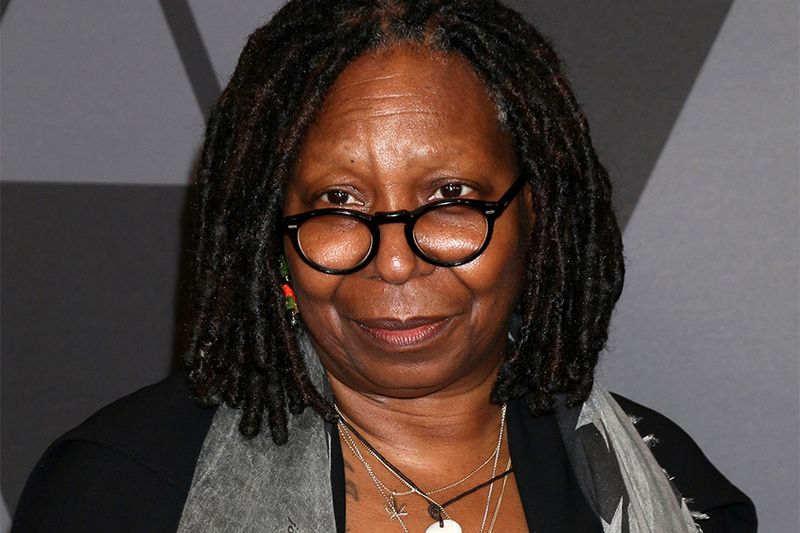
A familiar face on The View can attract plenty of claims about what she believes. However, the supplied material does not establish the specific allegation that Goldberg rejected diversity requirements as bureaucratic targets.
Without a dated quotation or original interview, that description should not become a firm statement about her politics. Her inclusion here highlights a basic reporting rule: a famous name and a confident summary cannot replace evidence of what someone actually said.
4. Thandiwe Newton: Token Roles Are Not Real Progress
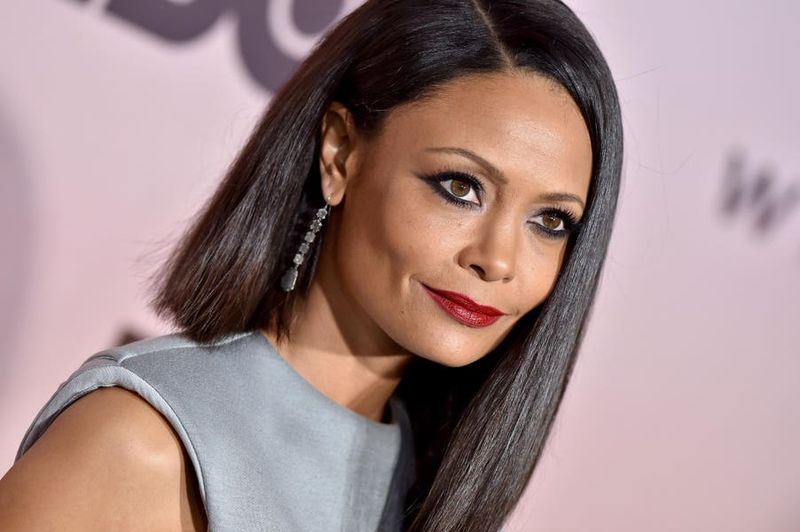
Being invited into a room does not always mean having a voice there. Newton’s discussions of racism and representation help explain why token casting can feel hollow when decision makers remain unchanged.
Still, criticism of shallow inclusion is not evidence that she rejects DEI. It can instead demand stronger action against unfair treatment.
Readers should separate complaints about being reduced to an identity from opposition to giving underrepresented performers meaningful opportunities and lasting creative power.
5. Issa Rae: Calling Out Retreats From Inclusion
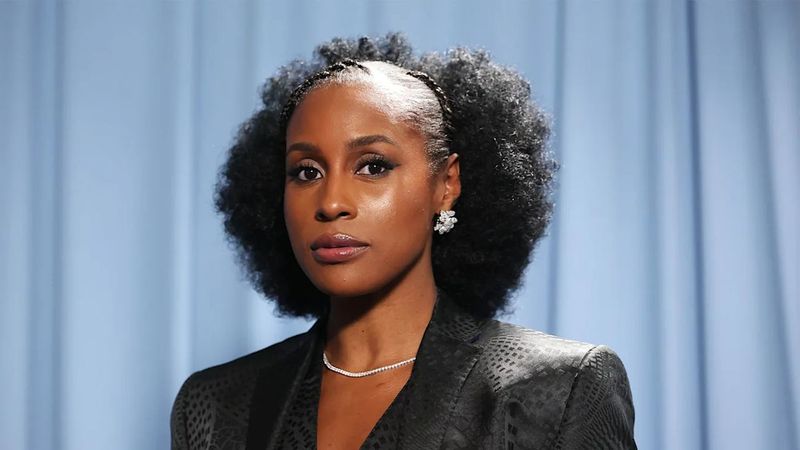
Behind the success of Insecure sits a larger question: who gets the backing to tell stories? Rae has criticized Hollywood’s fading commitment to inclusion and the way diversity promises can disappear when business priorities shift.
That is not a rejection of DEI. It is criticism of an industry that may abandon its stated goals.
Describing her as anti-DEI reverses the point: her concern is that opportunities for Black creators are not secure or lasting.
6. Tessa Thompson: Beyond a Marketing Buzzword
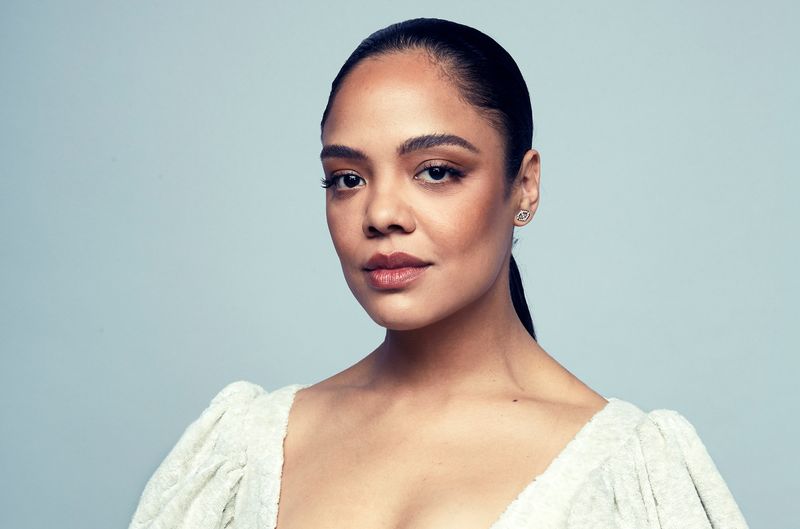
A glossy campaign can celebrate diversity while leaving real power untouched. The supplied notes connect Thompson with criticism of that gap, especially when public language sounds more ambitious than actual industry change.
However, those notes do not establish that she rejects DEI, or verify every detailed claim attributed to her. The fair takeaway is narrower: questioning empty promises differs from opposing inclusion.
Original interviews should guide any stronger statement about her views on industry policy.
7. Amandla Stenberg: More Than a Representation Label

No performer should have to represent an entire community with every role. Discussions involving Stenberg often touch on identity, public expectations, and the pressure placed on Black actors working in highly visible productions.
Those concerns do not establish opposition to DEI or hiring standards. The supplied material offers no direct evidence for that broader label.
A more useful discussion asks whether performers receive varied characters and creative freedom rather than being treated as symbolic achievements.
8. Charlotte Rampling: The Date Changes the Story
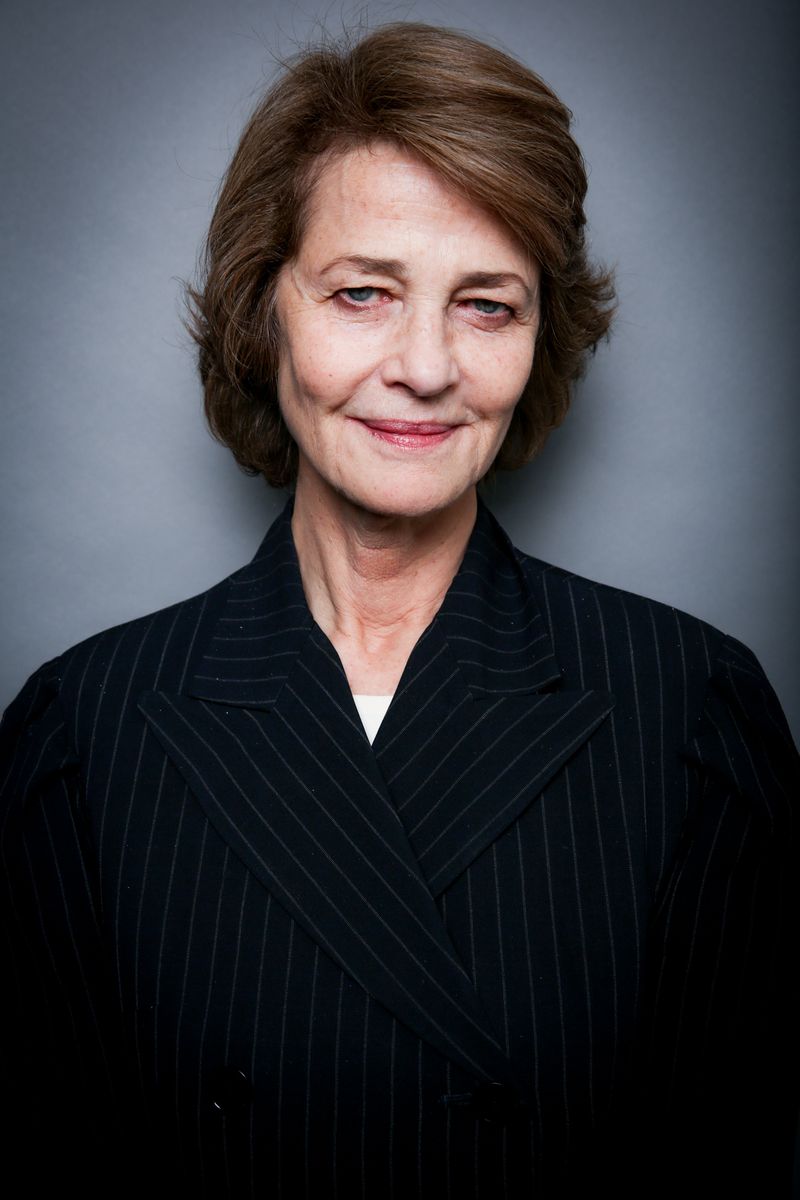
Context changes this example in a major way. Rampling’s controversial remarks concerned the 2016 Oscars diversity dispute, not the Academy’s later Best Picture representation standards announced in 2020.
She subsequently clarified her comments and expressed support for equal consideration of performances. Readers should therefore avoid presenting that earlier dispute as a response to rules that did not yet exist.
Her remarks belong in their original setting, with the clarification included alongside the controversy surrounding them.
9. Sharon Stone: Making Room for Health and Disability
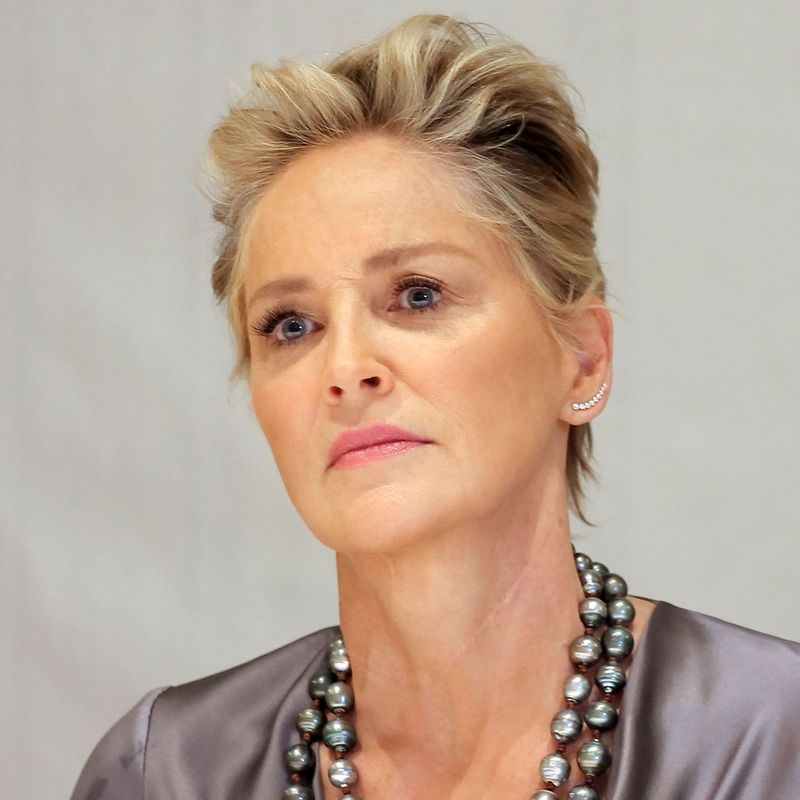
Recovery can change a career as sharply as any casting decision. Stone has discussed the professional struggles that followed her 2001 stroke, bringing health and disability into conversations about who gets opportunities.
Expanding the meaning of inclusion is not the same as rejecting it. Her experience can help readers notice barriers that receive less attention.
It does not, by itself, establish that she opposes racial diversity initiatives, workplace fairness, or Hollywood DEI programs more broadly.
10. Cynthia Nixon: Advocacy Is Not Opposition
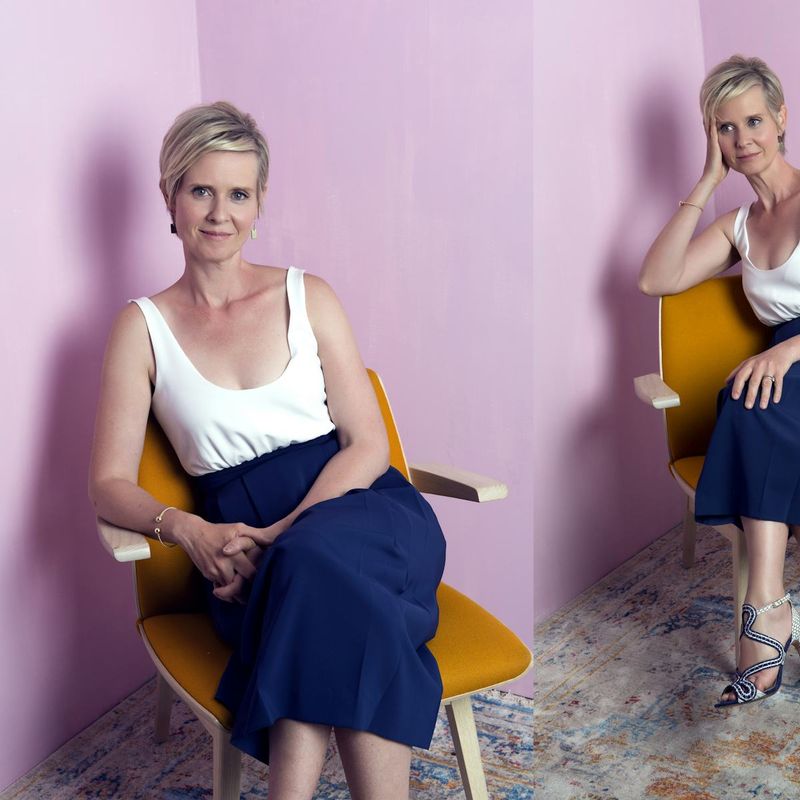
Sometimes a list tells the wrong story simply by including the wrong person. The supplied research itself identifies Nixon as someone associated with advocating for greater diversity, not openly rejecting it.
No direct anti-DEI statement is established here. That means she should not be presented as evidence for the original headline.
When reviewing celebrity opinion lists, check whether each person’s actual position matches the category instead of assuming every included name supports the article’s premise.
11. Jessica Chastain: Calls for Fairer Opportunities
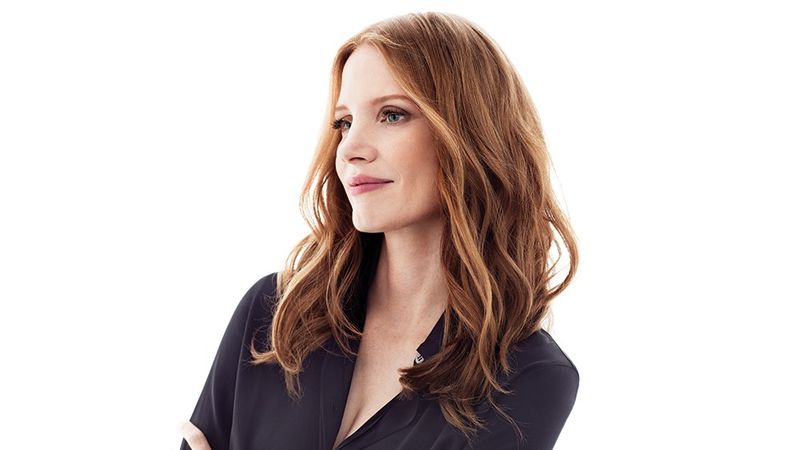
Speaking up about unequal opportunities points in a different direction from rejecting inclusion. Chastain is identified in the supplied material as an advocate for more diversity, making her a poor fit for an anti-DEI list.
There is no documented rejection established here. Readers should also remember that support for fair treatment does not automatically reveal someone’s view on every hiring policy.
Accurate reporting keeps those questions separate instead of turning broad advocacy into an unrelated label.
12. Reese Witherspoon: Creating Opportunities Behind the Camera
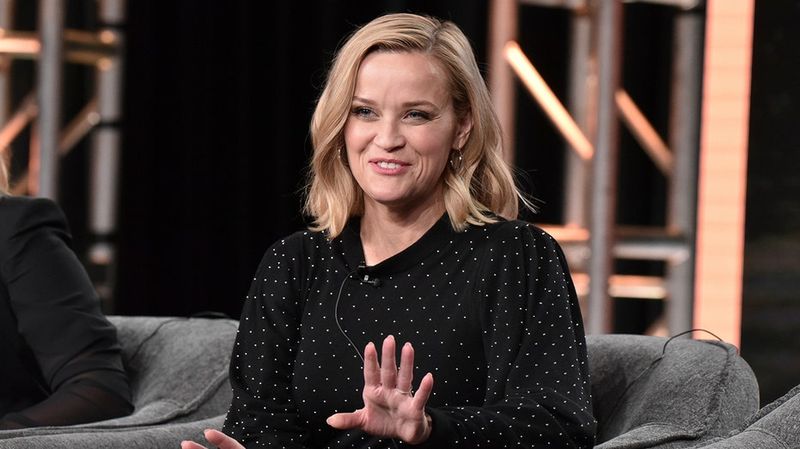
Producing stories can change who gets heard, not just who appears onscreen. Witherspoon’s work creating opportunities for women helps explain why the supplied research groups her with inclusion advocates rather than confirmed DEI opponents.
Nothing provided establishes an open rejection of DEI culture. Her example also shows why labels can hide useful details: backing women-led projects, supporting broader representation, and endorsing a specific workplace policy are related topics, but they are not interchangeable positions at all.
13. Elisabeth Moss: No Direct Statement Supplied
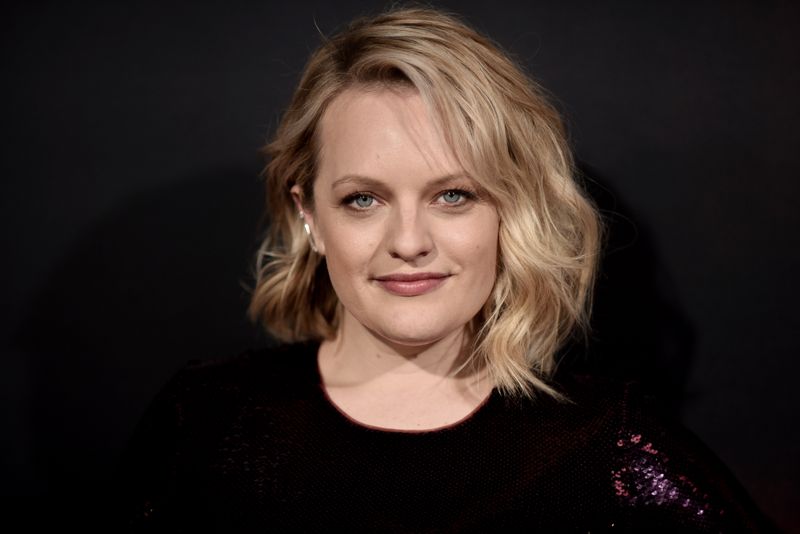
A missing statement cannot be filled in with guesswork. Although Moss appears among the additional names discussed in the supplied research, that material explicitly says it found no direct statement from her rejecting DEI.
Her roles, professional relationships, or other personal beliefs cannot settle that question. The responsible approach is to leave her position unclassified unless clear evidence emerges.
Celebrity reporting becomes more useful when it admits what is unknown instead of manufacturing a conclusion.
14. Susan Sarandon: Politics Do Not Prove This Claim
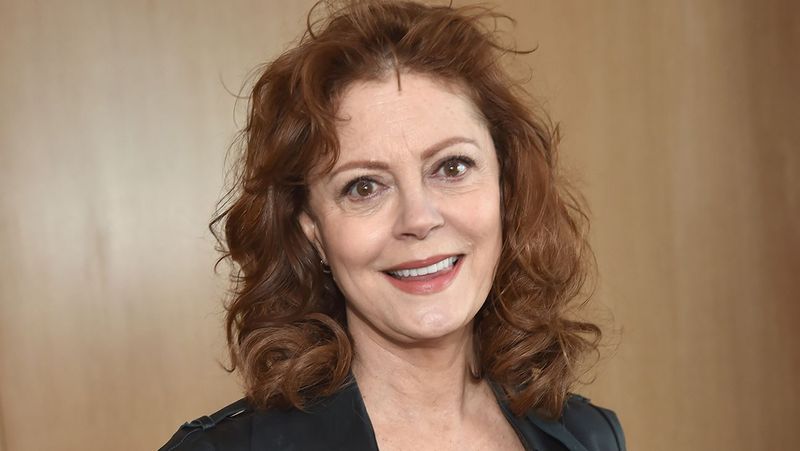
Outspoken political views can make a celebrity an easy target for broad labels. Yet the supplied research does not identify a direct statement from Sarandon rejecting Hollywood DEI, so that claim remains unsupported here.
Taking a stand on another public issue does not establish a position on inclusion programs. Readers should look for specific comments about the policy being discussed, with a date and context, rather than treating political visibility as proof of an unrelated belief.
15. Candace Cameron Bure: Faith Is a Separate Question
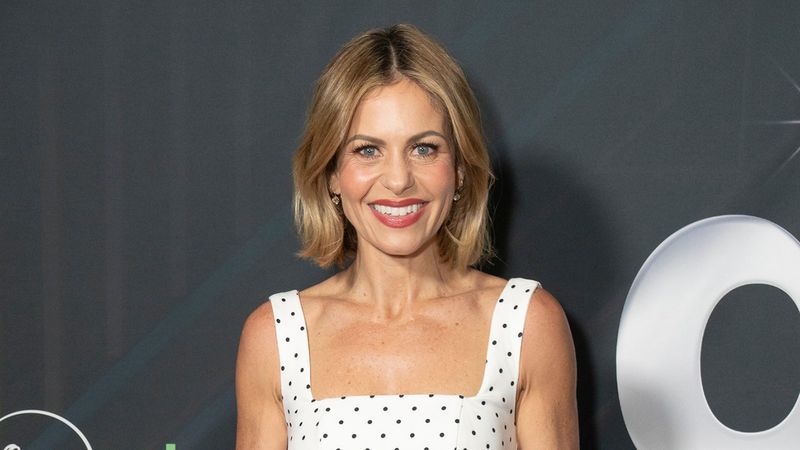
Personal faith and programming choices often shape discussions about Bure’s career. But the supplied research does not establish that she has directly rejected Hollywood DEI policies, and those subjects should not be treated as identical.
A performer may discuss religion, family entertainment, or creative preferences without explaining a position on workplace inclusion. To make the stronger claim, an article needs a clear statement about DEI itself, not assumptions based on audience, network affiliation, or public image.
16. Patricia Heaton: Evidence Before a Political Label
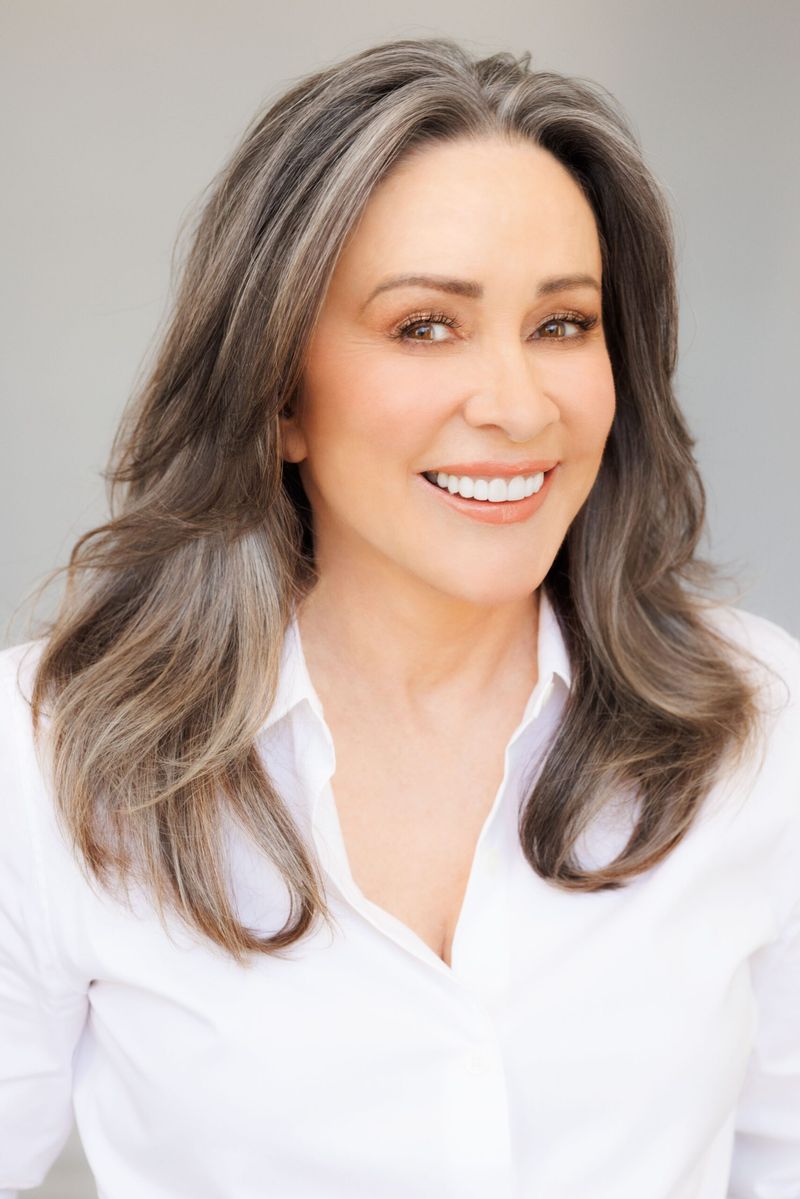
Finishing a list should not mean lowering its evidence standard. Heaton’s public discussions of faith and career do not establish opposition to DEI, and the supplied material acknowledges that no explicit rejection was found.
She therefore cannot fairly complete a list of confirmed opponents. The broader lesson is simple: criticism of quotas, demands for deeper inclusion, and unrelated personal beliefs are different things.
A trustworthy article explains those differences instead of forcing people into one category.