
People with narcissistic tendencies have a remarkable ability to twist reality so that they always come out looking like the good guy. Even when they hurt others, they rarely see themselves as the problem.
Understanding the mental tricks they use to avoid accountability can help you recognize these patterns in your own relationships. Here are the stories narcissists tell themselves to keep their egos safe and their harmful behavior going.
1. “It’s Your Fault, Not Mine”

Blame-shifting is practically a narcissist’s superpower. Rather than owning up to a mistake, they immediately redirect the spotlight onto someone else.
In their mind, something you said or did forced them to act the way they did.
This thinking protects their ego from the painful sting of guilt. If you find yourself constantly apologizing for things that were not your fault, that is a strong signal something is off in the relationship.
2. “I’m Simply Better Than Everyone Else”

Narcissists carry a deep, unshakeable belief that they are a cut above the rest. Because of this, they feel fully entitled to special treatment, bending rules that apply to ordinary people.
That sense of superiority makes it easy to justify poor behavior. After all, if you believe the normal rules do not apply to you, treating others poorly seems perfectly reasonable.
Recognizing this pattern early can save you a lot of heartache down the road.
3. “You’re Just Jealous Of Me”

Criticism stings everyone, but narcissists have a unique defense: labeling anyone who challenges them as jealous. It is a tidy way to dismiss feedback without ever having to consider whether it is valid.
By framing disapproval as envy, they get to feel admired even when people are actually upset with them. If someone in your life consistently explains away every complaint with “they are just jealous,” that pattern is worth paying attention to.
4. “You’re Way Too Sensitive”

After saying something cutting, a narcissist rarely takes responsibility. Instead, they flip the script and make you the problem for having a reaction at all. “You are too sensitive” is one of their go-to moves.
Your feelings are real and valid, no matter what they say. This tactic is designed to make you doubt yourself so you stop holding them accountable.
Learning to trust your own emotions is one of the most powerful tools against this kind of manipulation.
5. “That Never Happened”

Gaslighting is one of the most disorienting tools in a narcissist’s kit. When they flatly deny that something happened, it can make you question your own memory and sanity. “That is not what happened” or “I never said that” are phrases designed to rewrite history.
Over time, this chipping away at your sense of reality can be deeply damaging. Keeping a journal of events can be a grounding and practical way to hold onto the truth.
6. “I Was Only Joking”
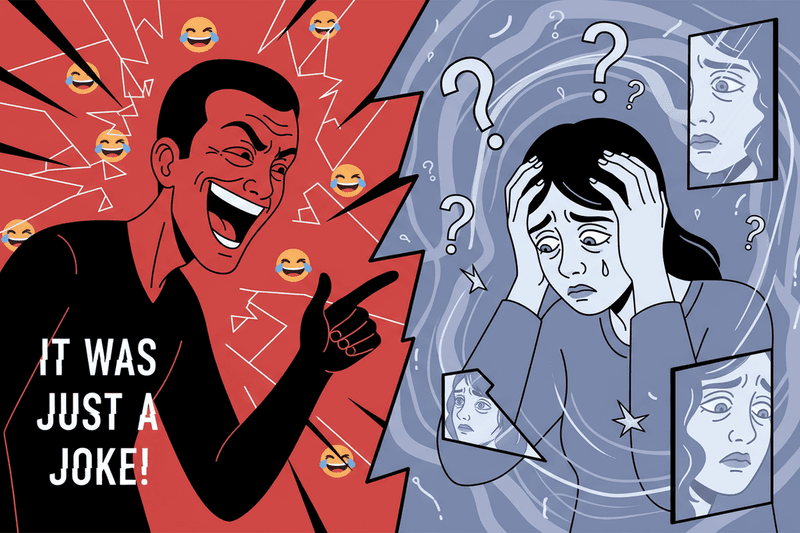
Few phrases do more damage with less accountability than “I was just joking.” A narcissist will say something genuinely hurtful, watch your reaction, and then use humor as a shield when you push back.
It puts you in an impossible spot. If you stay upset, you look like you cannot take a joke.
But the comment was never really a joke. Recognizing this pattern helps you stop second-guessing your gut reaction when something does not feel funny at all.
7. “You’re Holding Me Back”
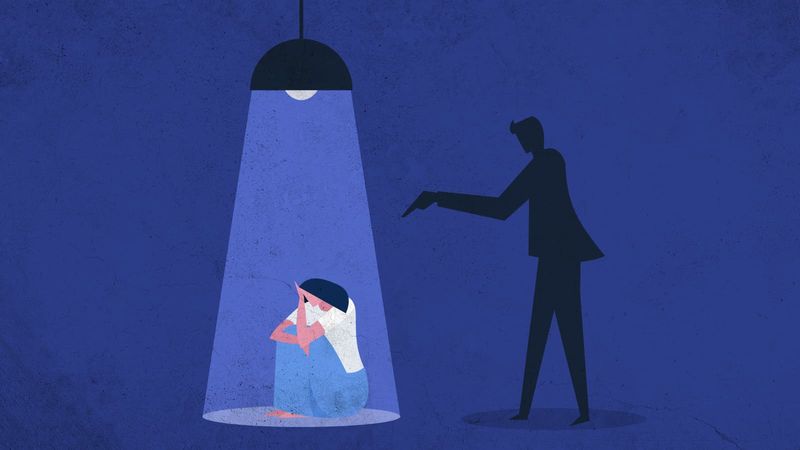
When things go wrong in a narcissist’s life, the people closest to them often become the scapegoats. Convincing themselves that a partner, friend, or family member is “ruining their life” makes mistreating that person feel completely justified.
It is a painful position to be in, especially when you have genuinely tried to be supportive. Understanding that this belief comes from their need to avoid personal responsibility, not from any real failure on your part, can bring real clarity.
8. “The Ends Justify My Means”

Narcissists are skilled at convincing themselves that a worthy goal makes any method acceptable. If they hurt someone along the way, they tell themselves it was a small, unavoidable price for a bigger win.
This belief lets them bulldoze over people’s feelings without losing any sleep. Whether it is in a workplace, a relationship, or a family setting, watching for this pattern can help you protect yourself before the damage adds up.
9. “No One Will Ever Believe You”

Control is everything to a narcissist, and isolation is one of their favorite control tactics. By convincing you that no one will take your side, they keep you silent and dependent on them alone.
Hearing those words can feel crushing, especially when your confidence is already worn down. The truth is, people absolutely will listen.
Reaching out to a trusted friend, counselor, or support group is a brave and important first step toward breaking free from that kind of grip.
10. “You’ll Never Find Anyone Better”

Planting seeds of insecurity is a classic narcissistic move. Telling someone they could never do better keeps that person afraid to leave, even when the relationship is clearly harmful.
Over time, constant exposure to this message can genuinely damage your self-worth. Remembering that healthy relationships are built on encouragement, not fear, is a powerful reminder.
You deserve a connection where someone builds you up rather than convincing you that you are lucky just to have them around.
11. “I’m The Real Victim Here”

Flipping the victim narrative is a move narcissists make with surprising ease. Even after causing real harm, they manage to reframe the story so they are the ones who were wronged.
It is a disorienting experience for anyone on the receiving end.
This tactic silences the actual victim and shifts attention away from the real issue. Knowing this pattern exists helps you hold onto the truth of your own experience, even when the other person works hard to muddy the waters.
12. “You’re Stuck In The Past”

Bringing up a past hurt is often met with a frustrated “why are you still talking about this?” from a narcissist. By labeling you as someone who cannot move on, they dodge any real conversation about ongoing problems.
Healthy relationships require the ability to revisit and resolve conflicts. If every attempt to address an issue gets shut down as “living in the past,” the real problems never get solved.
Pushing for open, honest dialogue is always worth the effort, even when it feels uncomfortable.
13. “You’re Projecting Onto Me”

Projection is when someone accuses others of the very things they themselves are doing. A narcissist who lies regularly might call you a liar.
One who is controlling might accuse you of being too controlling.
It keeps them from having to face their own behavior and leaves you on the defensive instead. Noticing when accusations feel oddly specific or strangely familiar can be a clue that projection is happening.
Staying grounded in your own actions makes it harder for this tactic to stick.
14. “I Only Hurt You Because I Was Hurt”

Playing the wounded card is a powerful way to avoid accountability. A narcissist might share a painful backstory right after doing something hurtful, subtly suggesting their past excuses their present behavior.
Empathy is a beautiful thing, but it should never be used as a loophole. Understanding someone’s pain does not mean accepting mistreatment as a result.
You can feel compassion for someone’s history while still holding a clear boundary about how you deserve to be treated today.
15. “My Needs Are The Only Ones That Matter”

At the core of narcissistic behavior is a near-complete focus on personal needs, with little genuine thought given to how actions affect others. It is not always a conscious choice.
Many narcissists simply lack the ability to tune into someone else’s experience.
Living or working alongside someone like this can leave you feeling invisible and unimportant. Knowing that their inability to consider your needs is about their limitations, not your worth, can be a genuinely freeing realization to hold onto.