
Some horror movies don’t need jump scares to make your skin crawl. The best ones creep up on you slowly, building a thick cloud of dread that you can’t shake off even after the credits roll.
Slow-burn horror films are all about atmosphere, psychology, and patience — rewarding viewers who stick around for the unsettling payoff. If you enjoy feeling genuinely unsettled rather than just startled, these films are exactly what you’re looking for.
1. The Shining (1980)
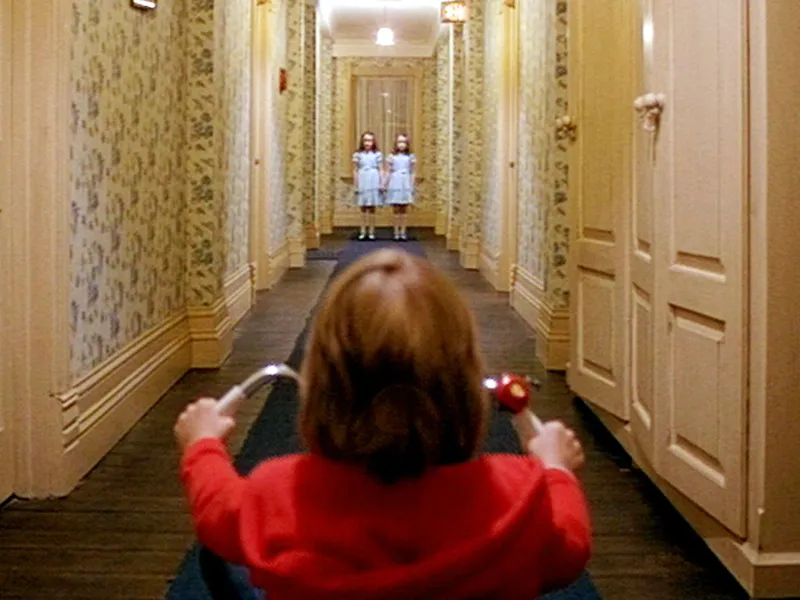
Stanley Kubrick turned an empty hotel into one of cinema’s most terrifying spaces. Jack Torrance, played by Jack Nicholson, slowly unravels while snowbound at the Overlook Hotel, and watching his mind crack apart is deeply unsettling.
The film never rushes — it lets isolation do all the heavy lifting.
Every long corridor shot and every strange vision adds another layer of dread. By the time things go truly wrong, you’re already wound tight with anxiety.
2. Rosemary’s Baby (1968)
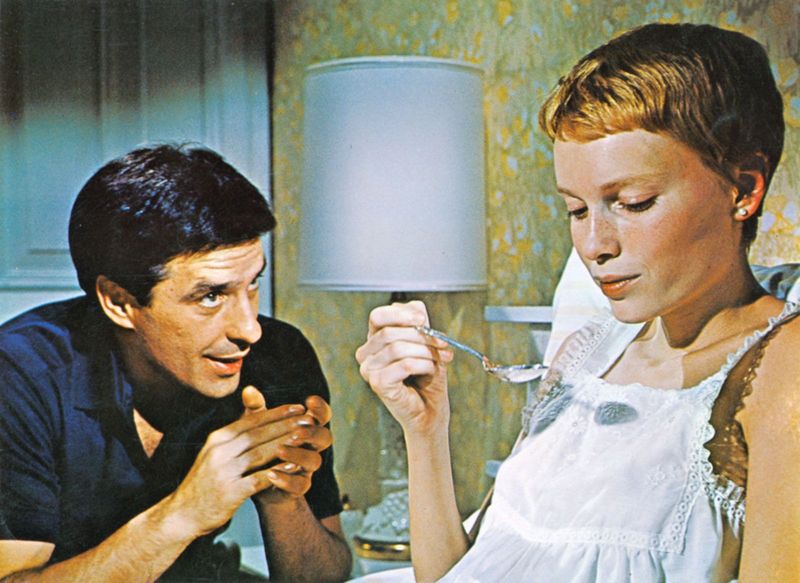
Roman Polanski built this film around one of the most relatable fears imaginable — not being believed. Rosemary grows increasingly convinced that her neighbors and husband are hiding something monstrous, but everyone brushes her off as paranoid.
That slow erosion of trust is what makes the film so deeply disturbing. The horror here isn’t about monsters jumping out — it’s about feeling completely alone with a terrifying truth nobody else will acknowledge.
3. Hereditary (2018)
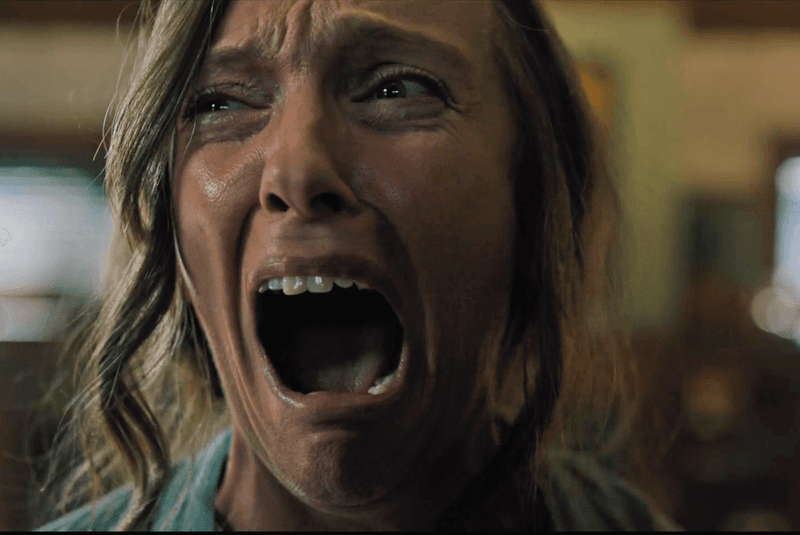
Ari Aster’s debut feature hits like a gut punch disguised as a family drama. The story begins with grief — raw, ugly, complicated grief — and gradually morphs into something far more sinister and supernatural.
What makes it so effective is how grounded it feels at first. The terror sneaks in through the cracks of real emotional pain, making every disturbing moment feel shockingly personal and impossible to look away from.
4. The Babadook (2014)
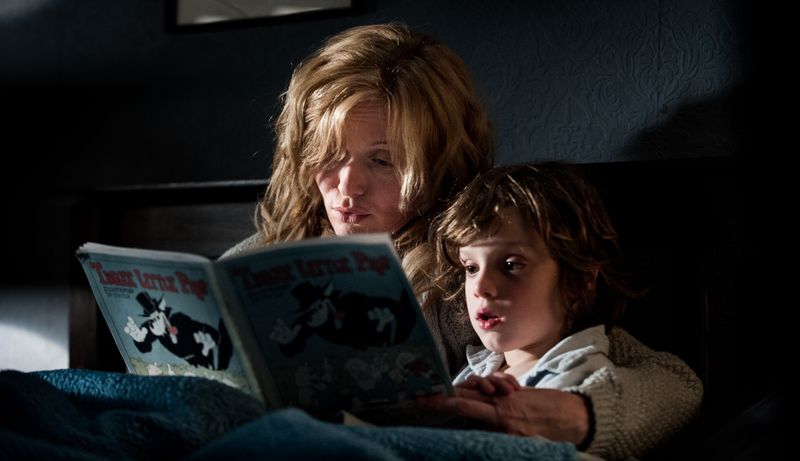
Jennifer Kent wrapped a story about grief and exhausted single motherhood inside a monster movie, and the result is genuinely haunting. Amelia and her son Samuel are already struggling before the Babadook ever shows up.
The creature works as both a real horror and a metaphor for depression — and that double meaning makes every scene hit harder. This Australian gem proves that the most frightening monsters are often the ones we carry inside ourselves.
5. The Witch (2015)
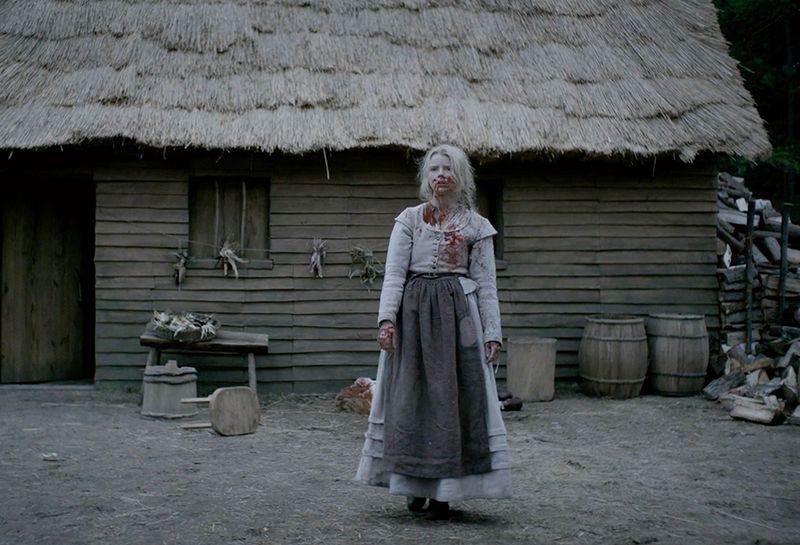
Robert Eggers crafted something rare — a horror film that feels genuinely historical. Set in 1630s New England, a banished Puritan family tries to survive on the edge of a foreboding forest, and strange, terrible things begin happening almost immediately.
The old English dialogue and meticulous period detail make the dread feel achingly authentic. When the family starts turning on each other out of religious paranoia, the horror becomes almost unbearably claustrophobic.
6. The Blair Witch Project (1999)
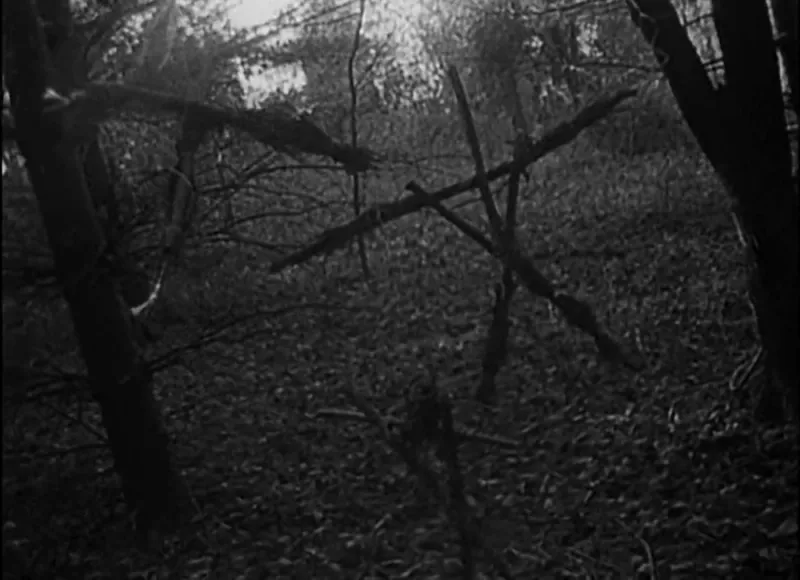
Few films have weaponized the unknown as brilliantly as this one. Three student filmmakers head into the Maryland woods to document a local legend, and what follows is a masterclass in letting your imagination do the terrifying work.
You never see the Blair Witch. You only hear things, see strange stick figures, and watch the group slowly fall apart.
That restraint is exactly what makes it so effective — and so hard to forget at night.
7. Suspiria (1977)
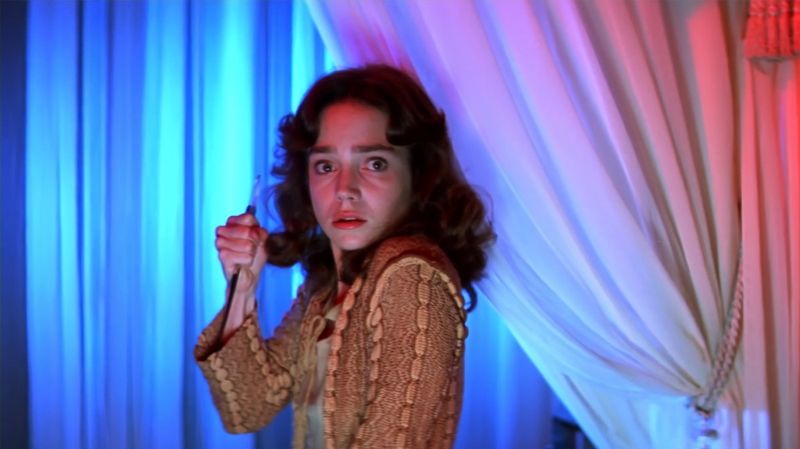
Dario Argento’s original Suspiria is less a traditional horror film and more a fever dream painted in neon reds and blues. An American student arrives at a prestigious German ballet school, and almost immediately something feels deeply, wrongly off.
The film uses color, music, and architecture as weapons of pure unease. The Goblin soundtrack alone is enough to make your pulse quicken.
It’s surreal, stylish, and genuinely strange in ways that linger long after watching.
8. The House of the Devil (2009)
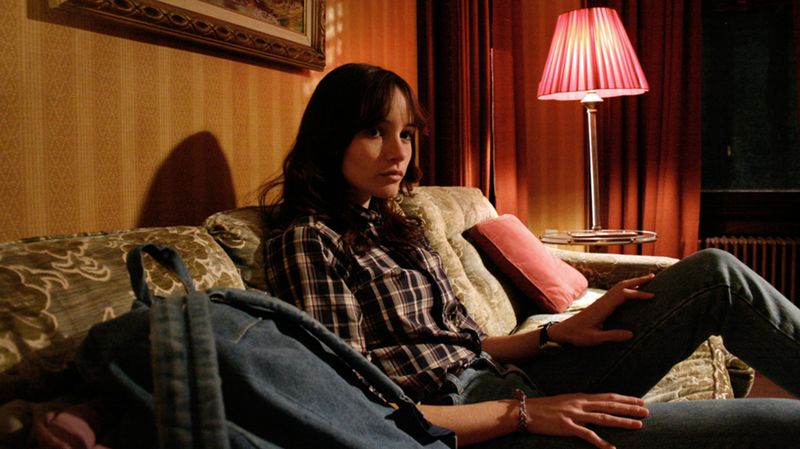
Ti West clearly loves 1980s horror, and this film is his loving, slow-burning tribute to that era. A cash-strapped college student named Samantha takes a last-minute babysitting job at a creepy old house, and the film takes its sweet time building unease.
For much of the runtime, almost nothing happens — and that’s the point. The mundane stretches make the eventual horror explode with terrifying force.
Patient viewers are richly rewarded by the time the final act arrives.
9. It Follows (2014)
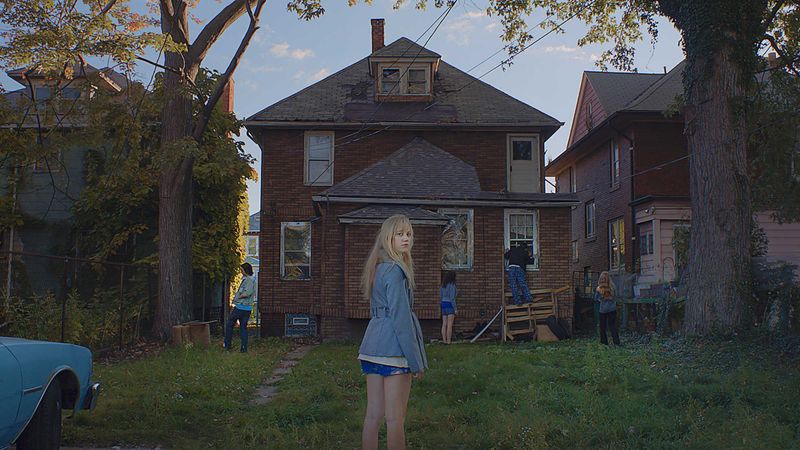
The premise here is deceptively simple and absolutely brilliant: a curse passes through sexual contact, and once you have it, a slow-moving entity will follow you relentlessly until it kills you — or you pass it on.
What makes the film so unnerving is that the threat is always visible but never hurried. It just walks.
That constant, quiet approach generates a unique brand of inescapable dread that crawls under your skin and refuses to leave.
10. The Others (2001)
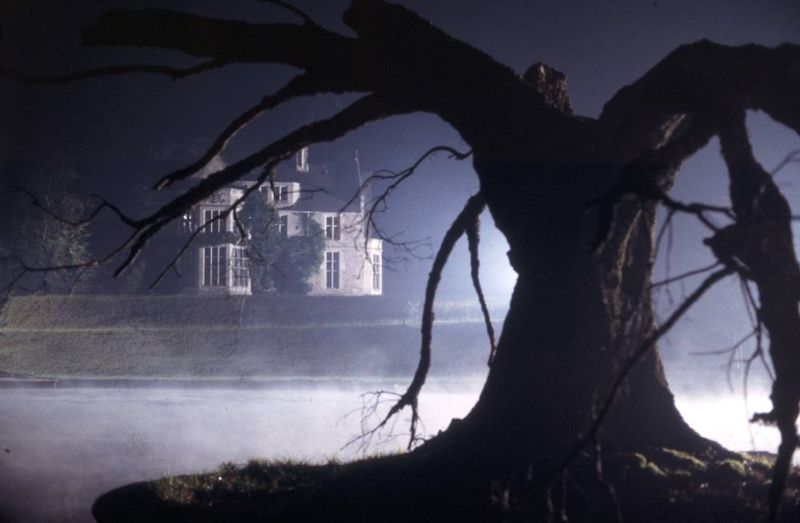
Nicole Kidman delivers one of her finest performances as a devoutly religious mother protecting her light-sensitive children in a fog-shrouded mansion after World War II. Strange noises, locked doors, and unexplained presences slowly chip away at her certainty.
The film is beautifully restrained — it trusts atmosphere over special effects. The shocking final revelation reframes everything you watched before it, making a second viewing feel like an entirely different movie experience altogether.
11. The Wicker Man (1973)
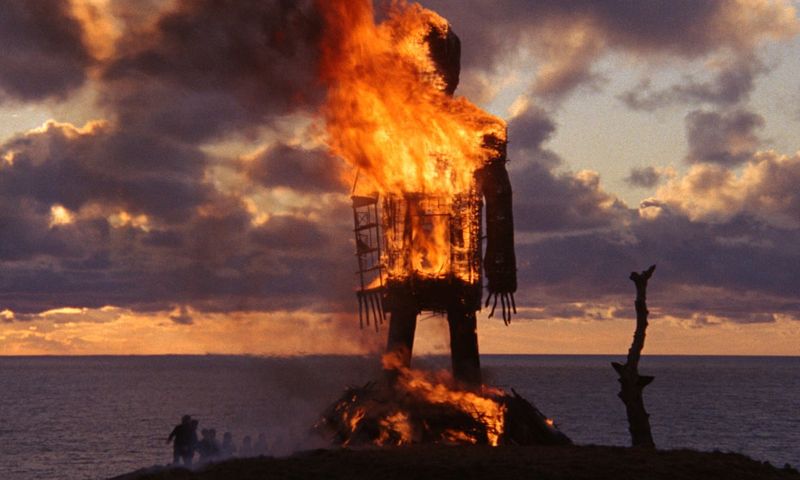
Sergeant Howie arrives on a remote Scottish island to investigate a missing girl and quickly discovers the locals follow ancient pagan customs. The unsettling part is how cheerful and open everyone is about their strange beliefs — they’re not hiding anything.
That openness is precisely what makes the film so deeply creepy. The horror builds not through darkness and shadows but through bright daylight and folk songs, making the terrifying finale land with extraordinary and unforgettable force.
12. The Lighthouse (2019)
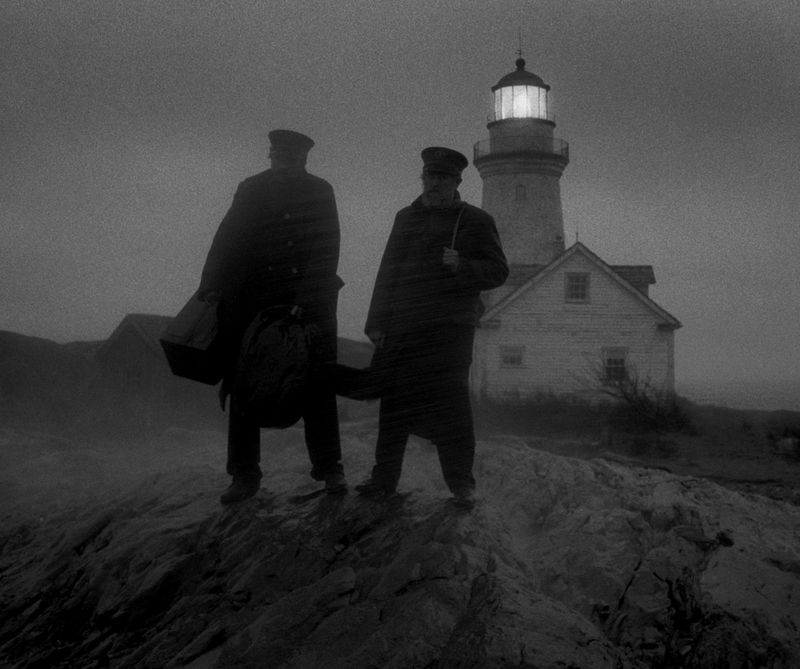
Robert Eggers returned with another period-set nightmare, this time trapping two lighthouse keepers on a desolate rock off the New England coast in the 1890s. Willem Dafoe and Robert Pattinson are both extraordinary as men slowly losing their grip on sanity.
Shot in a claustrophobic black-and-white square frame, the film feels suffocating from the very first scene. Folklore, jealousy, and isolation twist together into something mythological and genuinely maddening to witness.
13. The Omen (1976)
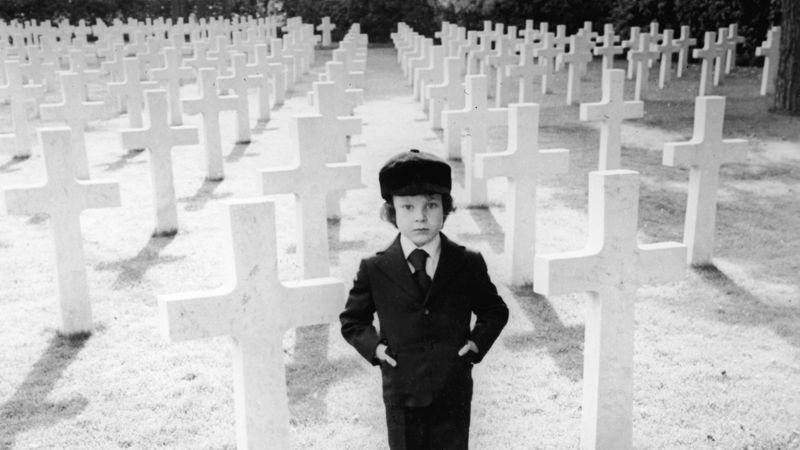
Gregory Peck plays an American ambassador who slowly begins to suspect that his adopted son Damien might be something far more sinister than a normal child. The film drips with ominous portents — nannies, priests, and animals all react with inexplicable terror to the boy.
Each strange incident feels almost explainable on its own, but they stack up relentlessly. By the time the truth is undeniable, the film has earned every moment of its chilling, biblical horror.
14. The Invitation (2015)
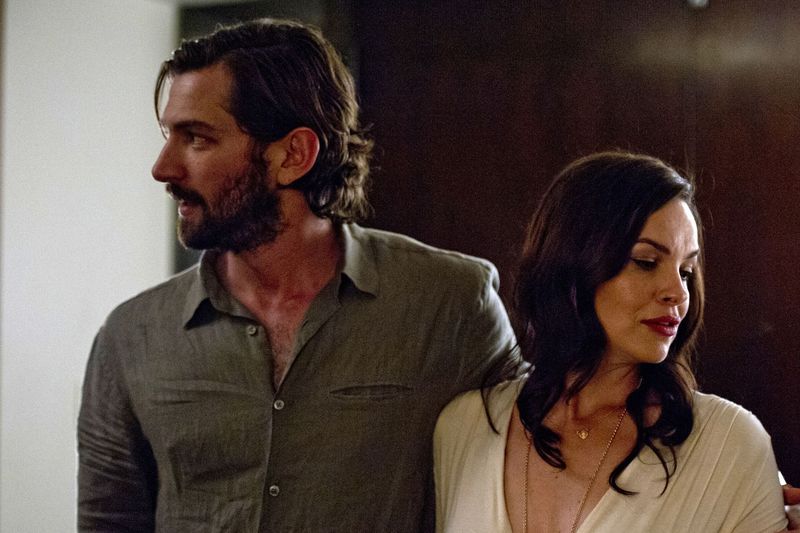
Will hasn’t seen his ex-wife Eden in two years, and something about this dinner party reunion feels profoundly wrong to him from the moment he arrives. The other guests seem relaxed, but Will can’t shake a growing, gnawing suspicion.
Director Karyn Kusama plays the whole film on a razor’s edge — you’re never quite sure if Will’s paranoia is justified or if grief has simply broken him. That ambiguity is the film’s greatest weapon, and it holds you hostage right up until the shocking final minutes.
15. Jacob’s Ladder (1990)
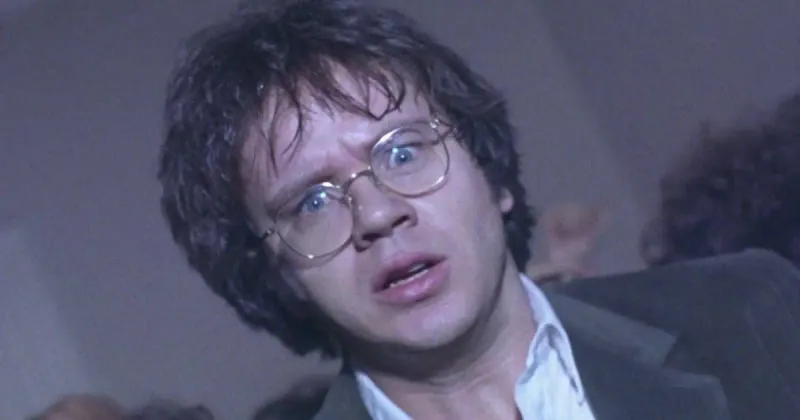
Tim Robbins plays Jacob Singer, a Vietnam vet living in New York who begins experiencing terrifying hallucinations that blur the line between memory, nightmare, and reality. The film never explains itself cleanly, and that refusal to be tidy is exactly what makes it so unsettling.
Adrian Lyne directed this psychological spiral with a grimy, fever-dream quality that feels uniquely 1990s. The ending reframes the entire story in a way that is both heartbreaking and quietly devastating.