
A neat house and a smiling wife were often sold as the picture of a happy marriage in the 1950s. Behind that picture were rules that gave husbands more power and wives more work.
Not every family followed those rules, and some pressures still linger today. Looking back shows why respect, shared choices, and personal freedom matter more than playing a perfect role.
1. The Husband Always Gets the Final Say

Imagine needing permission to make decisions about your own home. Many popular marriage ideals of the 1950s treated the husband as the family leader, with his wife expected to follow his judgment.
That arrangement confused earning money with having greater wisdom. A fairer approach gives both partners a real voice in choices about spending, children, and daily life.
When opinions differ, listening and finding common ground work better than declaring one person the permanent boss.
2. Marriage Means Giving Up Your Job
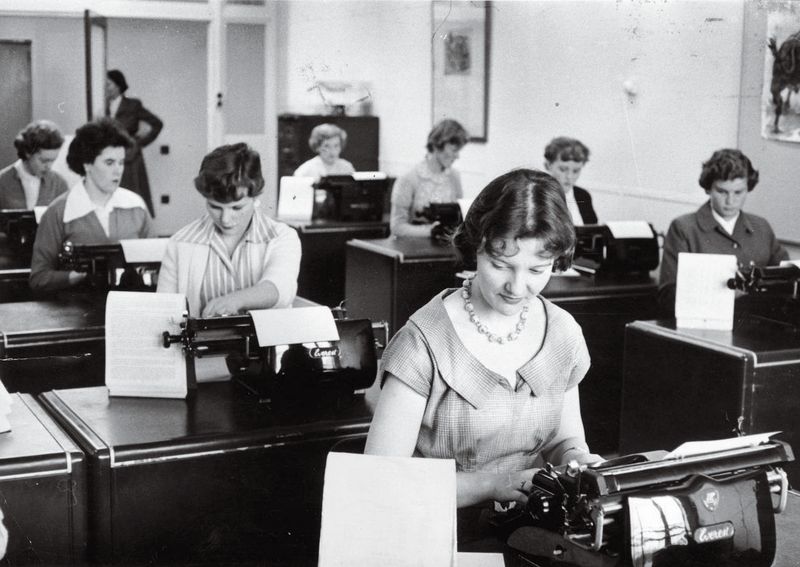
A wedding ring once came with an unwelcome career question: when would the bride quit? Many women faced pressure to leave paid work after marriage, although plenty continued working because they needed or wanted to.
Leaving a job should be a personal choice, not a test of devotion. Couples can discuss money, career goals, and care duties together.
Keeping skills current and understanding household finances also helps protect independence if circumstances change unexpectedly later on.
3. Housework Is Women’s Work
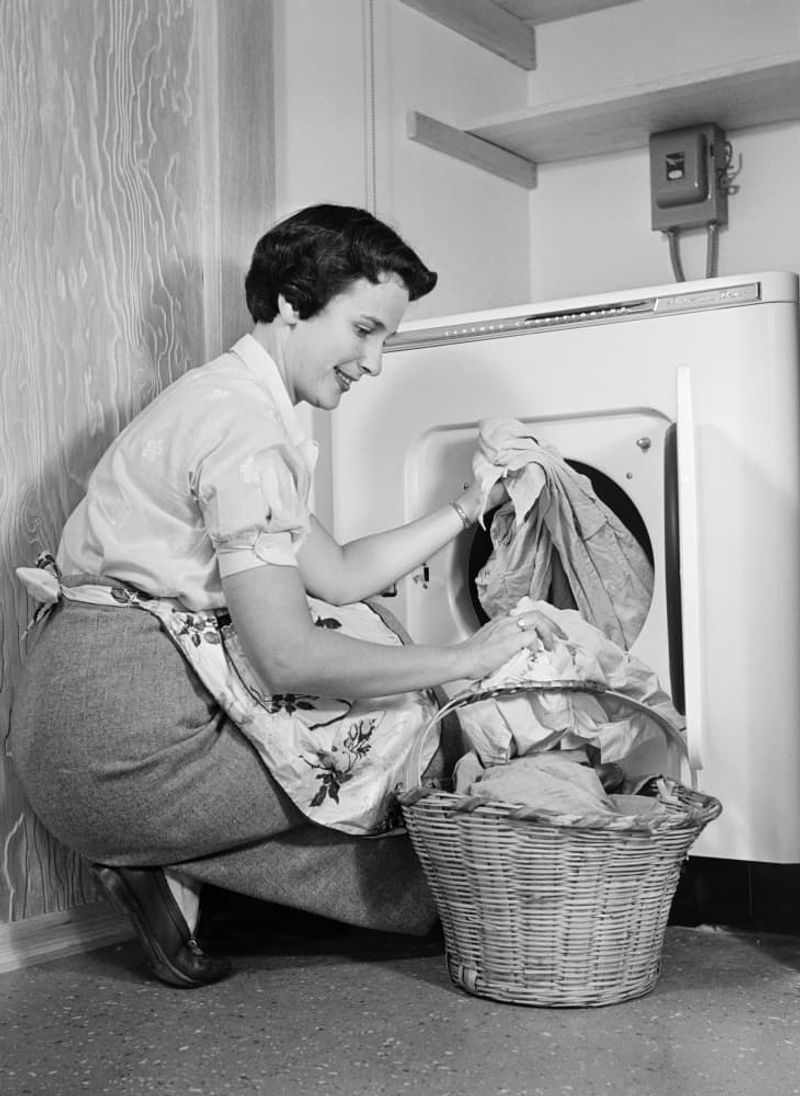
Dirty dishes do not care who washes them. Yet the popular breadwinner model assigned cooking, cleaning, and much childcare to wives, while treating a husband’s participation as optional help.
Running a home takes time, planning, and effort from everyone who lives there. Divide tasks by schedules, ability, and preference rather than gender.
Remember the hidden jobs, too, like booking appointments and noticing empty cupboards. Shared responsibility means neither partner needs to manage the other’s chores.
4. Political Opinions Belong to Men
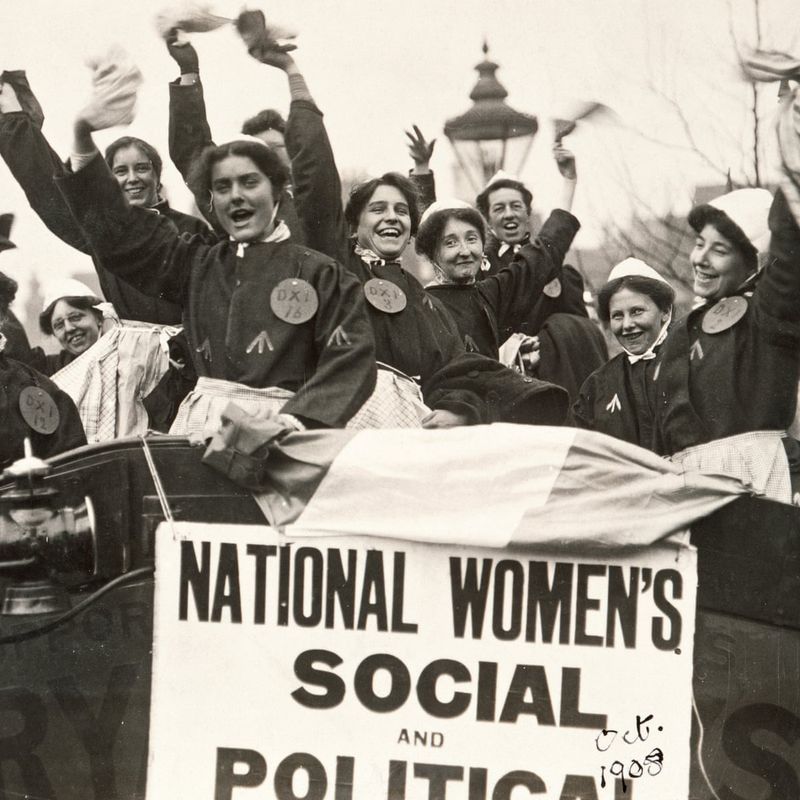
Being told to stay quiet at the dinner table could make public life feel like a private club. Some social expectations discouraged wives from debating politics, even though women voted, organized, and held public office.
The problem was not a lack of opinions, but a lack of respect for them. Welcome different views without turning disagreement into insults.
Reading reliable news and discussing local issues together can make a marriage more thoughtful, not less peaceful.
5. A Wife’s Whole Purpose Is Homemaking
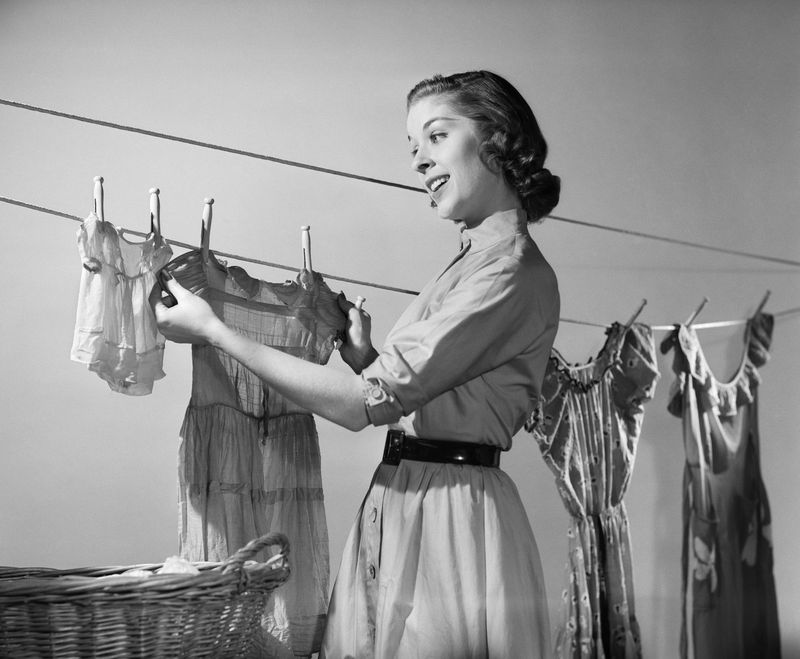
Magazine smiles made the happy homemaker look like the only acceptable dream. Caring for a household can be meaningful, but the narrow ideal left little room for women who wanted other paths.
A person can love family life and still value study, friendships, creative work, or a career. Ask your partner what makes them feel fulfilled beyond household duties.
Supporting those interests recognizes a whole person, rather than reducing someone to a single assigned role.
6. His Happiness and Success Are Her Job
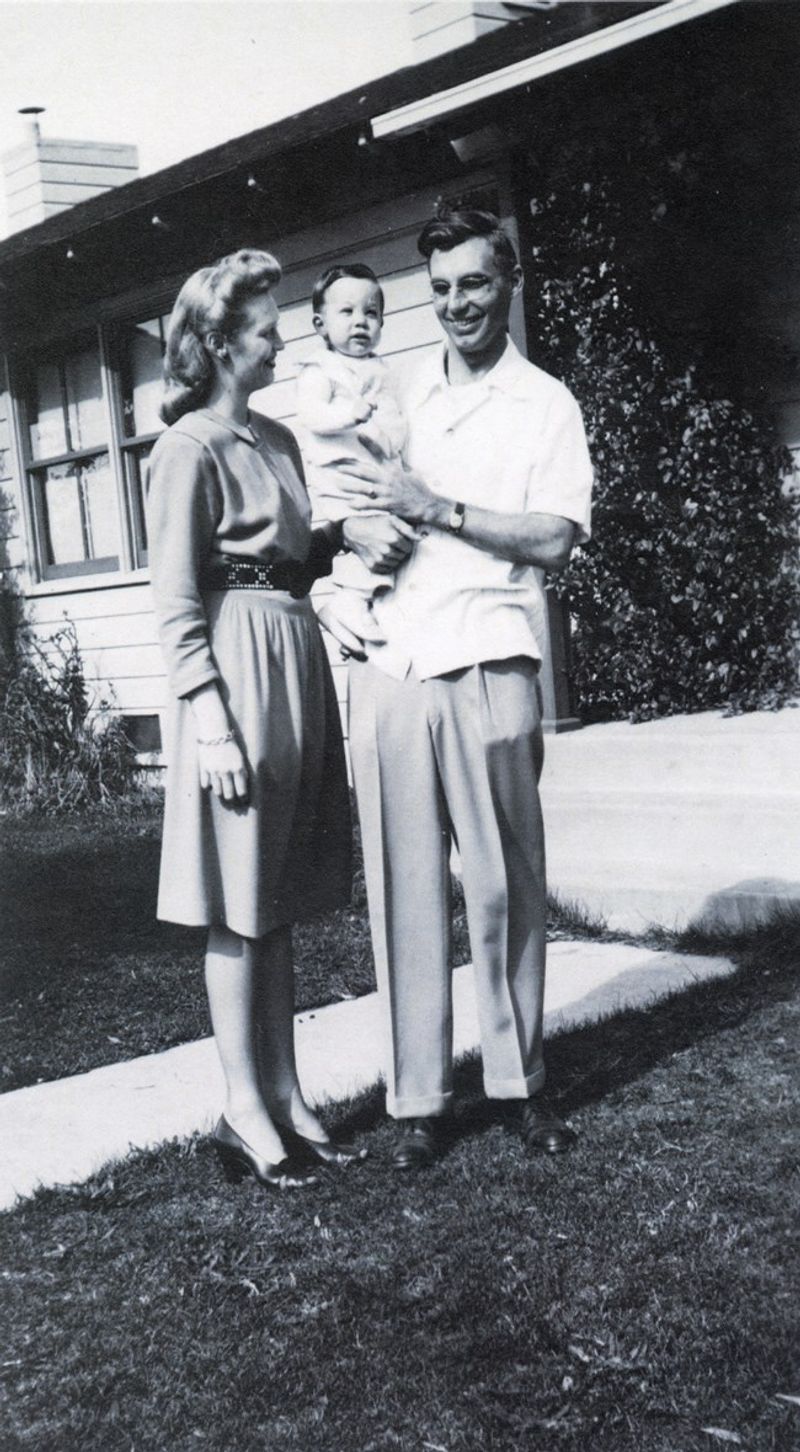
One spouse cannot serve as another person’s entire support system. Still, some marriage advice pushed wives to manage their husbands’ moods, boost their confidence, and help advance their careers.
Encouragement is loving; carrying full responsibility for someone else’s happiness is exhausting. Each partner needs to own their choices, seek help when needed, and offer support in return.
Celebrate successes together, but remember that a disappointing workday does not mean anyone at home has failed them.
7. A Failed Marriage Must Be the Wife’s Fault

Blame can be especially cruel when someone already feels trapped. Wives were often judged for marital trouble, including problems caused by a husband’s drinking, cheating, or harmful behavior.
No amount of better cooking or extra patience makes someone responsible for another person’s abuse. Ordinary disagreements may require effort from both partners, but violence demands safety, not shared blame.
If a relationship feels dangerous, seek confidential support and plan next steps with a trusted professional nearby.
8. You Should Marry as Young as Possible
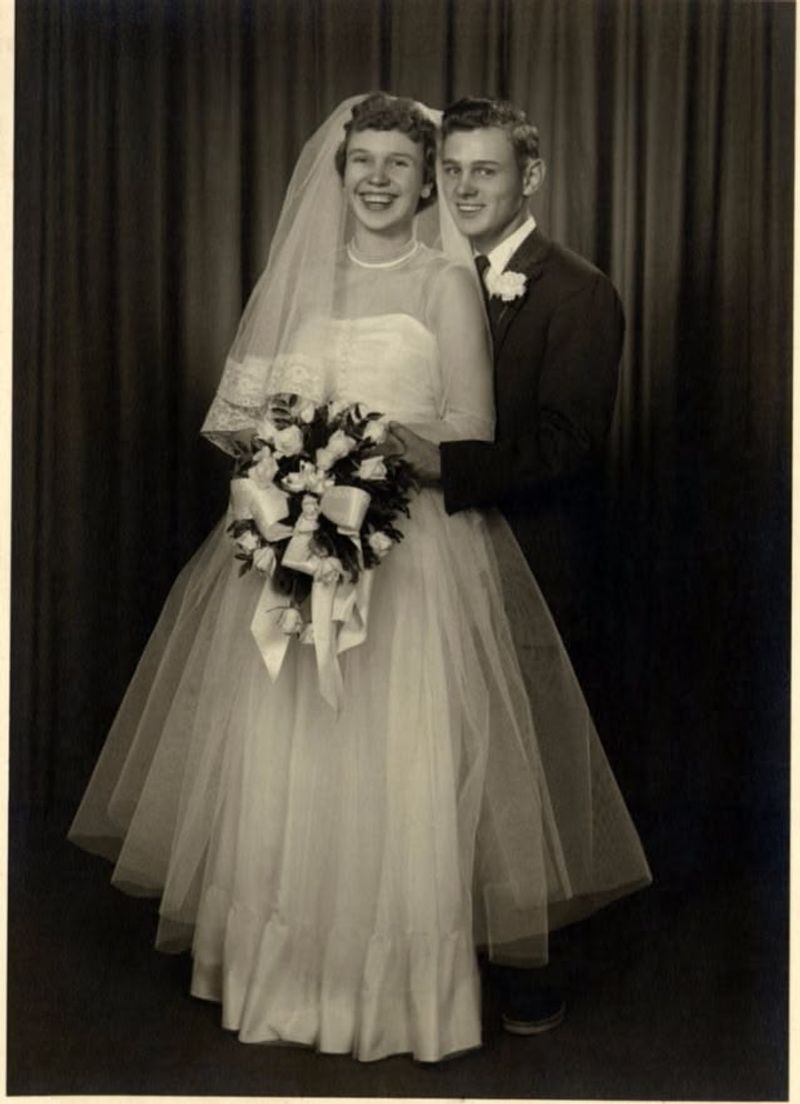
Graduation, a wedding, and a new home could seem like one expected package. Early marriage was common in 1950s America, and young adults often felt pressure to settle down quickly.
Age alone does not tell you whether someone is ready for commitment. Notice how a couple handles conflict, money, and future plans instead.
Taking time to learn about yourself is not falling behind. A wedding should follow a willing decision, not a race against neighbors.
9. Babies Should Arrive Right After the Wedding
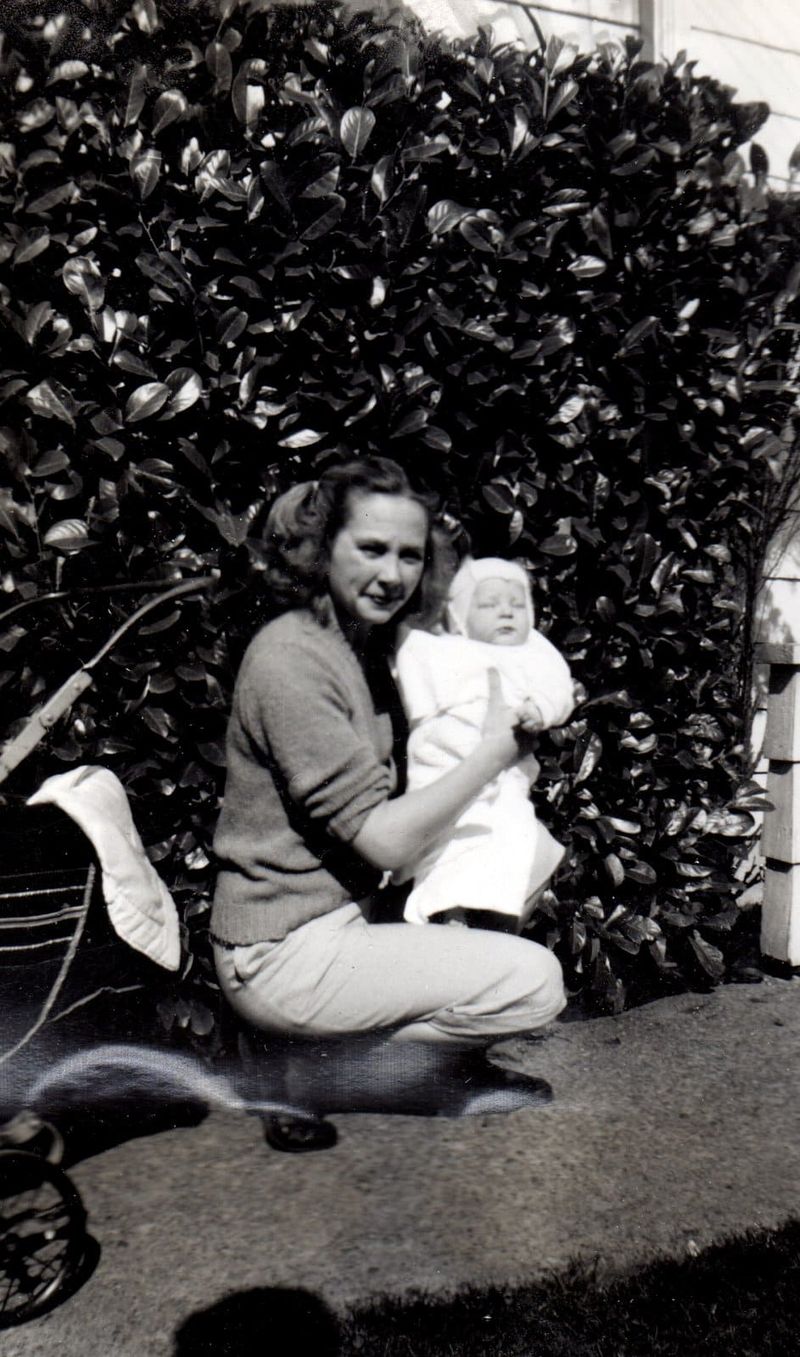
First came the wedding, then came questions about babies. During the baby boom, parenthood was strongly linked to marriage, and couples could face pressure to start families quickly.
Having children is a major decision, not proof that a marriage counts. Partners should talk openly about desire, health, money, and timing without outside demands taking over.
Some choose smaller families, some wait, and others remain childfree. Fertility struggles also deserve kindness rather than questions or unwanted advice.
10. Wives Must Always Look Perfect

Even a long day of chores was supposed to end with a fresh face and tidy outfit. Popular domestic imagery suggested that a wife should stay attractive and cheerful for her husband’s return.
Enjoying clothes or makeup is different from feeling required to perform beauty every evening. Real homes include tired faces, comfortable clothes, and messy hair.
Offer compliments without setting appearance rules, and give each other room to rest without having to look impressive.
11. Dinner Must Match His Schedule

The clock could turn supper into a daily performance review. Under the traditional homemaker ideal, serving a hot meal when the husband arrived showed that a wife had done her job.
A meal can express care without becoming a deadline that only one person must meet. Compare schedules, share preparation, and keep simple backup options available.
Leftovers or sandwiches are not signs of a weak marriage. Feeding a household should fit real life, not appearances.
12. Home Is His Sanctuary, Not Hers
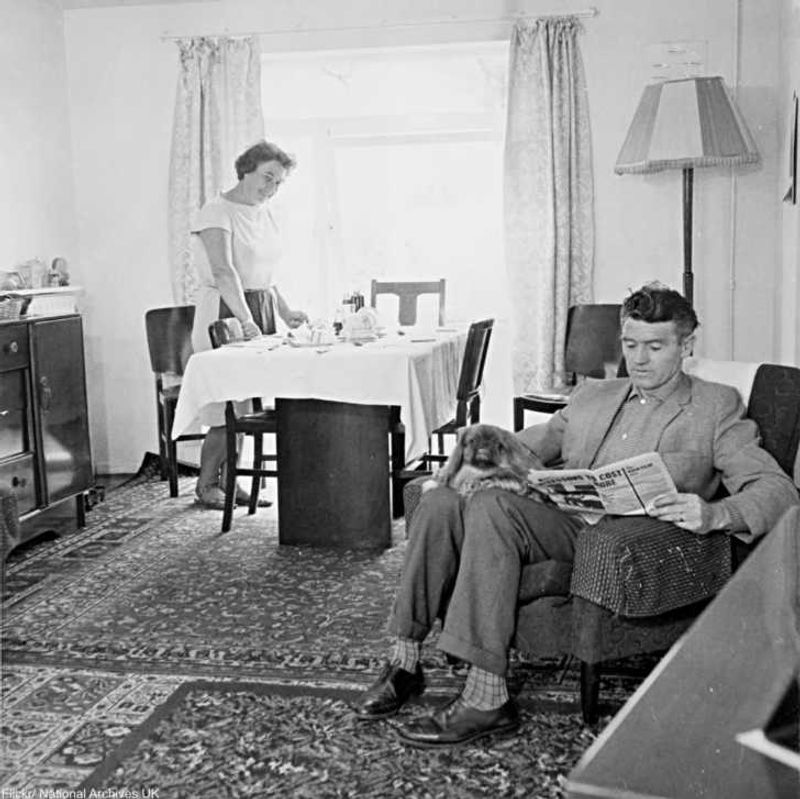
A peaceful home sounds lovely until only one resident gets to enjoy it. The familiar image of a husband resting after work often overlooked the wife’s need for quiet and recovery.
Paid employment and household labor can both leave people worn out. Build breaks into the day for each partner, and accept that children sometimes make noise.
Comfort should belong to everyone in the family, rather than depend on one person constantly keeping others calm.
13. Keep Problems to Yourself

Putting on a smile can hide a very difficult day. Advice that wives should avoid bringing up problems when husbands came home treated honest conversation as an unwanted burden.
Good timing helps, but silence does not solve unpaid bills, hurt feelings, or family worries. Try asking when your partner has energy to listen, then explain what happened and what you need.
Both people deserve space to speak, including when the news is uncomfortable or upsetting.
14. His Comfort Comes Before Everything Else

Fetching a drink can be sweet; being expected to wait on someone is another matter. Traditional marriage scripts sometimes pictured wives arranging every detail of a husband’s comfort while ignoring their own.
Small acts of care work best when they flow both ways. Bring your partner tea because you want to, not because your role requires service.
Notice who gets breaks, who handles requests, and whether appreciation turns into action when you need care yourself.
15. Marriage Makes Intimacy a Wife’s Duty

A marriage certificate is not permanent permission. Traditional beliefs often treated sexual intimacy as something wives owed husbands, leaving little room for their comfort, wishes, or right to refuse.
Healthy closeness depends on freely given consent every time, from both people. Anyone can change their mind, and pressure is not affection.
Talk about boundaries without guilt or threats. If saying no feels unsafe, seek confidential help from a trusted professional or a local support service nearby.