
Some of the most important music ever made never played on the radio. Behind every genre you love, there are bands who worked in the shadows, writing songs and building sounds that bigger artists later borrowed.
These groups rarely got the credit they deserved, but their fingerprints are all over modern music. Get ready to discover 15 bands that changed everything without most people ever noticing.
1. Big Star
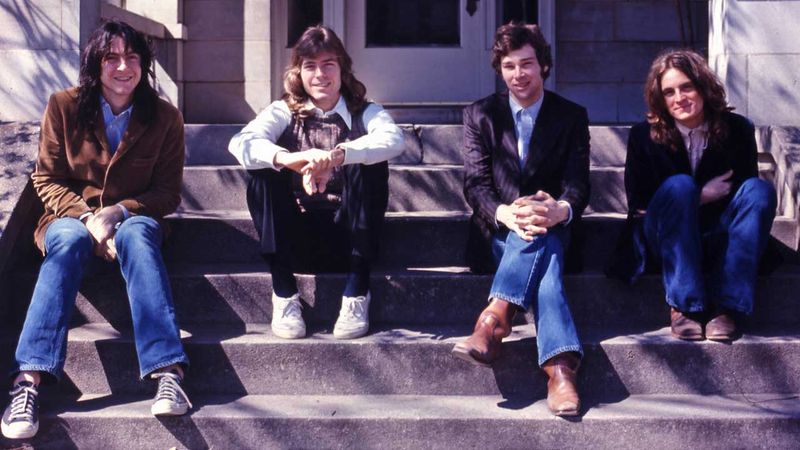
Memphis, 1972. A band called Big Star was writing some of the most heartfelt pop songs ever recorded, yet almost nobody was buying their albums.
Songs like “Thirteen” and “September Gurls” felt like diary entries set to chiming guitars.
Decades later, bands like R.E.M. and Teenage Fanclub openly called Big Star their biggest inspiration. Their blend of emotional honesty and catchy melodies became the blueprint for indie pop as we know it today.
2. The Velvet Underground
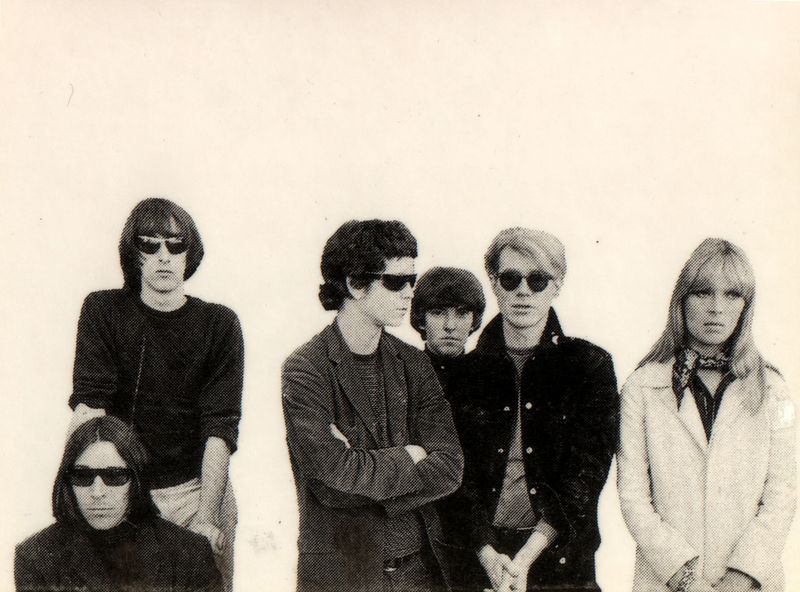
Before punk, before alternative rock, there was The Velvet Underground quietly exploding every rule about what a song could say. Led by Lou Reed, they wrote about drugs, loneliness, and street life when other bands were singing about sunshine.
Albums like “White Light/White Heat” felt dangerous and alive. Brian Eno once said their debut sold only 30,000 copies, but everyone who bought one started a band.
That pretty much sums up their massive underground legacy.
3. Slint
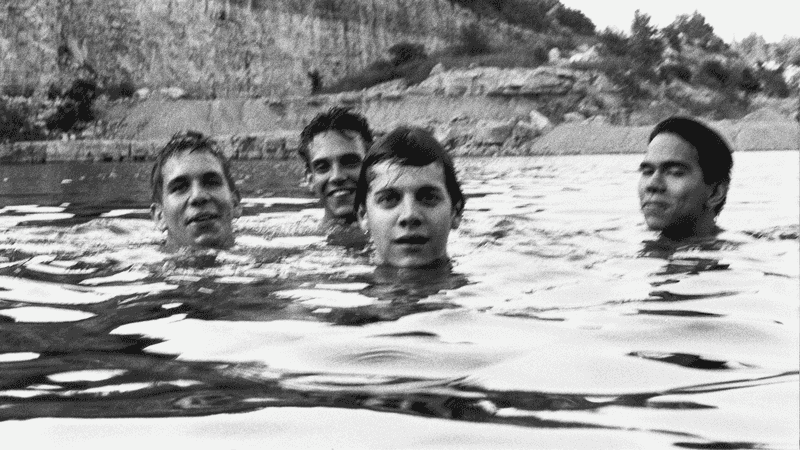
Slint released “Spiderland” in 1991 and then quietly broke up, leaving behind one of the most influential albums in rock history. The record barely sold at the time, but musicians studied it like a textbook.
Their whispering vocals, jagged guitar patterns, and sudden explosions of sound invented what we now call post-rock and math rock. Bands like Mogwai and Godspeed You!
Black Emperor have all credited Slint as the reason they picked up instruments in the first place.
4. The Stooges
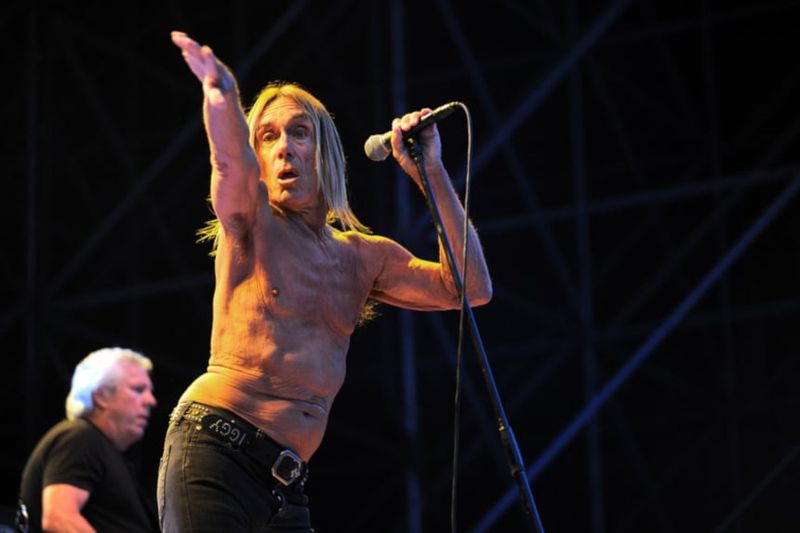
Raw, loud, and completely unhinged, The Stooges played like the world owed them nothing. Iggy Pop crawled across stages, smeared peanut butter on himself, and screamed with a fury nobody had heard before.
Their 1970 album “Fun House” was ignored at the time but later became the foundation of punk rock. Every band that ever thrashed through three chords and a scream owes a serious debt to the Stooges and their fearless, rule-smashing approach to music.
5. Television
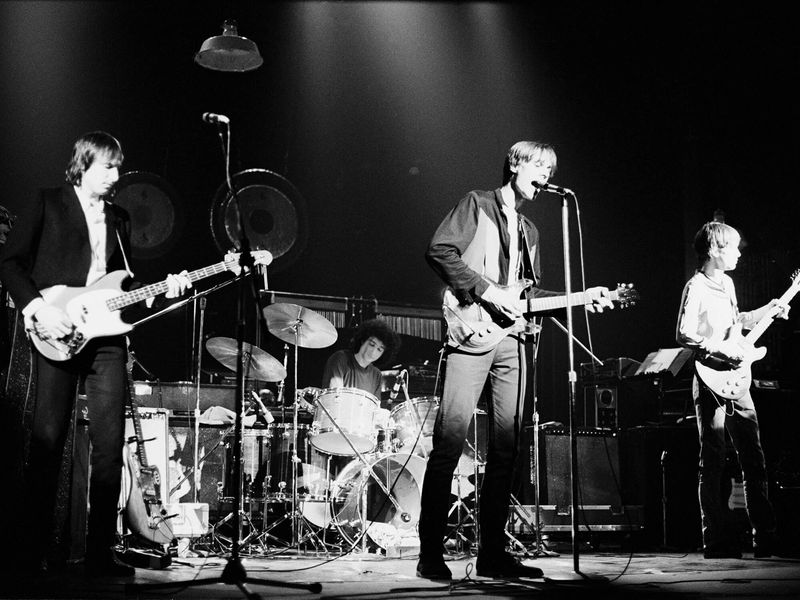
While punk was getting louder and faster, Television was doing something completely different. Their 1977 album “Marquee Moon” featured two guitars weaving around each other like a conversation, creating textures nobody had tried before.
Tom Verlaine and Richard Lloyd turned guitar playing into something almost poetic. Bands like The Strokes and Interpol have openly borrowed that cool, angular sound.
Strangely, Television never became stars, but their influence quietly runs through almost every indie rock band formed after 1990.
6. Husker Du
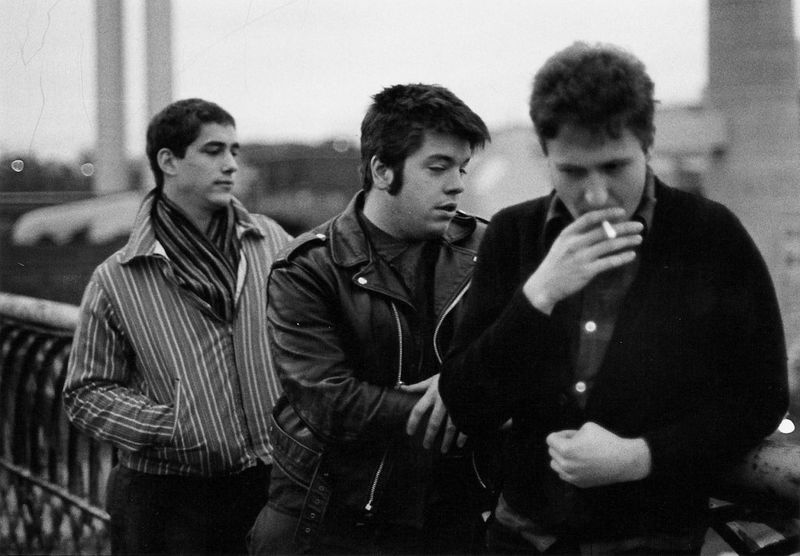
Speed, noise, and surprisingly tender melodies, Husker Du had all three at once. The Minneapolis trio played hardcore punk but snuck in emotional songwriting that made listeners feel something deeper than anger.
Their 1984 double album “Zen Arcade” showed that aggressive music could also break your heart. Kurt Cobain and the members of The Replacements all pointed to Husker Du as a turning point.
They proved loud and emotional were not opposites, and alternative rock was never the same after that.
7. Wire
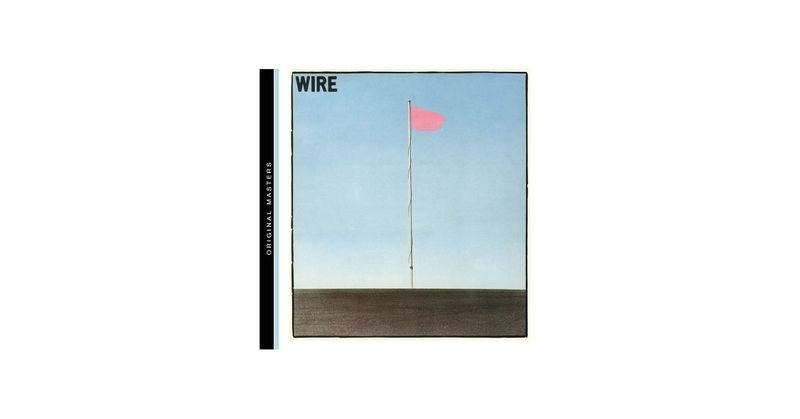
Most punk bands played fast and furious. Wire played fast and thoughtful, stripping songs down to their absolute bones.
Their 1977 debut “Pink Flag” packed 21 songs into 35 minutes, each one sharp as a razor blade.
What made Wire special was their willingness to keep reinventing themselves. They influenced Elastica, Minor Threat, and even R.E.M.
Decades later, their cold, precise sound still feels modern. They proved that less is more long before minimalism became a fashionable idea in music.
8. Can
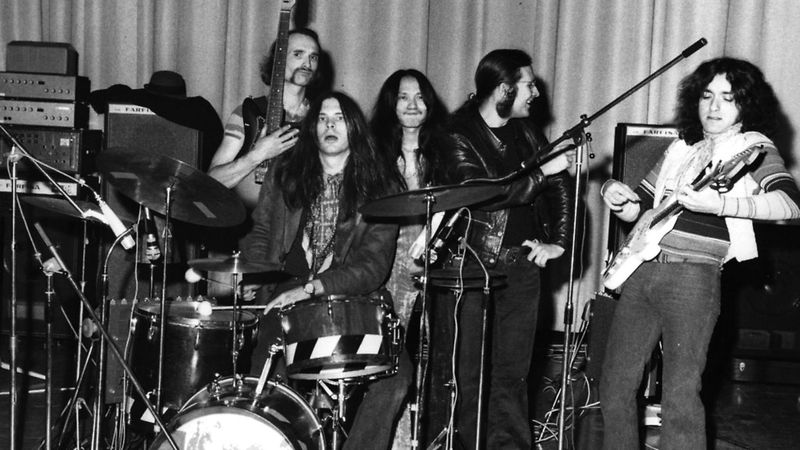
Can came from Germany and sounded like nothing else on Earth. They mixed rock, jazz, electronic experimentation, and hypnotic rhythms into something that felt like it was from the future.
Albums like “Tago Mago” from 1971 influenced everyone from David Bowie to Radiohead to LCD Soundsystem. Their drummer Jaki Liebezeit invented a groove style that producers still copy today.
Can never chased trends because they were too busy creating sounds that other artists would spend decades trying to catch up with.
9. The Replacements
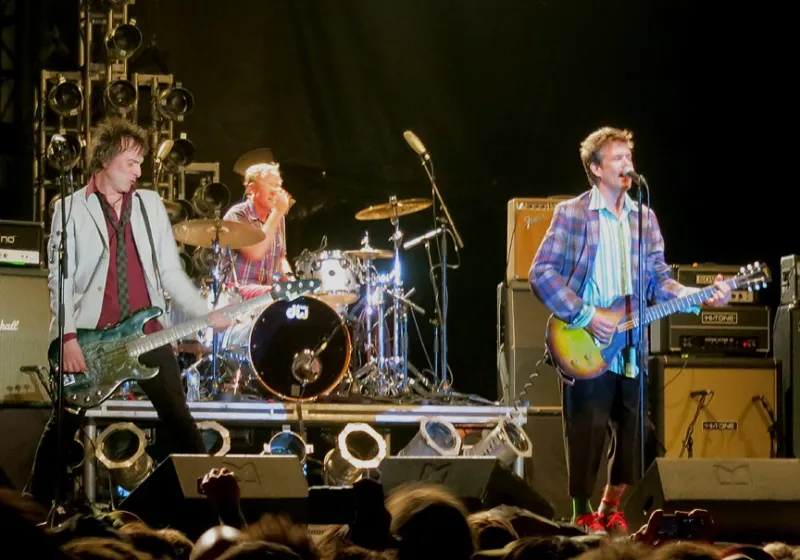
The Replacements were the kind of band that might play a perfect set one night and then fall apart completely the next. That unpredictability was part of their charm and their legend.
Paul Westerberg wrote songs about feeling like an outsider that resonated deeply with teenagers everywhere. Albums like “Let It Be” and “Tim” shaped the emotional core of 1990s alternative rock.
Tom Petty once called them one of the best American rock bands ever, and he was absolutely right.
10. Neu!
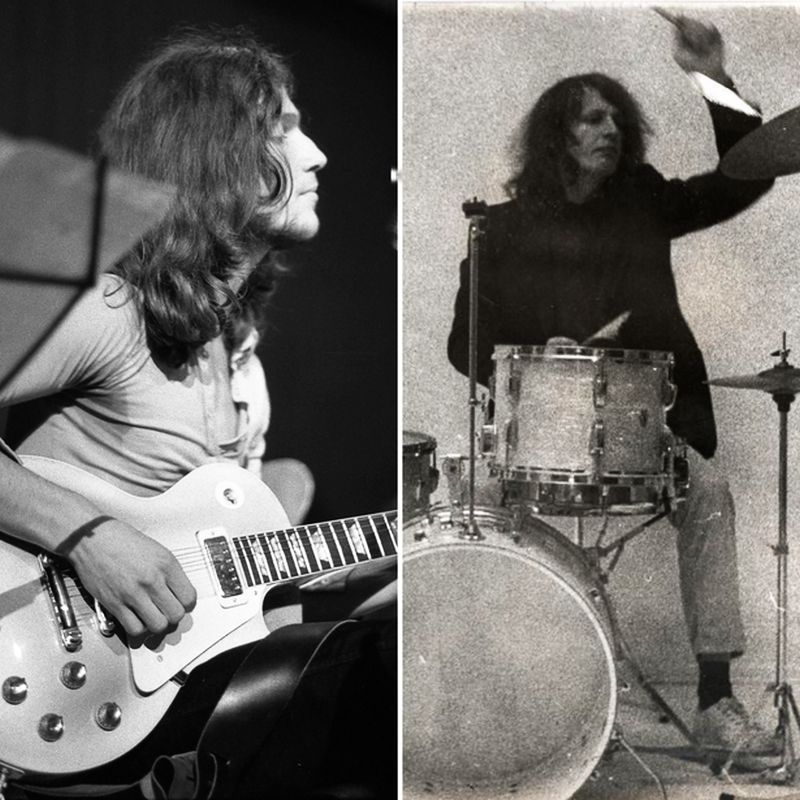
Two words describe Neu! perfectly: motorik rhythm. Their drummer Klaus Dinger invented a steady, driving beat that felt like cruising down an endless highway, and it changed music forever.
David Bowie studied Neu! obsessively during his Berlin years. Their hypnotic, forward-moving sound became the DNA of electronic music, post-punk, and even modern indie rock.
Bands like Stereolab and Primal Scream openly borrowed their aesthetic. Neu! never sold millions of records, but their two-man blueprint quietly powered decades of musical evolution.
11. The Minutemen
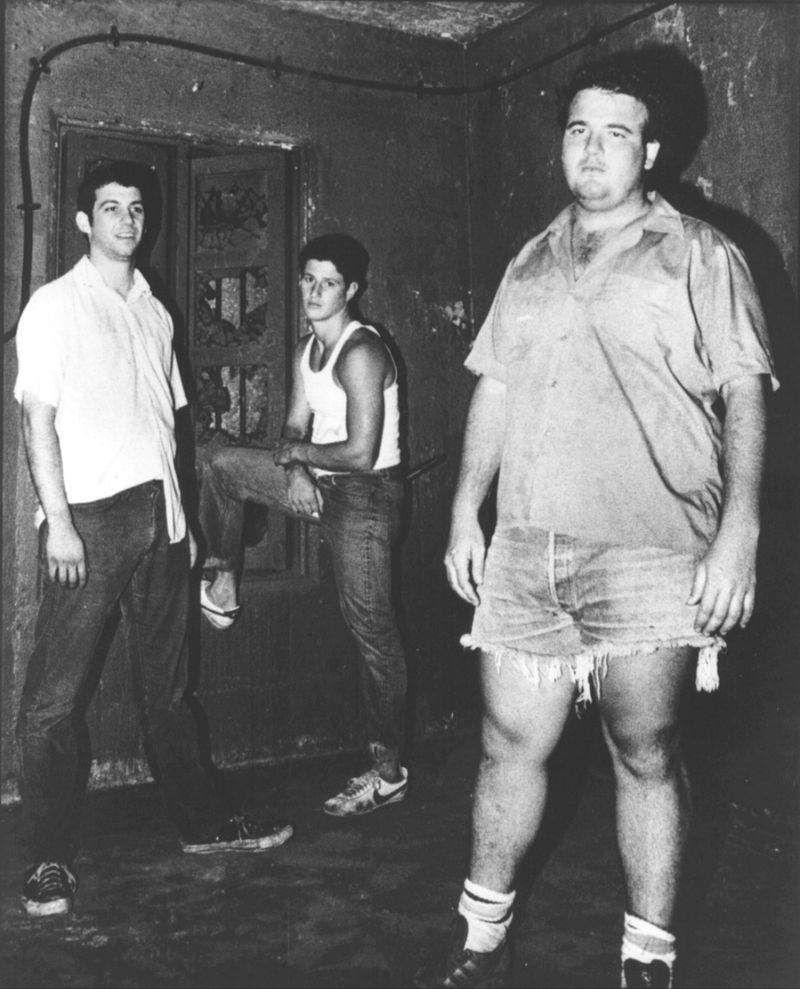
Formed in San Pedro, California, The Minutemen believed music belonged to everyone, not just rock stars. They played short, sharp bursts of funk-influenced punk that challenged listeners to think, not just headbang.
Their 1984 double album “Double Nickels on the Dime” is considered one of the greatest records in American rock history. Tragically, singer D.
Boon died in a car accident in 1985. Their ethos of DIY independence and creative freedom directly inspired the entire indie underground movement that followed.
12. Suicide
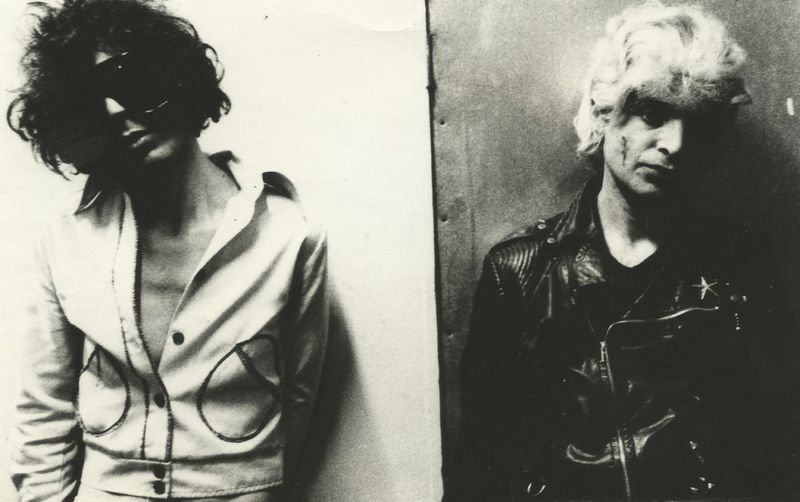
Suicide was just two people: a singer and a synthesizer. In 1977, that was basically unheard of, and audiences sometimes booed them off stage.
Alan Vega screamed and crooned while Martin Rev built eerie, pulsing electronic landscapes underneath.
Their self-titled debut album is now considered a masterpiece that predicted synth-pop, industrial music, and even elements of hip-hop. Bruce Springsteen covered their song “Dream Baby Dream.” Sometimes being misunderstood for decades is simply the price of being too far ahead of everyone else.
13. Galaxie 500
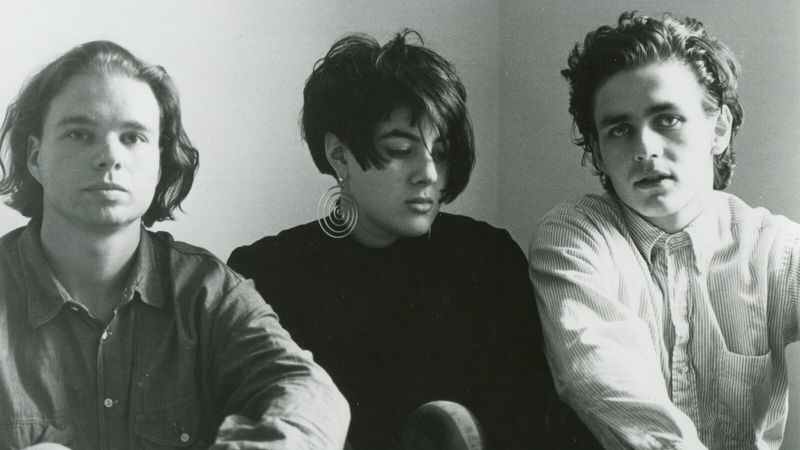
Galaxie 500 played slowly, softly, and beautifully. Their songs drifted like clouds, built around Dean Wareham’s fragile vocals and Naomi Yang’s steady bass lines.
They never rushed anything, which made each note feel precious.
Their 1988 debut “Today” helped invent the dreamy, slow-burning sound that later became known as shoegaze and dream pop. Luna, Beach House, and countless other bands trace their sound directly back to Galaxie 500.
Quiet music can leave the loudest impressions, and this band proved that completely.
14. The Gun Club
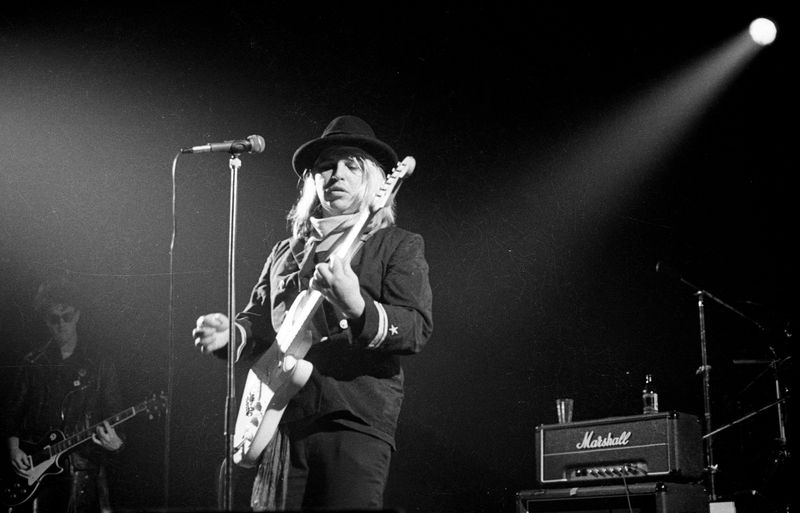
Jeffrey Lee Pierce combined Delta blues with punk rock ferocity in a way nobody had attempted before. The Gun Club’s 1981 debut “Fire of Love” sounded ancient and futuristic at the same time, like Robert Johnson had somehow joined a punk band.
Nick Cave, the Red Hot Chili Peppers, and countless alternative artists pointed to The Gun Club as a revelation. Pierce died young at 37, leaving behind a small but stunning catalog that quietly reshaped the connection between American roots music and rock rebellion.
15. Codeine
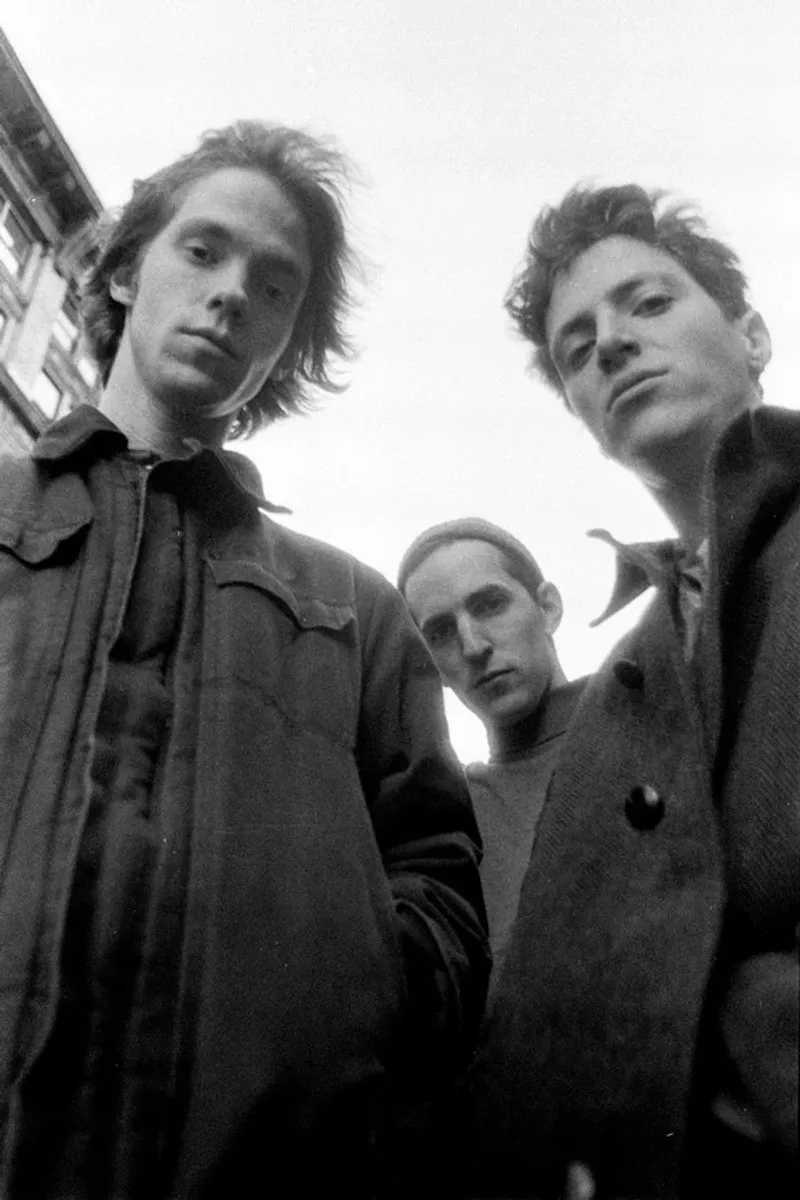
Codeine played slower than almost anyone thought was possible in rock music. Their songs moved at a crawl, weighted down with emotional heaviness that felt almost physical.
Listening to them was like wading through deep water.
Their 1990 debut “Frigid Stars” invented what critics later called slowcore, a genre built on patience and pain. Bands like Low and American Football owe their entire sound to what Codeine quietly pioneered.
Sometimes the most powerful music is the kind that takes its time to completely undo you.