
Behind some of rock’s biggest songs are stories of loss, pain, and hard choices. When tragedy struck, these bands had to decide what making music would mean next.
Some welcomed new members, while others took long breaks or carried on through separate projects. Their stories show that moving forward does not have to mean forgetting the people who helped shape the music.
1. AC/DC: A Powerful Tribute in Black

A black album cover became one of rock’s loudest tributes. Bon Scott died from acute alcohol poisoning in February 1980, leaving his bandmates facing an uncertain future.
AC/DC considered stopping, but eventually welcomed singer Brian Johnson.
Released that July, Back in Black honored Scott while opening a new chapter. Hear it alongside Highway to Hell to compare both singers.
The change worked because AC/DC kept its musical identity without asking Johnson to copy his predecessor.
2. Queen: Keeping Freddie’s Songs Alive
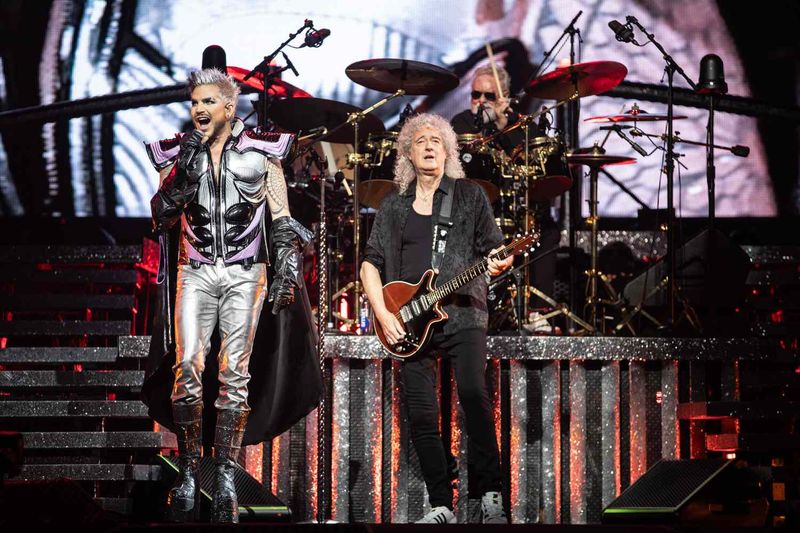
Few voices could fill a stadium like Freddie Mercury’s. His death from complications of AIDS in November 1991 left Queen without its remarkable frontman.
Brian May and Roger Taylor later found ways to share the songs without pretending Mercury could be replaced.
They performed with Paul Rodgers and, later, Adam Lambert. Listen to a Mercury recording before watching a Lambert performance.
Different voices reveal how strong songwriting can welcome fresh interpretations while preserving its original spirit.
3. The Rolling Stones: Rolling Through Loss
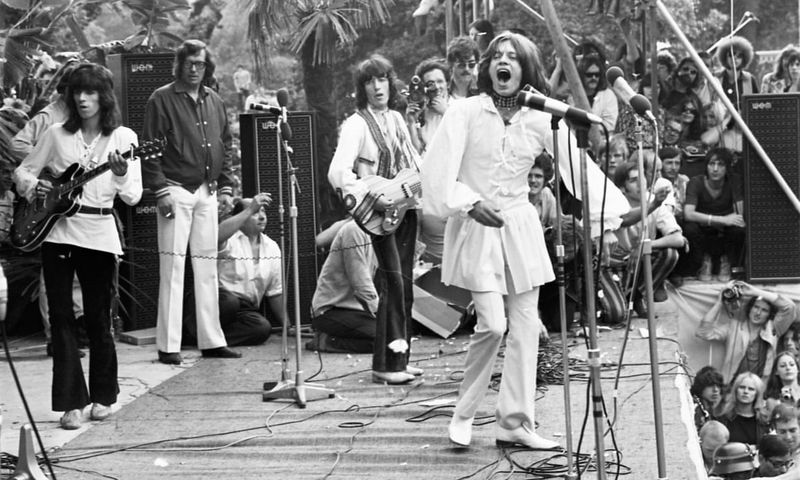
London’s Hyde Park became a place of mourning in July 1969. Brian Jones, a founding member already dismissed from the group, drowned just days before the Rolling Stones’ free concert.
The show became a tribute to their former bandmate.
With Mick Taylor joining on guitar, the Stones entered another celebrated period. Their history also includes drummer Charlie Watts’s death in 2021.
Decades of performances show that continuing can mean honoring old friendships while accepting painful changes.
4. Fleetwood Mac: Heartbreak Behind the Harmonies
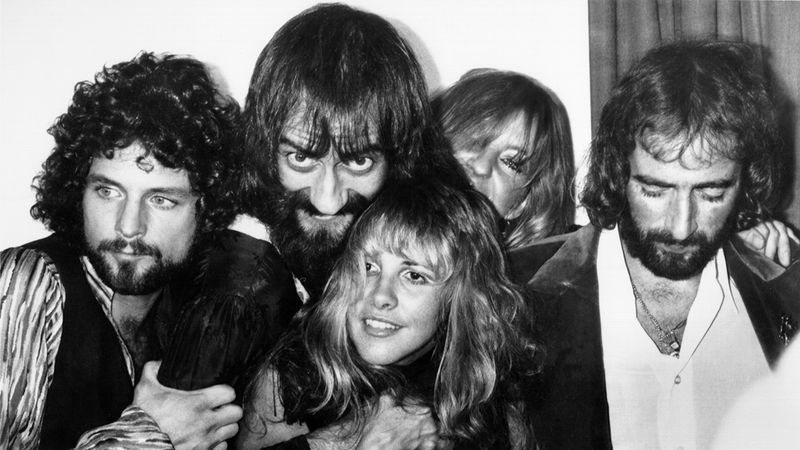
Beautiful harmonies sometimes hid deeply unhappy relationships. While recording Rumours, Fleetwood Mac faced breakups, divorce, and strained friendships within the group.
Those troubles were not the same as losing a member, but they made working together painfully difficult.
The musicians repeatedly regrouped and toured through later changes. Christine McVie’s death in November 2022 brought a different, lasting loss; it did not launch another comeback.
Listen to Rumours for songwriting shaped by heartbreak rather than easy answers.
5. Red Hot Chili Peppers: Remembering a Founding Friend
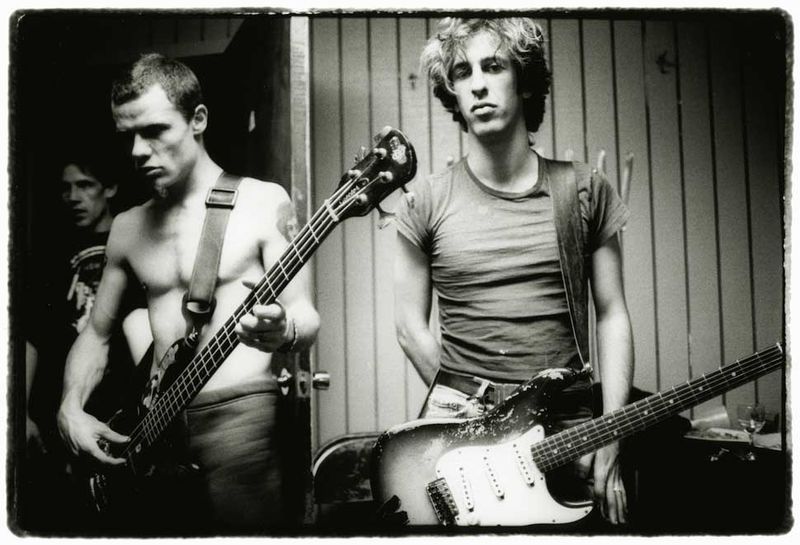
Behind the wild stage moves was a friendship that mattered deeply. Original guitarist Hillel Slovak died from a heroin overdose in June 1988, devastating the Red Hot Chili Peppers.
Drummer Jack Irons left afterward, shaken by the loss.
John Frusciante and Chad Smith helped build the next lineup, and Mother’s Milk honored Slovak. Compare Slovak’s guitar work with Frusciante’s early recordings.
You can hear a musical connection that survived even as the band developed its sound further.
6. Foo Fighters: Turning Grief Into Music
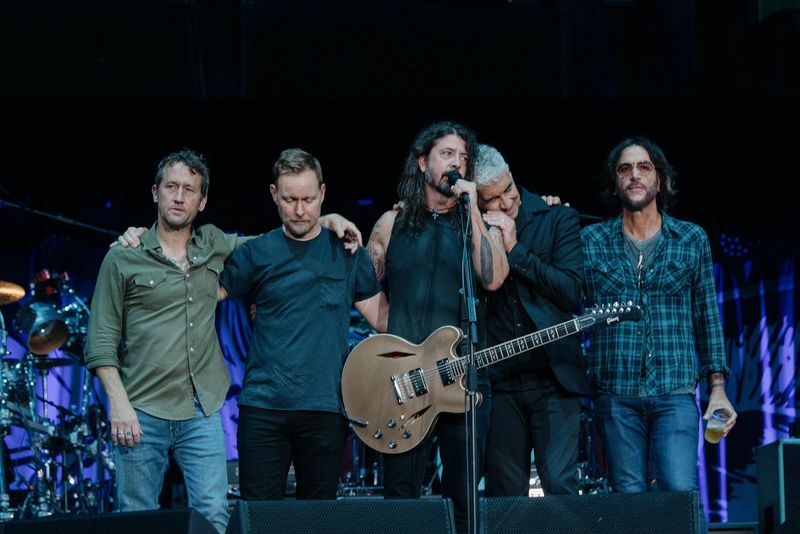
A sudden silence followed one of rock’s most joyful drummers. Taylor Hawkins died in March 2022 while Foo Fighters were touring in Colombia.
The band canceled performances and later gathered musicians for tribute concerts celebrating his life.
In 2023, they returned with But Here We Are, an album shaped by grief, and resumed touring with Josh Freese on drums. Rather than presenting recovery as simple, the songs make room for sorrow, confusion, and affection for absent friends.
7. Lynyrd Skynyrd: A Brother Carries the Songs
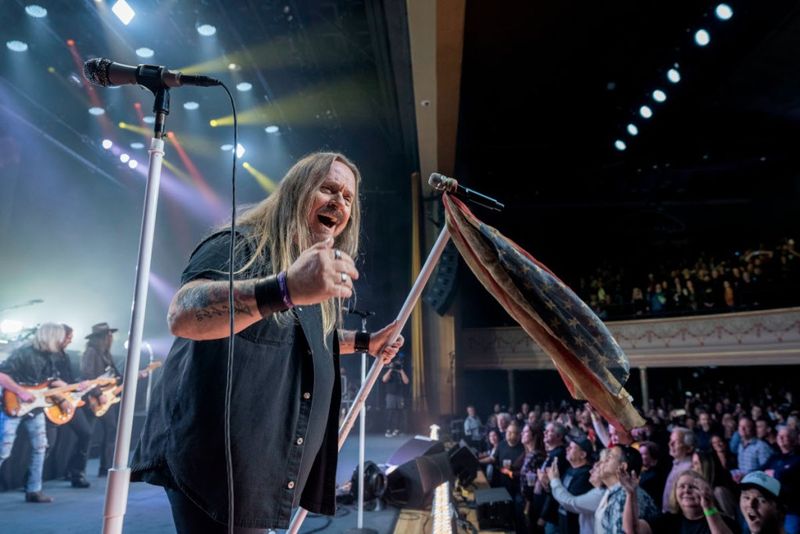
Three days after Street Survivors arrived, disaster changed everything. A plane crash in October 1977 killed Ronnie Van Zant, Steve Gaines, Cassie Gaines, and three others.
Surviving members faced serious injuries as well as the loss of close companions.
A decade later, Johnny Van Zant took his older brother’s place for a tribute tour. That reunion led to more recording and touring.
Their return was gradual, reminding listeners that rebuilding after tragedy can require years, not weeks.
8. The Who: Facing Two Empty Spaces
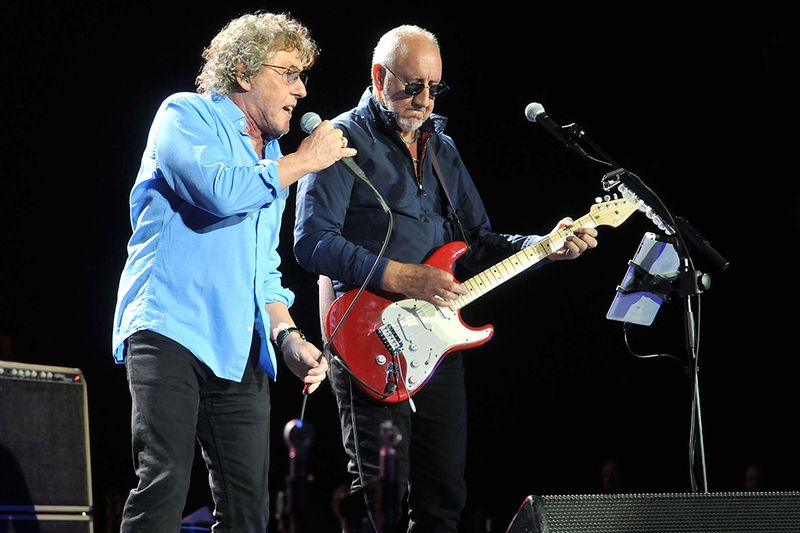
Thunderous drums and bold bass lines helped define their sound. Keith Moon died from a medication overdose in September 1978, and Kenney Jones later joined the Who.
Another blow came when John Entwistle died just before a 2002 tour.
Roger Daltrey and Pete Townshend chose to proceed, with Pino Palladino playing bass. Fans have debated that decision, which shows how personal grief can be.
There is no single timetable or perfect answer for returning to the stage.
9. Metallica: Carrying Cliff’s Influence Forward
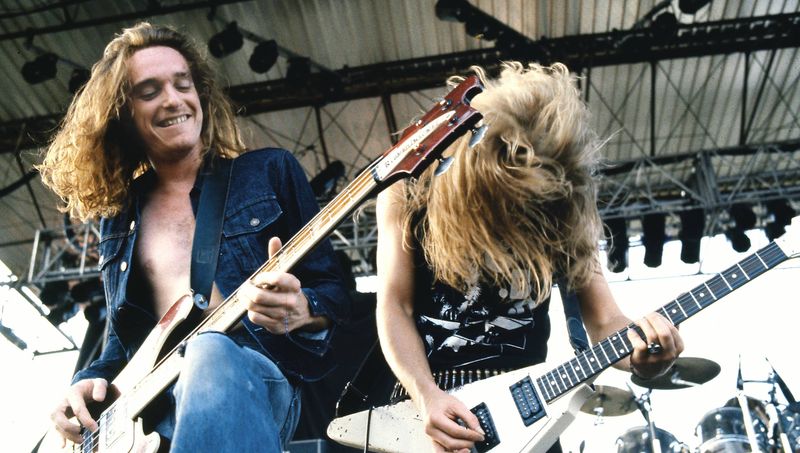
A tour bus accident ended a brilliant musician’s life at just 24. Cliff Burton died in Sweden in September 1986, leaving Metallica grieving during its rise.
His adventurous bass playing had helped stretch the band’s music beyond straightforward heavy riffs.
Jason Newsted joined afterward, and Metallica continued recording and performing. Revisit Burton’s instrumental showcase, Anesthesia (Pulling Teeth), to understand his impact.
Remembering him means hearing his creativity, not only treating his death as a dramatic turning point.
10. Def Leppard: Rick Allen Rebuilds His Rhythm
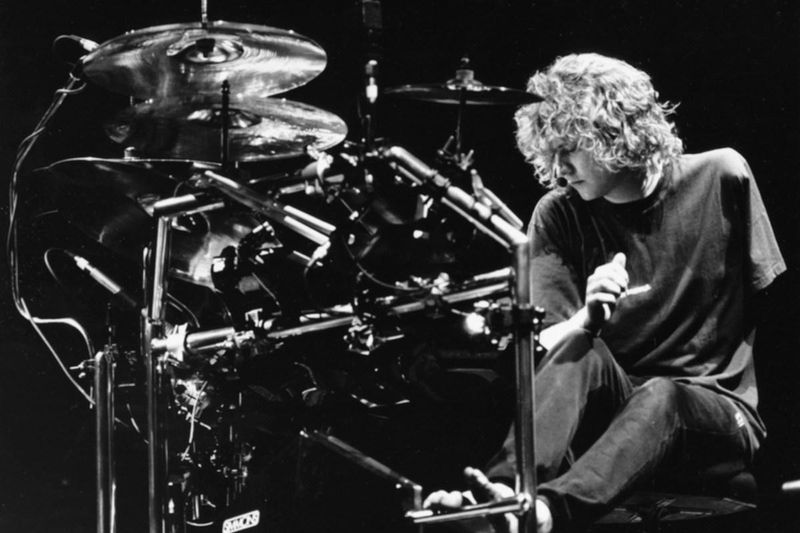
Drumming usually demands both hands, but Rick Allen found another way. A car accident on December 31, 1984, cost him his left arm.
His Def Leppard bandmates supported him while he learned to use a specially designed kit and foot pedals.
Allen returned to major live performances in 1986 and played on Hysteria. Watch his feet during concert footage to appreciate the adaptation.
His achievement reflects practice, useful equipment, and support, rather than a magically effortless recovery.
11. Stone Temple Pilots: Finding a New Voice
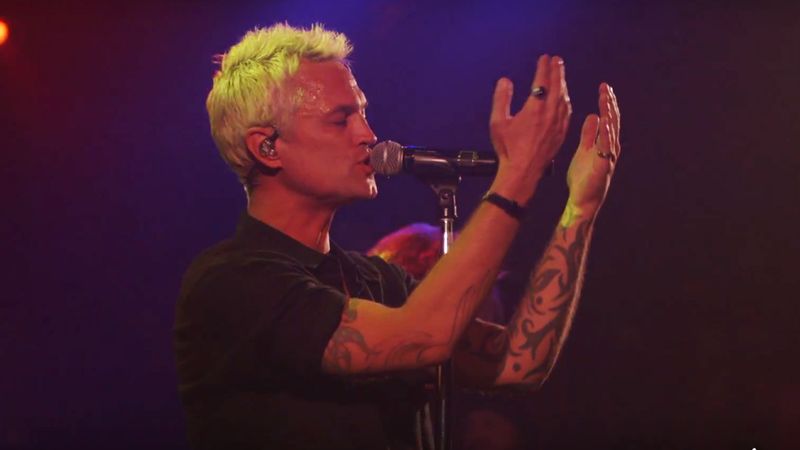
A familiar voice can become part of a listener’s own memories. Scott Weiland helped give Stone Temple Pilots that connection, but his years with the band ended in 2013.
He died from an accidental overdose in December 2015.
Chester Bennington had already fronted the group before leaving; his death in 2017 brought further sorrow. Jeff Gutt joined later that year.
Comparing their performances reveals distinct singers, while the DeLeo brothers’ songwriting provides a thread between different chapters.
12. Alice in Chains: Harmony After a Long Silence
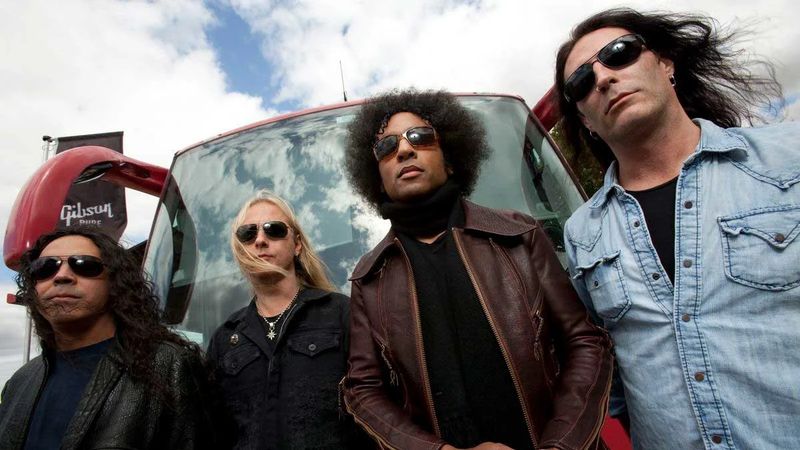
Those haunting vocal harmonies were never easy to mistake. Layne Staley’s voice helped shape Alice in Chains, but addiction and declining health kept him increasingly isolated.
He died from an overdose in April 2002, following years of limited band activity.
The surviving musicians reunited for a charity concert in 2005, and William DuVall joined in 2006. Black Gives Way to Blue followed in 2009.
Its title track offers a moving farewell without suggesting that new music erases grief.
13. Black Sabbath: Heavy Riffs Despite Hardship
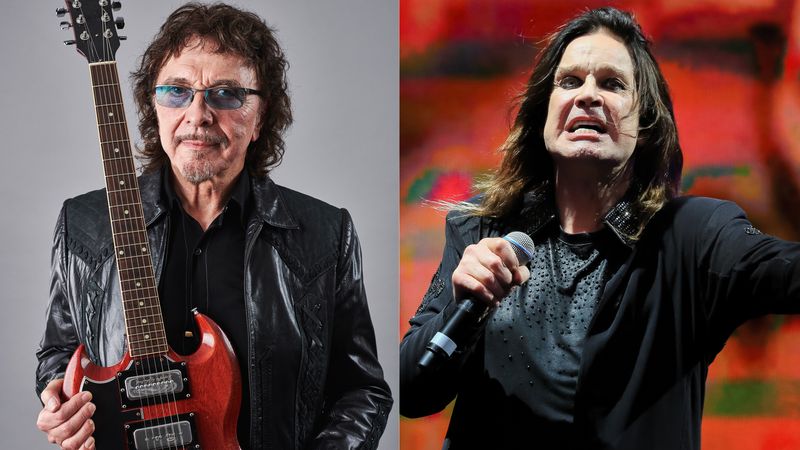
Heavy metal’s foundations include a remarkable act of adjustment. Before Black Sabbath became famous, Tony Iommi lost the tips of two fretting fingers in a factory accident.
Homemade finger covers and changes to his playing helped him keep making music.
The band later survived addiction, conflict, and many lineup changes. Iommi also underwent cancer treatment while working during its reunion era.
His story highlights how practical changes and medical care can matter alongside determination when hardship threatens creativity.
14. The Grateful Dead: A Legacy Beyond the Name
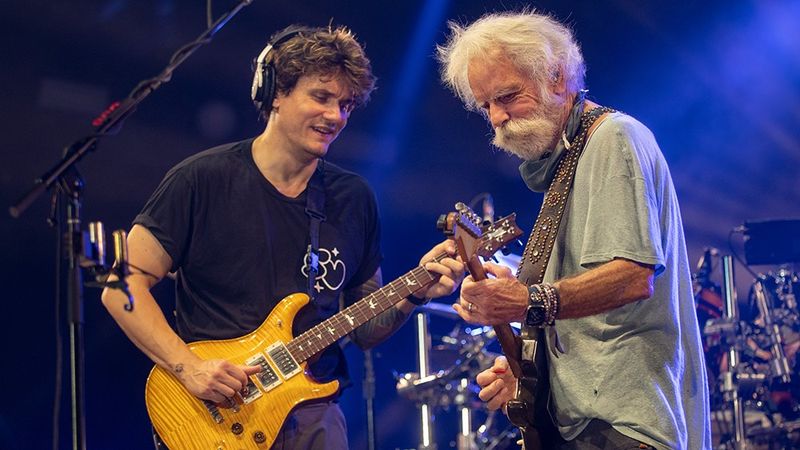
For Deadheads, the songs were part of a shared community. Jerry Garcia died in August 1995 while staying at a rehabilitation facility.
The Grateful Dead then ended, choosing not to continue under the same name without their central guitarist.
Surviving members later played in the Other Ones, the Dead, and Dead and Company. That distinction matters: the original group stopped, but its music traveled onward.
Explore performances from different eras to hear familiar songs take fresh, winding paths.
15. Led Zeppelin: Knowing When to Stop
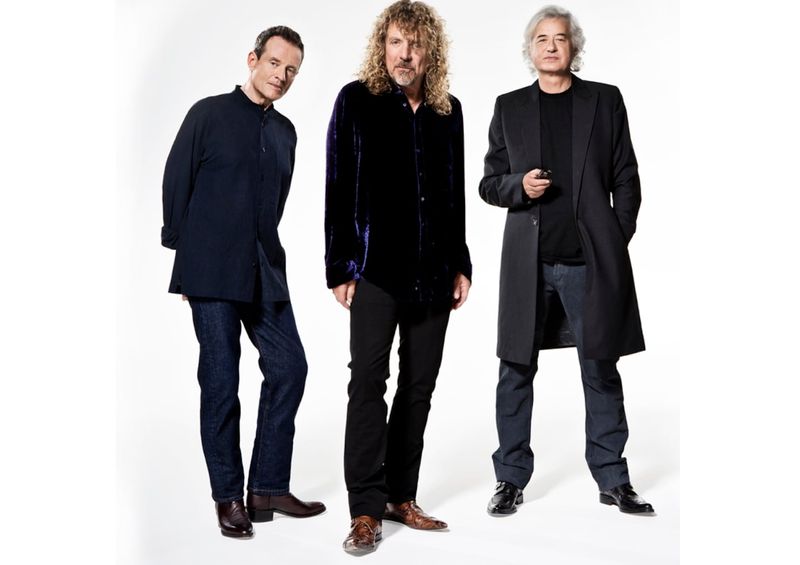
Sometimes respect means refusing to replace a missing friend. John Bonham died in September 1980 after heavy drinking, and Led Zeppelin announced that it could not continue without him.
Unlike most bands here, it did not launch another permanent lineup.
Robert Plant, Jimmy Page, and John Paul Jones pursued other musical work. Occasional reunions included a 2007 concert with Bonham’s son Jason.
Their story broadens the title’s meaning: keeping music alive can happen outside the band that created it.