
Italy is one of the most beloved food destinations in the world, but many tourists unknowingly make mistakes when eating classic Italian dishes. From ordering a cappuccino after dinner to drowning pasta in sauce, these habits can raise eyebrows among locals.
Learning the right way to enjoy Italian food not only shows respect for the culture but also makes the experience so much tastier. Here are 15 Italian foods that tourists often eat completely wrong.
1. Cappuccino
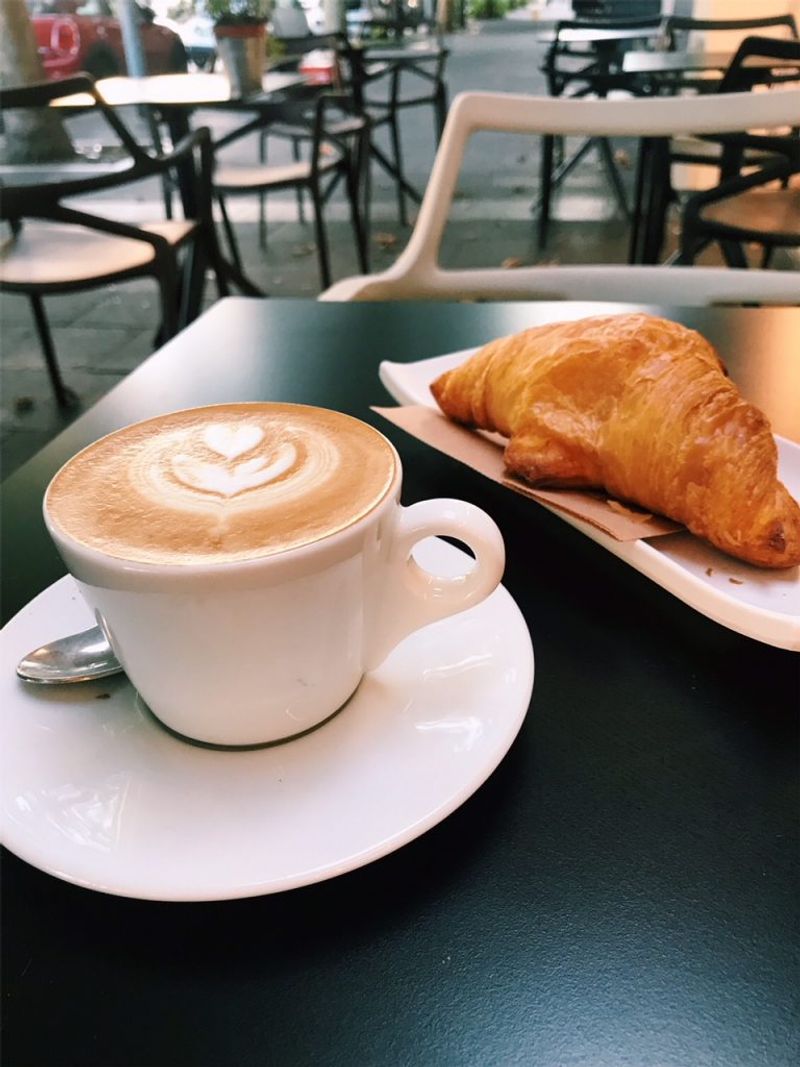
Ordering a cappuccino after a big pasta dinner might feel perfectly normal, but in Italy, it is considered a breakfast drink. Italians believe that drinking milk-heavy coffee after meals upsets digestion, so they stick to espresso in the afternoon and evening.
Asking for a cappuccino at 8 PM will likely earn you a puzzled look from your barista. Enjoy it the Italian way: in the morning, ideally before 11 AM, paired with a cornetto.
2. Spaghetti Bolognese
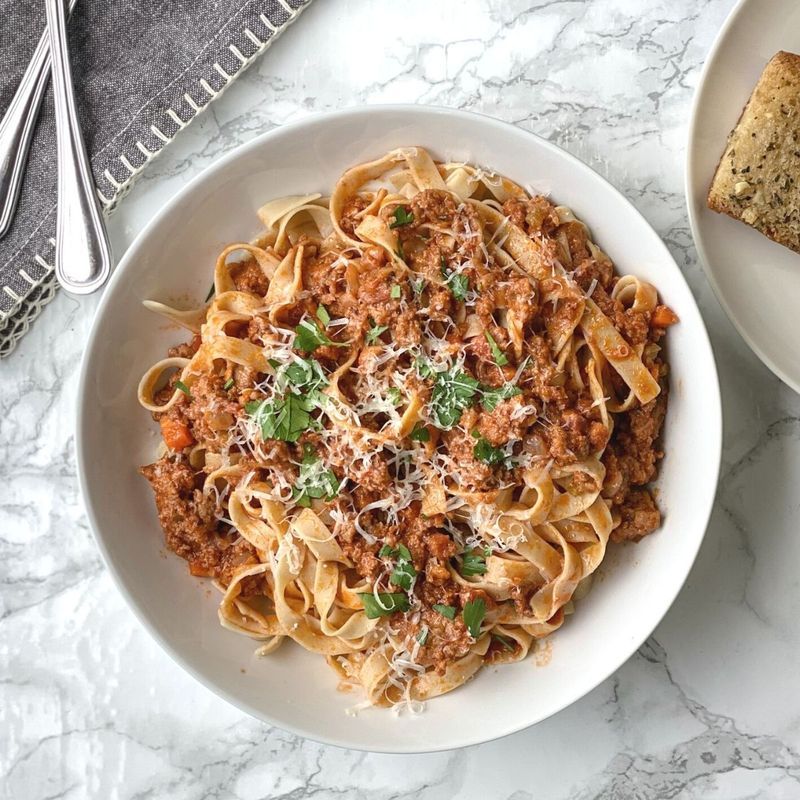
Here is a fun fact: real Bolognese sauce from Bologna is traditionally served with tagliatelle, not spaghetti. The combination of spaghetti and Bolognese is actually considered a foreign invention by most Italians, and restaurants in Bologna rarely serve it that way.
The thick, meaty ragu clings much better to wide, flat pasta. Next time, ask for tagliatelle al ragu and experience the dish the way it was truly meant to be enjoyed.
3. Pizza
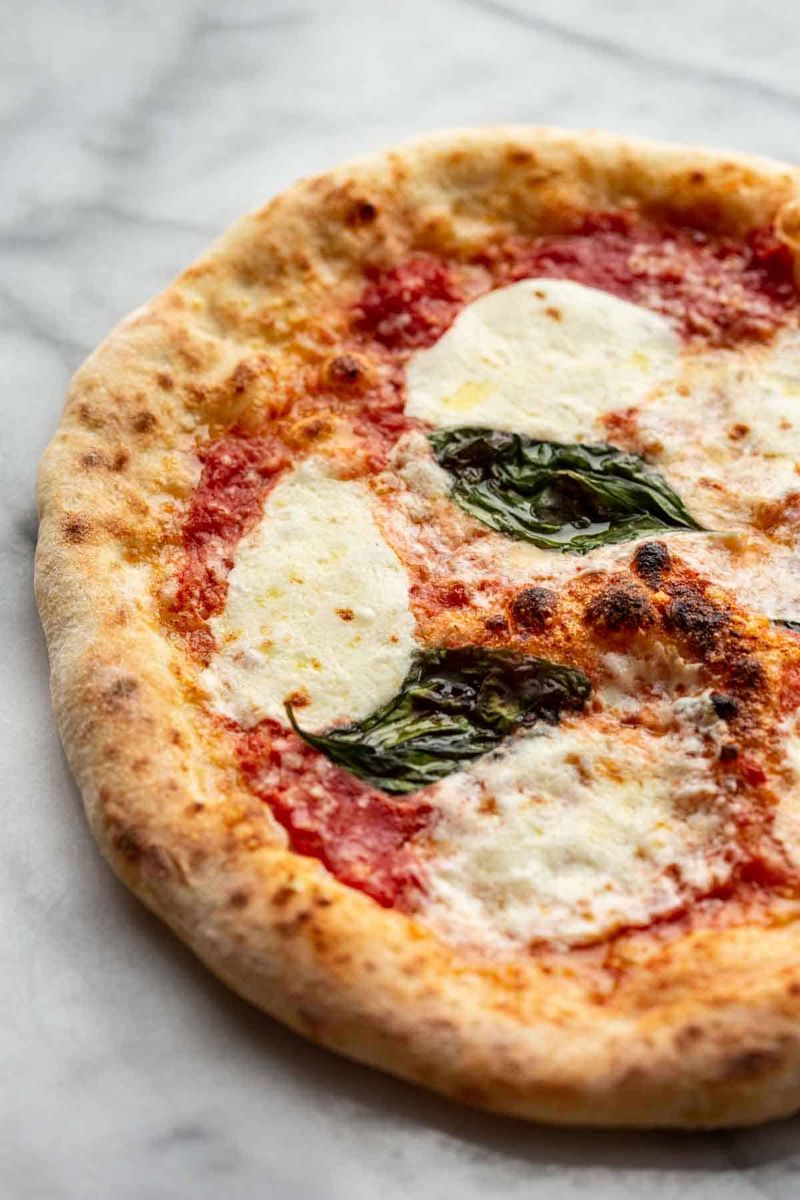
Many tourists load their pizza with every available topping, but in Italy, less is always more. A classic Neapolitan pizza has just two or three simple, high-quality ingredients that let each flavor shine through without getting lost.
Cutting pizza with a fork and knife is also perfectly acceptable in Italy, unlike the casual fold-and-eat approach common in the United States. Respect the simplicity, and you will taste why Italian pizza is considered among the best in the world.
4. Espresso
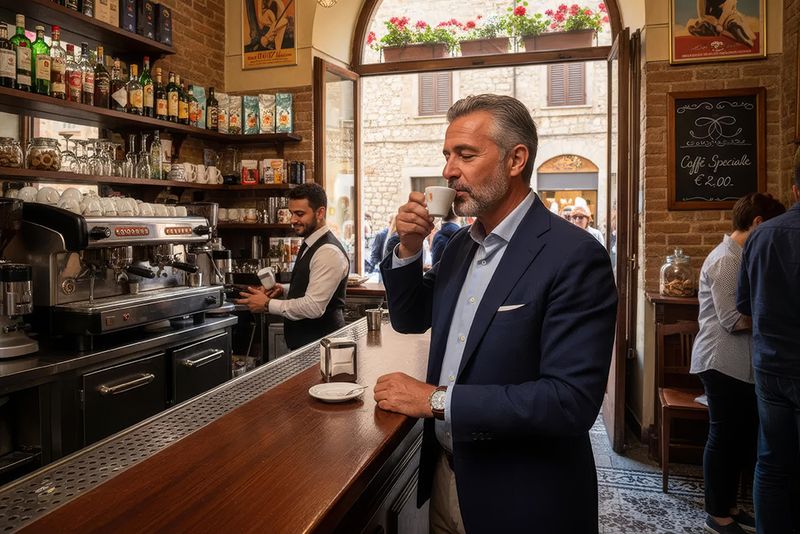
Standing at the bar to drink your espresso is the authentic Italian way, and it is also cheaper than sitting at a table. Many tourists grab a seat without realizing that table service often costs significantly more in Italian cafes.
Espresso is meant to be sipped quickly, not nursed over 20 minutes like a cup of drip coffee. Italians treat it as a quick energy boost, downing it in just a few satisfying sips before heading back out into the day.
5. Pasta with Meatballs
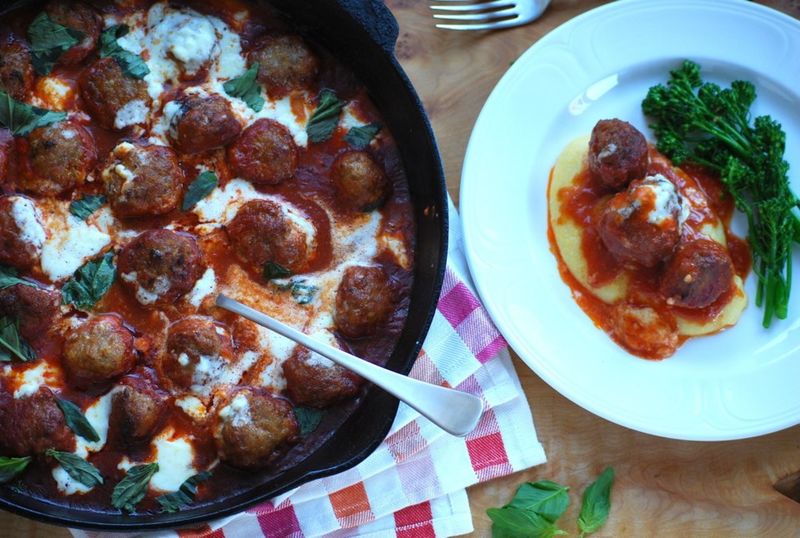
Spaghetti and meatballs together on one plate is largely an Italian-American invention. In Italy, pasta and meatballs are considered two separate courses and are almost never mixed together on the same dish.
Meatballs, called polpette, are typically served as a second course on their own with a side of vegetables. Ordering pasta with meatballs in a traditional Italian restaurant will likely confuse the staff, since it simply is not how the food is meant to be eaten there.
6. Bruschetta
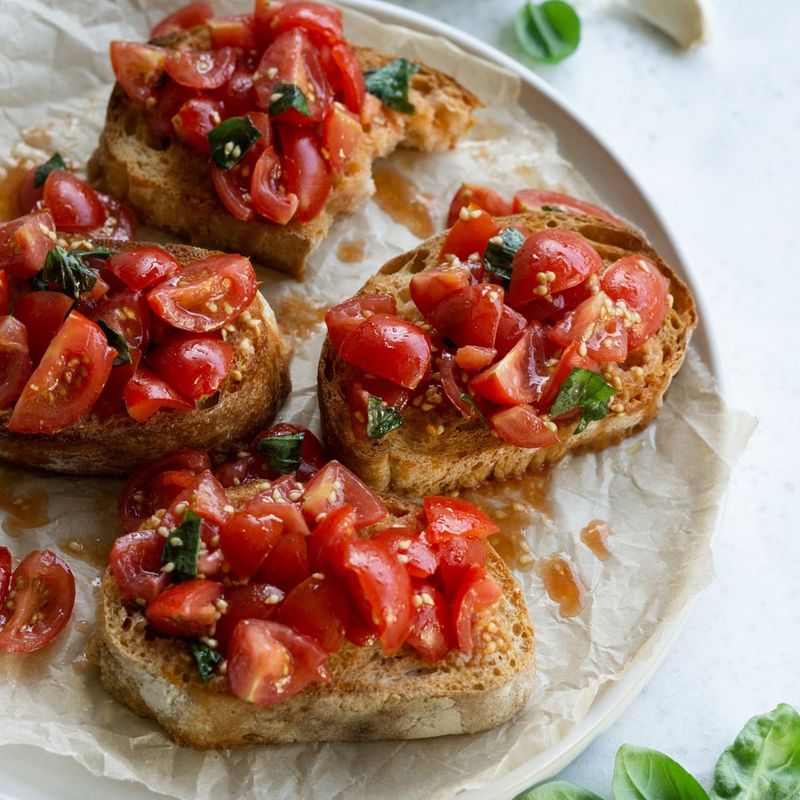
Most tourists mispronounce this beloved appetizer as “broo-SHEH-tah” when the correct Italian pronunciation is “broo-SKEH-tah.” The “ch” in Italian makes a hard K sound, and locals definitely notice when it is said incorrectly.
Beyond pronunciation, many visitors pile on too many toppings, turning it into something far from the original. Traditional bruschetta is simply grilled bread rubbed with garlic, drizzled with good olive oil, and topped lightly with fresh tomatoes.
Simple, honest, and absolutely delicious.
7. Risotto
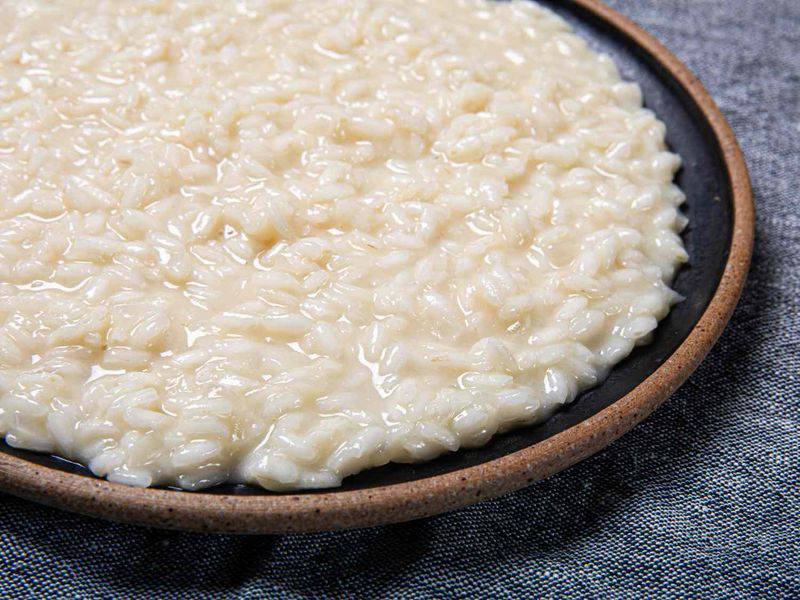
Risotto should flow gently on the plate, not sit in a stiff, sticky clump. Italians call the perfect consistency “all’onda,” which means “like a wave,” where the rice moves slowly when you tilt the dish.
Many tourists expect risotto to be thick and heavy like rice pudding, but that means it has been overcooked. A well-made risotto is creamy, slightly loose, and rich from butter and cheese, not from being cooked until every bit of liquid is completely gone.
8. Gelato
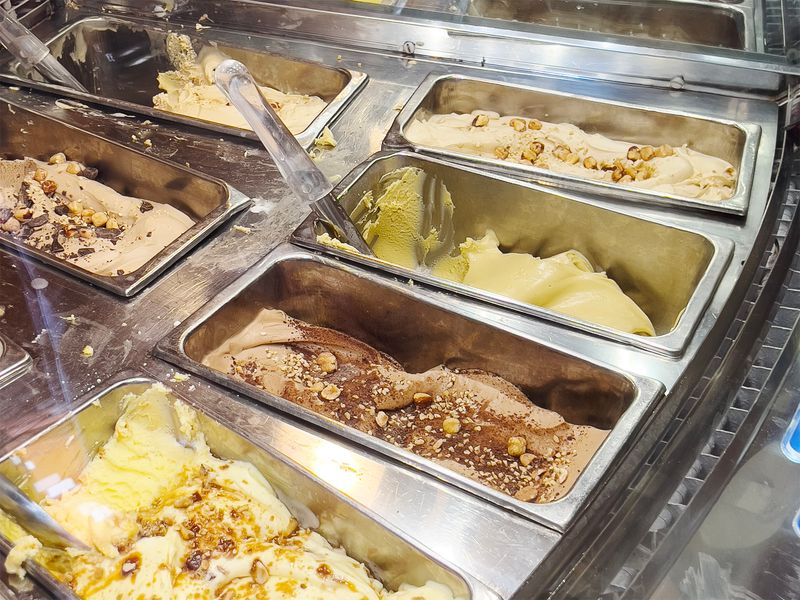
Real gelato is denser and creamier than regular ice cream because it contains less air and fat. Tourists often mistakenly choose brightly colored, piled-high gelato displays, which are usually signs of lower-quality, artificial products made to catch the eye.
Authentic gelato is stored in covered metal containers called “pozzetti” to keep it at the right temperature. When choosing a gelateria, look for muted, natural colors and modest portions.
Pistachio should look pale green, not neon, and chocolate should be dark brown, not glossy.
9. Carbonara
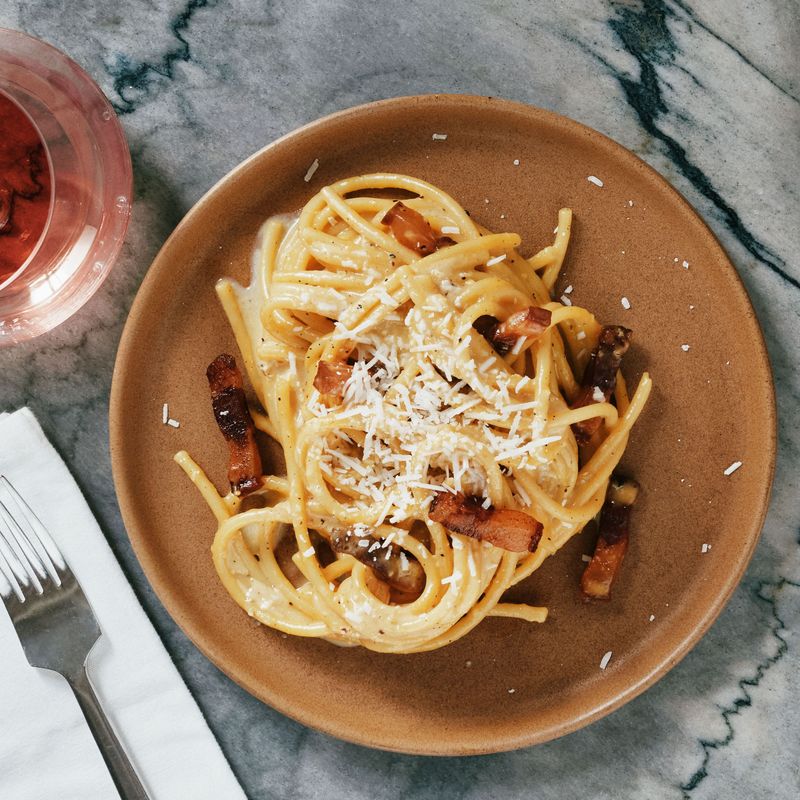
Adding cream to carbonara is probably the biggest mistake a tourist can make in Rome. Real carbonara gets its silky, rich texture from a mixture of egg yolks and Pecorino Romano cheese, not a single drop of cream.
The dish also traditionally uses guanciale, which is cured pork cheek, not bacon or pancetta. Using substitutes changes the flavor profile completely.
Romans are fiercely proud of their carbonara recipe, and ordering a creamy version at a local trattoria is a surefire way to break their hearts.
10. Tiramisu
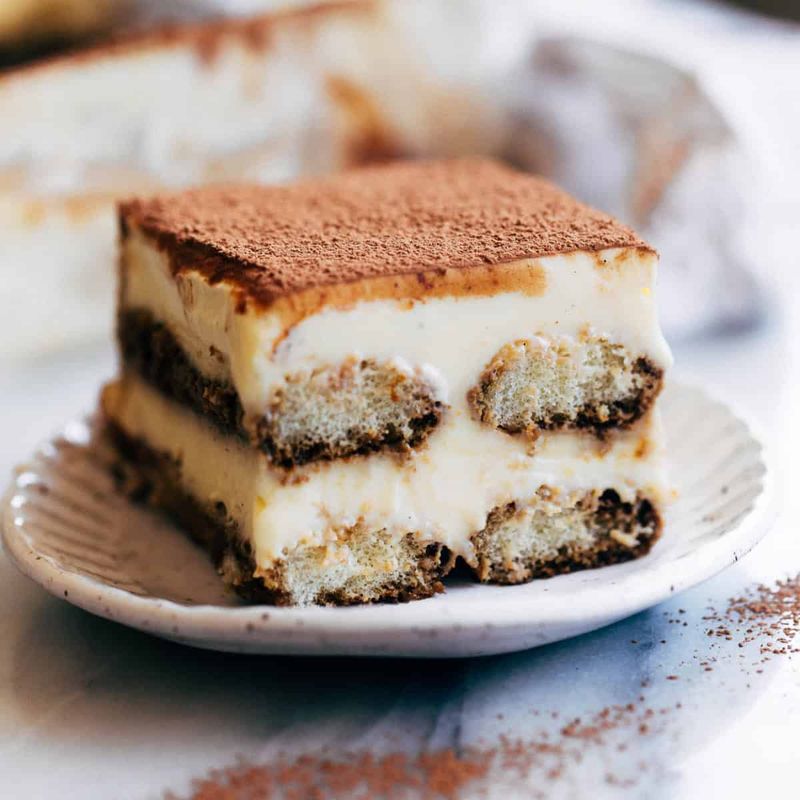
Tiramisu has become so popular worldwide that many versions are loaded with alcohol, flavored with fruit, or served frozen. But the original recipe from the Veneto region is straightforward: ladyfingers soaked in espresso, layered with mascarpone cream, and dusted with cocoa powder.
Some tourists also eat tiramisu expecting a very firm, cake-like texture. Authentic tiramisu is soft, almost spoonable, and light.
If it holds a perfect shape like a slice of cake, it has probably been made with gelatin or other stabilizers that are not part of the true recipe.
11. Focaccia
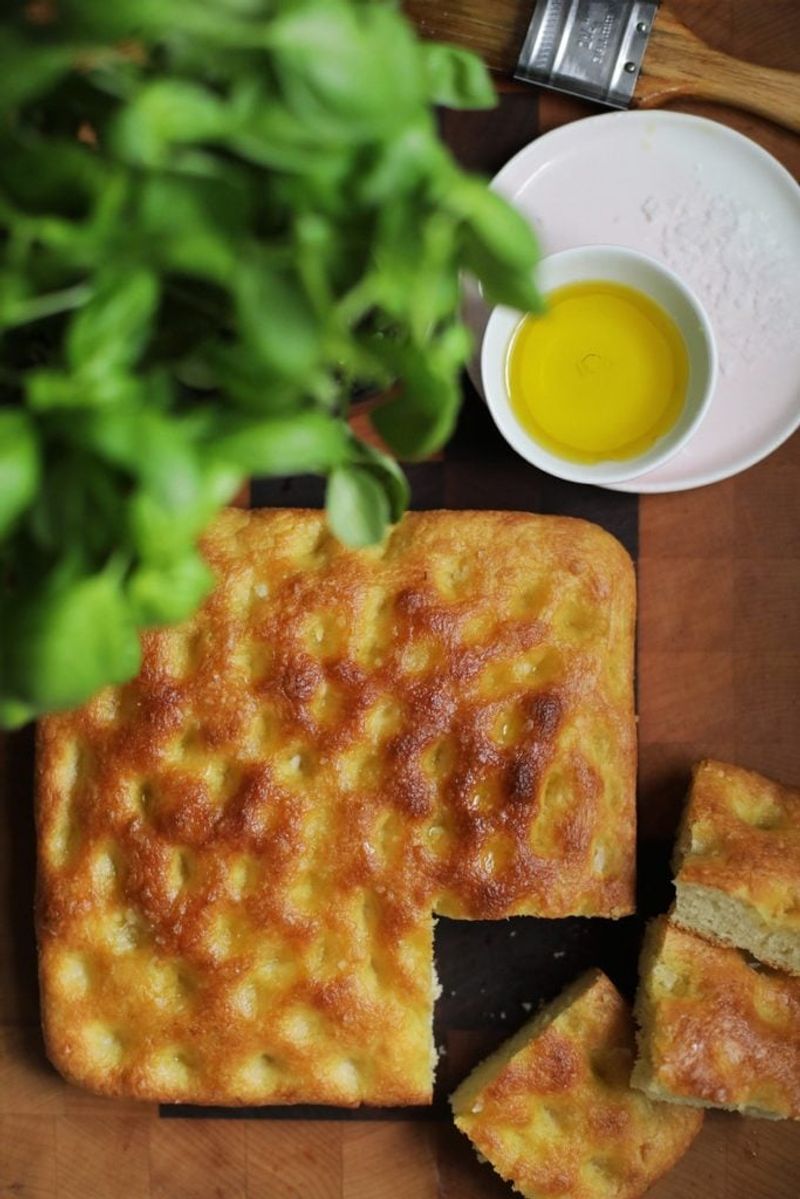
Focaccia is not the same as pizza bread, even though many tourists treat it that way. In Liguria, where the most famous version originates, focaccia is eaten for breakfast, dipped into cappuccino, which surprises most visitors but is completely normal for locals.
Piling focaccia with sandwich fillings is also a common tourist habit that changes its character entirely. The best way to enjoy it is plain, warm from the oven, with a generous drizzle of good olive oil and a sprinkle of flaky sea salt.
Nothing more is needed.
12. Prosciutto
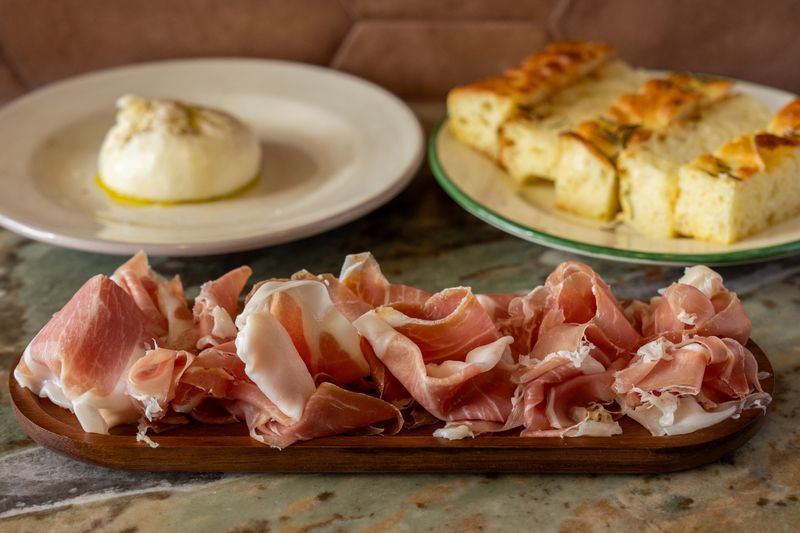
Prosciutto is a delicate, melt-in-your-mouth cured ham that deserves to be eaten simply, not buried under other strong flavors. Many tourists pile it onto sandwiches with mustard, pickles, and heavy sauces, completely masking the subtle sweetness of the meat.
The best way to enjoy prosciutto crudo is thinly sliced and eaten on its own or paired lightly with melon or fresh mozzarella. Good prosciutto di Parma or San Daniele needs no dressing up.
Its flavor is already perfectly balanced and beautifully refined on its own.
13. Osso Buco
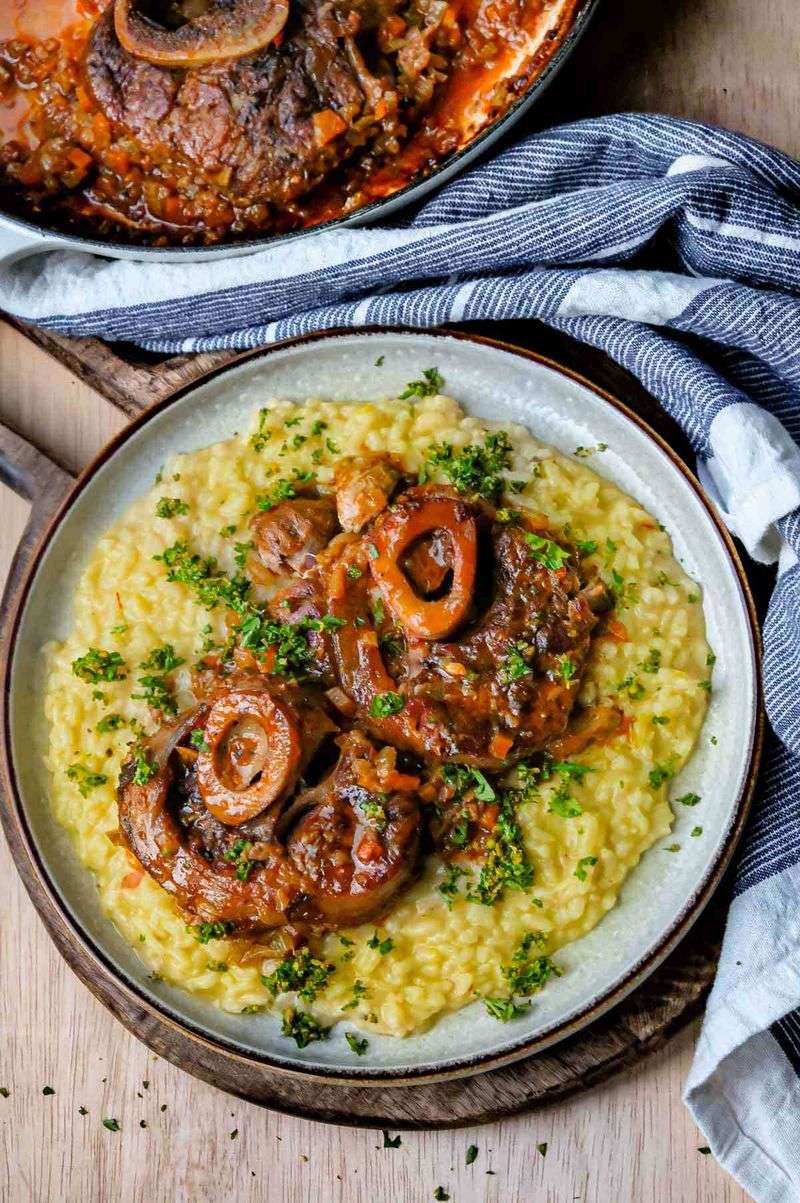
Osso buco is a slow-braised veal shank dish from Milan, and many tourists miss out on the best part entirely: the bone marrow. The name literally means “bone with a hole,” and that hollow center is filled with rich, buttery marrow that is meant to be scooped out with a small spoon.
Skipping the marrow is like leaving the best bite on the plate. It is the heart of the dish, adding a deep, luxurious flavor that makes osso buco so memorable.
Do not leave it behind out of hesitation.
14. Pesto
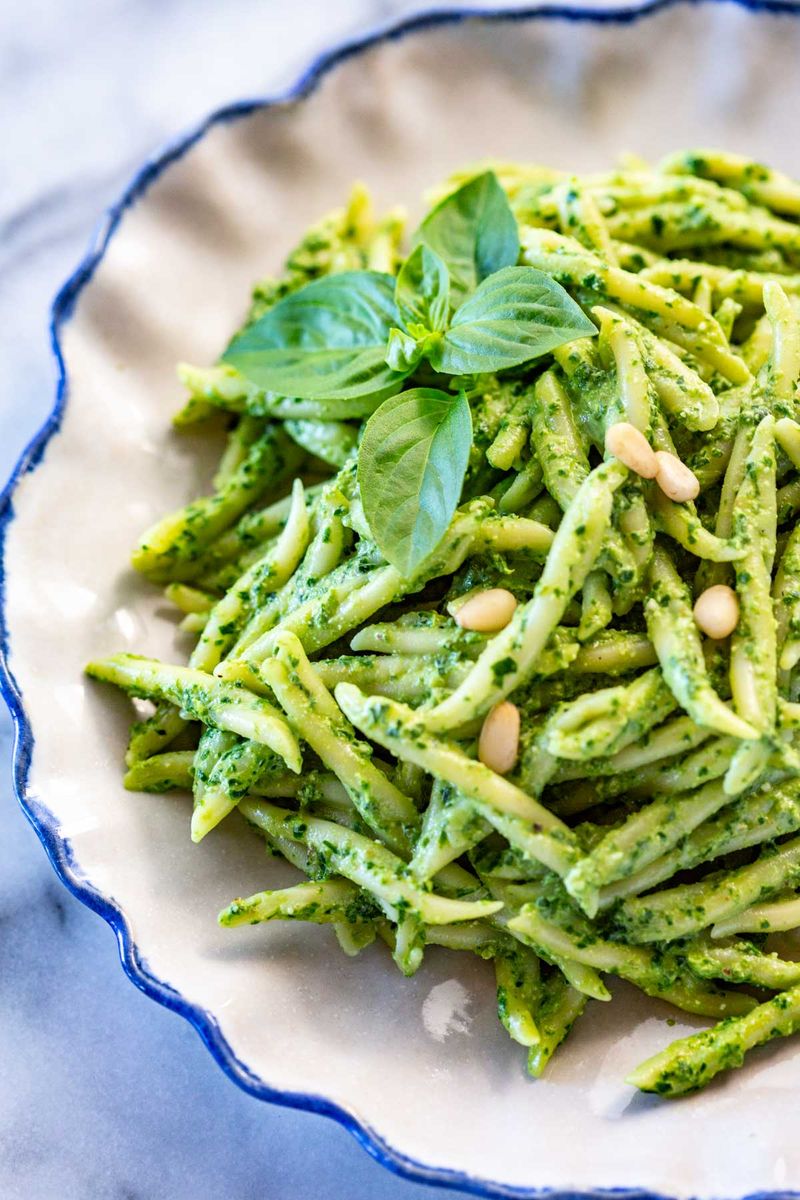
Real Genovese pesto is made by hand using a marble mortar and wooden pestle, and it contains no cream whatsoever. Many tourists encounter pesto pasta dishes swimming in a pale, cream-based green sauce, which is a far cry from the genuine article.
Authentic pesto should be vibrant, oily, and intensely herby, never thick or dairy-heavy. It is also traditionally paired with trofie or trenette pasta, not spaghetti.
Adding pesto to every type of dish or heating it on the stove dulls its fresh, bright flavor significantly.
15. Cannoli
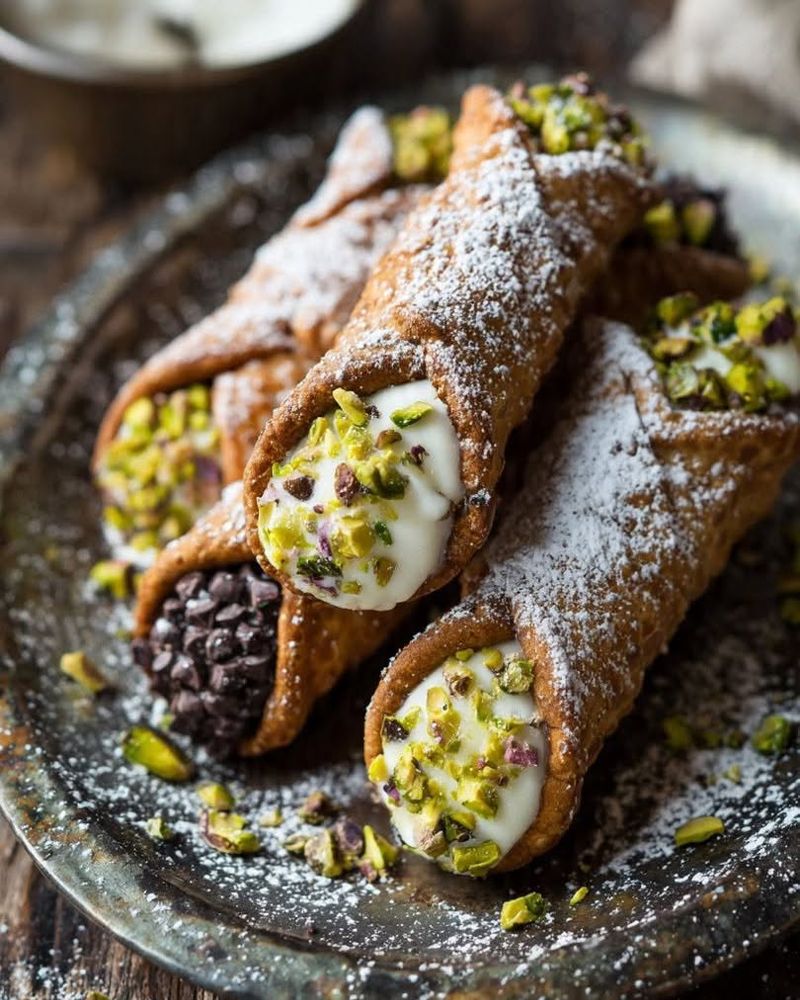
Cannoli shells should always be filled to order, never in advance. Pre-filled cannoli sitting in a display case for hours become soft and soggy, which completely ruins the contrast between the crispy shell and the creamy ricotta filling that makes them so special.
Many tourists also do not realize that authentic Sicilian cannoli use sheep’s milk ricotta, which has a richer, slightly tangy flavor compared to cow’s milk ricotta. If a cannoli tastes bland or mushy, chances are it was filled hours earlier and left sitting out far too long.