
A wedding changes your relationship status, but everyday choices shape the marriage that follows. Habits that once seemed harmless can leave your wife feeling unheard, unsupported, or taken for granted.
Building a strong partnership does not mean losing yourself; it means making room for both of you. A few honest changes can help you feel closer and enjoy life together more.
1. Taking Her Efforts for Granted

The clean towels did not appear by magic, and neither did that thoughtful birthday plan. When daily kindness becomes background noise, your wife may feel that her effort no longer matters.
Notice something specific and say thank you without waiting for a special occasion. Return the care through actions, too, whether that means making dinner or handling an errand.
Appreciation feels more real when your words and behavior tell the same story every single day.
2. Letting Every Conversation Stay on the Surface

Bills, groceries, and tomorrow’s schedule can fill an entire evening without helping you feel close. Your wife also needs chances to know what is happening inside your head.
Share a worry, mention something you hope for, or talk about a moment that made you proud. Invite her to do the same without pushing for answers.
Even ten quiet minutes of honest conversation can make daily life feel less like managing a household and more connected.
3. Jumping Straight Into Fixing Mode

Sometimes a rough day needs a listening ear, not a repair manual. Offering advice before your wife finishes speaking can make her feel brushed aside, even when you mean well.
Put down distractions, let her finish, and repeat the main point in your own words. Ask whether she wants comfort, ideas, or practical help.
You do not need the perfect answer to be supportive; steady attention often matters more than a clever solution ever could.
4. Using Silence as Punishment

A quiet room is not always a peaceful room. Refusing to speak after an argument can leave your wife guessing, worrying, or feeling shut out.
Taking a break is different when you explain what you need and agree on a time to return. Say that you feel overwhelmed and want to talk after calming down.
Then keep that promise, listen fairly, and work through one issue instead of letting days pass without any clear resolution.
5. Giving Your Phone the Best of Your Attention

Your body can be on the couch while your attention is somewhere else entirely. Constant scrolling during meals or conversations sends a message you probably never meant to send.
Choose a few shared moments when phones stay out of reach, such as dinner or the first minutes after work. Explain genuine work emergencies rather than checking silently.
Small limits protect time together without requiring either person to give up friends, interests, or useful technology altogether.
6. Making Plans as Though You Are Still Single

One last minute outing may seem small until it leaves your wife handling plans alone. Marriage does not require permission for every move, but shared life does require consideration.
Discuss schedules before making promises that affect both of you. Keep friendships and hobbies while protecting time for your relationship and making sure she gets personal time, too.
A quick check about plans shows respect for another person’s time, not a loss of freedom or independence.
7. Waiting to Be Asked About Chores
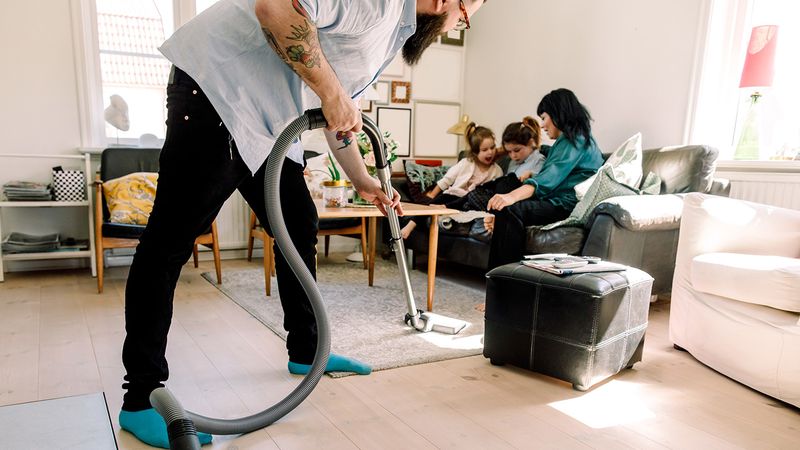
A laundry basket should not need a personal invitation. Waiting for instructions makes your wife responsible for both the task and the work of remembering it.
Agree on a fair split based on time, energy, and other duties, then own your tasks from start to finish. That includes noticing supplies and planning ahead.
Review the arrangement when life changes, because fairness means sharing the load thoughtfully, not assuming every week will look exactly the same.
8. Making Big Decisions Alone

Accepting a job, inviting a relative to move in, or choosing a major purchase can change both lives. Announcing the decision afterward leaves your partner with consequences but no voice.
Bring up important choices early enough for a real discussion. Explain your reasons, hear her concerns, and explore options together.
You may not agree immediately, and that is okay. Taking time to reach a shared decision is usually kinder than rushing ahead and expecting acceptance.
9. Hiding Spending or Avoiding Money Talks

That hidden purchase can cost more than its price tag. Keeping debts, spending, or accounts secret can damage trust and make shared goals harder to reach.
Set regular money checkups and agree on which purchases need a conversation first. Separate accounts can work when both partners understand the arrangement and share needed information.
Build a budget with room for bills, savings, and personal spending so honesty feels practical rather than like being watched or controlled.
10. Turning Disagreements Into Personal Attacks

An eye roll can sting long after the argument ends. Insults, mocking, and words like always or never turn a specific problem into an attack on someone’s character.
Describe what happened and how it affected you without guessing your wife’s motives. Keep your voice steady, stay on one topic, and admit your part when needed.
If you speak harshly, offer a clear apology and change your behavior instead of expecting an apology alone to repair everything.
11. Making Your Wife the Punchline

Getting a laugh should not come at your wife’s expense. Public complaints, cruel jokes, and comparisons with other women can embarrass her and weaken trust between you.
Keep private concerns for a respectful conversation away from an audience. When you need outside advice, choose someone trustworthy who will protect both people’s dignity, such as a counselor.
Celebrate your wife’s strengths without comparing her to anyone else, and stop a joke if she says it hurts.
12. Letting Relatives Cross Every Boundary

Loving your parents does not mean giving them a vote in every part of your marriage. Unwanted visits, private questions, or rude comments can create tension when nobody speaks up.
Agree with your wife on limits around visits, information, and family involvement. Explain those limits kindly to your own relatives and follow through together.
Supporting your marriage does not require cutting people off; it requires making clear that kindness and respect apply to everyone involved.
13. Leaving Romance Behind After the Wedding

Remember when a simple walk together felt like an event? Romance often fades when couples wait for extra money, free weekends, or the perfect mood to appear.
Plan small moments that fit your actual life, such as sharing breakfast or leaving a kind note. Ask what makes your wife feel loved instead of assuming expensive gifts are the answer.
Let affection stay thoughtful and pressure free, with room for both partners to suggest what feels meaningful.
14. Treating Parenting as Someone Else’s Job

Knowing your child’s shoe size matters more than calling yourself the backup parent. If you have children, caring for them is a shared duty, not a favor to your wife.
Learn routines, handle appointments, and take charge of regular tasks without waiting for reminders. Discuss discipline and family needs together rather than leaving every hard choice to her.
Being present also means offering comfort, playing, and knowing what is happening in your children’s daily lives.
15. Brushing Off Harmful Habits and Personal Growth

Saying that is just how I am can close the door on needed change. Heavy drinking, gambling, or other hard to control habits deserve attention when they harm health, trust, or daily responsibilities.
Listen when your wife raises concerns, and seek qualified help if changing alone feels difficult. Keep caring for your sleep, health, and emotional skills as well.
Growth is not about becoming flawless; it is about taking responsibility instead of defending harmful patterns.