
Frozen is packed with more than catchy songs and snowy adventures. Behind Anna and Elsa’s story are surprising changes, clever art choices, and tiny details that are easy to miss.
Learning about them makes another movie night even more fun. From an almost-villain to a hidden Disney guest, there’s plenty to spot with fresh eyes.
1. Elsa Almost Became the Villain
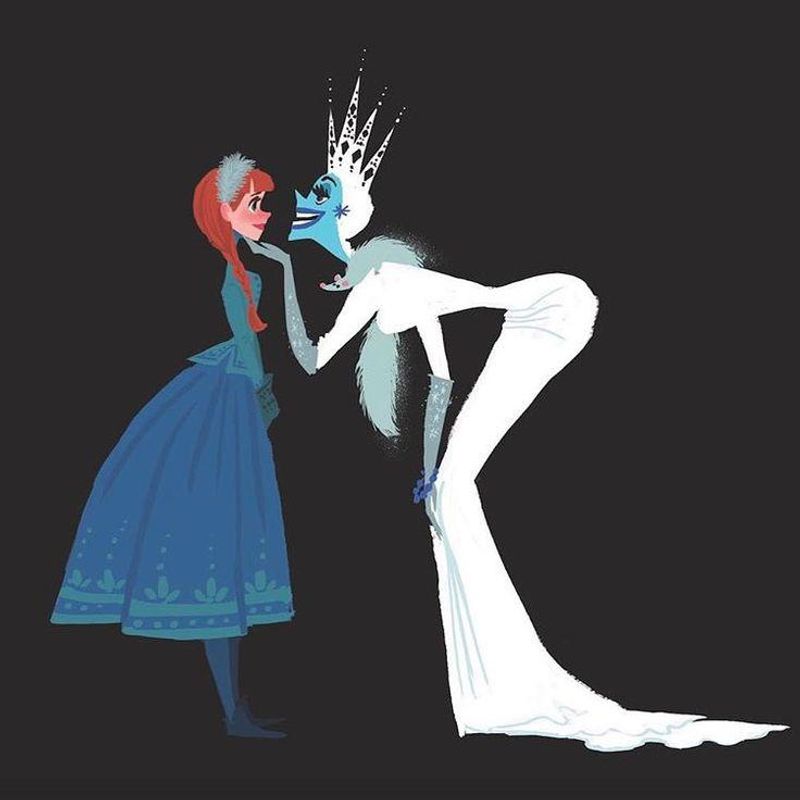
Imagine Arendelle’s snow queen as the person everyone needed to defeat. Some early versions of Frozen gave Elsa a much darker role, including designs with blue skin and a colder personality.
As the story changed, the filmmakers made her someone struggling with fear rather than someone driven by cruelty. That shift helped give the movie its emotional heart.
During your next viewing, notice how often her icy actions begin with panic instead of anger.
2. Sisterhood Wasn’t Always the Plan
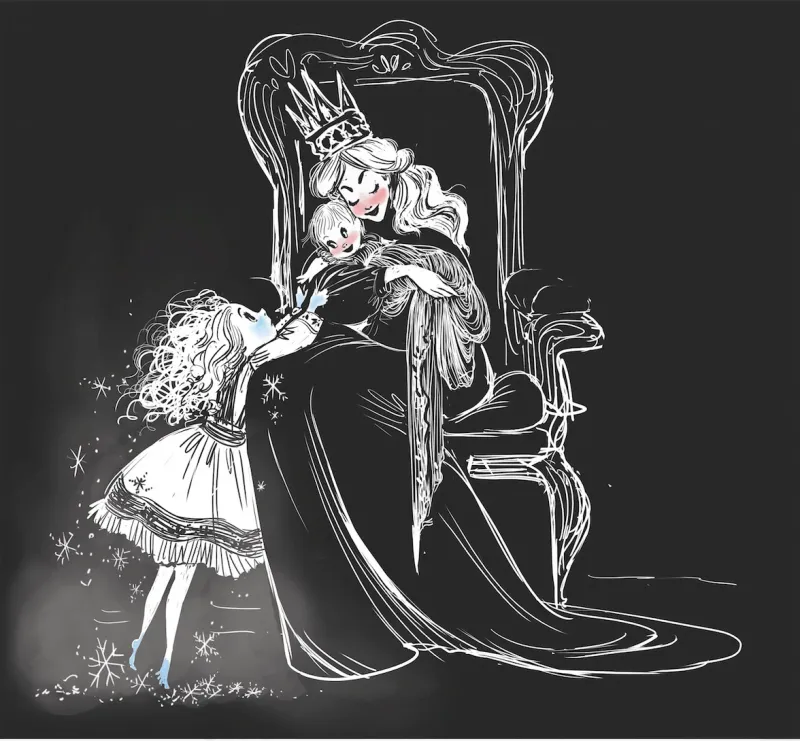
Without the sister bond, Frozen would feel like a very different movie. During development, versions of the story did not make Anna and Elsa sisters, and their backgrounds changed as writers explored different ideas.
Making them family gave their separation a stronger emotional pull. It also helped turn the ending into something beyond a familiar romance.
Watch their childhood scenes again, and you can see how that decision shapes nearly every important choice afterward.
3. A Special Tool Helped Style Elsa’s Hair
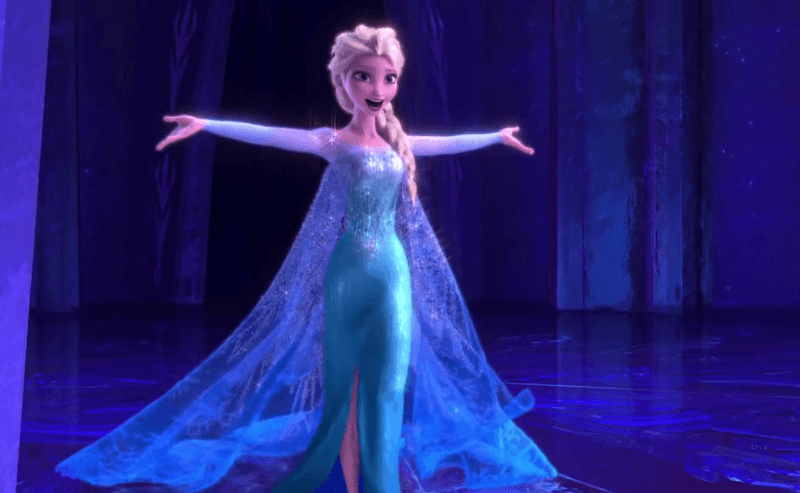
One famous braid needed much more than a brush. Disney developed a hair grooming tool called Tonic to help artists create Elsa’s hairstyle, which contains roughly 420,000 computer generated strands.
Those tiny pieces help her hair look full and believable, even when she moves through wind or snow. The impressive part is not simply the number.
Artists still had to shape the strands into a clear, appealing design that audiences could recognize at once.
4. The Story’s Disney Roots Go Back Decades
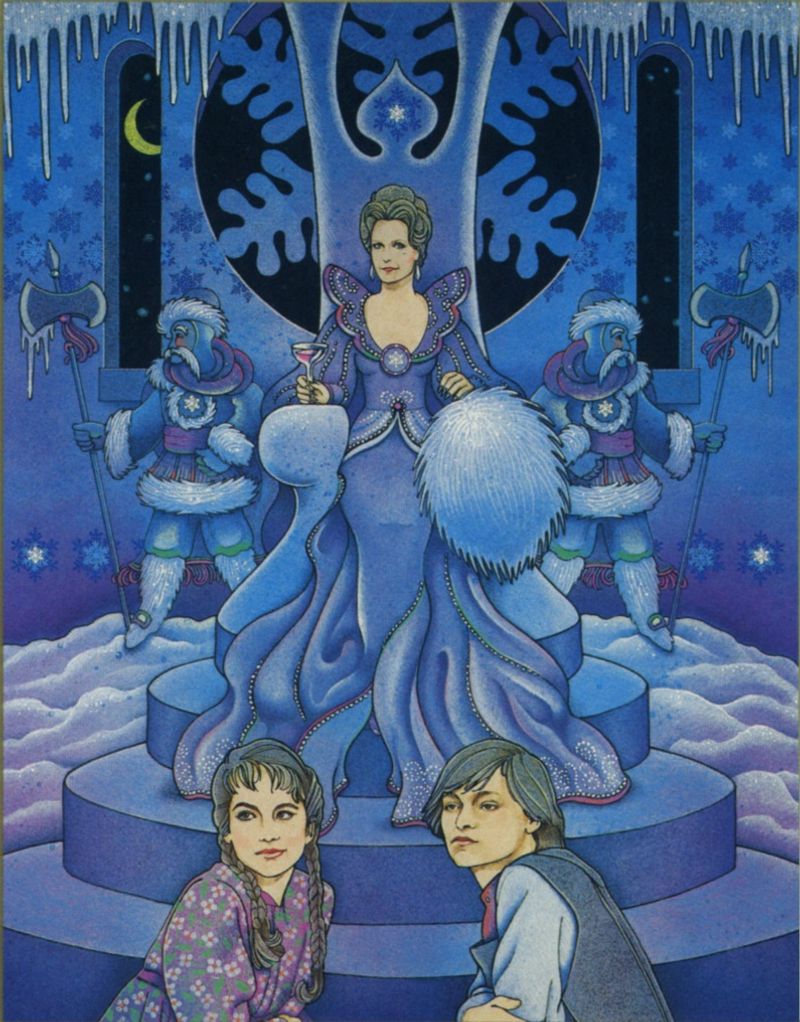
Long before Olaf existed, Disney was interested in The Snow Queen. The studio explored adapting Hans Christian Andersen’s fairy tale during Walt Disney’s lifetime, decades before Frozen reached theaters in 2013.
Finding the right approach proved difficult, and the idea returned in different forms over the years. Frozen eventually became a loose adaptation rather than a direct retelling.
Reading the original story offers a fun comparison, especially because its characters and plot differ so much.
5. A Quebec Ice Hotel Inspired the Palace
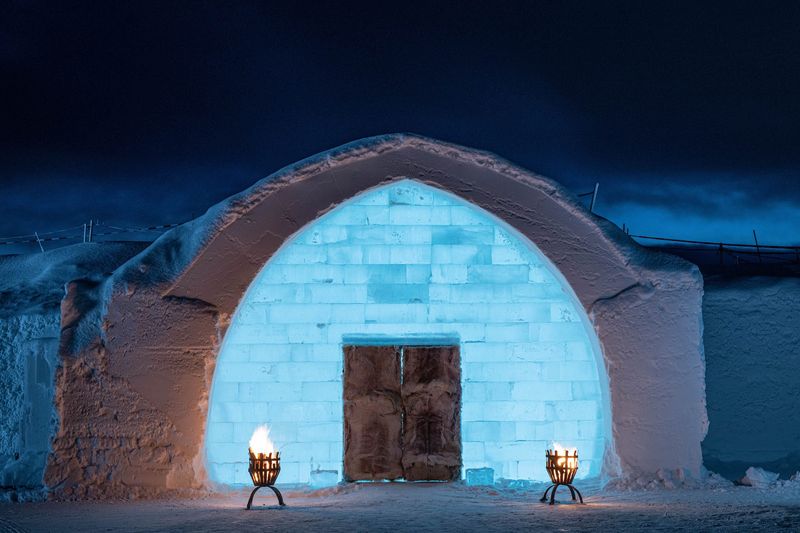
A real building made from ice helped shape Elsa’s magical home. Members of the filmmaking team visited Quebec’s ice hotel to study how frozen walls catch, scatter, and transmit light.
That research helped artists imagine a palace that felt more convincing than a shiny glass room. Notice how its surfaces glow and change with the lighting.
Although Elsa builds with magic, the visual team borrowed clues from actual ice to make the setting believable.
6. Norwegian Floral Art Decorates Arendelle
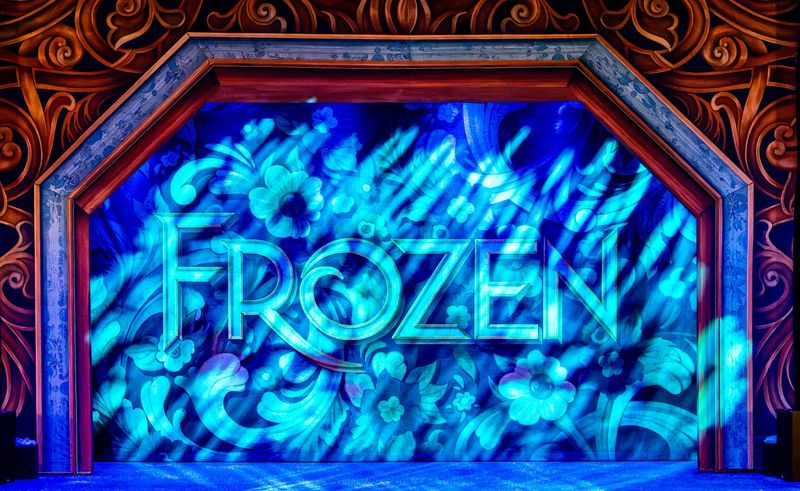
Look past the snow, and flowers appear all over Arendelle. Many decorative details draw on rosemaling, a traditional Norwegian painting style known for curling leaves, flowing shapes, and colorful floral patterns.
You can spot its influence on clothing, doors, furniture, and other designs throughout the film. These repeated touches help the kingdom feel connected instead of randomly decorated.
Try pausing during indoor scenes and comparing the patterns around Anna with those stitched onto her clothes.
7. Snowflakes Got Their Own Design System
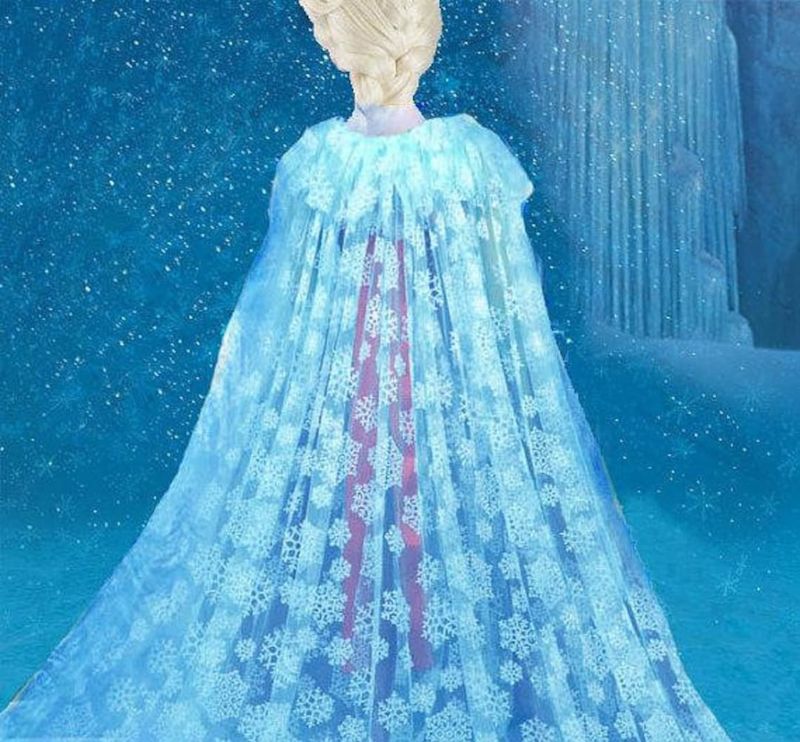
No ordinary sprinkle of white dots would do for this winter. Disney’s artists used a snowflake generator to create about 2,000 different designs, giving the movie’s icy world extra variety.
Snowflake shapes also appear in Elsa’s clothing, including her flowing cape. Those details connect her appearance with the magic she creates.
For a simple viewing challenge, look for repeating ice patterns in her palace, then compare them with the shapes worked into her sparkling outfit.
8. Anna’s Snowman Song Nearly Disappeared
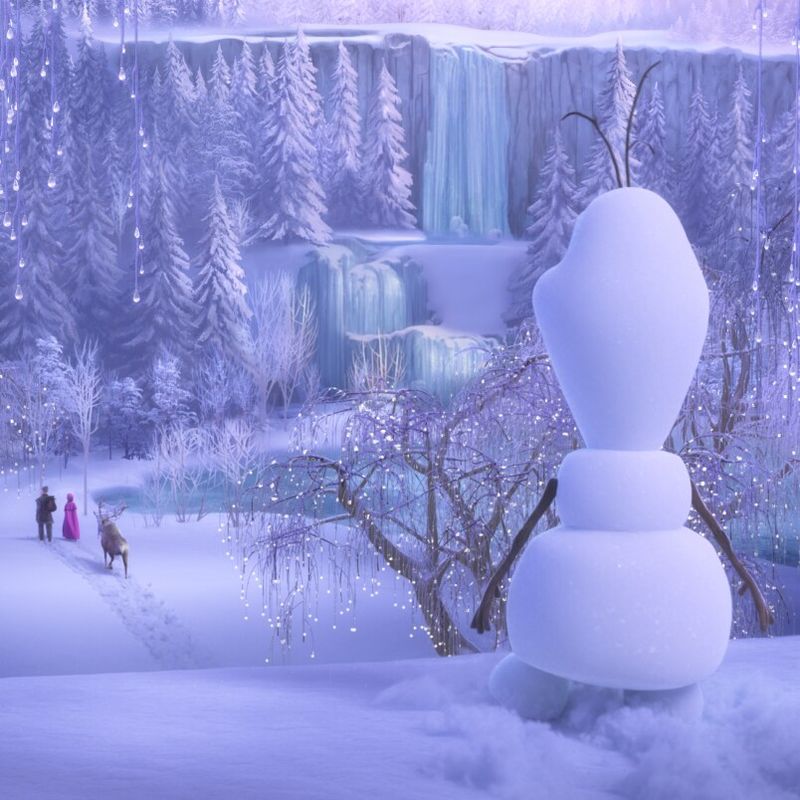
Hard to imagine Frozen without that lonely knock, isn’t it? Do You Want to Build a Snowman? was considered for removal during production as the team worked out the movie’s pacing and story.
Keeping it gave audiences a simple way to feel the growing distance between the sisters. Across the sequence, Anna gets older, but her wish for connection stays clear.
Listen for how the mood changes from playful hope to grief as time passes.
9. Building the Ice Palace Took Serious Computer Work
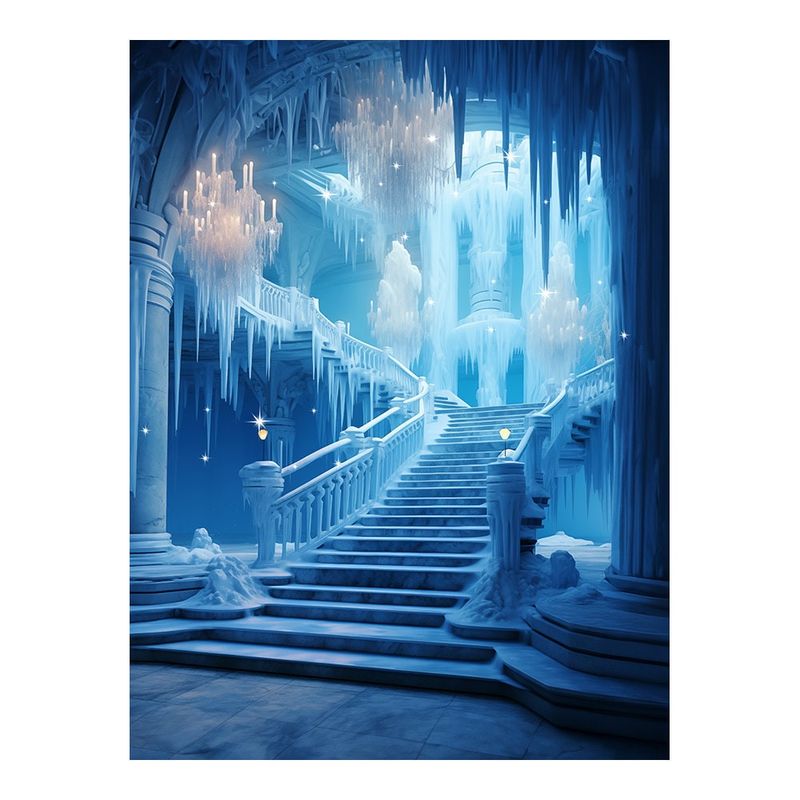
Seconds of screen magic can hide months of effort. Elsa’s palace construction during Let It Go required demanding effects work as stairs, walls, and towers formed around her.
Production accounts describe months spent developing the sequence, with some complex frames taking roughly 30 hours to render. Rendering means turning computer scene data into a finished image.
Watch the growing palace slowly sometime, and notice how many separate surfaces appear, reflect light, and move together smoothly.
10. Two Tangled Guests Visit the Coronation
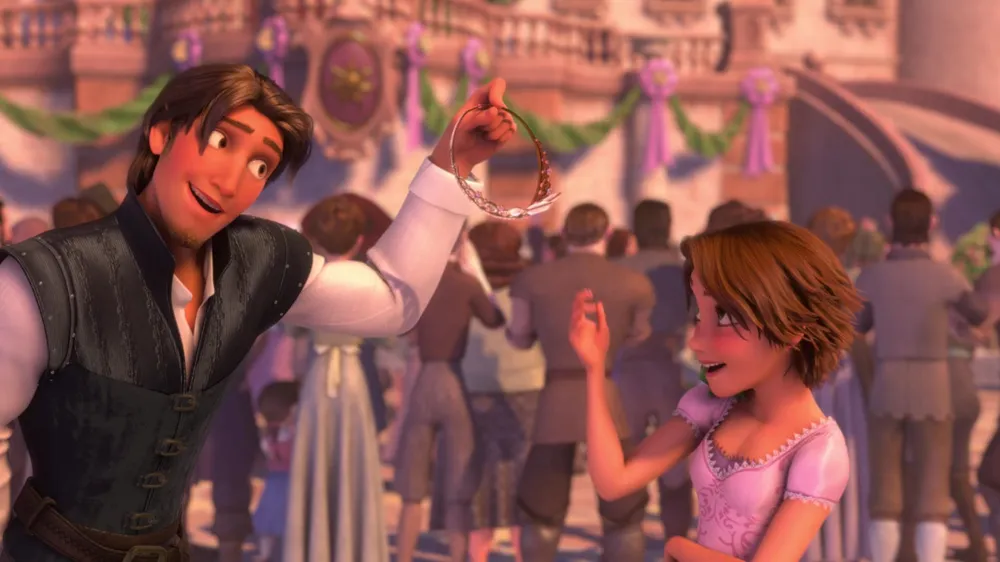
Two familiar visitors slip into Arendelle without much fuss. Rapunzel and Eugene, also known as Flynn Rider, appear briefly among the guests arriving around Elsa’s coronation.
Their appearance is an Easter egg for viewers who know Tangled, not proof that every fan theory about the films is true. Look near the castle entrance during Anna’s excited trip outside.
Rapunzel has her short brown hair, which can make her easier to miss than you might expect.
11. Character Names Suggest a Literary Connection
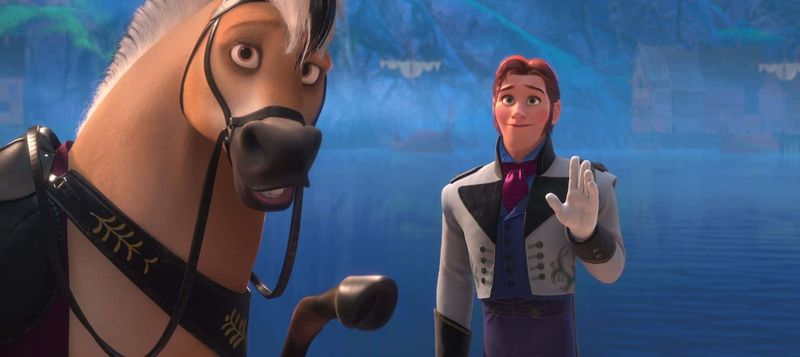
Say Hans, Kristoff, Anna, and Sven aloud in that order. Fans often point out that the names loosely resemble Hans Christian Andersen, the author whose fairy tale inspired Frozen.
It makes a memorable word game, although the similarity alone does not establish a confirmed naming tribute. The solid connection is the film’s debt to The Snow Queen.
Share the name trick for fun, but keep that distinction in mind when explaining it to other viewers.
12. Elsa Is Already in Her Twenties
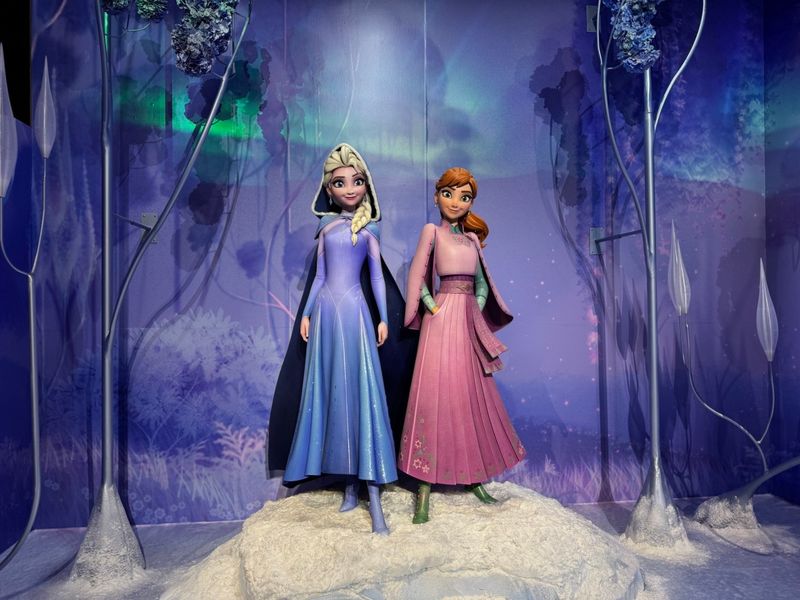
A crown brings plenty of responsibility, even before an accidental winter. Elsa is 21 during the first Frozen movie, while Anna is 18, placing the sisters at different stages of young adulthood.
One common trivia claim needs a correction: Elsa is not part of Disney’s official Disney Princess lineup. Frozen has its own major brand.
Her age still adds useful context when watching her coronation, especially as she struggles to lead while hiding her powers.
13. Oaken’s Shop Hides a Familiar Mouse
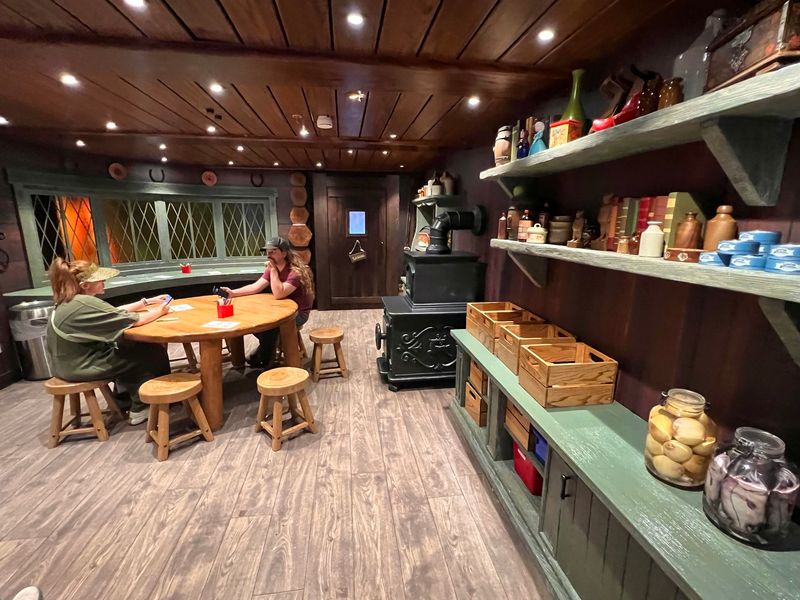
Shopping for winter supplies comes with a tiny Disney surprise. A small Mickey Mouse figure is tucked among the goods in Wandering Oaken’s Trading Post and Sauna.
It is easy to overlook because the scene gives you plenty of other things to watch, including Anna’s arrival and Oaken’s cheerful sales pitch. Pause when the shelves are visible and scan the merchandise carefully.
Hunting for background details turns a familiar scene into a little visual game.
14. Josh Gad Brought Extra Playfulness to Olaf

Behind that cheerful snowman is a performer willing to play around. Josh Gad brought improvisation into his recording sessions as Olaf, giving filmmakers extra comic choices beyond the written script.
However, that does not mean every funny moment, or every lyric in In Summer, was invented on the spot. Songs and scenes involve many collaborators.
Listen to Olaf’s pauses, sudden excitement, and odd little observations to appreciate how a vocal performance can shape an animated personality.
15. Anna Copies a Famous Painting
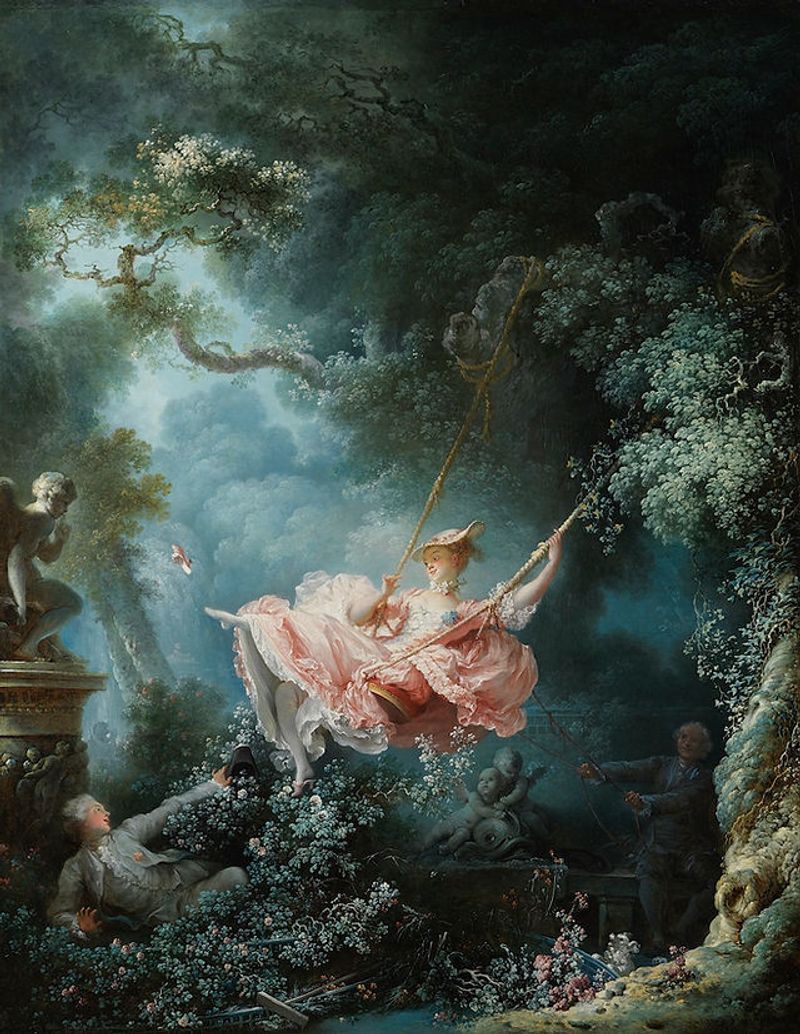
Art history sneaks into Anna’s big burst of excitement. During For the First Time in Forever, she copies the pose of the woman in a painting inspired by Jean-Honoré Fragonard’s The Swing.
The original is a famous example of Rococo art, a style known for playful scenes and fancy details. You do not need a museum guide to enjoy the joke.
Compare the poses side by side and notice how Anna turns elegant artwork into comedy.