
Being a royal means more than wearing a crown and waving at crowds. Every meal, every sip, and every bite is carefully considered, especially when Princess Kate is on official duty.
From diplomatic dinners to overseas tours, certain foods are quietly left off her plate for very good reasons. You might be surprised by some of the everyday items that simply do not make the cut at royal engagements.
1. Shellfish
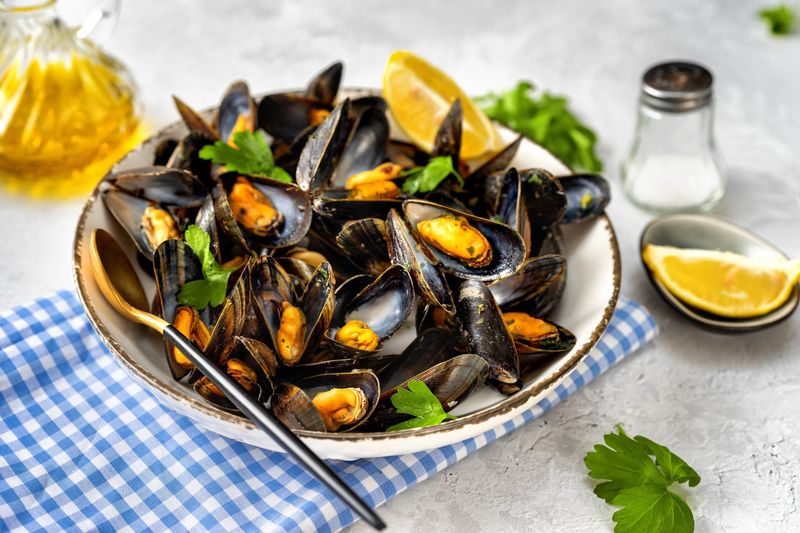
Shrimp, oysters, mussels – they may look luxurious on a dinner menu, but shellfish is one food Princess Kate reportedly steers clear of during royal duties. A former royal butler confirmed that shellfish rarely appears on the royal menu because of the serious risk of food poisoning and allergic reactions.
When you are shaking hands and meeting dignitaries all day, the last thing anyone needs is an upset stomach. Safety comes first at the palace.
2. Garlic
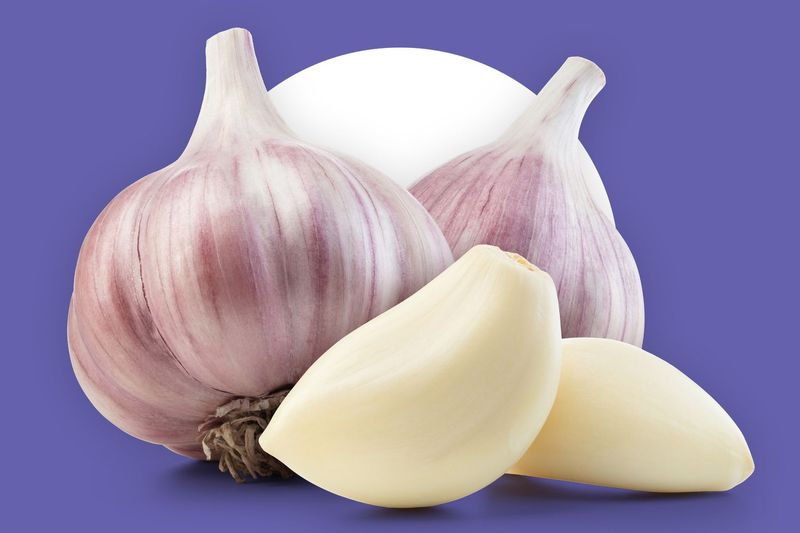
Queen Camilla once called garlic a flat-out “no-no” for the Royal Family, and Princess Kate reportedly follows the same rule. The reason is pretty straightforward – garlic breath is hard to hide, especially during close conversations with world leaders, charity patrons, or members of the public.
Royal engagements often involve greeting hundreds of people up close. Keeping breath fresh is considered basic etiquette, so garlic gets quietly crossed off the menu.
3. Raw Onions
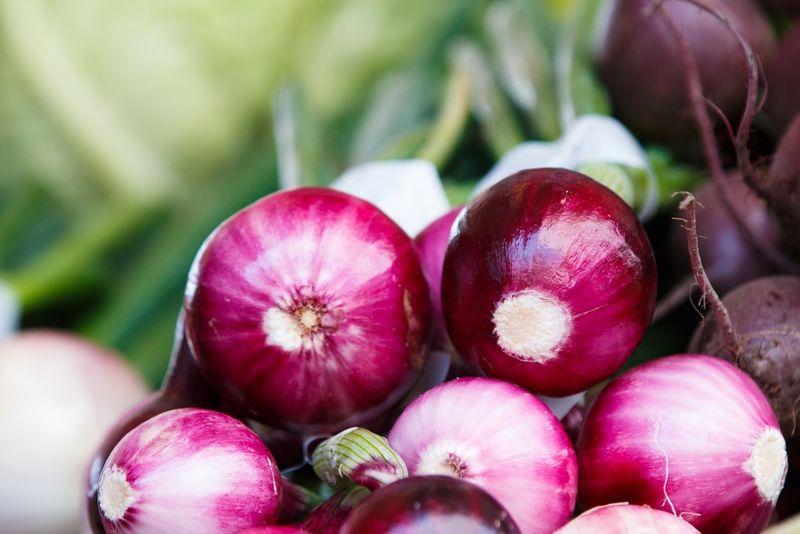
Raw onions share the same problem as garlic – their sharp, lingering scent can make close interactions at public engagements awkward. Senior royals, including Princess Kate, reportedly avoid raw onions for this very practical reason.
Cooked onions are a different story since heat mellows their intensity. But tossing raw onions into a salad or sandwich before a long day of handshakes and photo calls?
That is simply not on the royal agenda.
4. Spicy Food
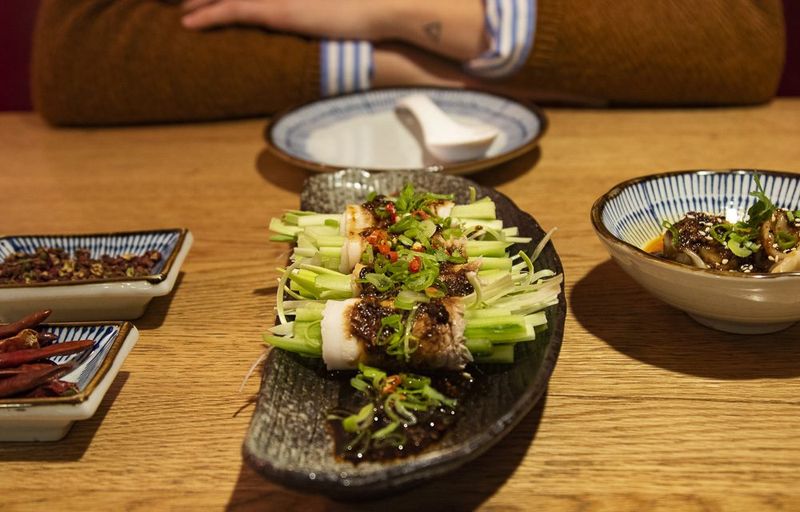
Princess Kate reportedly enjoys a good spicy meal in private, but official royal duties call for a much milder plate. Hot, fiery dishes can cause sweating, digestive discomfort, and even an upset stomach, none of which are ideal when you are standing at a formal reception for hours.
Royal chefs tend to keep flavors light and balanced at official events. Bold spices get toned way down to ensure everything runs smoothly from start to finish.
5. Raw or Rare Meat
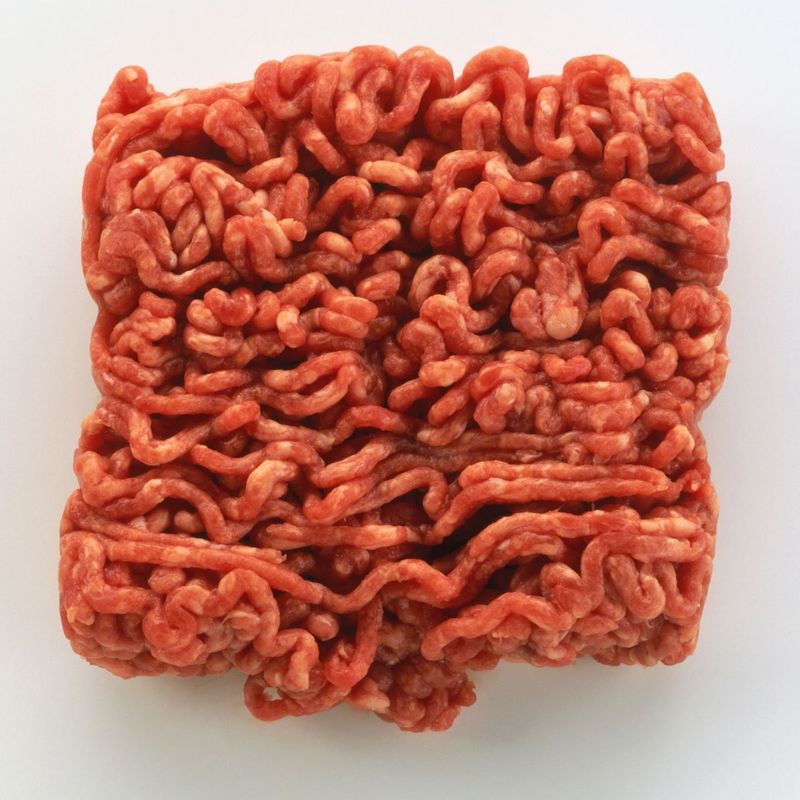
Food safety is taken extremely seriously within the Royal Family, especially when traveling internationally. Raw or undercooked meat carries a real risk of harmful bacteria like Salmonella, E. coli, and campylobacter, which could sideline anyone from their duties fast.
Princess Kate reportedly follows the royal standard of only eating well-cooked meat. When the schedule includes back-to-back engagements across different countries, nobody wants to gamble with a rare burger or a pink-centered chicken dish.
6. Heavy Starchy Carbohydrates at Dinner
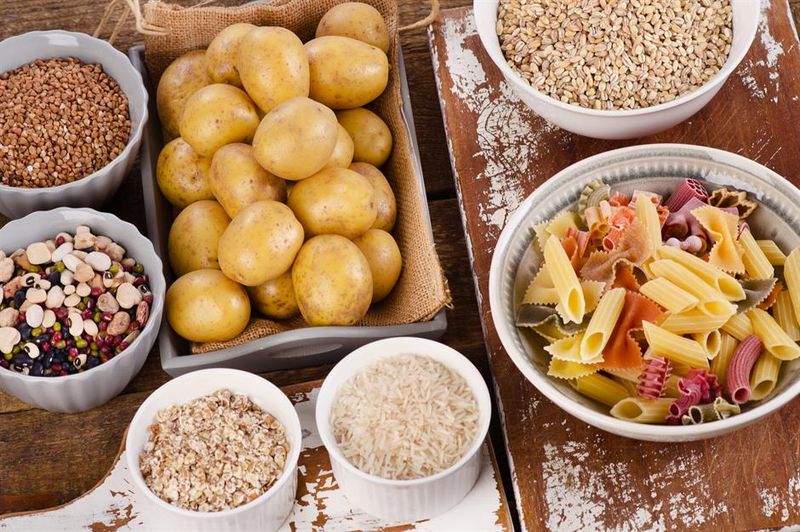
The late Queen Elizabeth II famously kept heavy carbs like pasta, rice, and potatoes off her dinner table, and that preference quietly shaped royal dining habits. Princess Kate reportedly follows a similar approach, keeping evening meals lighter and more manageable.
Eating a mountain of starchy carbs before an evening engagement can cause sluggishness and bloating. Keeping dinner light helps maintain energy and focus during those long, formal nights out representing the Crown.
7. Foie Gras
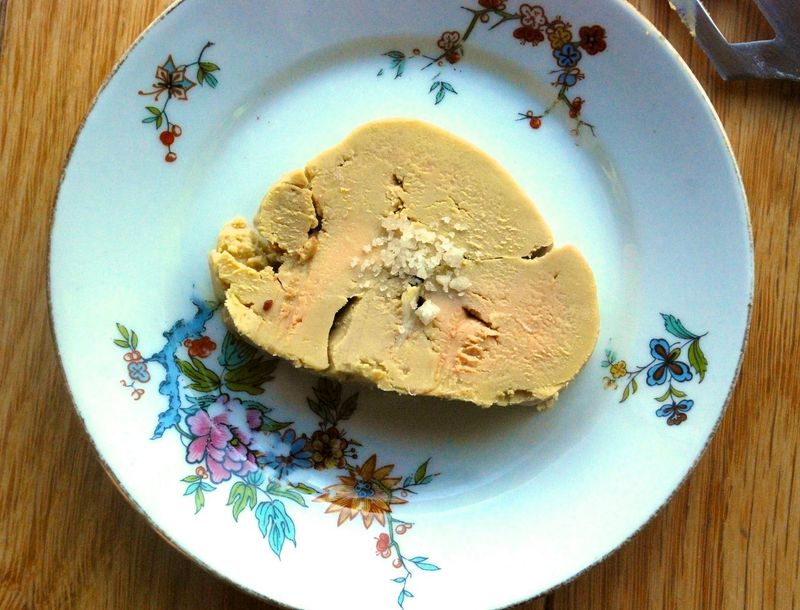
Foie gras has been officially removed from the Royal Family’s menu by King Charles, citing animal welfare concerns. While this decision was made at the top level, it applies across royal dining, meaning Princess Kate would not be served this dish at official functions either.
Animal welfare has become an increasingly important value for the modern royals. Removing foie gras from the table is one quiet but meaningful way the family has chosen to align its dining habits with its broader values.
8. Messy or Difficult-to-Eat Dishes
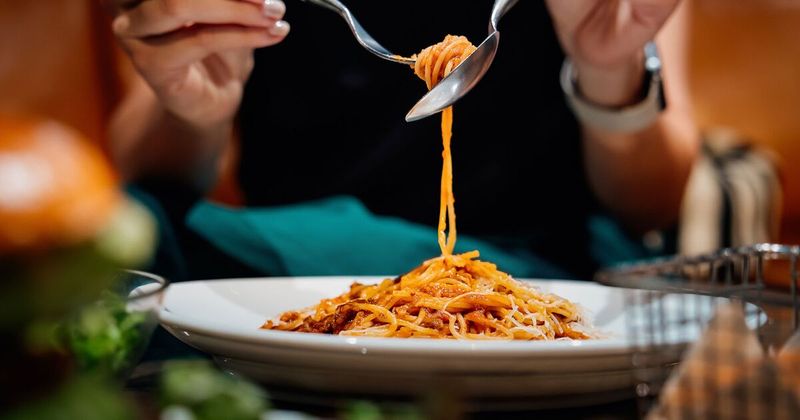
Long spaghetti, dripping sauces, and foods that need serious maneuvering are quietly kept off royal menus. During a state visit to Italy, it was reportedly noted that messy pasta dishes and tomato-heavy sauces were avoided to maintain proper decorum at the table.
Eating gracefully in public is part of the royal role. When cameras are pointed at you during an official dinner, the last thing you want is a splatter of red sauce on your outfit.
9. Overly Rich Creamy Sauces
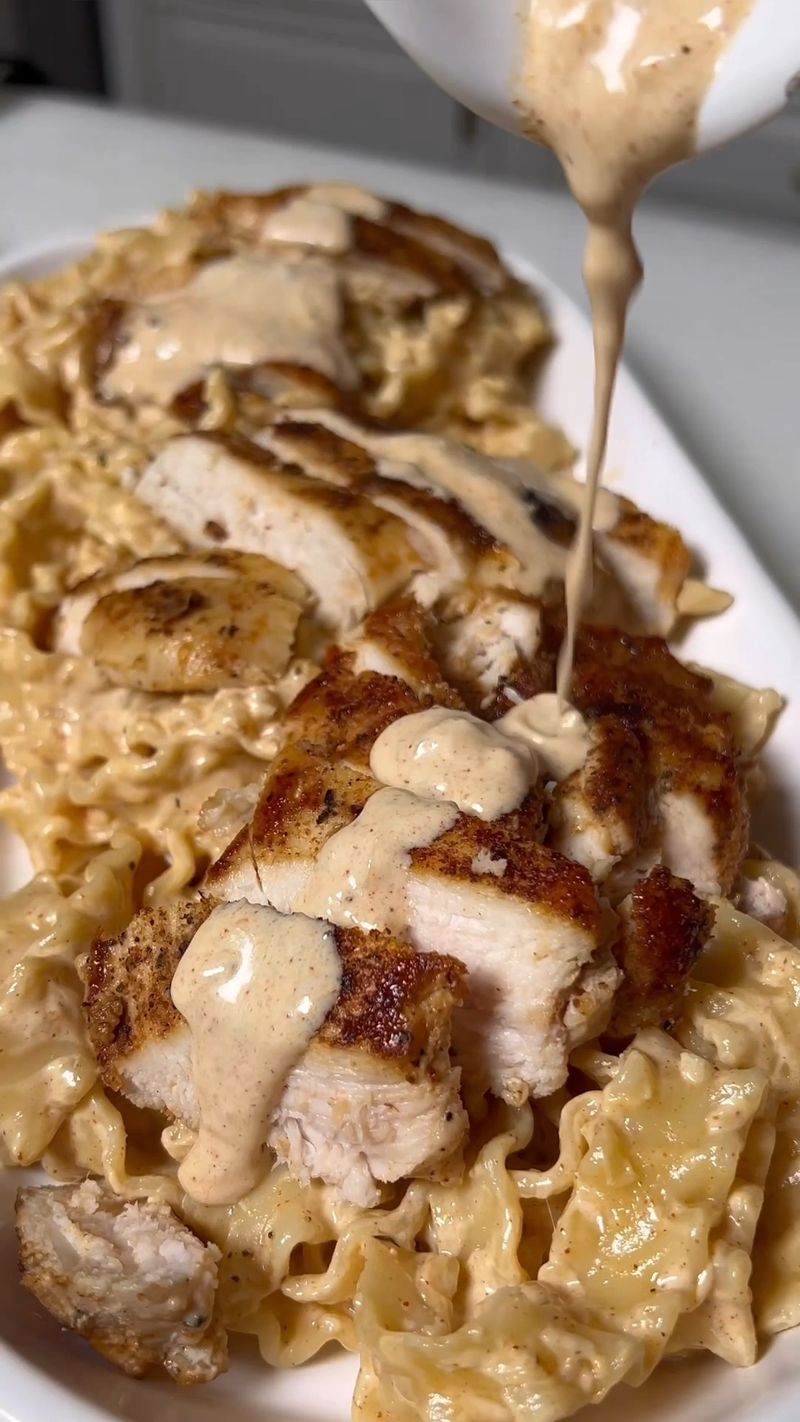
Heavy cream-based sauces might taste wonderful, but they are rarely on the menu for Princess Kate during official engagements. Rich, fatty foods can cause bloating and sluggishness, which is a real problem when you have a full day of appearances ahead of you.
Royal meals are designed to be light, seasonal, and easy on the digestive system. Keeping sauces simple and fresh helps ensure Princess Kate stays energized and comfortable through every event on the schedule.
10. Tap Water Abroad

Traveling internationally comes with its own set of health risks, and drinking local tap water is one that the Royal Family takes seriously. Princess Kate and other senior royals are advised to stick to bottled or filtered water when on overseas tours to avoid any risk of stomach illness.
Even water that is perfectly safe for locals can upset the digestive system of a visitor. Staying hydrated with trusted water sources is a simple but smart precaution for anyone representing the Crown abroad.
11. Most Carbohydrates During Dukan Diet Phases

Princess Kate reportedly followed the Dukan Diet at certain points in her life, including before her 2011 wedding and after her pregnancies. The Dukan plan is built around high protein and very low carbohydrates, so bread, pasta, and grains get significantly reduced or cut out entirely.
During the strictest early phases, carb intake drops dramatically. It is a tough adjustment, but many people find that the structure of the plan helps them reach their goals with clear, measurable steps.
12. Vegetables During the Dukan Attack Phase
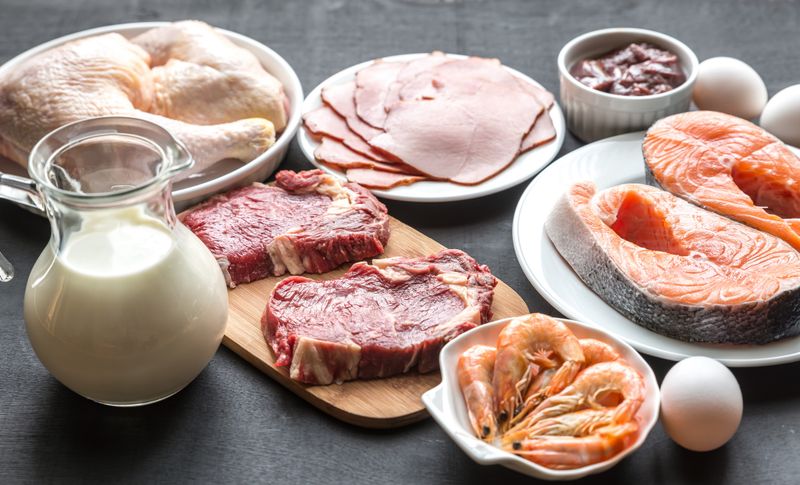
Here is a surprising one – even vegetables get the temporary boot during the Dukan Diet’s initial “Attack Phase.” During this strict opening stage, only lean proteins are allowed, meaning even healthy greens like broccoli and spinach are off the table for a short time.
Princess Kate reportedly used this approach to kick-start her diet goals. Vegetables are gradually welcomed back in later phases, making the plan feel more balanced as it progresses over time.
13. Fruit During Dukan Attack and Cruise Phases
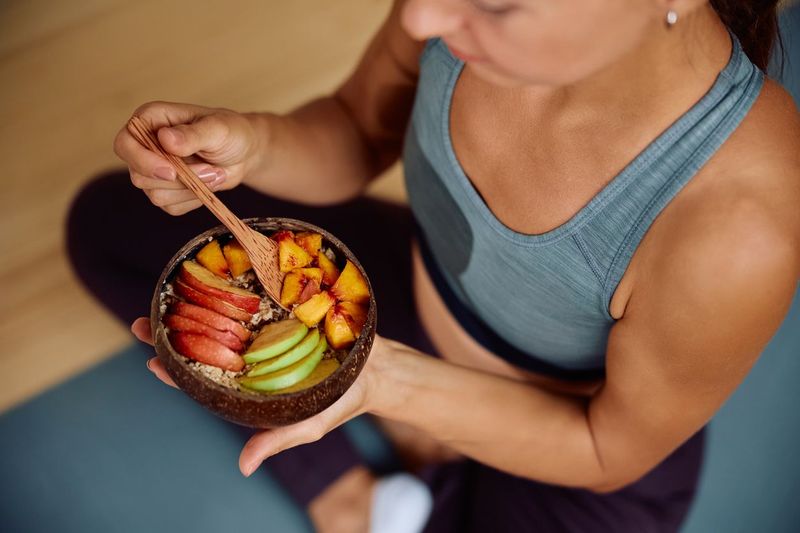
Fruit is packed with vitamins, but during the Dukan Diet’s “Attack” and “Cruise” phases, it is not on the approved list. The natural sugars found in fruit can slow down the fat-burning process that the plan is designed to trigger in these early stages.
Princess Kate reportedly followed these phases closely. Fruit eventually makes a welcome comeback in the “Consolidation” phase, giving the body a gradual and sensible return to a more varied, balanced eating routine.
14. High-Fat Foods on the Dukan Diet
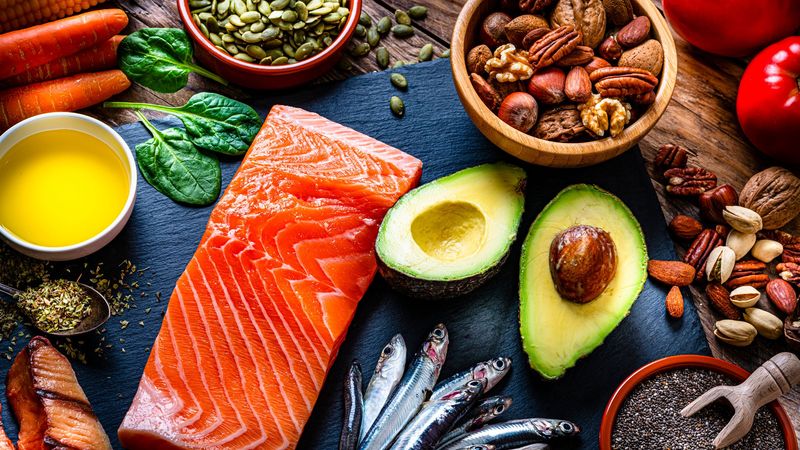
Fat reduction is a central pillar of the Dukan Diet, which Princess Kate reportedly turned to for weight management. Butter-heavy dishes, full-fat cheeses, and fried foods are all significantly reduced or avoided during the plan’s key phases.
The diet leans heavily on lean proteins like chicken, fish, and low-fat dairy instead. Cutting back on high-fat foods while keeping protein intake high is the core strategy that reportedly helped Kate feel her best during demanding periods of her royal life.
15. Alcohol During Dukan Attack and Cruise Phases
Alcohol adds extra calories and can work against the fat-burning goals of the Dukan Diet, so it is best avoided during the “Attack” and “Cruise” phases. Princess Kate reportedly followed these guidelines during her time on the plan, skipping the wine with dinner in favor of staying on track.
Royal life involves plenty of formal dinners where drinks flow freely. Quietly passing on alcohol during a strict diet phase takes real discipline, especially in a social setting built around toasts and celebrations.