
Small annoyances can take up a surprising amount of our day. People who think with curiosity, patience, and an open mind often find better ways to handle them.
That does not mean they never get upset, and staying calm is not a test of intelligence. Still, these habits can help anyone spend less energy complaining and more energy making life better.
1. Boredom Becomes a Starting Point

A quiet afternoon can feel like an empty room, or a room waiting for ideas. Curious people often treat boredom as a signal to explore rather than proof that nothing interesting exists.
Try reading about an unfamiliar topic, sketching something nearby, or calling someone with a different background. Even a short walk can give your mind fresh material.
You do not need constant entertainment when you learn to notice, question, and create things for yourself.
2. Unfairness Calls for Useful Action

Getting passed over stings, especially when you worked hard. A thoughtful response does not pretend unfairness is fine; it separates what happened from what you can do next.
Gather the facts, ask for a clear explanation, and decide whether to speak up, seek support, or change direction. Some problems deserve organized action, not quiet acceptance.
The useful shift is from repeating your frustration to choosing a step that could improve the situation for everyone involved.
3. A Packed Schedule Needs Priorities
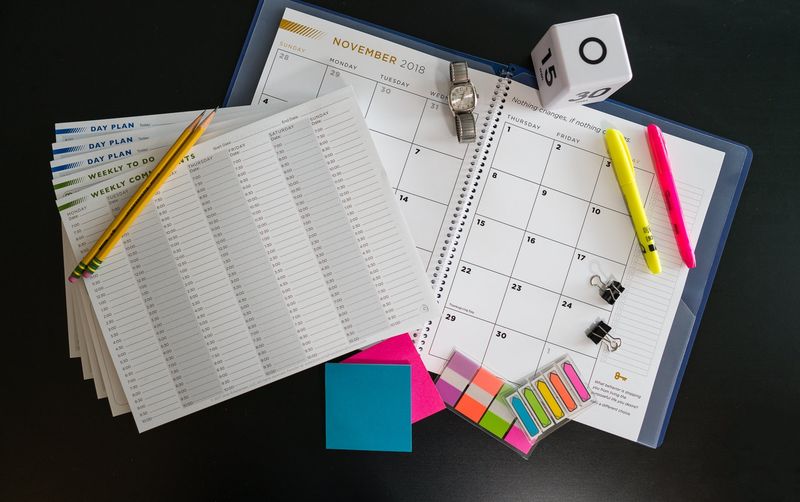
Your calendar cannot stretch, no matter how loudly you sigh at it. People who manage busy days well tend to choose priorities instead of treating every task as equally urgent.
Write down the three things that matter most, leave room for delays, and notice where distractions steal minutes. Real demands, including caregiving and multiple jobs, can limit your options.
Better planning helps, but asking for help or reducing commitments may matter just as much today.
4. Old Mistakes Do Not Get the Last Word

That awkward comment from years ago does not need another replay tonight. Reflective people can admit a mistake without turning it into a permanent label about who they are.
If you hurt someone, offer a sincere apology and make a repair where possible. Then name the lesson and choose one behavior to change.
Remembering an error can guide you; punishing yourself forever cannot undo it. Give your present choices more attention than your past embarrassment.
5. Failure Offers Clues for Another Try

A cake collapses, a plan falls apart, or an application gets rejected. None of those outcomes automatically means you lack ability; they show that one attempt did not work.
Look for a specific clue: Was the timing wrong, the preparation thin, or the goal unrealistic? Change one part before trying again, so you can see what helps.
Taking a break or choosing another route can also be wise. Persistence works best when paired with adjustment.
6. Someone Else’s Win Is Not Your Loss

A friend’s promotion can bring both happiness and a small pinch of envy. People focused on growth can notice that feeling without letting it spoil the friendship or their day.
Congratulate the person, then ask what helped them succeed if the moment feels right. Their experience might offer a useful idea, but your goals and circumstances may differ.
Measure progress against your own starting point. Another person’s good news does not erase your next opportunity.
7. Small Flaws Leave Room for Warmth

Your funniest friend may also forget where they put their keys. Seeing the whole person makes small flaws easier to handle, especially when kindness, honesty, and shared laughter are present.
Before criticizing a harmless habit, ask whether it truly affects your wellbeing or simply differs from your preference. Explain practical needs calmly when something causes trouble.
Accepting imperfections does not mean excusing cruelty or repeated disrespect. Warm relationships need both reasonable patience and clear boundaries.
8. Different Opinions Can Widen the Picture
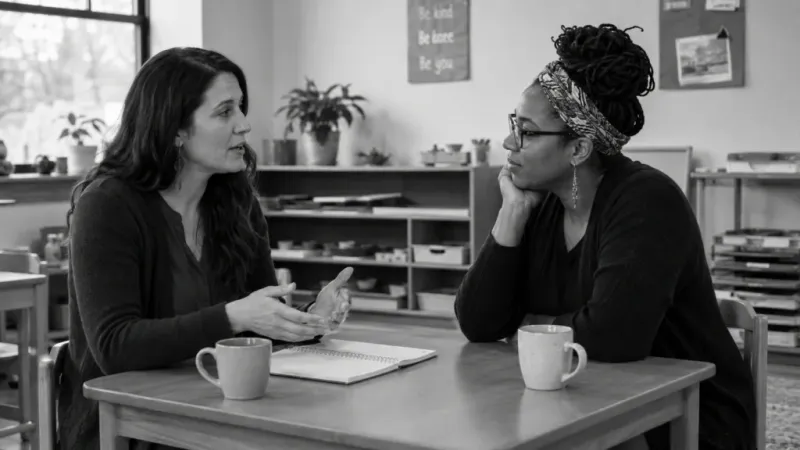
A conversation gets interesting when someone sees the same issue differently. Open minds look for the reason behind an opinion before deciding whether to agree, disagree, or ask another question.
Try explaining the other person’s view in words they would recognize. Then share your evidence without insults or a need to win.
Listening does not require accepting false claims or harmful ideas. It simply gives you a clearer picture and a better chance of responding.
9. Confusion Opens a Door to Discovery

An unfamiliar word is not a locked gate; it is an invitation. Curious thinkers are often comfortable saying they do not understand something yet, which makes asking for help easier.
Start with a plain explanation, look up one reliable source, and write down the part that still puzzles you. Breaking a big topic into smaller questions keeps confusion manageable.
Understanding rarely arrives all at once, and pretending to know usually slows the learning process down.
10. Helpful Feedback Is Worth Hearing

Hearing that your work needs changes can make your shoulders tighten. A useful habit is to pause long enough to separate the sting from any advice that could help you.
Ask for an example and a clear suggestion rather than guessing what the speaker means. You can consider feedback without agreeing with every detail, especially when it is vague or unkind.
Choose one useful change, test it, and judge the result instead of your pride.
11. Difficult Feelings Can Pass Without Taking Over

Anger can arrive before you have words for what went wrong. Emotional awareness helps you notice the feeling without handing it control of your next message, decision, or conversation.
Put your feet on the floor, slow your breathing, and name what you feel. If needed, take a short pause before replying.
Discomfort is not always danger, though unsafe situations deserve action. Staying with a feeling briefly can help you choose a response you actually respect.
12. Uncertainty Does Not Require a Perfect Forecast

Not knowing what happens next can make ordinary choices feel huge. Flexible thinkers often build a workable plan while accepting that some details will stay unclear until they move forward.
List what you know, what you need to learn, and one step you can safely take. Keep a backup option when the stakes are high.
Confidence does not require predicting everything. It can come from knowing you will adjust, ask for help, and reconsider when necessary.
13. Being a Beginner Has Its Own Rewards

The first attempt at a new skill is often wonderfully clumsy. People who enjoy learning leave room for that awkward stage instead of expecting instant ease or treating effort as embarrassment.
Choose a small practice goal, such as learning three words or using one new tool. Repeat it, rest, and notice what becomes easier.
Lessons, demonstrations, and good questions can save frustration. Progress matters more than looking talented on day one, so let yourself begin badly.
14. Changing Your Mind Can Show Strength

Few words clear the air faster than admitting you got something wrong. Intellectual humility means recognizing that your knowledge has limits, even in subjects you care about or understand fairly well.
When new evidence appears, check its quality and compare it with what you previously believed. If your view changes, explain why without making excuses.
Correcting yourself is not surrendering your worth. It is choosing accuracy over appearance, a habit that helps trust grow between people.
15. Venting Works Better With a Next Step

A quick grumble can release pressure; an endless replay may keep it alive. Thoughtful people can make room for frustration without turning every conversation into another tour of the same problem.
Tell a trusted person whether you want listening or ideas, then give yourself a stopping point. Decide whether to act, seek support, or accept what cannot change today.
Speaking up about real harm still matters. The goal is useful expression, not forced silence or cheerfulness.