
Frosting can turn a plain cake into something people remember for years. Some frostings are fluffy, some are glossy, and some are rich enough to eat with a spoon.
Knowing a few different kinds helps you pick the right one for birthdays, holidays, or just a fun weekend bake. Grab your mixing bowl, because you are about to meet some sweet new favorites.
1. American Buttercream
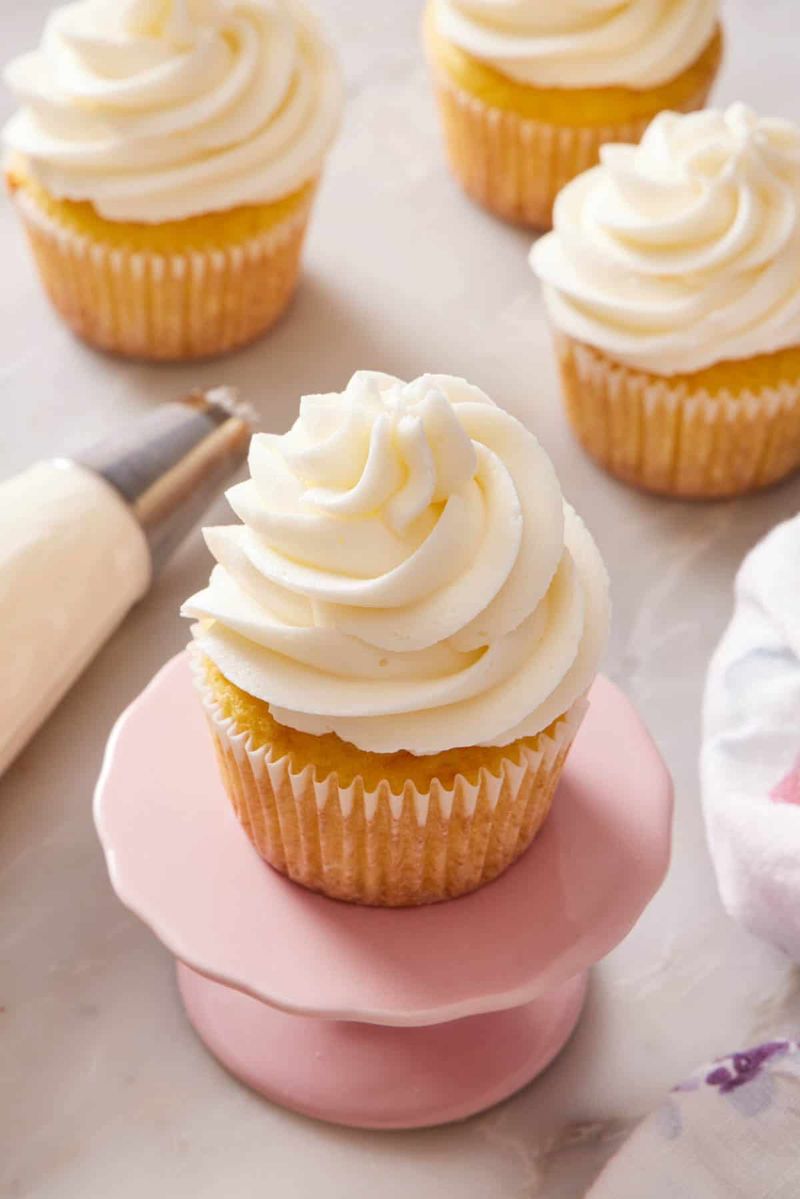
Ask any kid to draw a birthday cake, and they will probably picture this one. American buttercream is just butter, powdered sugar, a splash of milk, and vanilla beaten together until fluffy.
It is the easiest frosting to learn, and it holds color beautifully. Beat the butter alone for three full minutes before adding sugar for a lighter texture.
Too sweet? A pinch of salt balances things out nicely.
2. Cream Cheese Frosting
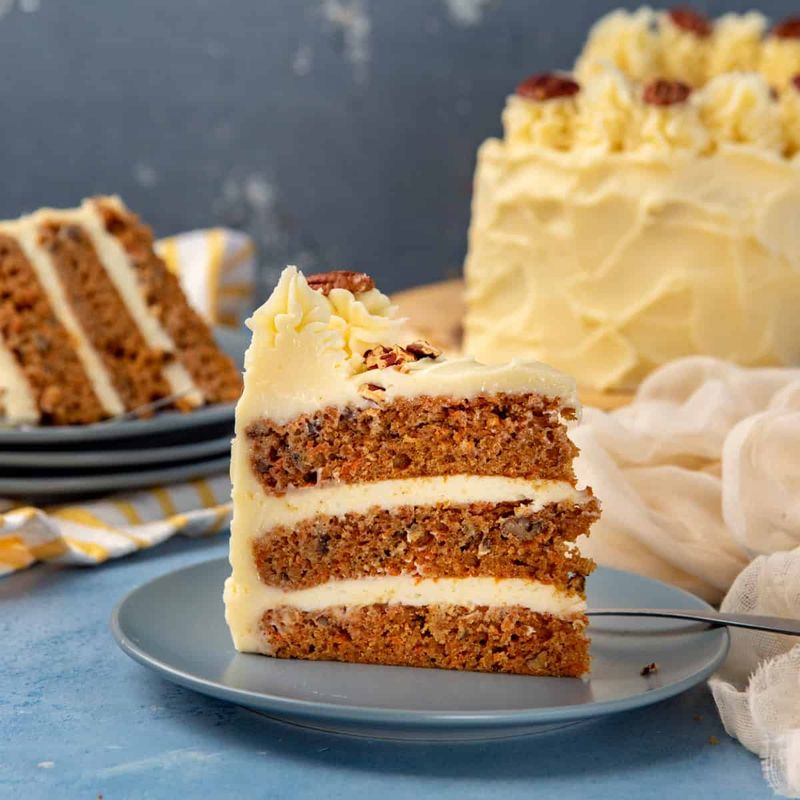
Carrot cake without cream cheese frosting feels like a sandwich without bread. That tangy, creamy topping is what makes red velvet and spice cakes sing.
Here is the trick most beginners miss. Use full-fat brick cream cheese, not the kind sold in tubs, because tub versions turn runny fast.
Keep it cold before spreading. Leftover frosted cake should live in the fridge, since cream cheese does not like sitting out for long.
3. Swiss Meringue Buttercream
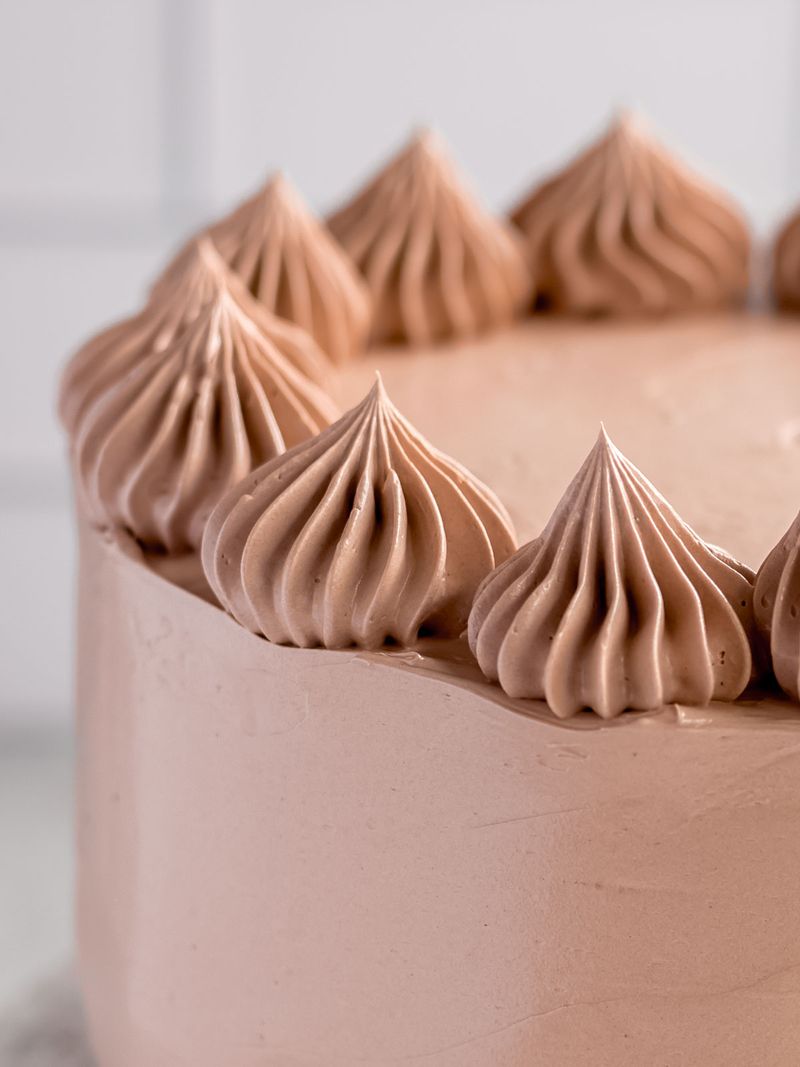
Silky, smooth, and not too sweet, Swiss meringue buttercream is the frosting fancy bakeries love. You gently heat egg whites and sugar over simmering water, whip them into meringue, then add soft butter.
Don’t panic if it looks curdled halfway through. Keep mixing, and it almost always comes together like magic.
Bakers prize it for super-smooth cake sides and crisp piped flowers. Once you try it, plain buttercream may taste a little sugary.
4. Italian Meringue Buttercream
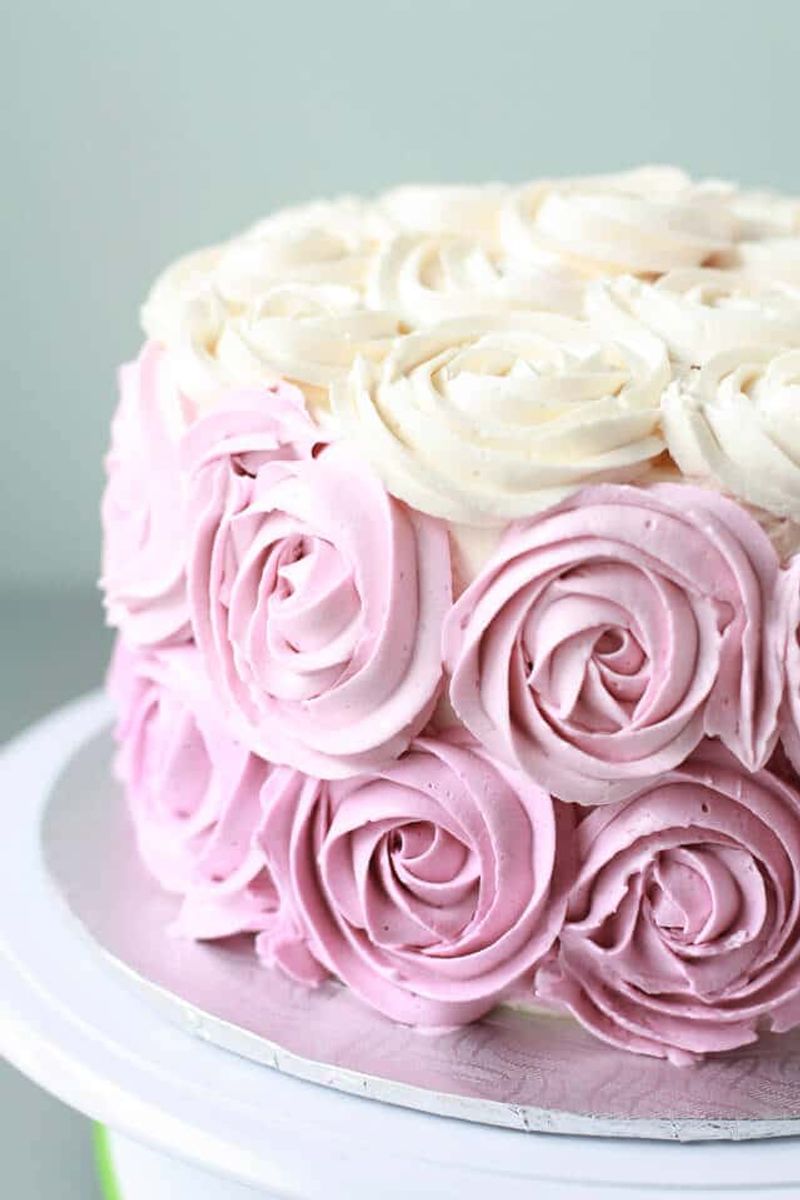
Hot sugar syrup is the secret star here. Italian meringue buttercream is made by pouring syrup heated to about 240 degrees into whipping egg whites, then adding butter.
It sounds scary, and honestly, a candy thermometer helps a lot. The reward is the most stable buttercream around, perfect for warm summer parties.
Wedding cake decorators often choose it because it holds shape for hours. Ask an adult to help with the hot syrup the first time.
5. Chocolate Ganache
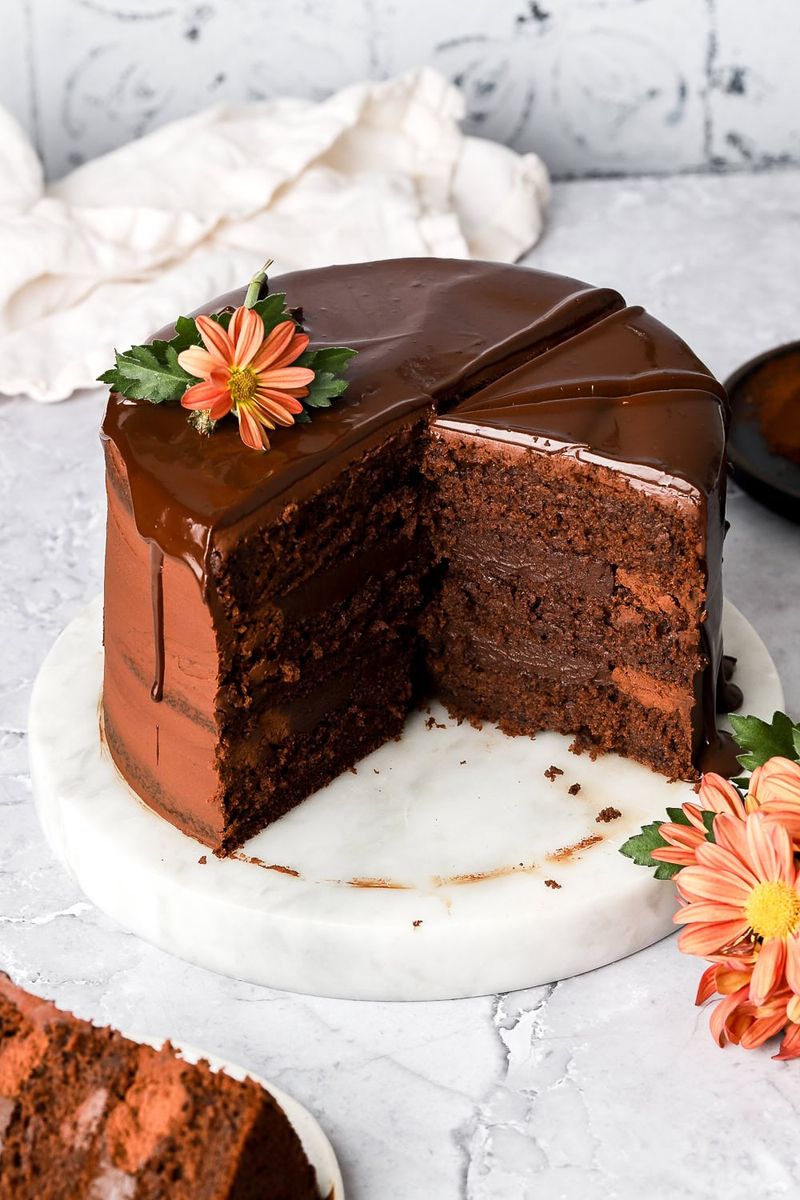
Two ingredients. That’s it.
Chocolate ganache is simply hot cream poured over chopped chocolate, stirred until shiny and smooth.
Fun fact: legend says ganache was invented by accident when an apprentice spilled warm cream into chocolate. His boss called him a ganache, which roughly means fool in French.
Use it warm for drips, cool it for spreading, or whip it for a fluffy topping. More chocolate makes it firmer, while extra cream keeps it pourable.
6. Whipped Cream Frosting
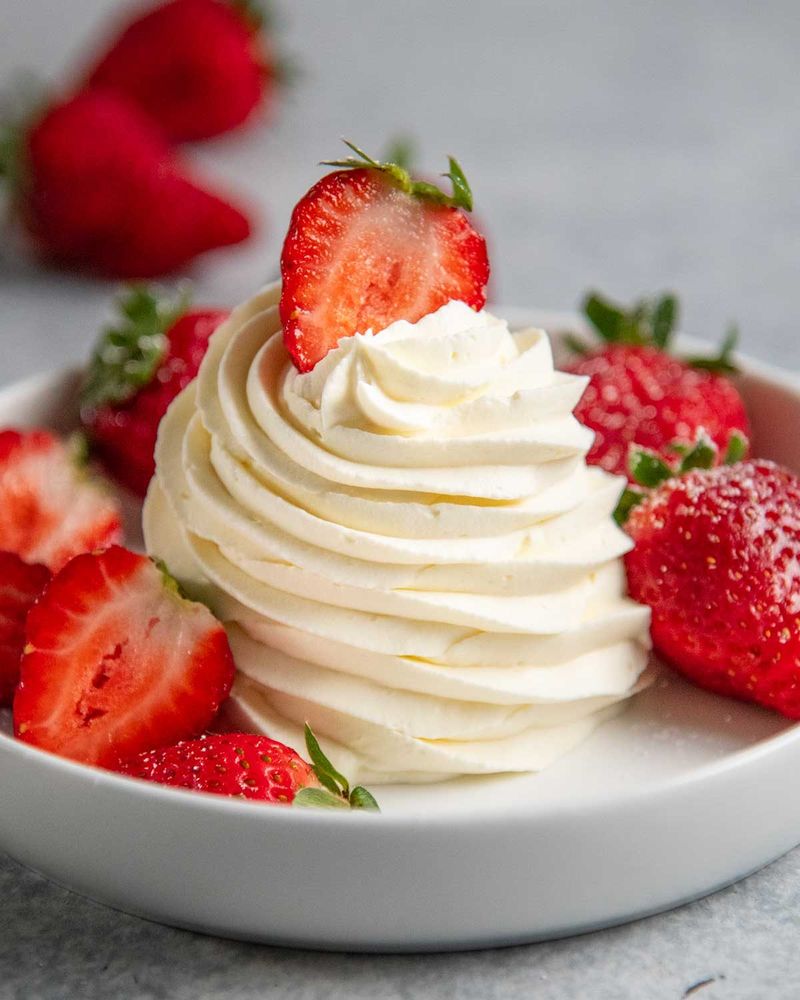
Light as a summer cloud, whipped cream frosting is perfect when heavy buttercream feels like too much. Strawberry shortcakes and fruit-topped cakes practically beg for it.
Plain whipped cream melts quickly, though. Add a spoonful of instant pudding mix or softened cream cheese to help it hold its shape longer.
Chill your bowl and beaters in the freezer for ten minutes first. Cold tools whip cream faster and give you taller, steadier peaks every time.
7. Seven-Minute Frosting
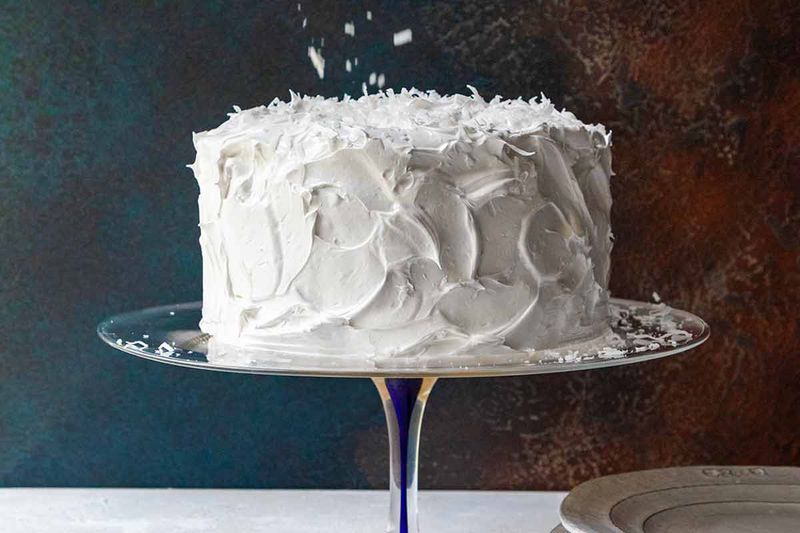
Grandma probably made this one. Seven-minute frosting gets its name from the time you spend beating egg whites and sugar over steaming water until it turns glossy and marshmallowy.
The result looks like a fluffy white cloud with dramatic swoops and peaks. It tastes a lot like toasted marshmallow fluff.
Serve it the same day, since it can get a bit crusty overnight. Coconut cake wearing this frosting is a true old-school classic.
8. Royal Icing
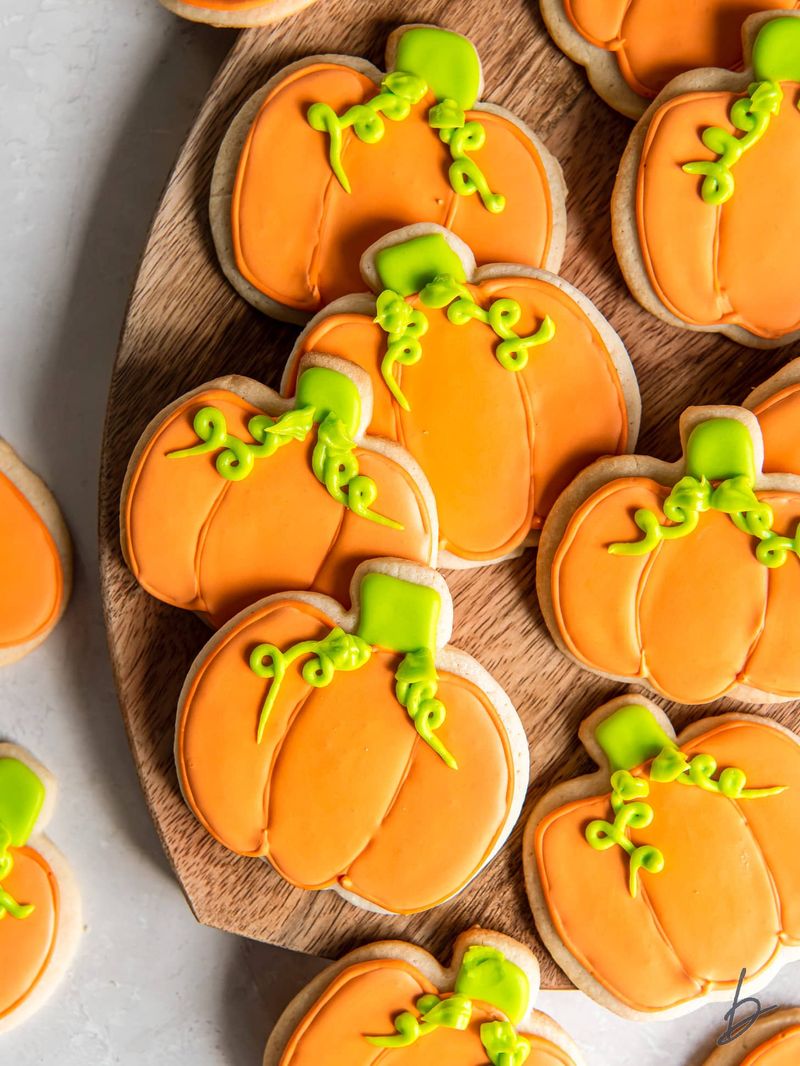
Those picture-perfect holiday cookies at the bakery? Royal icing made them happen.
It is a mix of powdered sugar and egg whites or meringue powder that dries rock hard.
Bakers use a thick version for outlines and a thinner one for flooding the middle. Hard-drying icing lets you stack and gift cookies without smudges.
Gingerbread house builders call it edible glue. Keep a damp towel over the bowl, because it crusts quickly.
9. Simple Glaze
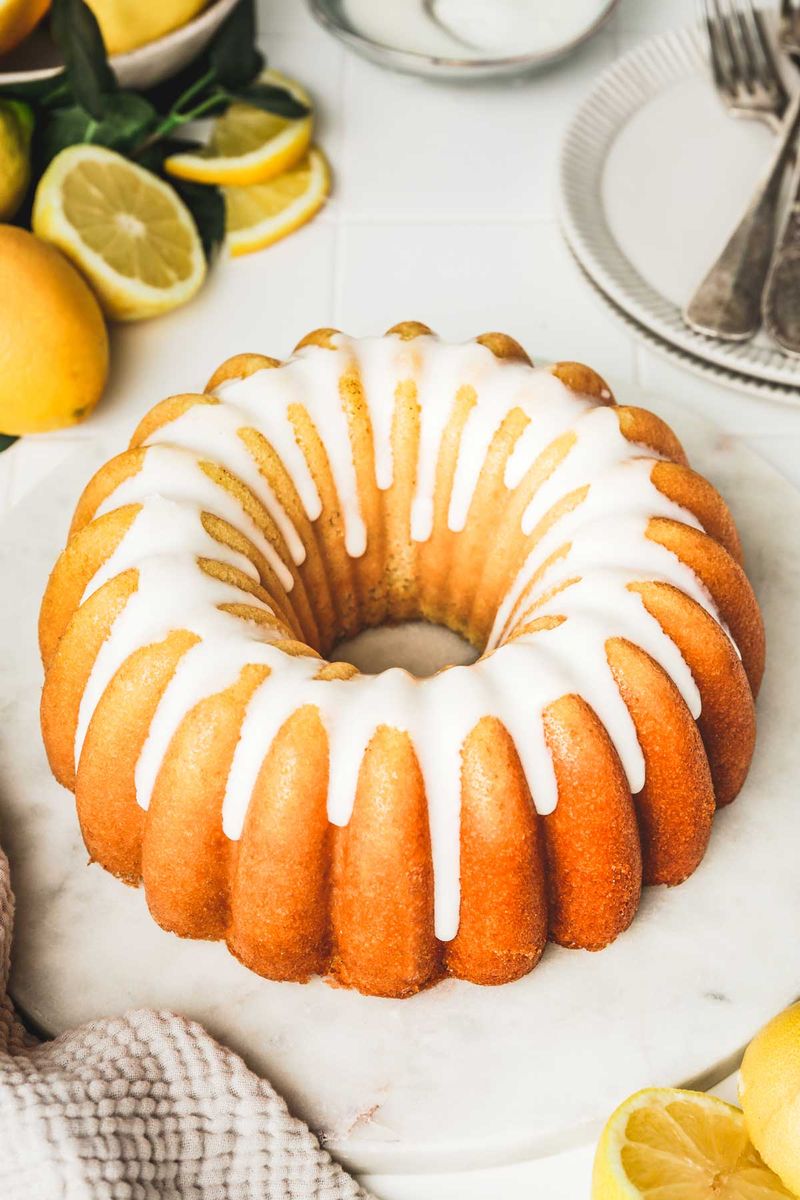
Sometimes a cake only needs a little shine. A simple glaze is powdered sugar stirred with milk, juice, or water until it drizzles off a spoon.
Lemon juice creates a bright, zingy topping for pound cake. Orange juice adds sunshine to muffins, and maple syrup makes cinnamon rolls cozy.
Add liquid a teaspoon at a time. Going slowly keeps the glaze from becoming watery, which is the most common beginner slip-up.
10. Fudge Frosting
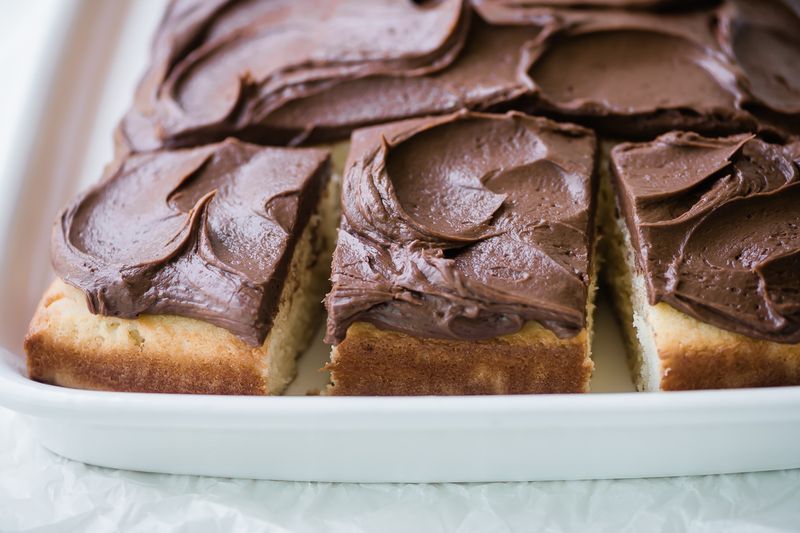
Picture a school bake sale and a yellow sheet cake covered in thick, shiny chocolate. Fudge frosting is cooked on the stove with butter, sugar, milk, and cocoa, then beaten as it cools.
It sets with a slightly firm top and a soft, candy-like middle. Many people say it tastes like a melted candy bar.
Work fast once it thickens. Spread it while still warm, or it gets stiff in the pan.
11. Ermine Frosting
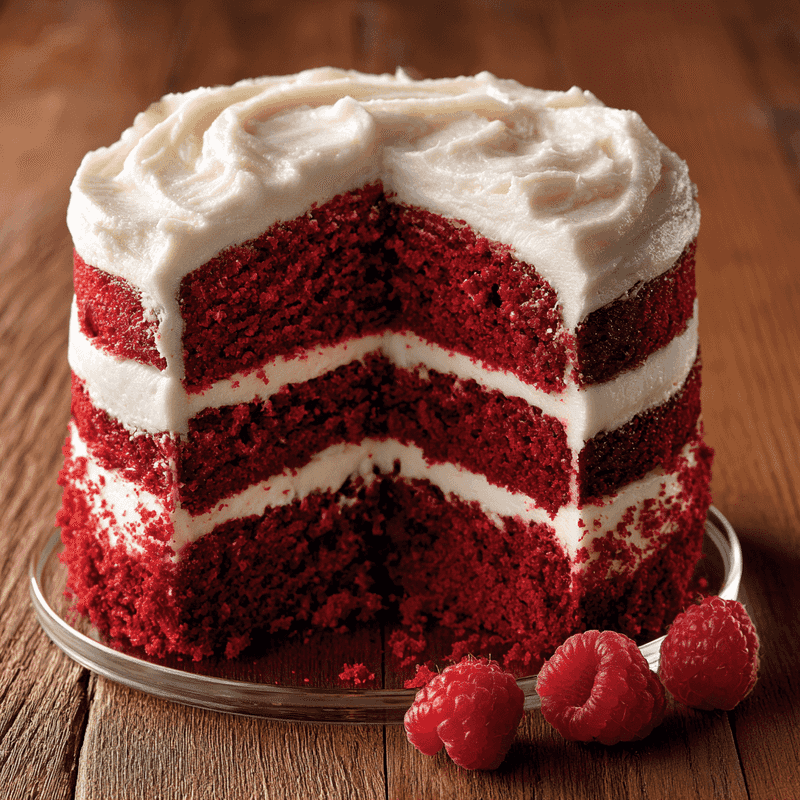
Hidden in old recipe boxes, ermine frosting starts with a surprise ingredient: flour. You cook flour, milk, and sugar into a pudding, cool it, then whip it into butter.
Food historians believe this was the original red velvet frosting before cream cheese took over. It tastes like a cross between whipped cream and buttercream.
Make sure the pudding is completely cool before mixing. Warm pudding will melt your butter and leave a soupy mess.
12. French Buttercream
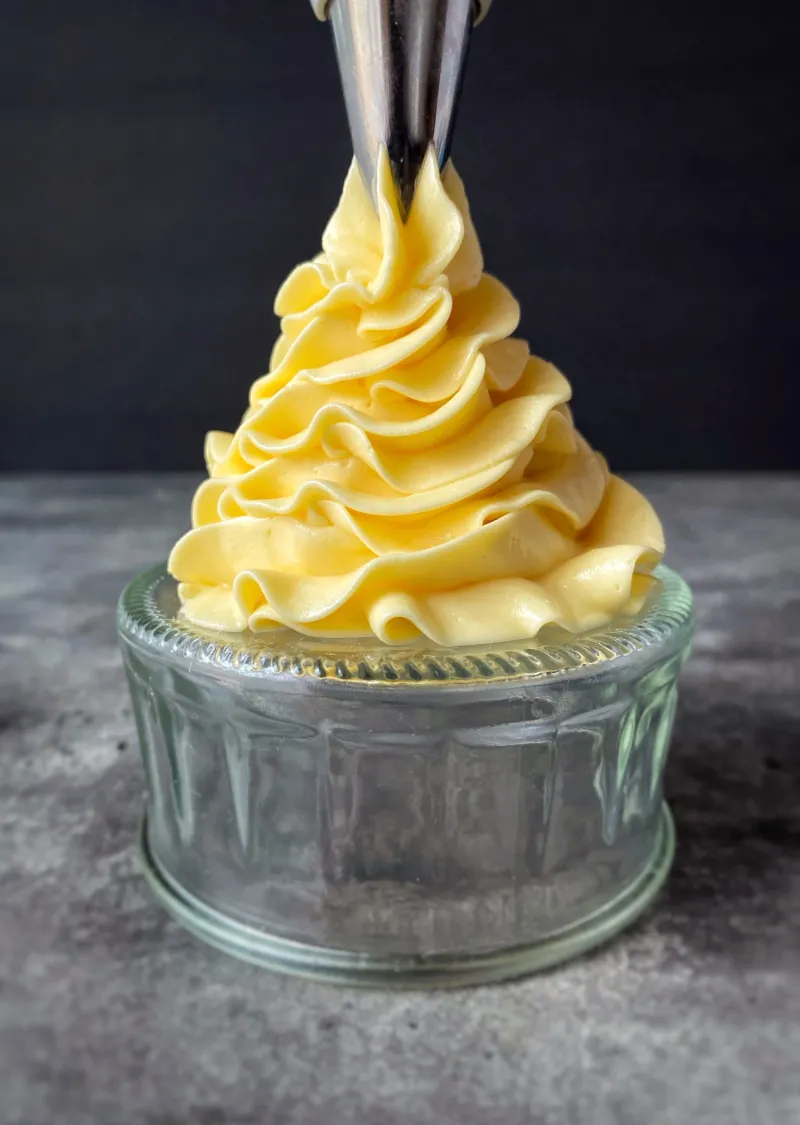
Rich, golden, and custardy, French buttercream uses egg yolks instead of whites. Hot sugar syrup gets poured into whipping yolks before butter joins the party.
The flavor is deep and buttery, almost like vanilla ice cream. Its pale yellow color makes it great for spreading, though harder for bright decorating colors.
Save it for special desserts where taste matters most. Keep it cool, because those rich yolks make it softer than other buttercreams.
13. Marshmallow Fondant
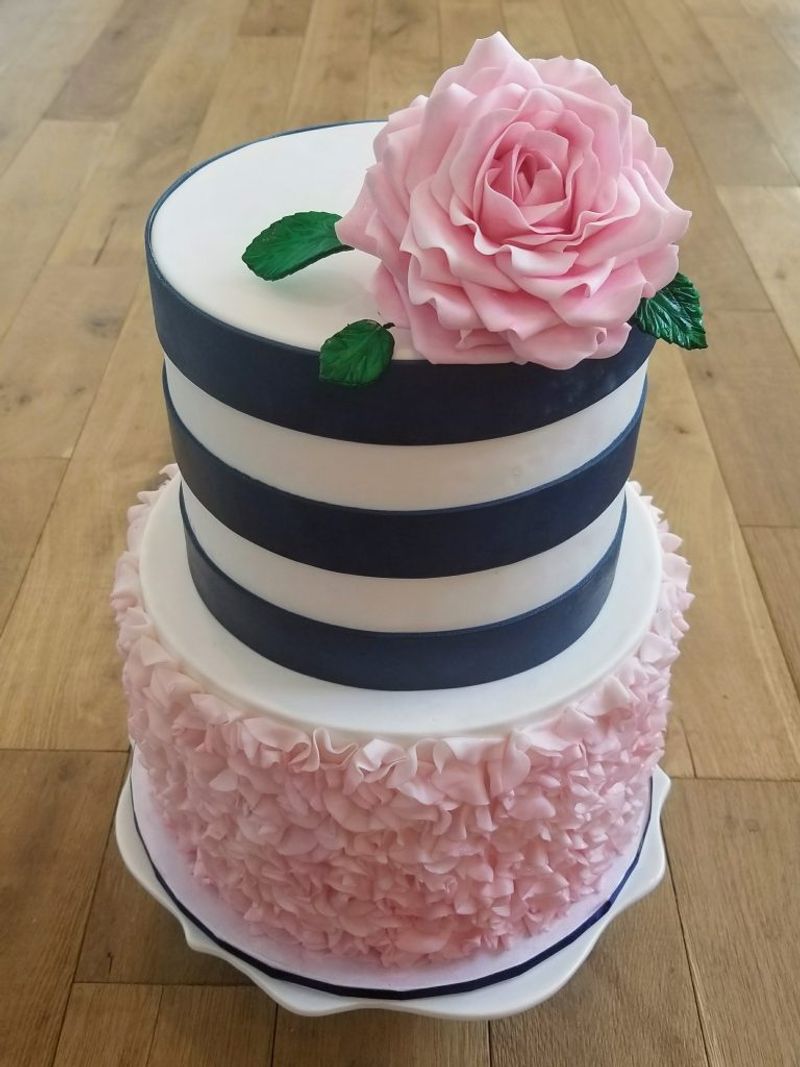
Ever wonder how cakes look perfectly smooth, like they were wrapped in fabric? That’s fondant.
The homemade version uses melted marshmallows and powdered sugar kneaded into a soft dough.
Roll it thin and drape it over a cake covered in buttercream. It is fantastic for shaping little animals, bows, and flowers too.
Rub shortening on your hands and counter. A greasy surface stops sticking and makes kneading way less frustrating for beginners.
14. Brown Butter Frosting
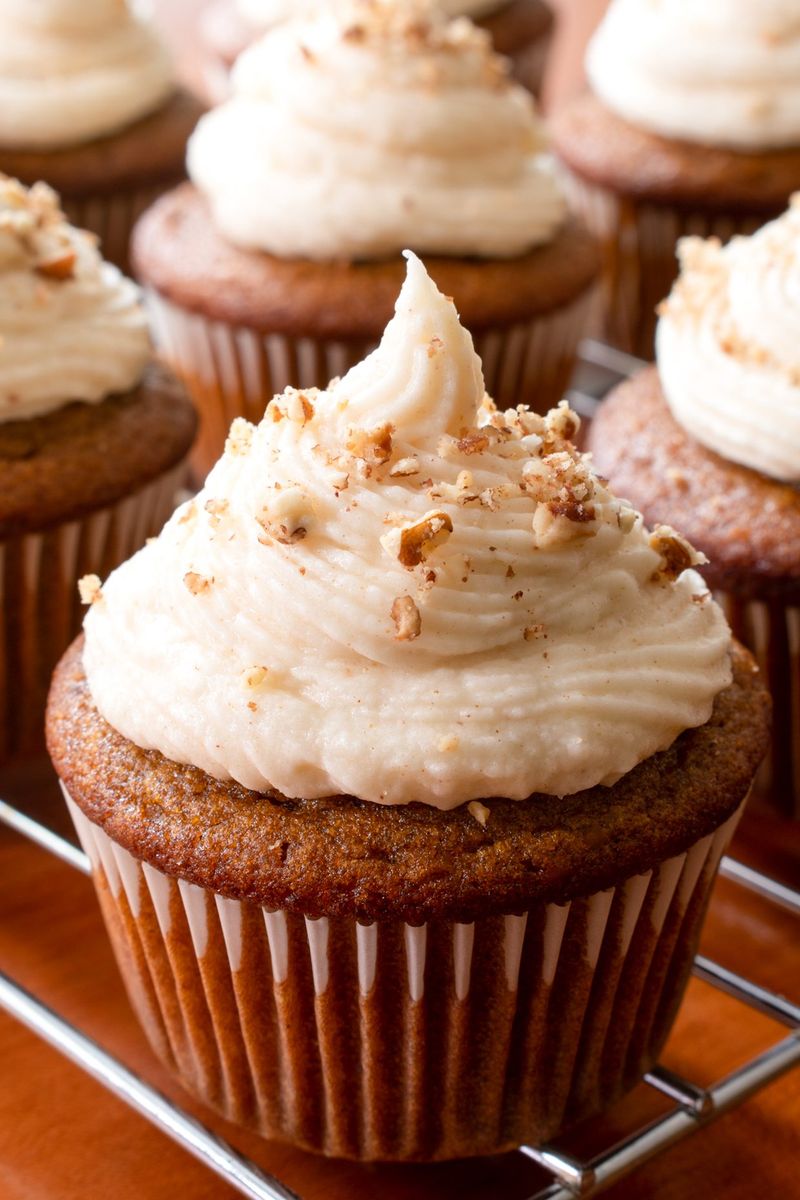
Smell is the first clue you are doing it right. Brown butter frosting starts by cooking butter until it turns golden and smells nutty, like toasted caramel.
Cool the butter until solid again, then beat it with powdered sugar and a splash of cream. Those tiny brown flecks add tons of flavor.
Pumpkin, banana, and apple treats taste extra cozy with it. Watch the pan closely, since browned butter burns in seconds.
15. Peanut Butter Frosting
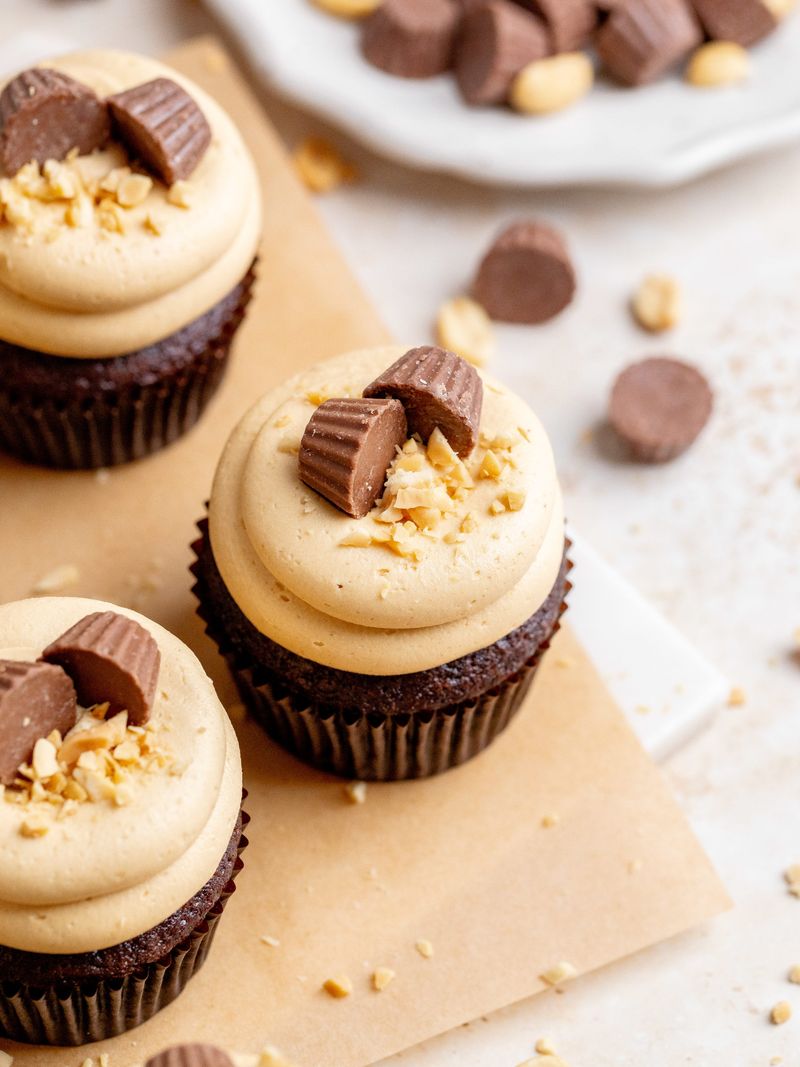
Chocolate cupcakes have a best friend, and it is peanut butter frosting. Creamy peanut butter, butter, powdered sugar, and milk whip together into a salty-sweet treat.
Stick with regular creamy peanut butter from the store. Natural kinds separate and can make the frosting oily or gritty.
Top each cupcake with a mini peanut butter cup for extra fun. Always check for nut allergies before sharing at school or parties.