
Some snacks leave a mark that lasts long after the last bag is gone. Potato chips, in particular, have a way of becoming tied to memories, road trips, and lazy summer afternoons.
Over the decades, dozens of beloved chip brands have quietly disappeared from store shelves, leaving fans with nothing but nostalgia. Here are 15 discontinued potato chip brands that many Americans still remember fondly.
1. Saratoga Chips
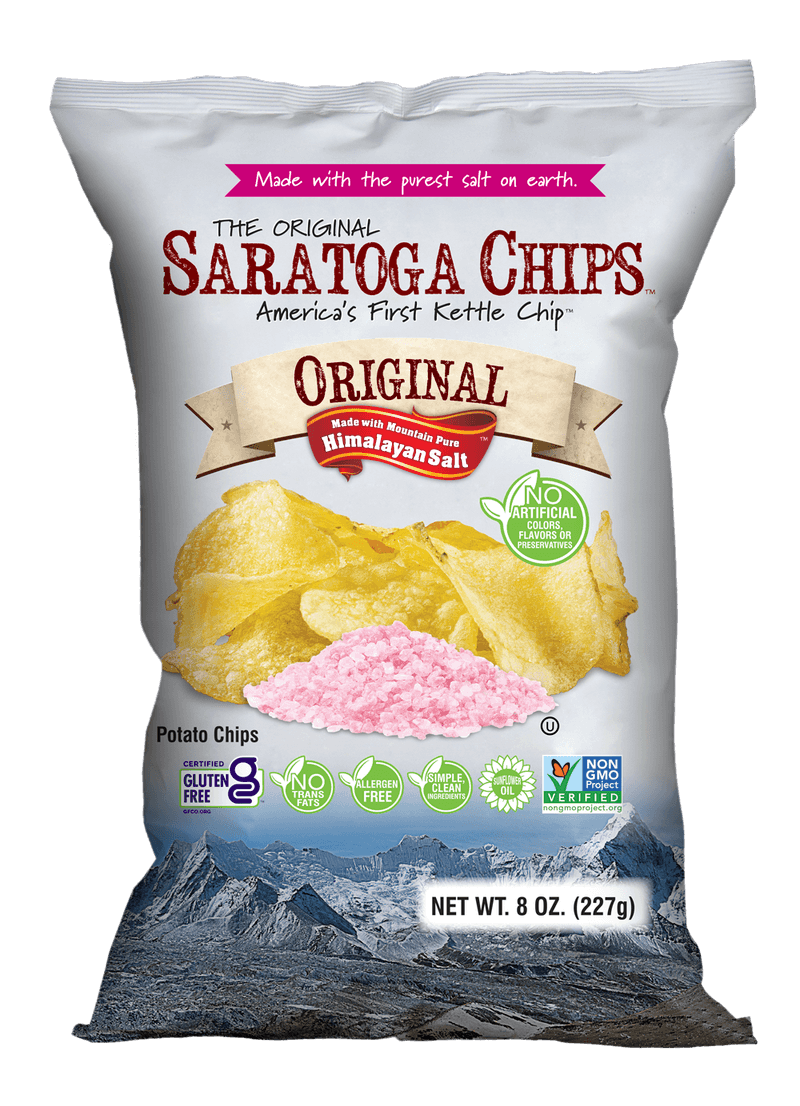
Often called the original potato chip, Saratoga Chips carry a legendary origin story. According to popular history, they were invented in 1853 at Moon’s Lake House in Saratoga Springs, New York, when a chef sliced potatoes paper-thin to satisfy a picky diner.
The crispy result became a regional sensation. By the 1920s, the brand had faded away, but its legacy lives on as the foundation of an entire snack industry that Americans still love today.
2. Granite State Potato Chips
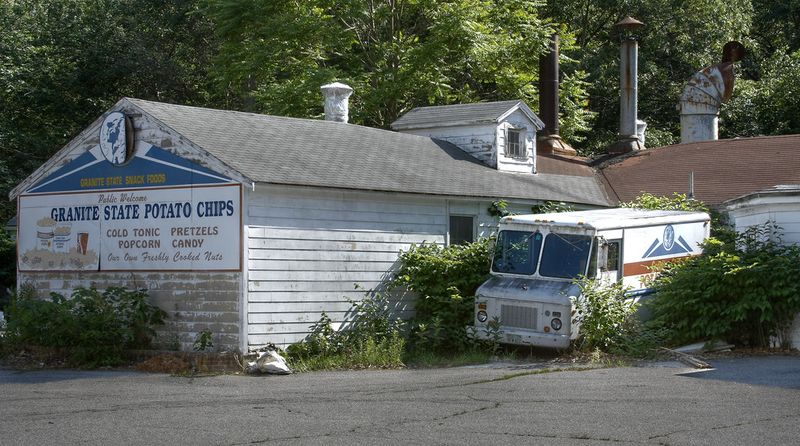
New Hampshire had its own chip pride for over a century. Granite State Potato Chips operated from 1905 all the way until 2007, making it one of the longest-running regional chip brands in American history.
For generations of New Englanders, these chips were a local staple at cookouts, diners, and corner stores. When the brand closed its doors, it left behind more than a century of crunchy memories that locals still talk about with real affection.
3. Mikesell’s Potato Chips
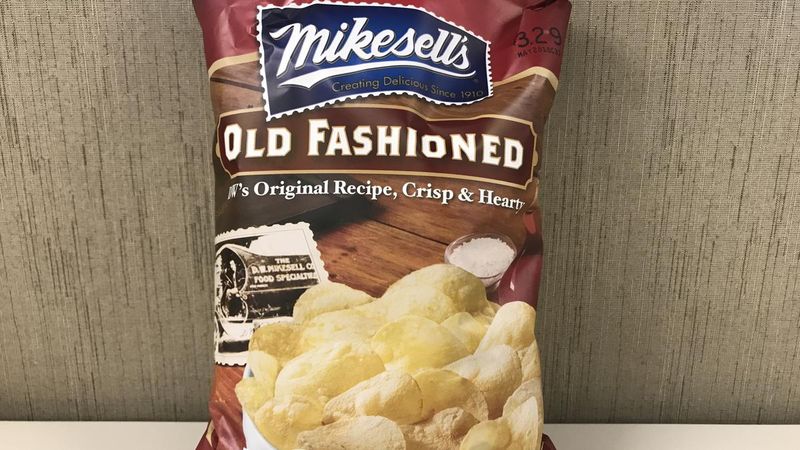
Dayton, Ohio had a chip brand it could truly call its own. Mikesell’s, proudly known as the oldest continuously operating potato chip company in America, started making chips back in 1910 and kept the fryers going for over a century.
Their Saratoga-style chips were a hometown favorite for generations of Ohioans. Sadly, the company closed in 2023, ending a 113-year run that no other chip maker in the country could match.
4. Blue Bell Bar-B-Q Potato Chips
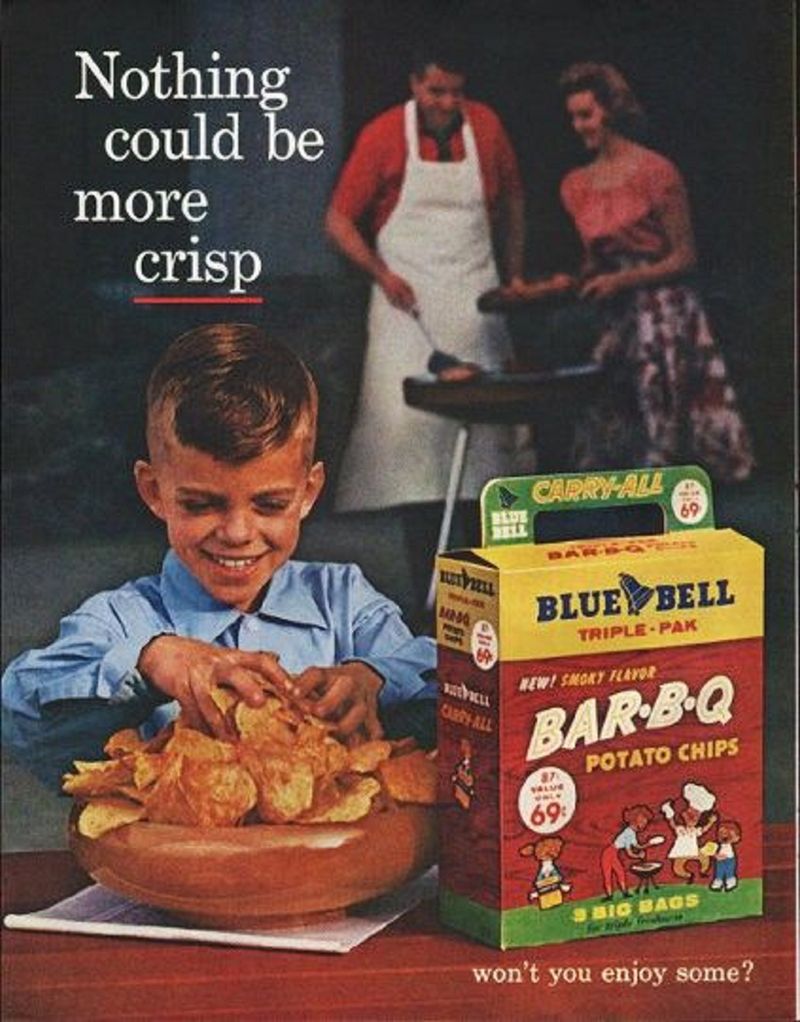
Forget the flimsy bag — Blue Bell came in a cardboard box. That bold packaging choice set this brand apart from every competitor on the shelf during its heyday in the 1960s and 1970s, and shoppers noticed.
The company was especially celebrated for its Bar-B-Q flavor, which had a loyal following across its market. When the founders retired in 1995 without finding a buyer, the brand quietly disappeared, taking its innovative box design with it.
5. Daddy Crisps
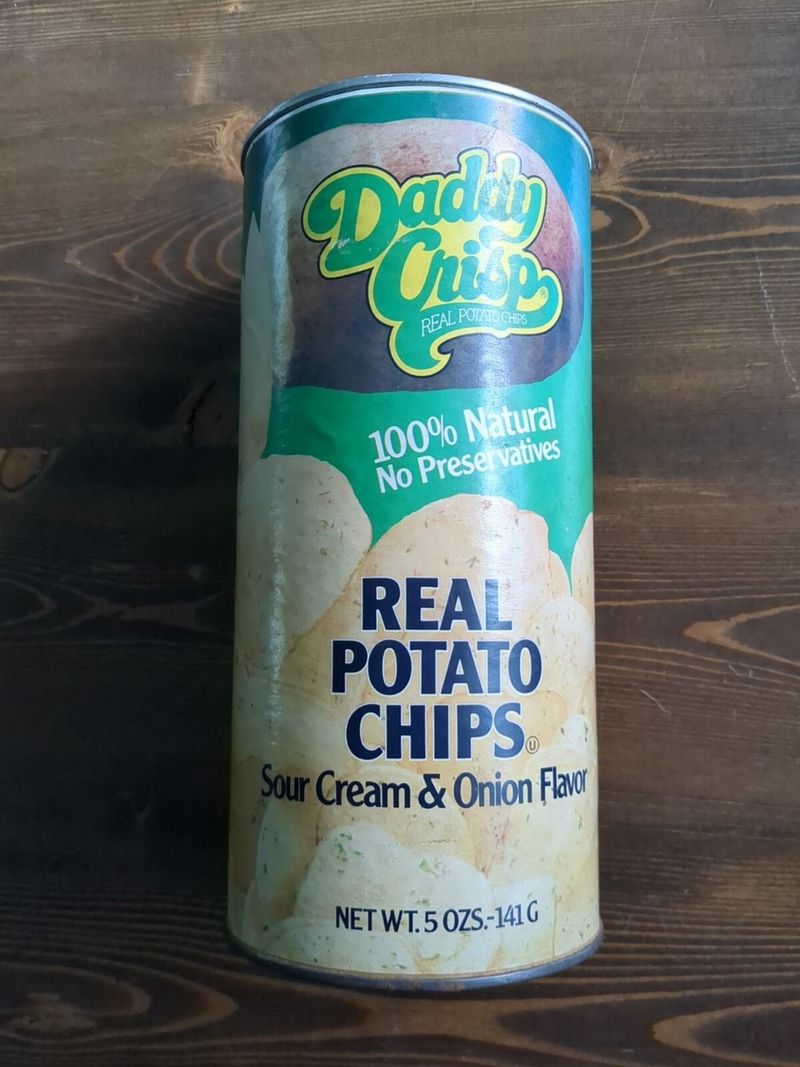
“Love your daddy” was the tagline, and yes, it raised a few eyebrows. Daddy Crisps ran from the 1960s through the 1980s and made a big deal about being 100% natural with zero preservatives or artificial ingredients, which was a genuinely bold claim for that era.
Flavors like Ripple Sour Cream and Onion and Barbecue gave snackers real variety. The brand was ahead of its time in the clean-eating conversation, even if the marketing was a little unusual.
6. Planters Potato Chips
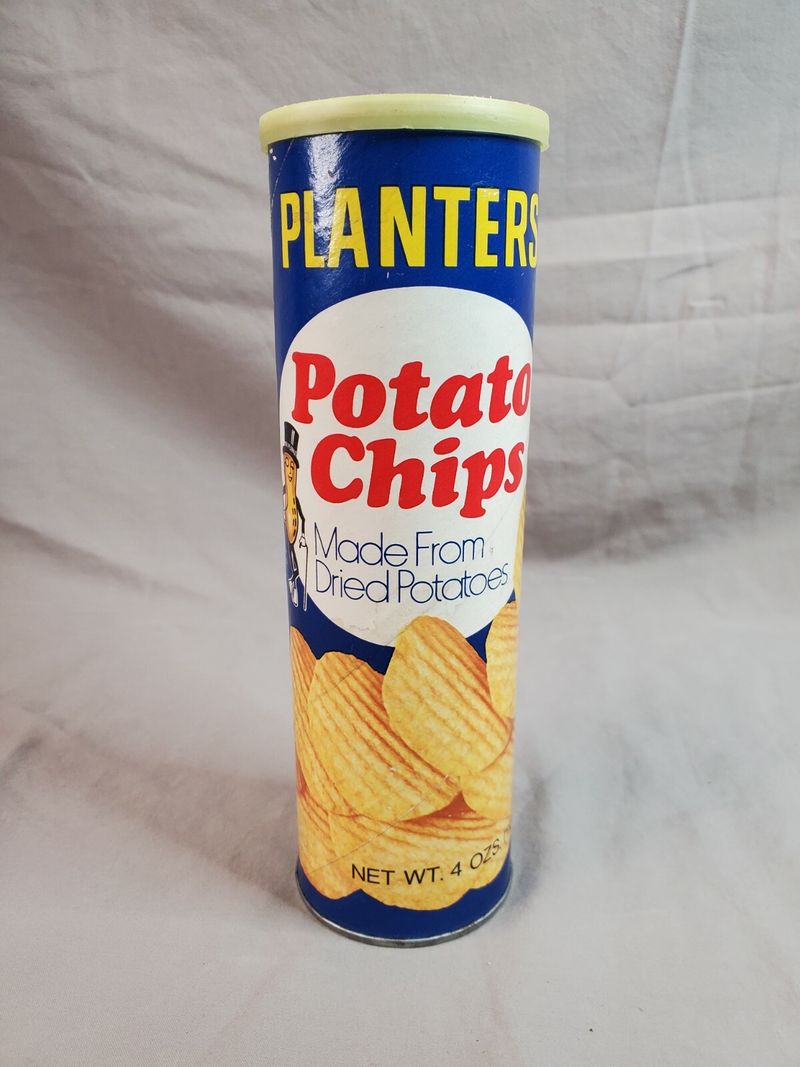
Mr. Peanut tried his hand at potato chips, and honestly, it was not a bad idea. In the 1970s, Planters launched stackable, ridged chips in cylindrical canisters to take on Pringles directly, and the competition was fierce.
One memorable TV commercial even featured a nun raving about Planters chips in a blind taste test. Despite the quirky advertising and solid product, the chips were pulled from shelves by the 1980s, leaving Planters to stick to its nutty roots.
7. O’Grady’s Potato Chips
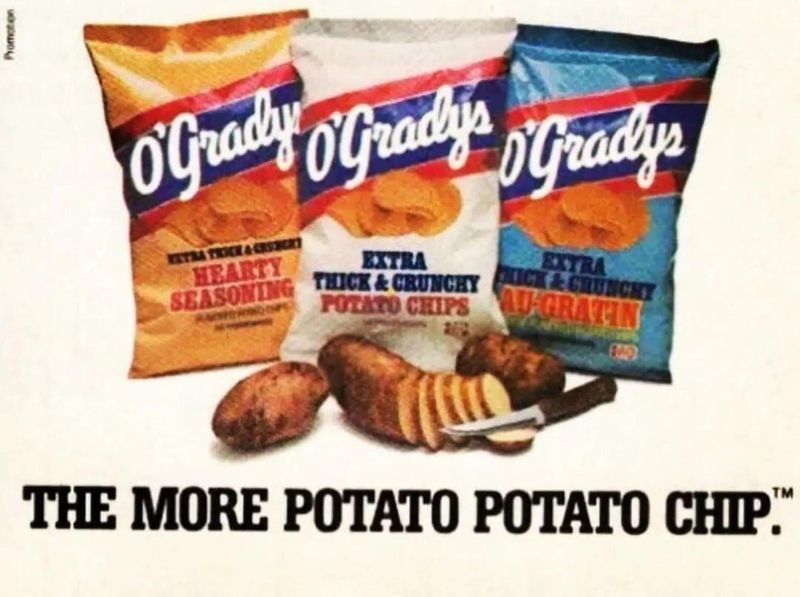
Three times thicker than a regular chip — that was O’Grady’s whole identity, and it worked. Frito-Lay launched the brand in 1983, and snackers went wild for the extra crunch and double the salt that came with every hearty bite.
The Au Gratin flavor, known for its bold cheesy taste, became a fan favorite almost immediately. Despite the enthusiasm, O’Grady’s only lasted until 1989, making it one of the most mourned chip casualties of the entire decade.
8. Tato Wilds
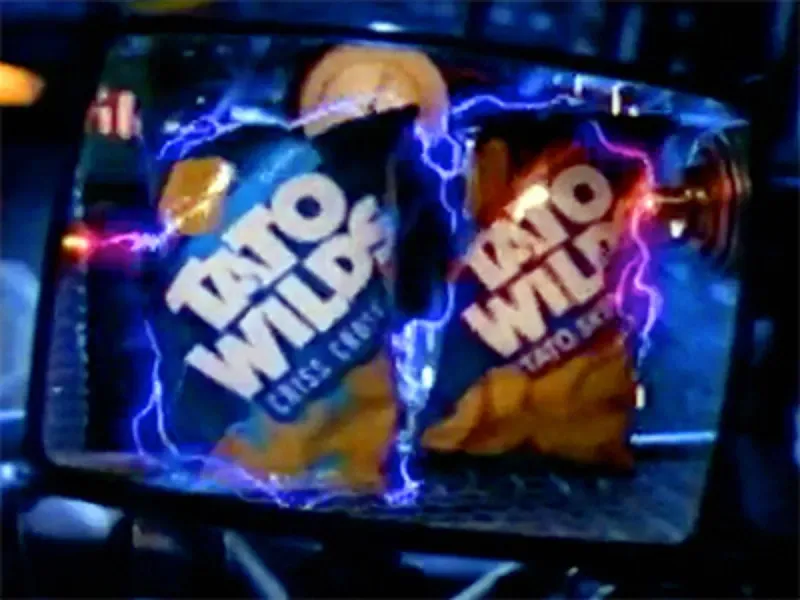
Keebler brought the wild in 1987 with Tato Wilds, a waffled chip that dared snackers to “Rip into something wild!” The fun tagline matched the chip’s playful, textured shape, which gave every bite a satisfying crunch that set it apart from flat chip competitors.
Kids especially loved the adventurous branding. Keebler began stepping back from salty snacks around 1995, and Tato Wilds disappeared by 1999, leaving behind a fanbase that still asks about them online decades later.
9. Crunch Tators
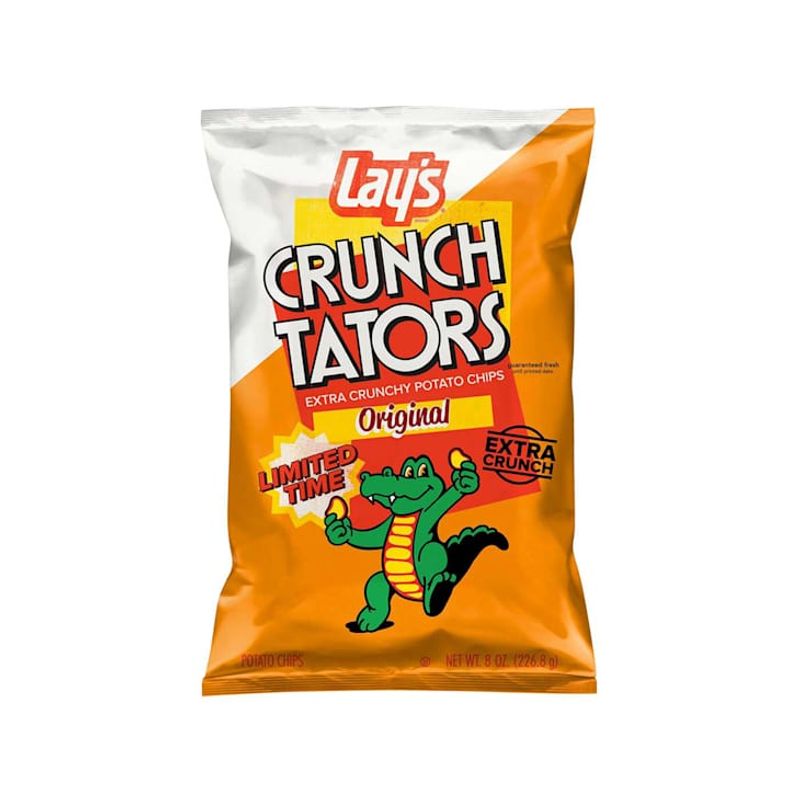
Crunch Tators had a Hollywood moment. These extra-thick, kettle-style chips from Frito-Lay actually appeared in the 1990 blockbuster film Home Alone, giving them a pop culture spotlight that most snack brands only dream of.
Flavors like Hoppin’ Jalapeño and Mighty Mesquite BBQ gave the brand serious personality. The chips were discontinued in the mid-1990s but made a brief comeback as limited holiday exclusives in 2022, proving that the nostalgia for Crunch Tators never really went away.
10. Lay’s WOW Chips
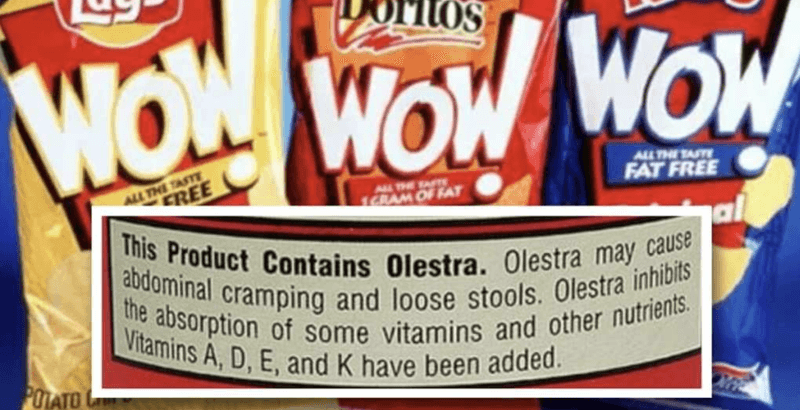
Fat-free chips sounded like a dream in 1998, and Lay’s WOW Chips had everyone excited. Made with Olestra, a fat substitute, these chips promised all the crunch with none of the guilt — and millions of Americans bought in immediately.
The dream had a catch, though. Thousands of complaints about uncomfortable gastrointestinal side effects led to a prominent warning label on the bag.
Sales dropped sharply, and by 2016 the entire WOW line, including Tostitos and Doritos varieties, was quietly discontinued.
11. Bell Brand Potato Chips
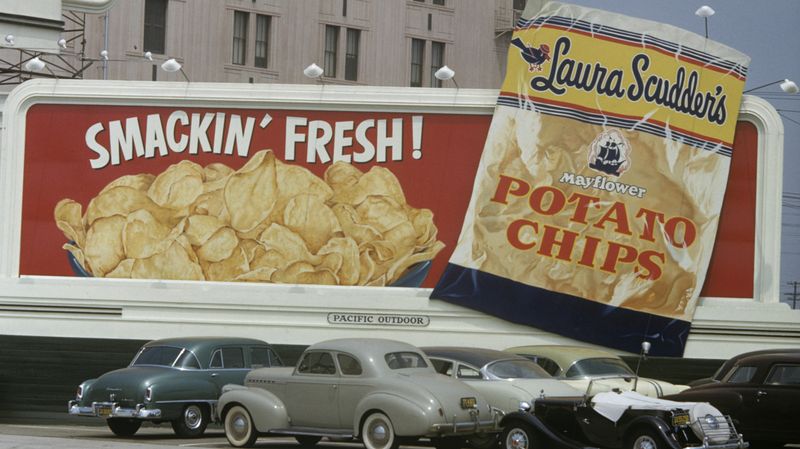
Hollywood had its own favorite chip brand. Founded in 1921 in Los Angeles, Bell Brand Potato Chips became a celebrity staple, reportedly enjoyed by stars like Liz Taylor and even spotted in the classic 1955 film The Seven Year Itch with Marilyn Monroe.
The iconic mission bell logo made the bags instantly recognizable across Southern California. Bell Brand remained a West Coast favorite for decades before closing in July 1995, ending over 70 years of crunchy Los Angeles history.
12. O’Boisies
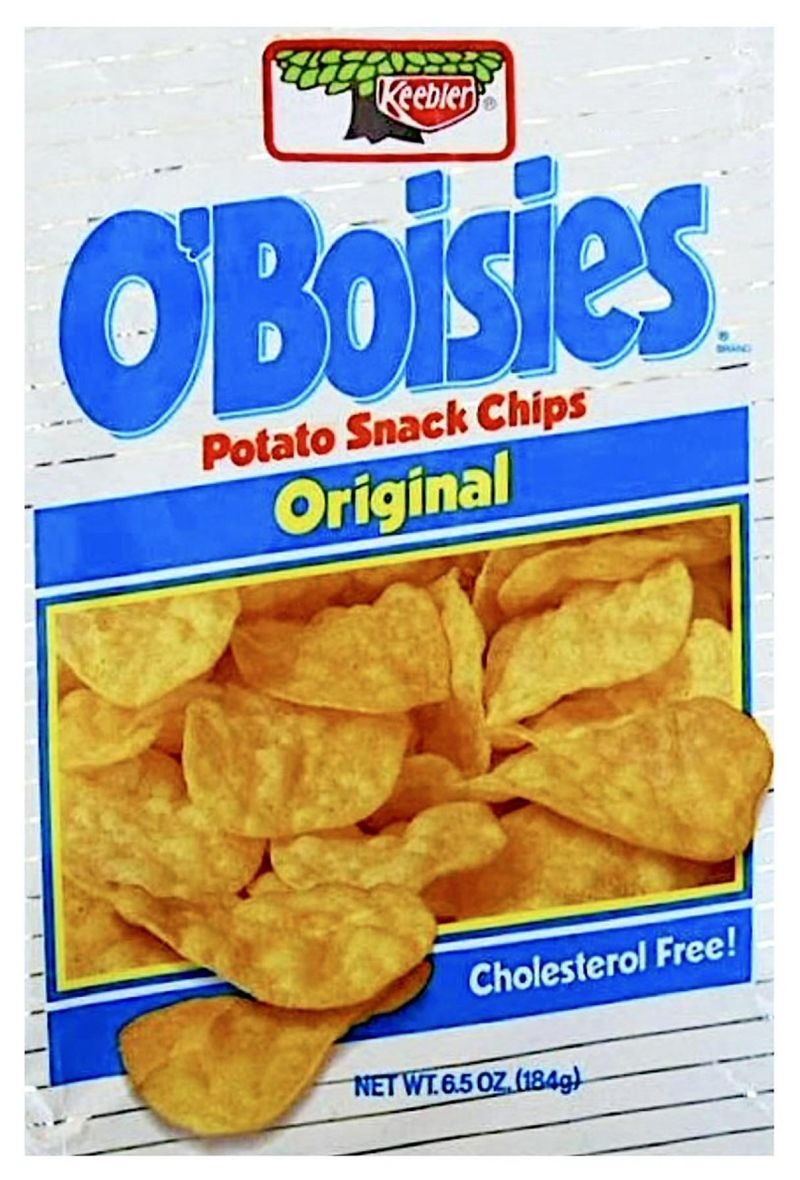
Named as a nod to Boise, Idaho — the source of their potatoes — O’Boisies arrived in 1988 with a fun personality and real chip variety. Keebler introduced the brand three years after launching Tato Skins, expanding its salty snack lineup with confidence.
Flavors included original, reduced-fat, sour cream and onion, and cheddar. When Keebler sold its salty-snack division in the mid-1990s, O’Boisies vanished from store shelves not long after, taking their Idaho-proud identity with them.
13. Delta Gold Potato Chips
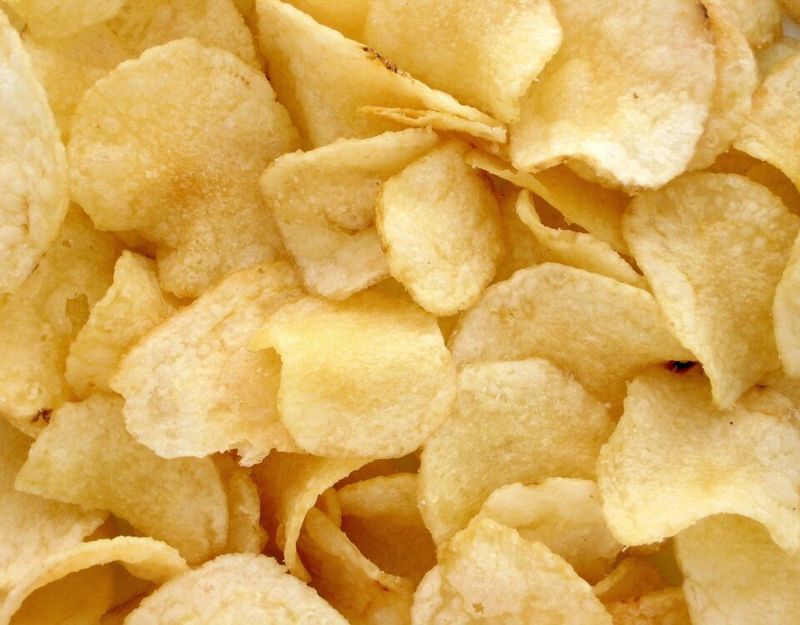
Before he was George Costanza, Jason Alexander was selling chips. Delta Gold, a premium potato chip brand launched by Frito-Lay in 1985, featured a then-unknown Alexander in its advertising campaign, giving the brand a surprisingly charming television presence.
The chips were positioned as an upscale snack option during a decade obsessed with premium everything. Despite the memorable marketing, Delta Gold did not survive long, making it one of the more fascinating footnotes in both snack history and early celebrity ad work.
14. Eggo Potato Chips
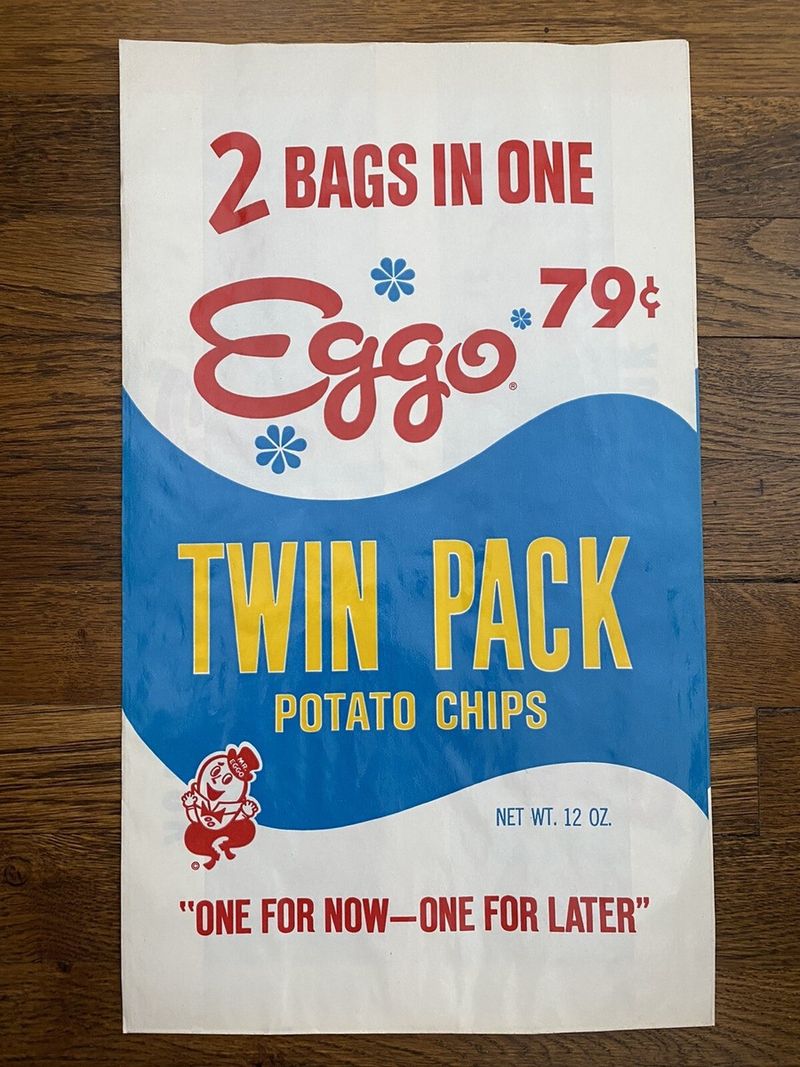
Long before Eggo became synonymous with frozen waffles, the name belonged to a potato chip brand. The Garden City Potato Chip company, established in the early 1920s, was acquired in 1938 by Frank Dorsa, who later built the Eggo waffle empire.
Dorsa even invented a continuous potato peeler to speed up chip production, which was a genuinely clever bit of food engineering for the time. Eggo potato chips stayed on shelves until the mid-1970s before the waffle side of the business took over completely.
15. Granny Goose Potato Chips
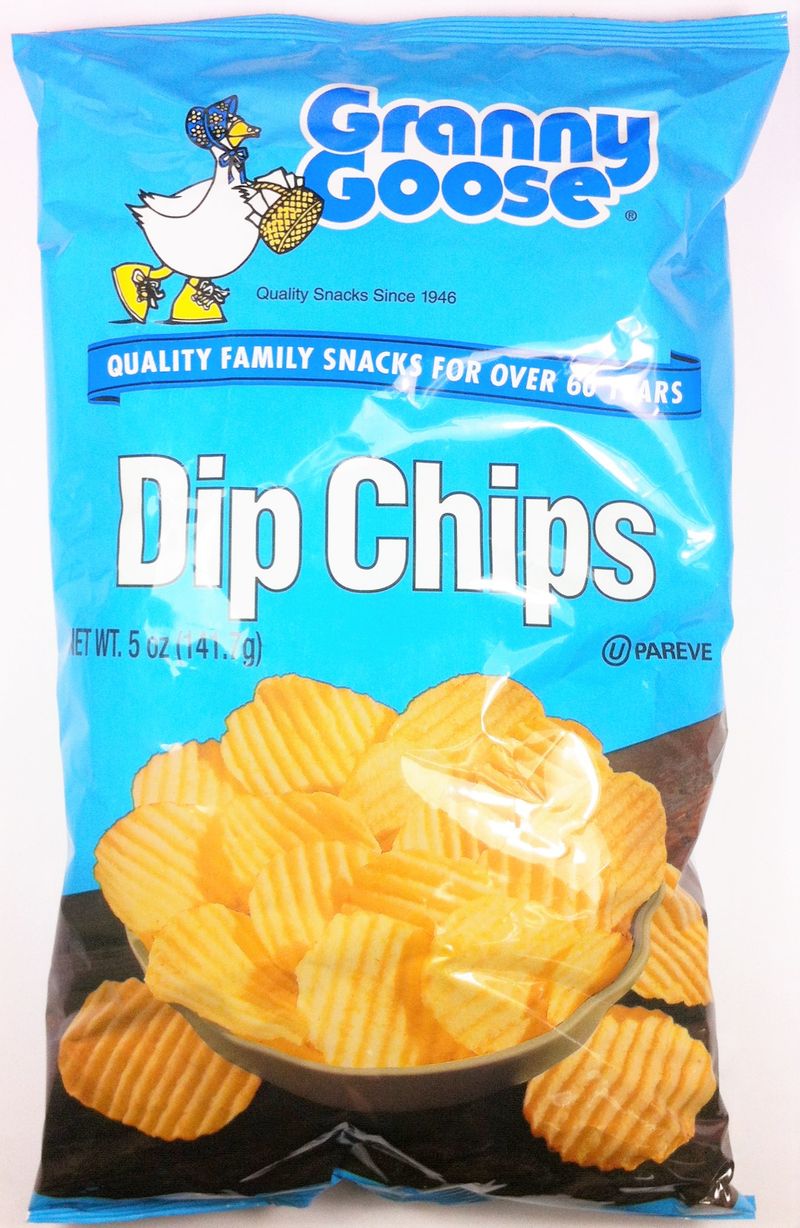
A bespectacled cartoon goose graced every bag, and somehow it just worked. The Wangenheim family launched Granny Goose around 1946 in Oakland, California, selling both potato and corn chips with a folksy, approachable brand personality that resonated with West Coast families.
The quirky mascot made Granny Goose bags instantly recognizable on grocery shelves for decades. The brand built a loyal regional following throughout California before eventually fading from store shelves, leaving behind one of the most charming mascots in snack food history.