
A good gravy can turn a plain dinner into something people remember for weeks. Yet many homemade gravies taste thin, flat, or a little too salty.
The good news is that a few simple kitchen tricks can fix that fast. Grab your whisk, because your next pan of gravy is about to taste amazing.
1. Scrape Up Those Brown Bits
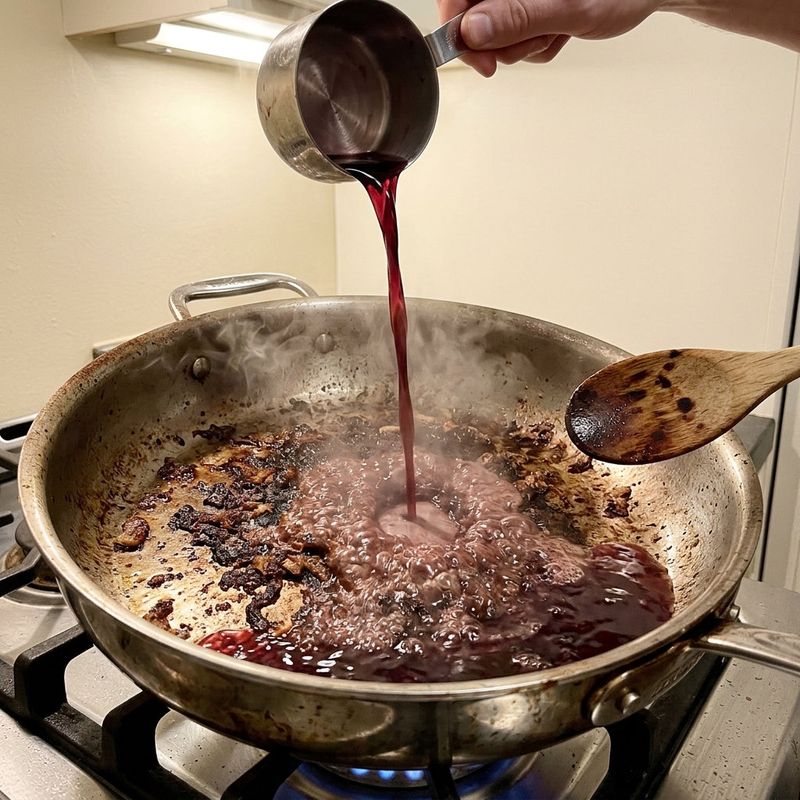
Grandma never washed the roasting pan before making gravy, and she had a good reason. Those crusty brown bits stuck to the bottom are called fond, and they hold tons of flavour.
Pour a splash of stock or water into the hot pan. Then scrape hard with a wooden spoon until everything loosens.
That dark, tasty liquid becomes the backbone of your gravy. Skipping it is like throwing away the best part of the roast.
2. Toast Your Flour Longer
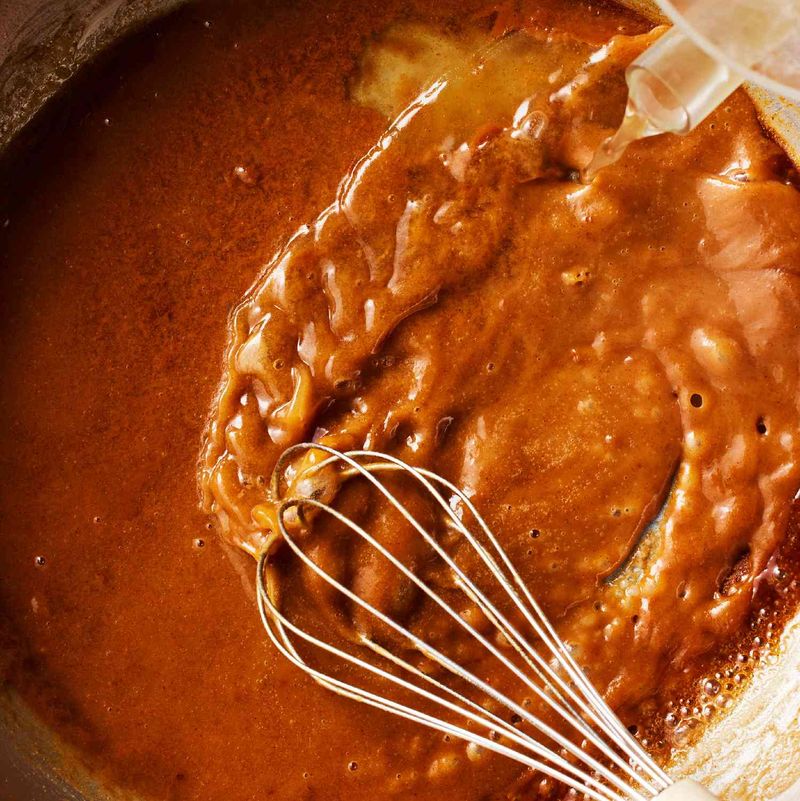
Raw flour tastes like paste. Nobody wants that in their gravy!
When you mix fat and flour to make a roux, keep stirring for a few extra minutes. Watch the color shift from pale cream to a warm peanut-butter brown.
A nutty, toasty smell will tell you it is ready.
A darker roux adds deep, roasted notes. Just keep the heat medium and stir often, since burnt roux turns bitter quickly.
3. Caramelize Some Onions First
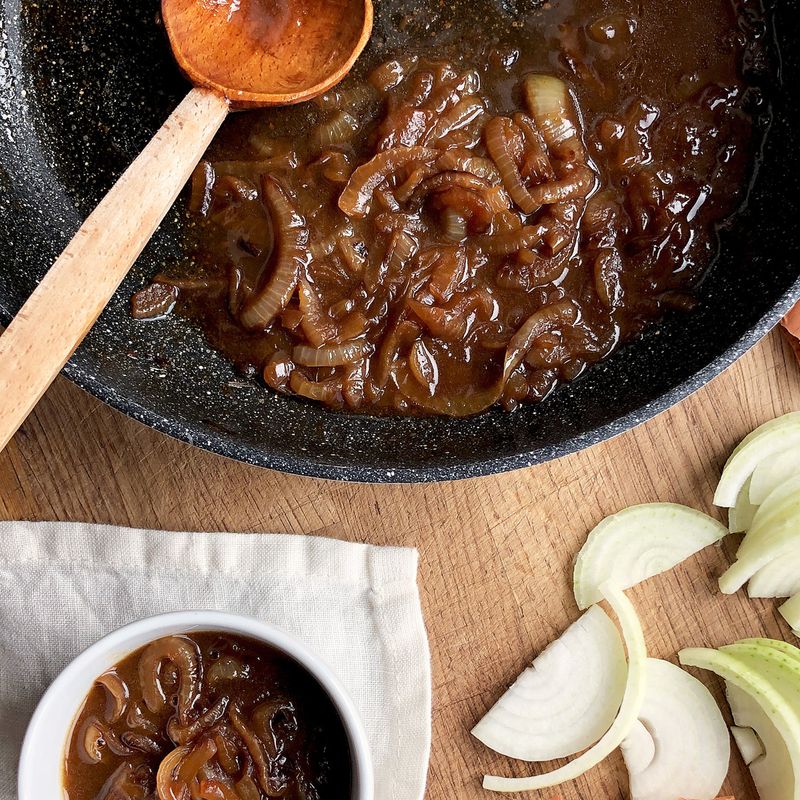
Sweet, jammy onions can work real magic. Slice one onion thin and cook it slowly in butter for about twenty minutes until it turns golden brown.
The natural sugars inside the onion melt and darken, giving a rich sweetness that balances salty drippings.
You can blend the onions right into the gravy or strain them out for a smooth finish. Either way, your family will wonder what your secret ingredient is.
4. A Splash Of Soy Sauce
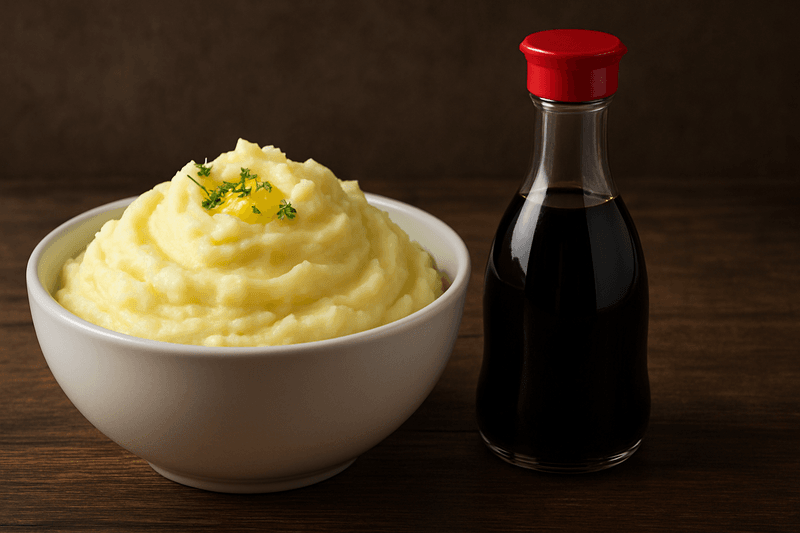
Here is a sneaky trick many chefs swear by. Add one teaspoon of soy sauce to your gravy.
Soy sauce is packed with umami, the savory taste you also find in mushrooms and aged cheese. It deepens the color and makes meaty flavours pop without tasting like takeout.
Go easy, though. Soy sauce is salty, so taste your gravy before adding any extra salt.
A little goes a surprisingly long way.
5. Worcestershire Works Wonders
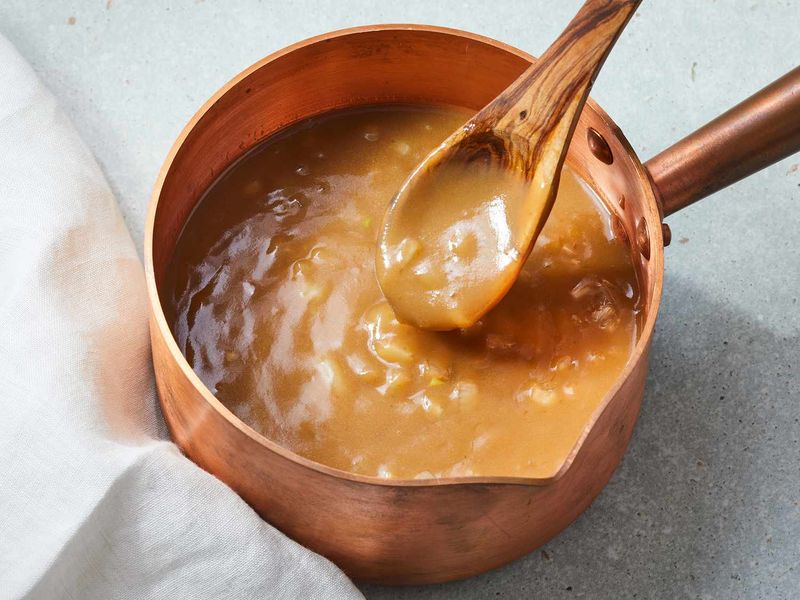
Fun fact: Worcestershire sauce was first sold in England back in 1837, and its exact recipe is still a secret.
That tangy brown sauce contains anchovies, vinegar, tamarind, and spices. Stir in a few dashes and your gravy gains a bold, savory punch.
Beef gravy loves it most, but it also brightens turkey and pork gravies. Start with half a teaspoon, taste, and add more only if needed.
6. Swap Water For Homemade Stock

Think of water as a blank page. It adds nothing to your gravy except liquid.
Homemade stock, simmered from bones, onions, carrots, and celery, brings body and real flavour. It also contains gelatin, which gives gravy that silky, glossy feel.
No time to make stock? A good boxed low-sodium broth still beats plain water by a mile.
Freeze leftover stock in ice cube trays for future gravy emergencies.
7. Bring In Dried Mushrooms

Mushroom lovers, this one is for you. Dried porcini mushrooms are tiny flavour bombs.
Soak a handful in hot water for twenty minutes. Chop the softened mushrooms and add them to your gravy, then pour in the soaking liquid too, leaving any grit behind.
The earthy, woodsy taste makes gravy feel fancy and hearty. Even vegetarian gravy becomes deep and satisfying with this simple addition.
8. Pour In A Little Wine
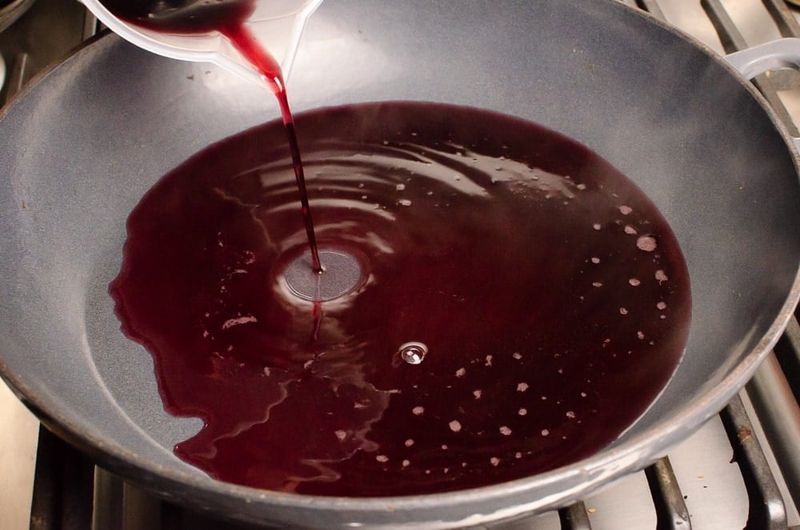
Ever noticed how restaurant gravy tastes a bit fancier? Often, wine is the reason.
Adults cooking can add a splash of red wine for beef or white wine for chicken and turkey. Let it bubble for a few minutes so the alcohol cooks off and the flavour concentrates.
Wine adds gentle tang and fruity depth. For an alcohol-free option, try a little grape juice mixed with a dash of vinegar.
9. Tuck In Fresh Herbs
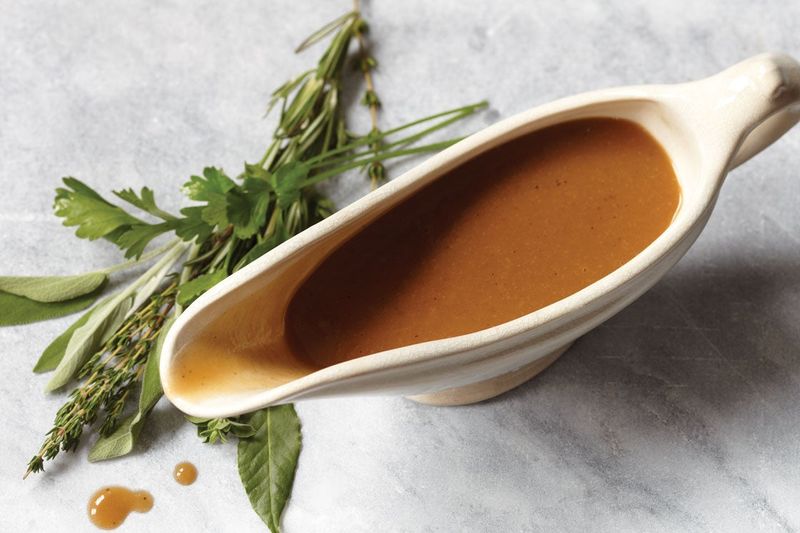
Picture a cozy holiday kitchen smelling of thyme and sage. You can bottle that feeling right into your gravy.
Drop a few sprigs of thyme, rosemary, or sage into the pot while it simmers. After ten minutes, fish them out.
The herbs leave behind a fresh, woodsy aroma without leafy bits floating around. Sage pairs beautifully with turkey, while rosemary feels right at home with lamb or beef.
10. Roast Vegetables Under The Meat
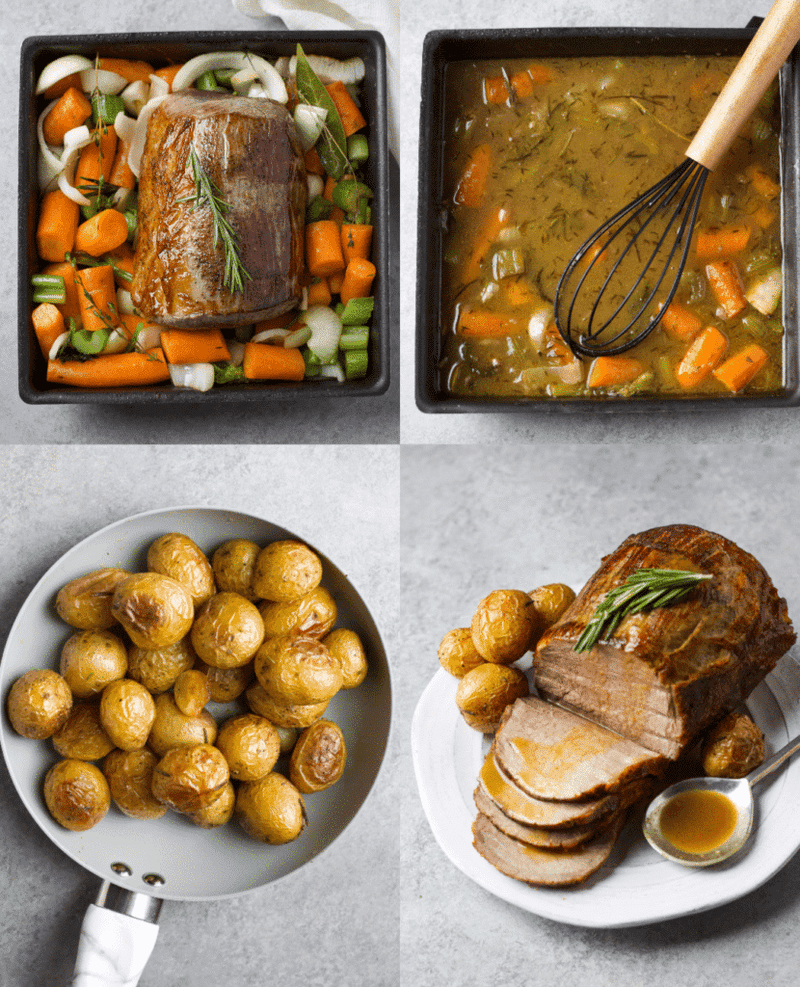
Your roast can do double duty. Before cooking, scatter chopped carrots, onions, celery, and garlic under the meat.
As the roast cooks, juices drip onto the vegetables. They soften, brown, and caramelize, building a sweet and savory base.
Once the meat rests, mash those veggies into the pan drippings and strain everything for gravy. It is an easy, almost effortless step that adds layers of flavour you simply cannot fake.
11. Stir In Tomato Paste
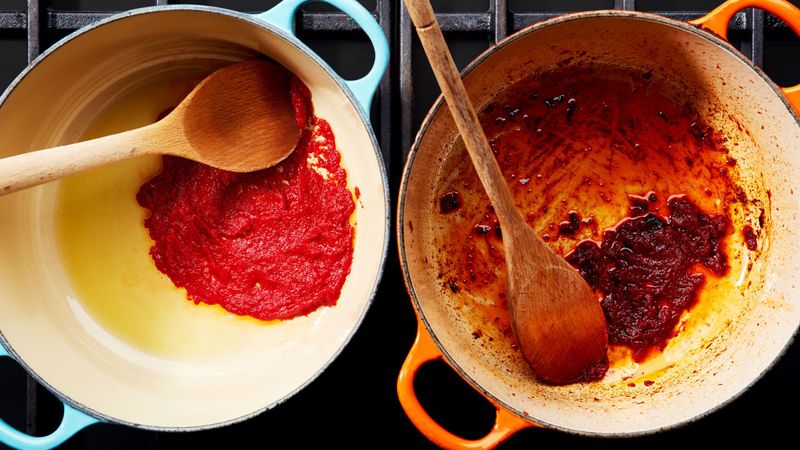
Just one spoonful. That is all it takes.
Tomato paste adds rich color and a hint of sweetness. The trick is to fry it in the fat for a minute or two before adding flour.
Cooking it this way turns it a rusty brown and removes any sharp, tinny taste.
Nobody will guess there is tomato inside. They will just notice your gravy tastes fuller and more savory than usual.
12. Let It Simmer Low And Slow
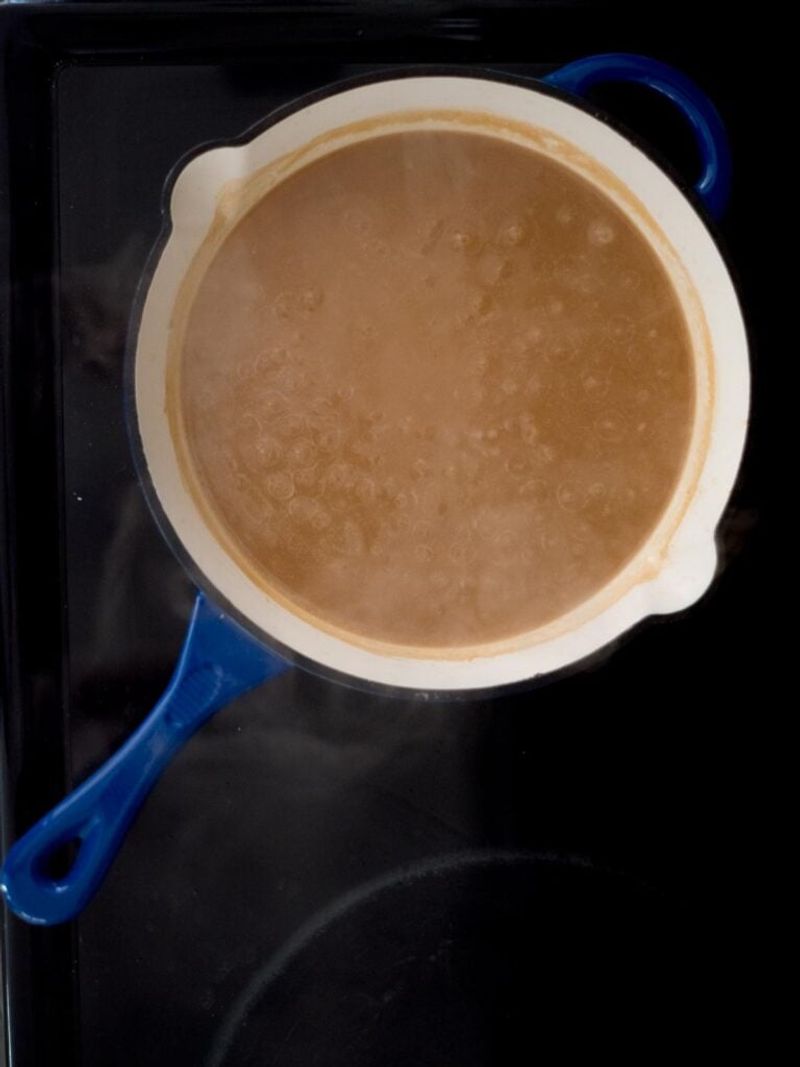
Patience is an underrated ingredient. Many cooks rush gravy to the table the second it thickens.
Instead, let it bubble gently on low heat for ten to fifteen minutes. Extra water evaporates, flavours blend together, and the texture turns smoother.
Keep a little warm stock nearby in case it gets too thick. Stir now and then so nothing sticks.
Your reward is gravy that tastes like it took all day.
13. Add A Touch Of Something Sweet
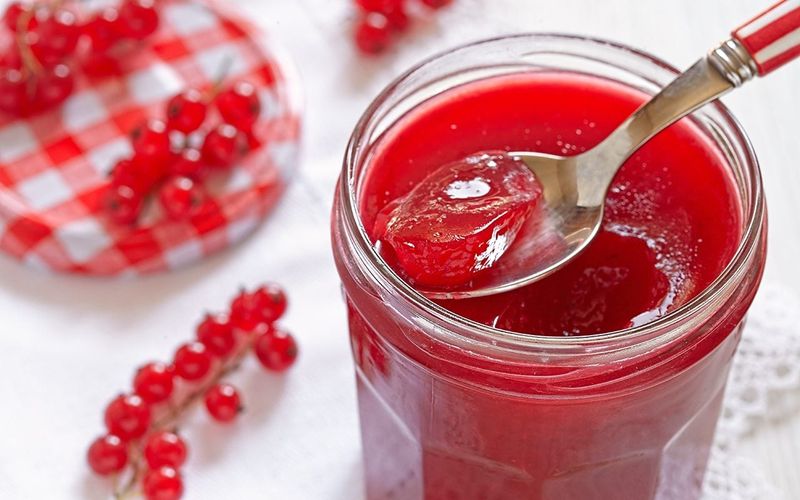
Sweet in gravy? Absolutely, and British cooks have done it for ages.
A teaspoon of red currant jelly, maple syrup, or brown sugar softens harsh salty notes. It rounds out the flavour so every bite feels balanced.
Red currant jelly is a classic partner for lamb gravy. Maple syrup tastes lovely with pork.
Add sweetness slowly though, because you want warmth, not dessert sauce on your mashed potatoes.
14. Brighten With A Little Acid
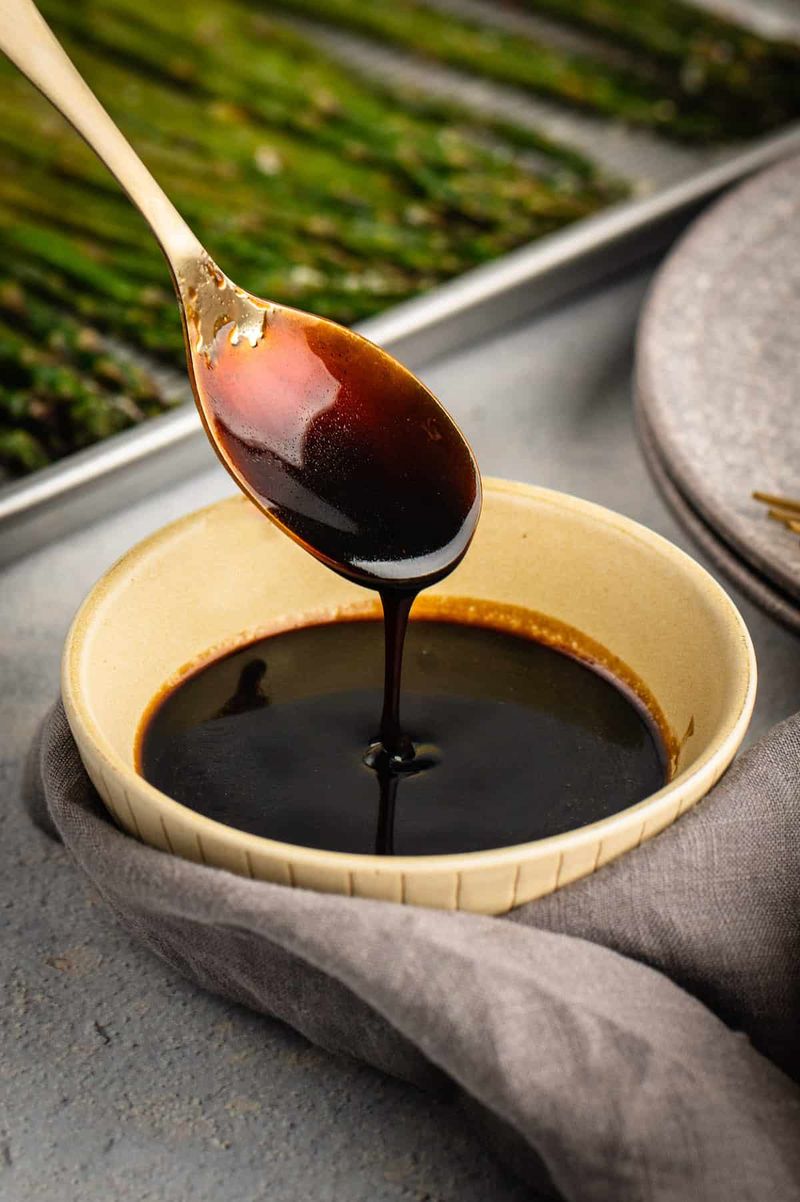
Sometimes gravy tastes heavy and dull, even with plenty of seasoning. What it really needs is a tiny wake-up call.
A few drops of lemon juice, apple cider vinegar, or balsamic vinegar can lift all the other flavours. Acid works like turning on a light in a dim room.
Add it at the very end, right before serving. Taste after each drop, since too much can make gravy sour.
15. Finish With Cold Butter
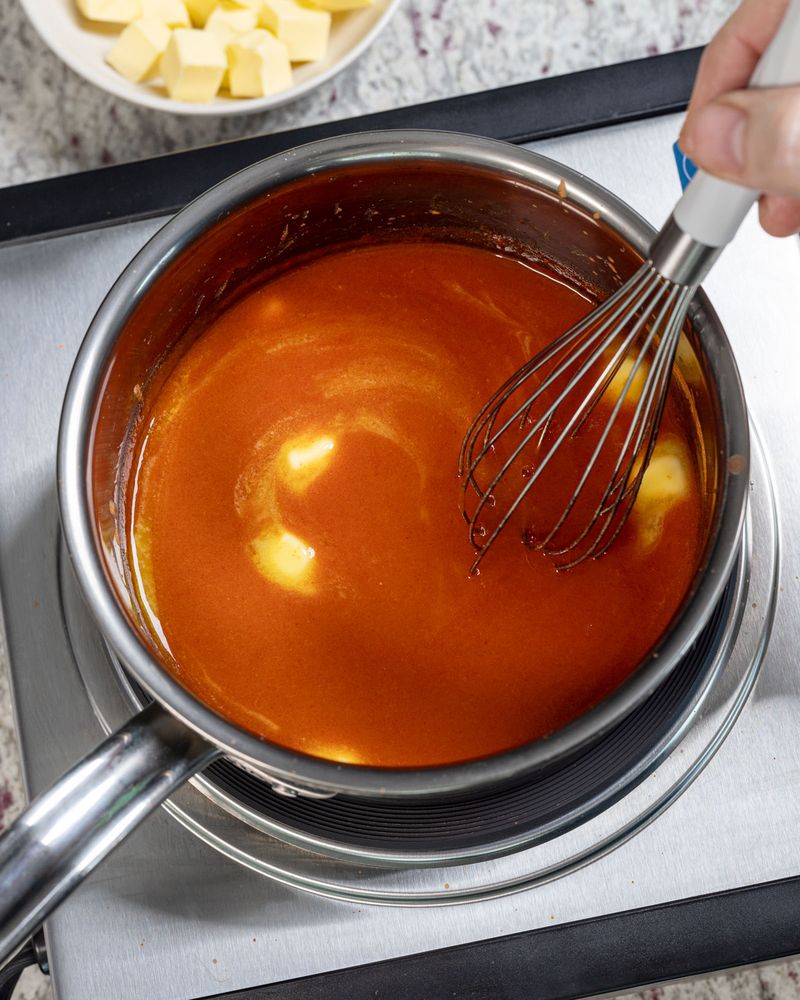
French chefs have a fancy name for this final step: monter au beurre. In plain English, it means whisking in butter.
Take the pan off the heat and drop in a few cubes of cold butter. Whisk until they melt completely.
Your gravy becomes glossy, velvety, and extra rich. It also tastes smoother and rounder on the tongue.
Serve right away, because reheating can make the butter separate.