
British horror cinema has a long and spine-chilling history that stretches back decades, producing some of the most unforgettable scary movies ever made. From gothic tales of supernatural terror to gritty psychological thrillers, filmmakers across the UK have consistently pushed the boundaries of what horror can be.
These films didn’t just scare audiences — they changed the way horror was made and watched around the world. Get ready to explore the movies that put British horror firmly on the map.
1. Dead of Night (1945)
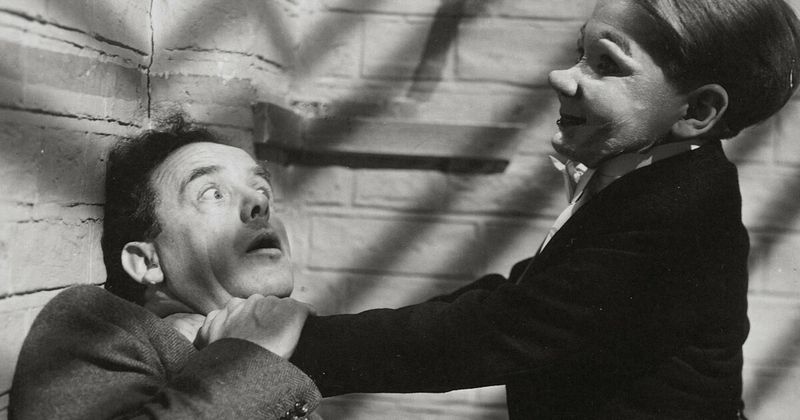
Long before horror anthologies became a popular format, Ealing Studios pulled off something genuinely unsettling with this 1945 gem. Dead of Night weaves together several short horror tales into one creepy, connected story — a format that was almost unheard of at the time.
The ventriloquist dummy segment alone has haunted viewers for generations. Critics still consider it one of the most chilling British films ever made, and its influence on anthology horror is impossible to overstate.
2. Peeping Tom (1960)
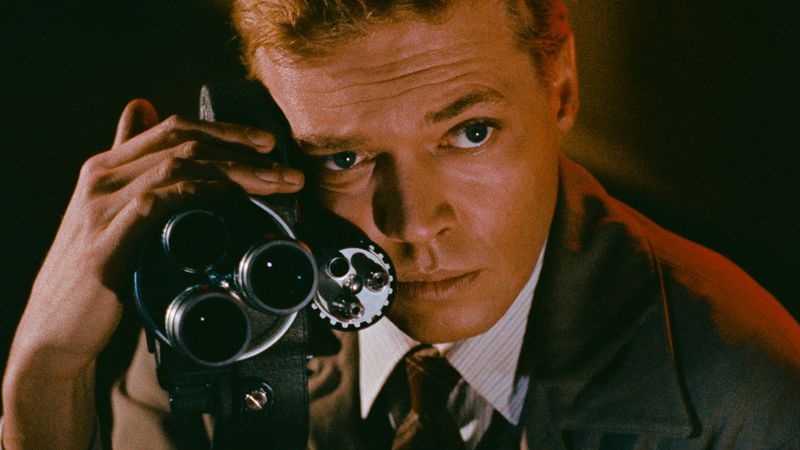
When Peeping Tom hit cinemas in 1960, critics were so shocked they practically ran the director out of town. Michael Powell’s film follows a disturbed young man who films his victims as he kills them — a concept so bold it effectively ended Powell’s career in Britain.
Decades later, filmmakers like Martin Scorsese championed it as a masterpiece. Today, it’s recognized as one of the earliest slasher films ever made, ahead of its time in every way.
3. Village of the Damned (1960)
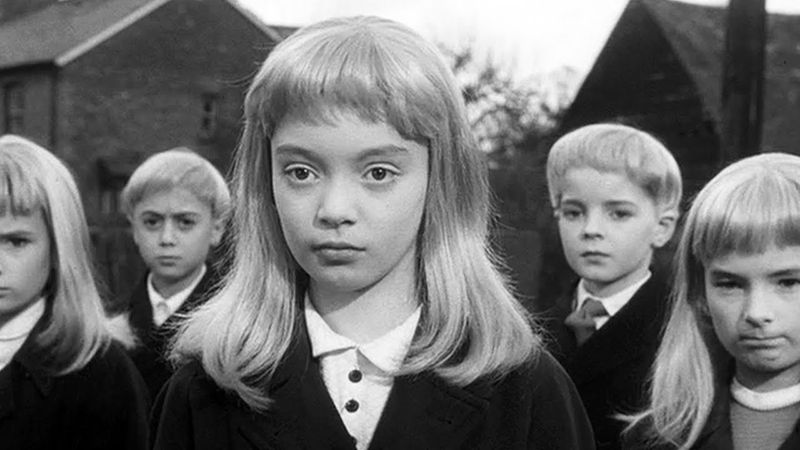
Picture an entire village falling unconscious at once — and then, months later, every woman waking up pregnant. That’s the deeply unsettling setup of Village of the Damned, and the film only gets stranger from there.
The children born from this mysterious event are cold, blond-haired, and terrifyingly powerful. This British sci-fi horror tapped into Cold War anxieties about conformity and control, and it has inspired countless imitations in the decades since its release.
4. The Innocents (1961)
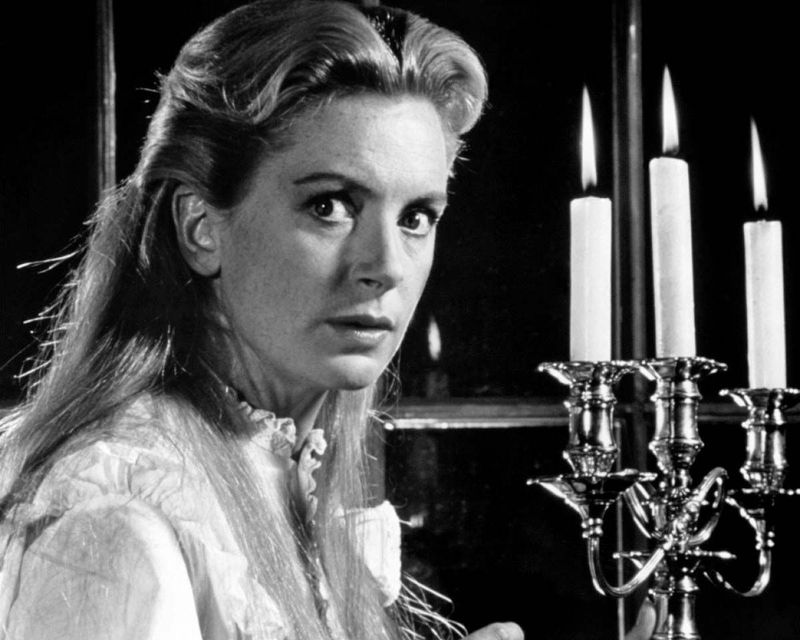
Based on Henry James’s classic novella The Turn of the Screw, The Innocents is the kind of ghost story that gets under your skin and stays there. Deborah Kerr plays a governess who begins to suspect that the children in her care are being influenced by the spirits of two dead servants.
What makes this film so effective is what it doesn’t show. The dread builds slowly through shadows, whispers, and unsettling glances — making it one of the most atmospheric horror films ever produced.
5. The Haunting (1963)
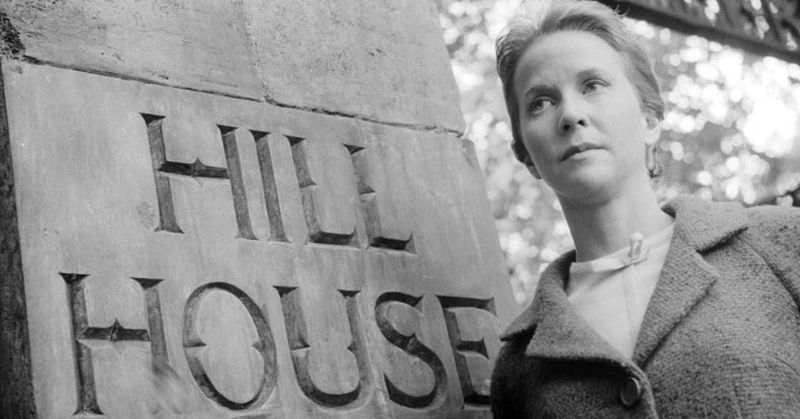
No blood. No monsters jumping out of closets.
Just a house that feels utterly, profoundly wrong. The Haunting, directed by Robert Wise, proves that the scariest horror doesn’t need gore — it needs atmosphere.
The film follows a team of paranormal investigators staying at the infamous Hill House, whose twisted architecture and strange angles seem designed to unsettle the mind. Even the camera angles feel slightly off, making viewers feel as uneasy as the characters trapped inside those walls.
6. Repulsion (1965)
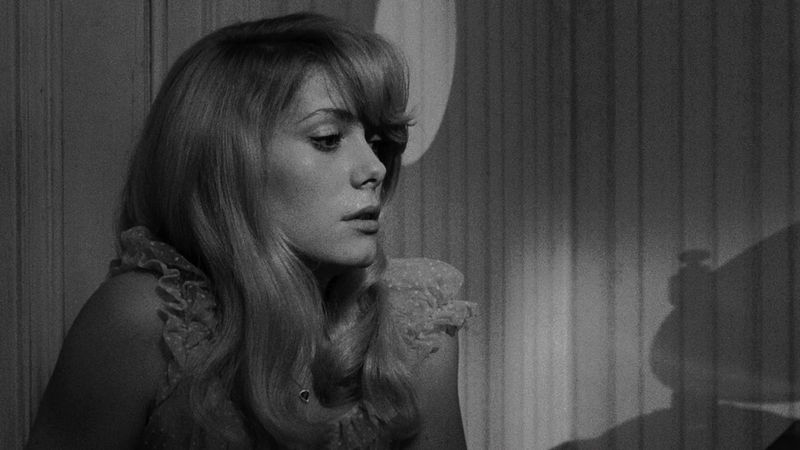
Roman Polanski brought his unsettling European sensibility to London for this deeply disturbing psychological horror. Catherine Deneuve plays Carol, a young woman left alone in her apartment whose grip on reality slowly and terrifyingly unravels.
Cracks appear in the walls. Hands reach out from corridors.
The film makes you feel trapped inside Carol’s fractured mind. Repulsion remains one of the most honest and harrowing portrayals of mental collapse ever committed to film, and it still feels shockingly relevant today.
7. Witchfinder General (1968)
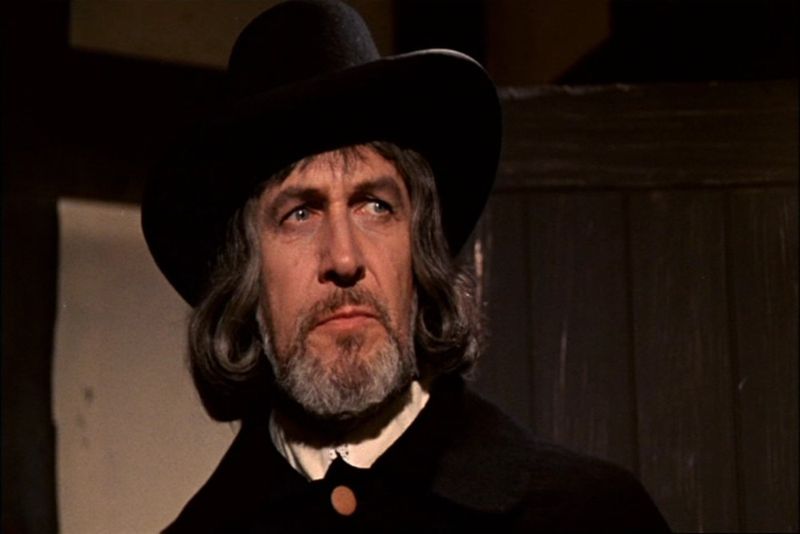
Vincent Price plays Matthew Hopkins, a real historical figure who terrorized English villages during the 17th century by accusing women of witchcraft for personal profit. Witchfinder General doesn’t dress this up as supernatural fun — it presents it as cold, brutal, and deeply human evil.
Alongside Blood on Satan’s Claw and The Wicker Man, this film forms what critics call the “Unholy Trinity” of British folk horror. Its unflinching darkness shocked audiences and helped define an entirely new horror subgenre.
8. The Devil Rides Out (1968)
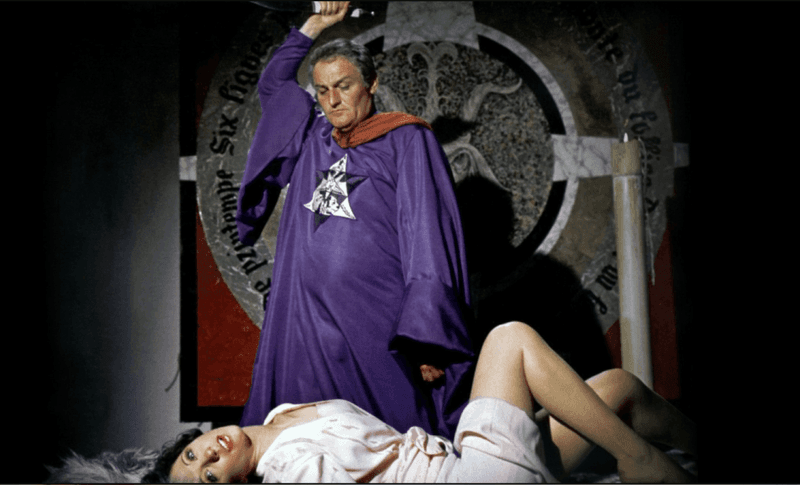
Christopher Lee, usually cast as the villain in Hammer productions, gets to be the hero here — and he absolutely owns it. Based on Dennis Wheatley’s popular novel, The Devil Rides Out pits Lee’s aristocratic hero against a genuine Satanic cult led by a dangerously charismatic villain.
The film takes its black magic seriously, which makes it far more unsettling than campy. Hammer Horror fans often rank it among the studio’s very finest achievements, and it holds up remarkably well even today.
9. Blood on Satan’s Claw (1971)
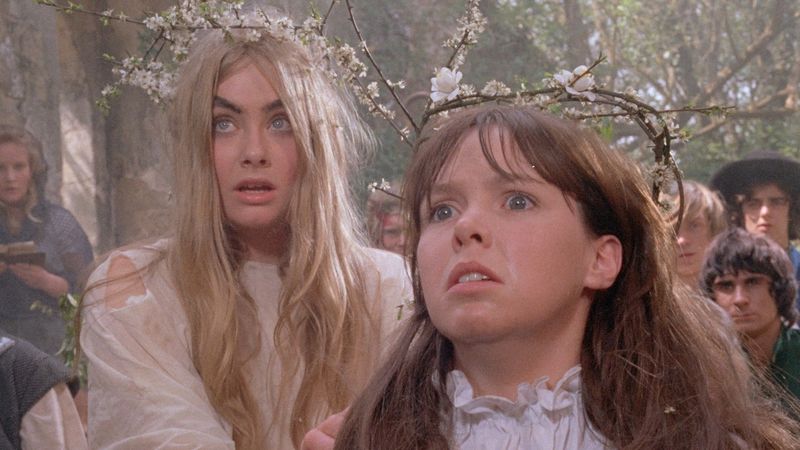
Something ancient and evil is buried beneath the English countryside — and a group of children are about to dig it up. Blood on Satan’s Claw takes place in 17th century rural England, where the discovery of a strange skeletal claw begins corrupting the local youth one by one.
The film has a grimy, earthy quality that makes the horror feel uncomfortably real. As the third pillar of British folk horror’s “Unholy Trinity,” it remains a fascinating and genuinely creepy piece of cinema history.
10. The Wicker Man (1973)
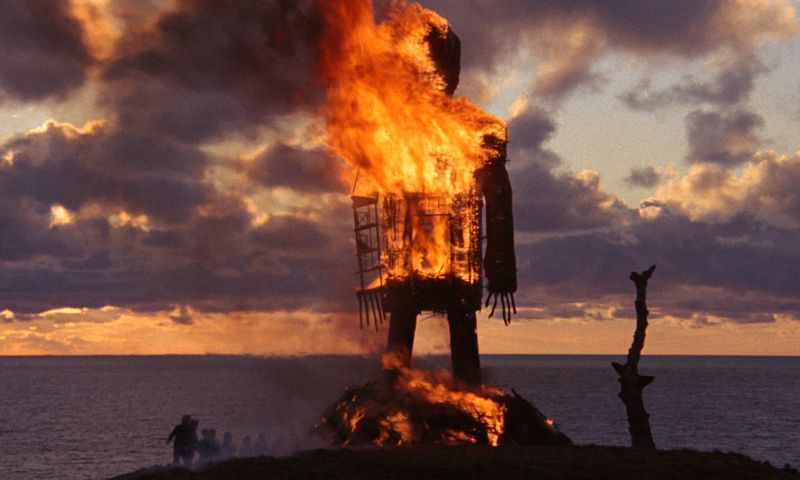
Few horror films have an ending as jaw-dropping and unforgettable as The Wicker Man. Sergeant Howie, a devoutly religious Scottish policeman, travels to a remote island to investigate a missing girl — and finds a community living by ancient pagan rules that clash violently with everything he believes.
What makes this film so brilliant is that the horror unfolds in bright sunshine, among singing villagers and colorful festivals. Nothing feels safe.
The shocking finale has been burned into horror fans’ memories for over 50 years.
11. Don’t Look Now (1973)
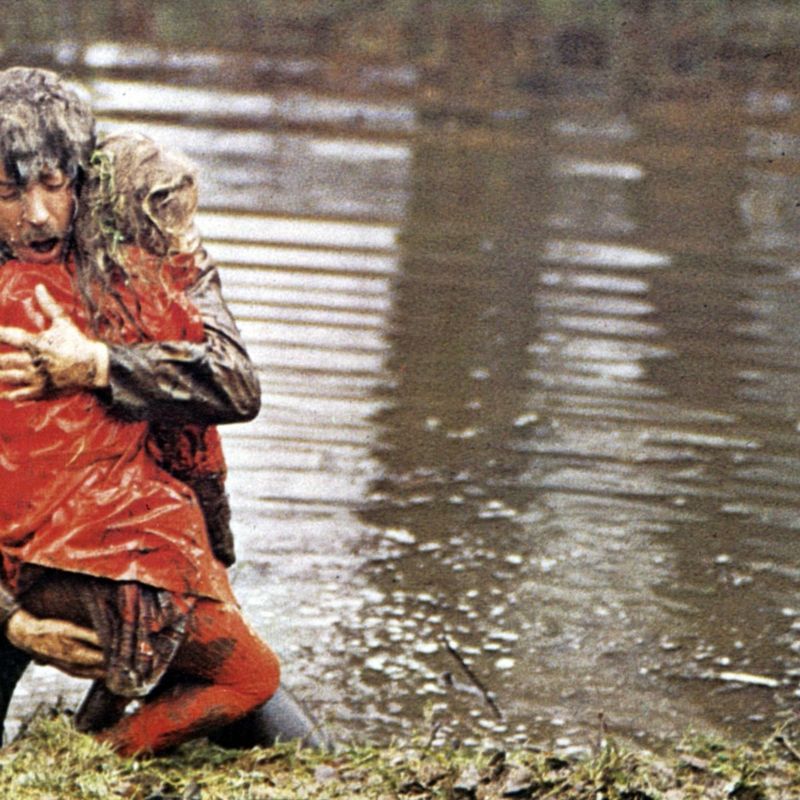
Grief can make you see things that aren’t there — or maybe they are there. Don’t Look Now follows a couple who travel to Venice after losing their young daughter, only to be haunted by visions of a small figure in a red coat moving through the city’s misty alleyways.
Director Nicolas Roeg uses color, especially red, like a warning signal running throughout the film. Emotionally devastating and visually stunning, this 1973 masterpiece blurs the line between psychological horror and heartbreaking tragedy.
12. Hellraiser (1987)
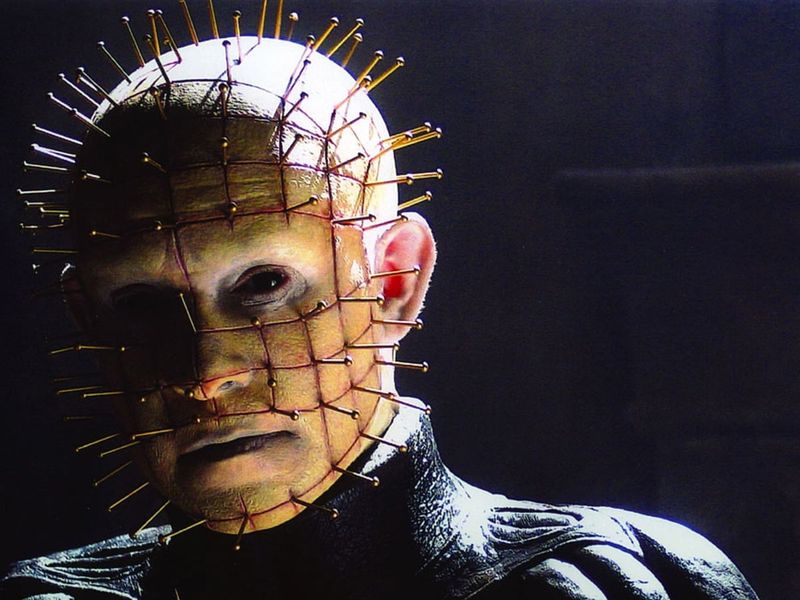
Clive Barker adapted his own novella for this 1987 shocker, introducing the world to the Cenobites — interdimensional beings who blur the line between pleasure and pain in the most horrifying ways imaginable. Hellraiser felt like nothing else in horror at the time.
The film’s central puzzle box became one of cinema’s most iconic props, and Pinhead became an instant horror legend. By exploring themes of obsession and desire taken to their darkest extremes, Hellraiser injected bold, fresh ideas into a genre that badly needed them.
13. 28 Days Later (2002)
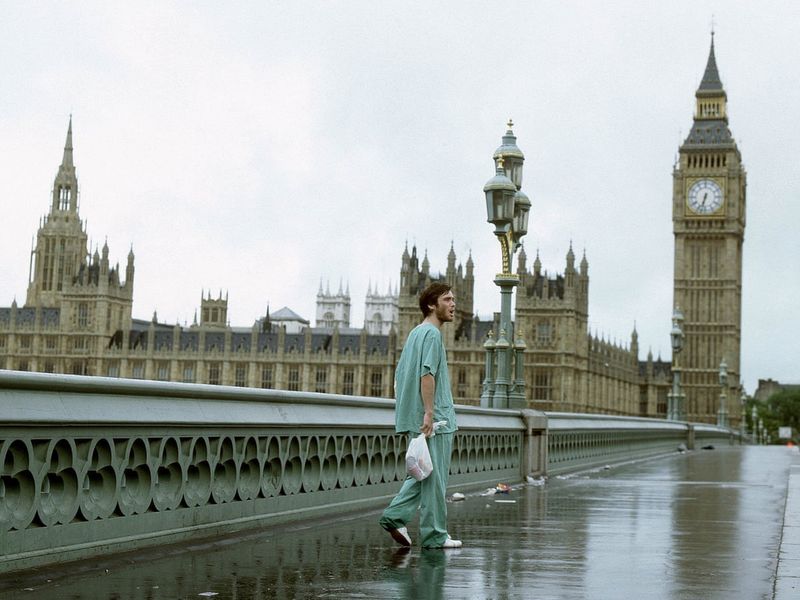
Waking up alone in an abandoned London hospital is terrifying enough. Then you step outside and realize the entire city is empty.
Danny Boyle’s 28 Days Later brought zombie horror roaring back to life — literally — with fast-moving infected that made the shuffling undead look quaint by comparison.
Shot on digital video to give it a raw, documentary feel, the film sparked a massive revival in zombie storytelling worldwide. It also reminded everyone that British filmmakers could produce world-class horror with genuine edge and intelligence.
14. Shaun of the Dead (2004)
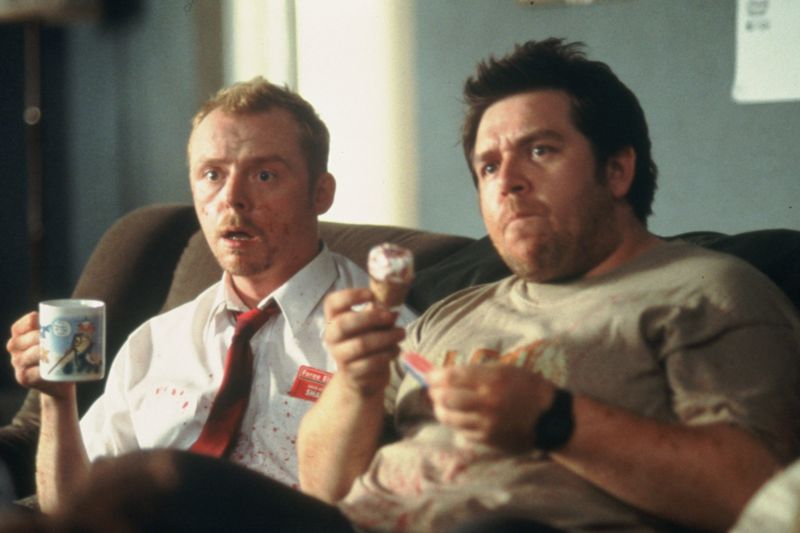
Edgar Wright and Simon Pegg somehow made a zombie film that’s also a genuinely funny comedy about friendship, growing up, and getting your life together. Shaun of the Dead works brilliantly as both a loving tribute to zombie horror and a sharp, witty British comedy — a balancing act almost impossible to pull off.
Stephen King and Quentin Tarantino both praised it enthusiastically. The film proved that horror and humor don’t have to fight each other — when done right, they make each other stronger.
15. The Descent (2005)
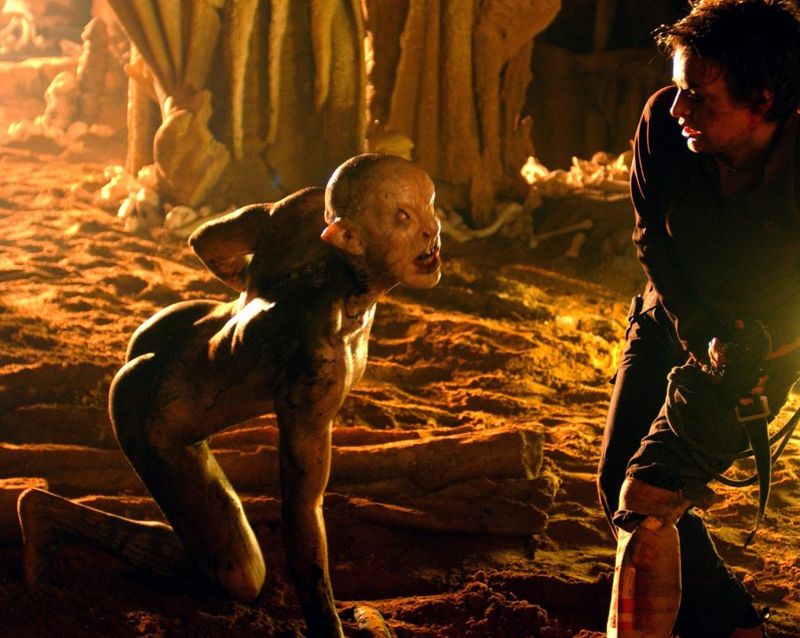
Neil Marshall locked six women in an unexplored cave system and then made things considerably worse. The Descent begins as a survival thriller about friends navigating dangerous underground tunnels — then the creatures show up, and the film shifts into pure nightmare territory.
What sets it apart from typical monster movies is how much you care about the characters before everything goes wrong. The all-female lead cast delivers powerhouse performances, and Marshall’s direction is relentlessly tense.
It remains one of the scariest British films of the 21st century.