
Atlanta built its hip hop sound through bold voices, heavy bass, and beats that made whole rooms move. From Outkast’s spacey grooves to crunk chants and early trap hits, the city kept finding new ways to stand out.
These songs capture the parties, neighborhoods, and creative risks behind that rise. Put on your headphones and hear how Atlanta helped change rap.
1. Welcome to Atlanta – Jermaine Dupri and Ludacris
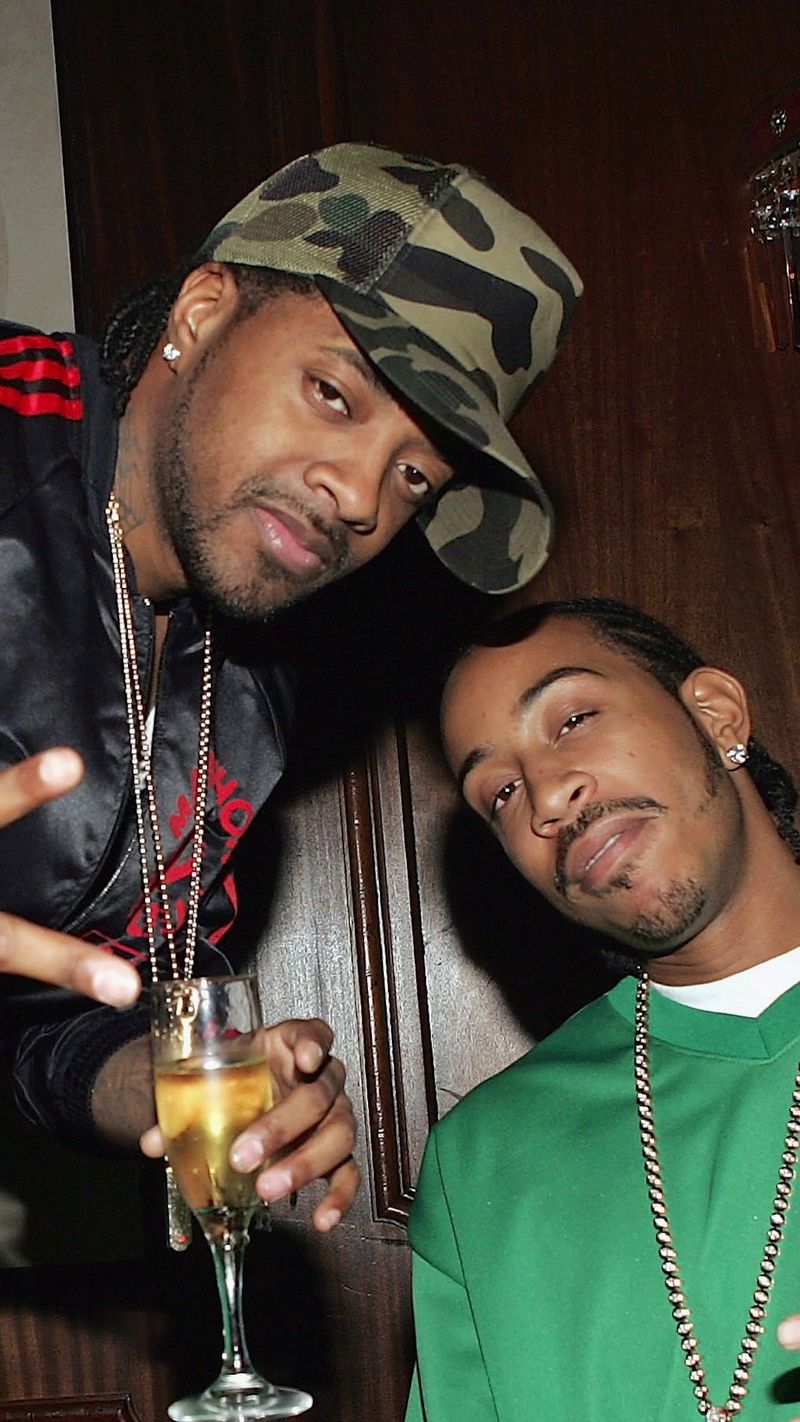
Before social media offered instant city guides, Jermaine Dupri and Ludacris delivered a musical tour of Atlanta after dark. Released in 2001, their hometown anthem turned clubs, late nights, and local pride into a catchy calling card.
Dupri brings the insider knowledge, while Ludacris adds his booming voice and playful delivery. Listen for how the beat leaves room for their personalities.
Atlanta sounds less like a backdrop here and more like the star of the show.
2. ATLiens – Outkast
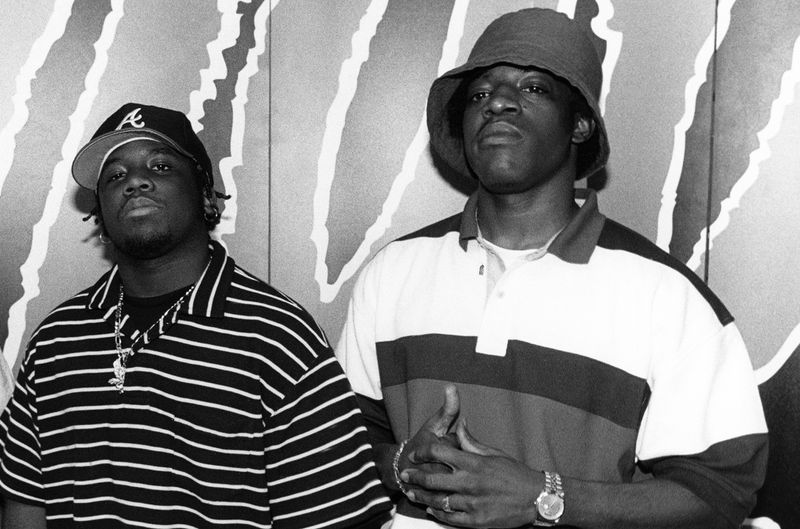
Space never sounded so Southern. On this 1996 track, Andre 3000 and Big Boi used floating keyboards, deep bass, and relaxed confidence to show that Atlanta rap could live outside anyone else’s rules.
The title blends Atlanta with aliens, turning their outsider status into a badge of honor. Notice how their different voices fit the same strange world.
That balance helped expand what Southern hip hop could sound like without losing its strong sense of home.
3. Jump – Kris Kross
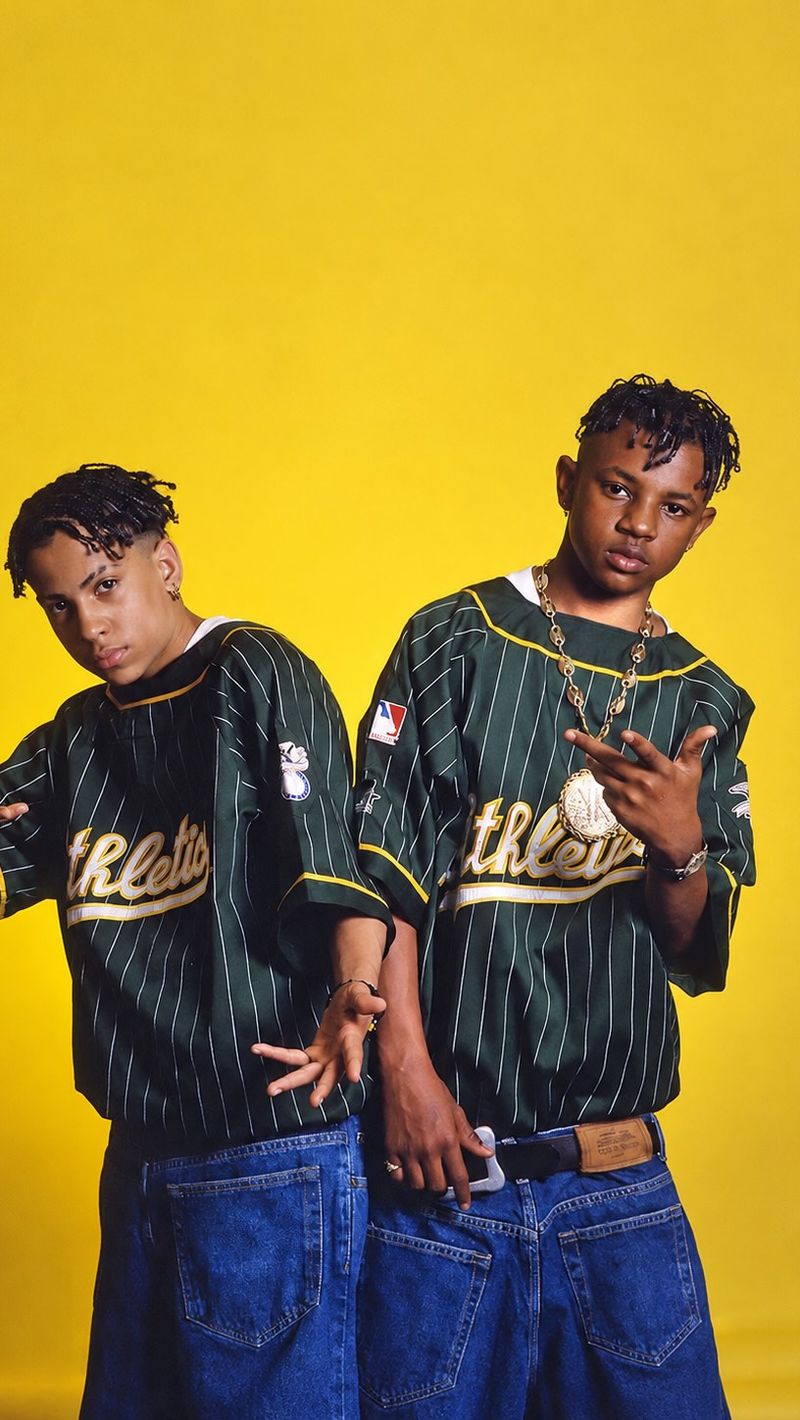
Backward clothes, huge energy, and a hook almost anyone could remember made Kris Kross impossible to miss. Chris Kelly and Chris Smith were young Atlanta rappers when their 1992 smash carried them onto a worldwide stage.
Jermaine Dupri wrote and produced the song, showing his skill at turning local talent into pop success. Beneath the playful image sits a tough, bouncing beat.
Hear it as an early example of Atlanta making rap both bold and accessible.
4. Dirty South – Goodie Mob
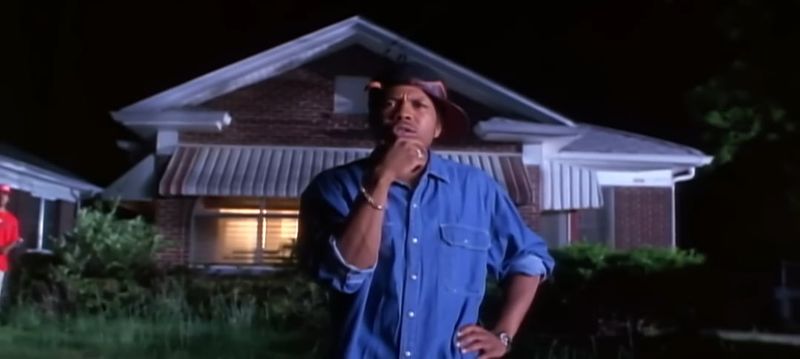
A regional nickname became a powerful statement on Goodie Mob’s 1995 track. Featuring Big Boi and Cool Breeze, the song helped spread the phrase Dirty South far beyond the neighborhoods that gave it meaning.
Its heavy mood carries stories about street life rather than a simple party invitation. Produced by Organized Noize, it connects sharp local detail with a wider Southern identity.
Pay attention to the storytelling: Atlanta’s influence grew through honest scenes, not just catchy hooks.
5. Get Low – Lil Jon & the East Side Boyz Featuring Ying Yang Twins
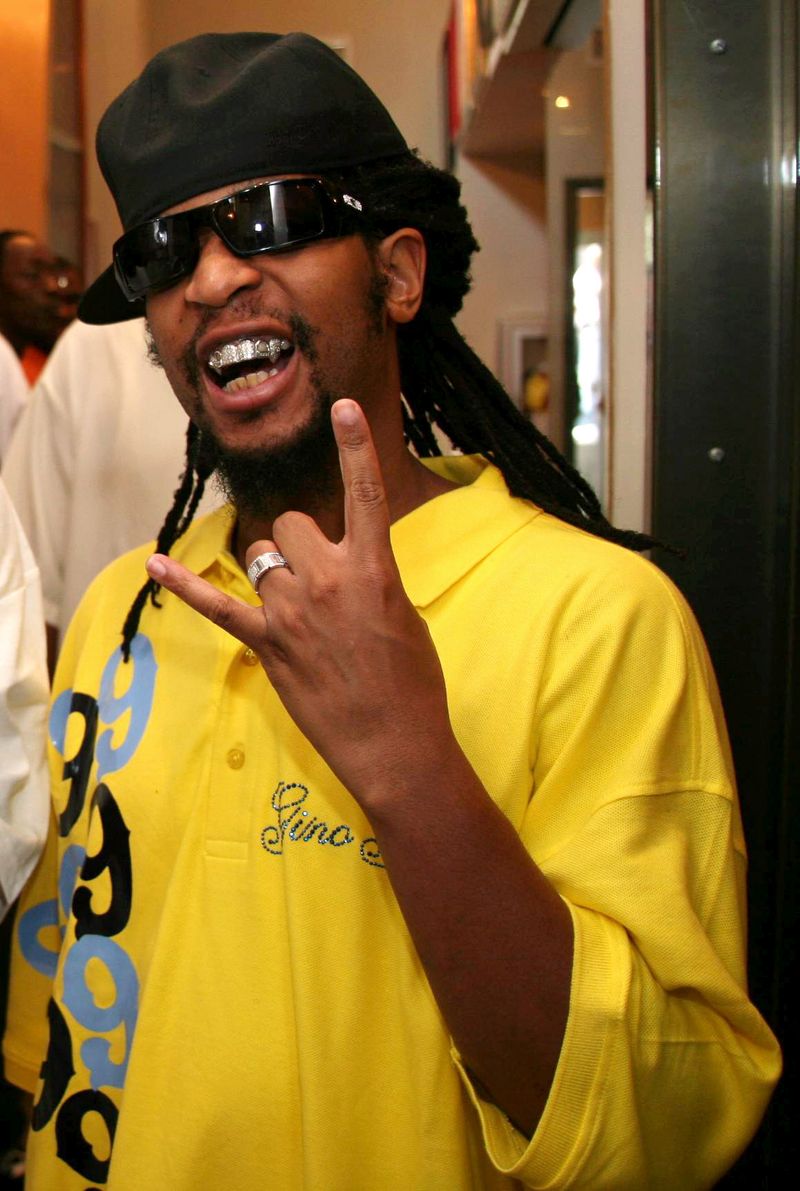
One shouted command could send an entire dance floor into motion. Released in 2002, this collaboration paired Lil Jon’s roaring presence with the Ying Yang Twins’ unmistakable voices, helping push Atlanta crunk into the mainstream.
The recipe is direct: booming bass, sharp electronic sounds, and chants built for a crowd. Try following the rhythm rather than every lyric to understand its pull.
Choose a clean version for younger listeners, since the original contains plenty of explicit language.
6. Knuck If You Buck – Crime Mob Featuring Lil Scrappy
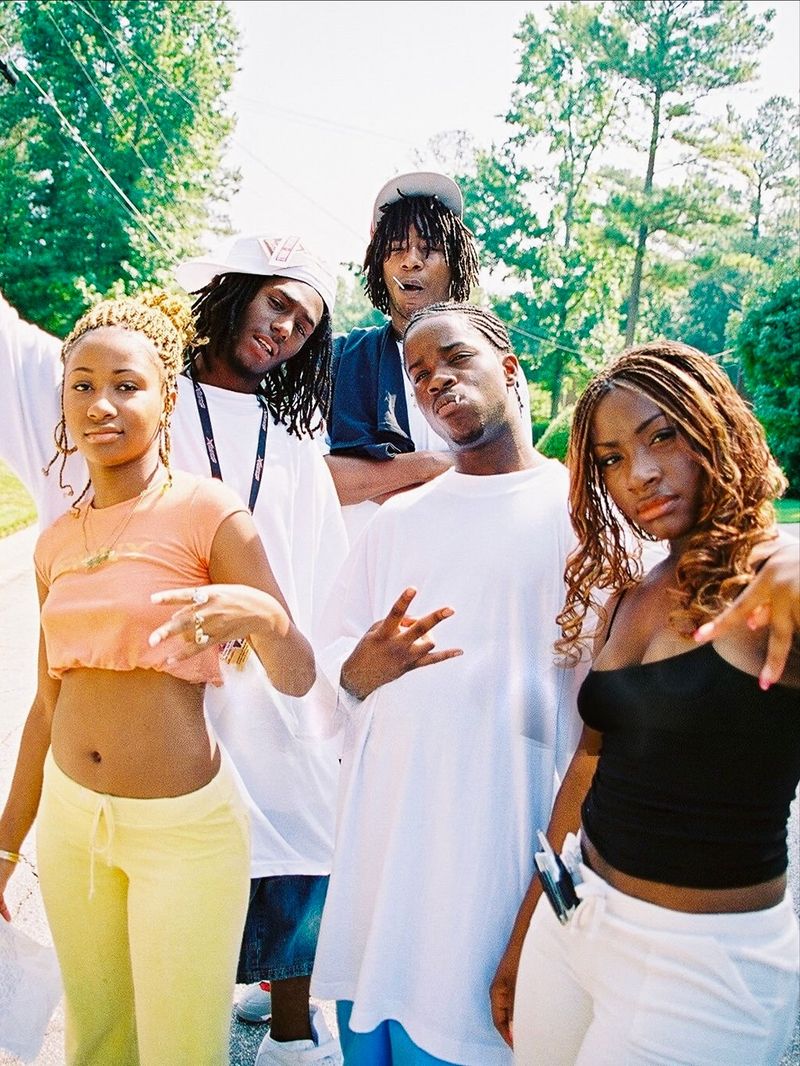
Those eerie opening notes can change a room before the first verse arrives. Crime Mob’s 2004 breakout, featuring Lil Scrappy, brought a raw group energy that made Atlanta crunk feel even more intense.
Diamond and Princess helped make the record memorable, showing that women could command this hard sound too. The hook invites a loud response, while the beat stays dark and spare.
Its lasting appeal comes from that tension between simple production and fiercely delivered verses.
7. Lean Wit It, Rock Wit It – Dem Franchize Boyz
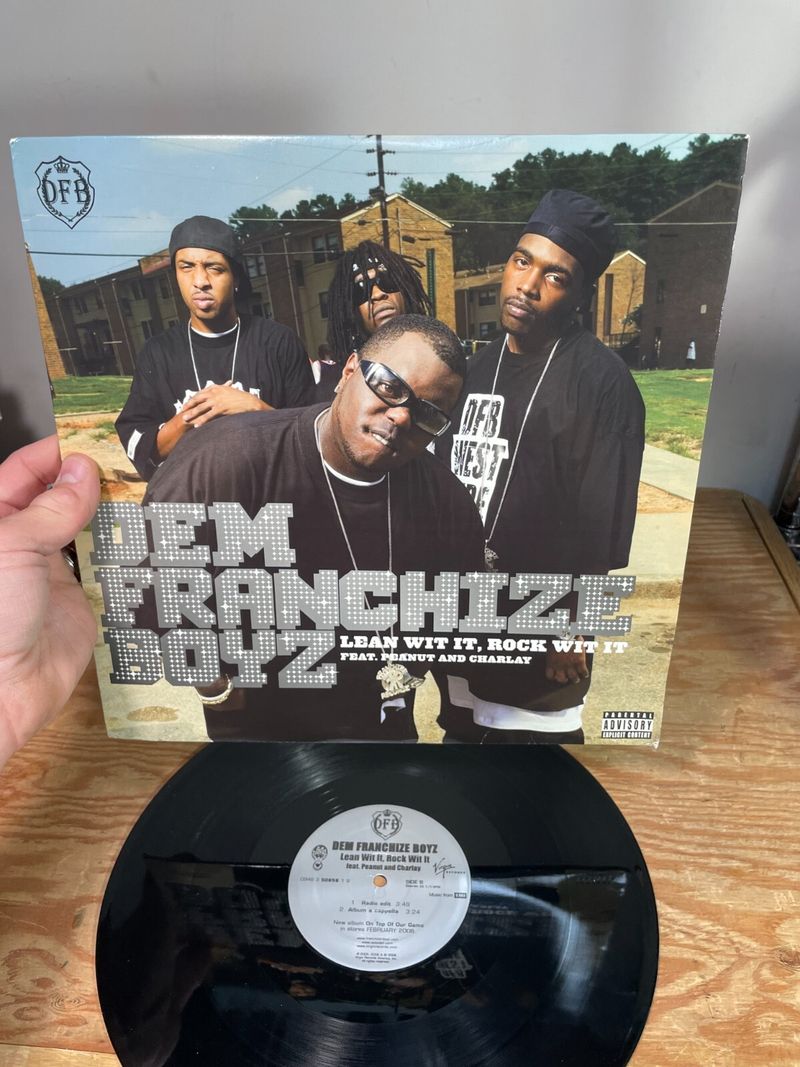
No complicated footwork was needed to join this dance. Dem Franchize Boyz helped carry Atlanta’s snap movement into the spotlight with a hit built around finger snaps, an easy sway, and a chant that stuck.
Released during the movement’s mid-2000s rise, the song features Peanut and Charlay. Compared with crunk’s full roar, its open beat gives dancers breathing room.
Listen for the empty spaces between sounds: that room is part of what makes the groove work so well.
8. It’s Goin’ Down – Yung Joc
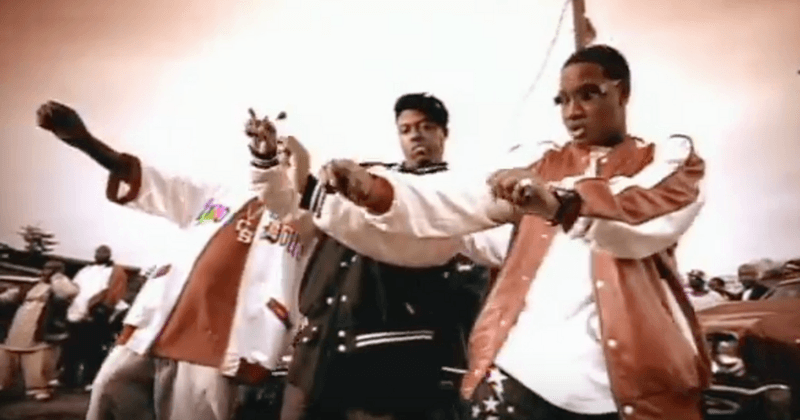
Picture a crowd gripping imaginary handlebars, and this song probably comes to mind. Yung Joc’s 2006 breakout paired an easygoing delivery with Nitti’s spare, bouncing production and a dance that fans could copy right away.
Its success showed how closely Atlanta rap, movement, and personality could work together. Rather than overwhelm the beat, Joc rides it with steady confidence.
Watch the original video alongside a listen to see how a simple gesture helped turn a record into an event.
9. Southern Hospitality – Ludacris
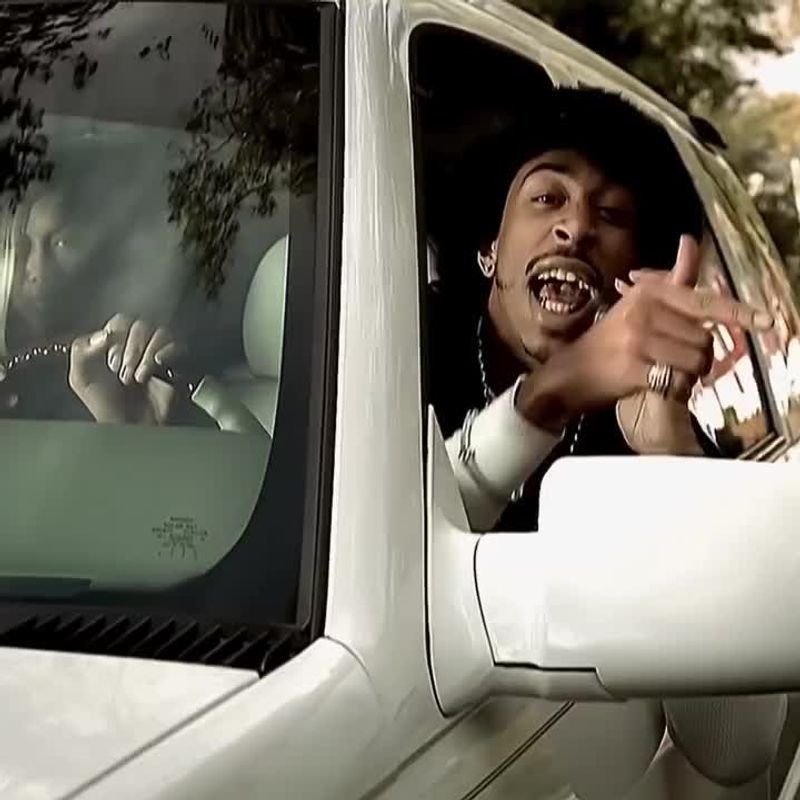
Ludacris could make a verse feel like a cartoon bursting through the speakers. On this 2000 single, his elastic voice and comic timing meet a crisp Neptunes beat, creating a lively twist on Southern rap.
The production comes from outside Atlanta, but his personality keeps the record firmly rooted in the city. Catch the way he stretches words and changes emphasis.
Those choices explain why delivery can matter just as much as the words on the page.
10. 24’s – T.I.
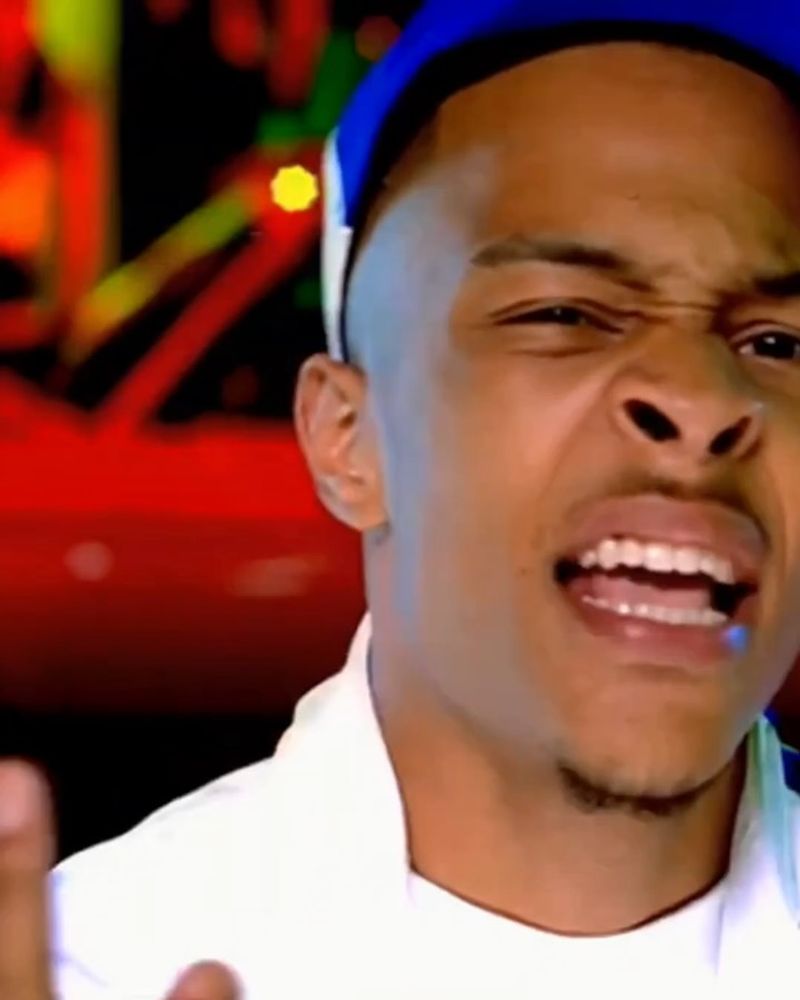
Big wheels gave this record its name, but ambition drives the whole thing. Released in 2003, T.I.’s breakout single connected car culture, street detail, and a sharp sense of self at a key moment for Atlanta.
DJ Toomp’s forceful production helped establish the sound surrounding the Trap Muzik album. The track did not invent trap alone, but it helped bring that world to more listeners.
Focus on T.I.’s controlled delivery against the beat’s much heavier, rolling power.
11. Never Scared – Bone Crusher Featuring Killer Mike and T.I.
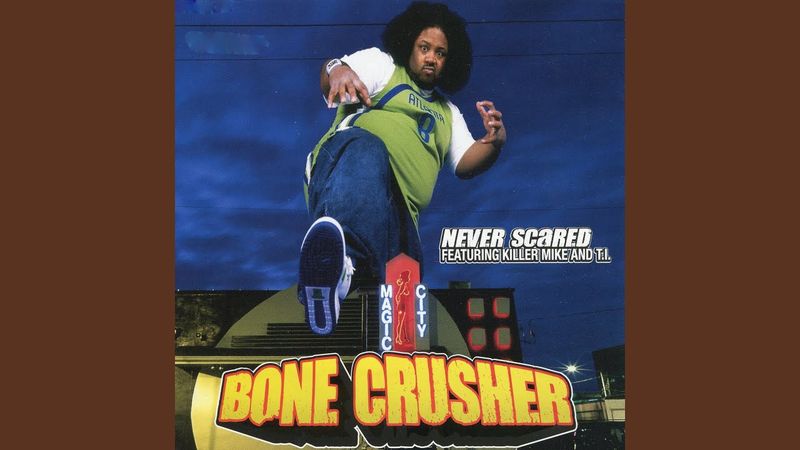
Bone Crusher sounds ready to shake the walls on his 2003 breakout. With Killer Mike and T.I. adding verses, Never Scared gathered three distinct Atlanta voices around a hook built for shouting back.
Its huge energy made it a natural fit for sports settings as well as clubs. The record captures crunk’s sense of release, where volume and attitude become part of the rhythm.
Compare each rapper’s entrance to hear how different styles can strengthen one explosive track.
12. My Hood – Jeezy
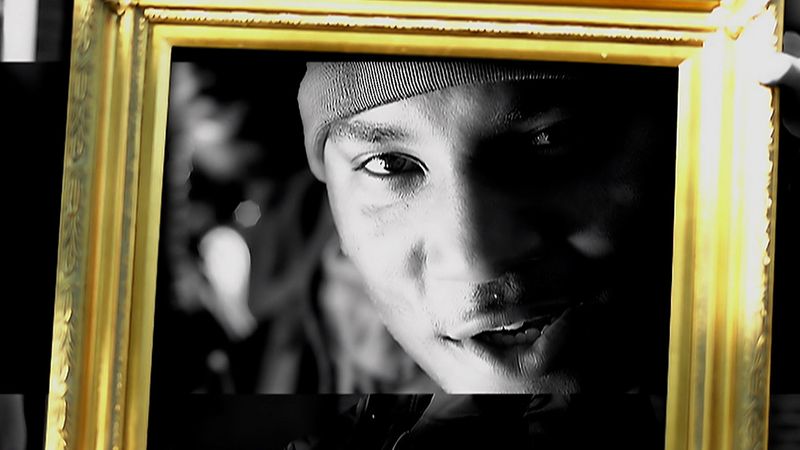
Neighborhood pride gives this anthem its heart. Appearing on Jeezy’s 2005 album Let’s Get It: Thug Motivation 101, My Hood pairs his gravelly voice with a bright, repeating melody and a hook about belonging.
Under the celebration are the pressures and hard realities that shaped his larger body of work. That mix helped make Jeezy a major voice in Atlanta trap.
Place it beside his darker songs to hear how warmth and struggle share space in his music.
13. Dey Know – Shawty Lo
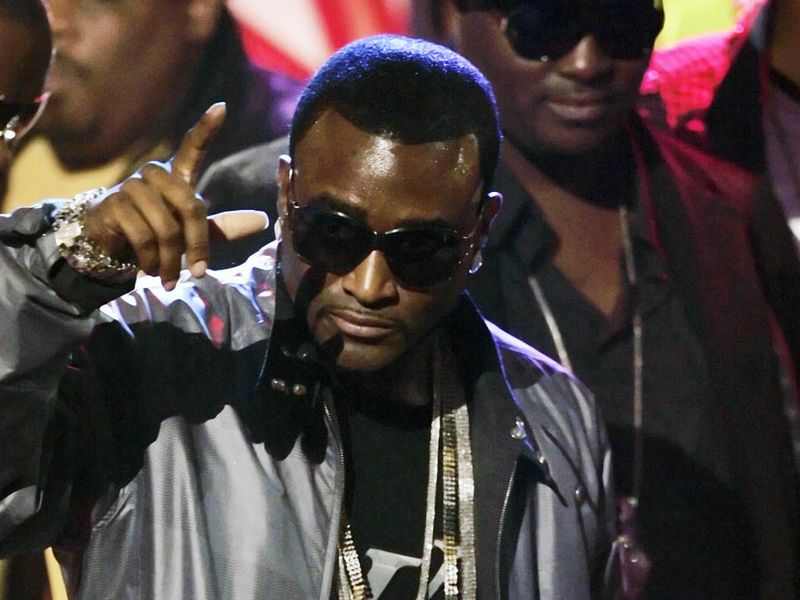
A bold brass opening announces Shawty Lo before his laid-back voice takes over. Released in 2007 ahead of his 2008 album Units in the City, Dey Know turned recognition and neighborhood loyalty into a memorable statement.
Already known through D4L, the Bankhead rapper brought a distinctly local identity to his solo work. The contrast is the draw: a grand beat meets a cool, unhurried delivery.
Hear how little he needs to rush to hold the listener’s attention throughout.
14. Southernplayalisticadillacmuzik – Outkast
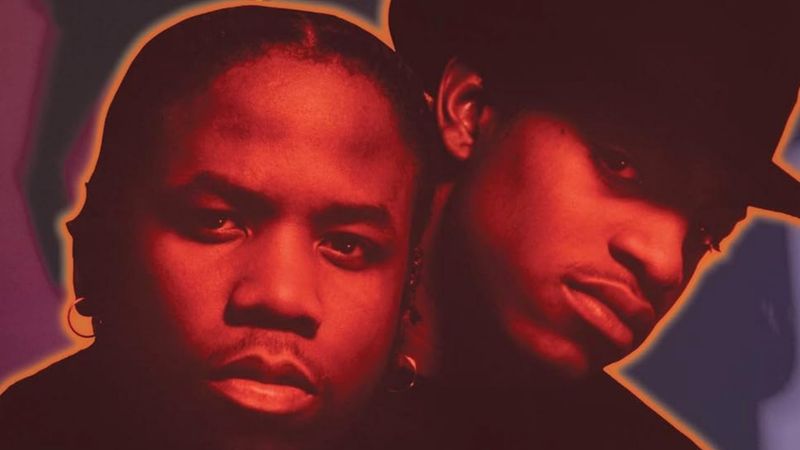
Warm funk, a cruising rhythm, and two young voices made a powerful first impression. The title track from Outkast’s 1994 debut helped introduce an Atlanta sound that felt rooted in Southern streets rather than borrowed from elsewhere.
Organized Noize’s production gives the music a rich, live feel. Big Boi and Andre bring different rhythms, yet sound fully connected.
Play it before ATLiens to hear the leap from earthy grooves to stranger territory without losing the duo’s shared hometown foundation.
15. Funkdafied – Da Brat
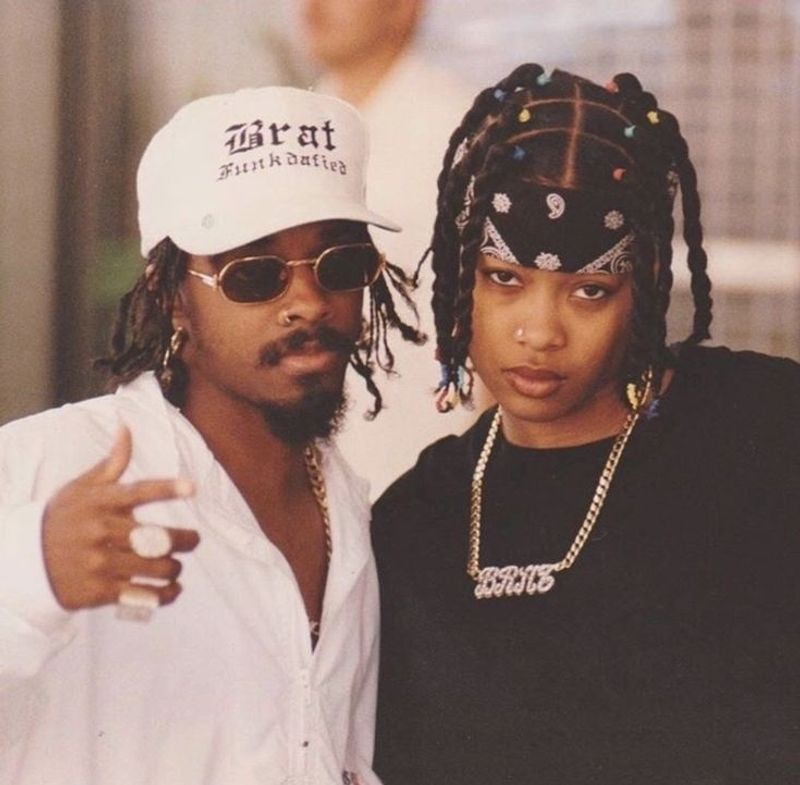
Chicago raised Da Brat, but Atlanta’s music business helped launch her breakthrough. Released in 1994 through Jermaine Dupri’s So So Def label, Funkdafied links her nimble rapping with his smooth, funk-heavy production.
That connection makes it part of Atlanta’s story without changing her hometown roots. The song samples the Isley Brothers’ Between the Sheets, giving its bounce a familiar warmth.
Listen for her quick phrasing against the relaxed groove, a pairing that makes confidence sound almost effortless throughout.