
A mountain getaway can turn an ordinary break into a story worth sharing. Across America, rugged peaks, clear lakes, and forest trails offer ways to explore, recharge, and try something new.
Whether you prefer a quiet paddle or a tough uphill hike, there is a mountain escape that fits your pace. Pack your curiosity, along with sturdy shoes, and find your next adventure.
1. Grand Teton National Park, Wyoming: Peaks Above the Water
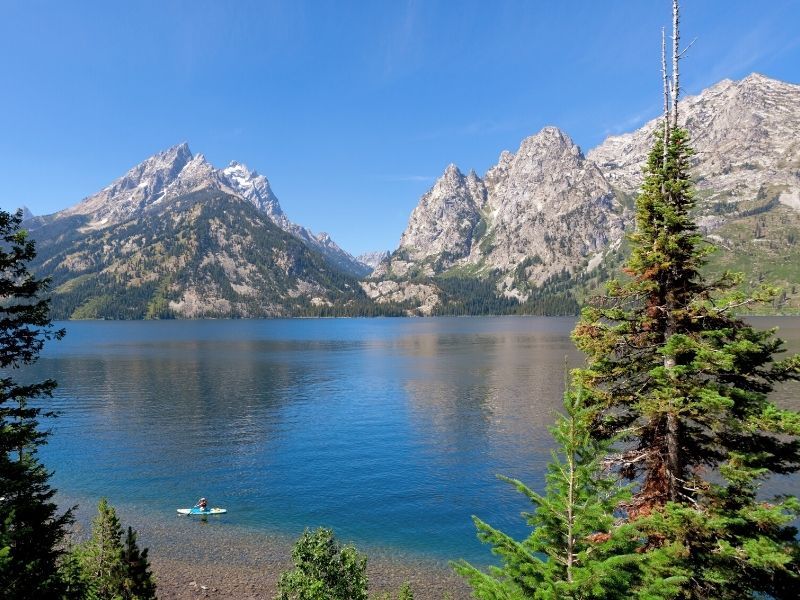
Sharp peaks rise above clear lakes here, making even a picnic feel like an adventure. Walk the roughly six mile Taggart and Bradley Lake Loop for forest paths and mountain views.
Prefer water to walking? Paddle Jenny Lake when conditions are calm, wearing a life jacket and watching for changing winds.
Nearby Jackson offers guided rafting and horseback rides. Keep your distance from moose and bison, and book summer campsites well ahead of your trip.
2. Telluride, Colorado: Big Adventures in the San Juans
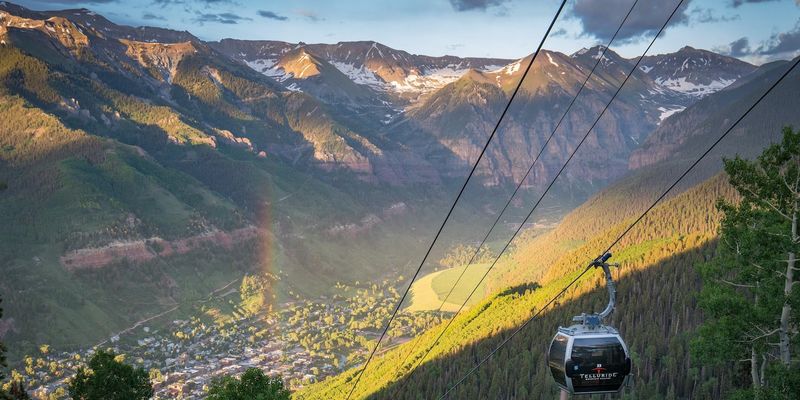
A gondola ride above town gives you a taste of the huge landscape surrounding Telluride. The San Juan Mountains hold bright meadows, cold lakes, and peaks that climb beyond 14,000 feet.
Summer brings hiking and mountain biking, while winter draws skiers to snowy slopes. Choose routes that match your fitness, since thin air can make climbing harder.
Start slowly, drink water, and check trail conditions before tackling a demanding outing such as the Blue Lakes hike.
3. Mount Mitchell, North Carolina: An Eastern High Point
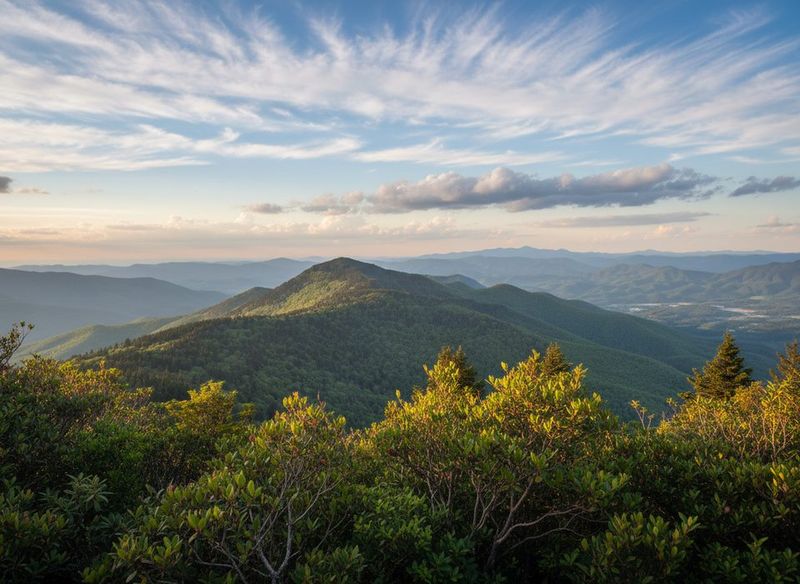
At 6,684 feet, the highest peak east of the Mississippi River offers a big reward without requiring a huge climb. A road leads near Mount Mitchell’s summit, followed by a short paved walk.
Experienced hikers can choose the steep Mount Mitchell Trail from Black Mountain Campground instead. Pack warm layers, even when valleys feel hot, and check current road and park access.
Clouds often hide the view, but the cool forest still makes the visit memorable.
4. Sierra Nevada, California and Nevada: Choose Your Mountain Playground
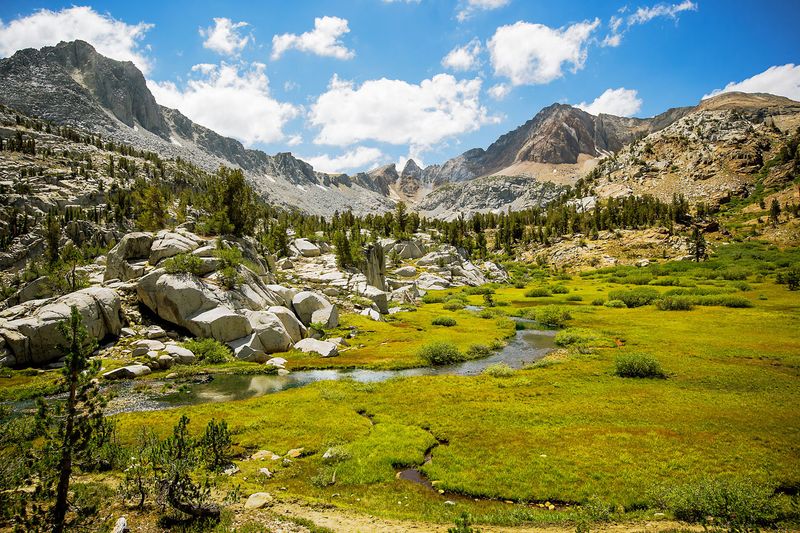
Granite cliffs, blue water, and snowy slopes make this mountain range feel like several vacations in one. Yosemite offers famous hiking scenery, Lake Tahoe mixes beach time with trails, and Mammoth Mountain adds biking and skiing.
Pick one base rather than racing between distant stops. Check campground bookings, entry rules, and seasonal road closures before leaving.
For bigger goals, including Mount Whitney or overnight wilderness trips, research permits early and build time for adjusting to altitude.
5. Ouray, Colorado: Rugged Days and Warm Soaks
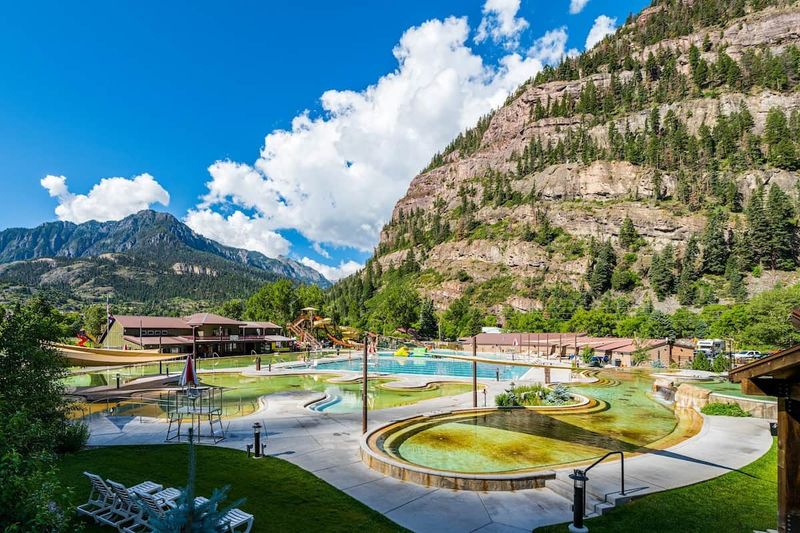
Few rewards beat a warm soak after a day beneath jagged peaks. Ouray pairs natural hot springs with mountain trails, scenic drives, and winter ice climbing at its well known ice park.
New climbers should book a qualified guide rather than attempt frozen routes alone. In summer, explore lower trails before trying longer climbs.
Mountain roads can be rough and exposed, so choose guided trips when driving conditions exceed your skills. Leave room for relaxing afterward.
6. Stanley, Idaho: Quiet Mornings Below the Sawtooths
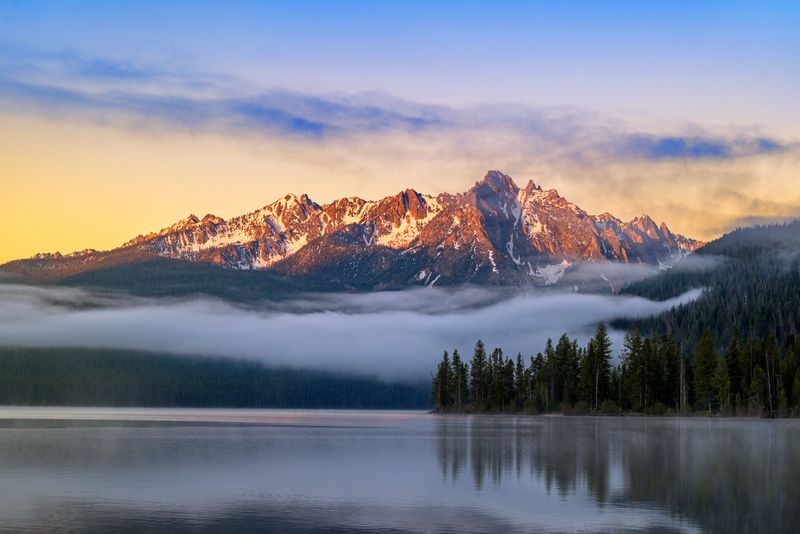
Wake early near Stanley and the Sawtooth Mountains may glow pink above a quiet lake. Redfish Lake is a handy starting point for paddling, beach time, and hikes into nearby wilderness.
Bring fishing gear if you have the required Idaho license, or join a guided river trip. Summer is best for many trails; winter brings deep snow and different demands.
Carry layers for cold nights, and download maps because phone service can fade beyond the town.
7. Whitefish, Montana: A Friendly Base for Wild Country
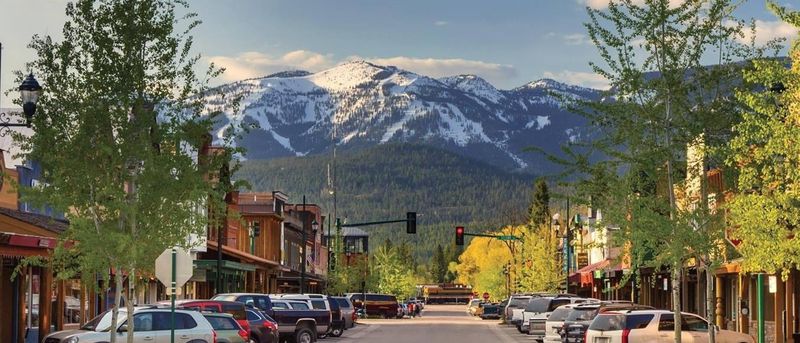
After a muddy hike, a welcoming mountain town can feel like the best part of the day. Whitefish offers that balance, with local dining, nearby lake outings, and access to Glacier National Park.
Winter shifts the action to Whitefish Mountain Resort for skiing and snowboarding. For Glacier visits, check current entry requirements and road openings before planning drives.
Carry bear spray on appropriate trails, know how to use it, and give wildlife plenty of personal space.
8. Lake Placid, New York: Olympic Spirit in the Adirondacks
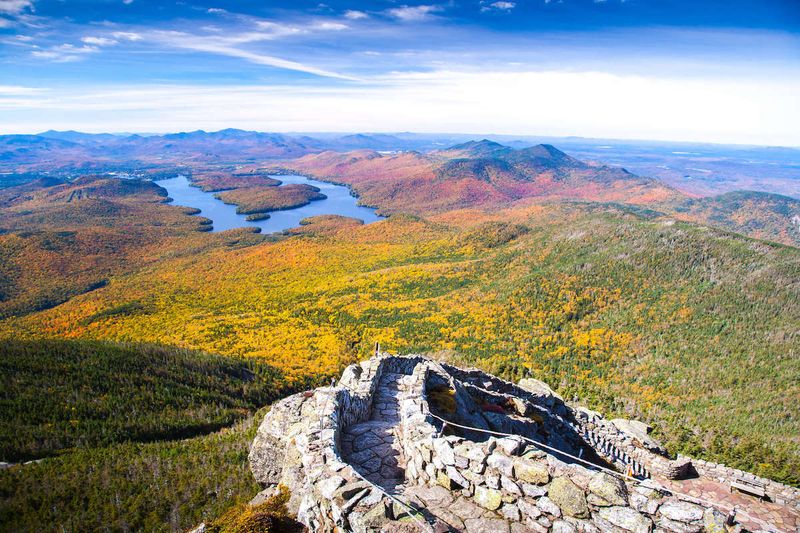
Olympic history adds extra excitement to a town already surrounded by woods and mountains. Lake Placid hosted the Winter Games twice, and visitors can explore sporting sites between outdoor outings.
Mount Jo offers a shorter hike with rewarding views, while Whiteface draws skiers and ambitious explorers. Adirondack trails can be rocky and muddy, so wear sturdy footwear.
Choose routes by difficulty, not distance alone, and carry a headlamp in case your walk takes longer than expected.
9. Taos, New Mexico: Desert Light Meets Alpine Trails
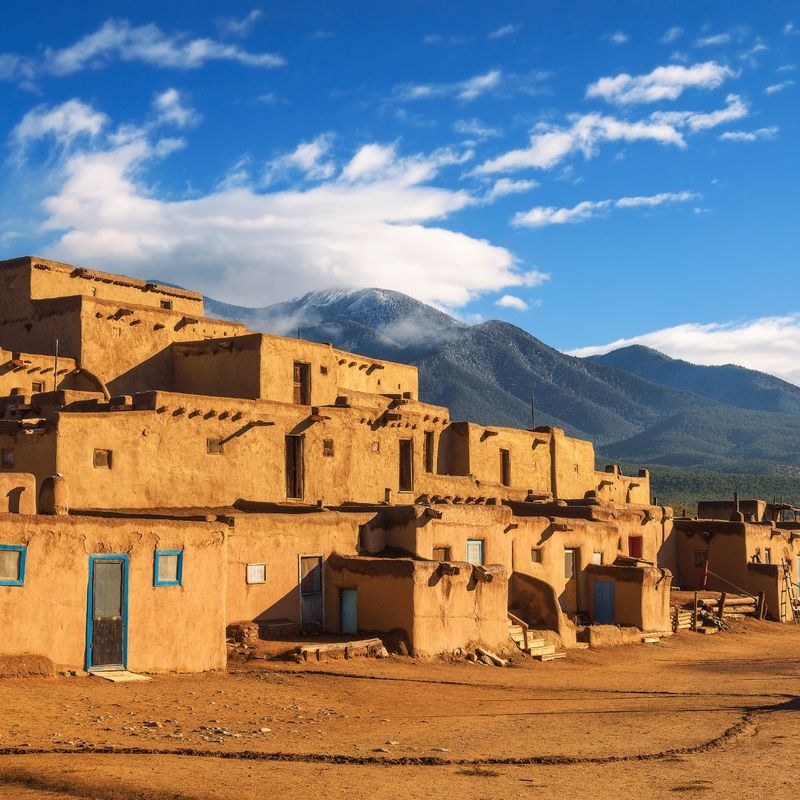
Golden desert light and snowy mountain slopes share the stage around Taos. The Sangre de Cristo Mountains offer summer hiking, while Taos Ski Valley attracts winter visitors with challenging terrain and beginner options.
Balance active days with local art, food, and a visit to the Rio Grande Gorge Bridge. Stay on designated walkways near the gorge.
Because the region sits high above sea level, take your first day gently and bring water, sunscreen, and warm layers.
10. Hood River, Oregon: Where Water and Mountains Meet
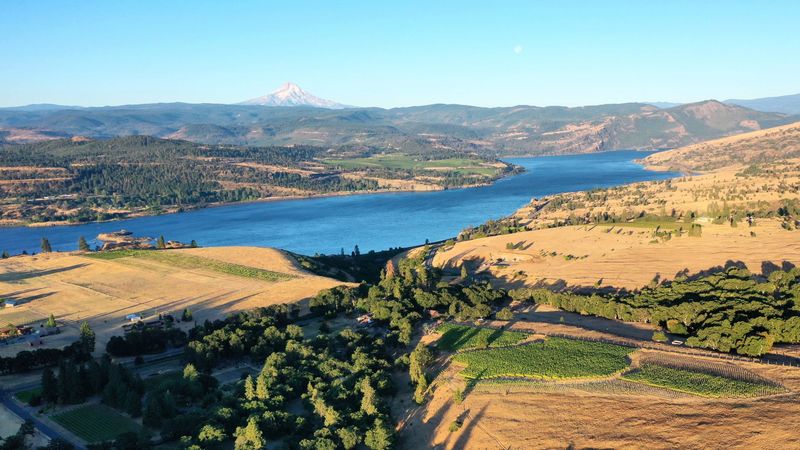
Wind across the Columbia River gives this escape an energy all its own. Hood River sits beside the gorge, within reach of waterfall walks, guided rafting trips, and mountain adventures around Mount Hood.
Try a lesson before taking on wind sports, or choose a guided outing for unfamiliar rivers. Trails and waterways are spread across the region, so check driving times carefully.
Pack a rain layer, and confirm access before heading toward areas affected by seasonal closures.
11. Estes Park, Colorado: Your Doorway to the Rockies
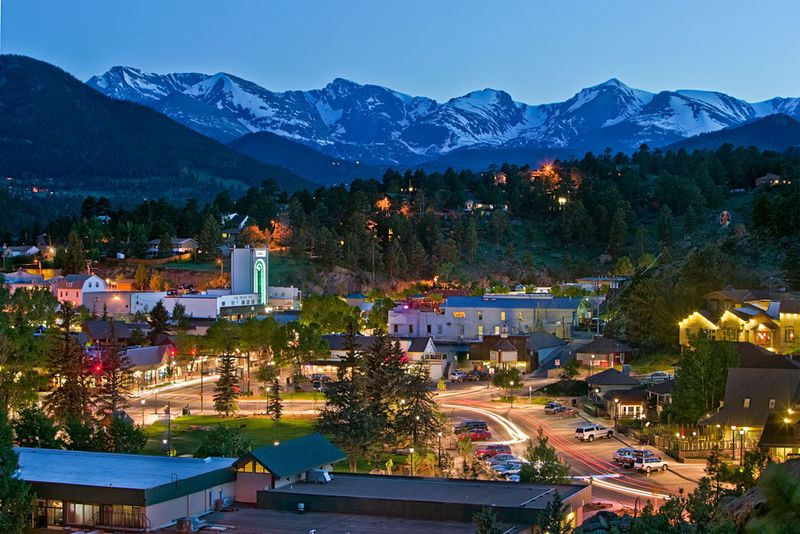
Elk grazing near town can make an ordinary morning feel wonderfully wild. Estes Park is a popular base for Rocky Mountain National Park, where lake trails and high viewpoints fill busy adventure days.
Check timed entry rules and shuttle options before visiting. Horseback rides and local fishing offer alternatives to long hikes, while rafting trips require travel to nearby rivers.
Keep mountain biking on permitted routes outside park trails, and never approach elk for a photograph.
12. Asheville, North Carolina: Trails With a Creative Side
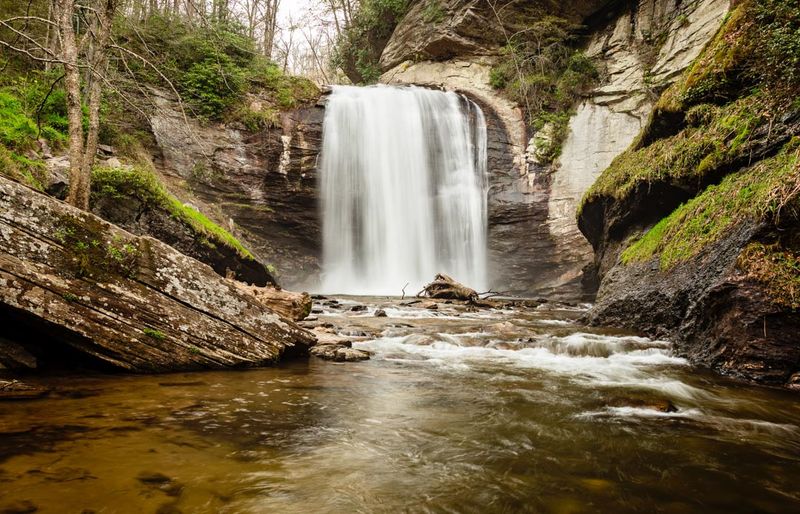
A morning on forest trails can end with good food and live music in Asheville. Nearby Pisgah National Forest and DuPont State Recreational Forest offer hikes, waterfalls, and mountain biking across varied terrain.
For river adventures, look into guided trips on the French Broad or Nantahala. More demanding routes, including the Art Loeb Trail, need careful planning and strong hiking skills.
Check storm related closures, respect posted signs, and select a shorter outing when conditions seem uncertain.
13. Gatlinburg, Tennessee: Misty Peaks and Playful Detours
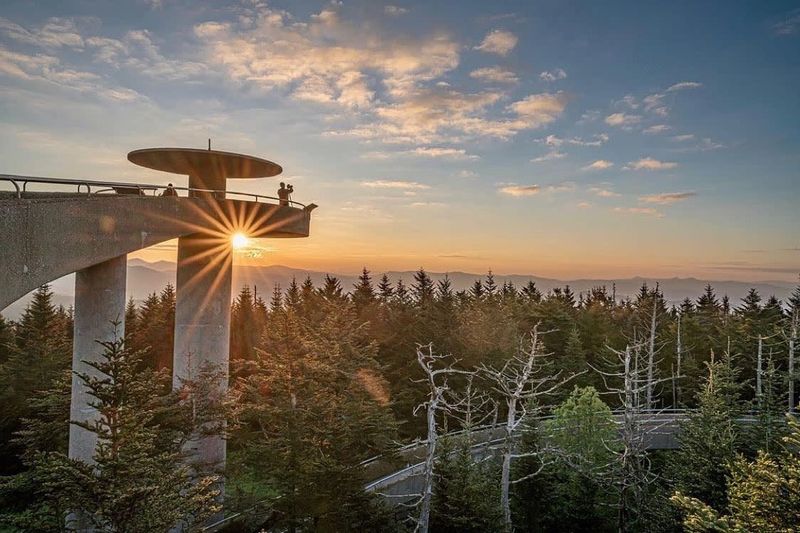
Blue layers of mountains stretch toward the horizon beyond Gatlinburg’s lively streets. Great Smoky Mountains National Park offers forest walks and high viewpoints, including Kuwohi, formerly known as Clingmans Dome.
The summit road opens seasonally, and the paved final climb is steep. Back in town, the SkyBridge adds a different kind of height challenge.
Arrive early for popular outings, check parking tag requirements for park stops, and remember that black bears need space, not snacks or selfies.
14. Sun Valley, Idaho: Classic Slopes and Open Trails
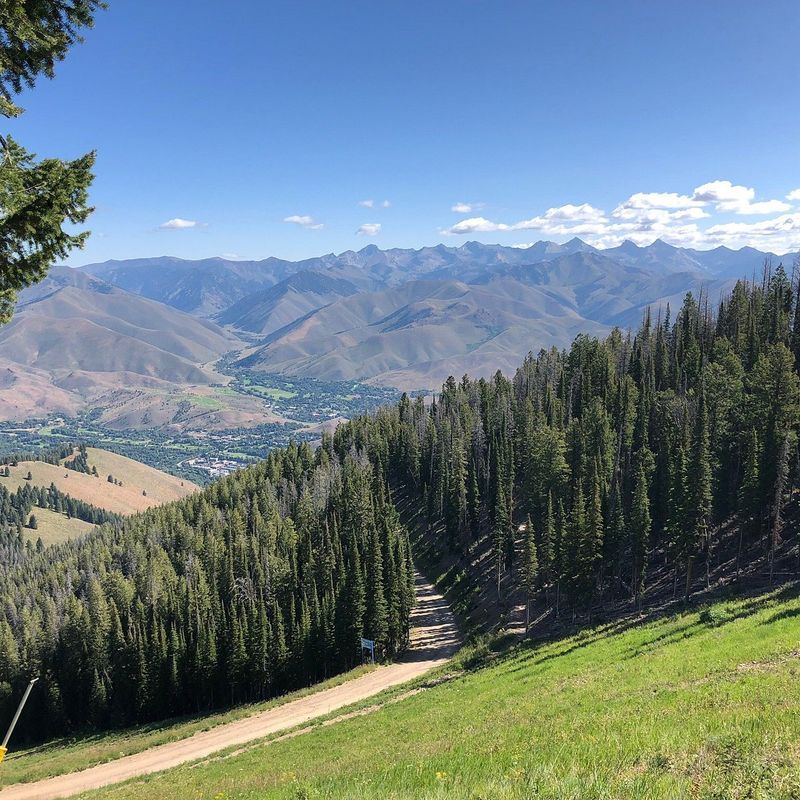
Ski history runs deep here, but the fun does not disappear when snow melts. Sun Valley and nearby Ketchum offer access to biking, hiking, and fishing in Idaho’s scenic Wood River Valley.
Bald Mountain is the famous winter draw, with terrain better suited to some abilities than others. Beginners should compare lesson options and suitable slopes before booking.
During summer, start rides early to avoid afternoon heat, and check trail rules before sharing paths with other users.
15. Mount Rainier National Park, Washington: Meadows Beneath a Giant
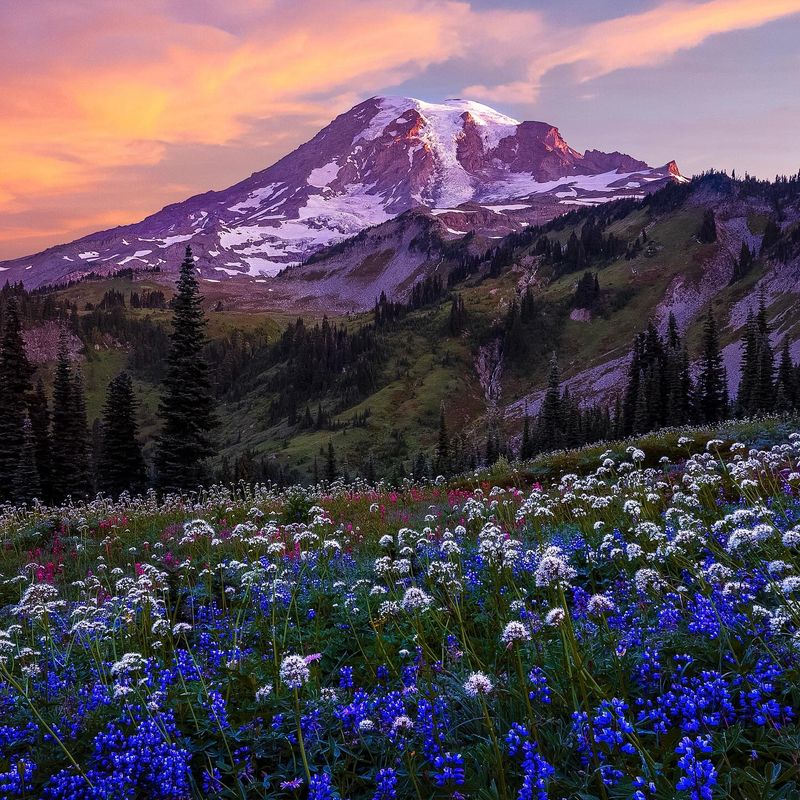
Wildflowers beneath a glacier covered volcano create a scene that hardly seems real. Summer trails around Paradise and Sunrise reveal Mount Rainier’s forests, meadows, and enormous snowy slopes.
Snow can linger well into the hiking season, so ask about conditions before choosing a route. Stay on marked paths to protect fragile plants.
Winter visits require extra preparation, with backcountry skiing demanding avalanche knowledge. Check access rules, carry essential supplies, and leave technical climbing to properly trained teams.