
Respect forms the foundation of every healthy relationship. Without it, even the strongest connection can start to crumble.
Sometimes disrespect shows up in obvious ways, but often it hides behind subtle behaviors that slowly chip away at your confidence and happiness. Recognizing these warning signs early helps you protect your emotional well-being and decide whether your relationship deserves your energy.
Understanding what true respect looks like can empower you to demand the treatment you deserve.
1. They Dismiss Your Feelings Without Listening
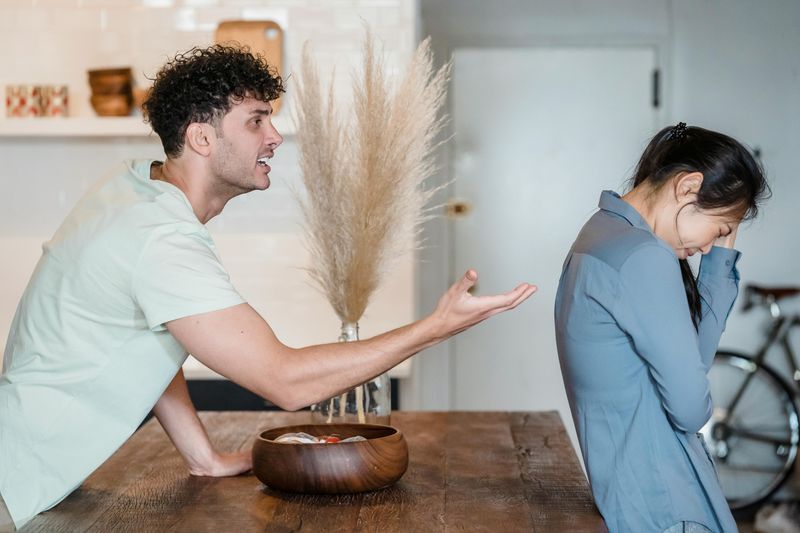
Brushing off your emotions as overreactions or unnecessary drama signals a serious lack of respect. When you share something important, your partner should pause and actually hear you out.
Instead, they might roll their eyes, change the subject, or tell you that you’re being too sensitive. This pattern makes you feel small and unimportant.
Emotional validation matters deeply in relationships. You deserve someone who takes your concerns seriously, even when they don’t fully understand them.
A respectful partner asks questions, shows empathy, and tries to see things from your perspective. They don’t make you feel foolish for having feelings.
Over time, constant dismissal teaches you to hide your true emotions. You start second-guessing yourself and wondering if your reactions are valid.
This creates an unhealthy dynamic where only one person’s feelings matter. You might notice yourself staying quiet during conflicts just to avoid being shut down again.
Healthy communication requires both people to feel heard and valued. Your partner doesn’t have to agree with everything you say, but they should respect your right to express yourself.
If conversations consistently leave you feeling ignored or belittled, that’s a red flag worth examining. Trust your instincts when something feels off.
Relationships thrive when both partners validate each other’s emotional experiences, creating a safe space for honest dialogue.
2. Your Opinions Don’t Matter in Decisions
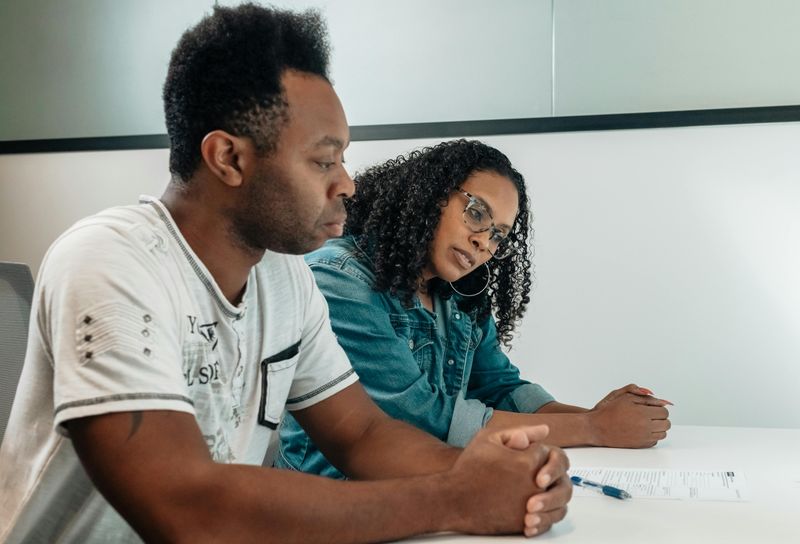
Big choices get made without your input, leaving you feeling like a passenger in your own relationship. Maybe your partner plans vacations, makes financial decisions, or even rearranges your shared space without asking what you think.
This one-sided approach sends a clear message that your preferences don’t carry weight.
Partnership means collaboration. Both people should have equal say in matters that affect their lives together.
When someone consistently excludes you from decision-making, they’re treating you like a subordinate rather than an equal. You might hear excuses like they’re just being efficient or they thought you wouldn’t care, but these justifications don’t hold up.
Notice how you feel when plans get announced rather than discussed. Do you experience frustration, helplessness, or resignation?
These emotions point to an imbalance that needs addressing. Respectful partners check in before committing to major changes, understanding that teamwork builds stronger relationships.
Sometimes this behavior starts small. They pick the restaurant every time or choose what to watch without asking.
Gradually, bigger decisions follow the same pattern. Before you know it, you’ve lost your voice entirely.
Speaking up early prevents this erosion of your agency. Your thoughts and preferences deserve consideration in every aspect of your shared life.
A truly respectful partner actively seeks your perspective and values your contributions to joint decisions.
3. They Mock You in Front of Others

Public humiliation disguised as jokes reveals deep disrespect. Your partner makes fun of your appearance, intelligence, or habits when friends or family are around.
They might laugh it off as harmless teasing, but the sting you feel is real. This behavior embarrasses you and damages your self-esteem in front of people who matter to you.
Playful banter between partners is normal and healthy. However, there’s a clear line between affectionate teasing and hurtful mockery.
Respectful teasing makes both people smile. Disrespectful mockery leaves one person feeling attacked while the other enjoys the attention.
Pay attention to whether these comments make you laugh or make you want to disappear.
Often, bringing up how these jokes hurt leads to more dismissal. They might accuse you of not having a sense of humor or being unable to take a joke.
This response adds insult to injury by making you the problem. A caring partner apologizes when they’ve crossed a line, not doubles down on the hurtful behavior.
Social settings amplify the damage because others witness your humiliation. You might start dreading gatherings, knowing you’ll become the punchline again.
This anxiety shouldn’t be part of healthy relationships. Your partner should build you up in public, not tear you down for laughs.
True respect means protecting your dignity, especially when an audience is watching.
4. Privacy Means Nothing to Them

Going through your phone, reading your messages, or demanding passwords shows a complete disregard for boundaries. Everyone deserves private spaces, even in committed relationships.
When your partner violates this privacy, they’re saying they don’t trust you and don’t respect your autonomy. This invasive behavior often gets justified as concern or love, but it’s neither.
Trust forms the bedrock of lasting relationships. Constantly monitoring someone’s communications signals insecurity and control rather than genuine care.
You shouldn’t have to prove your faithfulness by surrendering all privacy. A respectful partner understands that healthy individuals maintain some personal space and connections outside the relationship.
Maybe they scroll through your texts while you’re in the shower or ask detailed questions about every conversation you have. This surveillance creates an oppressive atmosphere where you feel constantly watched.
You might start deleting innocent messages just to avoid interrogation, which isn’t fair to you or your friends.
Boundaries protect relationships rather than threaten them. Having separate passwords, private conversations with friends, or personal journals doesn’t indicate disloyalty.
These things indicate that you’re a complete person with an identity beyond the relationship. Your partner should celebrate your independence, not try to eliminate it.
When someone respects you, they honor your need for privacy without making you feel guilty about maintaining reasonable boundaries in your shared life together.
5. Promises Get Broken Repeatedly
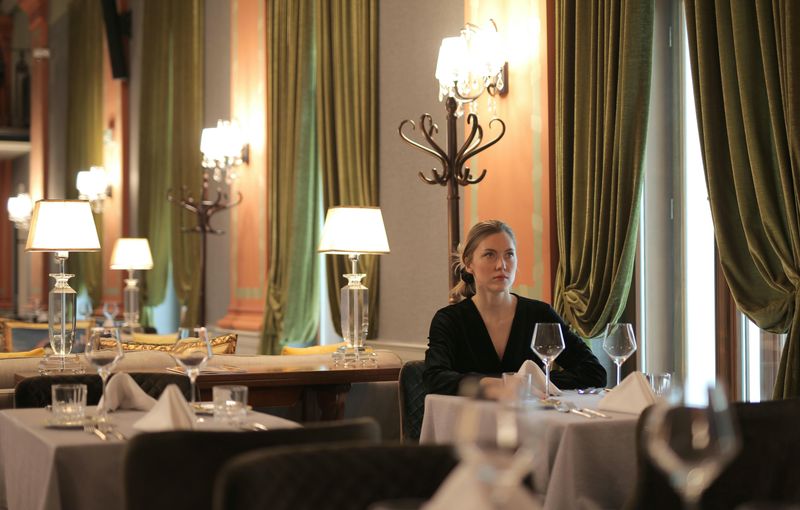
Words lose meaning when actions never follow through. Your partner commits to things but rarely delivers, whether it’s showing up on time, helping with chores, or keeping important promises.
Each broken commitment chips away at your trust and shows they don’t value their word to you. Respect means honoring the commitments you make to people you care about.
Everyone falls short occasionally. Life gets hectic, and mistakes happen.
The difference lies in patterns and responses. A respectful person acknowledges when they’ve let you down, apologizes genuinely, and makes real efforts to improve.
A disrespectful person makes excuses, blames circumstances, or acts like you’re unreasonable for expecting them to keep their word.
You might find yourself lowering expectations just to avoid disappointment. Planning anything together becomes stressful because you can’t count on them.
This unreliability extends beyond small inconveniences into significant moments. They miss important events, forget promises that matter to you, or cancel plans at the last minute without real remorse.
Reliability demonstrates respect in action. When someone consistently shows up for you, they’re proving that you matter.
Chronic flakiness sends the opposite message. You deserve a partner whose promises mean something, someone who treats commitments to you as seriously as they treat other obligations.
If you’re constantly making backup plans or preparing for disappointment, the relationship lacks a fundamental element of respect that healthy partnerships require.
6. Your Achievements Get Minimized

Accomplishments that should be celebrated get downplayed or ignored entirely. You land a promotion, finish a difficult project, or reach a personal goal, and your partner responds with indifference or finds ways to diminish it.
Maybe they change the subject quickly or point out someone who did something bigger. This reaction stings when you expected support and pride.
Supportive partners amplify each other’s successes. They understand that celebrating your wins doesn’t diminish their own worth.
When someone consistently minimizes your achievements, jealousy or insecurity might be driving their behavior. Regardless of the reason, this response shows disrespect for your hard work and growth.
Sometimes the minimization is subtle. They might offer faint praise followed by criticism, or they’ll immediately redirect attention to their own accomplishments.
Other times, they’re openly dismissive, suggesting your achievement isn’t that impressive or that you just got lucky. Either way, you end up feeling deflated instead of proud.
Your victories deserve genuine enthusiasm from your partner. They should be your biggest cheerleader, not your harshest critic.
Sharing good news should bring you joy, not anxiety about how they’ll react. A relationship built on mutual respect includes celebrating each other’s growth and success without competition or resentment.
If your accomplishments consistently receive cold shoulders rather than warm congratulations, you’re missing a vital component of a loving partnership that honors both people equally.
7. They Interrupt and Talk Over You

Conversations feel like competitions where only one voice gets heard. Your partner cuts you off mid-sentence, finishes your thoughts incorrectly, or talks over you like your words don’t matter.
This pattern makes simple discussions exhausting and leaves you feeling invisible. Speaking shouldn’t require fighting for airtime in your own relationship.
Interrupting occasionally happens to everyone, especially during exciting or emotional conversations. Chronic interruption is different.
It reflects a belief that what they’re saying is more important than what you’re trying to express. When you point this out, they might not even realize they’re doing it, which shows how little attention they pay to your communication needs.
You might notice this behavior worsens around other people. Your partner dominates conversations, speaks for you, or corrects you in front of others.
This public silencing is particularly disrespectful because it positions them as the authority and you as secondary. You deserve to express yourself fully without someone constantly cutting in.
Respectful communication involves turn-taking and active listening. Both partners should feel comfortable sharing thoughts without battling for space.
If you’ve started staying quiet just to avoid being interrupted, or if you rehearse what you’ll say to get it out quickly, something is seriously wrong. Your voice matters just as much as theirs does.
A truly respectful partner makes room for your words and genuinely listens when you speak.
8. Your Time Isn’t Valued

Chronic lateness and last-minute cancellations show they don’t prioritize your schedule. You rearrange your day to accommodate them, but they treat your time as infinitely flexible and less important than their own.
Waiting becomes a regular part of your relationship, and the message is clear: their time matters more than yours does.
Respecting someone’s time is respecting them as a person. We all have the same 24 hours, and how we use them reflects our priorities.
When your partner consistently shows up late without apology or cancels plans without consideration, they’re demonstrating that other things rank higher than you. This pattern breeds resentment and frustration over time.
Maybe they keep you waiting at restaurants, pick you up late, or make you miss events because they couldn’t be ready on time. Their excuses might sound reasonable individually, but the pattern tells the real story.
Meanwhile, they probably expect you to be punctual and available when it suits them. This double standard is particularly disrespectful.
Your time has value. Whether you’re working, pursuing hobbies, or simply resting, those hours belong to you.
A respectful partner understands this and makes genuine efforts to honor commitments and show up when they say they will. If you’re constantly accommodating their schedule while yours gets ignored, the relationship lacks balance.
You shouldn’t have to beg for basic consideration regarding your time and availability.
9. Boundaries Get Crossed Deliberately

You’ve clearly stated your limits, but your partner ignores them anyway. Maybe you’ve asked them not to share certain personal information, to knock before entering rooms, or to avoid specific topics.
Despite your clear communication, they continue crossing these lines. This deliberate disregard shows they don’t take your needs seriously.
Boundaries aren’t punishments or unreasonable demands. They’re healthy guidelines that protect your well-being and autonomy.
When someone repeatedly violates boundaries you’ve expressed, they’re essentially saying their desires matter more than your comfort. This power dynamic creates an unsafe environment where you can’t relax or trust that your wishes will be honored.
Sometimes boundary violations come with gaslighting. They might claim you never told them, that you’re being too rigid, or that you’re overreacting.
This response compounds the disrespect by making you question your own memory and judgment. A respectful partner remembers your boundaries and makes genuine efforts to honor them, even when they don’t fully understand the reasoning.
Setting boundaries should strengthen relationships, not damage them. Your limits deserve respect regardless of whether your partner agrees with them.
You have the right to decide what feels comfortable for you physically, emotionally, and mentally. If expressing boundaries leads to arguments, violations, or dismissal, you’re dealing with someone who doesn’t respect your autonomy.
Healthy love honors the lines you draw to protect yourself.
10. Apologies Are Rare or Insincere

Everyone makes mistakes in relationships. The difference between respectful and disrespectful partners shows up in how they handle those errors.
Your partner rarely apologizes, and when they do, it feels hollow or comes with qualifications. You might hear things like sorry you feel that way or sorry, but you also, which aren’t real apologies at all.
Genuine apologies include acknowledgment of wrongdoing, expression of remorse, and commitment to change. They don’t include justifications, blame-shifting, or conditions.
When someone respects you, they take responsibility for their actions and the hurt those actions caused. They don’t make you work to extract an apology or turn the situation around to make themselves the victim.
You might notice that you’re always the one apologizing, even for things that weren’t your fault. This imbalance happens because you’re willing to take responsibility while they avoid it.
Over time, this dynamic makes you feel like everything wrong in the relationship is somehow your fault. That’s an unfair and inaccurate burden to carry alone.
Accountability strengthens relationships by showing both people are committed to growth and repair. Without it, resentment builds with each unaddressed hurt.
You deserve a partner who owns their mistakes, offers sincere apologies, and follows through with changed behavior. If sorry is a word you rarely hear, or if apologies always come with excuses, you’re experiencing a fundamental lack of respect that prevents genuine healing and connection.
