
Healthy relationships aren’t just about grand gestures or exciting adventures together. The real foundation lies in something quieter and more powerful: emotional safety.
When you feel emotionally safe with someone, you can be your authentic self without fear of judgment or rejection. You don’t have to walk on eggshells or hide parts of who you are.
This kind of security creates a bond where both people can grow, express themselves freely, and face challenges together. Recognizing the signs of emotional safety helps you understand whether your relationship is truly built to last, or if there’s work to be done to strengthen your connection.
1. You Can Share Your Fears Without Being Dismissed

Opening up about what scares you takes courage. In emotionally safe relationships, your partner listens when you voice your worries instead of brushing them aside or making you feel foolish.
They understand that your fears are valid, even if they seem small to someone else.
When you mention feeling anxious about a work presentation or worried about a family situation, your partner doesn’t respond with “you’re overreacting” or “that’s nothing to worry about.” Instead, they acknowledge how you feel and offer comfort or practical support. This validation matters tremendously because it tells you that your emotional experiences are important.
Partners who create emotional safety recognize that dismissing fears damages trust. They might not always understand exactly why something bothers you, but they respect that it does.
This acceptance builds a foundation where vulnerability becomes easier over time. You stop second-guessing whether you should mention something that’s troubling you.
The beautiful part about this dynamic is how it strengthens both people. When you feel heard, you’re more likely to listen attentively when your partner shares their concerns.
This mutual respect for each other’s emotional landscape creates a cycle of support that deepens your connection and makes facing life’s challenges together feel manageable rather than overwhelming.
2. Disagreements Don’t Escalate Into Personal Attacks
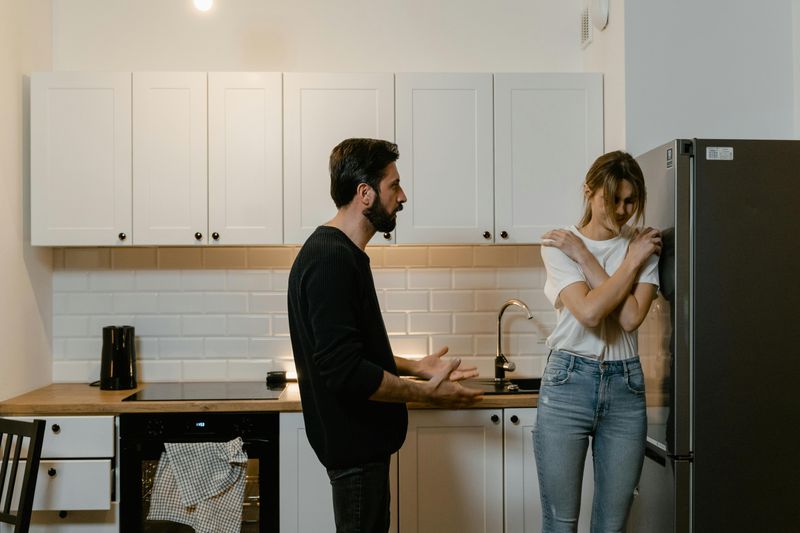
Arguments happen in every relationship, but how you argue reveals everything about emotional safety. When conflicts arise in secure partnerships, both people stick to the actual issue rather than attacking each other’s character.
Nobody’s calling names, bringing up past mistakes, or saying hurtful things they can’t take back.
Your partner might be frustrated about household chores or disappointed about canceled plans, but they express this without making you feel like a terrible person. They say “I feel overwhelmed when the dishes pile up” instead of “you’re so lazy and inconsiderate.” This distinction might seem small, but it’s actually enormous in maintaining respect and safety.
Emotionally safe disagreements focus on finding solutions rather than winning. Both people can express their perspectives without fear that the other will use those words as ammunition later.
You don’t worry that being honest about your feelings will lead to a blowup or days of silent treatment.
What makes this sign particularly telling is consistency. Anyone can stay calm during one disagreement, but emotionally safe relationships maintain this respect even during heated moments.
You both understand that preserving the relationship matters more than being right. This approach transforms conflicts from relationship-threatening events into opportunities for understanding each other better and strengthening your bond through honest communication.
3. Your Partner Remembers Small Details About Your Life

Attention to detail speaks volumes about how much someone values you. When your partner remembers that you have an important meeting on Thursday or that you’ve been worried about your friend’s health situation, it shows they’re genuinely engaged in your life.
These aren’t grand gestures but quiet demonstrations of care.
Maybe they pick up your favorite snack at the store without being asked, or they remember you mentioned wanting to see a particular movie months ago. They know which coworker has been giving you trouble and ask how that situation is going.
This attentiveness creates a feeling of being truly seen and valued.
Remembering details isn’t about having a perfect memory. It’s about paying attention because someone matters to you.
Your partner might forget where they put their keys, but they remember that you’re nervous about an upcoming dental appointment. They recall that you prefer your coffee a certain way or that you’ve been looking forward to a specific book release.
This sign of emotional safety makes daily life feel warmer and more connected. You don’t have to constantly remind your partner about what’s happening in your world because they’re already tuned in.
They ask follow-up questions about things you mentioned days earlier, showing that your conversations stay with them. This ongoing attention builds a sense of being cherished that goes far beyond occasional romantic gestures.
4. Silence Between You Feels Comfortable, Not Awkward

Not every moment needs to be filled with conversation or activity. Emotionally safe relationships embrace quiet moments without anyone feeling pressured to break the silence.
You can sit together, each doing your own thing, and it feels perfectly natural rather than uncomfortable.
Think about those evenings when you’re both reading, or one person is working while the other scrolls through their phone. There’s no tension in the air, no feeling that someone should say something.
The silence isn’t loaded with unspoken resentment or awkwardness. Instead, it’s the kind of peaceful quiet that comes from being completely at ease with another person.
This comfort with silence shows a deep level of acceptance. You don’t need to constantly entertain each other or prove your connection through non-stop interaction.
Simply being in the same space provides a sense of companionship and security. Your presence alone is enough.
Many people struggle with silence in relationships, feeling like they need to fill every gap with words. But emotional safety allows for those natural pauses and quiet stretches.
You can enjoy activities separately while still feeling connected. This sign indicates that your relationship isn’t based on constant stimulation or performance but on genuine comfort with each other’s presence, which is one of the most underrated yet powerful indicators of a truly secure partnership.
5. You Can Admit Mistakes Without Fearing Harsh Judgment

Nobody’s perfect, and emotionally safe relationships acknowledge this reality with grace. When you mess up, whether it’s forgetting an important date or making a poor decision, you can own it without dreading your partner’s reaction.
You know they’ll be disappointed or frustrated, but you don’t fear they’ll make you feel worthless.
Your partner responds to mistakes with understanding rather than condemnation. They might be upset about what happened, but they separate the action from your worth as a person.
This distinction allows you to take responsibility without becoming defensive. You can say “I’m sorry, I should have handled that differently” and know it will be received with acceptance.
This safety around imperfection encourages personal growth. When you’re not terrified of admitting errors, you’re more likely to recognize them, learn from them, and make changes.
You don’t waste energy hiding mistakes or making excuses because honesty feels safer than concealment.
The flip side matters equally: your partner can also admit when they’re wrong without you holding it over them forever. You both understand that mistakes are learning opportunities, not character flaws.
This mutual acceptance of human imperfection creates an environment where both people can be authentic, take risks, and grow without the constant fear of judgment that stifles so many relationships and prevents genuine intimacy from developing fully.
6. Your Achievements Are Celebrated, Not Minimized
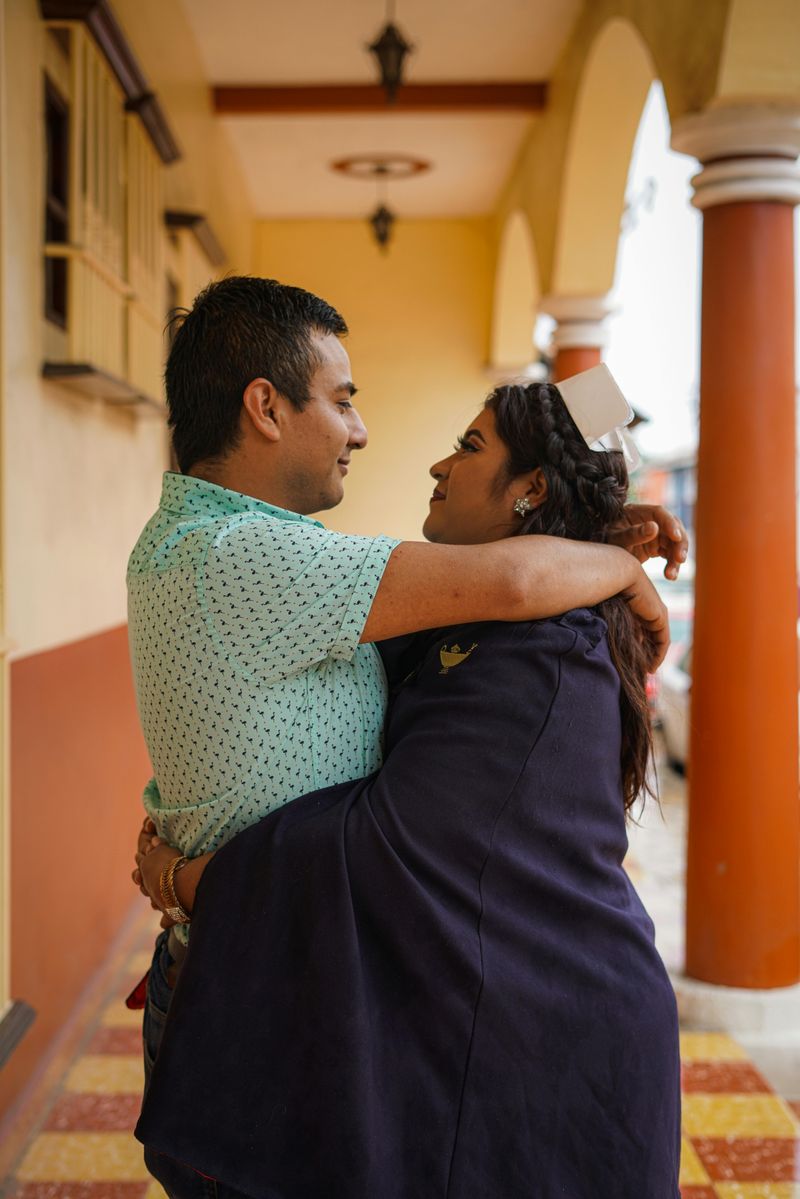
Success tastes sweeter when someone you love genuinely celebrates with you. In emotionally safe relationships, your partner feels excited about your accomplishments rather than threatened by them.
They don’t downplay your achievements or shift the focus back to themselves when you share good news.
When you get that promotion, finish a challenging project, or reach a personal goal, your partner’s first reaction is happiness for you. They don’t immediately compare it to their own achievements or point out why it’s not that impressive.
Their pride in you is authentic and enthusiastic, making your success feel even more meaningful.
This supportive response extends to all areas of life, big and small. Whether you’ve mastered a new recipe, gotten a compliment from your boss, or finally finished that book you’ve been reading, your partner acknowledges these moments.
They understand that what matters to you should matter to them, regardless of the scale.
Celebrating achievements together strengthens your bond because it shows you’re truly on the same team. Your partner’s success doesn’t diminish yours, and vice versa.
This abundance mindset, where there’s enough happiness and recognition to go around, creates an environment where both people can thrive. You feel encouraged to pursue goals and share your progress because you know you’ll receive genuine support rather than jealousy or indifference that damages connection.
7. Boundaries Are Respected Without Resentment

Everyone needs personal space and limits, even in the closest relationships. Emotional safety means your partner respects your boundaries without making you feel guilty for having them.
When you say you need some alone time or aren’t comfortable with something, they accept this without taking it personally.
Maybe you need quiet time after work to decompress, or perhaps certain topics feel too personal to discuss right away. Your partner doesn’t push, pry, or make you feel bad for these limits.
They understand that boundaries aren’t rejections but healthy expressions of self-awareness and self-care.
This respect goes both ways. You honor your partner’s boundaries too, recognizing that they have their own needs for space, privacy, or limits on certain activities or conversations.
Neither person views boundaries as obstacles to intimacy but as necessary frameworks that actually enable deeper connection by preventing resentment.
What makes this particularly important is how boundaries are communicated and received. In emotionally safe relationships, you can state a boundary clearly without elaborate justifications or apologies.
Your partner might not always understand why you need something, but they respect it anyway. This mutual honoring of limits prevents the buildup of frustration that occurs when people feel pressured to ignore their own needs.
It creates a relationship where both people feel respected as individuals, not just as halves of a couple.
8. Apologies Are Genuine and Lead to Changed Behavior

Words matter, but actions matter more. In emotionally safe relationships, apologies aren’t just empty phrases meant to end an argument quickly.
When your partner says “I’m sorry,” they mean it, and more importantly, they work on not repeating the same hurtful behavior.
Real apologies involve acknowledging what went wrong, taking responsibility without excuses, and showing genuine remorse. Your partner doesn’t say “I’m sorry you feel that way” or “I’m sorry, but you also…” which aren’t actually apologies at all.
They own their part in the situation completely and express understanding about how their actions affected you.
The true test of emotional safety comes after the apology. Your partner makes concrete efforts to change the problematic behavior.
If they apologized for interrupting you constantly, you notice them catching themselves and making space for you to finish speaking. This follow-through demonstrates that the apology was sincere, not just a strategy to move past conflict.
You also offer the same genuine apologies when you’re at fault. Both people in the relationship understand that sorry means nothing without changed behavior.
This mutual commitment to growth and accountability creates trust that words alone could never build. You know that when your partner apologizes, they’re not just trying to smooth things over temporarily but are genuinely committed to being better, which makes forgiveness easier and rebuilding trust possible.
9. You Don’t Feel the Need to Monitor Their Phone or Social Media

Trust forms the bedrock of emotional safety, and nothing reveals trust like how comfortable you feel with your partner’s privacy. When you don’t experience constant urges to check their messages, scroll through their social media, or question who they’re talking to, it signals deep security in your relationship.
This comfort doesn’t mean you’re naive or ignoring red flags. Rather, your partner’s behavior consistently demonstrates trustworthiness.
They’re open about their friendships, don’t hide their phone screen when you walk by, and include you in their life naturally. You don’t feel excluded or suspicious because there’s nothing to suspect.
Emotionally safe relationships don’t require surveillance or detective work. Your partner volunteers information about their day, mentions people they’ve talked to, and doesn’t create mysterious gaps in their schedule.
This transparency isn’t because you’ve demanded it but because they naturally want to share their life with you.
The absence of monitoring behaviors indicates that both people feel secure. Neither of you is operating from a place of fear or control.
You trust each other to maintain appropriate boundaries with others and to be honest about your interactions. This trust develops over time through consistent, reliable behavior that proves itself again and again.
When this foundation exists, you can both maintain individual friendships and activities without the relationship feeling threatened or either person feeling anxious about betrayal.
10. Your Partner Supports Your Growth, Even When It’s Inconvenient

Growth sometimes requires sacrifice, and emotionally safe partners understand this reality. When you want to pursue a new career path, take a class, or develop a hobby that requires time and energy, your partner encourages you even if it means adjustments to your routine together.
Maybe you’ve decided to go back to school, which means less free time and tighter finances. Your partner doesn’t guilt you about how this affects them but instead asks how they can help you succeed.
They recognize that supporting your personal development strengthens both you as an individual and your relationship as a whole.
This support extends to changes that might feel threatening to some partners. If you’re becoming more confident, making new friends, or developing skills they don’t share, an emotionally safe partner celebrates these changes rather than feeling insecure.
They want you to become the fullest version of yourself, not a limited version that makes them more comfortable.
The key difference is that this support flows both ways. You encourage your partner’s growth too, even when their new interests or goals require compromise from you.
You both understand that people who stop growing often become resentful or unfulfilled. By championing each other’s development, you create a relationship where both people can evolve while staying connected.
This forward-moving dynamic keeps the relationship vibrant and prevents the stagnation that occurs when partners hold each other back out of fear or selfishness.