
Strong relationships don’t happen by accident. They’re built through small, intentional actions that couples practice every single day.
Emotionally resilient couples understand that love isn’t just a feeling but a series of choices that strengthen their bond through both good times and challenges. These daily habits create a foundation of trust, understanding, and connection that helps partnerships weather any storm.
When couples commit to these practices, they build something truly lasting.
1. Morning Check-Ins Before the Day Begins
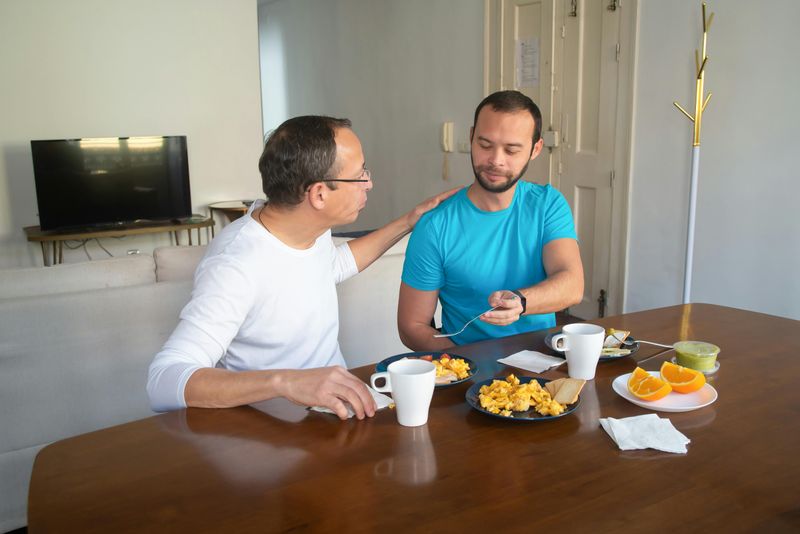
Starting the day with a brief conversation sets the tone for everything that follows. Resilient couples take just five minutes each morning to connect before diving into their busy schedules.
This isn’t about solving problems or planning logistics.
Instead, it’s a moment to acknowledge each other’s presence and share how you’re feeling. Maybe one partner has a big presentation at work, or the other didn’t sleep well.
These small details matter because they help you understand what your partner needs that day.
The beauty of morning check-ins lies in their simplicity. You’re not committing hours of time, just a few genuine minutes of attention.
Some couples do this over coffee, others while getting ready for work. The location doesn’t matter as much as the consistency.
When you make this a habit, you’re telling your partner they’re your priority before the world demands your attention. This practice prevents misunderstandings and creates emotional safety.
You’re building a bridge between your individual experiences and your shared life.
Over time, these brief moments accumulate into a deeper understanding of each other’s inner worlds and daily realities.
2. Expressing Gratitude for Small Things

Appreciation transforms ordinary moments into meaningful connections. Couples who regularly express gratitude for everyday actions strengthen their emotional bond in powerful ways.
This goes beyond saying thank you for grand gestures or special occasions.
Resilient partners notice when their loved one unloads the dishwasher, picks up groceries, or simply listens after a tough day. Acknowledging these small contributions prevents them from becoming invisible or expected.
When you verbalize appreciation, you’re recognizing your partner’s effort and intention.
Gratitude works like emotional glue in relationships. It reminds both people that their actions matter and are noticed.
Research shows that couples who practice regular appreciation report higher satisfaction and deeper connection. The act itself takes seconds but creates lasting positive feelings.
Try being specific rather than generic. Instead of just saying thanks, mention exactly what you appreciated and why it mattered.
This specificity shows you’re truly paying attention. Some couples keep gratitude journals, while others simply make it part of their evening routine.
Whatever method works, the key is consistency and sincerity in recognizing each other’s daily contributions.
3. Physical Touch Throughout the Day

Human touch communicates what words sometimes cannot. Emotionally strong couples maintain physical connection even during mundane daily activities.
A quick hug when leaving for work, holding hands while watching television, or a gentle shoulder touch while passing in the hallway all send powerful messages of love and security.
These small physical gestures activate our nervous system in ways that reduce stress and increase feelings of safety. Touch releases oxytocin, often called the bonding hormone, which strengthens emotional attachment between partners.
You don’t need elaborate romantic gestures to benefit from this connection.
The key is making physical affection a natural part of your daily routine rather than something reserved for special moments. Resilient couples understand that consistent, non-sexual touch maintains intimacy and warmth in their relationship.
It’s about staying connected to your partner’s physical presence.
Even during disagreements or busy periods, maintaining some level of gentle physical contact helps preserve your bond. A hand on the back, sitting close together, or a brief kiss goodbye all reinforce that you’re a team.
These touches become a language of their own, speaking volumes about care and commitment without requiring any words at all.
4. Listening Without Planning Your Response

True listening requires putting your own thoughts on hold. Many people hear words while simultaneously preparing what they’ll say next, which creates a barrier to genuine understanding.
Resilient couples practice what psychologists call active listening, where the focus stays entirely on comprehending their partner’s message.
This means resisting the urge to interrupt, fix problems, or share similar stories from your own experience. Sometimes your partner just needs to be heard and validated rather than given solutions.
When you listen with full presence, you’re giving an incredible gift of attention and respect.
Watch for non-verbal cues as well as spoken words. Notice tone, body language, and emotions beneath the surface.
Ask clarifying questions that show you’re trying to understand their perspective rather than preparing your counterargument. Phrases like “What I’m hearing is” or “Help me understand” demonstrate genuine curiosity.
This habit prevents countless misunderstandings and arguments. When both partners feel truly heard, they’re more willing to be vulnerable and share deeper feelings.
The practice strengthens emotional intimacy because it creates a safe space for authentic expression without judgment or immediate reaction.
5. Taking Responsibility for Your Emotions

Blaming your partner for how you feel creates toxic patterns that erode trust. Emotionally mature couples recognize that while others can trigger emotions, each person ultimately owns their feelings and reactions.
This doesn’t mean suppressing emotions or pretending everything is fine when it’s not.
Rather, it means using “I feel” statements instead of “You made me feel” accusations. This subtle shift changes the entire dynamic of difficult conversations.
When you say “I felt hurt when that happened” rather than “You hurt me,” you’re taking ownership while still expressing your experience honestly.
This habit prevents the blame game that damages so many relationships. It allows both partners to discuss problems without one person becoming defensive.
When you manage your own emotional responses, you’re showing respect for both yourself and your partner’s separate personhood.
Resilient couples understand that their partner isn’t responsible for their happiness or emotional stability. They work on their own triggers, past wounds, and reactive patterns.
This creates space for genuine problem-solving rather than endless cycles of accusation and defense.
Taking emotional responsibility is liberating because it puts you in control of your own well-being.
6. Maintaining Individual Interests and Friendships

Healthy relationships require two whole people, not two halves seeking completion. Couples who maintain their individual identities alongside their partnership demonstrate remarkable resilience.
This means nurturing friendships outside the relationship, pursuing personal hobbies, and spending time apart without guilt or anxiety.
When both partners have fulfilling lives beyond their relationship, they bring fresh energy and experiences back to share. You become more interesting to each other because you’re continually growing as individuals.
This prevents the suffocating codependency that can develop when couples lose themselves in the relationship.
Having separate interests also provides healthy space during conflicts. When tensions rise, being able to step away into your own activities allows emotions to settle naturally.
You return to your partner with clearer perspective rather than remaining locked in negativity together.
Strong couples celebrate each other’s individual pursuits rather than feeling threatened by them. They understand that independence and togetherness aren’t opposites but complementary aspects of a balanced relationship.
This habit ensures both partners continue developing as unique individuals while building something beautiful together.
The relationship becomes a choice you make daily rather than a cage that restricts personal growth and self-expression.
7. Addressing Issues Before They Escalate

Small annoyances grow into major resentments when left unaddressed. Resilient couples have learned to bring up concerns early, before frustration builds into explosive arguments.
This requires courage because it feels easier to ignore minor issues and hope they disappear on their own.
The reality is that unspoken frustrations don’t vanish. They accumulate beneath the surface, poisoning the relationship slowly over time.
When you finally explode over something small, it’s usually because you’re carrying months of unresolved feelings. Early intervention prevents this destructive pattern.
Addressing issues promptly doesn’t mean nitpicking every little thing. It means having honest conversations about patterns or behaviors that genuinely bother you.
The key is timing and tone. Choose moments when you’re both calm and can discuss things rationally rather than in the heat of anger.
Use gentle language that focuses on finding solutions rather than assigning blame. Phrases like “I’ve noticed something that’s bothering me” work better than aggressive accusations.
When both partners commit to this practice, problems get resolved before they damage the relationship’s foundation.
You’re building a culture of openness where concerns can be shared safely and addressed collaboratively.
8. Creating Rituals of Connection

Shared rituals create predictable moments of togetherness that anchor relationships. These aren’t grand romantic gestures but simple, repeated activities that become meaningful through consistency.
Maybe it’s cooking dinner together every Sunday, taking an evening walk after work, or having coffee in bed on Saturday mornings.
What matters isn’t the specific activity but that it’s something you do together regularly. These rituals become touchstones in your relationship, moments you can count on regardless of how busy or stressful life becomes.
They provide structure and reassurance in an unpredictable world.
Rituals also create positive associations and memories that strengthen your bond over time. When you look back on your relationship, these repeated moments form the fabric of your shared history.
They’re the experiences that define your partnership and give it unique character.
Emotionally resilient couples protect these rituals fiercely. They don’t let work demands or social obligations consistently interfere with their established patterns of connection.
This prioritization sends a clear message that the relationship matters above competing demands.
Even simple rituals like a goodbye kiss before work or sharing three good things from your day can have profound impact when practiced consistently over years together.
9. Celebrating Each Other’s Wins

Genuine celebration of your partner’s successes strengthens relationships in unexpected ways. When good things happen to your loved one, your response matters enormously.
Resilient couples react to each other’s wins with authentic enthusiasm rather than jealousy, competition, or dismissiveness.
This practice, which researchers call “active constructive responding,” involves asking questions, expressing excitement, and helping your partner savor their achievement. When your partner shares good news, put down your phone, make eye contact, and really celebrate with them.
Your enthusiasm amplifies their joy and creates positive shared experiences.
Unfortunately, many people respond to their partner’s good news with passive or negative reactions. They might change the subject, point out potential problems, or offer lukewarm congratulations while remaining distracted.
These responses diminish joy and create emotional distance over time.
When you consistently celebrate your partner’s victories, you’re building a relationship where both people feel supported in their individual growth. You’re showing that their happiness matters to you independent of how it affects you personally.
This creates an environment where both partners can thrive and pursue goals without fear of threatening the relationship.
Shared celebration becomes another form of intimacy that bonds you together through positive experiences.
10. Ending the Day with Positive Connection

How you end each day together influences your relationship’s overall quality. Before sleep, resilient couples take a few minutes to reconnect regardless of how the day went.
This might involve sharing something positive that happened, expressing appreciation, or simply talking about tomorrow’s plans in a calm way.
Going to bed angry is advice often given, but emotionally strong couples know when to pause difficult conversations and when to resolve them before sleep. They’ve learned to distinguish between issues that need immediate resolution and those that can wait until morning when perspectives are fresher.
Bedtime connection rituals create a sense of closure for the day. They help both partners transition from the busyness of daily life into rest together.
Even if you’ve had disagreements, finding a way to express continued commitment before sleep preserves your emotional bond through difficult periods.
Some couples pray together, others read to each other, and many simply talk quietly about their experiences. Physical closeness during these moments reinforces intimacy and security.
When you consistently end days with positive connection, you’re reminding yourselves that despite challenges, you’re facing life as a united team committed to each other’s wellbeing and the relationship’s health.