
Relationships go through ups and downs, but sometimes the connection starts to fade in ways that are hard to pinpoint.
When a woman begins to emotionally disengage, the signs can be subtle at first, yet they speak volumes about the state of the relationship.
Recognizing these signals early can help partners understand what’s happening and decide how to move forward.
Whether you’re trying to save a relationship or simply want to understand the emotional distance you’re feeling, knowing these common signs can bring clarity and open the door to honest conversations.
1. She Stops Sharing Her Day With You

Communication becomes shallow when emotional distance grows.
A woman who once eagerly shared stories about her workday, friends, or random thoughts may suddenly keep everything to herself.
This shift happens because she no longer feels the emotional safety or interest in connecting on that level.
When someone disengages, the desire to be understood fades.
She might answer questions with short responses or avoid talking about her feelings altogether.
The conversations that used to flow naturally now feel forced or one-sided.
You might notice she turns to friends, family, or even social media instead of you for emotional support.
This redirection signals that the relationship no longer serves as her safe space.
Emotional intimacy thrives on sharing the little moments, not just the big events.
When those everyday exchanges disappear, the bond weakens.
If she’s stopped letting you into her world, it’s a clear sign her heart has started to pull away.
Addressing this early with open, honest dialogue can sometimes rebuild that bridge.
However, if she’s unwilling to engage, the emotional distance may have already grown too wide.
Pay attention to how often she volunteers information versus how often you have to ask.
The difference reveals where her emotional energy is truly invested.
2. She No Longer Seeks Physical Affection

Physical touch is a powerful way to express love and connection.
When a woman emotionally disengages, she often pulls back from physical intimacy first.
This includes not just sex, but also the small gestures like holding hands, hugging, or cuddling on the couch.
Her body language shifts noticeably.
She might turn away when you try to embrace her or create physical space between you in bed.
These actions aren’t always conscious decisions but rather instinctive responses to feeling disconnected.
The warmth and closeness that once came naturally now feel uncomfortable or forced for her.
She may make excuses about being tired or stressed, but the pattern continues over time.
Physical withdrawal often mirrors emotional withdrawal.
When the heart isn’t engaged, the body follows suit.
You might also notice she avoids situations where physical contact is expected, like sitting next to you during movie nights.
This avoidance creates even more distance between you.
Intimacy requires vulnerability, and if she’s protecting herself emotionally, she’ll naturally guard herself physically too.
Rebuilding this connection takes time, patience, and addressing the underlying emotional issues.
Without that foundation, physical affection will continue to feel absent or obligatory rather than genuine and loving.
3. She Becomes Indifferent To Your Life

Curiosity about each other’s lives keeps relationships vibrant and connected.
When emotional disengagement sets in, that curiosity vanishes.
She stops asking about your work, hobbies, or what’s bothering you.
Her questions become routine or nonexistent.
This indifference shows that she’s no longer emotionally invested in your happiness or struggles.
Where she once celebrated your wins and supported you through challenges, now she seems unbothered by either.
You could share exciting news, and her response might be a flat acknowledgment without genuine enthusiasm.
Similarly, when you’re going through something difficult, she doesn’t offer comfort or concern.
This emotional flatness creates a lonely feeling within the relationship.
You start to feel like roommates rather than partners.
The state of her emotional investment becomes clear when you realize she’s stopped keeping track of the important things in your life.
She forgets appointments, events, or conversations that matter to you.
This isn’t about memory issues but rather about where her mental and emotional energy is focused.
When someone cares deeply, they remember what matters to their partner.
Indifference is one of the most telling signs that emotional connection has eroded, often more so than anger or frustration.
4. She Stops Making Future Plans Together

Planning for the future together shows commitment and hope in a relationship.
When a woman emotionally checks out, she stops including her partner in those future visions.
Conversations about upcoming vacations, holidays, or even weekend plans become vague or nonexistent from her side.
She might make plans for herself without considering you or consulting you first.
This shift indicates she’s mentally preparing for a life that doesn’t necessarily include you.
The excitement about building something together fades when emotional investment disappears.
You might bring up ideas for trips or projects, and she responds with disinterest or delays making decisions.
Her reluctance stems from uncertainty about whether she sees a long-term future with you.
Making plans requires emotional energy and optimism about the relationship’s direction.
When those feelings are gone, planning together feels pointless or even uncomfortable.
She may also avoid discussions about bigger life decisions like moving in together, marriage, or having children.
These conversations get shut down or postponed indefinitely.
The state of a relationship often reveals itself in how partners envision their shared tomorrow.
If she’s only thinking about herself moving forward, the emotional bond has likely weakened significantly.
Addressing this requires honest conversations about where both people see the relationship heading.
5. She Picks Fights Over Small Things

Increased irritability often masks deeper emotional issues.
When a woman has emotionally disengaged, small annoyances that she once overlooked suddenly become major problems.
She might snap at you for leaving dishes in the sink or criticize the way you do everyday tasks.
These arguments aren’t really about the dishes or the tasks.
They’re expressions of underlying frustration, resentment, or emotional distance she’s feeling.
The state of emotional disconnection creates tension that needs an outlet.
Sometimes picking fights becomes a way to justify the distance or even provoke a breakup.
You might feel confused because her reactions seem disproportionate to the situations.
What used to be minor issues now escalate quickly into heated arguments.
This pattern exhausts both partners and creates a hostile environment.
Behind the anger is often hurt, disappointment, or a sense of being trapped in an unfulfilling relationship.
She may not even fully understand why she’s so irritable.
Emotional disengagement clouds judgment and amplifies negative feelings.
Instead of addressing the core issues, the frustration gets redirected toward surface-level conflicts.
If every conversation turns into an argument, it’s worth examining what’s really going on beneath the surface.
Healthy relationships allow space for disagreement without constant hostility.
6. She Prioritizes Everyone Else Over You

Where someone invests their time reveals where their heart truly lies.
A woman who’s emotionally disengaged will consistently put friends, family, work, or hobbies ahead of spending time with her partner.
You might feel like you’re always at the bottom of her priority list.
Plans with you get canceled or postponed, but she makes time for everyone else.
This behavior shows that the relationship no longer holds the importance it once did.
She’d rather be anywhere else than with you.
The state of emotional connection directly influences how couples allocate their time together.
When feelings fade, so does the desire to be present.
You might notice she’s always busy with activities that don’t include you.
She fills her schedule to avoid spending quality time together.
This avoidance isn’t always conscious, but it’s a protective mechanism.
Being around someone you’ve emotionally disconnected from can feel draining or uncomfortable.
You deserve to be a priority, not an afterthought.
If she consistently chooses everyone and everything else over you, it’s a strong indicator that her emotional investment has shifted elsewhere.
Healthy relationships require balance, and both partners should feel valued and important.
When that balance tips too far in one direction, resentment and loneliness inevitably follow.
7. She Shows No Interest In Resolving Conflicts

Healthy couples work through disagreements because they care about maintaining the relationship.
When emotional disengagement occurs, the motivation to resolve conflicts disappears.
She might walk away from arguments without trying to find solutions or simply agree to end the discussion without actually addressing the issue.
This avoidance signals that she’s given up on fixing things.
The energy required to work through problems feels wasted to her because she’s already mentally checked out.
You might find yourself trying to have important conversations while she seems completely disinterested or dismissive.
Her responses might be vague, noncommittal, or designed to shut down the discussion quickly.
The state of caring about the relationship determines how much effort someone puts into conflict resolution.
When that care diminishes, so does the willingness to compromise or communicate effectively.
She may also stop expressing her own concerns or frustrations.
This silence doesn’t mean everything is fine.
It means she no longer believes that sharing will make a difference.
Apathy becomes the dominant emotion, replacing the passion or concern that once drove her to work through challenges.
Relationships require ongoing effort from both people.
When one person stops trying, the partnership becomes unsustainable.
If she’s unwilling to engage in resolving conflicts, the relationship is likely nearing its end.
8. She Becomes Secretive About Her Life
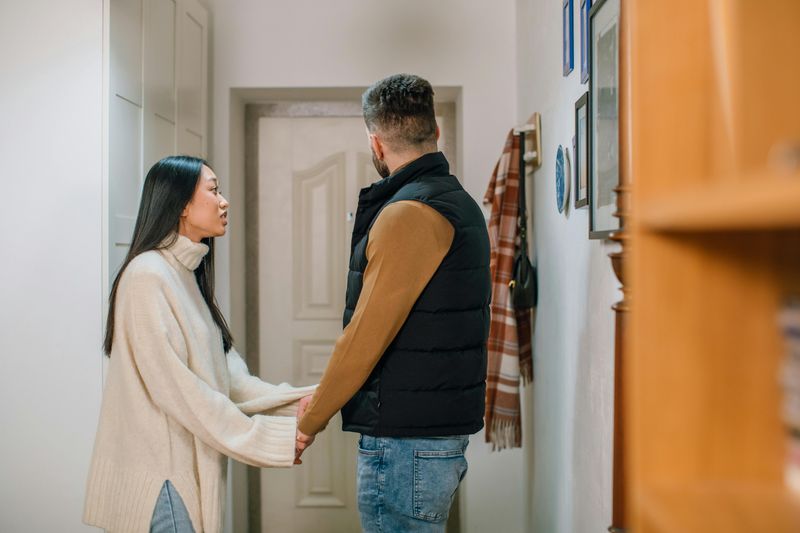
Openness and transparency build trust in relationships.
When a woman starts hiding aspects of her life, it’s a red flag that emotional disengagement is happening.
She might guard her phone, change passwords, or become vague about where she’s been or who she’s with.
This secrecy creates walls between partners.
While privacy is important, excessive secrecy indicates she’s creating a separate life that doesn’t include you.
She may also stop sharing her thoughts, feelings, or experiences the way she used to.
The state of emotional connection influences how much people share with their partners.
When that connection weakens, so does the willingness to be vulnerable and open.
You might feel shut out from parts of her world that were once shared freely.
This isolation breeds suspicion and further damages trust.
Sometimes secrecy involves emotional affairs or developing connections with others that fill the void the relationship has left.
Even without infidelity, the act of hiding things signals that she doesn’t see you as her confidant anymore.
Trust requires honesty, and when someone becomes secretive, it’s nearly impossible to maintain that trust.
If you notice increasing secrecy, it’s worth having a direct conversation about what’s changed and why.
Without openness, relationships cannot thrive or survive long-term.
9. She Expresses Feeling Trapped Or Unhappy

Sometimes the signs of emotional disengagement are verbal and direct.
A woman who feels disconnected might openly express feelings of being trapped, unhappy, or unfulfilled in the relationship.
These statements shouldn’t be dismissed as temporary frustration.
They’re honest reflections of her emotional state.
When someone repeatedly voices dissatisfaction, they’re telling you exactly how they feel.
The state of unhappiness doesn’t usually develop overnight.
It builds over time as needs go unmet and emotional distance grows.
She might say things like she feels stuck, doesn’t know if she loves you anymore, or wonders if she’d be happier alone.
These words are painful to hear, but they’re important signals that the relationship is in serious trouble.
Ignoring or minimizing these expressions only deepens the divide.
She’s reaching out in her own way, even if it comes across as hurtful or harsh.
Acknowledging her feelings and taking them seriously is crucial.
It opens the door to understanding what went wrong and whether repair is possible.
Sometimes people stay in relationships out of obligation, fear, or comfort, even when they’re emotionally done.
If she’s expressing unhappiness, it’s time for both partners to evaluate whether staying together serves anyone’s best interest.
Honest conversations, though difficult, are necessary to determine the path forward.
10. She Stops Putting Effort Into The Relationship

Relationships thrive when both people actively contribute to their growth and happiness.
When emotional disengagement happens, effort becomes one-sided or disappears entirely.
She might stop doing the thoughtful things she used to do, like planning dates, giving compliments, or showing appreciation.
The little gestures that once demonstrated love and care fade away.
This lack of effort reflects her emotional state.
When someone no longer feels invested, maintaining the relationship feels like a chore rather than a joy.
You might find yourself being the only one initiating conversations, planning activities, or trying to keep the spark alive.
The state of effort in a relationship mirrors the level of emotional commitment.
Her withdrawal signals that she’s no longer motivated to nurture what you’ve built together.
She may also stop caring about her appearance around you or neglect the relationship’s special moments like anniversaries or birthdays.
These oversights aren’t just forgetfulness.
They’re symptoms of deeper disconnection.
Effort requires energy, and she’s redirecting hers elsewhere or simply conserving it because the relationship no longer feels worth the investment.
Without mutual effort, relationships deteriorate quickly.
If she’s stopped trying, it’s essential to address why and whether she’s willing to work on rebuilding what’s been lost.
Sometimes the answer is no, and that clarity, though painful, allows both people to move forward honestly.