
Some of the snacks you eat every day might be totally illegal somewhere else. Countries have different rules about food safety, health, animal welfare, and even tradition.
Learning about these bans can help you understand what goes into your food and why some places say no. Get ready to be surprised by what made the list!
1. Kinder Surprise Eggs in the United States
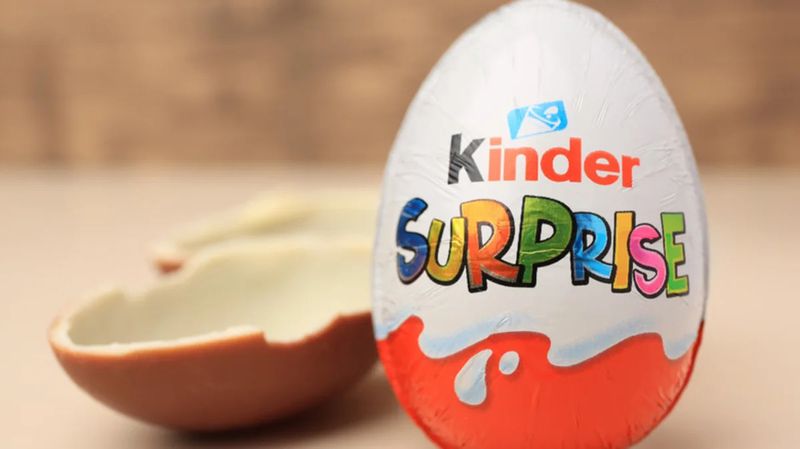
Picture a chocolate egg hiding a tiny toy inside. Kids in Europe love them, but the United States bans them.
A 1938 law says candy cannot contain non-food objects buried inside, because small parts could cause choking. Travelers have even been fined at the border for packing a few.
Good news, though. Americans can buy Kinder Joy, a version where the toy sits in a separate half of the package, so the rule stays happy.
2. Chewing Gum in Singapore
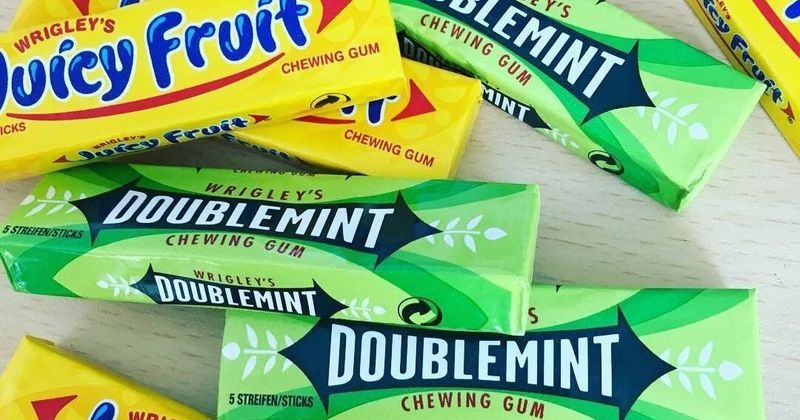
Singapore is famous for its sparkling clean streets, and gum is a big reason why. Back in 1992, the government banned selling chewing gum.
Leaders were tired of sticky wads jamming subway doors and staining sidewalks. Cleaning it up cost lots of money.
Today, you can only buy certain medical or nicotine gum from a pharmacy. So if you visit, leave your bubblegum at home and enjoy the tidy sidewalks instead.
3. Haggis in the United States
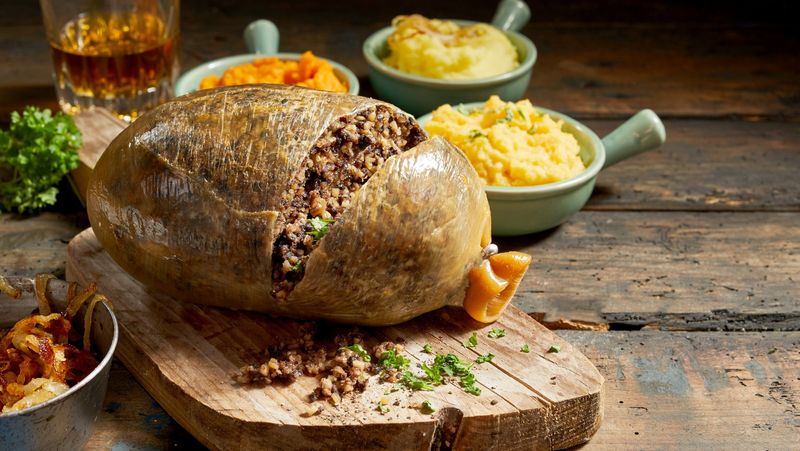
Scotland’s national dish has been stuck outside America since 1971. Haggis is made with sheep heart, liver, and lungs, mixed with oats and spices.
The problem is the lungs. US food rules do not allow sheep lung in food sold to people, so true Scottish haggis cannot be imported.
Some American companies make a lung-free version. Scottish fans say it tastes close, but many still dream of the real thing.
4. Ketchup in French School Cafeterias
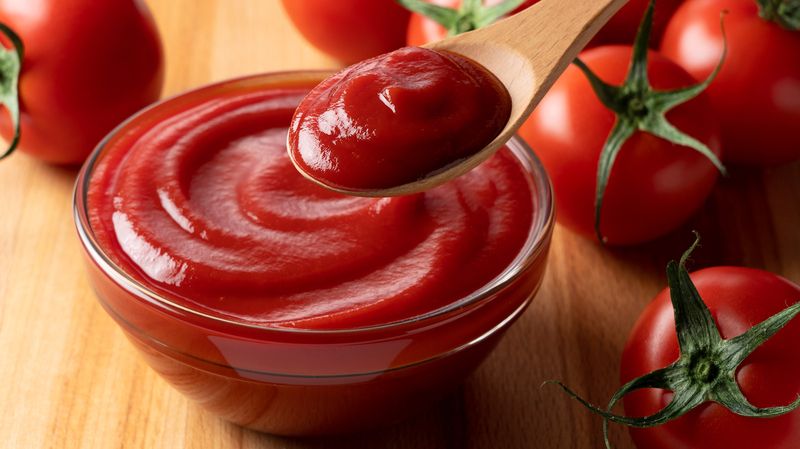
Imagine a school lunch with no ketchup at all. In 2011, France limited ketchup in school cafeterias, allowing it only with French fries.
Officials wanted students to taste real French cooking without covering everything in sweet red sauce. They also worried about too much sugar and salt.
Try it yourself sometime. Skip the ketchup and notice how your food actually tastes.
You might discover flavors you never knew were there.
5. Raw Milk in Canada
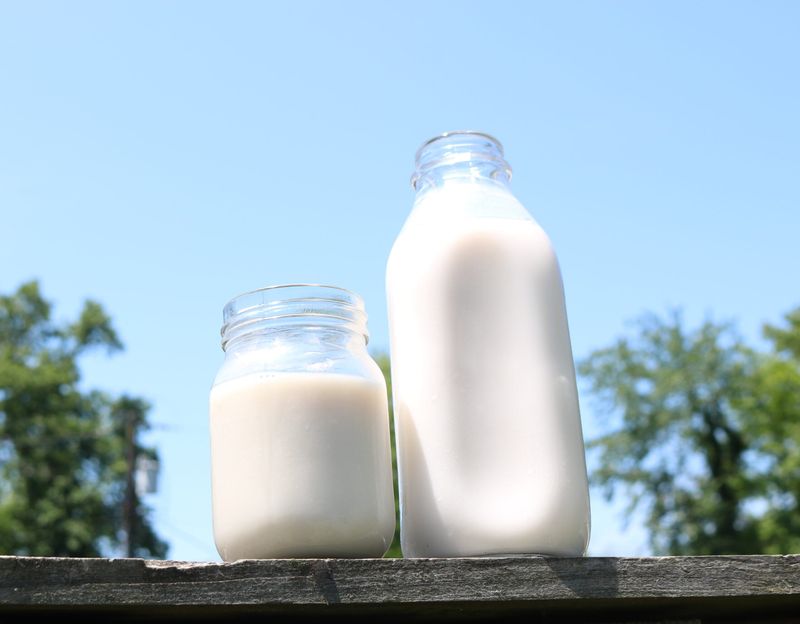
Fresh from the cow sounds healthy, right? Canada disagrees and bans the sale of raw, unpasteurized milk across the country.
Raw milk can carry germs like E. coli, salmonella, and listeria. Pasteurization heats milk just enough to kill those bugs while keeping the taste.
Fun fact: Louis Pasteur invented this process in the 1860s. Thanks to him, a glass of milk is now one of the safest drinks around.
6. Chlorine-Washed Chicken in the European Union
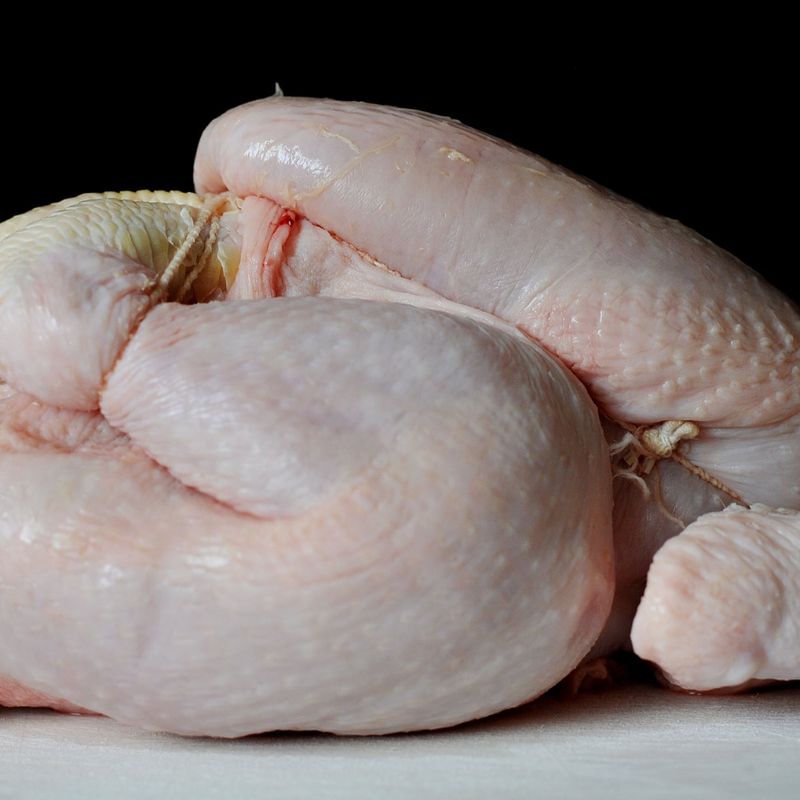
Here is a food fight between continents. American poultry makers often rinse chicken in a chlorine wash to kill bacteria.
The European Union banned this chicken in 1997. EU officials believe farms should keep chickens clean from the start instead of fixing problems at the end.
Both sides say their food is safe. Still, this argument has popped up in trade talks for years, proving even chicken can be political.
7. Foie Gras in India
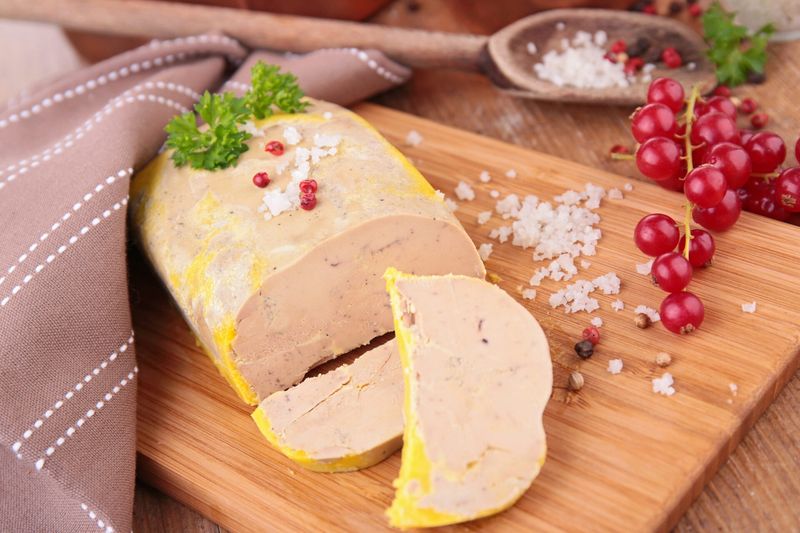
Fancy restaurants in France treat foie gras like treasure. India, however, banned importing it in 2014.
Foie gras is fattened duck or goose liver. Farmers often force-feed the birds through a tube, which animal rights groups call cruel.
India decided it did not want to support that practice. California has a similar ban too.
It shows how caring about animals can change what ends up on a menu.
8. Casu Marzu in Italy
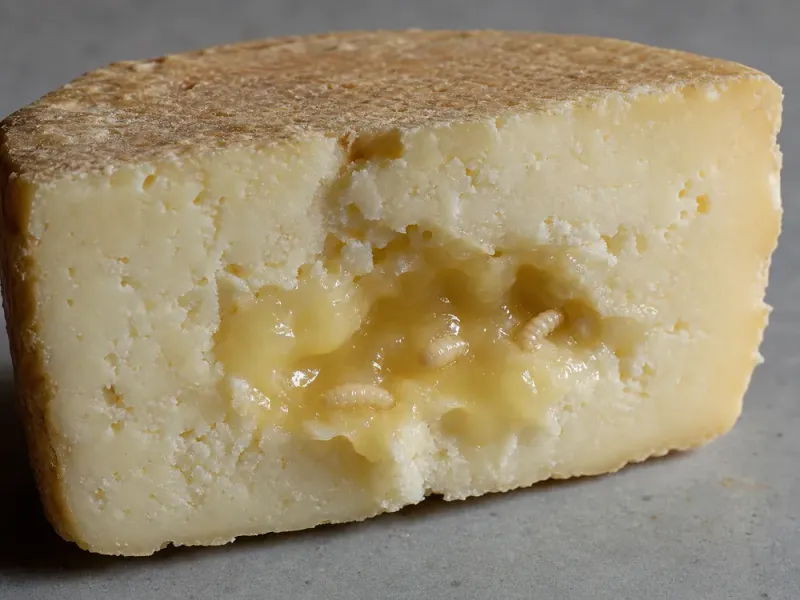
Brace yourself. Casu marzu is a sheep’s milk cheese from Sardinia, and it is full of living maggots on purpose.
The tiny larvae break down the cheese, making it soft and super strong. Some fans even eat the wiggling bugs along with it.
Health officials consider it unsafe, so selling it is illegal under food rules. Locals still make it quietly for special occasions, keeping a very squirmy tradition alive.
9. Ackee Fruit in the United States
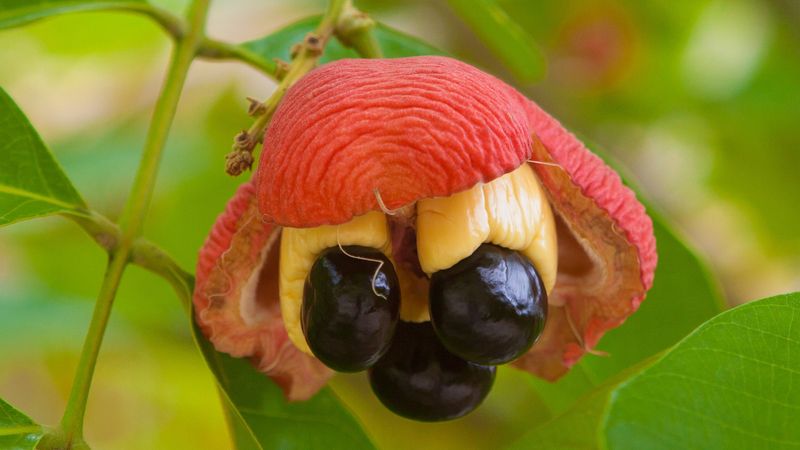
Jamaica’s national fruit looks gorgeous, with red skin and soft yellow insides. Eaten too early, though, it can be dangerous.
Unripe ackee contains a toxin called hypoglycin that can make people very sick. For years, the US blocked fresh ackee completely.
Now only canned or frozen ackee from approved suppliers is allowed. Jamaicans know to wait until the pod opens naturally, then cook it with saltfish for a classic breakfast.
10. Samosas in Somalia
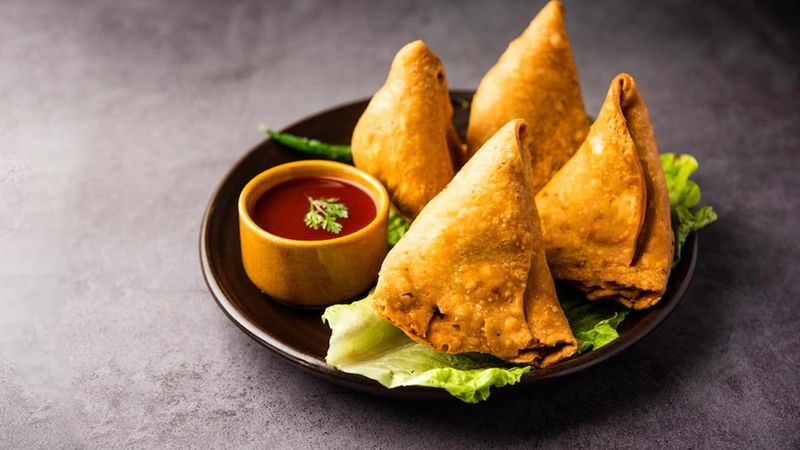
Crispy, triangle-shaped, and stuffed with spiced filling, samosas are loved across the globe. Yet in parts of Somalia, they were banned in 2011.
The militant group al-Shabaab controlled those areas and claimed the triangle shape was linked to Christian symbols.
Most people saw the rule as strange and harsh. It is a reminder that food bans are not always about health.
Sometimes they reveal who holds power.
11. Sassafras Oil in the United States
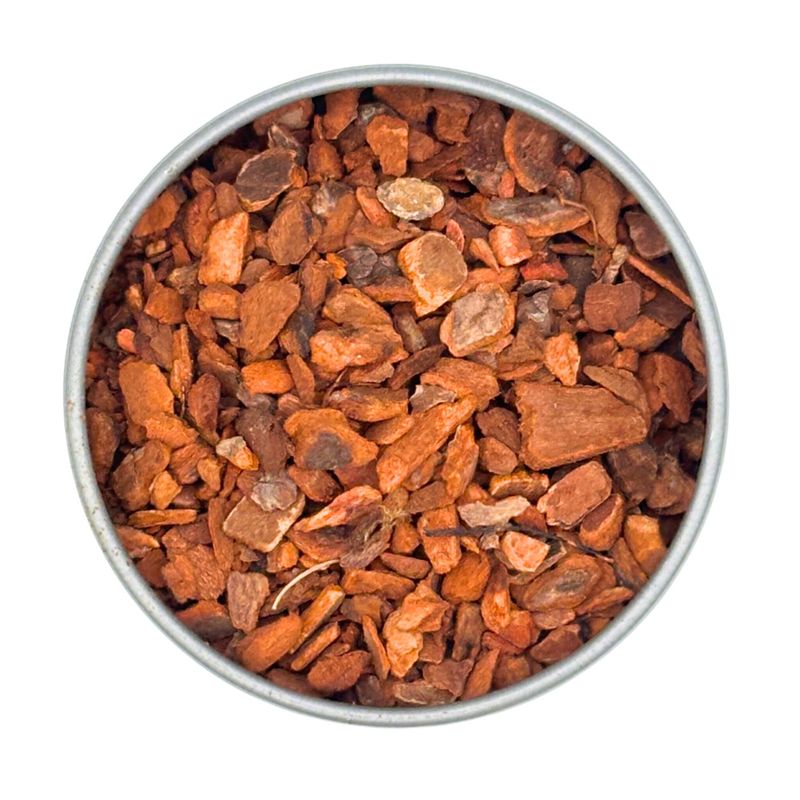
Old-fashioned root beer once got its flavor from sassafras root. In 1960, the FDA banned sassafras oil in foods.
Scientists found that safrole, a chemical in the oil, caused cancer in lab animals. That was enough to pull it from shelves.
Modern root beer uses artificial flavor or safrole-free extract instead. So your frosty mug today is safe, even if it tastes a little different from great-grandpa’s version.
12. Ractopamine-Fed Pork in China and Russia
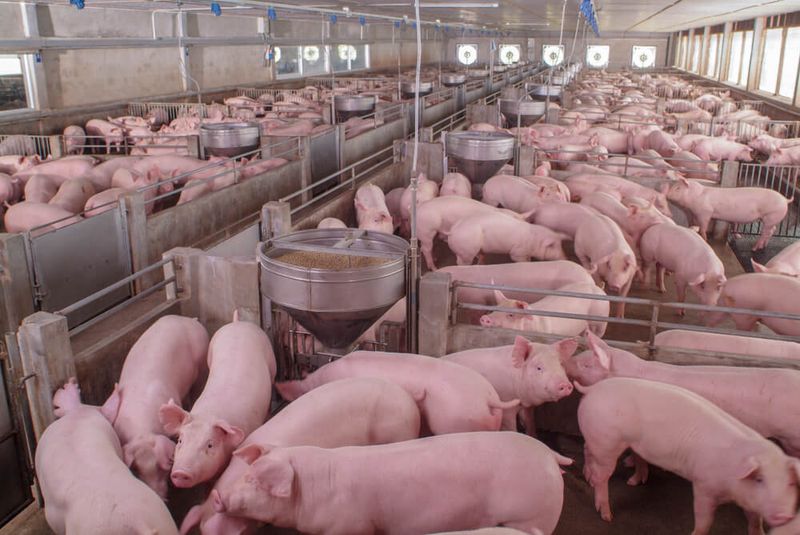
Some US farmers give pigs a feed additive called ractopamine. It helps them grow leaner muscle faster.
More than 150 countries, including China, Russia, and members of the EU, ban meat raised with it. They worry about health effects on people and stress on animals.
American officials say small amounts are safe. If you travel abroad, you may notice that pork rules differ a lot from one border to the next.
13. Brominated Vegetable Oil in Europe and Japan
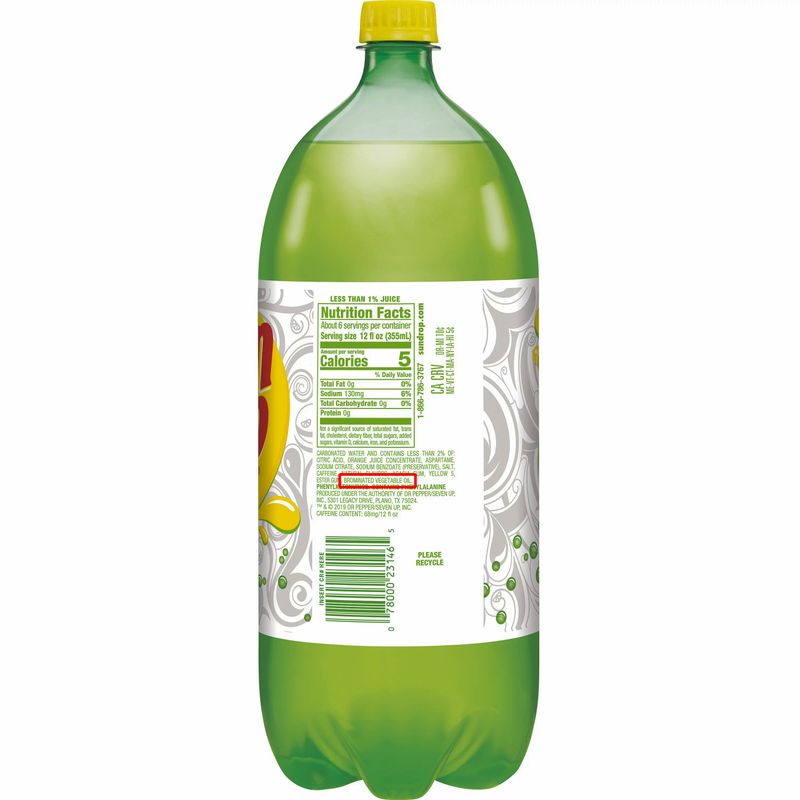
Ever notice how some citrus sodas look cloudy but never separate? That used to be thanks to brominated vegetable oil, or BVO.
Europe and Japan banned it long ago because bromine can build up in the body. The US finally banned it too in 2024.
Quick tip: always read ingredient labels. Learning to spot long chemical names helps you make smarter choices about what you drink each day.
14. Artificial Food Dyes in Norway
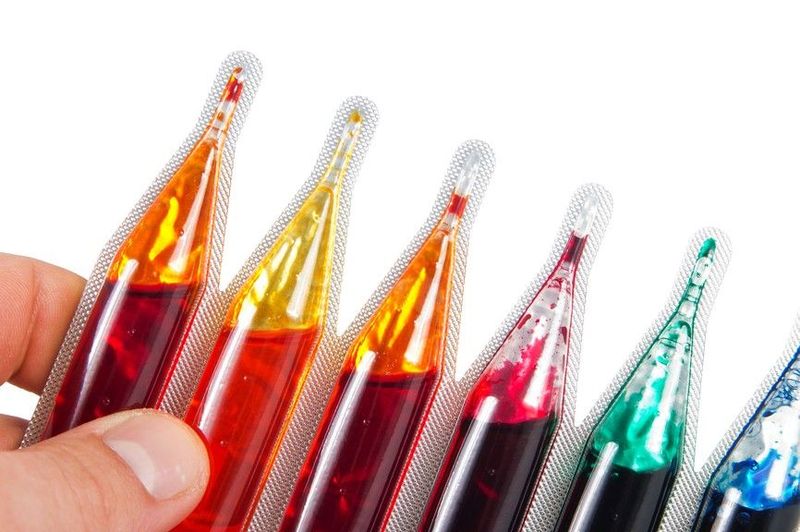
Rainbow candy might look fun, but Norway once said no thanks. The country banned many artificial dyes for years, including Red 40 and Yellow 5.
Some studies linked these dyes to hyperactivity in children. Today, the wider EU requires warning labels on products that use them.
Many brands sell different recipes in Europe, using beet juice or paprika for color. Same candy name, totally different ingredients.
Pretty sneaky, right?
15. Potassium Bromate Bread in the UK
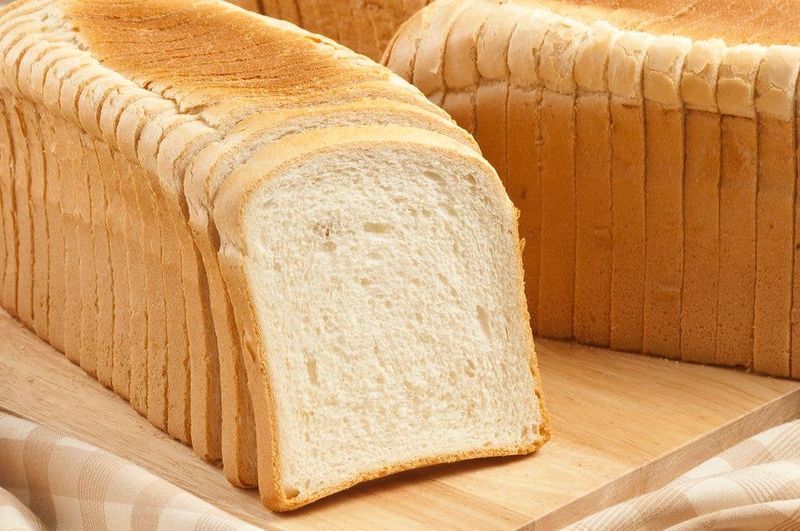
Soft, puffy white bread often gets help from an additive. Potassium bromate makes dough rise higher and look fluffier.
The United Kingdom, Canada, China, and the European Union all banned it after research connected it to cancer in animals.
Many US bakers still use it, though California now restricts it. Want to avoid it?
Check bread labels for the word bromated, or choose loaves from local bakeries.
16. Shark Fin Soup in Many Places
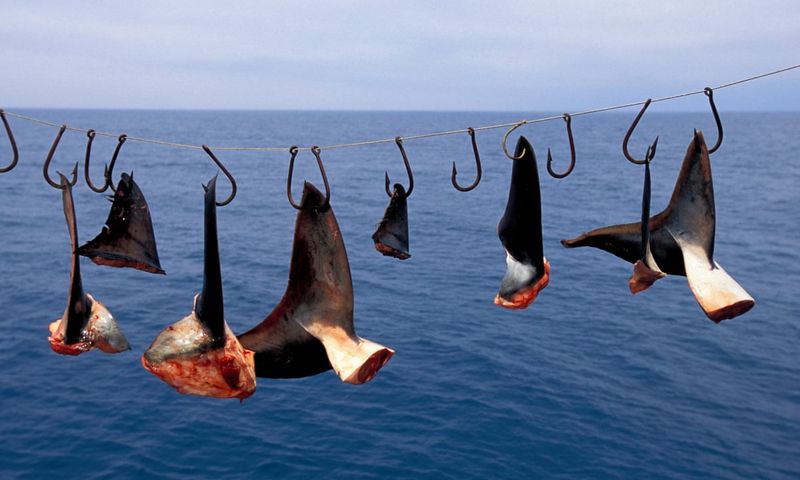
For centuries, shark fin soup was a symbol of wealth at weddings and banquets. Now it is disappearing fast.
Fishermen often cut fins off and toss sharks back into the ocean. Millions die this way every year.
Canada banned importing and exporting shark fins in 2019, and many US states followed. Oceans need sharks to stay healthy, so these laws help protect the whole underwater food chain.
17. Japanese Pufferfish Liver in Japan
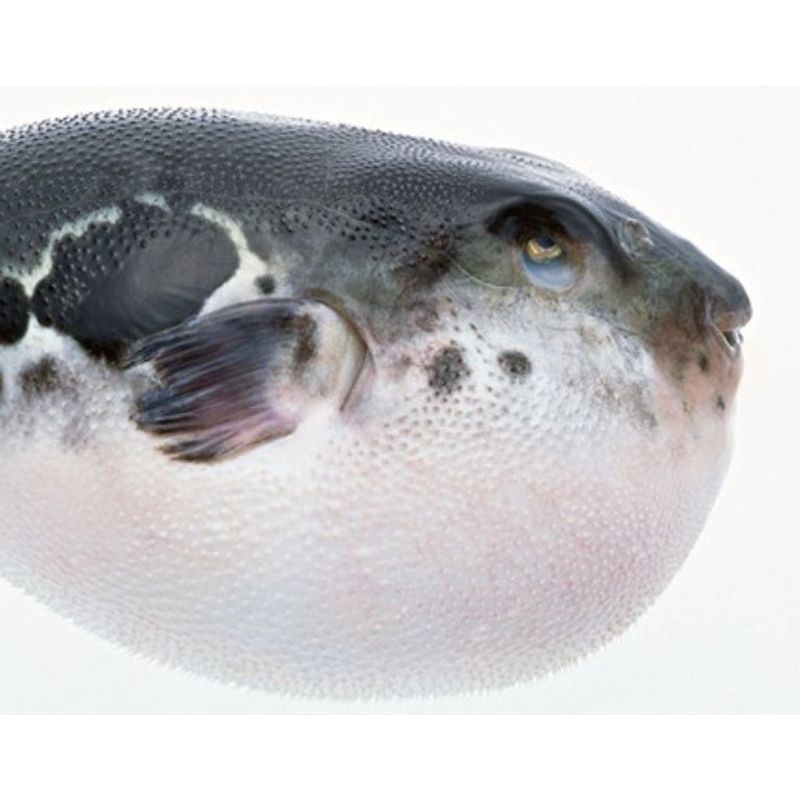
Only highly trained chefs in Japan may prepare fugu, or pufferfish. Even then, one part stays off limits.
The liver holds tetrodotoxin, a poison far stronger than cyanide. Japan banned serving it in 1984 after a famous actor died eating it.
Chefs train for years and pass tough exams before serving fugu. Diners still enjoy the delicate sashimi, trusting experts to keep them safe.
18. Absinthe in the United States Until 2007
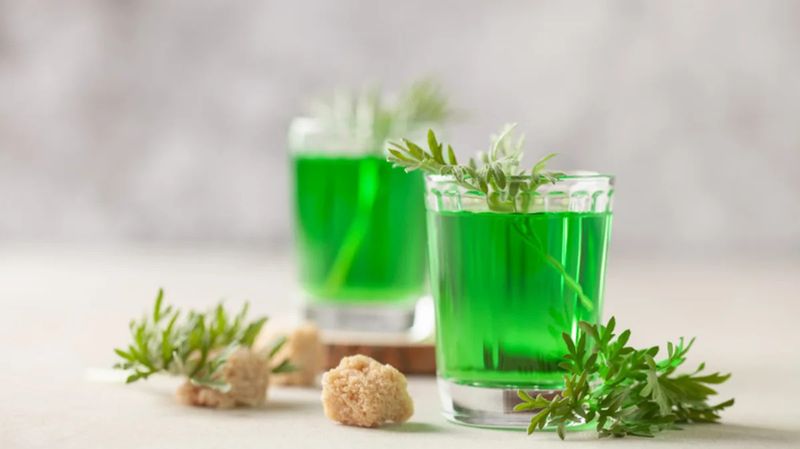
Nicknamed the green fairy, absinthe was a favorite of artists in 1800s Paris. Rumors claimed it caused wild visions.
The US banned it in 1912, blaming thujone, a chemical from wormwood. Scientists later found the amounts were too small to cause madness.
In 2007, low-thujone absinthe returned to American shelves. Sometimes a ban grows from myths, and it takes a century for facts to catch up.
19. Jelly Cups with Konjac in Australia and the EU
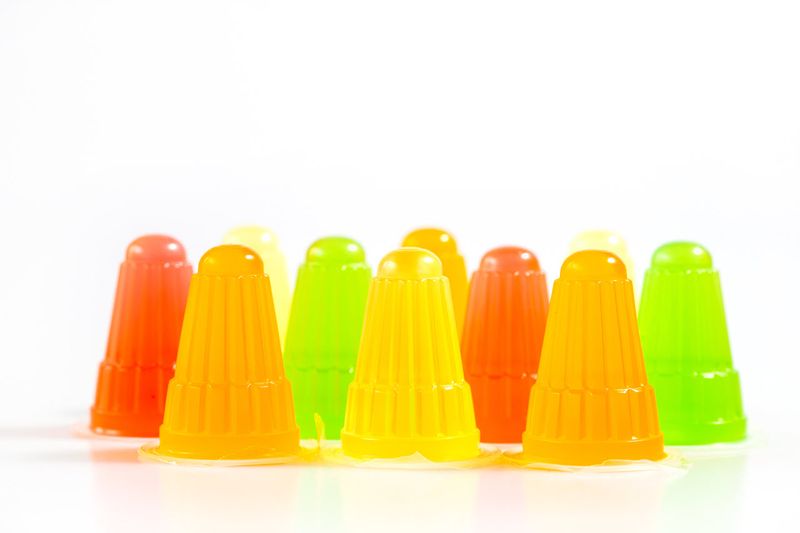
Those tiny squeezable fruit jellies seem harmless. However, mini jelly cups made with konjac were banned in the EU and Australia.
Konjac gel stays firm and does not melt easily in the mouth. Several children choked when the jelly blocked their throats.
Parents can still buy safer jelly snacks made with other ingredients. Always cut slippery treats into small pieces for younger kids, and eat slowly while sitting down.