
When a man starts pulling away, the change can feel confusing and painful. Sometimes the distance grows from habits between partners, while other times it comes from stress or fears he has not shared.
Men are not all alike, and these patterns can affect people of any gender. Understanding them can help you talk honestly without taking all the blame or ignoring your own needs.
1. Shutting Down When Feelings Get Strong

A great weekend together can sometimes be followed by surprising silence. For someone who struggles with strong feelings, growing closeness may feel exciting and scary at once, leading him to shut down instead of explain.
Try naming the change without making accusations. Ask whether he needs a short pause, and agree on when to reconnect.
Space can help someone settle, but repeated disappearing still needs an honest conversation about reliability and care for both partners.
2. Hiding Behind a Tough Front

Looking strong can become a lonely job. A man who learned to hide sadness or fear may dodge personal questions, change the subject, or joke whenever a conversation becomes tender.
Make room for honesty without pushing for every detail at once. You might thank him when he shares something difficult and avoid using it against him later.
Still, building openness is his responsibility too; a partner cannot do that work alone, even with endless patience.
3. Expecting Rejection Before It Happens

One delayed reply can turn into a whole story in an anxious mind. When someone expects rejection, he may stop reaching out first, act uninterested, or leave before he risks being left.
Clear words help more than guessing games. Say what you mean, follow through on plans, and discuss misunderstandings early.
Reassurance can support trust, but constant tests of your love are not a fair price for staying connected. Both people deserve some emotional steadiness.
4. Keeping Personal Struggles Secret

Behind a quiet mood, there may be a problem he feels ashamed to name. Money trouble, addiction, or mental health concerns can lead someone to hide details and avoid the person closest to him.
Offer a calm opening rather than an interrogation. Explain that honesty matters more than looking perfect, and suggest qualified help when needed.
Compassion does not require accepting lies, unsafe behavior, or being made responsible for solving every hidden problem for him.
5. Letting Outside Stress Take Over

Work deadlines do not stay neatly at the office door. When pressure piles up, a man may become distracted, cancel plans, or have little energy left for affection and conversation.
Choose a quiet moment to ask what support would actually help. A simpler date or shared chore might ease the load, but stress should not become a permanent excuse for neglect.
Even during busy weeks, small check ins can keep the relationship from feeling abandoned.
6. Overlooking Everyday Effort

The washed dishes, thoughtful message, and long drive can start to feel invisible. When either partner’s efforts are regularly ignored, warmth may fade into a quiet sense of being taken for granted.
Notice specific actions and offer sincere thanks, rather than praise that feels forced. Talk about whether responsibilities are shared fairly, too.
Appreciation works best alongside balance; nobody should need applause for basic respect, and gratitude should travel in both directions throughout the relationship.
7. Turning Complaints Into Personal Attacks

There is a big difference between discussing a missed chore and calling someone useless. Frequent insults, sarcasm, or sweeping judgments can make a man brace for the next attack instead of leaning closer.
Focus on the behavior, explain its effect, and make a clear request. Leaving laundry everywhere bothers me is more useful than attacking someone’s character.
Healthy feedback leaves room for change, while repeated cruelty calls for firm boundaries and sometimes stepping away entirely.
8. Rushing Major Relationship Steps

Meeting family, moving in, and planning a future can be joyful milestones. They can also feel overwhelming when one person treats them as settled decisions before the other has agreed.
Compare your hopes openly and ask what pace feels comfortable for each of you. Slowing down is not always rejection, but endless delays deserve attention.
You can respect his timing without giving up your own goals or waiting forever for a clear answer from him.
9. Avoiding Honest Talks About Compatibility

Sometimes distance means someone is asking whether the relationship truly fits. Instead of discussing different values, future plans, or daily needs, he may become vague and spend more time alone.
Invite a direct conversation about what each person wants. Listen for clear answers rather than trying to sell the relationship or prove your worth.
A mismatch does not make either person bad, but staying in uncertainty can hurt more than facing an honest answer together.
10. Keeping Commitment Permanently Out of Reach

Promises about someday can sound hopeful while keeping everything stuck. A man who avoids defining the relationship or making shared plans may be struggling with commitment, uncertainty, or a different level of interest.
Ask what he can genuinely offer now, not what he might offer eventually. Past hurt can explain hesitation, but it does not cancel your needs.
Set a boundary around how long you are willing to remain in a situation without mutual commitment.
11. Treating Independence Like a Threat

A free afternoon with friends should not feel like a betrayal. When a relationship leaves little room for hobbies, privacy, or separate interests, either partner may pull back to recover a sense of self.
Agree on a healthy mix of shared time and personal time. Avoid tracking, guilt, or demands for constant updates.
Independence supports closeness when both people stay dependable; it should not be used to excuse secrecy or disappearing whenever connection requires effort.
12. Dodging Every Difficult Conversation

Peace is not the same as silence. Someone who agrees just to end an argument, changes the subject, or leaves every tense conversation may be avoiding conflict rather than solving it.
Keep discussions focused on one issue and allow breaks when emotions rise. Set a clear time to return, so a pause does not become an escape route.
If problems remain impossible to discuss, couples counseling may help when both partners feel safe and willing.
13. Making Each Other Guess

Nobody can read a partner’s mind, even after years together. Hints, vague replies, and expecting someone to just know can turn small needs into repeated disappointments and emotional distance.
Practice clear requests, such as asking for ten minutes of listening or an evening together without phones. Repeat back what you heard before responding.
Better communication is a skill both partners can build, not a talent one person must supply for the entire relationship every day.
14. Offering Solutions Before Understanding

You share a rough day, and suddenly you are handed a repair plan. Jumping straight to advice can leave a partner feeling unheard, while the would be helper feels rejected when those suggestions fall flat.
Before offering solutions, ask whether the person wants comfort, ideas, or practical help. Listening without taking charge can prevent a familiar cycle of frustration and retreat.
Good intentions matter, but understanding what support means to your partner matters just as much.
15. Turning Intimacy Into a Performance Test

Pressure can crowd out closeness, especially when affection feels like a test. Worries about sex, appearance, or pleasing a partner may cause a man to avoid touch rather than risk embarrassment.
Keep conversations kind and away from moments of disappointment. Make room for affection without expectations, and never use teasing or shame as motivation.
Persistent concerns may benefit from a healthcare professional or qualified therapist; nobody owes sexual activity to prove love or prevent withdrawal.
16. Creating Distance Whenever Closeness Grows
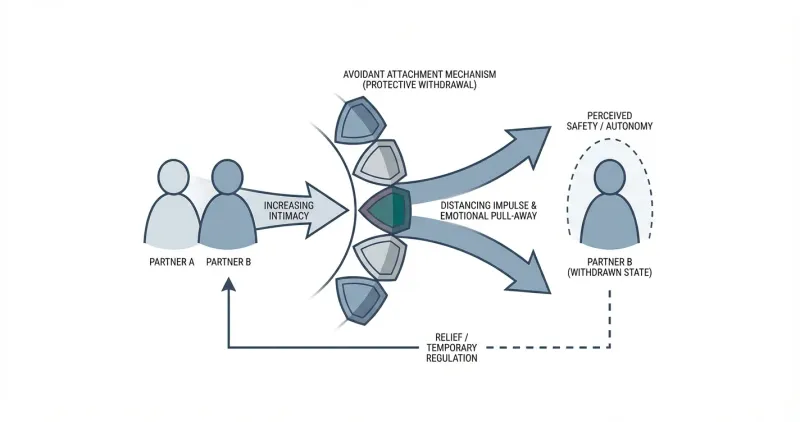
Just as things feel closer, he suddenly becomes harder to reach. Some people learn to protect themselves by downplaying their needs and stepping back when depending on someone begins to feel risky.
That pattern can resemble avoidant attachment, but one behavior cannot establish a label. Talk about specific actions and their impact instead of diagnosing him.
Change requires his willing effort, sometimes with therapy, and your patience should not mean accepting endless distance without repair.
17. Measuring Worth by Being Perfect

Always being the strong one is an impossible assignment. If a man ties his worth to earning enough, staying calm, or never needing help, ordinary setbacks may trigger shame and withdrawal.
Challenge the idea that love must be earned through flawless performance. Share responsibilities and welcome honest limits, while encouraging him to question those harsh standards himself.
Support can soften shame, but a partner cannot become the only source of his confidence or self respect.
18. Repeating Arguments Without Repair

The same argument can grow heavier each time it returns unchanged. Broken promises, old resentment, and apologies without action may eventually make either partner stop believing that speaking up will help.
Choose one repeat problem and agree on a small, visible change. Check whether that change actually happens rather than treating another apology as the finish line.
Repair takes steady action from both people; if only one keeps trying, the relationship needs a deeper reassessment.
19. Relying on One Person for All Support

A relationship can feel crowded when it is someone’s entire support system. Without trusted friends, family, or other outlets, a man may struggle to sort through feelings and withdraw when everything builds up.
Encourage connections beyond the couple, including friendships, community activities, or professional support when useful. Keep your own support network strong as well.
Sharing life works better when neither person must carry every worry alone, and both can seek help without guilt or shame.