
Some foods feel familiar no matter where you find them. A warm slice, a sweet bite, or a bowl of something comforting can bring people together across cultures.
Taste matters, but price, convenience, and happy memories also help explain why certain foods become favorites. See what makes these popular choices so easy to love, along with simple ways to enjoy them.
1. Pizza: A Slice for Almost Everyone

Few dinner plans bring a group together faster than opening a warm pizza box. Crisp crust, tangy tomato sauce, and melted cheese offer a mix of flavors and textures that many people enjoy.
Its biggest strength may be choice: vegetables, meat, and different crusts let diners build something personal. For a gathering, order several topping combinations and check dietary needs first.
Adding a salad makes the meal feel fresher without taking attention from the slices.
2. Chocolate: Small Bites, Rich Flavor
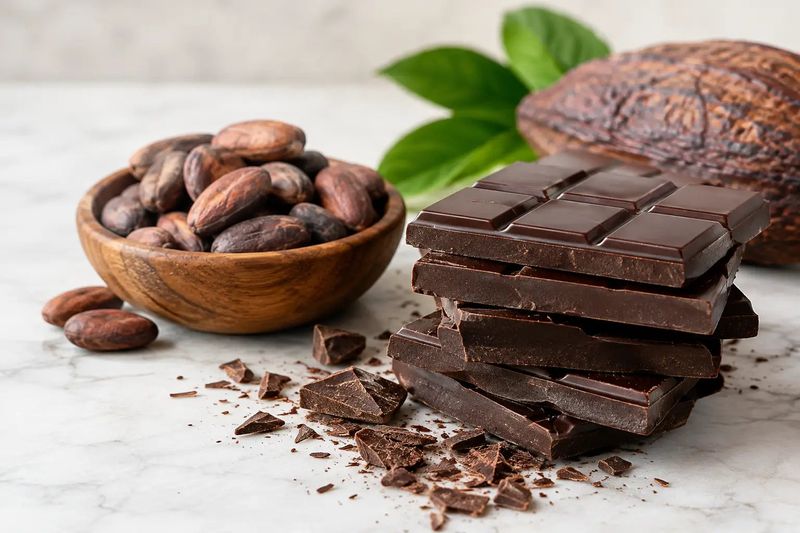
That first little snap promises something rich, smooth, and sweet. Chocolate appeals through its smell, melting texture, and range of flavors, from creamy milk varieties to darker bars with a pleasantly bitter edge.
A small piece can feel special without needing much preparation. Try tasting different cocoa percentages slowly to notice the changes, or pair a square with fruit and nuts.
Keep chocolate somewhere cool and dry to help preserve its texture and fresh flavor.
3. Pasta: Comfort in Countless Shapes
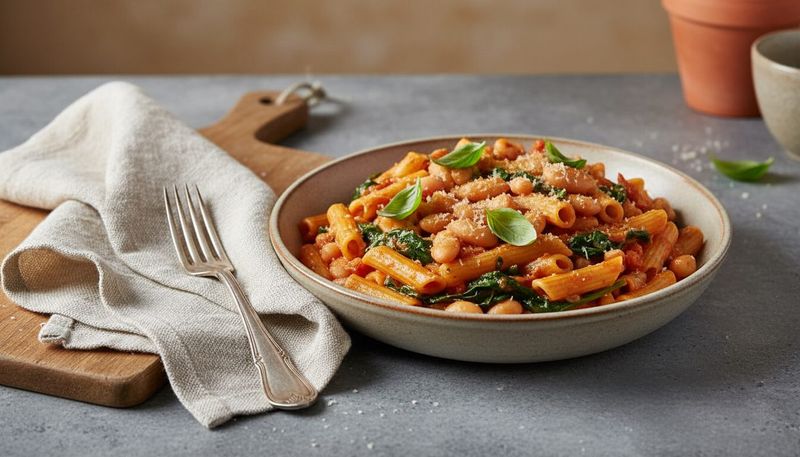
A pot of boiling water can turn a quiet pantry into dinner. Pasta earns its place at tables worldwide because it is often affordable, easy to store, and ready for countless sauces.
Choose ridged shapes for chunky toppings and long strands for smoother sauces. Vegetables, beans, fish, or chicken can help turn a simple bowl into a balanced meal.
Save a little cooking water before draining; its starch helps sauce cling beautifully to every bite.
4. Tacos: Big Personality in Every Fold

Warm tortillas and cool salsa make a lively little team. Rooted in Mexican cooking, tacos bring together contrasting textures and flavors while leaving plenty of room for regional traditions and personal taste.
Set out beans, cooked meat, chopped vegetables, and several toppings for an easy shared meal. Guests can adjust the heat and build portions that suit them.
Warm tortillas just before serving so they bend more easily and make each bite much more enjoyable.
5. Sushi: Carefully Balanced Little Bites
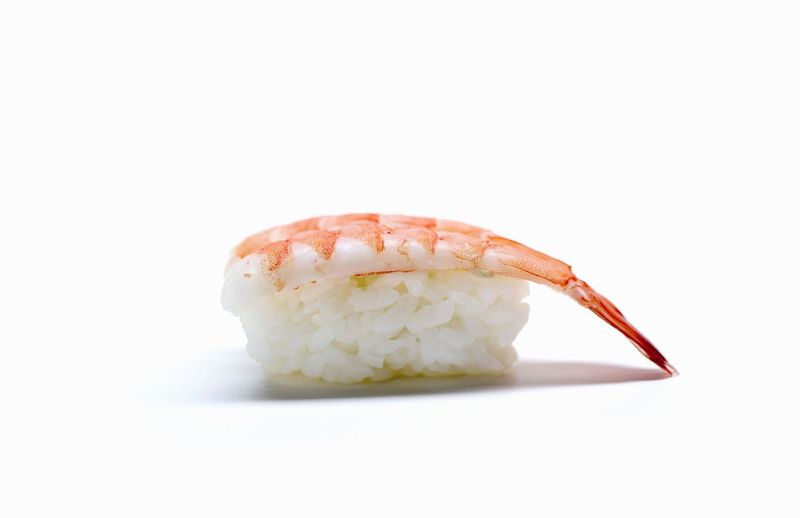
Neat rolls and colorful toppings make the plate part of the attraction. Sushi centers on seasoned rice, not necessarily raw fish, and can include cooked seafood, egg, cucumber, or other vegetables.
That variety gives newcomers several gentle starting points while offering experienced diners plenty to explore. Try a cucumber roll or cooked shrimp option if raw fish feels unfamiliar.
Choose a reputable seller, keep sushi chilled, and remember that salty sauces are best used lightly.
6. Burgers: Familiar, Filling, and Flexible

Backyard cookouts have a way of making a simple bun feel festive. Burgers combine a savory center with soft bread, crisp vegetables, and sauces that can change the whole flavor.
Beef is only one choice; bean, mushroom, chicken, and other patties broaden the options. Keep toppings ready before cooking so everyone can eat while the food is hot.
For safety, use a food thermometer and follow the recommended temperature for your chosen type of patty.
7. Ice Cream: A Scoop of Celebration
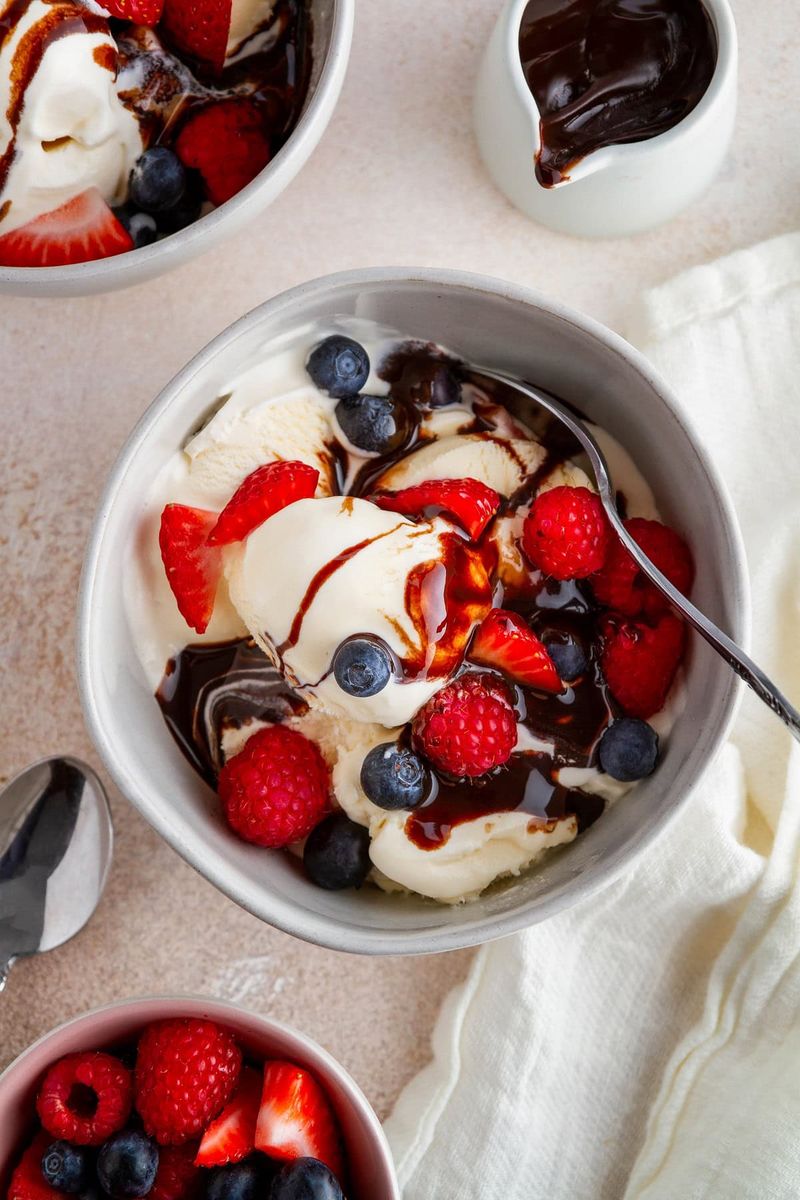
Remember racing a melting scoop on a sunny afternoon? Ice cream often comes with cheerful memories, while its cold temperature, creamy texture, and sweetness make it a favorite treat.
Flavor choices stretch from plain vanilla to combinations filled with fruit, nuts, or chocolate. Dairy alternatives also give many people more options, though ingredients vary.
Serve smaller scoops with fresh berries for contrast, and let a very firm carton soften briefly before trying to scoop it.
8. Bananas: Nature’s Convenient Snack
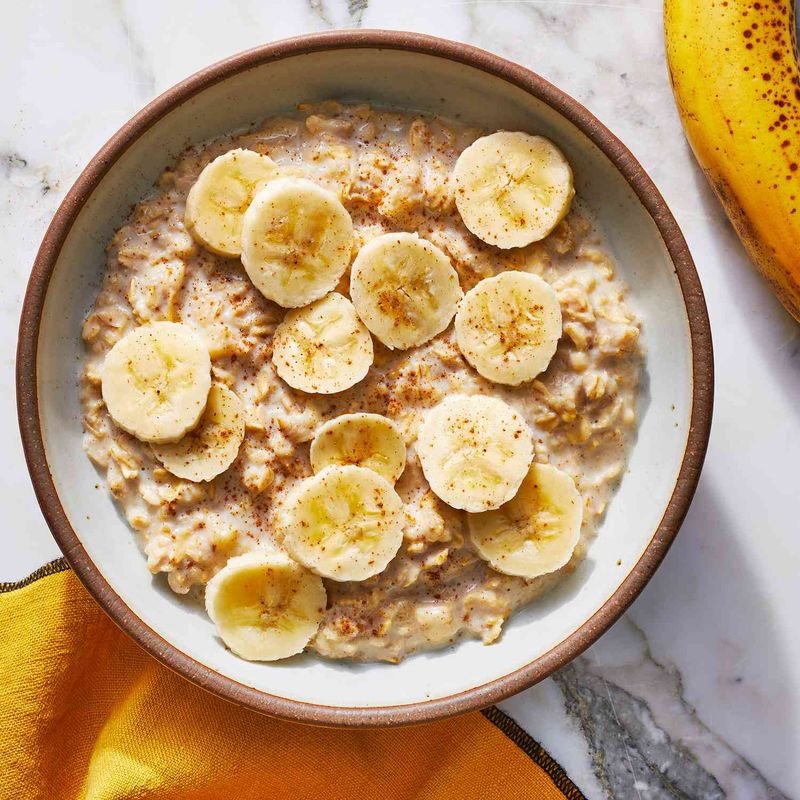
No bowl, knife, or wrapper is needed for this portable snack. A banana comes with its own peel and offers natural sweetness, carbohydrates for energy, and nutrients including potassium and vitamin B6.
Its mild flavor works in oatmeal, smoothies, and baked goods. As bananas ripen, they become softer and taste sweeter, making spotted ones useful for baking.
Peel and freeze extras in pieces so they are ready for a cold smoothie instead of going unused.
9. Coffee: More Than a Morning Drink

For many adults, the smell alone signals a fresh start. Coffee brings roasted aromas, varied flavors, and a familiar daily ritual, while caffeine can temporarily increase alertness.
Cafes also provide places to chat, work, or pause between errands, which helps explain the drink’s social pull. Experiment with brewing strength before adding lots of sugar or syrup.
If caffeine disrupts sleep or causes jitters, choose decaf or enjoy a smaller serving earlier in your usual day.
10. Rice: A Dependable Base for Dinner
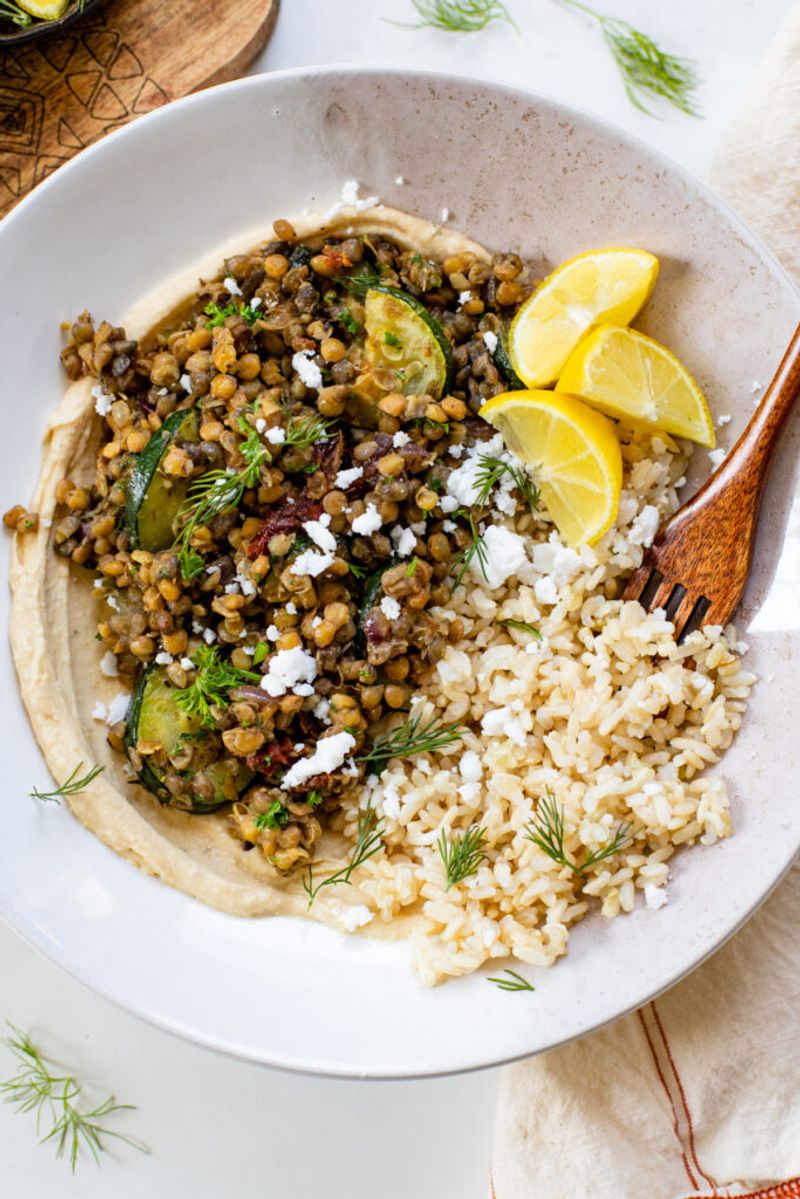
Across much of the world, dinner begins with a pot of rice. Its mild flavor welcomes spices, sauces, vegetables, and proteins, making it a flexible base for many different food traditions.
Varieties behave differently: some cook fluffy and separate, while others turn sticky or creamy. Follow the package directions rather than using one water ratio for every kind.
Refrigerate leftovers promptly in shallow containers, then reheat thoroughly for another meal without leaving rice sitting out.
11. Salad: Freshness Without a Fixed Recipe
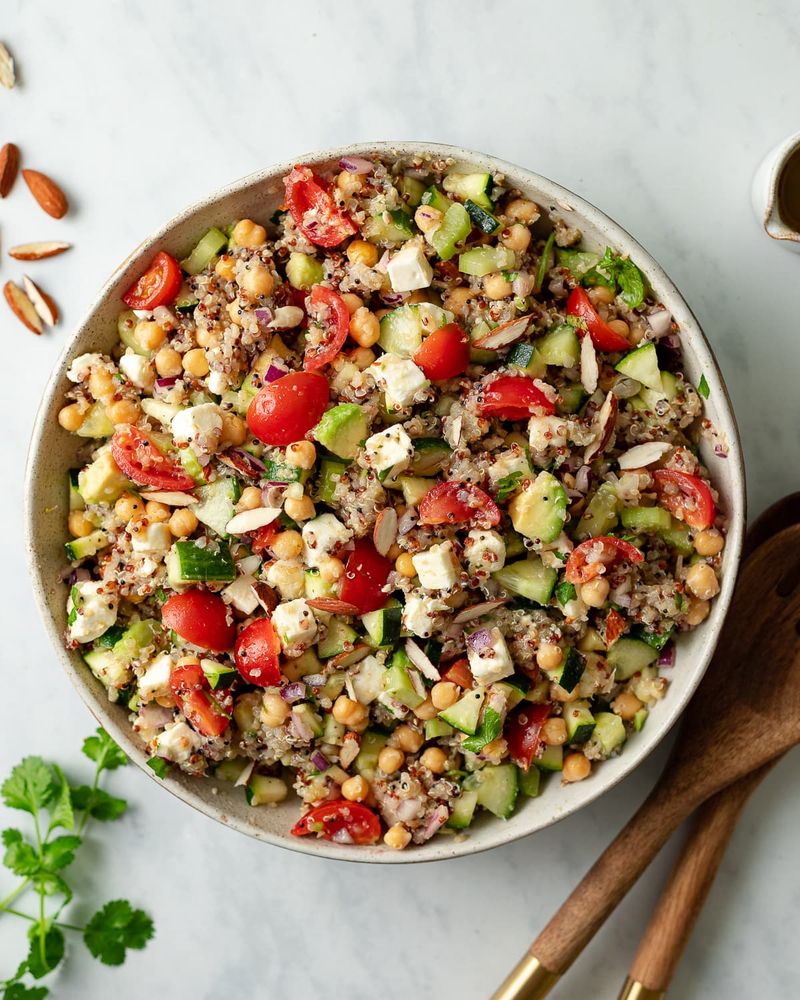
Forget the idea that a salad must be a pile of plain lettuce. Crunchy vegetables, fruit, grains, beans, and herbs can turn a bowl into something colorful and full of flavor.
Its appeal comes from freshness and freedom: ingredients can follow the season, local tastes, or whatever needs using. Add protein and a filling ingredient when serving salad as lunch.
Keep dressing separate until mealtime to help tender leaves stay crisp rather than becoming soggy.
12. Soup: Warmth by the Spoonful

On a chilly evening, a steaming bowl can feel like a welcome home. Soup turns broth, vegetables, grains, or beans into a meal that stretches ingredients and carries familiar flavors.
Nearly every spoonful can reflect a different cooking tradition, from smooth blends to chunky stews. Use leftover cooked vegetables when practical, but add delicate greens near the end.
Taste before adding salt, especially with packaged broth, and freeze extra portions for another busy day’s lunch.
13. Bread: Simple Ingredients, Endless Possibilities
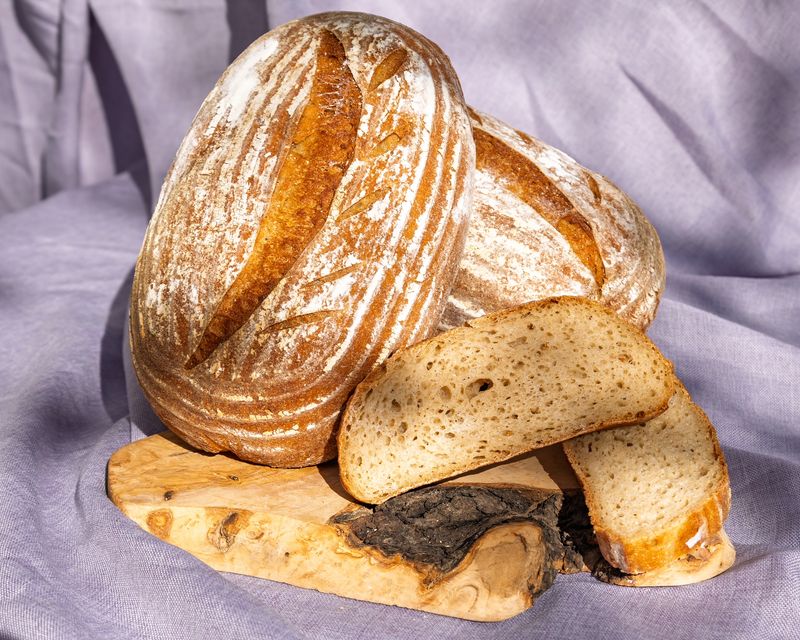
The smell of a fresh loaf can stop a conversation. Bread offers comfort through its soft crumb, chewy bite, or crisp crust, depending on the style and how it is baked.
Loaves, rolls, and flatbreads also serve practical roles, carrying fillings or scooping up sauces. Try different local varieties to discover how much texture can change a meal.
Slice and freeze bread you cannot finish soon, then toast individual pieces whenever you need a serving.
14. Chicken: Ready for Many Flavor Traditions
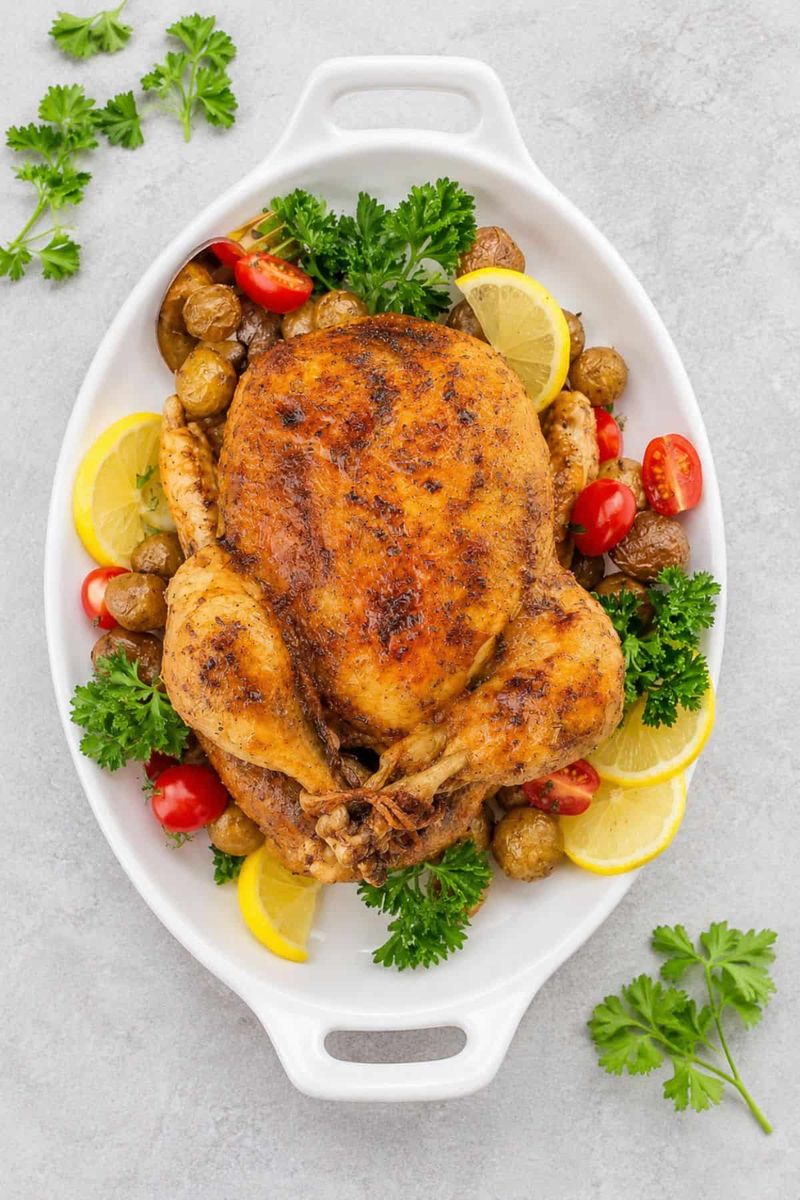
A single ingredient can become a roast dinner, a curry, or a quick stir fry. Chicken’s mild taste welcomes seasonings from many cuisines, and different cuts suit different budgets and cooking methods.
It also supplies protein, making it a common center for family meals. Thighs often stay juicy during longer cooking, while breasts benefit from careful timing.
Keep raw chicken separate from ready foods, and cook it to an internal temperature of 165 degrees Fahrenheit.
15. Potatoes: One Vegetable, Many Comforts

Fluffy inside or golden around the edges, the humble potato knows several tricks. Baking, boiling, roasting, and mashing create very different textures from the same filling vegetable.
Potatoes provide carbohydrates, potassium, and vitamin C, while their skins contribute fiber. Their mild flavor works with herbs, spices, yogurt, or beans, so rich toppings are not the only choice.
Store whole potatoes somewhere cool, dark, and ventilated, and avoid eating any that are green or taste bitter.
16. Eggs: Useful Far Beyond Breakfast

Breakfast gets much of the attention, but these kitchen helpers work all day. Eggs can anchor a quick meal, bind a mixture, or help a cake rise, which explains their lasting usefulness.
They supply protein and several nutrients, including choline, which supports normal cell function. Scramble them with vegetables or add a cooked egg to rice for an easy upgrade.
Keep eggs refrigerated where recommended, and cook them thoroughly for people more vulnerable to illness.
17. Cheese: A Little Can Add Plenty
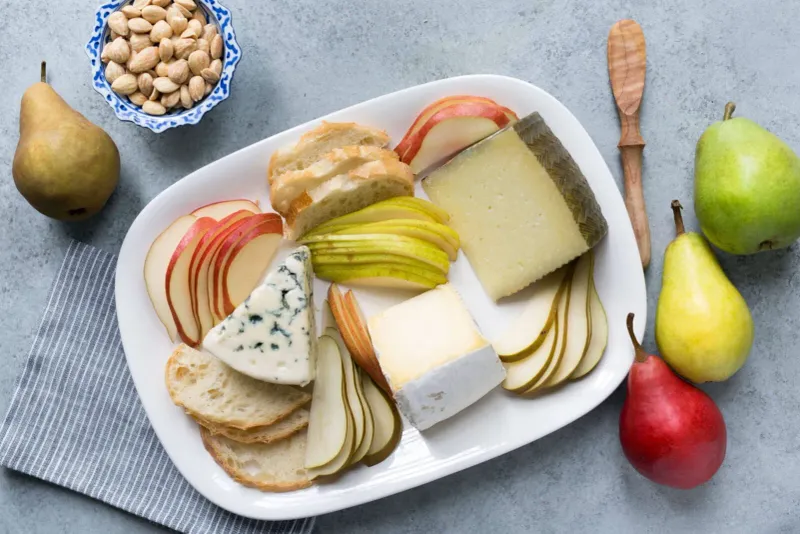
Just a small shaving can change an entire bowl of food. Cheese brings salty, savory flavor and textures that range from soft and creamy to firm and crumbly.
That variety makes it useful in sandwiches, sauces, snacks, and dishes from many traditions. Compare a mild cheese with an aged one to notice how flavor develops.
Stronger varieties often deliver plenty of taste in smaller amounts; pair them with fruit or whole grain crackers for balance.
18. French Fries: The Joy of a Crisp Bite

Listen for the crunch, then enjoy the soft center. French fries win fans through that simple contrast, along with a savory flavor that welcomes anything from ketchup to regional sauces.
They are easy to share and familiar enough to accompany many meals. For a homemade version, cut potatoes evenly, dry them well, and leave space between pieces when baking.
Enjoy fries while hot, and add salt gradually so the potato flavor still comes through clearly.