
Some of the strangest stories in the world are hiding right inside your kitchen. The foods you eat every day have wild secrets, from fruits that are secretly berries to snacks that once worked as medicine.
Learning these facts can make mealtime more fun and help you see ordinary food in a whole new way. Get ready to be amazed, because every single one of these is true.
1. Honey Never Spoils
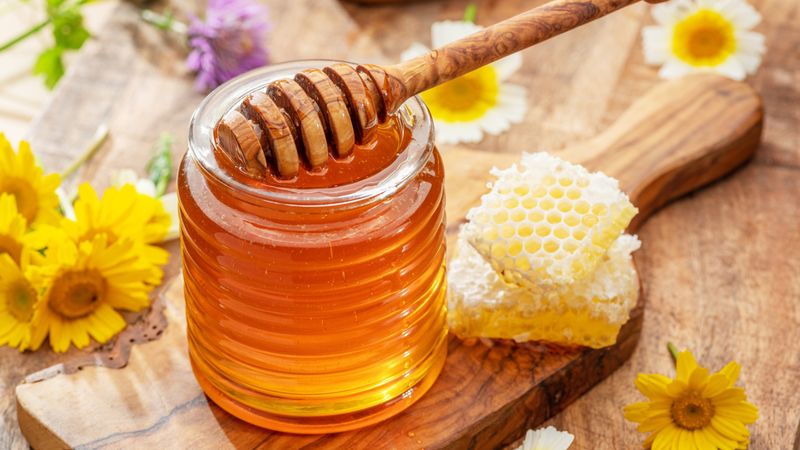
Archaeologists digging in ancient Egyptian tombs found pots of honey that were around 3,000 years old. The best part?
The honey was still safe to eat.
Honey has very little water and is naturally acidic, so germs simply cannot grow in it. Bees also add an enzyme that creates a tiny bit of hydrogen peroxide.
If your honey turns cloudy or crunchy, it is just crystallizing. Warm the jar gently in water and it turns smooth again.
2. Bananas Count as Berries
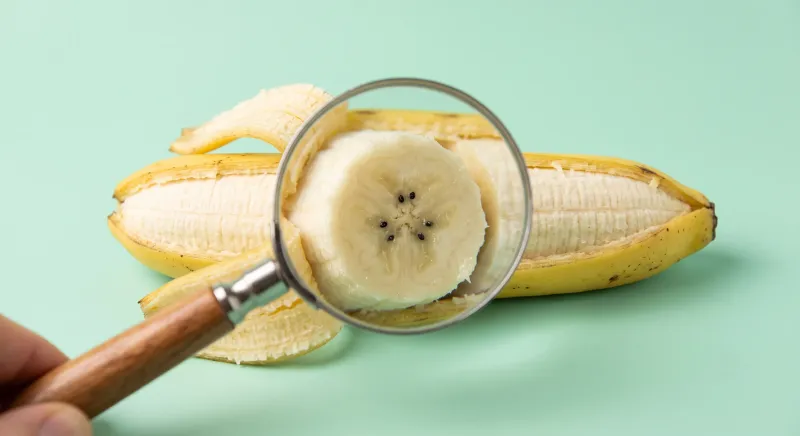
Plant scientists have a funny sense of humor, or at least their rules make it seem that way. By their definition, a berry grows from one flower with one ovary and usually holds seeds inside.
Bananas fit that description perfectly. Strawberries do not, because their seeds sit on the outside.
So the next time you pack a banana in your lunch, you can proudly tell your friends you brought berries. Watch their faces carefully.
3. Ketchup Was Once Sold as Medicine
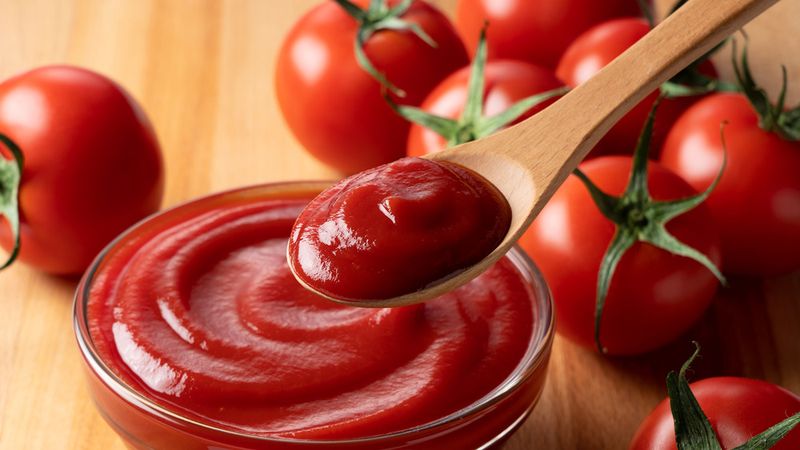
Picture a doctor handing you ketchup and saying it will cure your stomachache. Back in the 1830s, that really happened in America.
A doctor named John Cook Bennett claimed tomatoes could treat indigestion and other problems. Soon, tomato pills and extracts were sold in shops as cures.
The craze faded when sellers made wild promises that were not true. Today ketchup is just a tasty topping, but its history is pretty silly.
4. Apples Float Because of Air
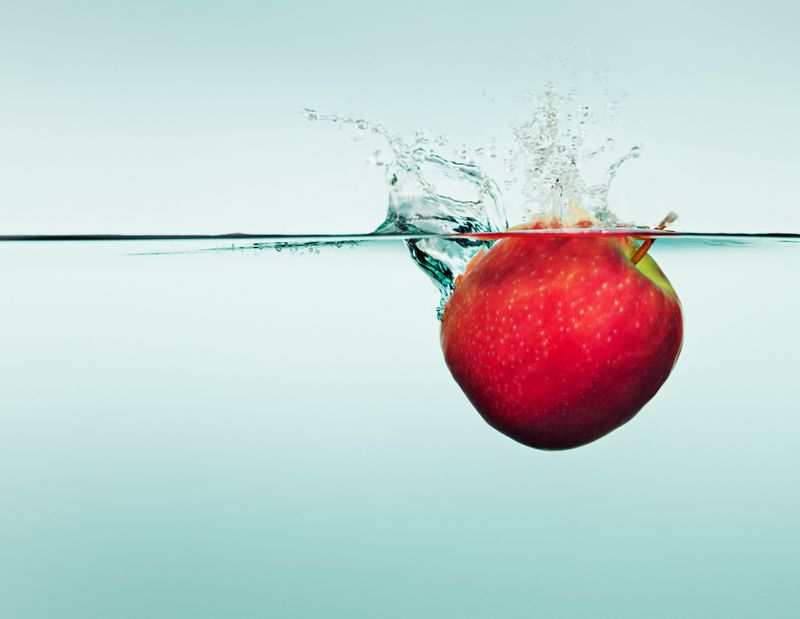
Ever played bobbing for apples at a fall party? That game only works because of a neat science trick.
About 25 percent of an apple is actually air, tucked between its cells. All that air makes the fruit lighter than water, so it bobs at the surface instead of sinking.
Try it at home with different fruits. Pears often sink while apples float, which makes a fun kitchen experiment for a rainy afternoon.
5. Peanuts Are Not Nuts
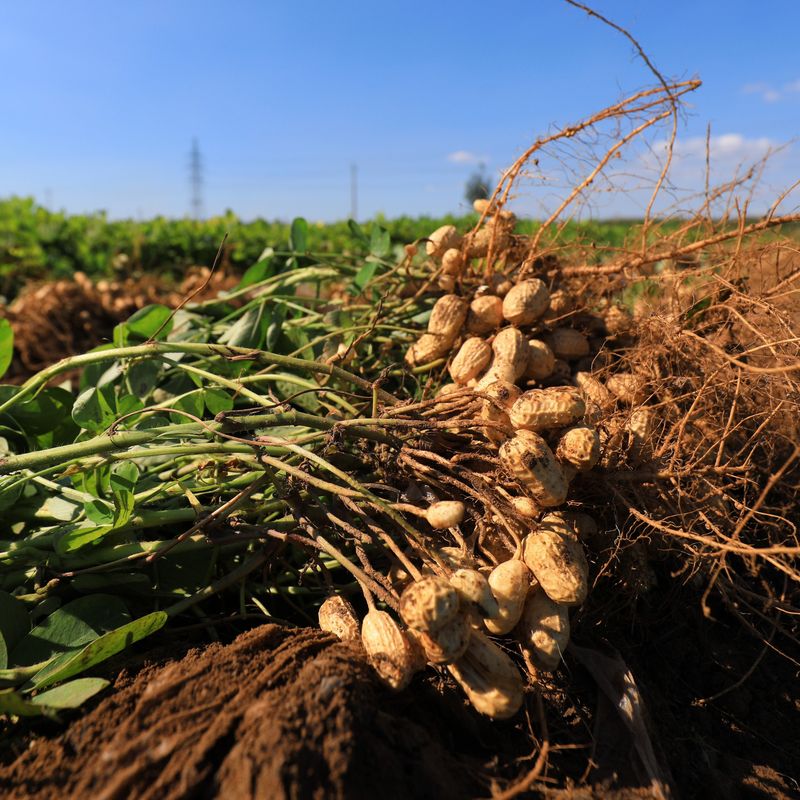
Here is a shocker for snack lovers. Peanuts grow underground and belong to the legume family, which makes them cousins of beans, peas, and lentils.
Real nuts like walnuts and pecans grow on trees. Peanut plants actually push their flower stems into the dirt, where the pods form.
Fun bonus: George Washington Carver found hundreds of uses for peanuts. People with peanut allergies should still be careful, since the name confusion does not change the risk.
6. Carrots Used to Be Purple
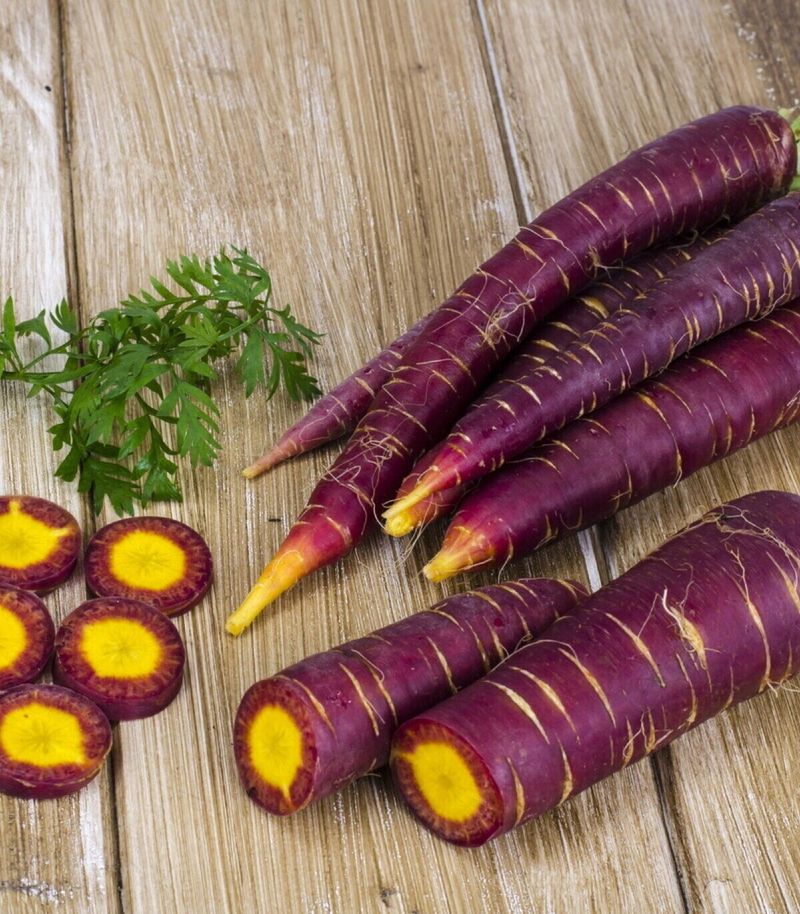
Orange might feel like the only correct carrot color, but that is a fairly new idea. Long ago, most carrots were purple, yellow, or white.
Farmers in the Netherlands during the 1600s grew more of the orange kind, and those became popular across Europe. Some people say it honored the Dutch royal family, though historians argue about that.
Look for rainbow carrots at a farmers market. They taste a little different and look amazing on a plate.
7. Strawberries Wear Their Seeds Outside
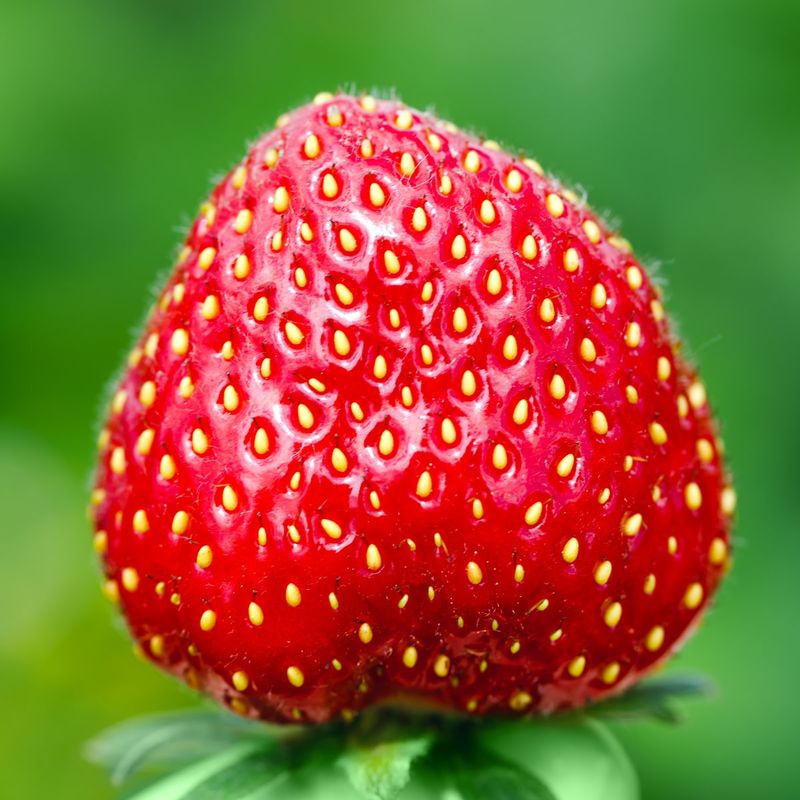
Grab a strawberry and look closely. Those little specks all over the outside are not decorations.
Each tiny dot is called an achene, and every one holds a seed. An average strawberry has about 200 of them, which makes it the only fruit famous for wearing seeds on the outside.
Gardeners usually grow new plants from runners instead of seeds, though. Strawberries send out long stems that root themselves, almost like they are planting their own babies.
8. Pineapples Take Two Years to Grow
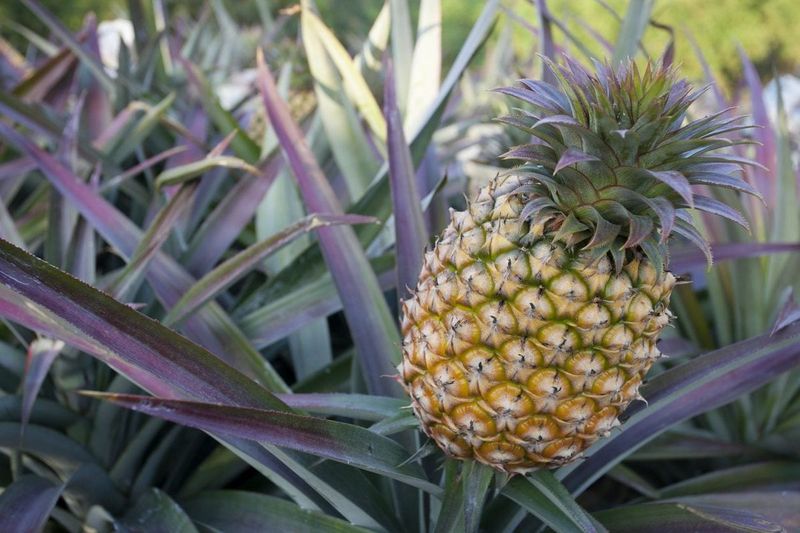
Patience is the secret ingredient in every pineapple. A single plant needs around 18 months to two years before its fruit is ready to pick.
Even more surprising, each plant usually grows just one pineapple at a time. That is a lot of waiting for one sweet treat.
Want to try growing your own? Twist the leafy top off a store pineapple, let it dry, and plant it.
Then get ready to wait a very long time.
9. White Chocolate Has No Cocoa Solids
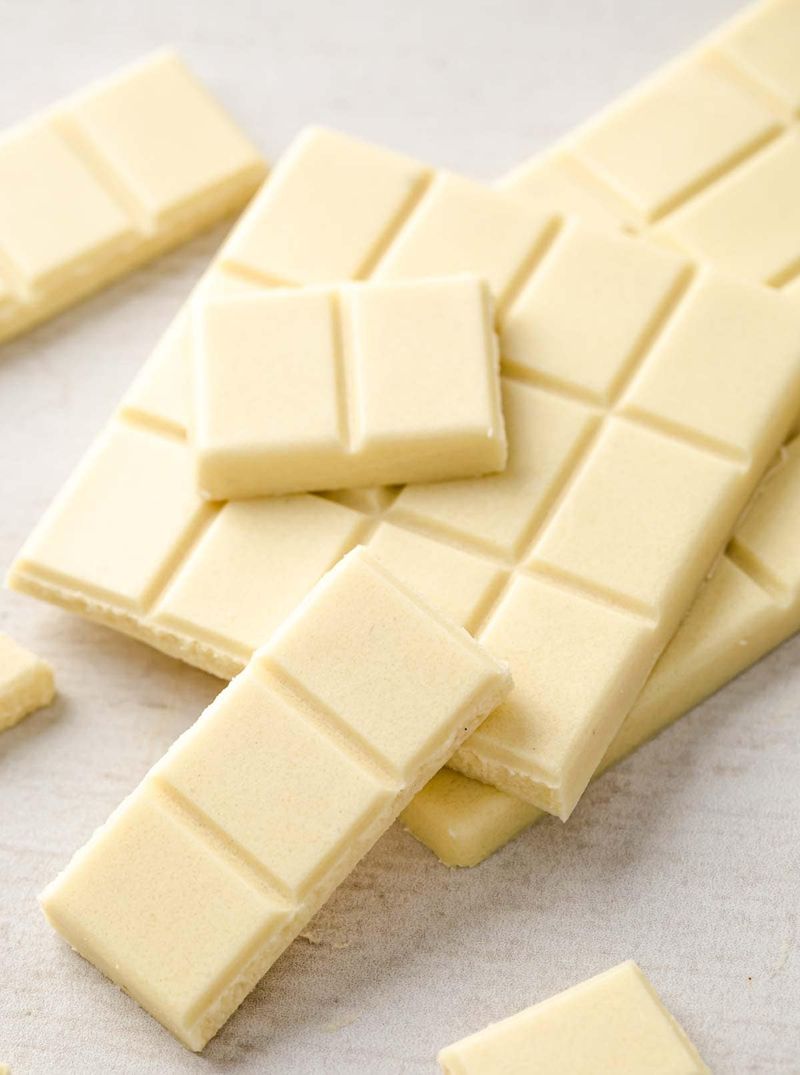
Chocolate fans love to argue about this one. White chocolate is made from cocoa butter, sugar, and milk, but it skips the cocoa solids completely.
Those solids are what give regular chocolate its brown color and rich, slightly bitter flavor. Without them, you get something creamy and sweet instead.
So is it real chocolate? Technically it comes from the cocoa bean, so it counts in some ways.
Your taste buds can be the final judge.
10. Cashews Grow on a Strange Fruit
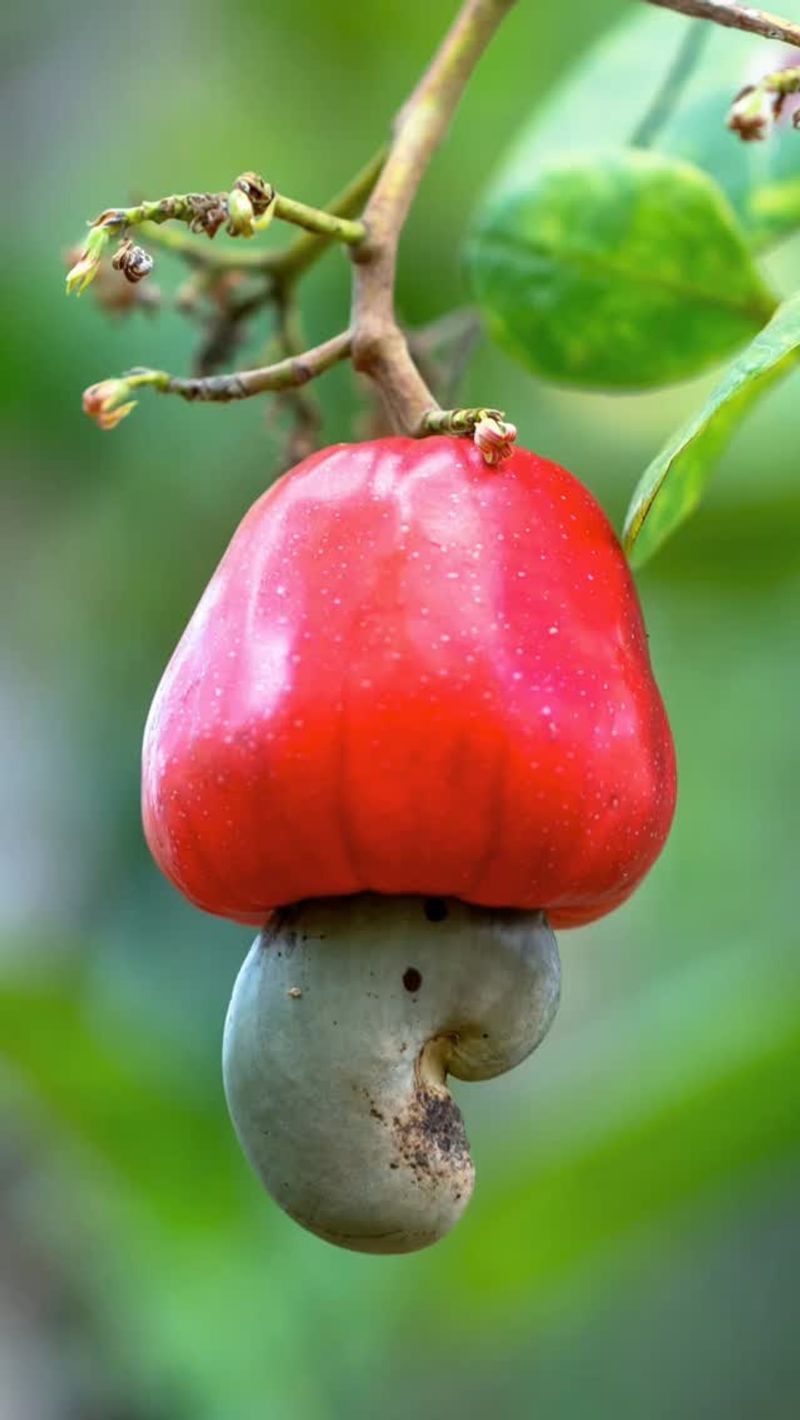
Nature got creative with cashews. Each nut hangs off the bottom of a colorful fruit called a cashew apple, almost like a little tail.
The shell around the nut contains an oily substance related to poison ivy. That is why you never see cashews sold in their shells, since workers carefully roast and remove them first.
In places like Brazil and India, people eat the juicy cashew apple too, often turning it into drinks and jams.
11. Potatoes Went to Space
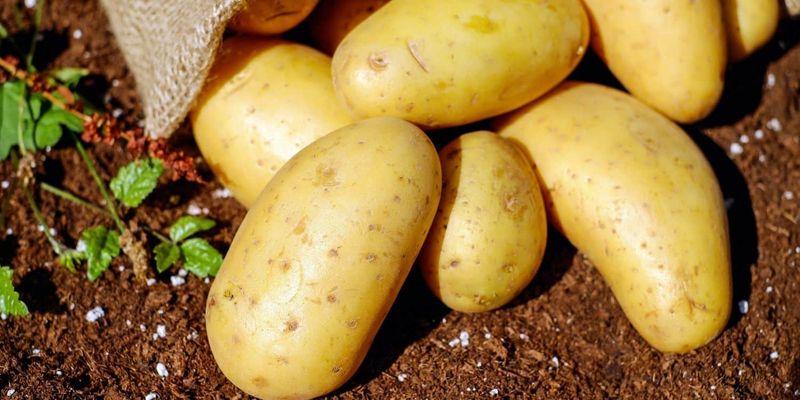
In 1995, potatoes became the first food plant ever grown in space. Scientists sent them up on the Space Shuttle Columbia to see if they could sprout without gravity.
The experiment worked. Tiny potatoes formed, giving researchers hope that astronauts might one day grow their own meals on long trips.
Think about that the next time you munch on fries. Your favorite side dish has traveled farther than most humans ever will.
12. Avocados Are Single-Seed Berries
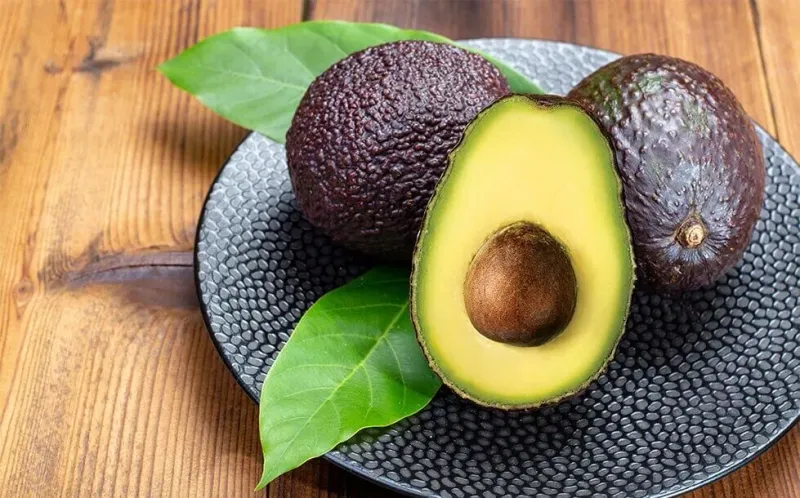
Guacamole lovers, prepare yourselves. Botanists classify the avocado as a large berry with one big seed inside.
The fruit also has a quirky nickname history. Some say ancient Aztecs called it ahuacatl, a word linked to something rather embarrassing that we will let you look up yourself.
A handy tip: avocados ripen off the tree, never on it. Put a hard one in a paper bag with a banana to speed things up overnight.
13. Fruit Flavored Snacks Use Car Wax
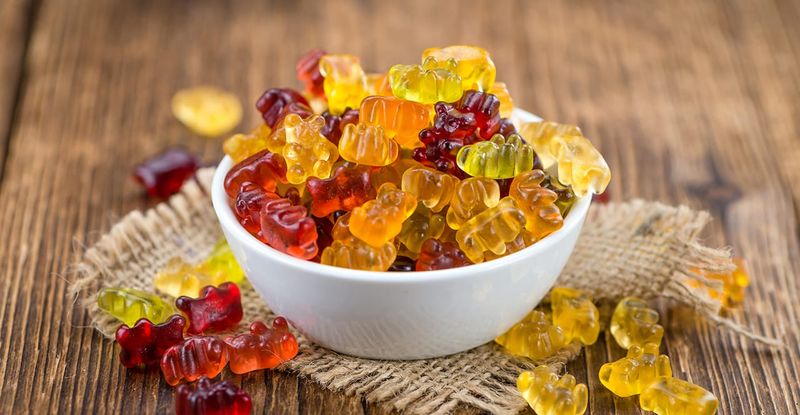
That shiny coating on gummy candies has a surprising cousin. Many use carnauba wax, which comes from palm leaves in Brazil.
The very same wax is used to polish cars and surfboards. In candy, it keeps pieces from sticking together and gives them that glossy look.
Do not worry, though. It is considered safe to eat in tiny amounts and passes right through your body.
Still, it makes a great fact to share at lunch.
14. Almonds Are Related to Peaches
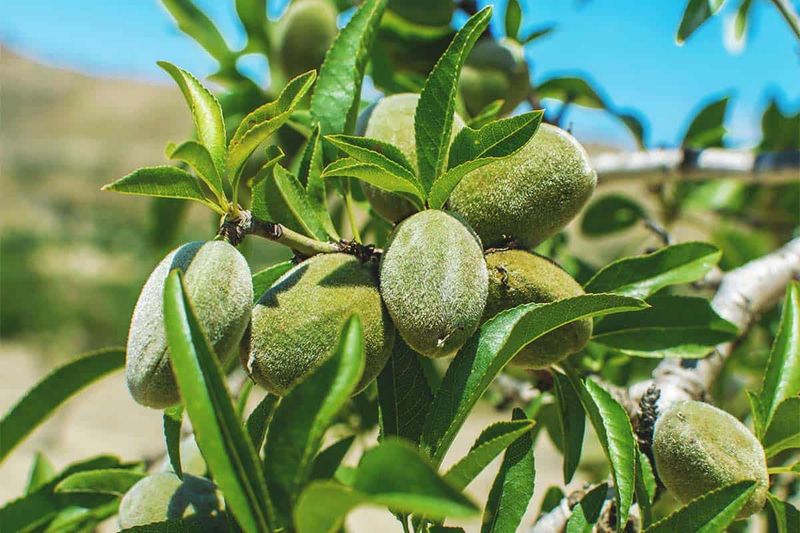
Crack open a peach pit and you will find something that looks a lot like an almond. That is no coincidence.
Almonds, peaches, cherries, and plums are all in the same plant family. On the tree, an almond grows inside a fuzzy green fruit that looks like an unripe peach.
Here is a safety reminder: do not eat peach pit seeds. They contain natural chemicals that can be harmful, unlike the sweet almonds sold in stores.
15. Some Cheese Gets Its Flavor From Bacteria
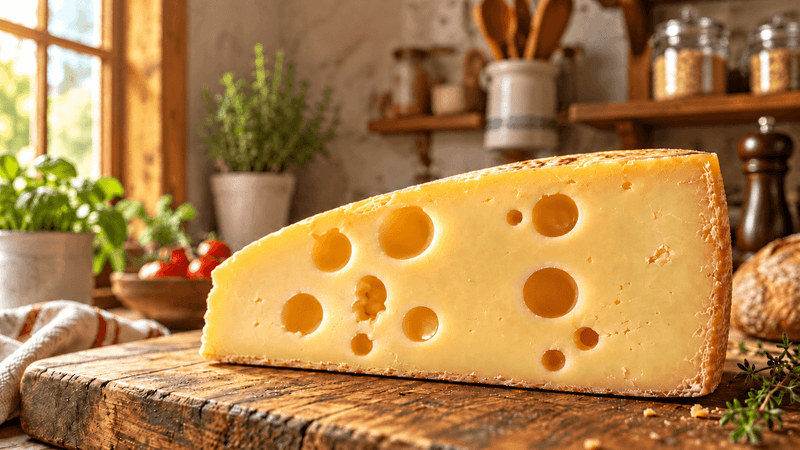
Swiss cheese owes its famous holes to tiny helpers. Special bacteria munch on the cheese while it ages and release bubbles of carbon dioxide gas.
Those bubbles get trapped and leave behind holes, which cheesemakers call eyes. The bacteria also add a nutty, sweet flavor.
Fun fact: modern factories became so clean that some Swiss cheese started having fewer holes. Scientists discovered that tiny bits of hay dust actually helped the holes form.
16. Nutmeg Can Make You Sick
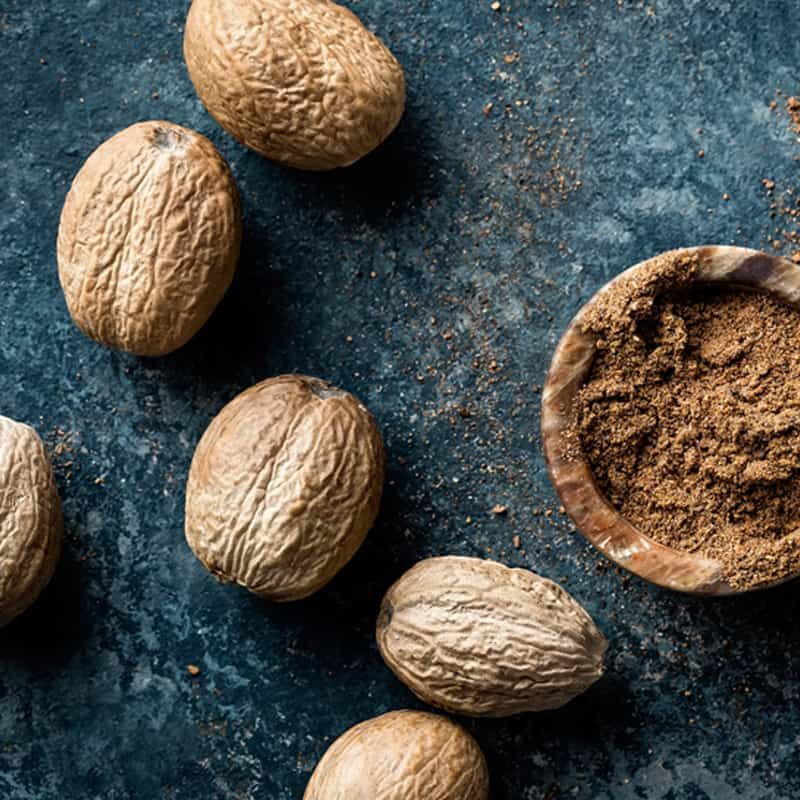
A pinch of nutmeg makes holiday treats smell amazing. Eating a big spoonful, however, is a terrible idea.
Nutmeg contains a natural chemical called myristicin. In large amounts, it can cause dizziness, a racing heart, and feeling really sick for hours.
Recipes only call for small amounts, so cookies and eggnog are perfectly safe. Just remember that more spice is not always better, especially with this cozy little seed.
17. Raspberries Are Made of Tiny Fruits
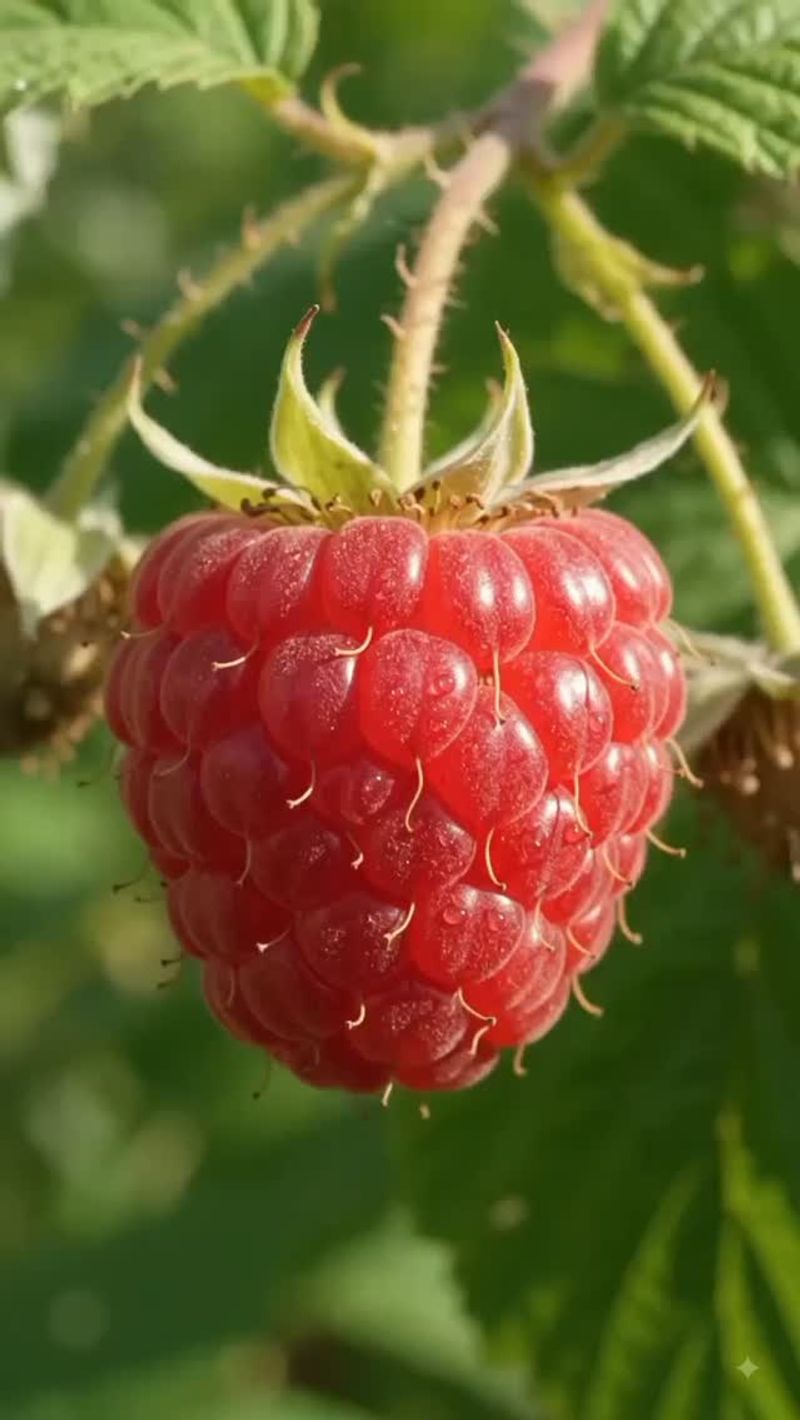
Count the little bumps on a raspberry sometime. Each one is actually a tiny fruit of its own, called a drupelet.
A single raspberry can have around 100 drupelets, and every one holds a seed. They cling together around a center core that stays on the plant when you pick it.
That is why raspberries are hollow inside. Kids love wearing them on their fingertips, and now you know why they fit so perfectly.
18. Fortune Cookies Came From Japan
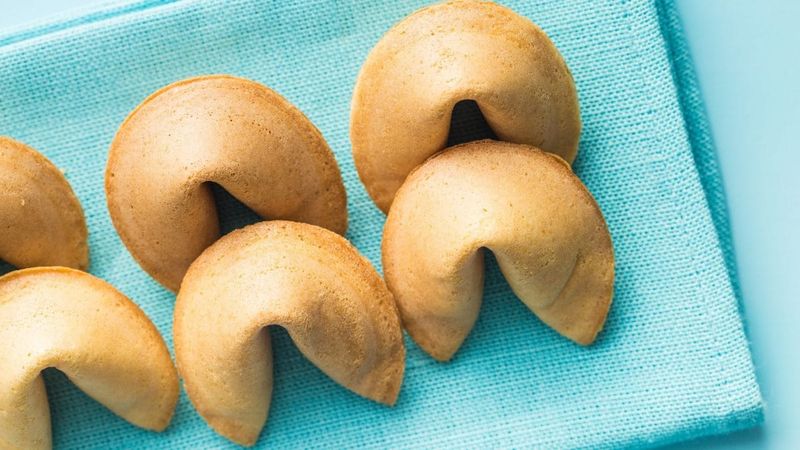
Surprise! Fortune cookies are not really a Chinese invention.
Most historians trace them to Japan, where bakers made similar crackers with paper fortunes tucked inside.
Japanese immigrants brought the idea to California in the early 1900s. Chinese American restaurants later made them popular across the country.
Today you will rarely find fortune cookies in China at all. They are mostly an American treat with a surprisingly twisty backstory, just like a good fortune.
19. Watermelon Is Mostly Water
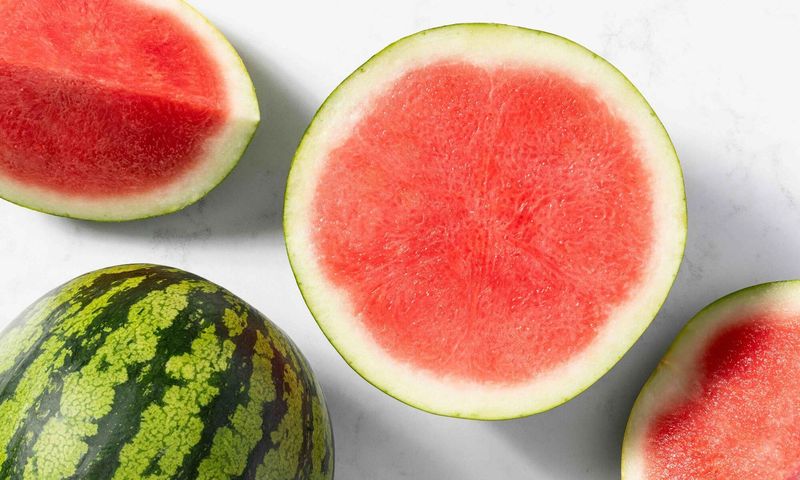
The name says it all. About 92 percent of a watermelon is water, which is why it feels so refreshing on hot days.
Eating watermelon can actually help you stay hydrated at the beach or after sports. It also has vitamins A and C plus a healthy red pigment called lycopene.
Oh, and swallowing a seed will not grow a melon in your belly. That old playground warning is happily untrue.
20. Crackers Have Holes for a Reason
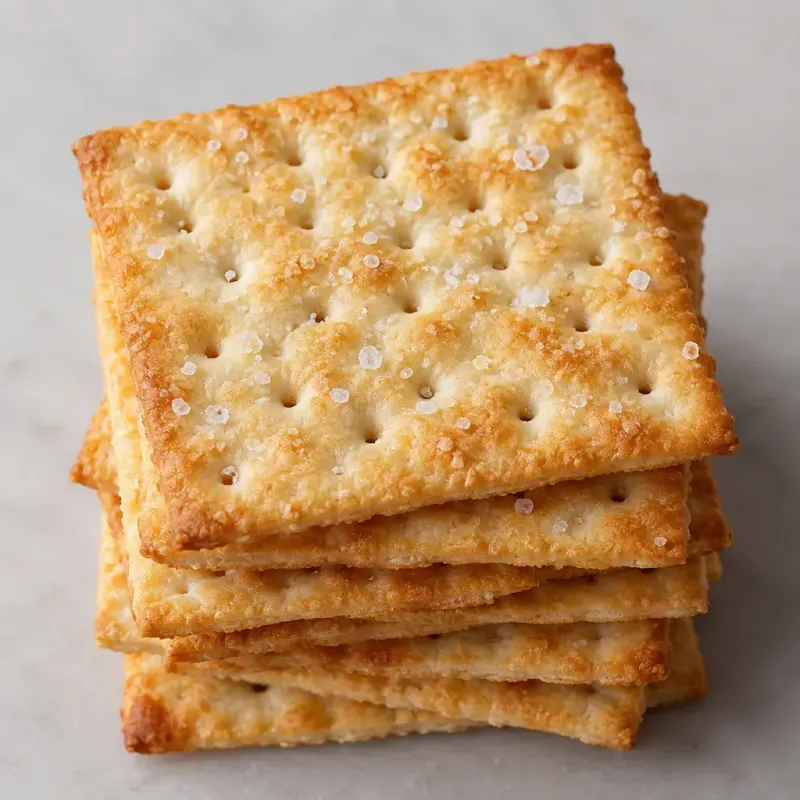
Those tiny holes in crackers are not just for looks. Bakers call them docking holes, and they serve an important job.
While crackers bake, steam builds up inside the dough. The holes let that steam escape so the crackers stay flat and crispy instead of puffing up like little pillows.
Homemade cracker recipes often tell you to poke the dough with a fork. Now you know exactly why that step matters.
21. Cucumbers Are Cool Inside
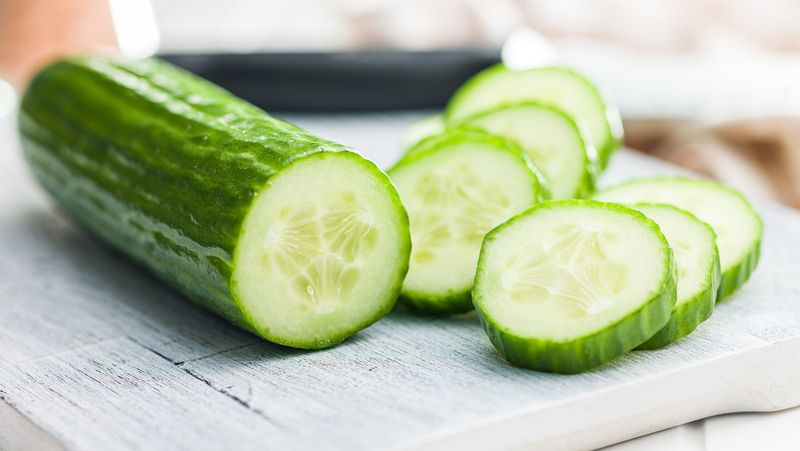
The phrase cool as a cucumber is actually based on real science. The inside of a cucumber can stay several degrees cooler than the air around it.
Its high water content helps keep things chilly. That is why people place cucumber slices on tired eyes at spas.
Try adding a few slices to a water bottle on a summer day. The drink tastes fresh, crisp, and just a little bit fancy.
22. Popcorn Pops Because of Water
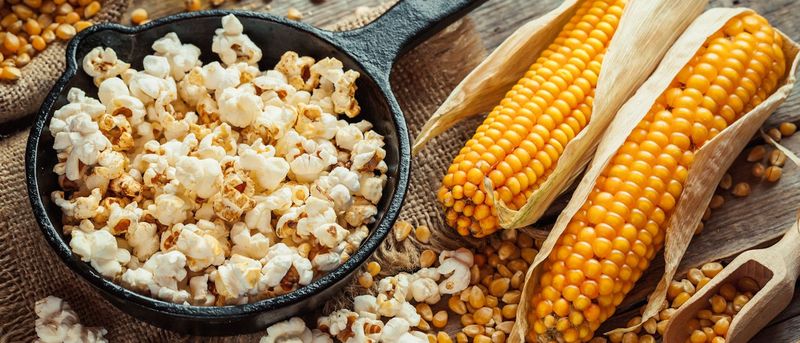
Every popcorn kernel is a tiny pressure cooker. Inside its hard shell sits a little drop of water and some soft starch.
When heated, the water turns to steam and builds pressure until the shell bursts open. The starch puffs into the fluffy white shape we love.
Kernels that stay unpopped, called old maids, usually lost too much moisture. Storing popcorn in an airtight container helps more of them pop.
23. Lemons Have More Sugar Than Strawberries
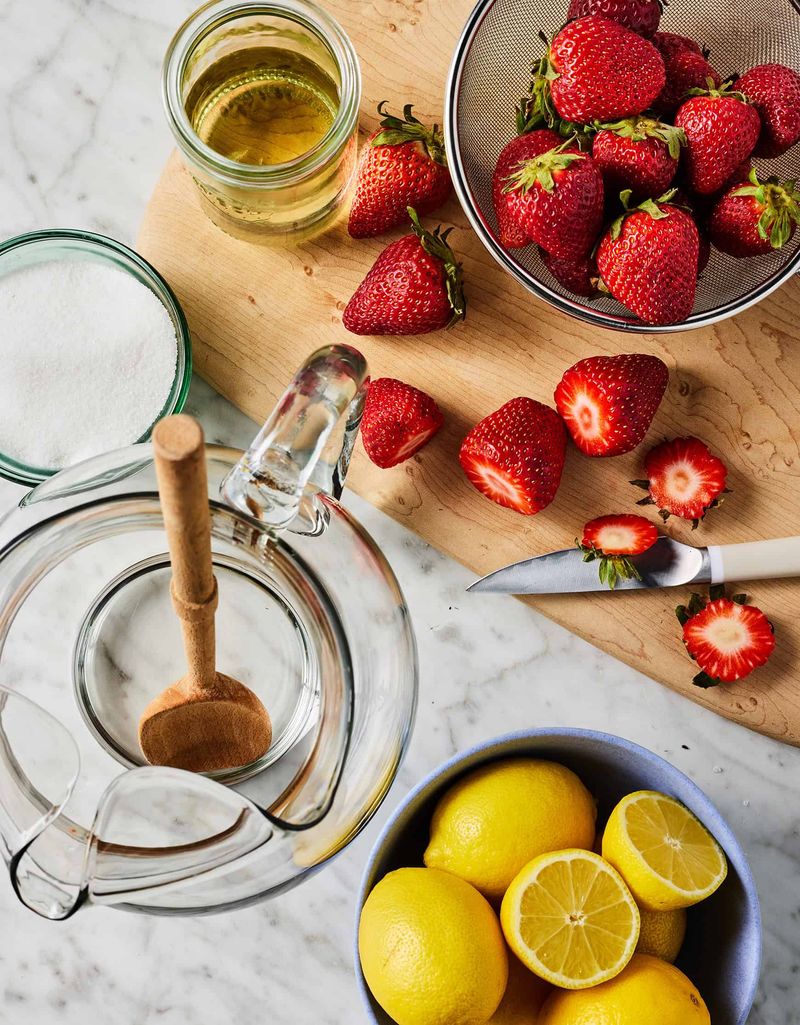
Sour as they taste, lemons hide more sugar than you would guess. Ounce for ounce, they contain a bit more natural sugar than strawberries.
So why do lemons make your face pucker? Their high citric acid completely overpowers the sweetness on your tongue.
This explains why lemonade needs so much added sugar to taste good. Next time you sip some, think about the sneaky sweetness already hiding in every squeeze.