
Your heart beats about 100,000 times every single day, and it never takes a break. The food you eat can help keep it strong or make its job harder.
The good news is that many tasty, simple foods give your heart exactly what it needs. Here are some easy favorites you can start adding to your plate today.
1. Salmon
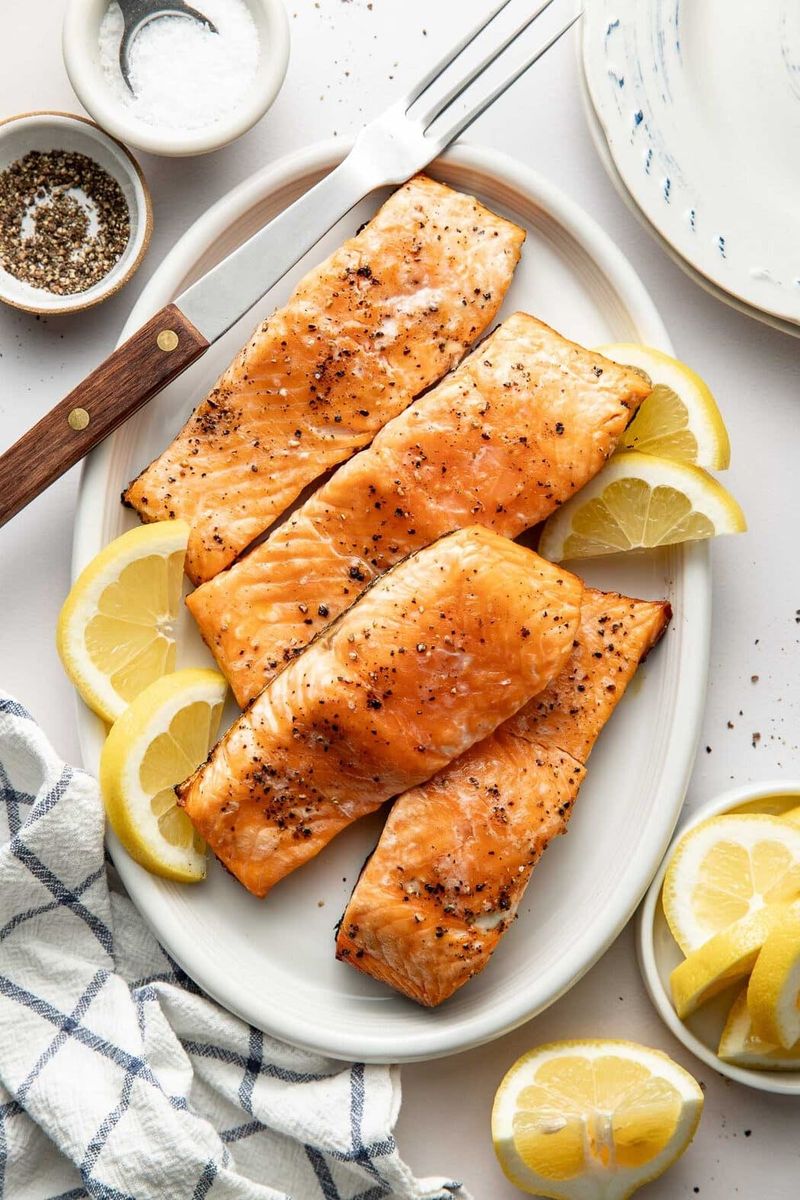
Fishermen in Alaska have a saying that wild salmon is brain food, but it is heart food too. Salmon is loaded with omega-3 fats, which help lower blood fats called triglycerides and calm swelling in blood vessels.
Doctors suggest eating fatty fish about twice a week. Try baking a fillet with lemon and garlic for an easy dinner.
Canned salmon works great in sandwiches and costs less too.
2. Oatmeal
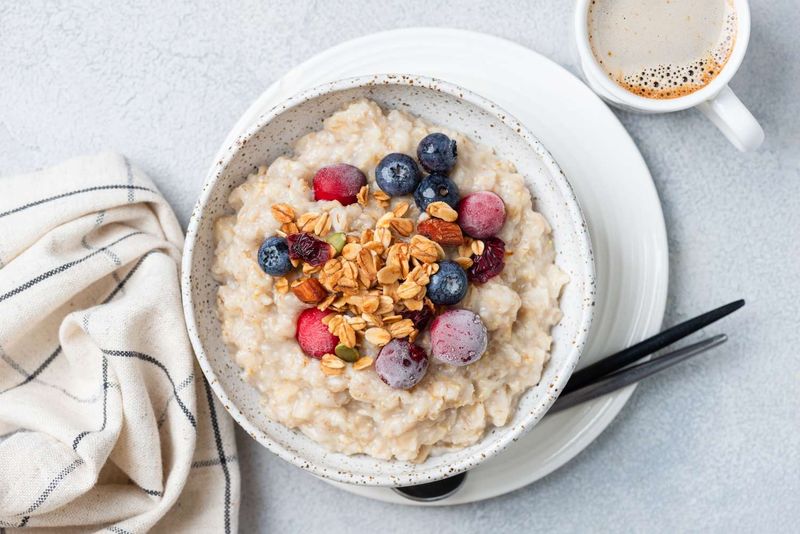
Grandma was right when she served you a warm bowl of oats on cold mornings. Oats contain a special fiber called beta-glucan that soaks up bad cholesterol like a sponge and helps carry it out of your body.
Pick plain rolled or steel-cut oats instead of sugary packets. Add fruit, cinnamon, or a spoon of nut butter for flavor.
Overnight oats in a jar make busy mornings much easier.
3. Blueberries
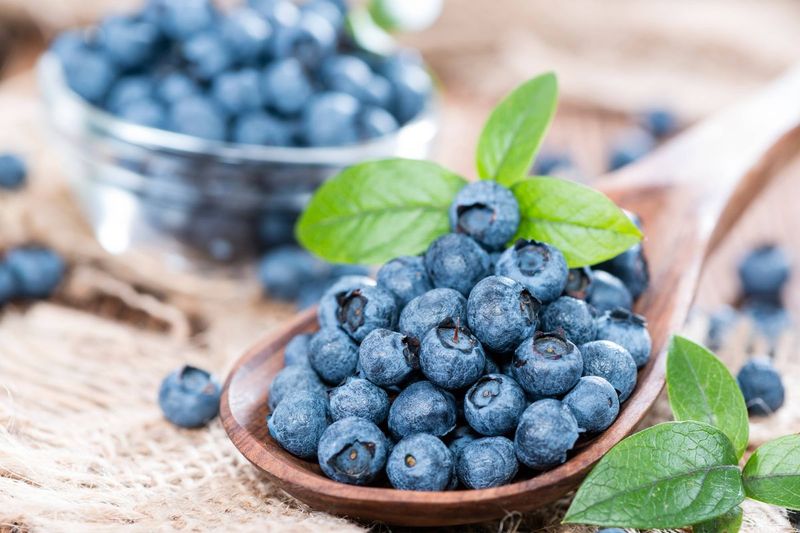
Small but mighty, blueberries pack a colorful punch. Their deep blue shade comes from anthocyanins, natural plant compounds that help keep blood vessels relaxed and flexible.
One study found women who ate three or more servings of berries a week had a lower risk of heart attack.
Toss them into yogurt, cereal, or smoothies. Frozen berries are just as healthy as fresh ones and stay good for months in your freezer.
4. Avocados
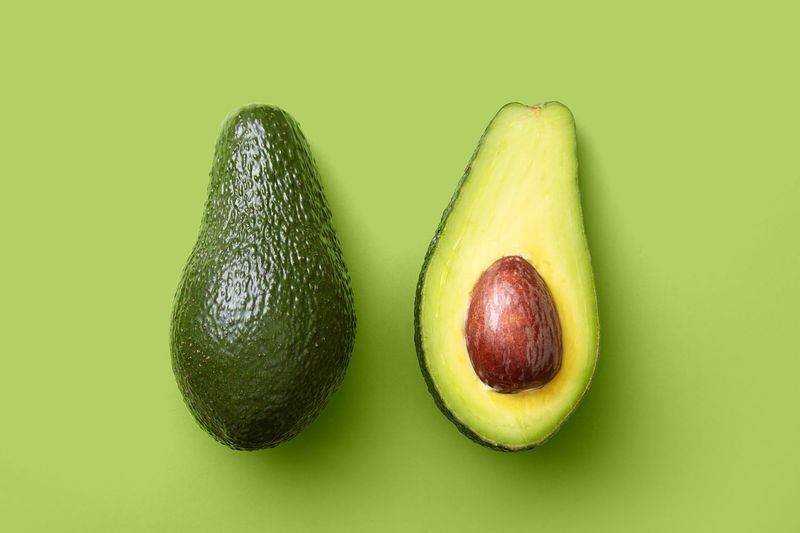
Creamy, green, and wildly popular on toast, avocados deserve their fame. They are full of healthy monounsaturated fats that can raise good cholesterol while lowering the bad kind.
Avocados also have more potassium than a banana, which helps control blood pressure.
Fun fact: avocados are actually a fruit, and some call them alligator pears because of their bumpy skin. Mash one for guacamole or slice it onto salads and tacos.
5. Walnuts
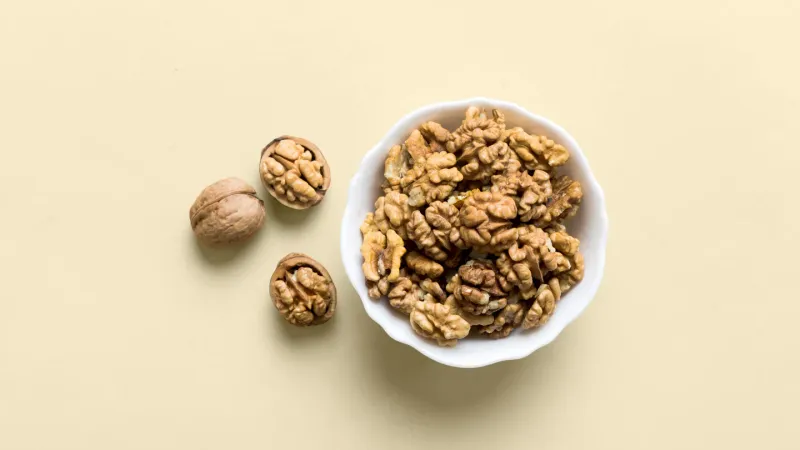
Ever noticed that a walnut looks a little like a tiny brain? Funny enough, it is great for your heart instead.
Walnuts are one of the few nuts with plant-based omega-3 fats.
Eating a small handful a day may lower bad cholesterol and support healthy arteries.
Keep portions to about a quarter cup since nuts are high in calories. Sprinkle chopped walnuts on oatmeal, salads, or banana bread for crunch.
6. Almonds
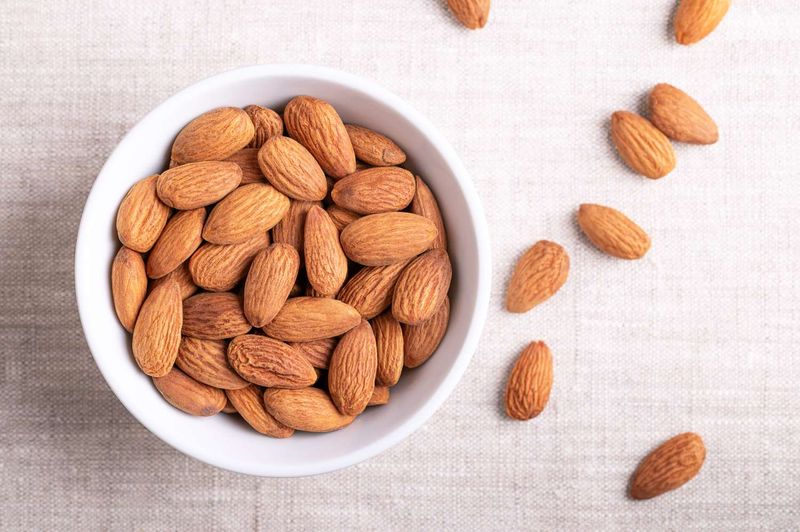
Picture a snack that fits in your pocket, needs no fridge, and helps your heart. That is the humble almond.
Almonds offer healthy fats, fiber, vitamin E, and magnesium, which all work together to protect blood vessels. Studies show regular almond eaters often have lower bad cholesterol.
Choose raw or dry-roasted almonds without added salt. About 23 almonds makes one serving, which is perfect for an afternoon pick-me-up between classes or meetings.
7. Spinach
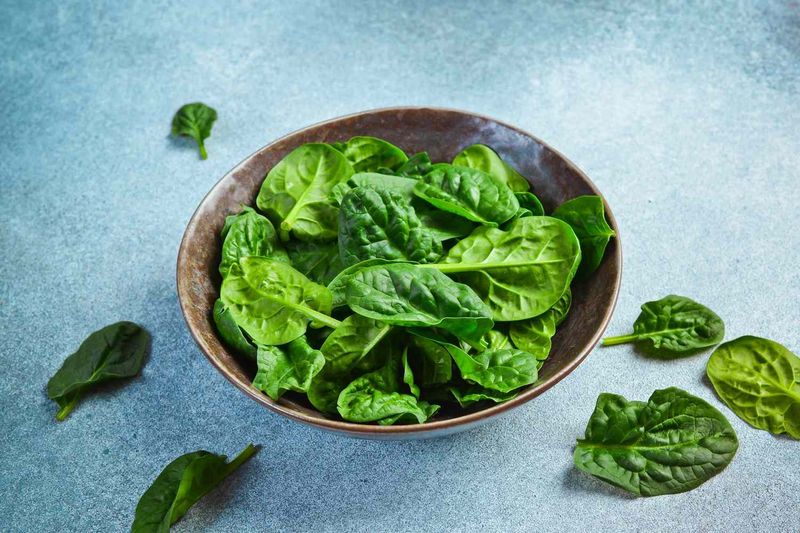
Popeye had the right idea, even if he ate his spinach from a can. Leafy greens like spinach are rich in vitamin K and nitrates, which help your blood vessels open up and lower blood pressure.
Spinach shrinks a lot when cooked, so a big pile turns into just a few bites.
Blend a handful into smoothies, where you will barely taste it, or stir it into pasta sauce and soups.
8. Extra Virgin Olive Oil
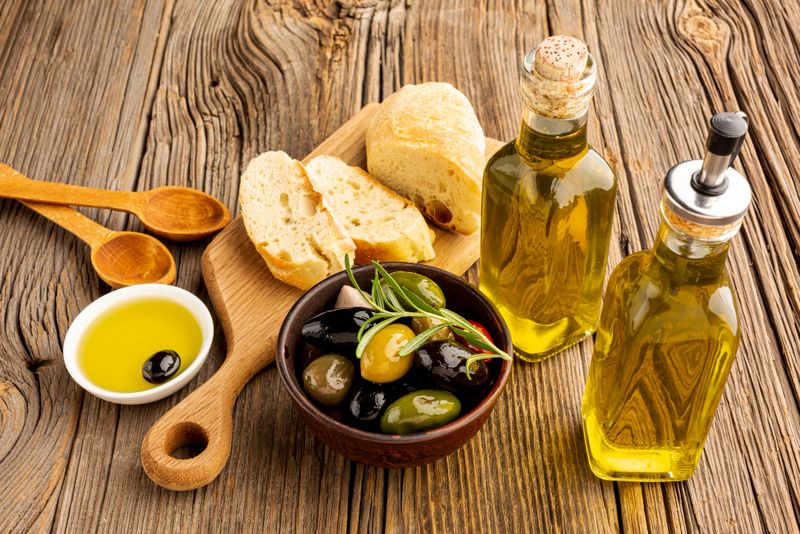
People living around the Mediterranean Sea have poured olive oil on their food for thousands of years, and they tend to have fewer heart problems.
Extra virgin olive oil is packed with healthy fats and antioxidants that fight damage inside your arteries.
Use it in place of butter when cooking vegetables or making salad dressing. Simply mix olive oil, lemon juice, and a pinch of salt for a quick, homemade dressing.
9. Beans
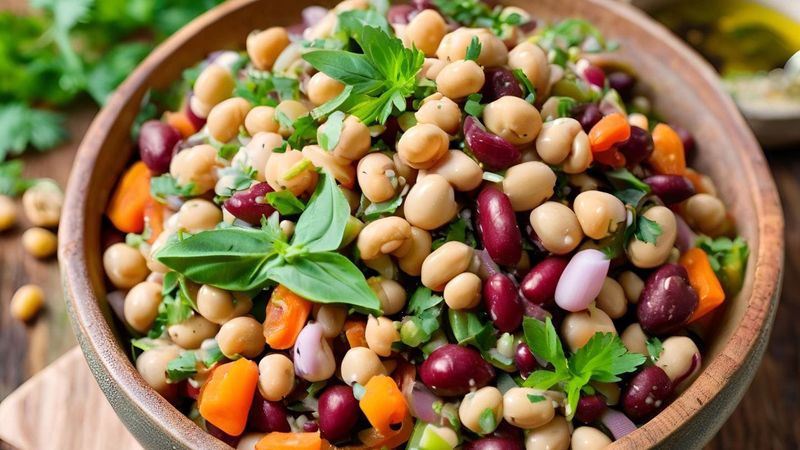
Cheap, filling, and super versatile, beans might be the most underrated food in your pantry. Black beans, kidney beans, and pinto beans are full of soluble fiber that helps lower cholesterol.
They also give you protein without the saturated fat found in many meats.
Rinse canned beans to wash away extra salt. Add them to chili, tacos, rice bowls, or soups.
Your wallet and your heart will both thank you.
10. Tomatoes
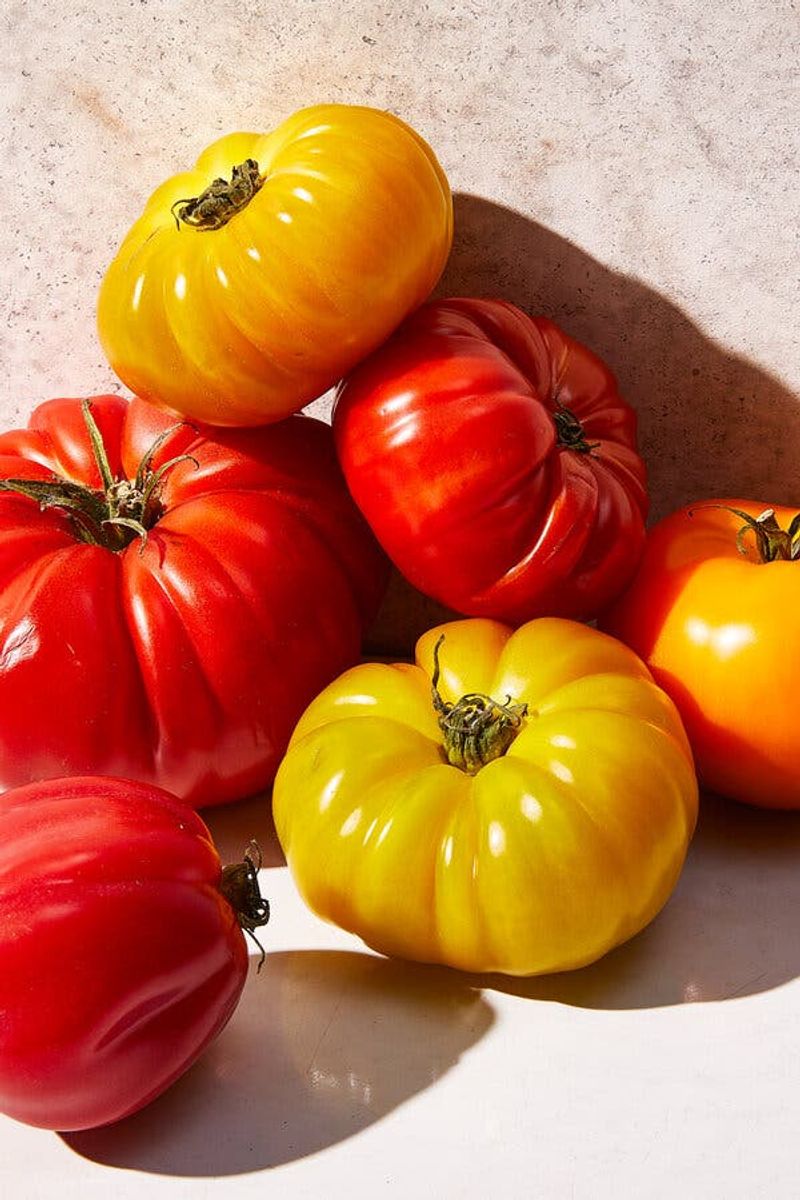
Here is a surprising twist: cooked tomatoes may be even better for you than raw ones. Heating them releases more lycopene, a bright red antioxidant linked to lower heart disease risk.
Tomatoes also bring potassium, which helps balance out salt in your body.
Enjoy them sliced on sandwiches, roasted with herbs, or simmered into a homemade pasta sauce. Just watch store-bought sauces, since some hide lots of sugar and sodium.
11. Dark Chocolate
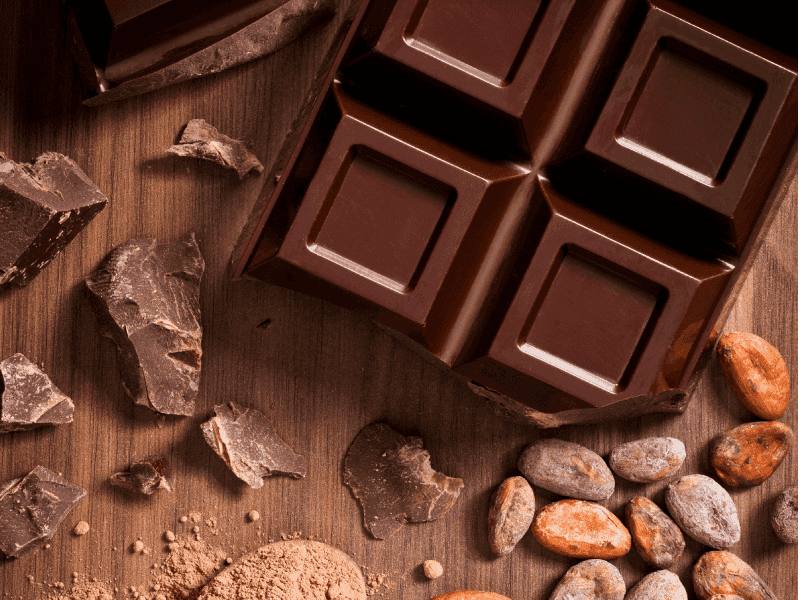
Yes, chocolate made the list, and you can smile about it. Dark chocolate with at least 70 percent cocoa contains flavanols that may help lower blood pressure and improve blood flow.
The trick is keeping it small. One or two squares is plenty, since chocolate still has sugar and fat.
Fun fact: the ancient Maya called cocoa the food of the gods. A little treat can be good for you too.
12. Green Tea
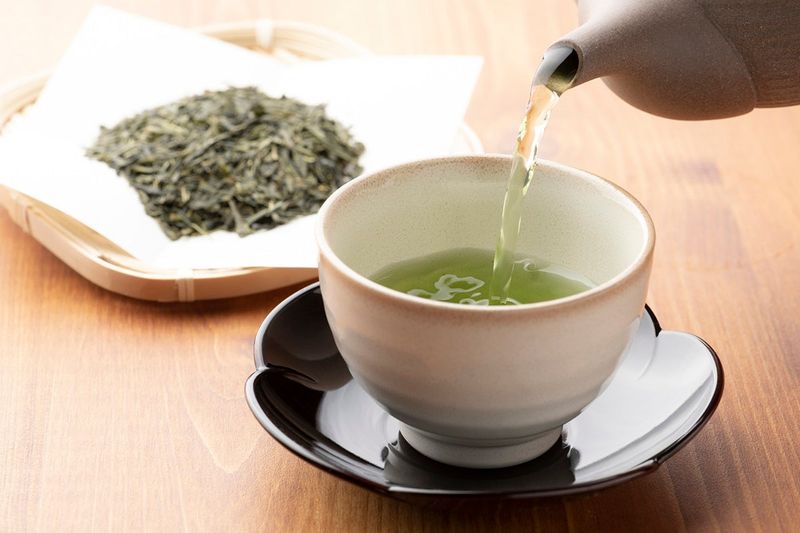
In Japan, sipping green tea is a daily habit, and research suggests it may help their hearts. Green tea contains catechins, natural compounds that may lower cholesterol and support healthy blood pressure.
Brew it with hot water, not boiling, to keep it from tasting bitter. Steep for about three minutes.
Skip heavy sugar and try a squeeze of lemon or a little honey instead. Iced green tea is lovely on summer days.
13. Flaxseeds
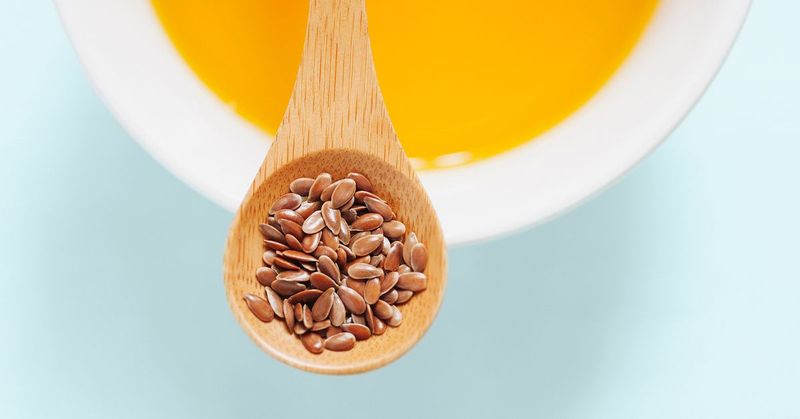
Tiny seeds, big job. Flaxseeds are packed with fiber, omega-3 fats, and lignans, all of which team up to protect your heart and lower cholesterol.
Here is a smart tip: buy ground flaxseed. Whole seeds often pass through your body without being broken down, so you miss the benefits.
Stir a tablespoon into smoothies, yogurt, or pancake batter. The nutty flavor is mild, so picky eaters rarely notice it.
14. Garlic
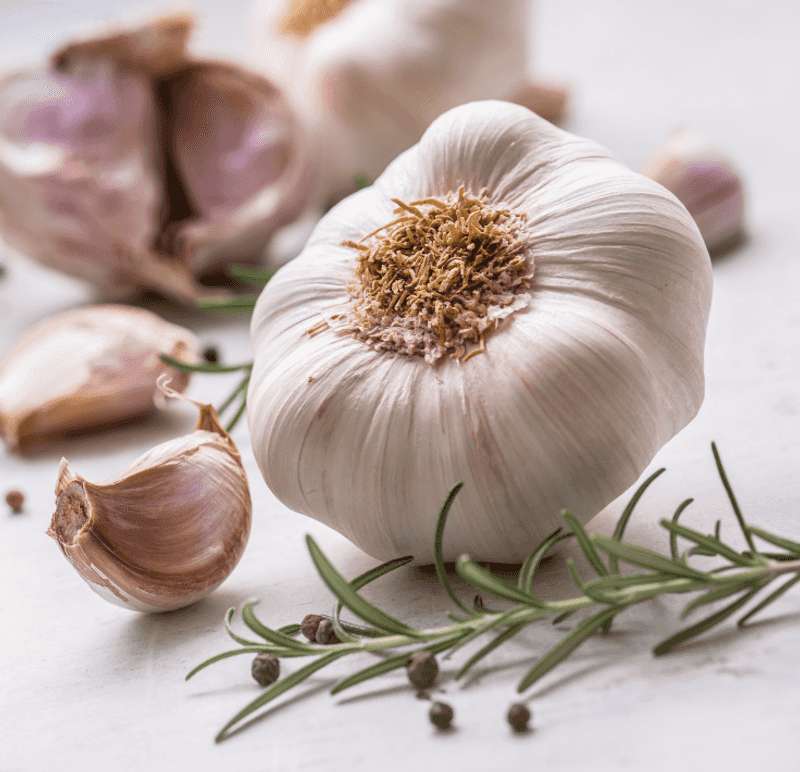
Long before modern medicine, ancient Egyptians and Greeks used garlic as a health remedy. Today, scientists know garlic contains allicin, which may help relax blood vessels and lower blood pressure a little.
To get the most benefit, chop or crush garlic and let it sit for ten minutes before cooking.
It adds big flavor, so you can use less salt. Try it in stir-fries, roasted veggies, and soups.
15. Sweet Potatoes
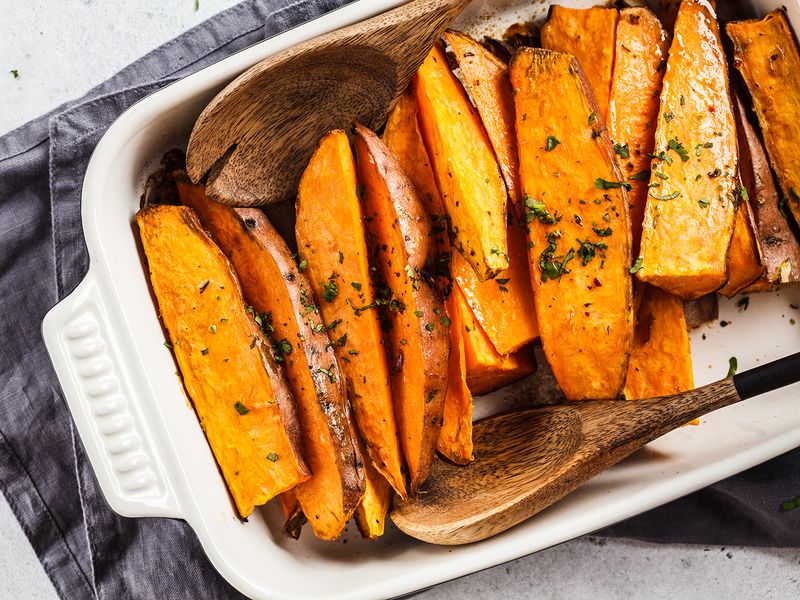
Swap your regular fries for sweet potato wedges and your heart gets a cozy upgrade. Sweet potatoes are loaded with fiber, potassium, and beta-carotene, the orange pigment your body turns into vitamin A.
Their potassium helps keep blood pressure in check.
Bake them whole and top with black beans and salsa, or roast wedges with olive oil and paprika. Leave the skin on for extra fiber and less prep work.
16. Lentils
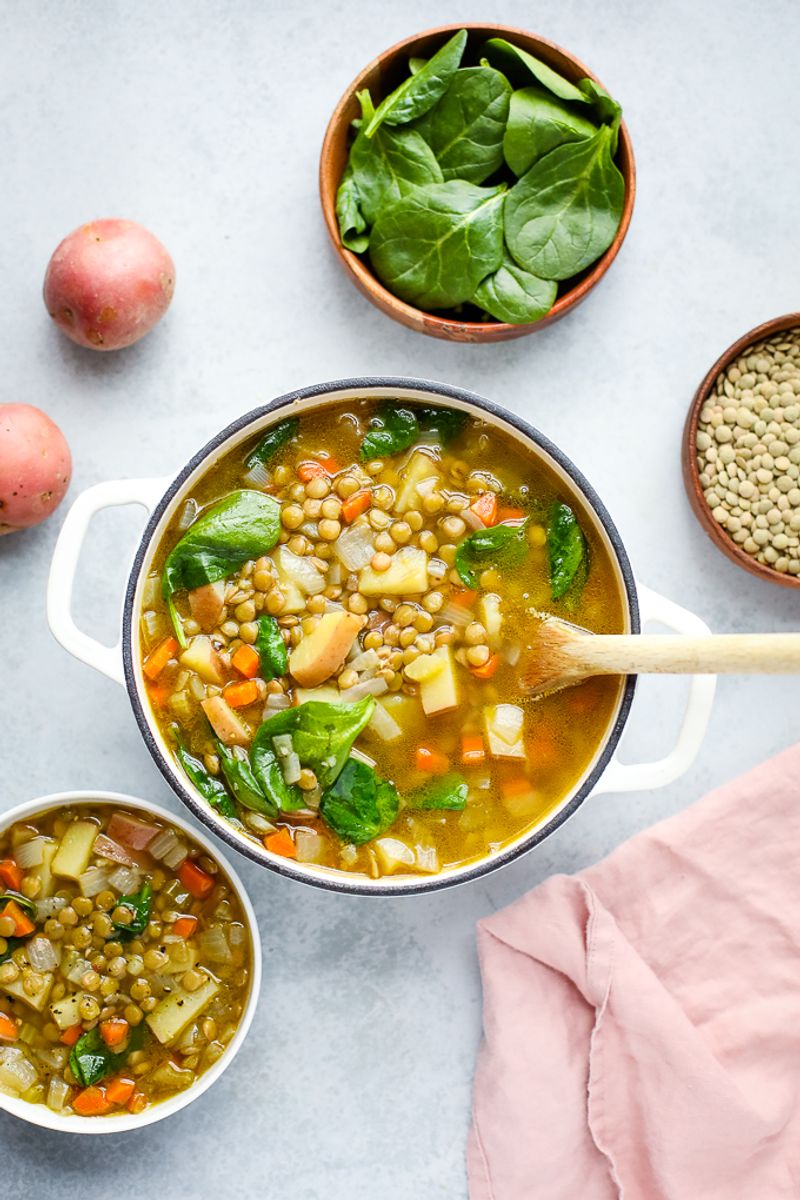
Think of lentils as the speedy cousin of beans. Unlike dried beans, they need no soaking and cook in about twenty minutes.
Lentils deliver plant protein, folate, and lots of fiber, all great for keeping arteries clear. Folate also helps control an amino acid linked to heart trouble.
Red lentils turn soft and creamy for soups, while green and brown lentils hold their shape nicely in salads and veggie burgers.
17. Oranges
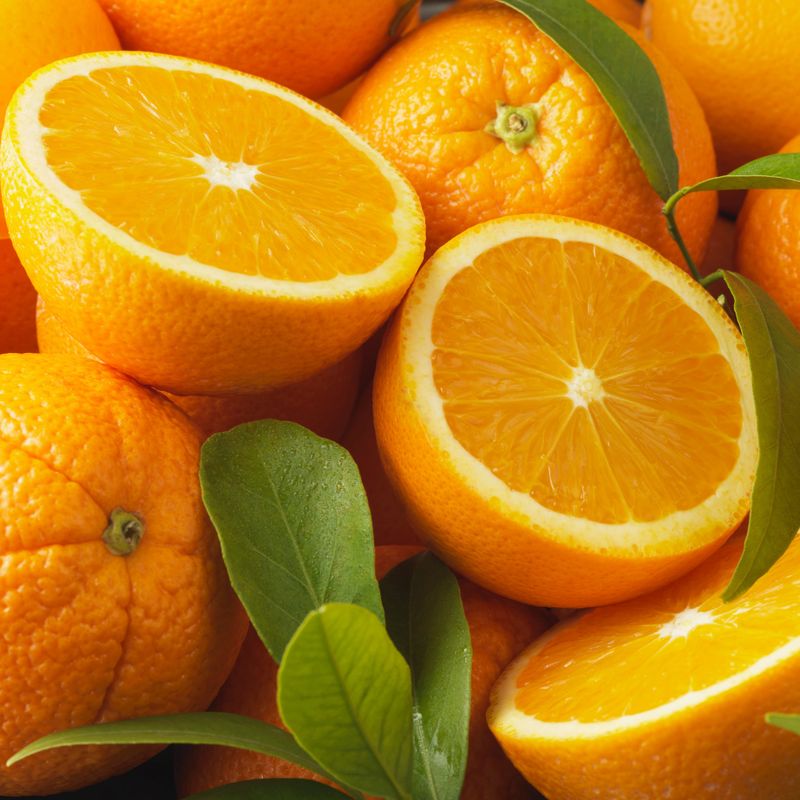
Peeling an orange in the sunshine just feels healthy, right? Oranges are juicy sources of vitamin C, potassium, and a fiber called pectin that helps trap cholesterol.
They also contain flavonoids like hesperidin, which may support healthy blood vessels.
Eat the whole fruit instead of drinking juice. You get more fiber and less sugar that way.
Keep a few in your backpack or lunch bag for a sweet, easy snack.
18. Greek Yogurt
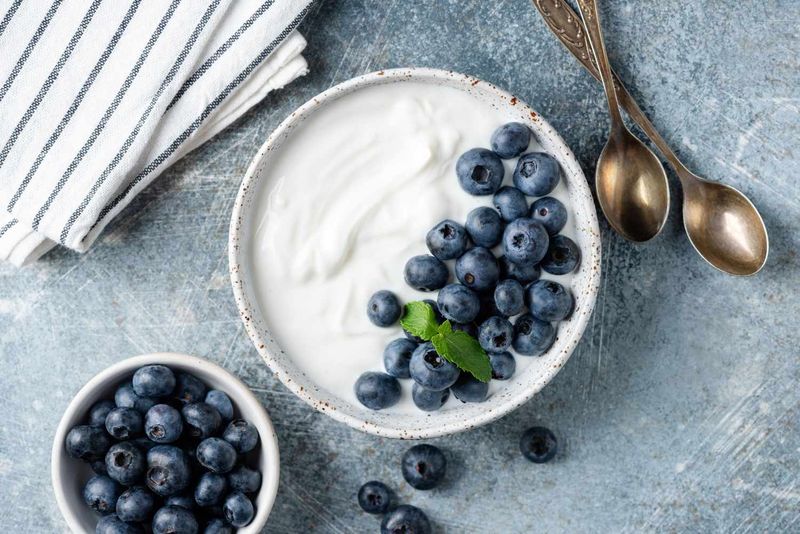
Thick, tangy, and protein-rich, plain Greek yogurt makes a smart breakfast or snack. Some studies link yogurt to lower blood pressure, likely thanks to its calcium, potassium, and helpful probiotics.
Watch out for flavored cups, which can hold as much sugar as dessert.
Instead, buy plain and add your own toppings like berries, a drizzle of honey, or chopped nuts. It also replaces sour cream nicely on tacos and baked potatoes.
19. Brown Rice and Whole Grains
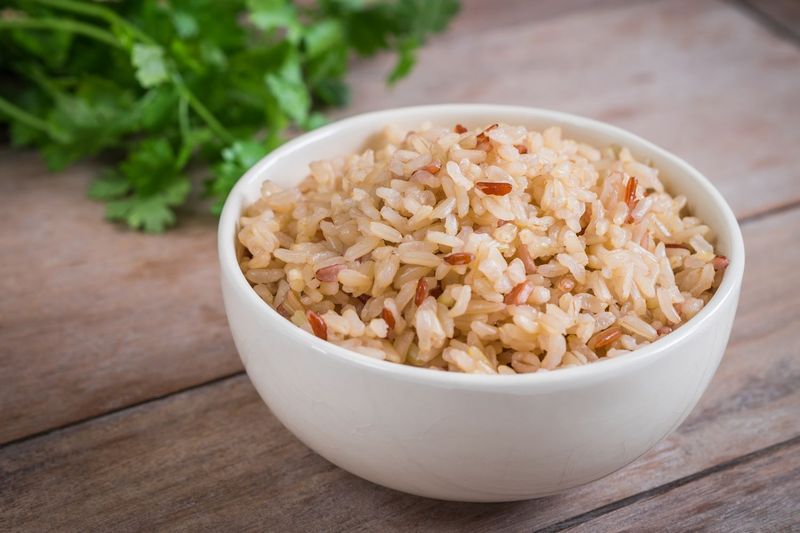
White bread and white rice lose most of their goodness when they are processed. Whole grains like brown rice, quinoa, barley, and whole wheat keep the fiber-filled outer layer.
People who eat more whole grains tend to have lower rates of heart disease.
Start small by mixing half brown rice with half white. When shopping, look for the word whole as the first ingredient on bread and pasta labels.