
Salt hides in plenty of foods that do not even taste salty. Most of the sodium we eat comes from packaged and restaurant foods, not the salt shaker on the table.
Eating too much over time can raise blood pressure and strain your heart. Knowing where salt sneaks in can help you make smarter choices without giving up the foods you love.
1. Sliced Bread
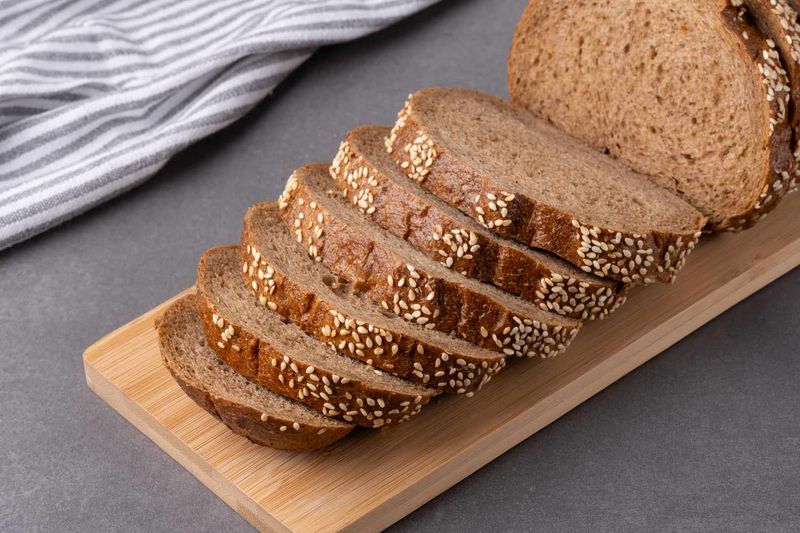
Toast at breakfast and a sandwich at lunch can add up fast. A single slice of bread often holds 100 to 200 milligrams of sodium, and most people eat several slices a day.
Bread does not taste salty because the sugar and flour cover it up. Salt helps the dough rise evenly and keeps it fresh.
Compare labels at the store. Some brands have nearly half the sodium of others, so swapping is an easy win.
2. Breakfast Cereal
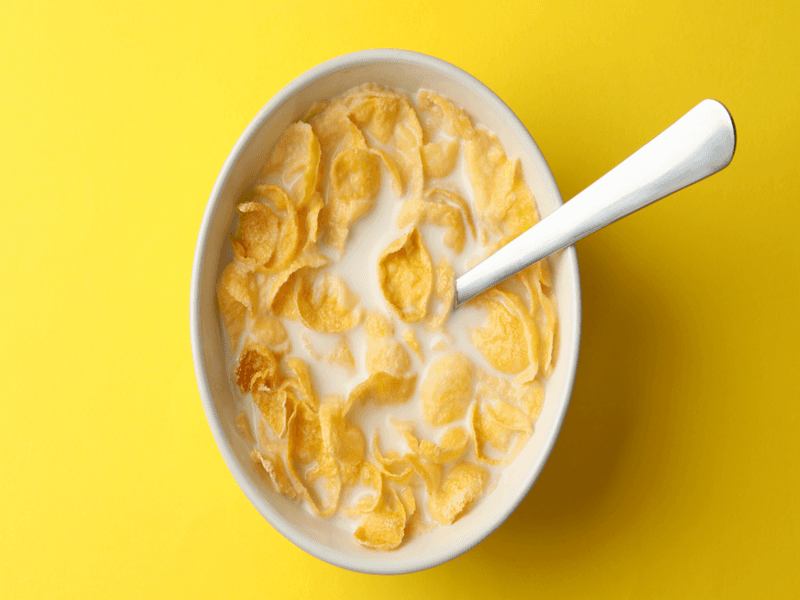
Sweet, crunchy, and secretly salty. Many popular cereals pack 150 to 300 milligrams of sodium in one serving, which surprises almost everyone.
Food makers add salt to bring out flavor and balance the sugar. Your taste buds notice the sweetness first, so the salt slips right past them.
Plain oatmeal is a smart switch. Cook it at home, then top it with fruit or cinnamon for flavor without the hidden sodium.
3. Cottage Cheese
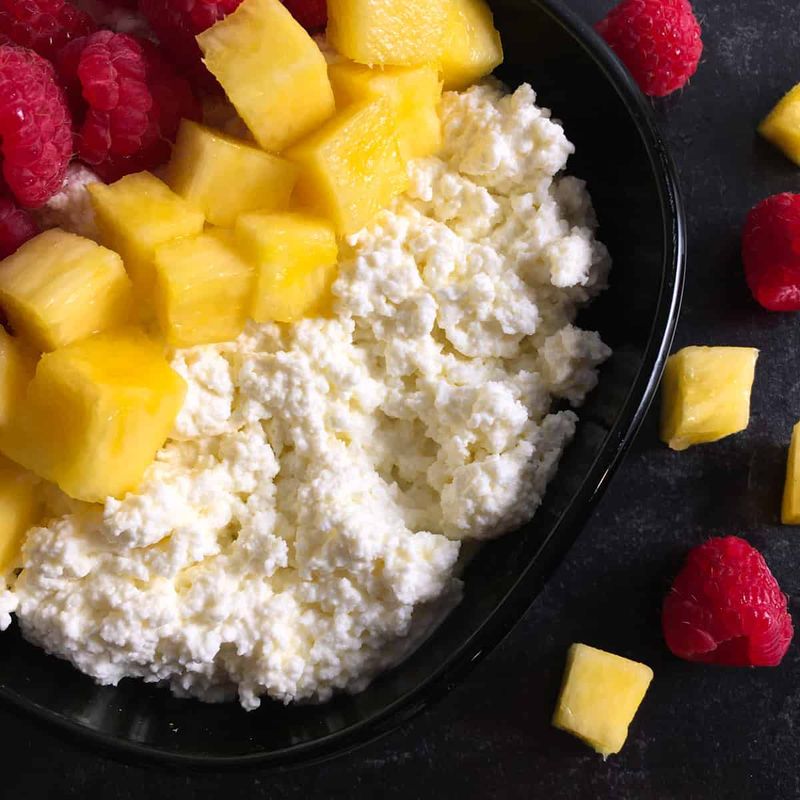
Health fans love cottage cheese for its protein, and for good reason. Still, half a cup can hold around 400 milligrams of sodium, about a sixth of the daily limit for adults.
Salt helps form the curds and keeps the cheese fresh longer in your fridge.
Look for tubs marked low sodium or no salt added. Mixing in pineapple or peaches makes the milder version taste great.
4. Canned Soup
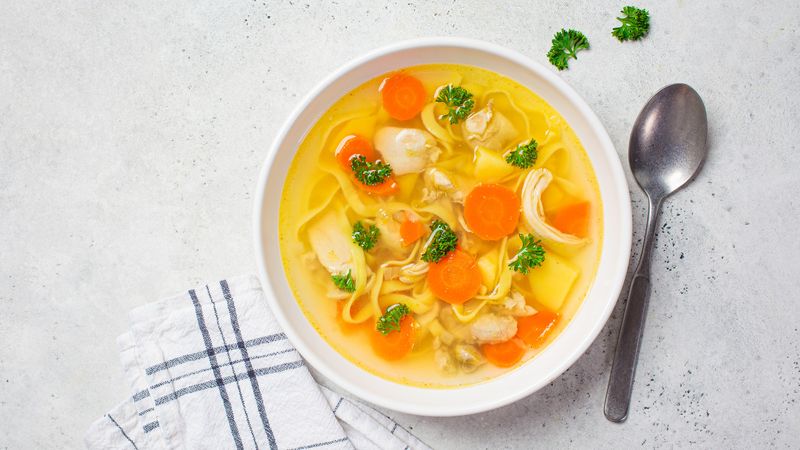
Remember sipping chicken noodle soup on a sick day? That cozy bowl might hold more than 800 milligrams of sodium, and a whole can often doubles that number.
Canned soups lean on salt to keep flavors strong after long shelf storage.
Try reduced sodium versions, or stretch a can with water and extra frozen veggies. Homemade soup frozen in small containers is even better, and it tastes just as comforting.
5. Deli Turkey
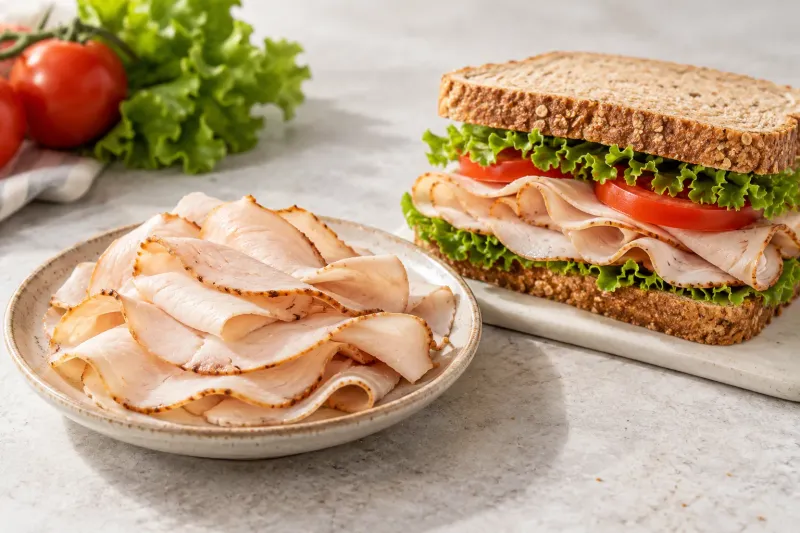
Turkey sounds like the healthy pick at the deli counter. However, just two ounces of sliced lunch meat can carry 500 milligrams of sodium or more.
Salt works as a preservative here, keeping the meat safe and moist for weeks.
Here is a simple trick. Roast a turkey breast on Sunday, slice it thin, and you have tasty sandwich meat for days with a fraction of the salt.
6. Pizza
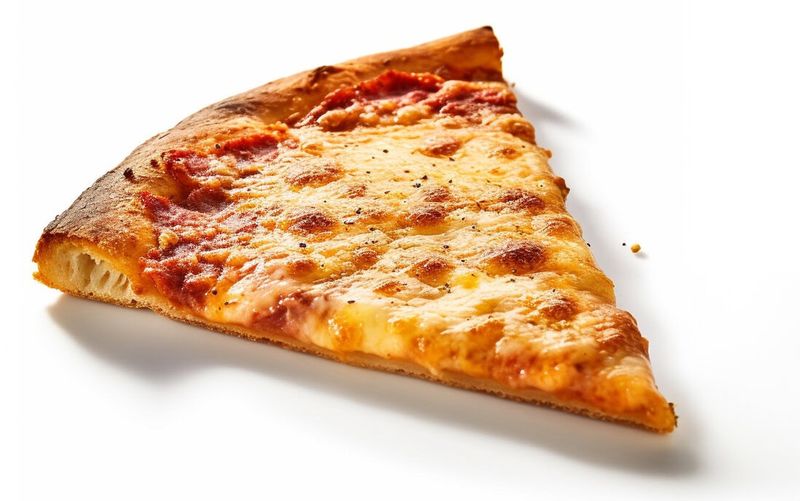
Crust, sauce, cheese, pepperoni. Every single layer of pizza brings its own salt to the party, so one slice can reach 600 to 700 milligrams.
Eat three slices and you may hit most of your daily limit before dessert.
Nobody is saying skip pizza night. Just pile on veggie toppings instead of cured meats, and pair your slice with a crisp salad to fill up without going overboard.
7. Salad Dressing
You chose a salad, so you are winning, right? Mostly.
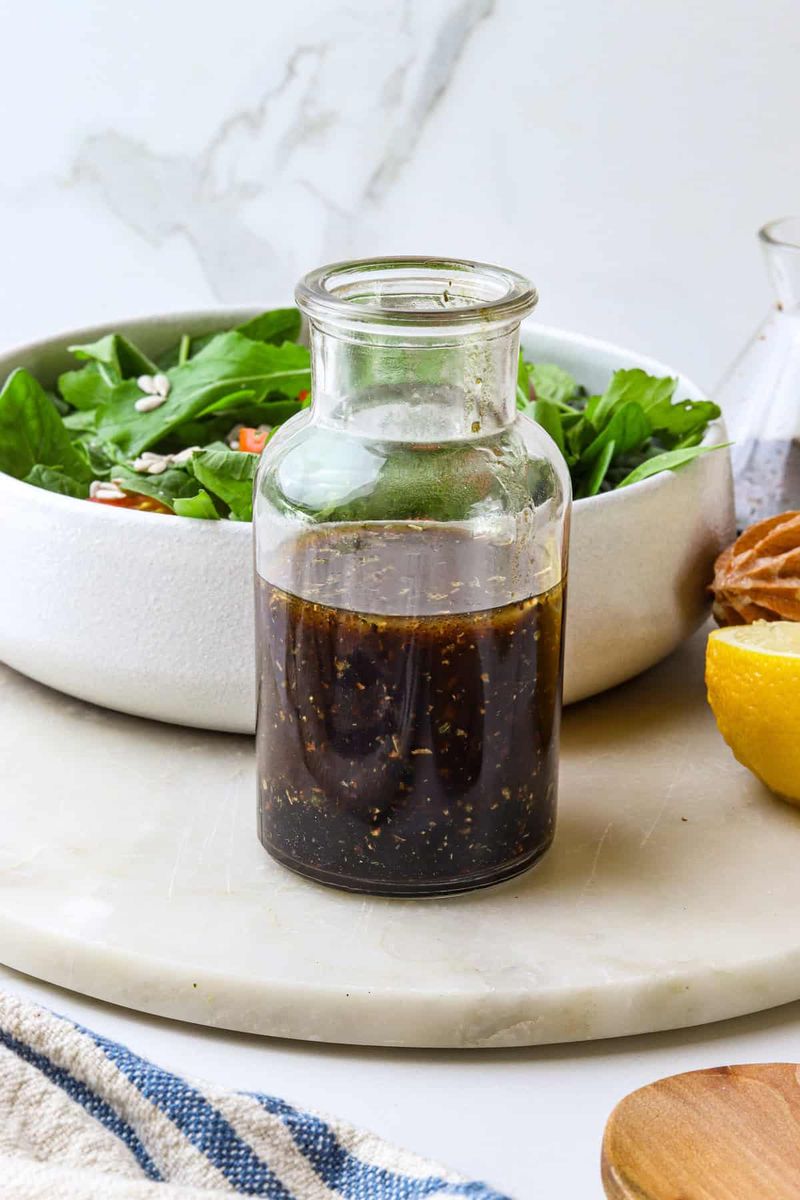
Bottled dressings can add 250 to 500 milligrams of sodium in just two tablespoons.
Ranch, Italian, and Caesar are some of the saltiest choices on the shelf.
Whisk up your own instead. Olive oil, lemon juice, a little mustard, and black pepper take one minute to mix.
You control the salt, and the fresh flavor really shines through.
8. Soy Sauce
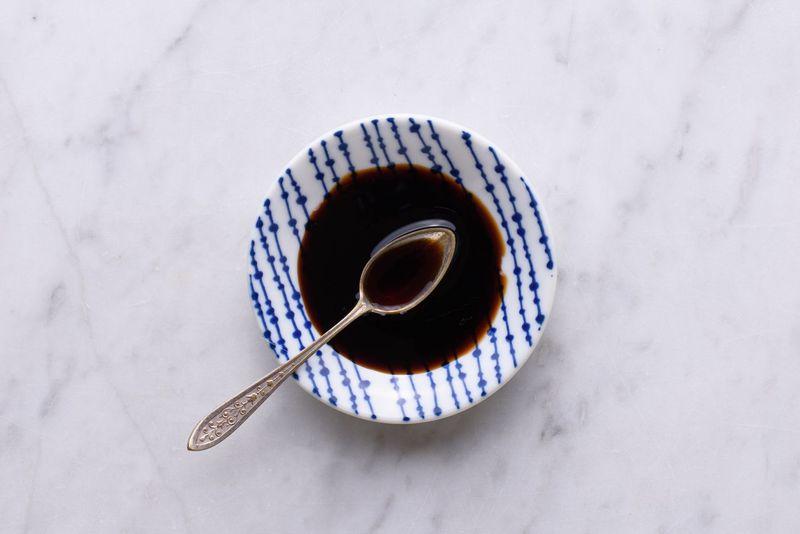
Just one tablespoon of soy sauce contains about 900 milligrams of sodium. That is nearly 40 percent of the recommended daily amount in a tiny splash.
Fun fact: soy sauce has been brewed in Asia for over 2,000 years, and salt was key to fermenting it safely.
Choose a low sodium bottle, and pour it into a small dish for dipping rather than drizzling it all over your food.
9. Pickles
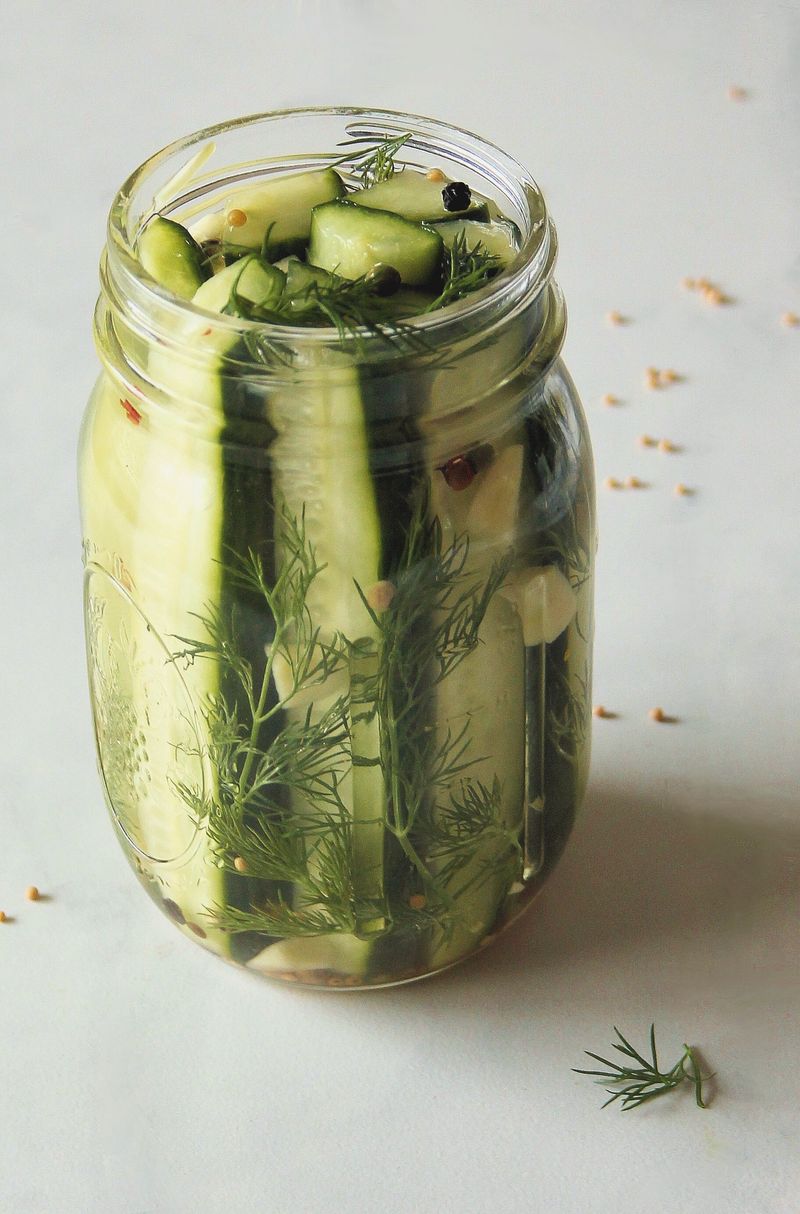
That satisfying crunch comes with a salty secret. One large dill pickle can hold over 1,000 milligrams of sodium, all thanks to the brine it soaks in.
Pickling with salt water was how people kept cucumbers from spoiling long before refrigerators existed.
Enjoy pickles as an occasional treat. A few thin slices on a burger give that tangy kick without the giant sodium load of a whole spear.
10. Frozen Dinners
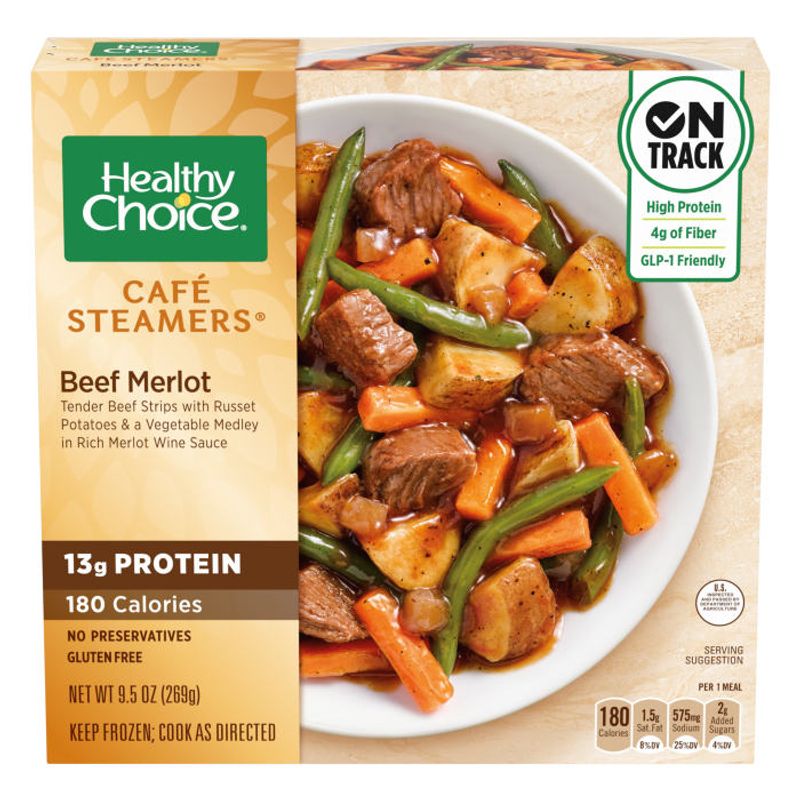
Busy nights call for quick meals, and frozen dinners feel like lifesavers. Sadly, many contain 700 to 1,800 milligrams of sodium per tray.
Salt helps food survive freezing and reheating while still tasting good.
Read the nutrition label before buying. Aim for options under 600 milligrams.
You can also batch cook chili or pasta on weekends and freeze your own portions for an easy, healthier grab and go meal.
11. Bagels
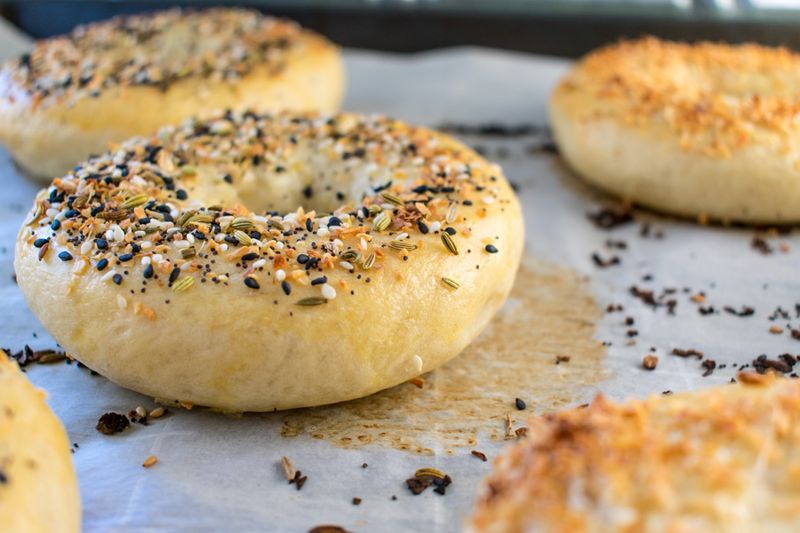
A bagel is basically several slices of bread squished into one chewy circle. One large bagel can have 450 to 600 milligrams of sodium before you add any toppings.
Spread on salted cream cheese or butter and the number climbs even higher.
Try a mini bagel or eat half now and save half for later. Topping it with avocado or nut butter adds flavor and healthy fats instead.
12. Ketchup
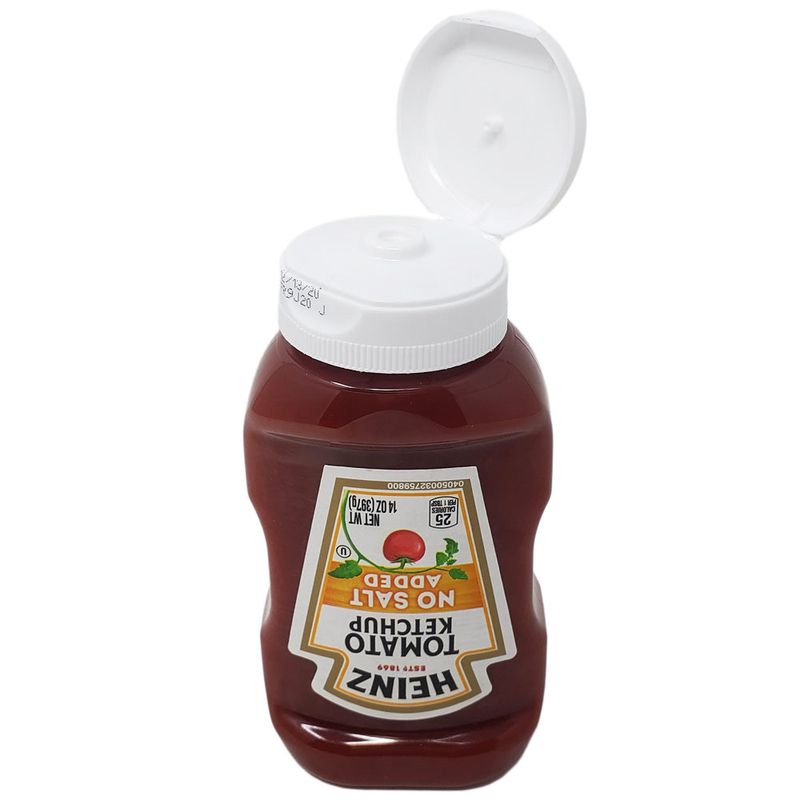
Most kids drown their fries in it without a second thought. Each tablespoon of ketchup adds around 150 to 190 milligrams of sodium, plus a fair bit of sugar.
Small amounts seem harmless, but few people stop at one tablespoon.
Measure out a small puddle on your plate instead of squeezing straight from the bottle. Salsa made from fresh tomatoes is a zesty alternative that brings more veggies to the table.
13. Instant Ramen
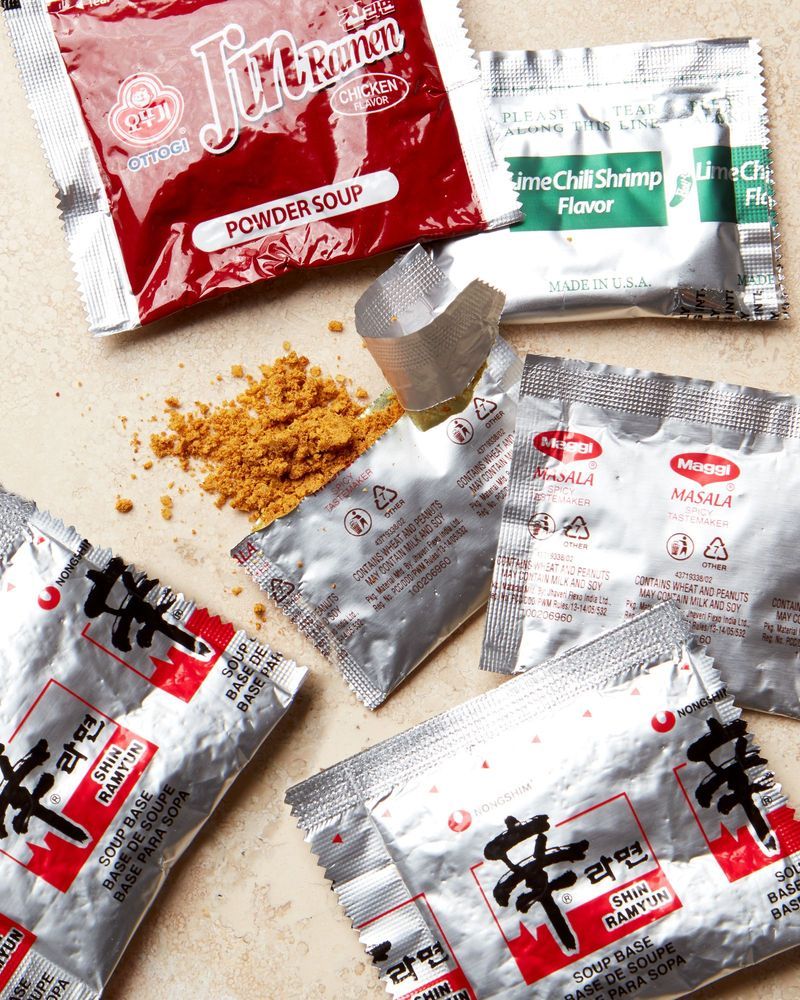
Cheap, fast, and famous among college students. Yet one package of instant ramen can contain over 1,500 milligrams of sodium, mostly hiding in that little flavor packet.
Here is an easy fix that still tastes great.
Use only half the seasoning packet, then add garlic, green onions, a soft boiled egg, and some spinach. You get a heartier bowl with far less salt and a lot more nutrition.
14. Canned Vegetables
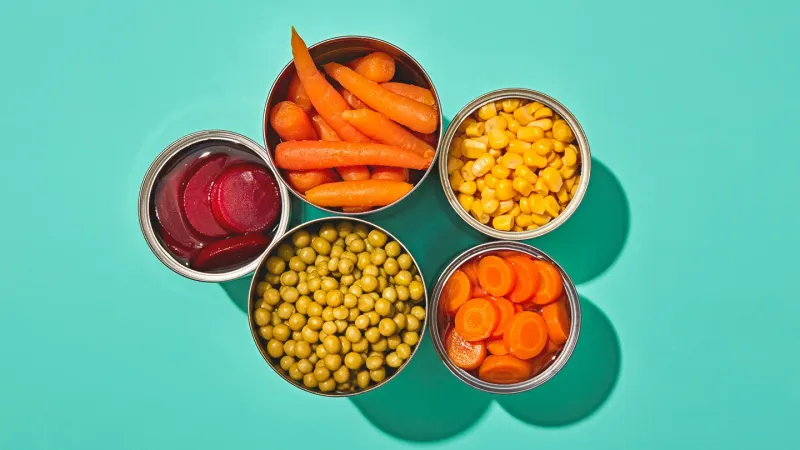
Vegetables are supposed to be the good guys. Canned ones, though, often swim in salty liquid, adding 300 to 400 milligrams of sodium per serving.
The good news is that rinsing helps a lot.
Draining and rinsing canned beans or veggies in a colander can wash away up to 40 percent of the sodium. Frozen vegetables are another great pick since they usually have no added salt at all.
15. Burritos and Tacos
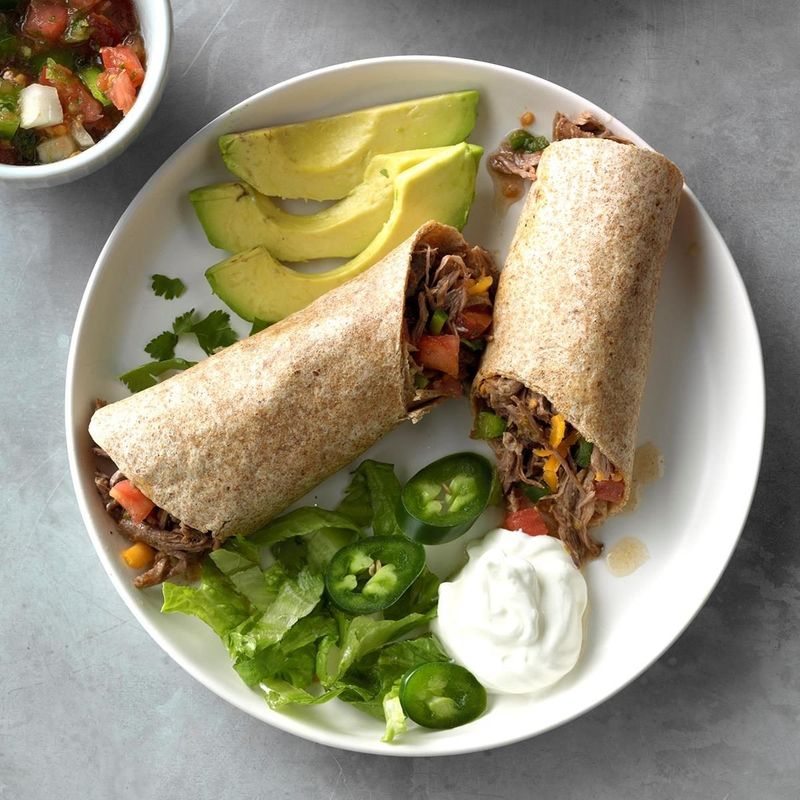
Ever walked out of a burrito shop feeling super thirsty? Blame the salt.
A big restaurant burrito can easily top 2,000 milligrams of sodium.
Tortillas, seasoned meat, cheese, beans, and sauces all stack up together.
Order a burrito bowl to skip the tortilla, ask for extra lettuce and fresh salsa, and go light on cheese and sour cream. You will still leave happy and full.
16. Chicken Nuggets

Crispy little bites hold a big surprise. Many chicken nuggets are injected with a salty solution to keep them juicy, so a ten piece order can reach 900 milligrams of sodium.
Dipping sauces push that total even higher.
Baking your own nuggets at home is easier than it sounds. Coat chicken chunks in whole wheat breadcrumbs and herbs, then bake until golden.
Kids rarely notice the difference.
17. Vegetable Juice
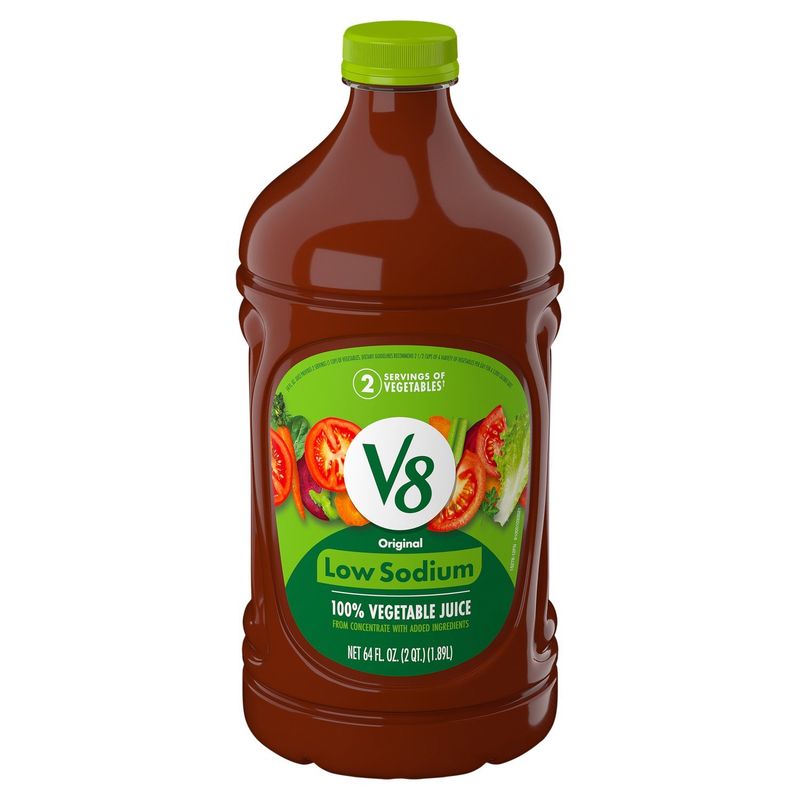
Drinking your veggies sounds brilliant, and in some ways it is. Regular tomato based vegetable juice, however, can carry about 600 milligrams of sodium in one cup.
Salt boosts the tangy taste and helps the juice last on store shelves.
Grab the low sodium version, which tastes nearly the same. Better yet, eat whole vegetables when you can, since they give you more fiber and keep you full longer.