
Bread is one of the oldest foods people have ever made, and almost every country has its own special version. Some loaves are crusty and chewy, while others are soft, flat, sweet, or even steamed.
Trying bread from different places is a tasty way to learn about other cultures without leaving your kitchen. Grab a napkin, because this list is about to make you very hungry.
1. French Baguette
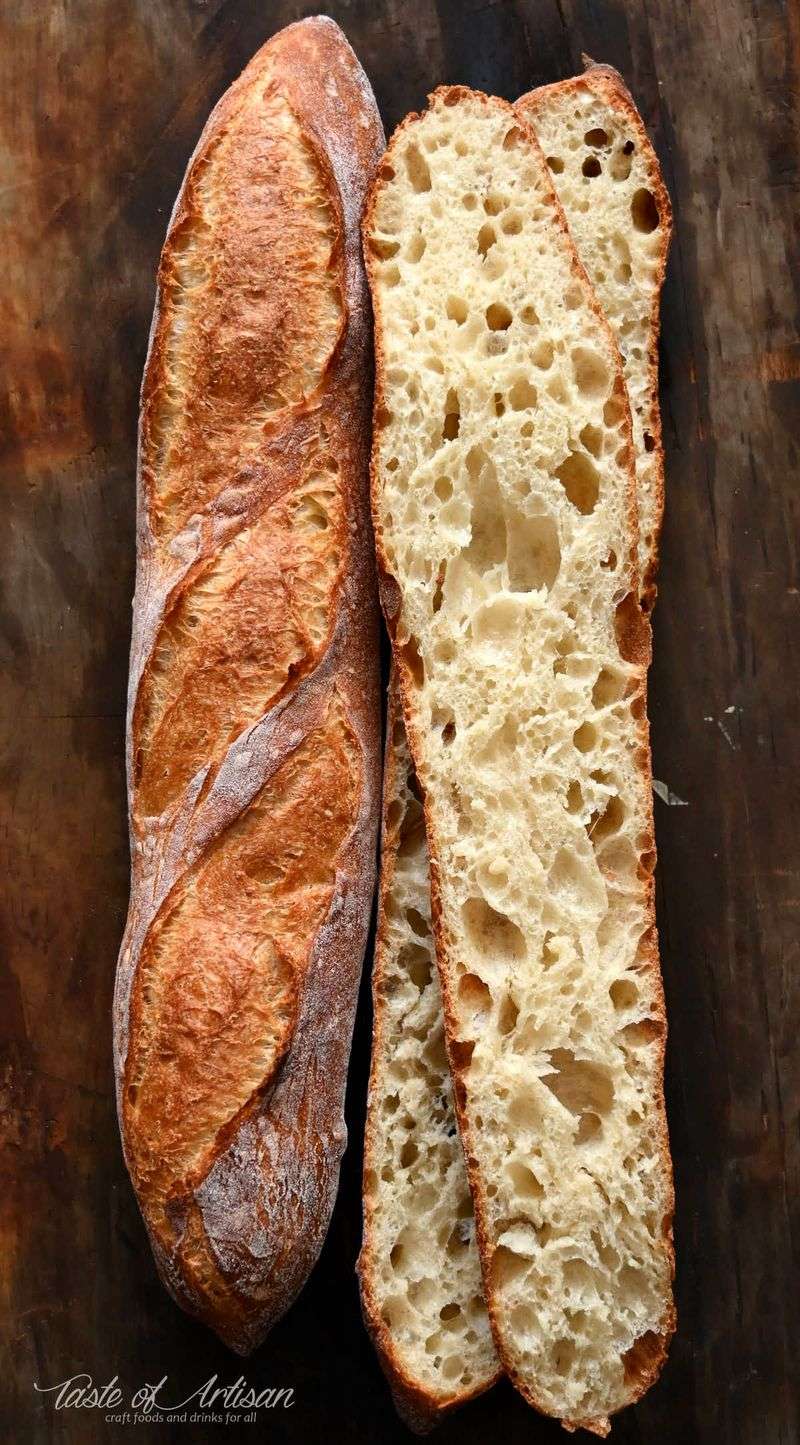
Walk down any street in Paris around breakfast time, and you will see people carrying long, skinny loaves under their arms. The baguette has a crackly golden crust and a soft, airy middle full of holes.
French law actually controls what goes into a traditional baguette: only flour, water, salt, and yeast. Eat it the same day you buy it, since it goes stale quickly.
Try it with butter and jam.
2. Indian Naan
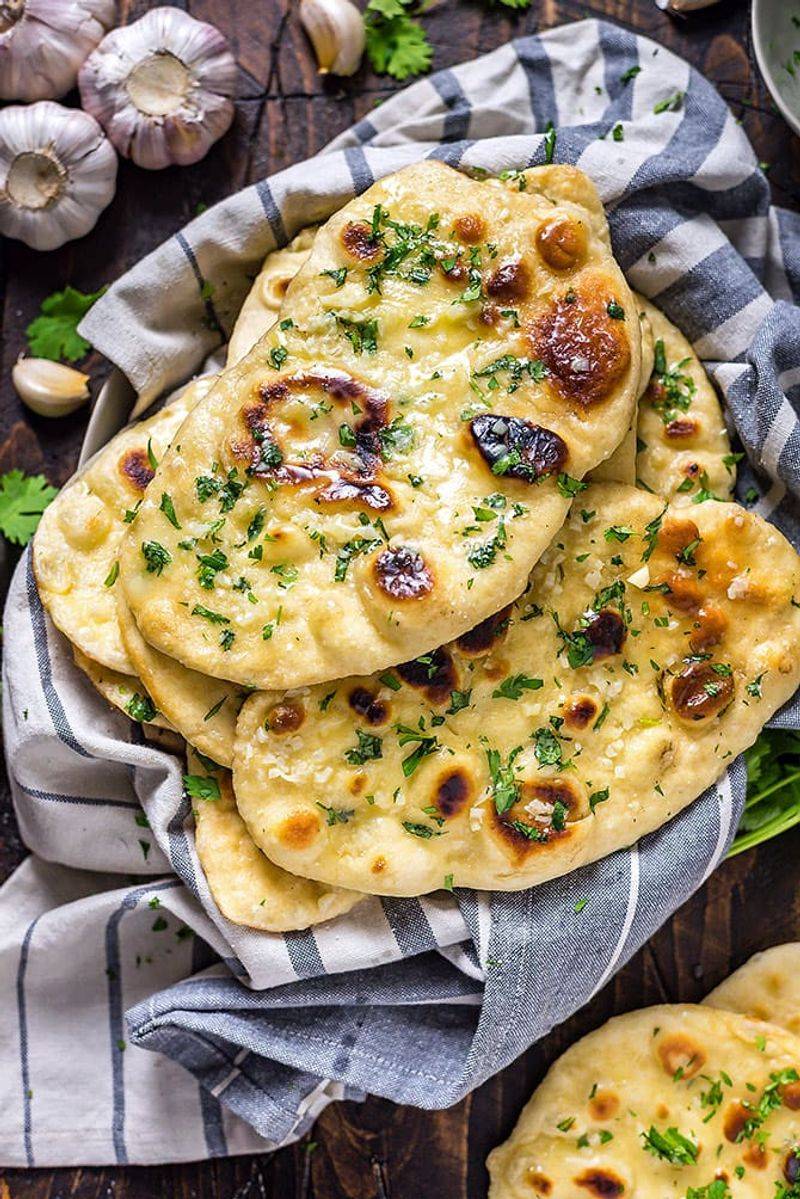
Picture a soft, pillowy flatbread with little charred bubbles on top. That is naan, cooked by slapping dough onto the hot inside wall of a clay oven called a tandoor.
Many people love garlic naan, brushed with butter and sprinkled with herbs. It is perfect for scooping up curry or dipping into creamy sauces.
At home, a very hot cast iron pan works surprisingly well if you want to make your own.
3. Mexican Corn Tortilla
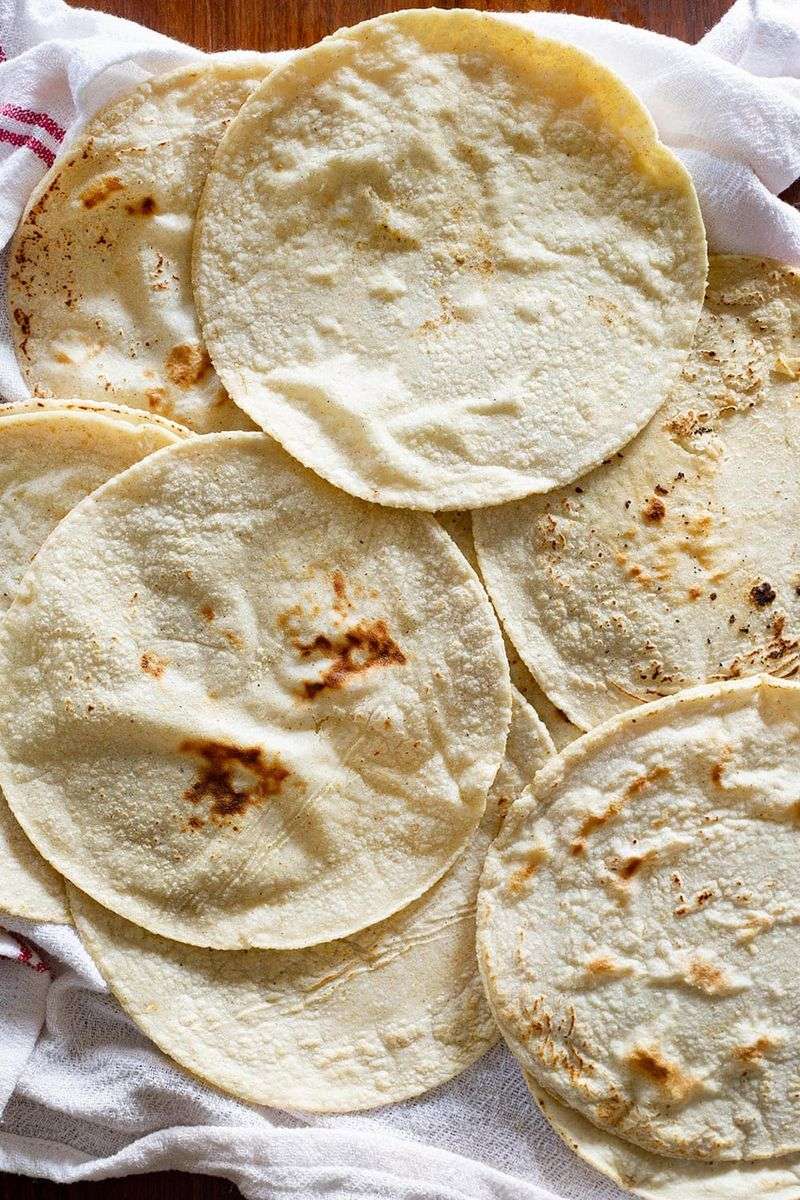
Long before forks were common in Mexico, tortillas did the job. People have been making these thin corn rounds for thousands of years.
The corn is soaked in limewater first, a process called nixtamalization. It makes the corn healthier and gives tortillas their special flavor.
Fresh, warm tortillas taste nothing like the stiff ones from a bag. If you ever visit a tortilleria, buy a stack and eat one plain while it is still hot.
4. Italian Focaccia
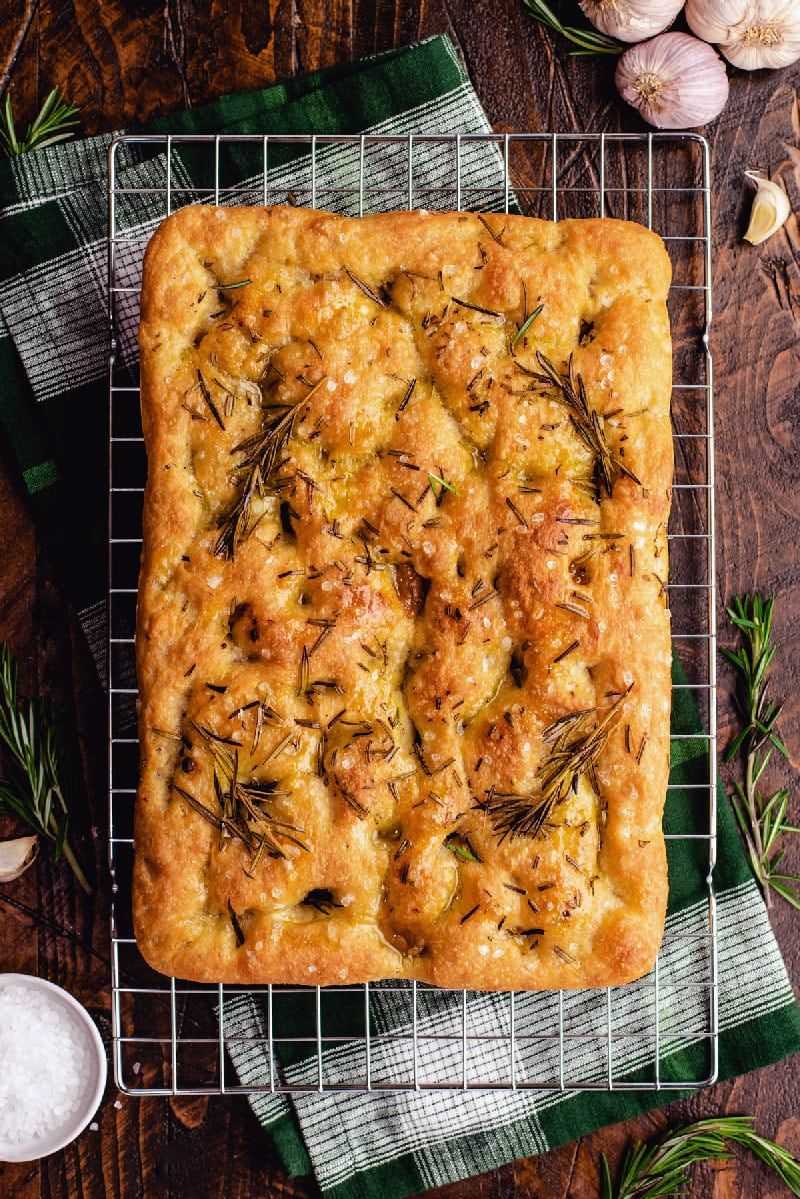
Olive oil lovers, get ready. Focaccia is a thick, flat Italian bread baked in a pan soaked with olive oil, which makes the bottom wonderfully crispy.
Bakers press their fingers into the dough before baking, creating little dimples that hold pools of oil and salt. Toppings often include rosemary, tomatoes, or olives.
Some creative home bakers even decorate the top with veggies to look like flower gardens. It makes a fun weekend project.
5. Ethiopian Injera
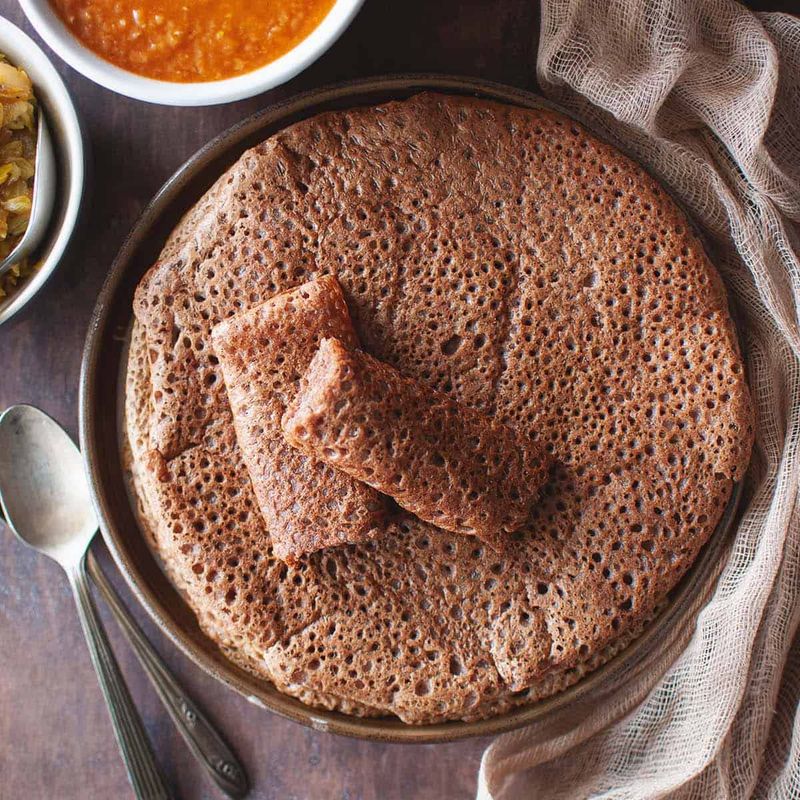
Here is a bread that doubles as your plate and your spoon. Injera is a large, spongy, slightly sour pancake from Ethiopia made with a tiny grain called teff.
Stews and vegetables are piled right on top. You tear off pieces with your right hand and use them to grab the food.
Teff is naturally gluten free and packed with iron. Sharing one big injera with friends is a tradition that brings everyone closer.
6. German Pretzel
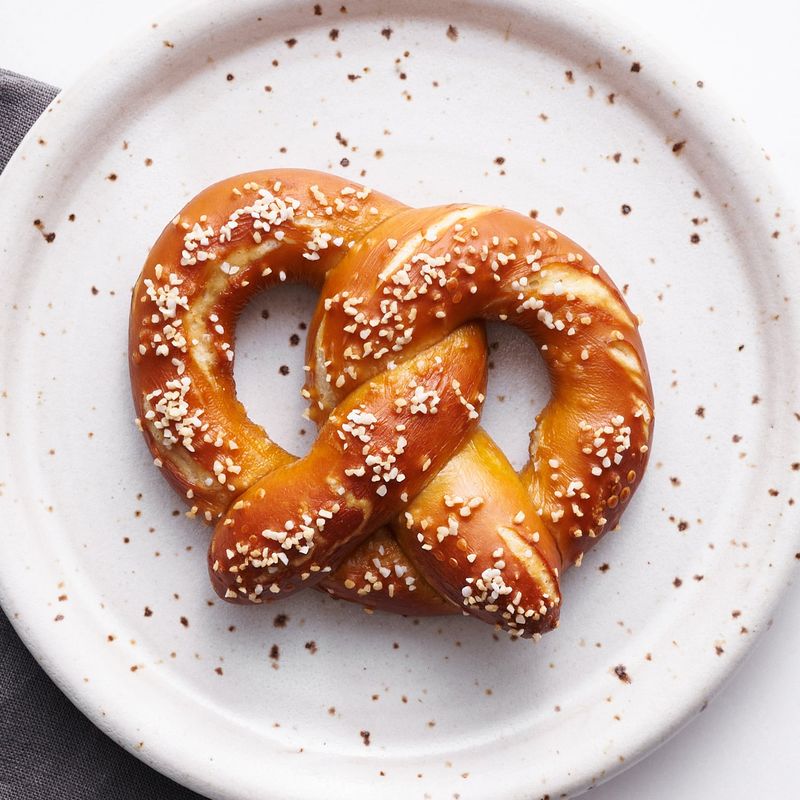
Legend says monks first twisted pretzel dough to look like arms crossed in prayer. Whether or not that is true, Germans have perfected these knotted treats.
The secret to that shiny, deep brown skin is a quick dip in an alkaline bath before baking. Coarse salt goes on top.
In Bavaria, a soft pretzel with sweet mustard is a classic snack. Grab one warm, because the chewy inside is best fresh.
7. Chinese Bao
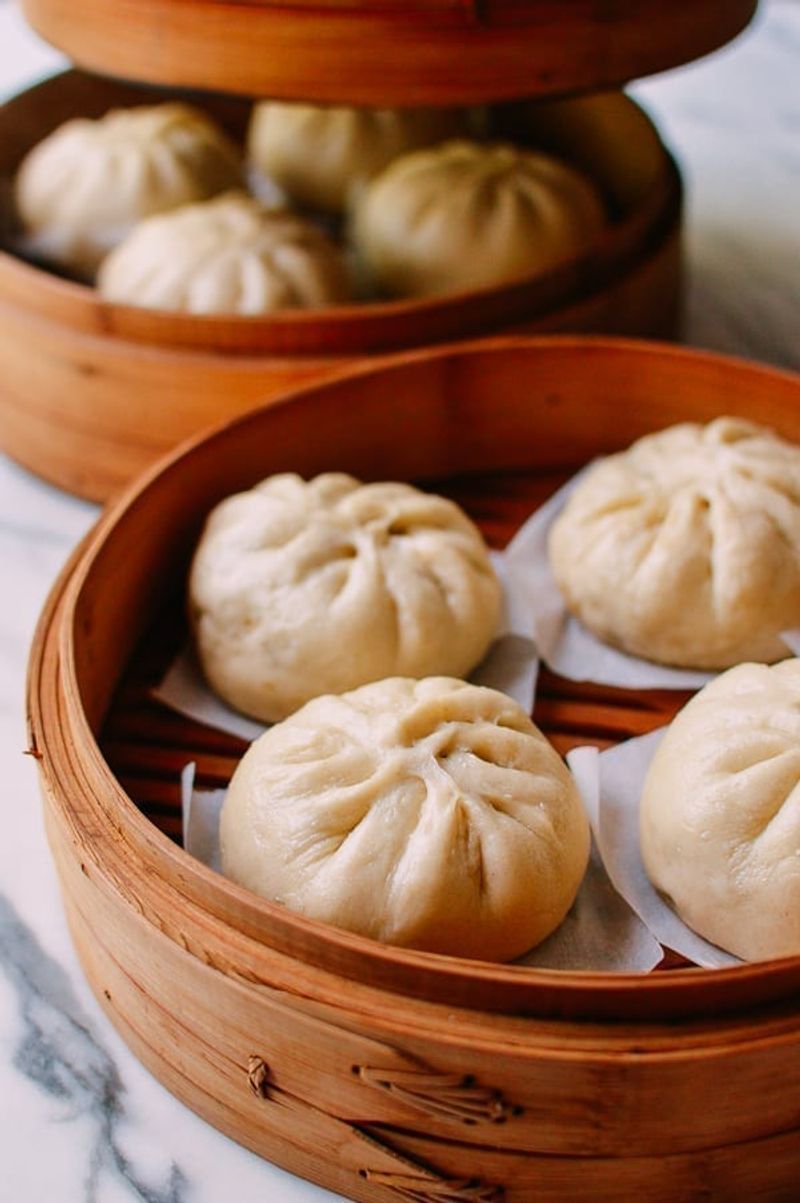
No oven? No problem.
Bao are fluffy white buns cooked in bamboo steamers, which keeps them soft, smooth, and almost cloud-like.
Some bao come stuffed with sweet barbecue pork, while others hold red bean paste or custard. Folded open versions, called gua bao, are filled like little sandwiches.
You can find frozen bao in many grocery stores. Steam them for about ten minutes for an easy, delicious after-school snack.
8. Irish Soda Bread
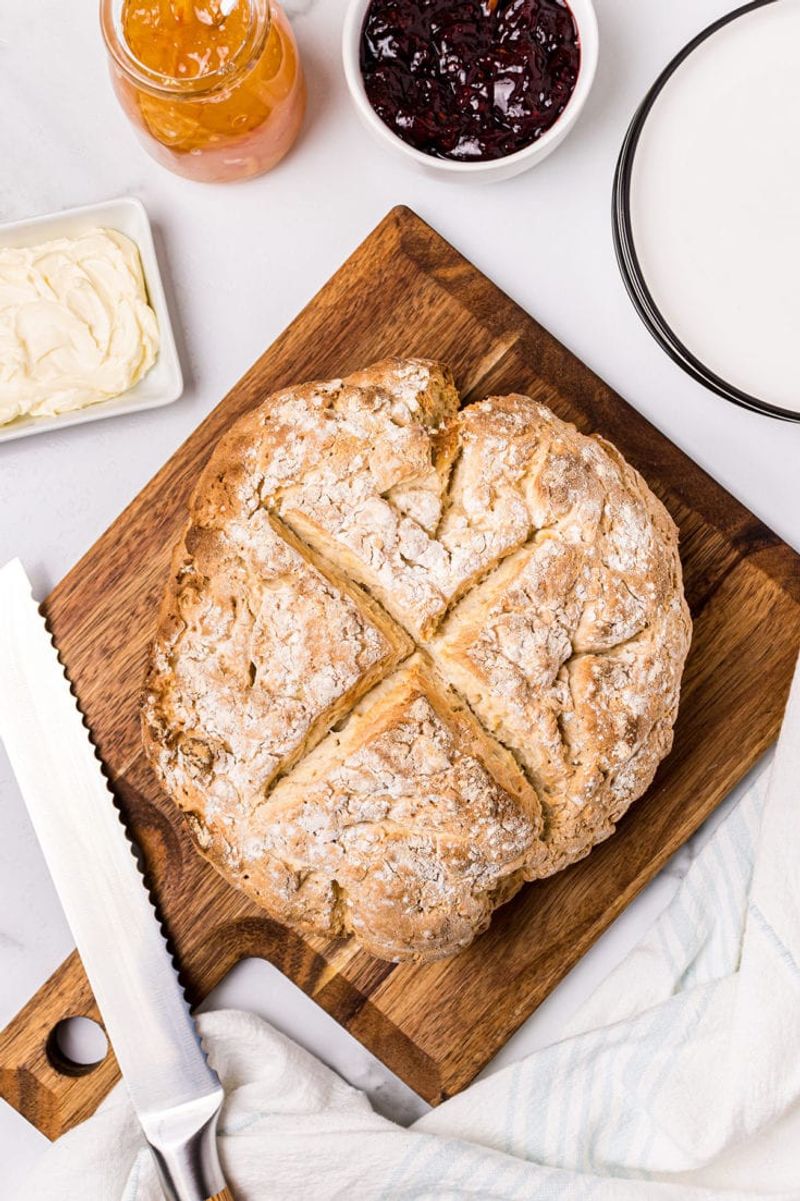
Imagine a bread you can make in under an hour with no waiting for dough to rise. Irish families have done exactly that for generations.
Instead of yeast, soda bread uses baking soda and buttermilk to puff up. Bakers cut a cross on top, and old stories say it let the fairies out.
It has a dense, slightly tangy taste. Spread on salty butter, it is pure comfort on a rainy day.
9. Middle Eastern Pita
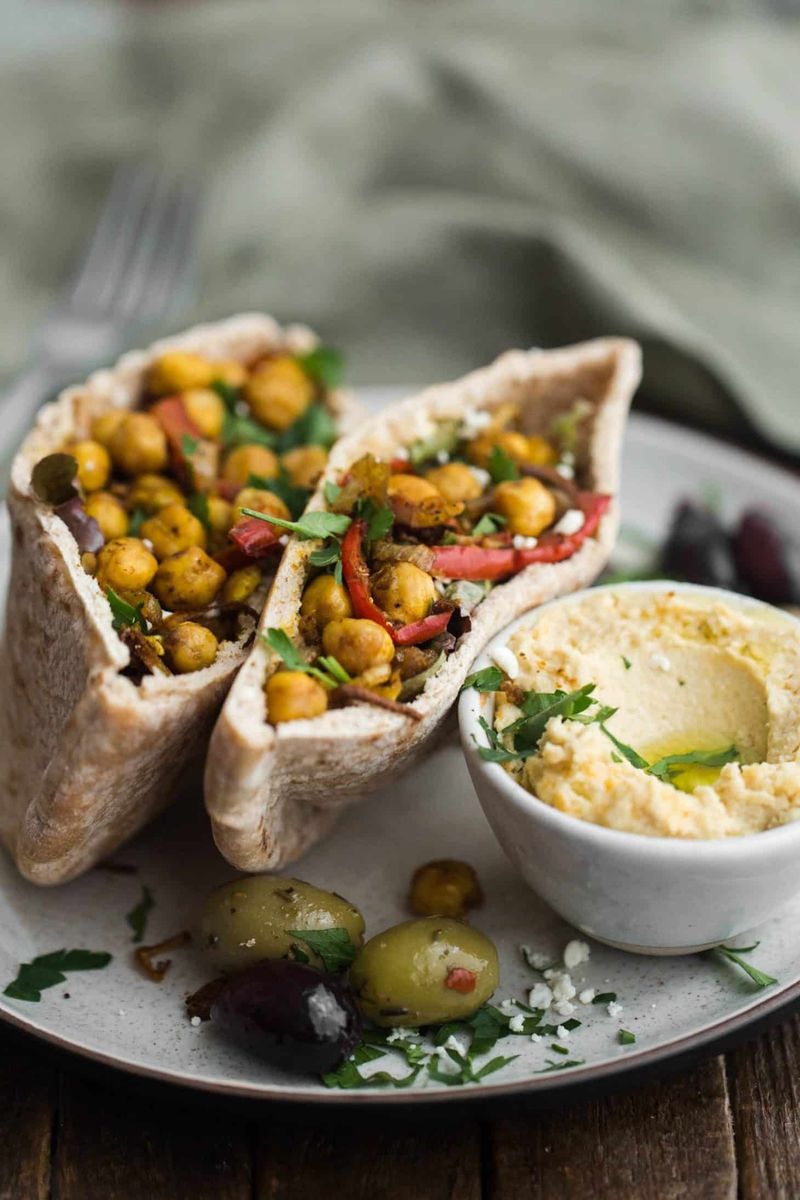
Ever wonder how pita gets its pocket? The magic happens in a super hot oven.
Water inside the dough turns to steam and puffs the bread up like a balloon. When it cools, it leaves a hollow space perfect for stuffing with falafel, veggies, or grilled meat.
Pita has been baked across the Middle East for thousands of years. Tear some up and dunk it in hummus for a simple, filling lunch.
10. Brazilian Pão de Queijo
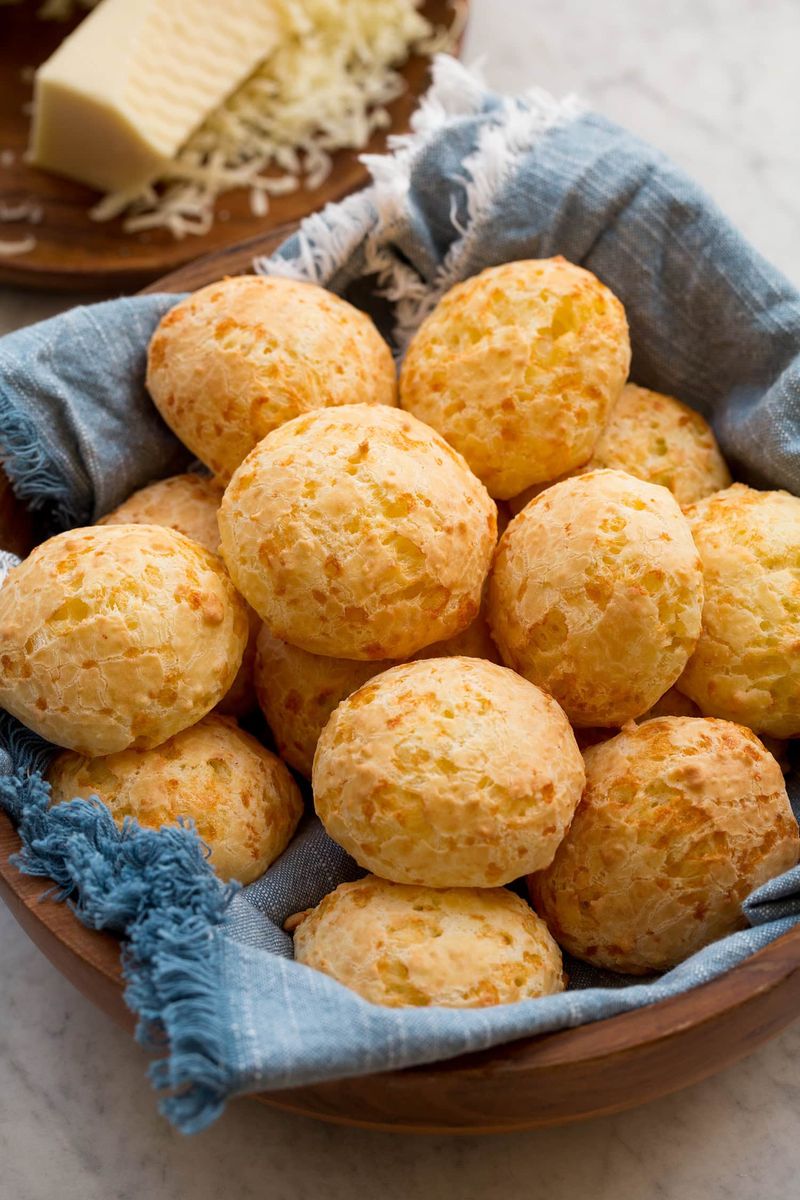
Bite into one of these little golden balls and the inside stretches like melted cheese. That is because it basically is.
Pão de queijo means cheese bread in Portuguese. Made with tapioca flour instead of wheat, it is naturally gluten free and wonderfully chewy.
In Brazil, people enjoy them for breakfast or with afternoon coffee. Many stores sell frozen versions, so you can bake a batch whenever cravings strike.
11. Japanese Milk Bread
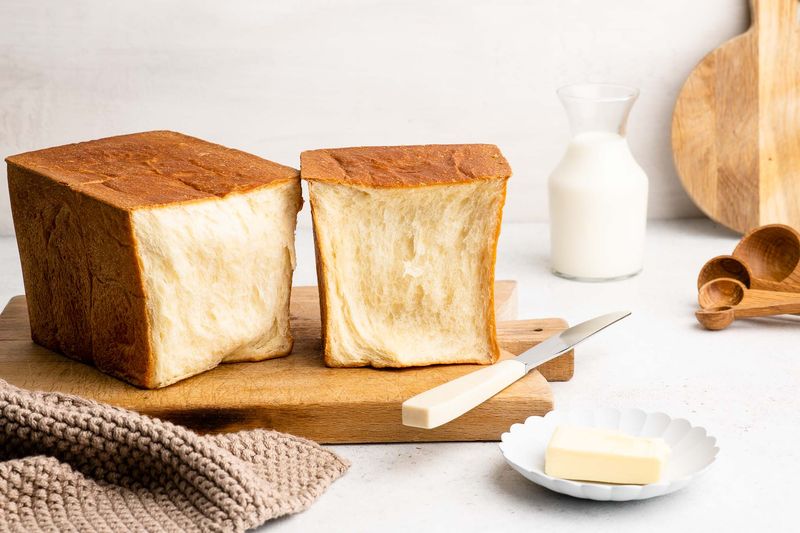
Soft does not even begin to describe it. Japanese milk bread, or shokupan, is so fluffy that slices pull apart like cotton.
Bakers use a trick called tangzhong, cooking a bit of flour with milk into a paste first. This helps the dough hold extra moisture, so the bread stays fresh longer.
Thick toasted slices with butter are popular in Japanese cafes. It also makes the dreamiest sandwiches you will ever taste.
12. Jewish Challah
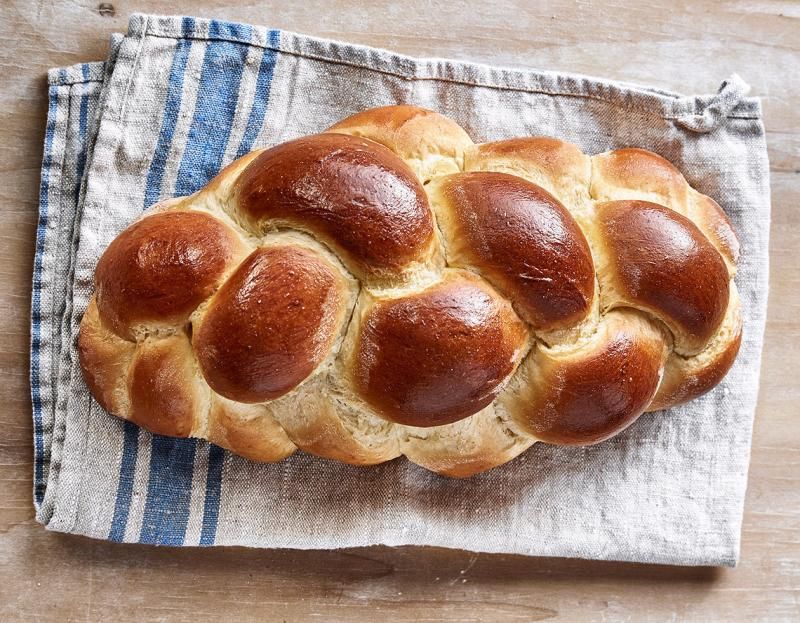
Every Friday evening, many Jewish families gather around a shiny braided loaf to welcome the Sabbath. That loaf is challah.
Made with eggs and a touch of honey or sugar, it tastes slightly sweet and has a tender, golden crumb. Braiding the dough can use three, four, or even six strands.
Leftover challah makes amazing French toast. Many people say it is the best bread for that breakfast treat, and they are right.
13. Turkish Simit
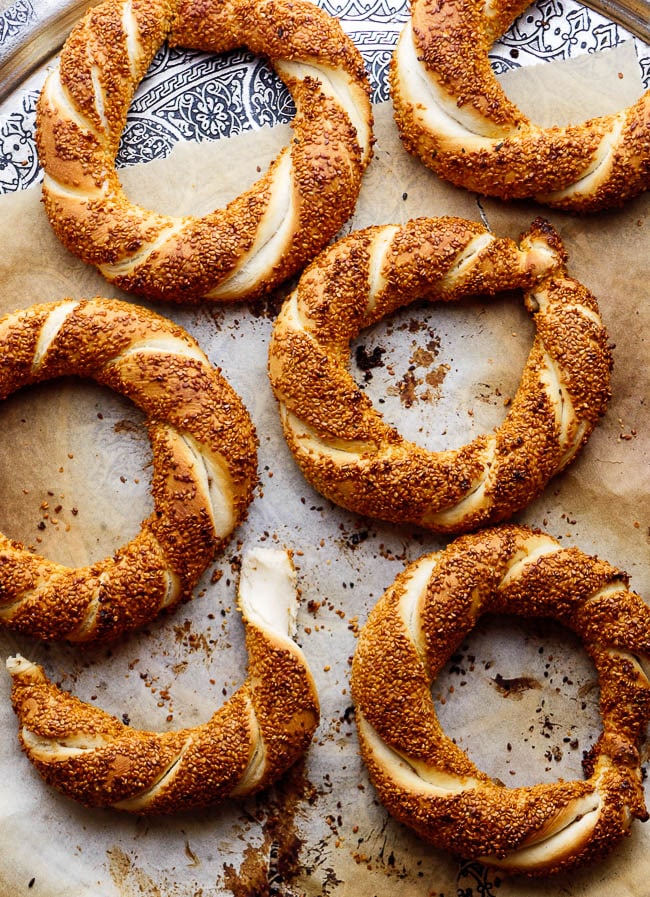
Street vendors in Istanbul balance towers of these sesame rings on trays atop their heads. It is quite a sight.
Simit looks a bit like a bagel but is thinner, crunchier, and covered in toasted sesame seeds. Before baking, the dough is dipped in grape molasses, giving it a deep color.
Turks often eat simit with tea, cheese, and olives for breakfast. It costs very little, yet tastes like a real treat.
14. Georgian Khachapuri
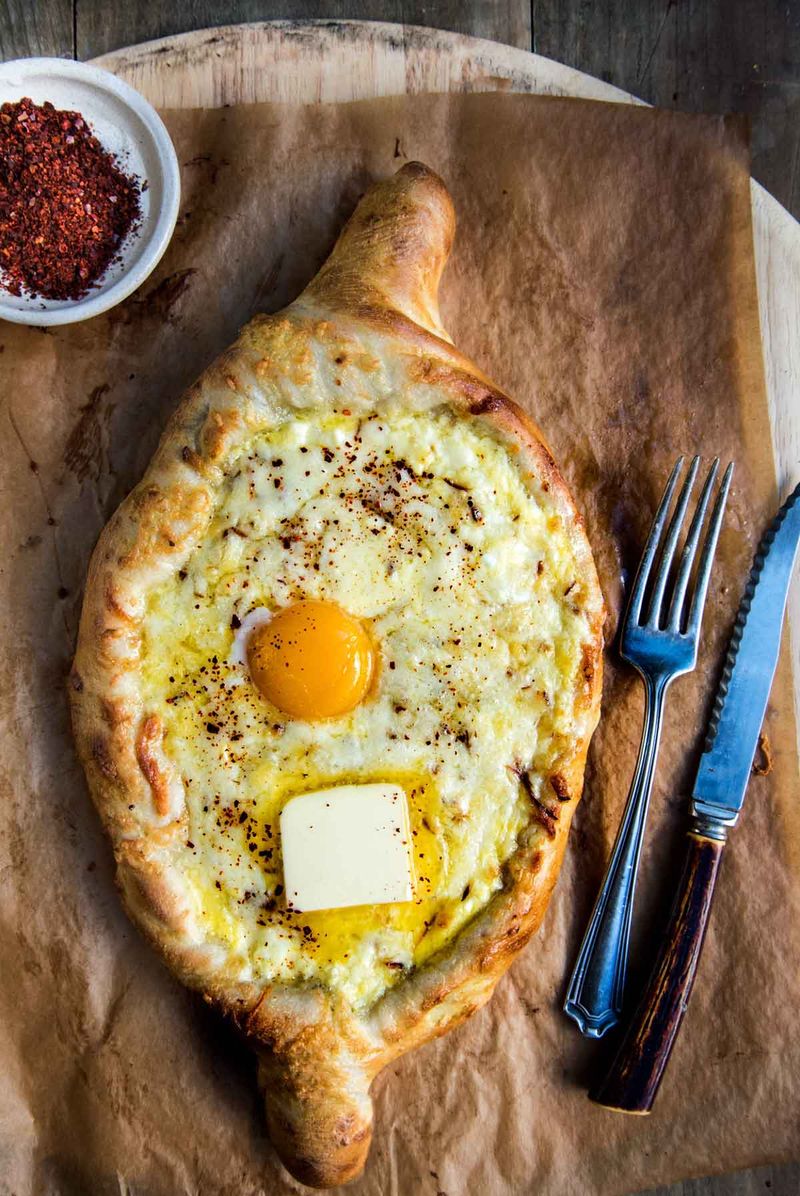
Some breads are side dishes. Khachapuri is the whole party.
From the country of Georgia, this boat-shaped bread is filled with bubbling melted cheese. The Adjarian style adds a raw egg and a pat of butter right on top just before serving.
You stir everything together with a fork, then tear off the crust and dip it in the gooey center. Messy?
Absolutely. Worth it?
Every single bite.
15. Swedish Cardamom Buns
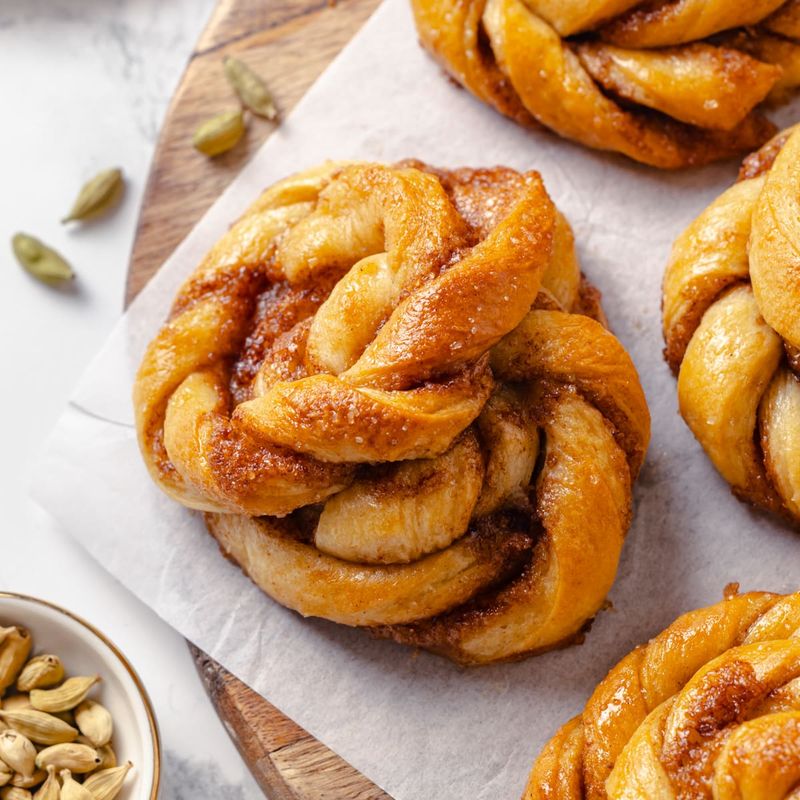
Swedes take coffee breaks so seriously they have a special word for it: fika. And no fika is complete without a sweet bun.
Kardemummabullar are twisted, knotted rolls flavored with warm, spicy cardamom and topped with pearl sugar. The smell alone can fill an entire house.
Try baking them on a chilly afternoon with family. Twisting the dough takes practice, but even lumpy ones taste fantastic.
16. San Francisco Sourdough
During the California Gold Rush, miners carried sourdough starter with them to bake bread on the trail. Some even got the nickname sourdoughs.
San Francisco sourdough is famous for its tangy flavor, which comes from wild yeast and helpful bacteria in the starter. Some bakeries have kept the same starter alive for over 150 years.
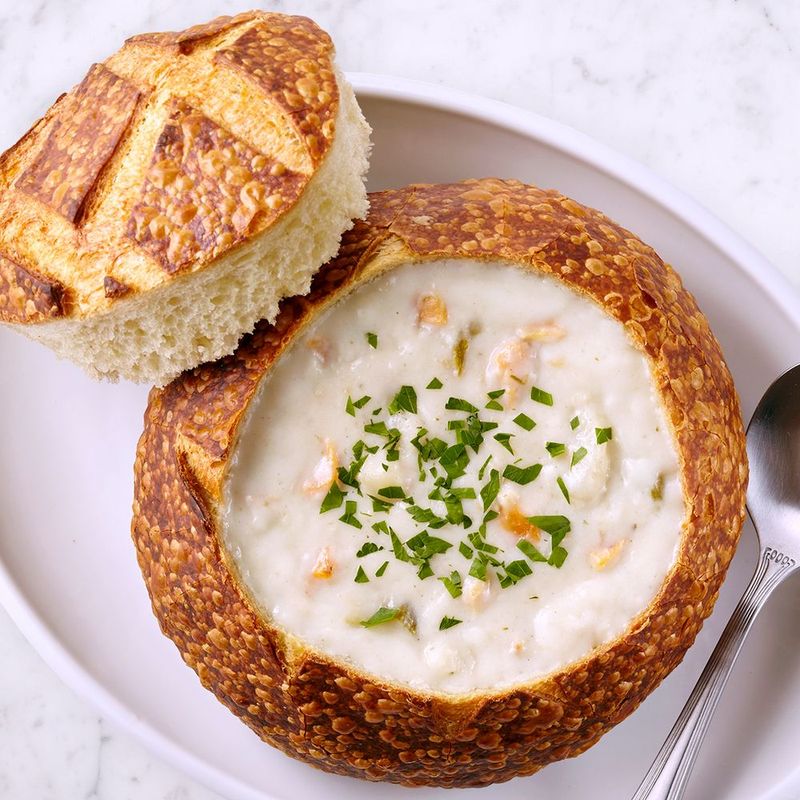
Hollowed-out sourdough bowls filled with clam chowder are a must-try treat by the bay.
17. Malaysian Roti Canai
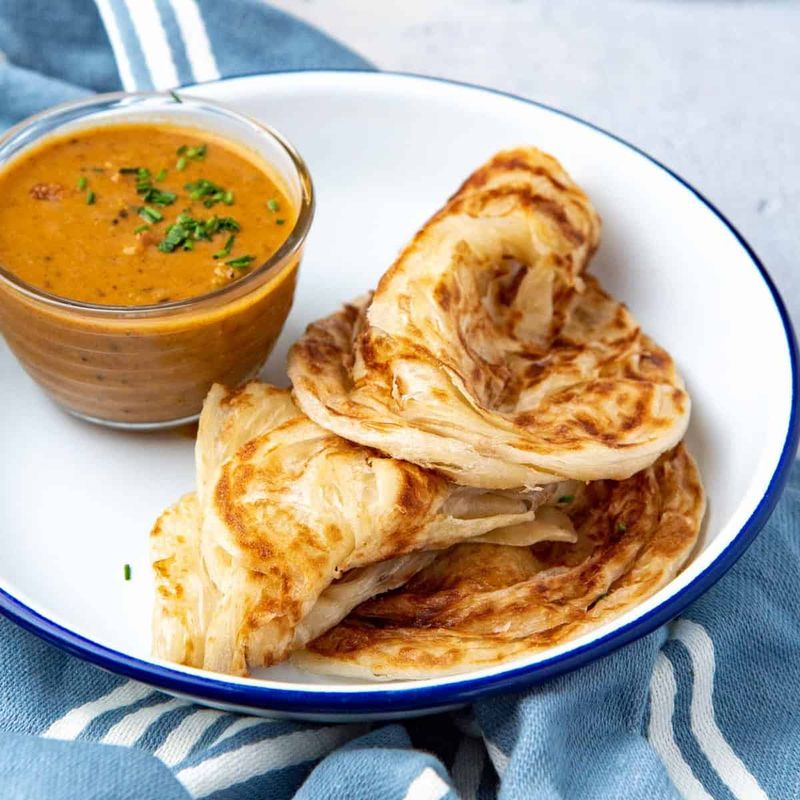
Watching a roti canai maker work feels like a magic show. The cook spins and stretches dough until it is paper thin, then folds it into flaky layers.
Fried on a hot griddle, it turns crispy outside and buttery soft within. In Malaysia, people dip it in lentil curry for breakfast or late night snacks.
Look for frozen roti paratha at Asian markets. They cook in minutes and taste surprisingly close to the real deal.
18. Danish Rugbrød
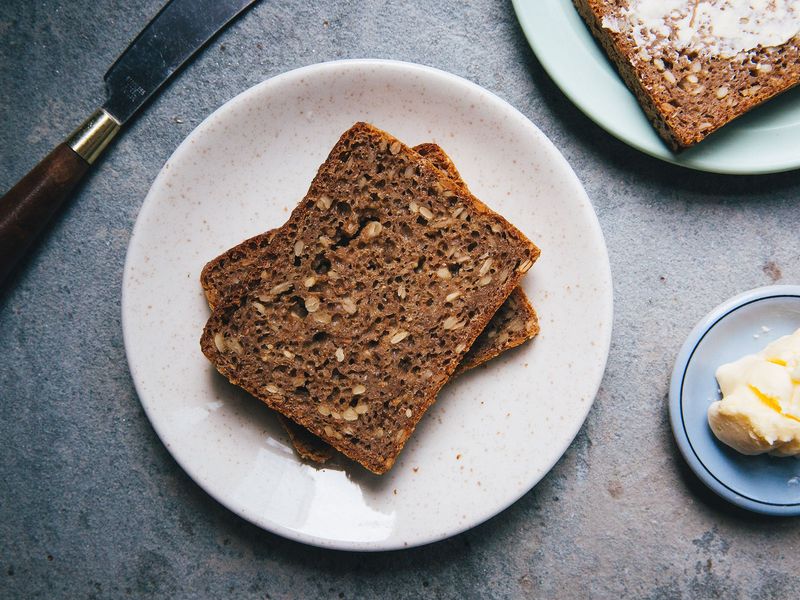
Dark, dense, and packed with seeds, Danish rye bread is nothing like fluffy white sandwich bread. Danes eat it almost every day.
Rugbrød is made with sourdough and whole rye grains, making it filling and full of fiber. It is the base for smørrebrød, colorful open-faced sandwiches topped with eggs, fish, or cheese.
Slice it thin, because a little goes a long way. Your stomach will stay happy for hours.
19. Portuguese Sweet Bread
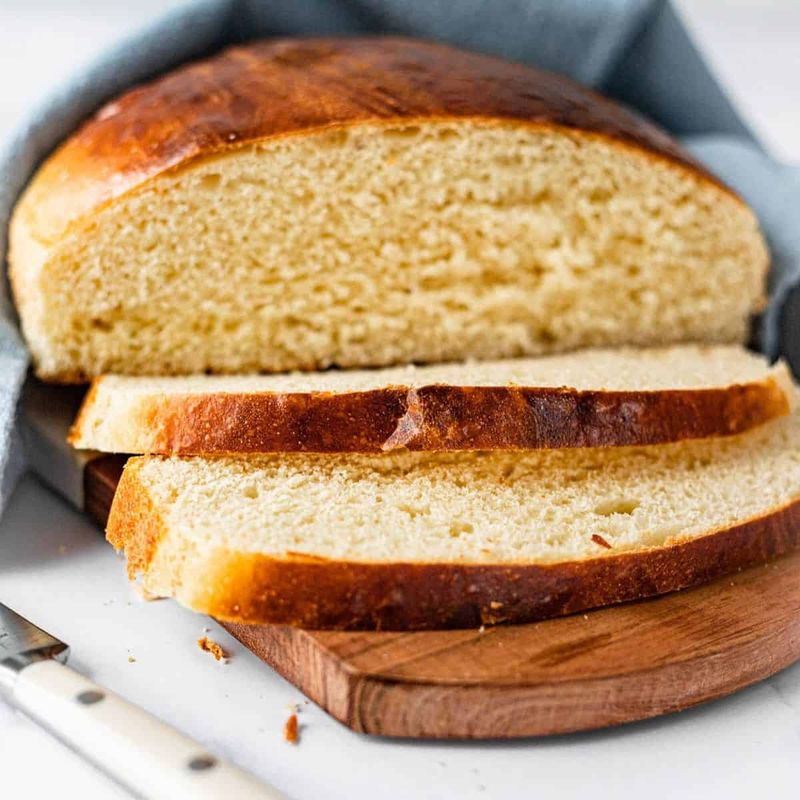
Hawaii fans might already know this one. Portuguese immigrants brought their sweet bread to the islands in the 1800s, and it became the inspiration for famous Hawaiian rolls.
Called massa sovada in Portugal, this round loaf is soft, rich, and lightly sweet with hints of lemon or vanilla. Families often bake it for Easter.
Toast a slice and add a little butter. It tastes like a cozy holiday morning.