
Some foods work better together than they do alone. When you eat the right foods side by side, your body can soak up more vitamins, feel full longer, and keep energy steady.
The best part is that many of these combos are simple snacks and meals you might already enjoy. Learning a few smart pairings can turn everyday eating into a real health boost.
1. Spinach and Lemon Juice
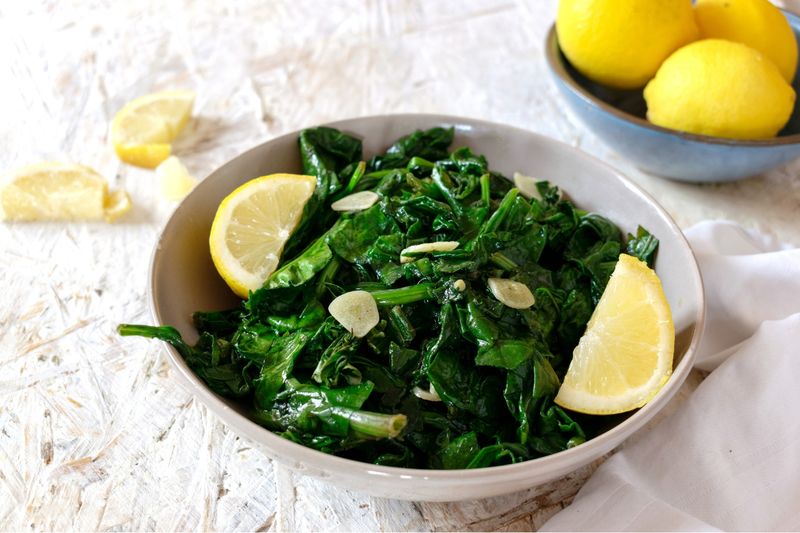
Popeye loved spinach for its iron, but he missed a trick. The iron in plants is hard for your body to grab on its own.
Vitamin C from lemon juice changes that. It helps turn plant iron into a form your gut can absorb much more easily.
Try squeezing half a lemon over a spinach salad or a bowl of sauteed greens. You get a brighter flavor and a smarter meal at the same time.
2. Tomatoes and Olive Oil
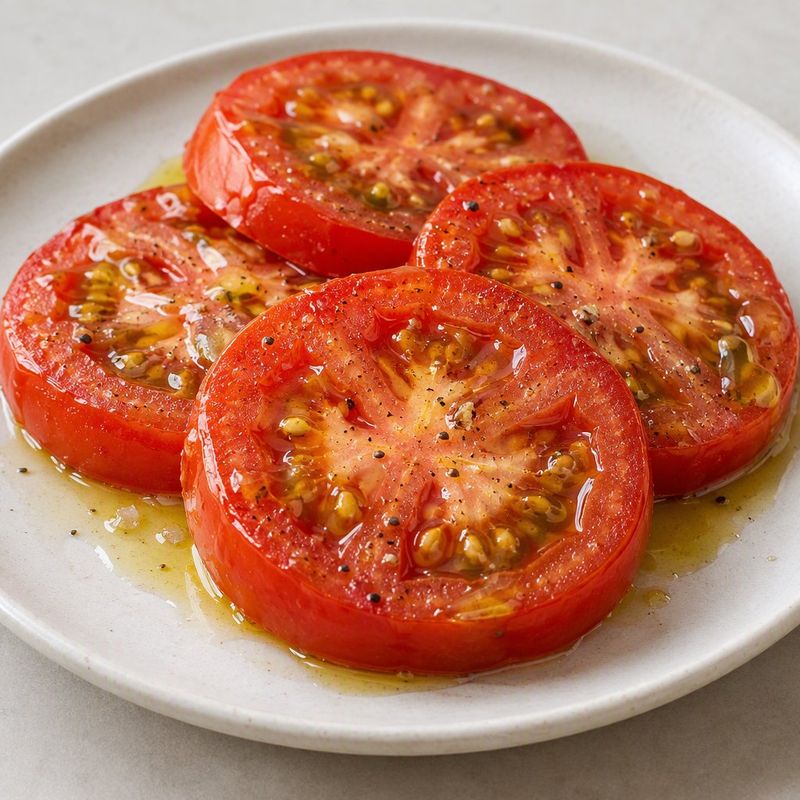
Italian grandmothers have been onto something for centuries. Tomatoes hold a red plant compound called lycopene, which may help protect your heart and skin.
Lycopene dissolves in fat, so a splash of olive oil helps your body take in much more of it. Cooking tomatoes boosts it even further.
A simple homemade pasta sauce or roasted tomatoes with oil is a tasty way to enjoy this classic duo.
3. Turmeric and Black Pepper
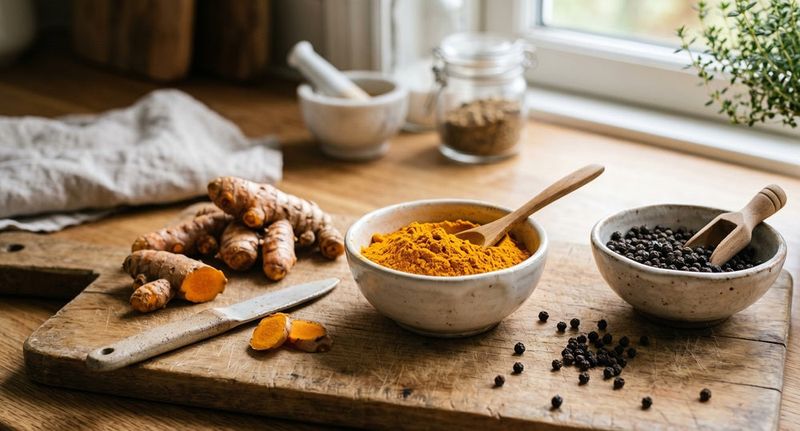
Here is a wild fact: black pepper can raise how much curcumin your body absorbs by up to 2,000 percent. Curcumin is the bright yellow star inside turmeric.
On its own, curcumin passes through your body fast. Piperine, found in pepper, slows that down so you keep more of it.
Add both spices to curries, scrambled eggs, soups, or golden milk. Just a pinch of pepper does the job.
4. Apple Slices and Peanut Butter
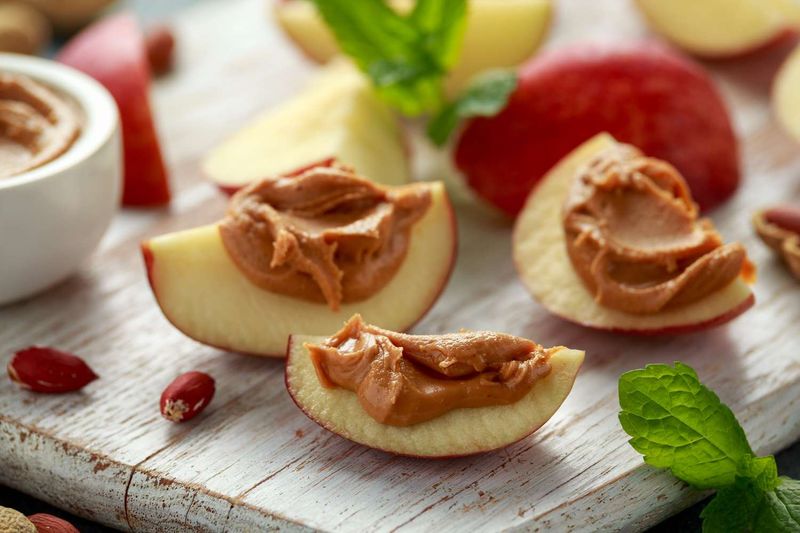
Remember grabbing this snack after school? It turns out your younger self was pretty smart.
Apples bring fiber and natural sugar for quick energy. Peanut butter adds protein and healthy fat, which slow down that sugar so you avoid a crash an hour later.
Stick to about two tablespoons of peanut butter, and look for jars with just peanuts and salt. Crunchy or smooth, the choice is yours.
5. Yogurt and Bananas
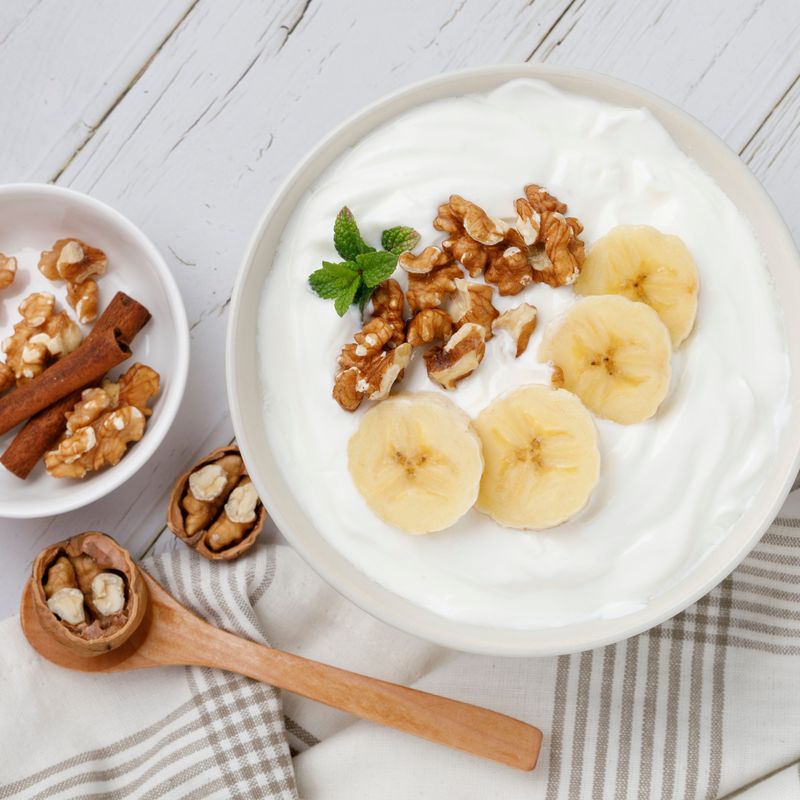
Your gut is home to trillions of tiny helpers. Yogurt delivers live probiotics, the friendly bacteria that support digestion.
Bananas, especially slightly green ones, contain prebiotic fiber. Think of it as food for those good bacteria, helping them grow and stay strong.
Together they make a gut-friendly breakfast that takes about one minute to prepare. Choose plain yogurt and let the banana add the sweetness instead of extra sugar.
6. Rice and Beans
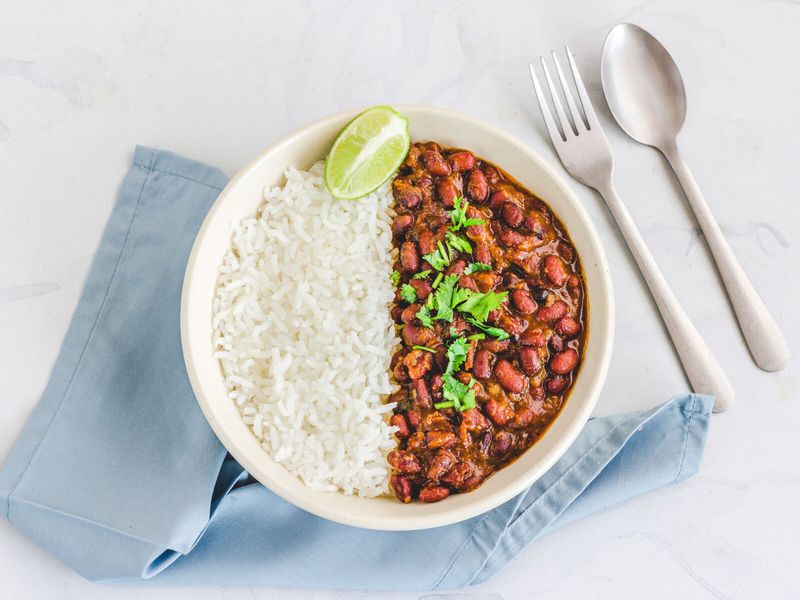
Across Latin America, the Caribbean, and beyond, families have eaten this dish for generations. There is a good reason it stuck around.
Neither rice nor beans has every amino acid your body needs. Put them together, though, and they form a complete protein, just like meat does.
It is also cheap, filling, and full of fiber. Brown rice adds even more nutrients if you want an upgrade.
7. Carrots and Hummus
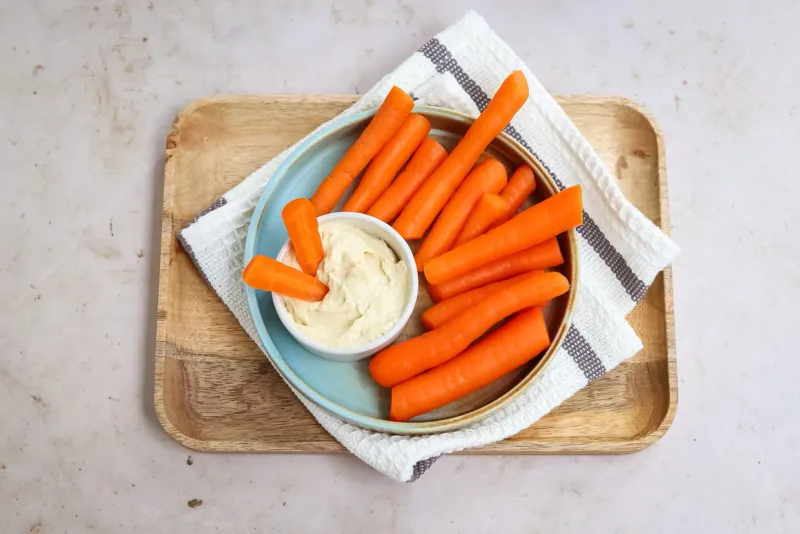
Crunch meets creamy in one of the easiest snacks around. Carrots are packed with beta-carotene, which your body turns into vitamin A for healthy eyes.
Beta-carotene needs a bit of fat to be absorbed well. Hummus, made with tahini and olive oil, supplies just that, plus protein from chickpeas.
Pack baby carrots and a small hummus cup for lunch. Your afternoon slump might just disappear.
8. Green Tea and Lemon
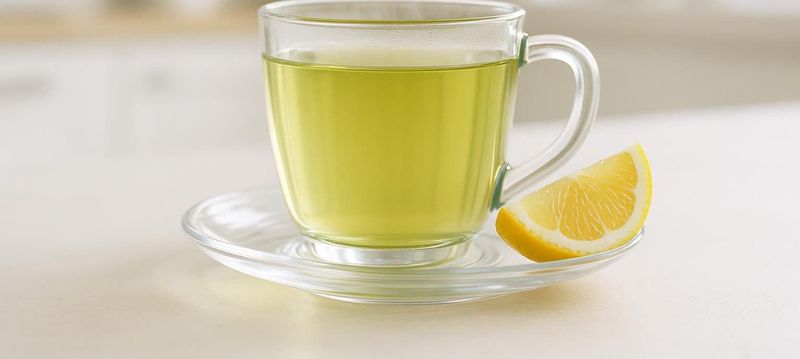
A little sour can go a long way. Green tea is loaded with antioxidants called catechins, but many break down during digestion.
Researchers at Purdue University found that adding citrus juice helps more catechins survive the trip through your stomach. Lemon is an easy pick.
Brew a warm cup, squeeze in a lemon wedge, and sip slowly. It tastes fresh and gives your body more of the good stuff.
9. Salmon and Leafy Greens
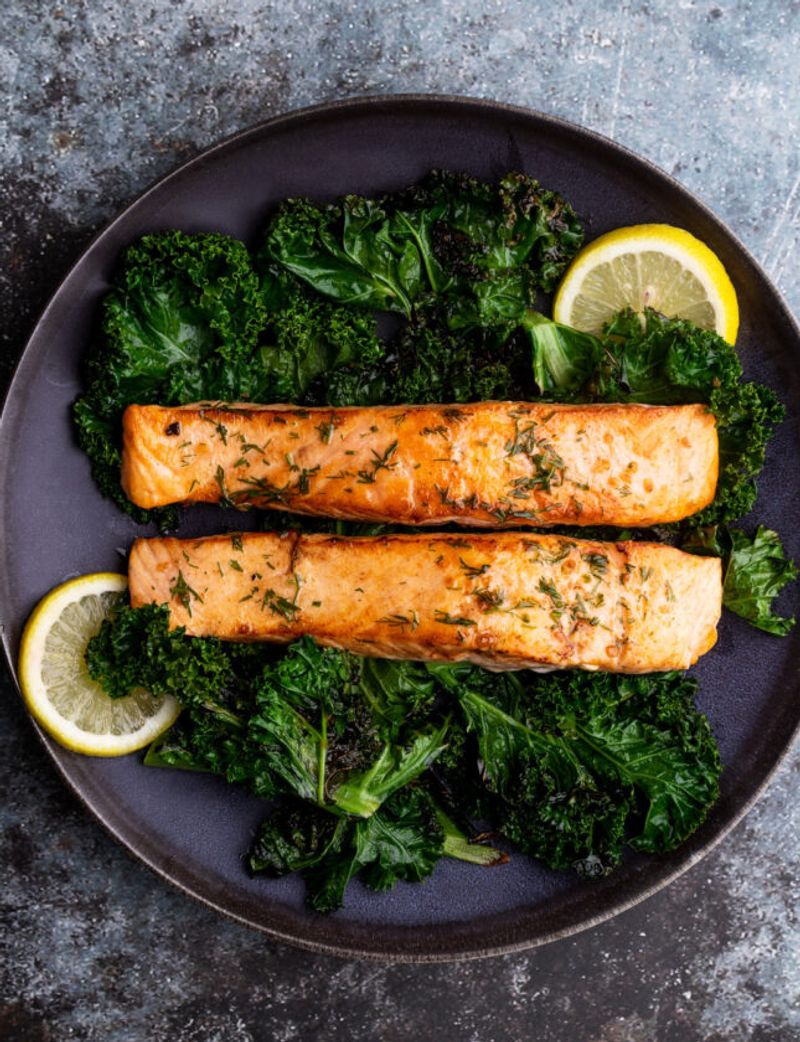
Strong bones need a team effort. Salmon is one of the few foods naturally rich in vitamin D, which helps your body use calcium.
Leafy greens like kale and bok choy bring calcium and vitamin K, two more bone builders.
Serve baked salmon over a pile of sauteed greens for a dinner that supports your skeleton. Bonus: the omega-3 fats in salmon are great for your brain, too.
10. Oatmeal and Berries
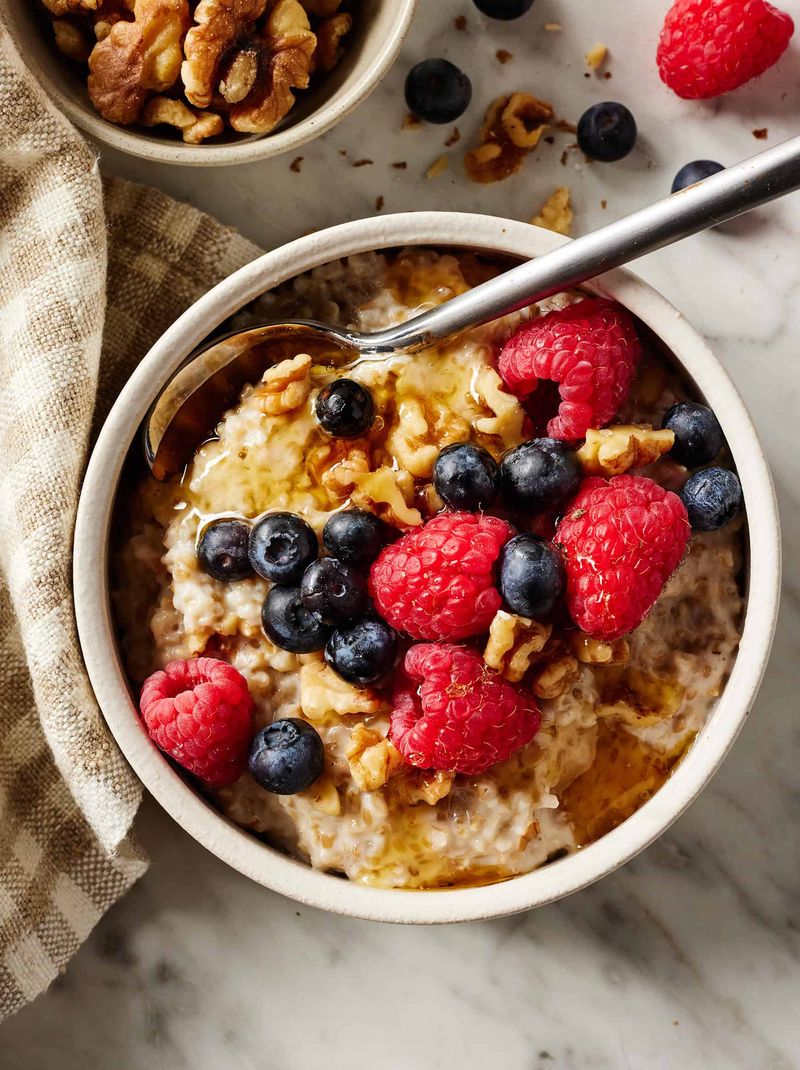
Picture a chilly morning and a steaming bowl in your hands. Oats offer slow-burning carbs and a fiber called beta-glucan that may help lower cholesterol.
Berries add color, sweetness, and antioxidants that fight cell damage. Blueberries are especially famous for supporting memory.
Frozen berries work just as well as fresh and cost less. Stir them in while the oats are hot and they melt into a jammy treat.
11. Eggs and Bell Peppers
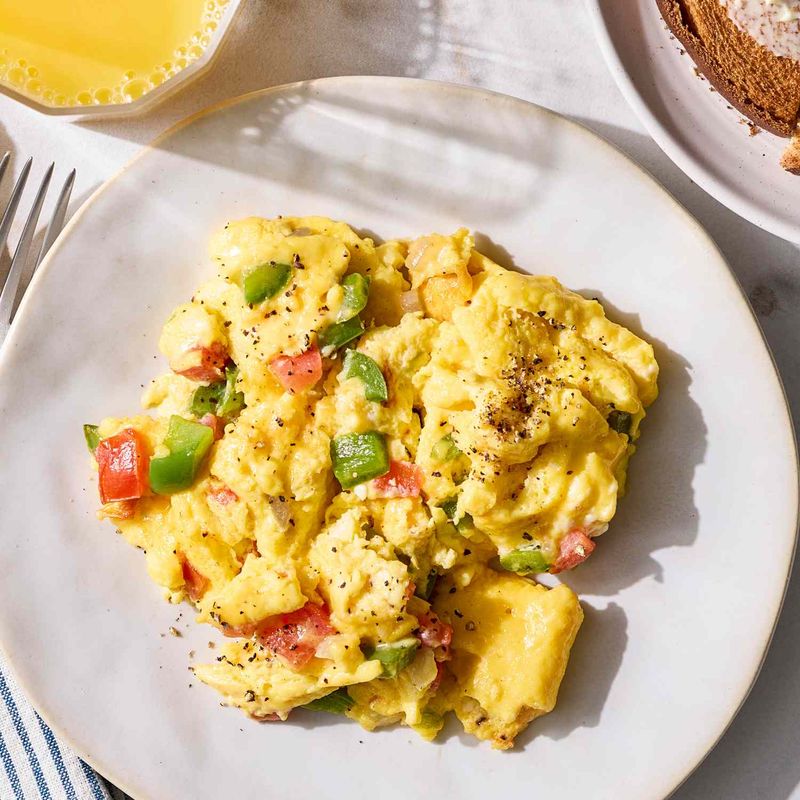
Breakfast can be a rainbow. Eggs give you high-quality protein and nutrients like choline for brain health.
Bell peppers, especially red ones, carry more vitamin C than an orange. They also add crunch and a sweet pop of flavor.
Chop peppers into scrambled eggs or a quick omelet. The vitamin C even helps you absorb the small amount of iron in eggs.
Not bad for ten minutes of cooking.
12. Avocado and Salsa
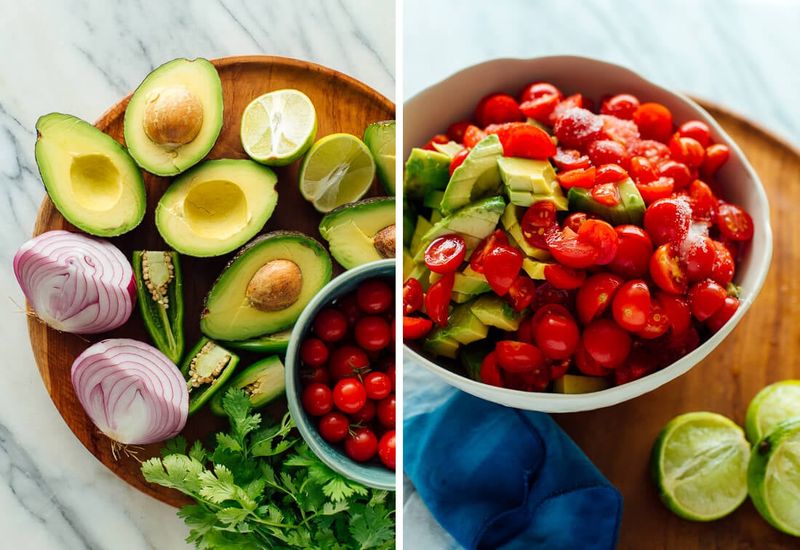
Game night just got healthier. Avocados are full of good fats that help your body absorb carotenoids, the colorful nutrients in tomatoes and peppers.
One study found that adding avocado to salsa boosted carotenoid absorption several times over. That is a big win from a party dip.
Mix diced avocado into fresh salsa, or spoon salsa over guacamole. Scoop it up with veggie sticks or baked chips.
13. Broccoli and Mustard Seeds
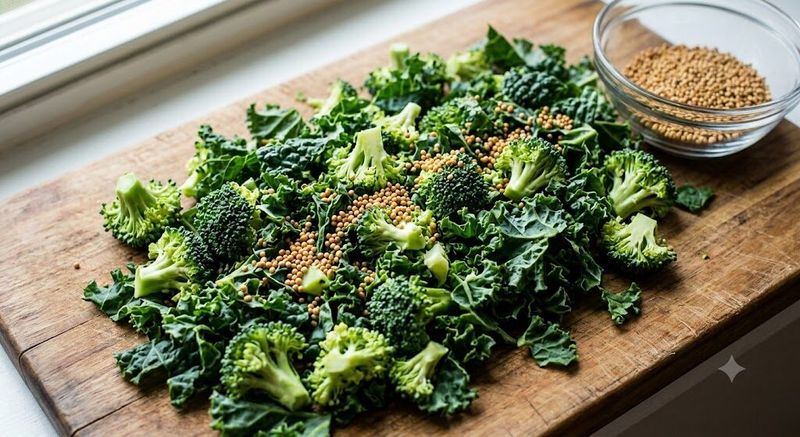
Ever overcooked broccoli until it went limp? Heat can destroy an enzyme needed to make sulforaphane, a powerful plant compound.
Mustard seeds contain that same enzyme. Sprinkling a little ground mustard over cooked broccoli brings the benefit right back.
Try roasting broccoli, then tossing it with a pinch of mustard powder and olive oil. It adds a gentle tang, and your veggies work harder for you.
14. Whole Grain Toast and Almond Butter
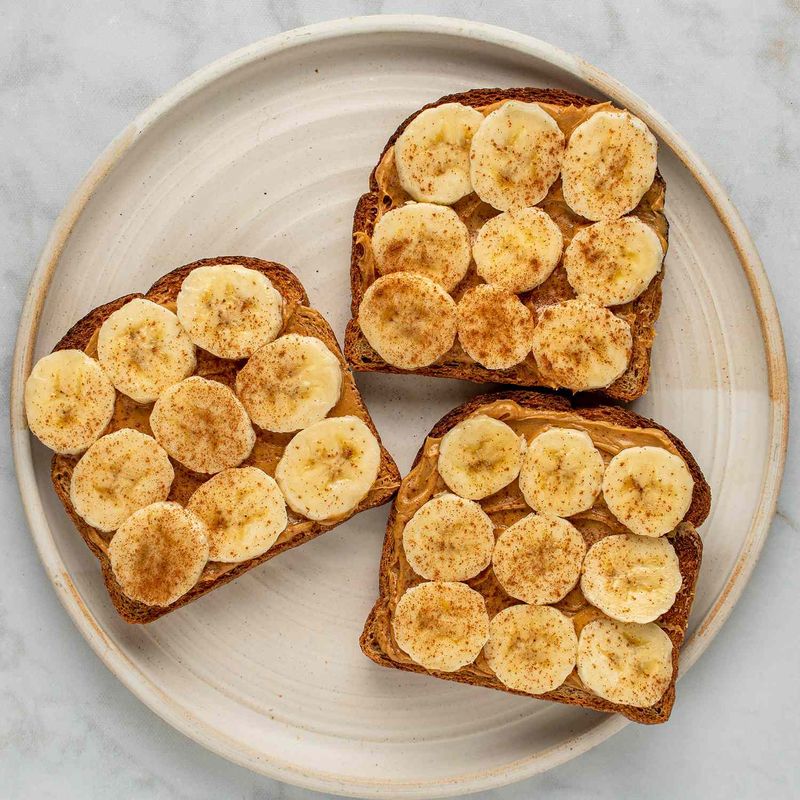
Toast often gets a bad reputation, but it does not have to. Whole grain bread brings fiber and B vitamins for lasting fuel.
Almond butter adds vitamin E, magnesium, and protein. That mix keeps you full until lunch instead of hungry by mid-morning.
Check the bread label for whole wheat as the first ingredient. Top it with sliced fruit or a dash of cinnamon to keep things exciting.
15. Lentils and Red Bell Pepper
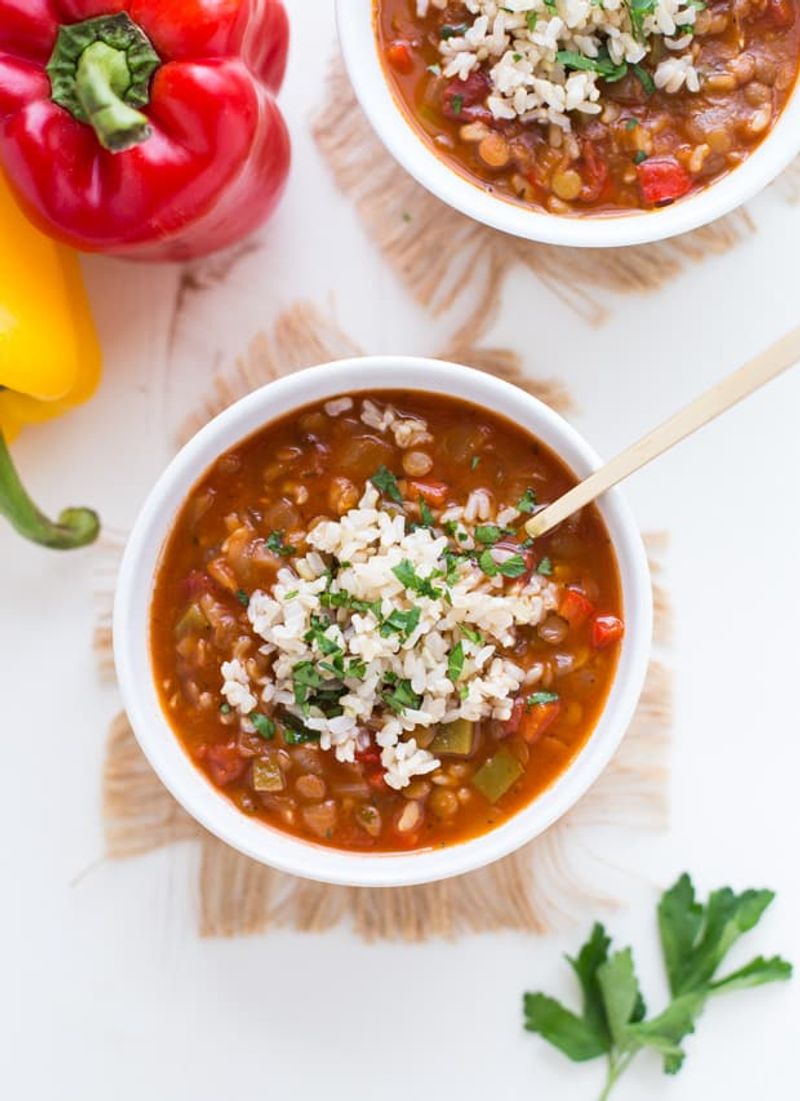
For anyone eating less meat, lentils are a lifesaver. They are rich in plant protein, fiber, and iron.
The catch is that plant iron needs a helper. Red bell peppers are bursting with vitamin C, which can greatly improve how much iron you absorb.
Toss diced peppers into lentil soup or a cold lentil salad. You get bright color, sweet crunch, and better nutrition in every spoonful.
16. Dark Chocolate and Almonds

Good news for sweet tooths everywhere. Dark chocolate with 70 percent cocoa or more contains flavanols that support healthy blood flow.
Almonds bring vitamin E, fiber, and crunch. Some research suggests eating them together may help improve cholesterol levels.
Keep portions small, like a square or two of chocolate and a handful of almonds. It feels like a treat while still being kind to your body.
17. Chicken and Sweet Potatoes
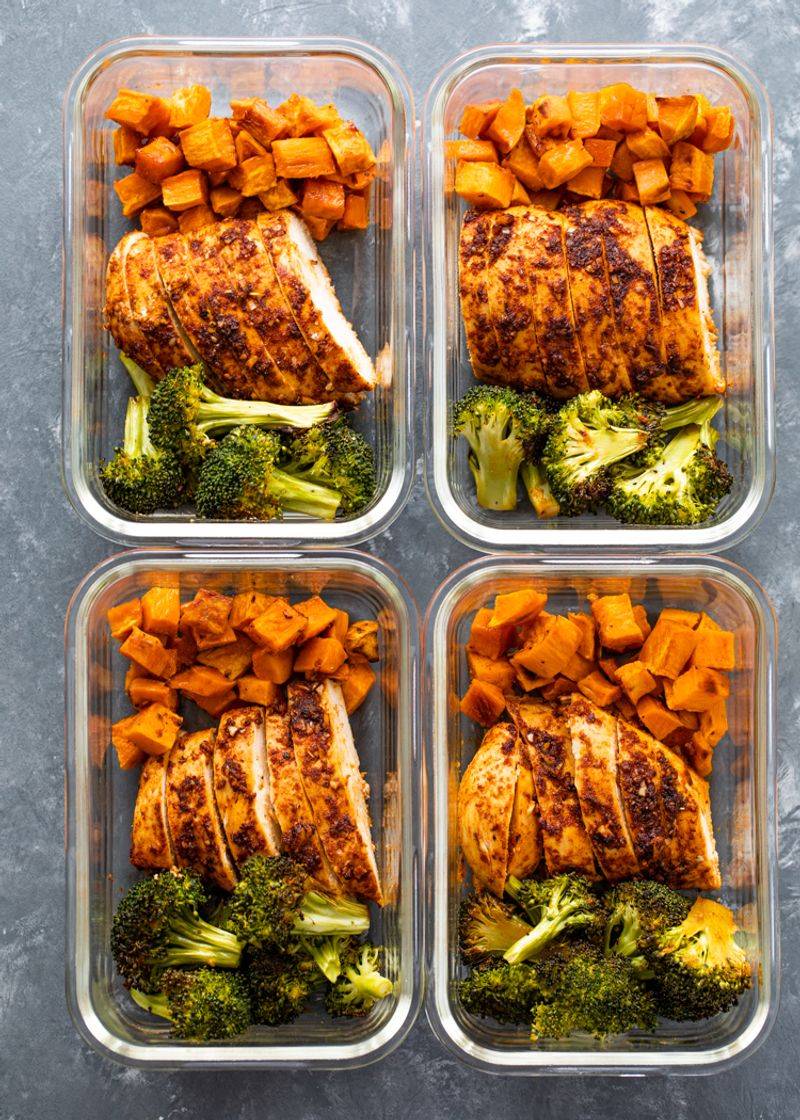
Athletes love this combo, and for good reason. Lean chicken gives your muscles protein to repair after a busy day.
Sweet potatoes supply complex carbs to refill energy, plus beta-carotene and potassium. Roasting them with a little oil helps you absorb that beta-carotene.
Bake everything on one sheet pan with garlic and herbs. Cleanup is easy, and dinner is ready in about thirty minutes.
18. Kale and Almonds
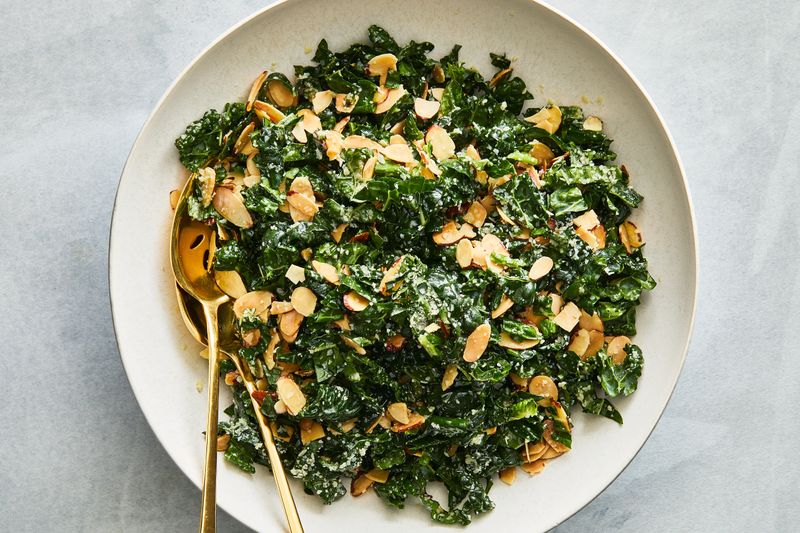
Kale can seem tough at first, both to chew and to love. Yet it is overflowing with vitamins A, C, and K.
Vitamins A and K dissolve in fat, so toasted almonds sprinkled on top help your body use them. They also add a nutty crunch that makes salads far more fun.
Tip: rub the kale with olive oil for a minute to soften the leaves.
19. Cottage Cheese and Pineapple
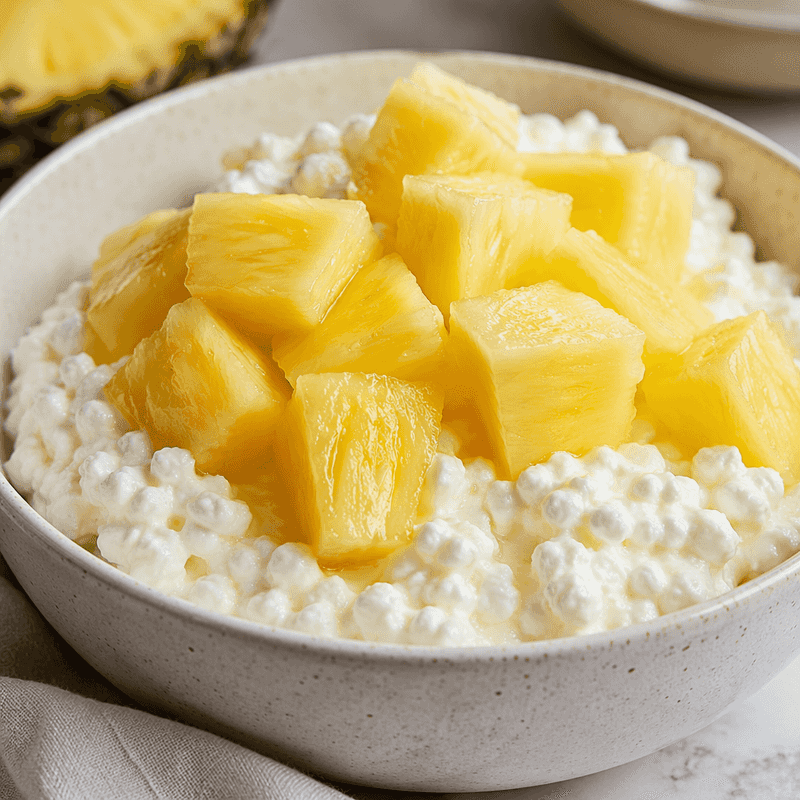
Retro diners served this combo decades ago, and it is making a comeback. Cottage cheese is loaded with protein and calcium.
Pineapple adds tropical sweetness and vitamin C. It also contains bromelain, an enzyme that helps break down protein.
Eat it as a light lunch or a post-workout snack. Fresh or canned pineapple in juice both work fine, just skip the heavy syrup.
20. Garlic and Onions
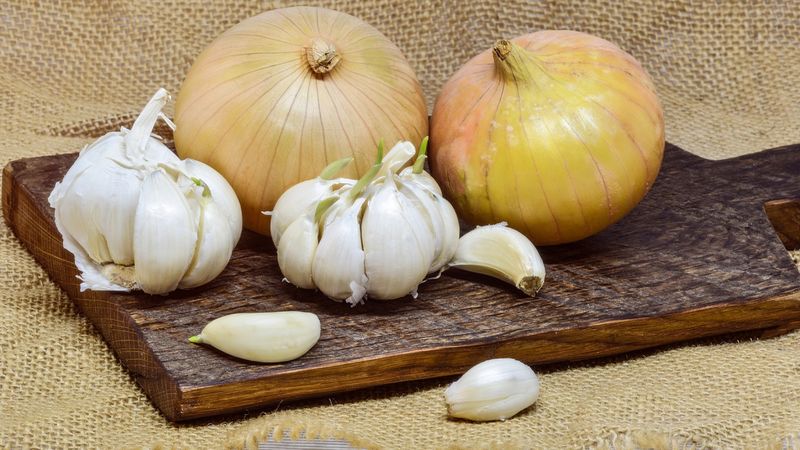
Almost every great recipe starts the same way, with garlic and onions sizzling in a pan. Your nose already knows dinner is coming.
Both belong to the allium family and are rich in sulfur compounds that may support heart health and immunity. Onions also add prebiotic fiber.
Here is a pro tip: let chopped garlic sit for ten minutes before cooking to boost its healthy compounds.
21. Cereal and Strawberries
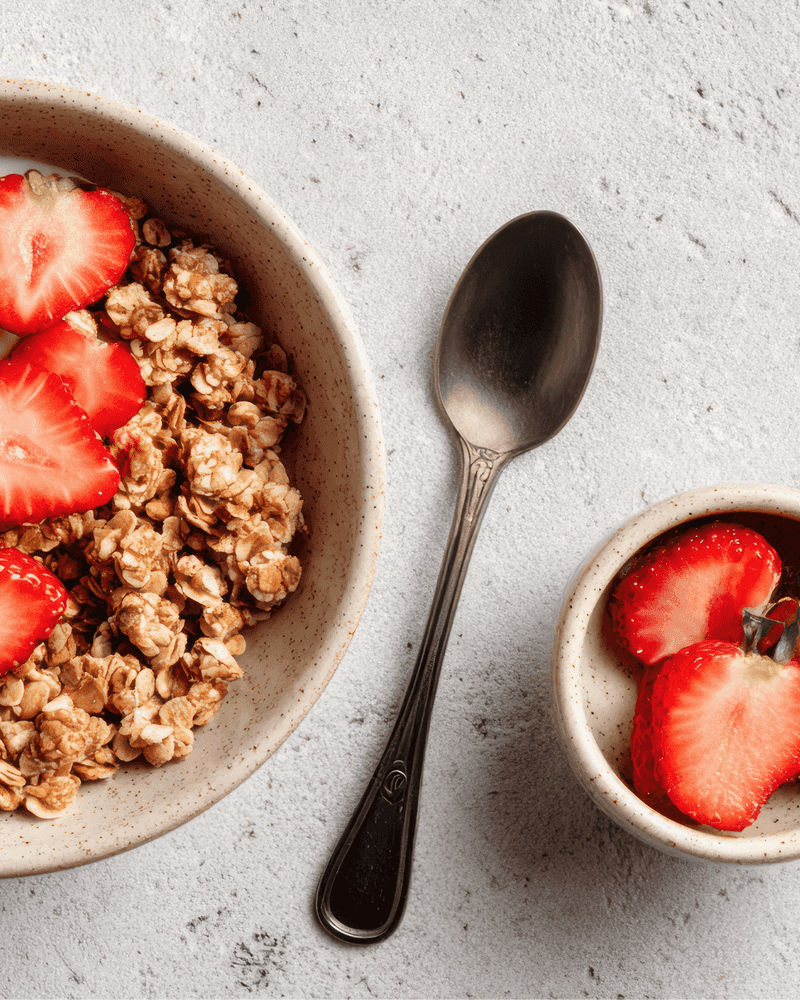
Most breakfast cereals are fortified with iron, but much of it slips by unused. A handful of strawberries can fix that.
One cup of strawberries packs nearly a full day of vitamin C, which helps your body grab that added iron.
Choose a cereal with whole grains and less sugar, then top it with berries. You will have a sweeter bowl that does more for your energy levels.