
Most of us toss groceries into the fridge without a second thought. But cold air can actually ruin the taste, texture, and freshness of many everyday foods.
Knowing what belongs on the counter or in the pantry can save you money and make your meals taste better. Some of the foods on this list might surprise you!
1. Tomatoes
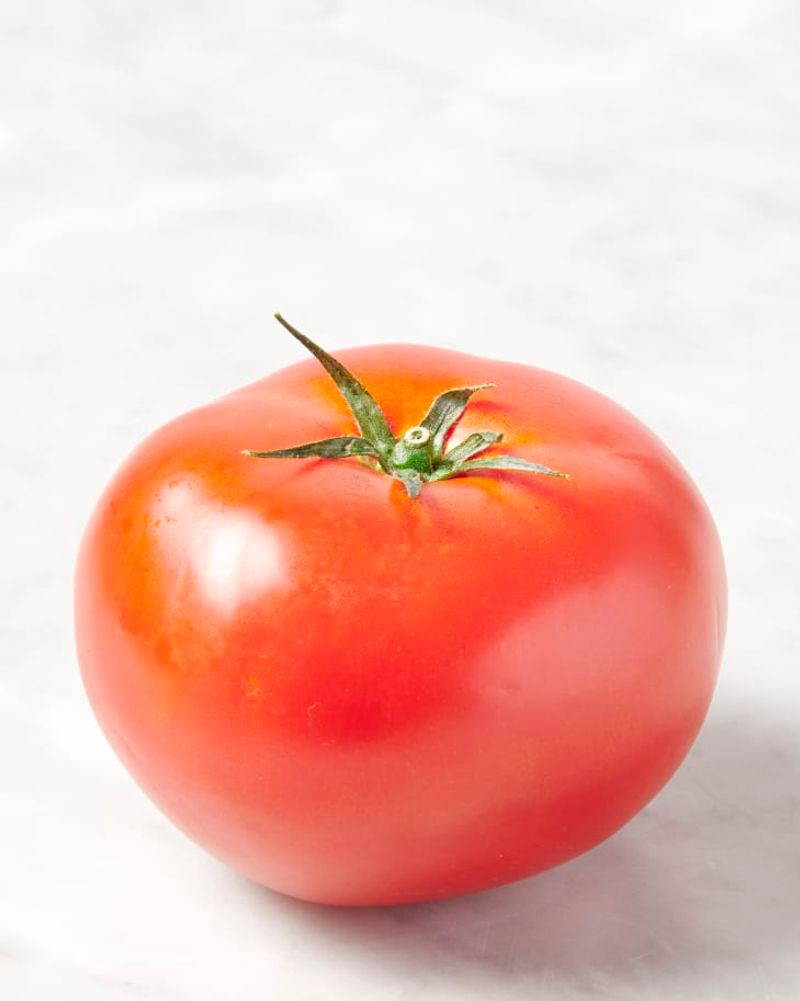
Ever bitten into a tomato that tasted like wet cardboard? The fridge is probably to blame.
Cold temperatures break down the cells inside, turning the flesh mushy and dull.
Keep tomatoes on the counter, stem side down, away from direct sunlight. They will stay juicy and full of summer flavor for several days.
Only chill them once they are sliced or starting to get overripe, and let them warm up before eating.
2. Potatoes
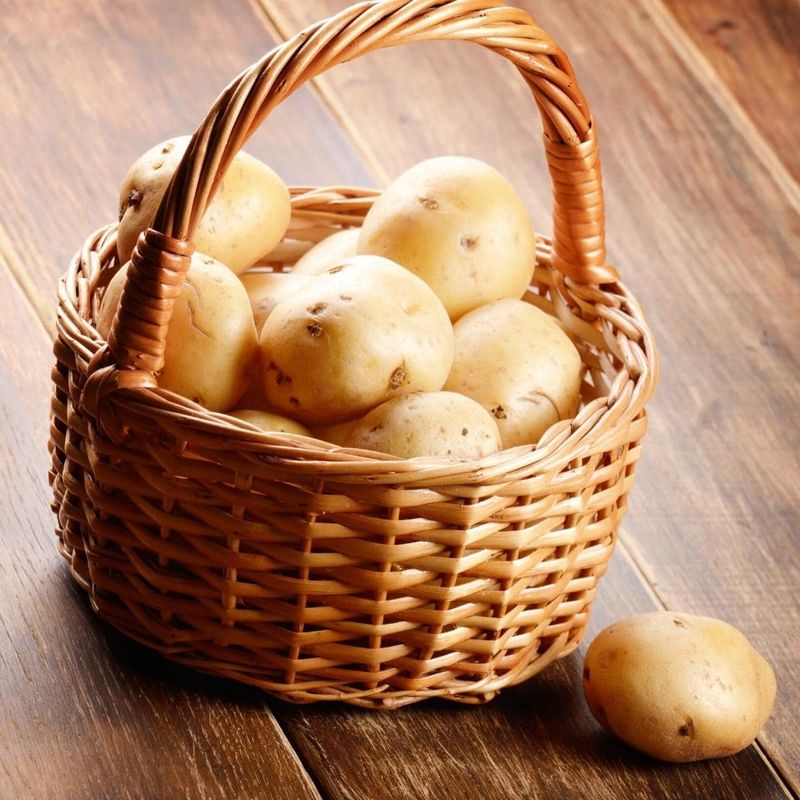
Here is a sneaky kitchen fact: cold air turns the starch in potatoes into sugar. That gives them a strange sweet taste and makes them brown too quickly when fried.
A cool, dark, dry spot like a pantry or cabinet works best. Use a paper bag or basket so air can flow around them.
Keep them away from sunlight, which causes green patches you should cut off before cooking.
3. Onions
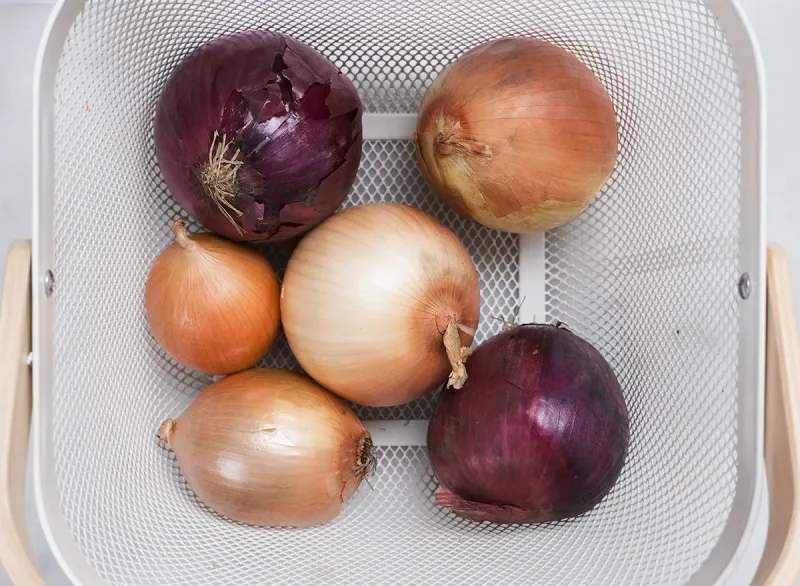
Onions are tough little guys, but moisture is their biggest enemy. Inside the fridge, they soak up humidity and turn soft or moldy fast.
Store whole onions in a dry, airy place, like a mesh bag or open basket. They can last for weeks this way.
One tip many people miss: never keep onions next to potatoes. Each releases gases that make the other spoil sooner.
4. Garlic
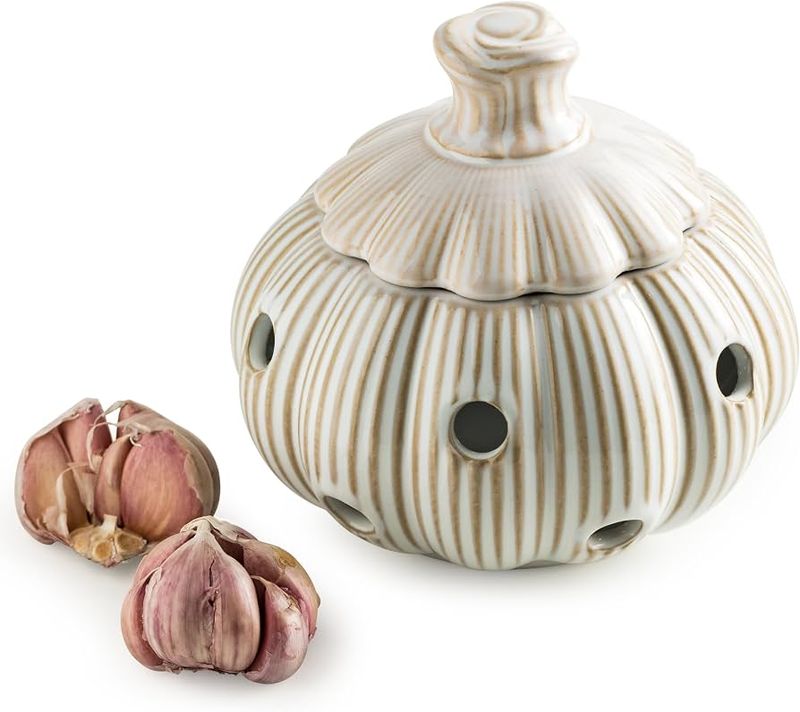
Picture a garlic bulb sprouting little green shoots in your fridge. That happens because the cold, damp air tricks it into thinking spring has arrived.
Whole bulbs are happiest in a cool, dry spot with good airflow. A small clay garlic keeper or open bowl does the trick nicely.
Stored right, a bulb can stay fresh for months. Once you peel the cloves, though, refrigerate them and use quickly.
5. Bread
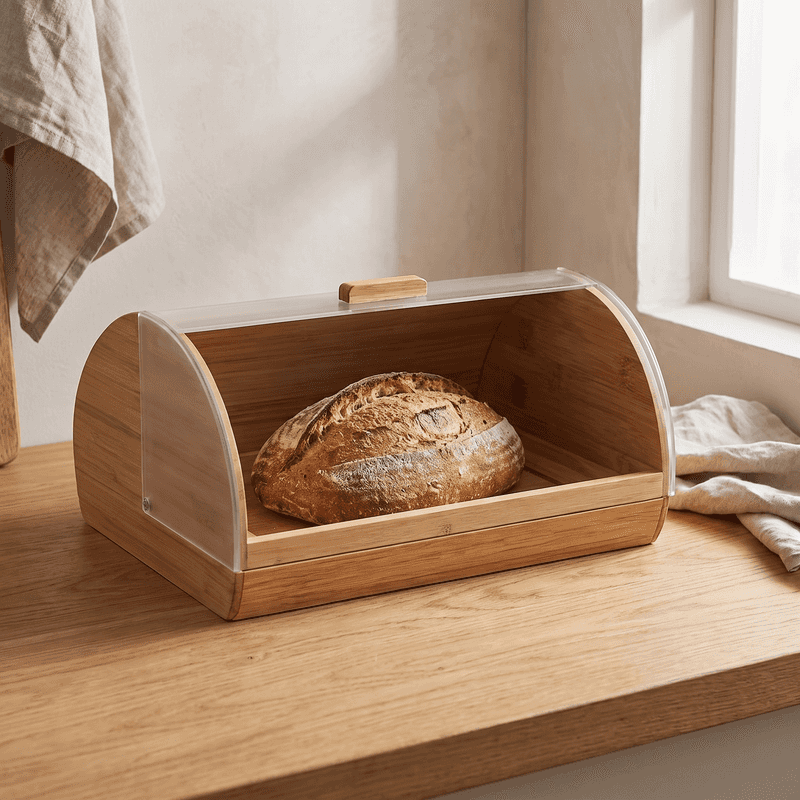
It seems smart to chill bread so it lasts longer, right? Surprisingly, the fridge makes bread go stale about three times faster than room temperature does.
Keep your loaf in a bread box or a cloth bag on the counter for a few days. The crust stays crisp and the inside stays soft.
Got more than you can eat? Freeze slices instead, then pop them straight into the toaster.
6. Bananas
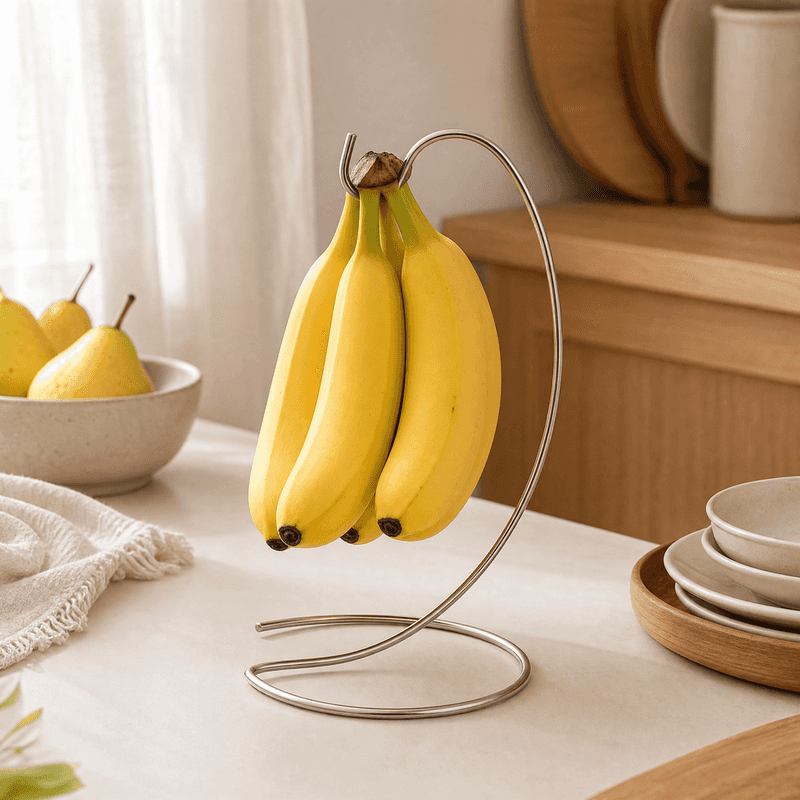
Bananas grew up in warm tropical places, so a chilly fridge feels like a shock to them. The peels turn black, and unripe ones may never sweeten properly.
Let them ripen on the counter. Hanging them on a hook helps prevent bruising on the bottom.
Fun trick: wrap the stems in plastic to slow ripening. Once they are perfectly yellow, you can chill them briefly to buy a day or two.
7. Honey
Archaeologists once found honey in ancient Egyptian tombs that was still safe to eat. Talk about a long shelf life!
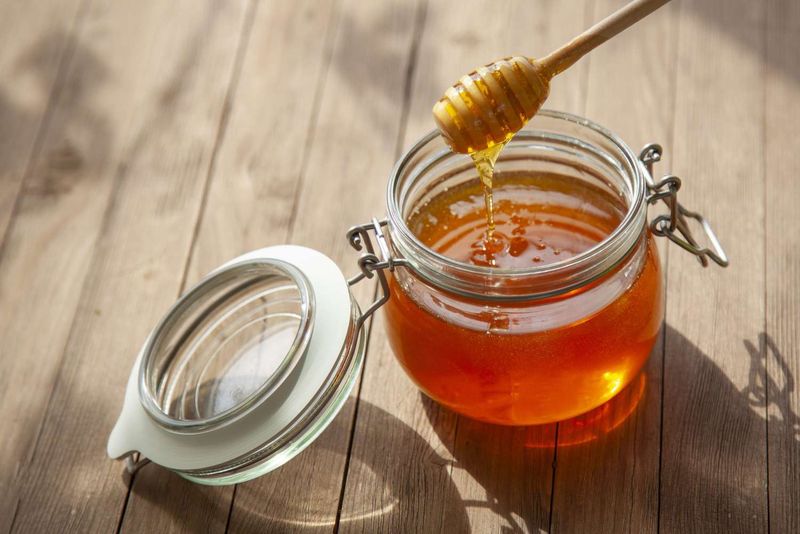
Honey never needs refrigeration. In fact, the cold makes it thick and grainy as it crystallizes, which is annoying when you want to drizzle it.
Simply keep the lid tight and store it in the pantry. If it does crystallize, set the jar in warm water to smooth it out.
8. Avocados
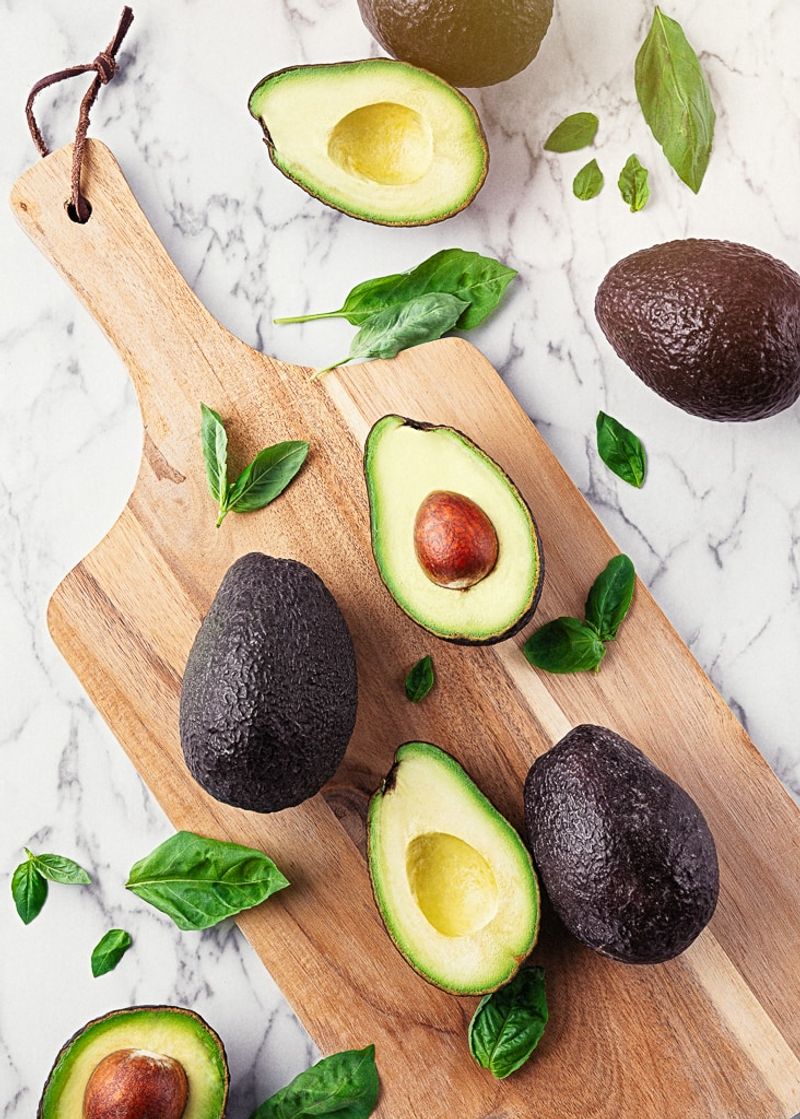
Waiting for an avocado to ripen can feel like watching paint dry. Putting a hard one in the fridge only makes the wait longer, since cold stops ripening almost completely.
Leave firm avocados on the counter until they give slightly when squeezed. Want to speed things up?
Put one in a paper bag with an apple.
After it ripens, the fridge becomes useful for holding it a couple extra days.
9. Coffee Beans
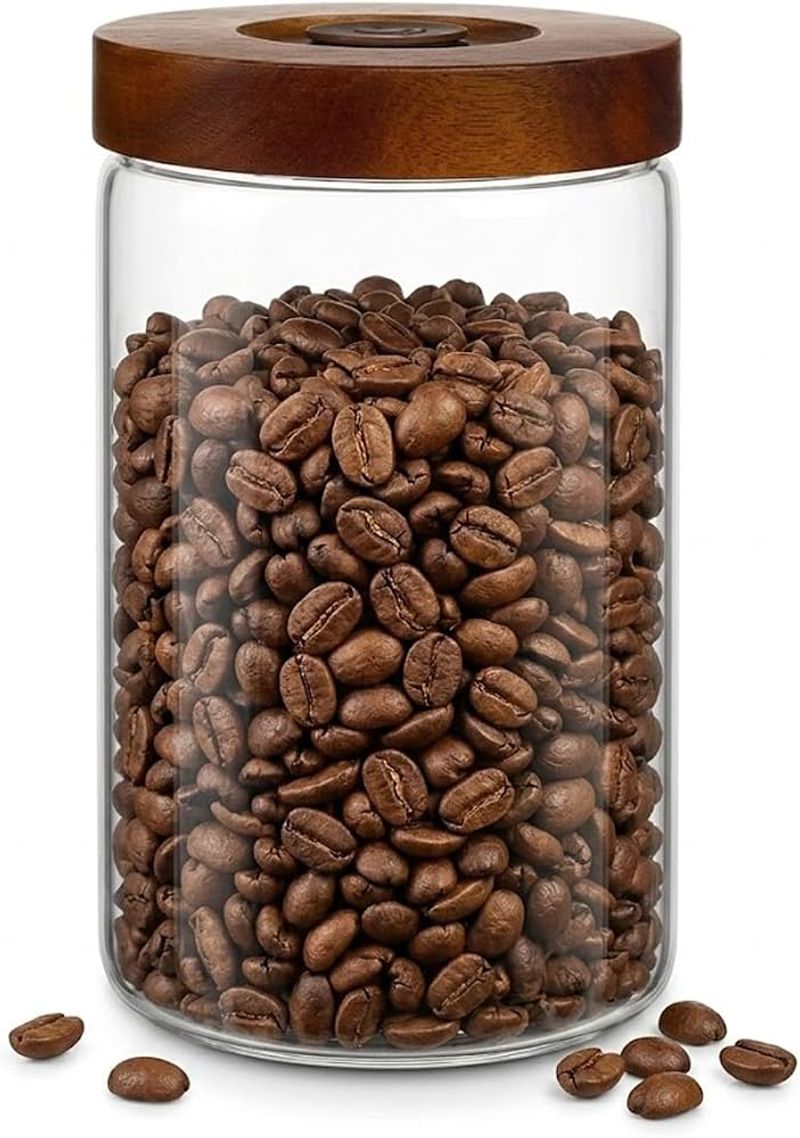
Coffee lovers, listen up. Your beans act like tiny sponges, soaking up smells from leftover pizza and onions in the fridge.
On top of that, moving them in and out creates moisture that dulls the rich flavor. Nobody wants a cup that tastes like last night’s dinner.
Store beans or grounds in an airtight, dark container in a cool cupboard. Buy smaller amounts so you always brew something fresh.
10. Melons
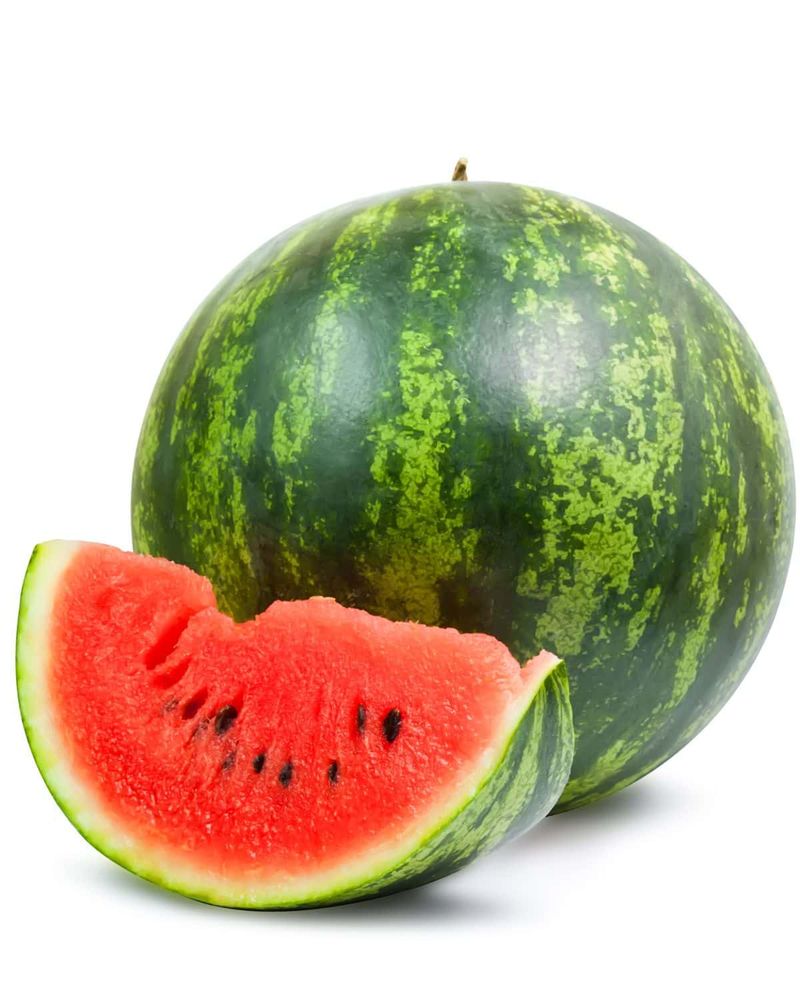
A study by the U.S. Department of Agriculture found that whole watermelons kept at room temperature had more healthy antioxidants than chilled ones.
Uncut melons, including cantaloupe and honeydew, keep ripening and getting sweeter on the counter. The fridge pauses that process.
Once you slice into one, wrap the pieces and refrigerate them right away. Then you get the best of both worlds: full flavor and a cool snack.
11. Basil
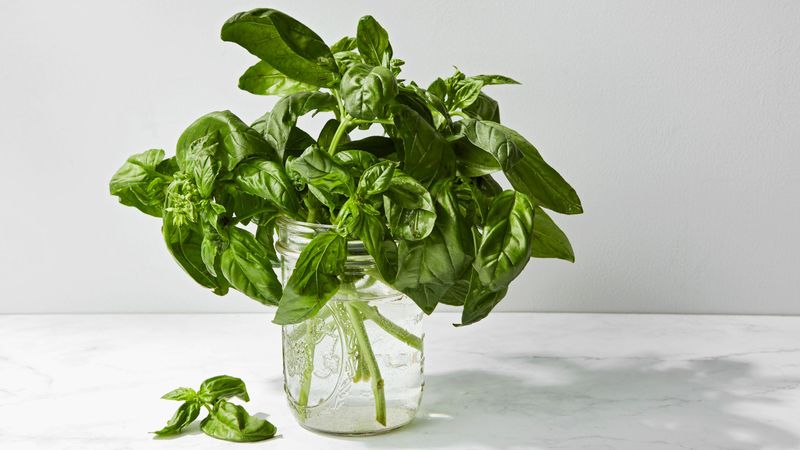
Think of basil like a bunch of flowers. Toss it in the fridge, and the leaves turn black and wilted almost overnight.
Instead, trim the stems and stand them in a glass of water on the counter. A loose plastic bag over the top keeps it extra perky.
Change the water every couple of days. Your pasta, pizza, and pesto will thank you for the bright, peppery leaves.
12. Olive Oil
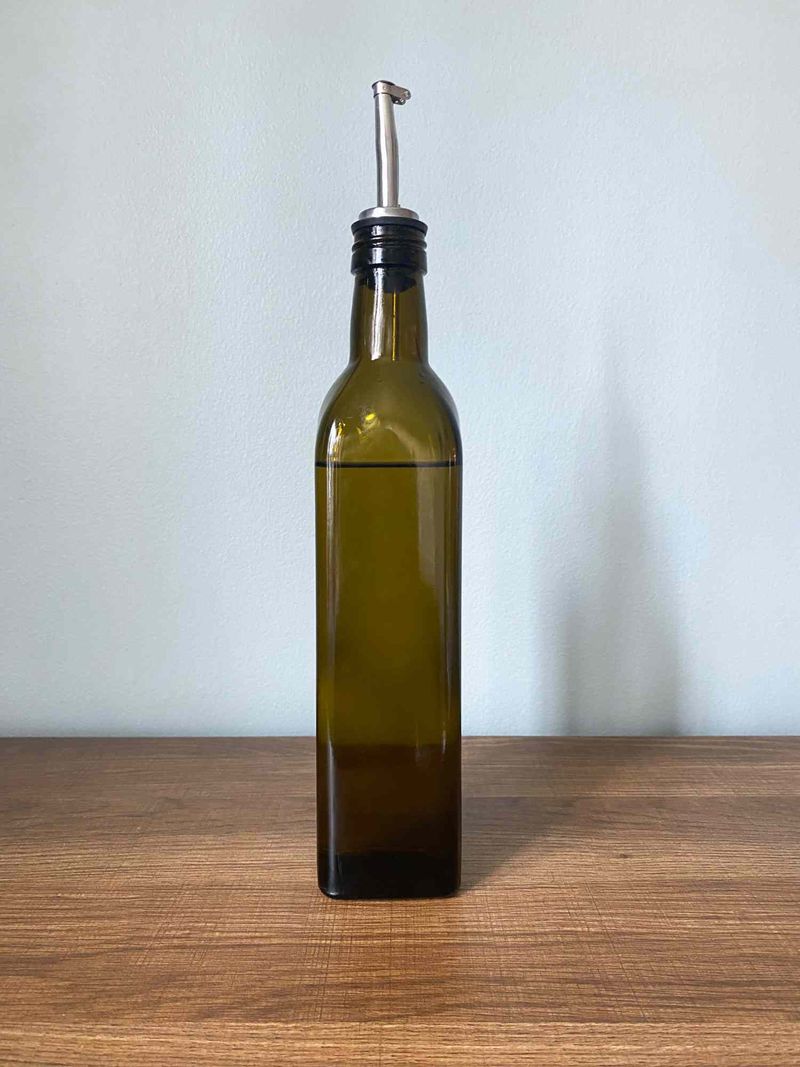
Open the fridge after storing olive oil there, and you may find a cloudy, solid mess. Cold temperatures cause the oil to thicken and harden.
It returns to normal once warmed, but the constant change is not great for flavor.
A dark cabinet away from the stove is ideal. Heat and light are the real troublemakers, so tinted glass bottles help it stay fresh much longer.
13. Peaches and Stone Fruits
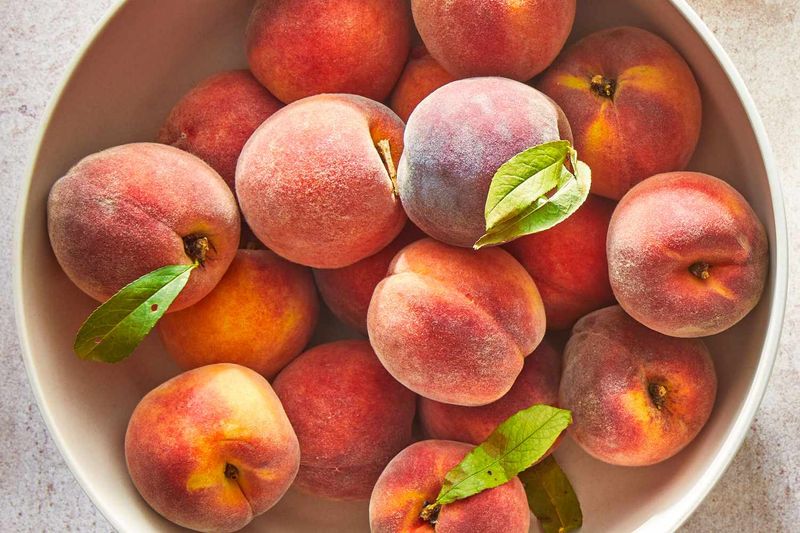
Nothing beats a juicy summer peach dripping down your chin. Chill it too early, though, and you might get a dry, mealy bite instead.
Peaches, plums, nectarines, and apricots should ripen on the counter at room temperature. Place them stem side down so they do not bruise.
When they smell sweet and feel slightly soft, eat them right away or refrigerate for just a few days.
14. Winter Squash
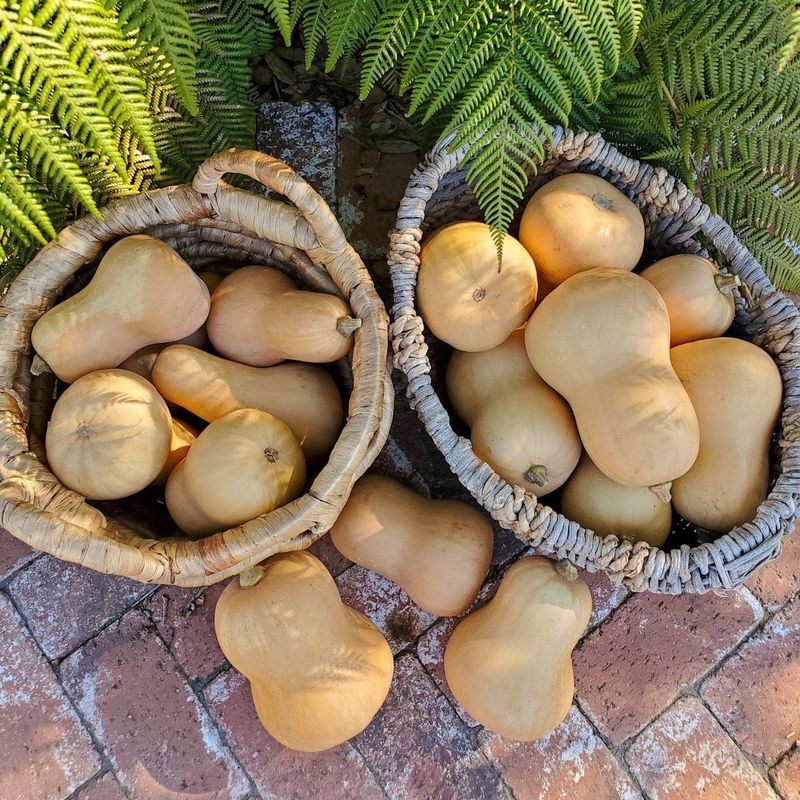
Butternut, acorn, and spaghetti squash are built to last through long winters. Their thick skins protect them for months without any help from the fridge.
Cold, damp air actually causes them to break down faster and get soft spots.
Find a cool, dry corner of your kitchen or pantry. Check them now and then, and enjoy hearty soups and roasted dishes well into the chilly season.
15. Hot Sauce
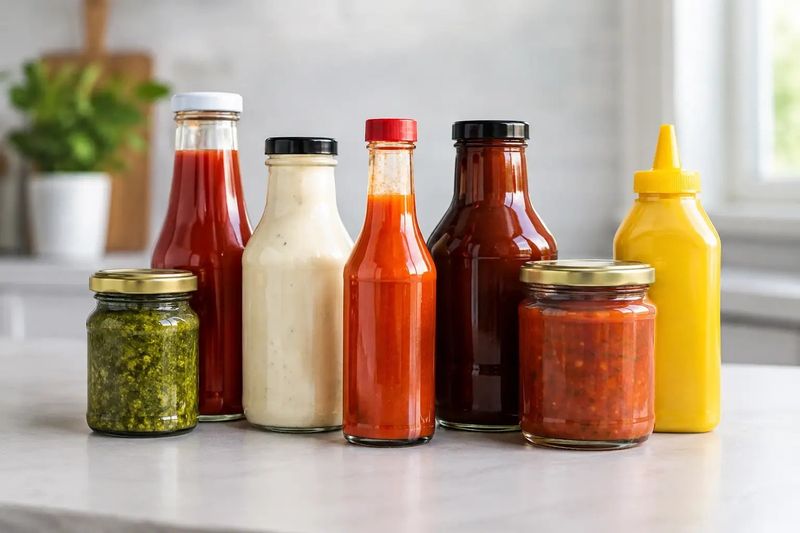
Feeling the burn? Good news: all that vinegar and chili pepper makes most hot sauces naturally resistant to germs.
Classic bottles like Tabasco and many vinegar-based sauces can sit in your pantry for months after opening. That frees up valuable fridge door space.
Always read the label, though. Sauces with fruit, garlic chunks, or little vinegar may need chilling.
When in doubt, follow what the bottle suggests.
16. Peanut Butter
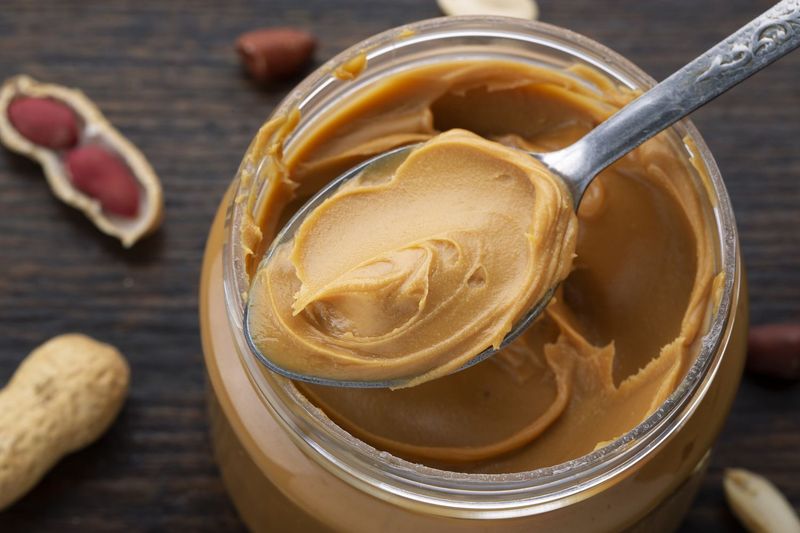
Trying to spread cold peanut butter on soft bread is a recipe for torn sandwiches. Room temperature keeps it smooth and easy to use.
Regular store-bought peanut butter stays good in the pantry for around three months after opening.
Natural versions are a little different. Their oils can separate and go stale faster, so you might keep those in the fridge if you eat them slowly.
17. Cucumbers
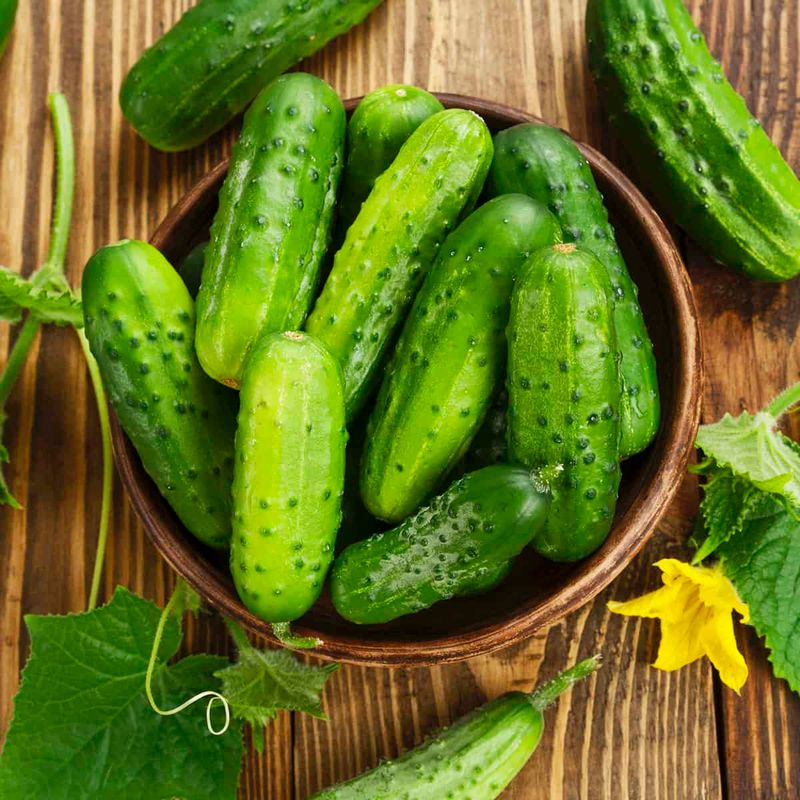
Did you know cucumbers are sensitive to cold? University of California researchers found they get watery pits and spoil faster below 50 degrees Fahrenheit.
Keeping them on the counter helps them stay crisp and crunchy for salads and snacks.
Store them away from bananas, tomatoes, and melons, which give off a gas that speeds up ripening. Eat them within a few days for the best snap.
18. Sweet Potatoes
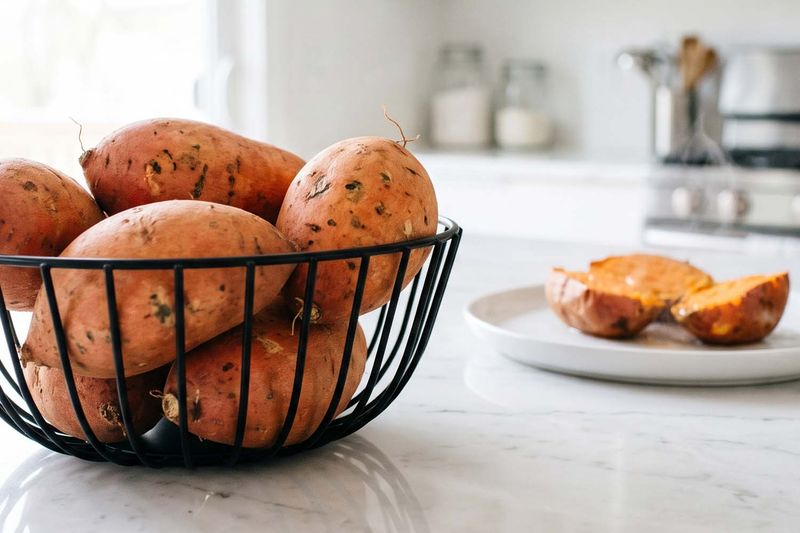
Sweet potatoes might share a name with regular potatoes, but they are actually distant cousins. They still hate the cold just as much, though.
Refrigeration gives them a hard center and an odd taste, even after cooking.
Keep them loose in a basket somewhere cool, dark, and well ventilated. Skip plastic bags, which trap moisture.
Handled with care, they will stay fresh for a few weeks.
19. Whole Citrus Fruits
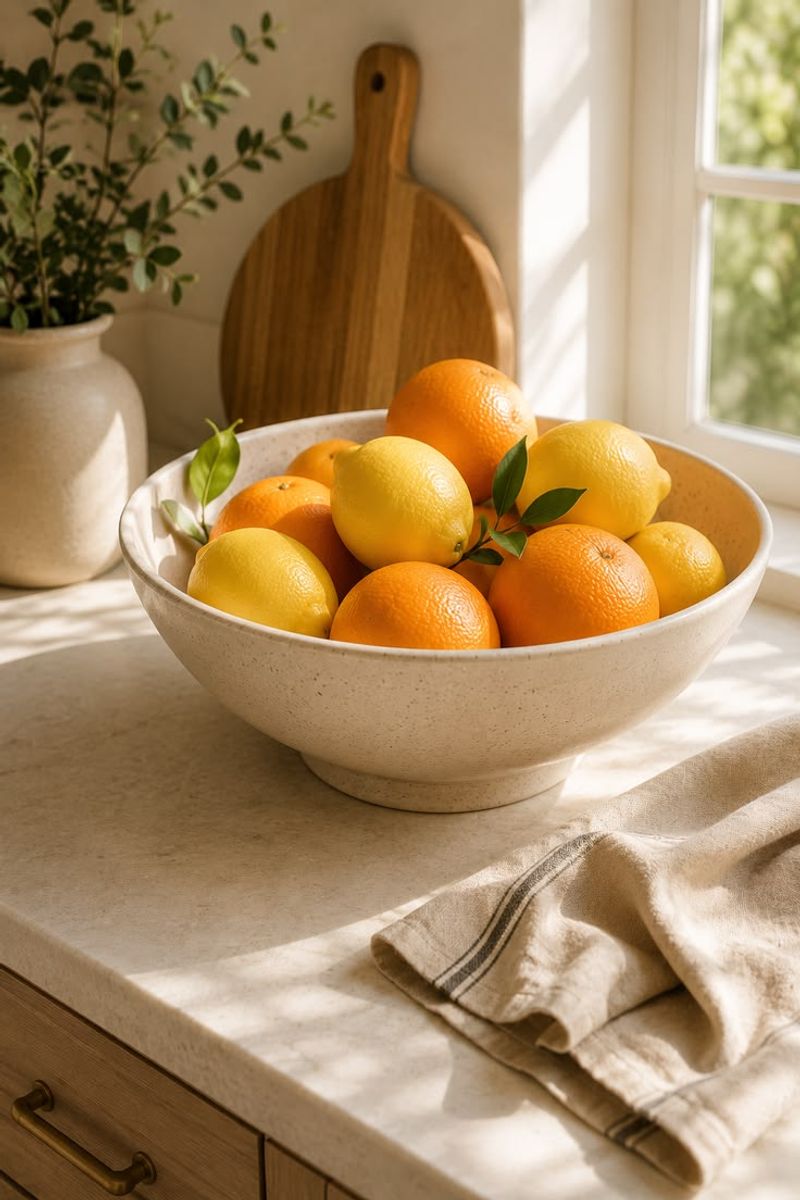
A bowl of bright oranges and lemons makes any kitchen look cheerful. Better yet, room temperature citrus is juicier and easier to squeeze.
Oranges, lemons, limes, and grapefruits are fine on the counter for about a week.
If you buy a big bag and will not use them quickly, the fridge can stretch their life. Just let a lemon warm up before juicing to get every last drop.
20. Soy Sauce
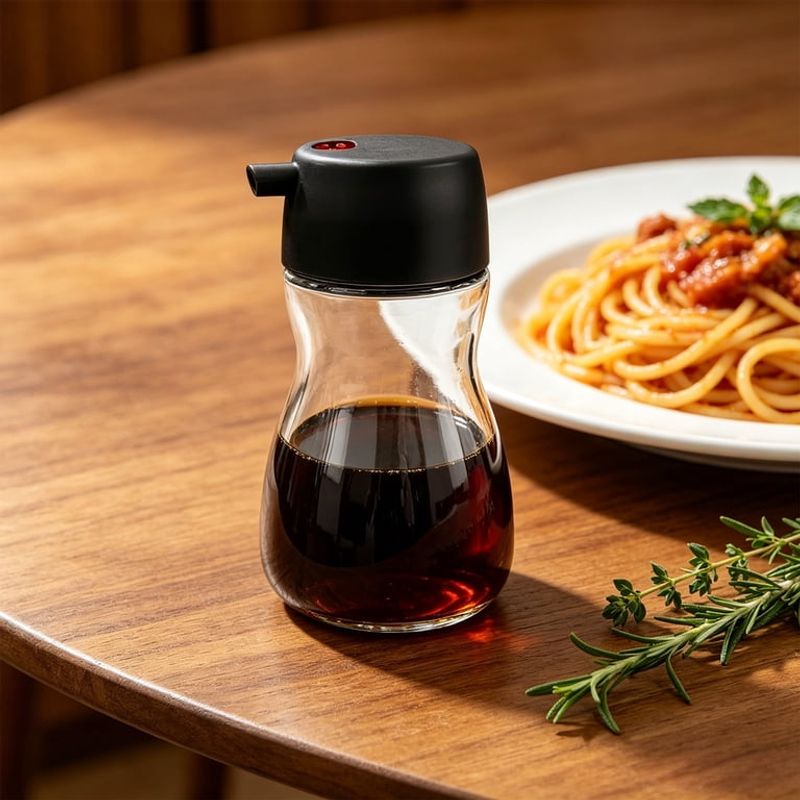
Salty, savory soy sauce has been made in Asia for over 2,000 years, long before refrigerators existed.
Its high salt content keeps bacteria away, so the pantry is perfectly safe even after opening.
Over many months, the flavor can slowly fade or darken. If you only use it now and then, chilling helps it taste fresher.
Otherwise, a cupboard spot works just fine.
21. Unripe Pears
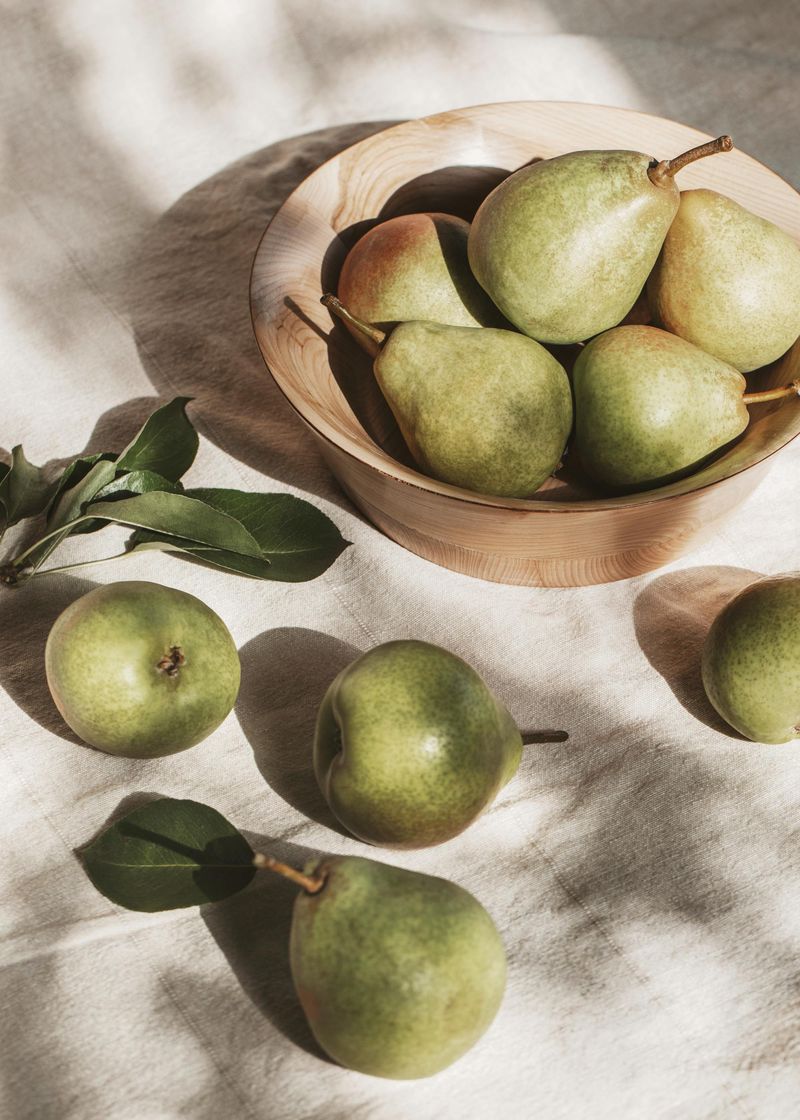
Pears are unusual because they ripen best after being picked. Grocery store pears are often rock hard for that very reason.
Leave them on the counter for a few days. Check ripeness by gently pressing near the stem.
If it gives a little, they are ready.
That is the moment to enjoy them or move them to the fridge, which slows down further softening and keeps them from turning mushy.