
Leftovers can save you time, money, and a lot of effort on busy nights. But a few small slip-ups can turn yesterday’s tasty dinner into a soggy, bland, or even unsafe meal.
The good news is that most of these mistakes are easy to fix once you know about them. Read on to learn how to keep your leftovers fresh, safe, and delicious.
1. Letting Food Sit Out Too Long
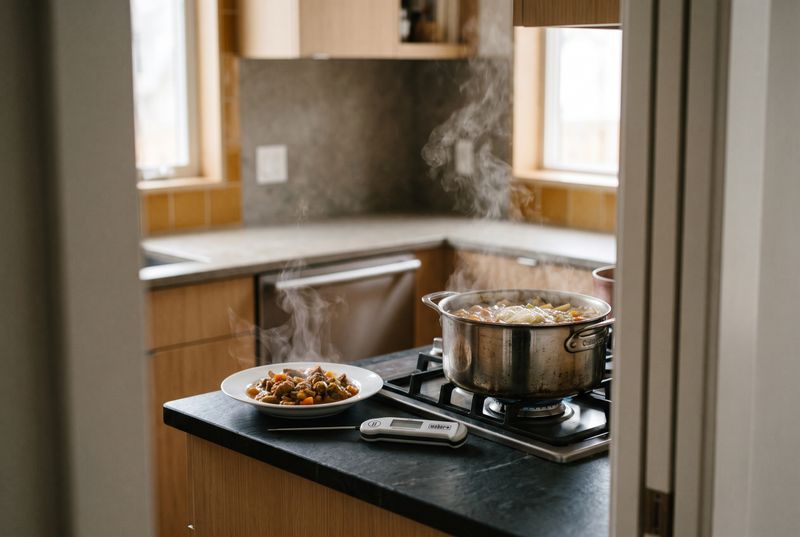
Picture a big pot of chili cooling on the stove while everyone watches a movie. Hours later, it is still sitting there.
That is a problem.
Bacteria grow fast between 40 and 140 degrees Fahrenheit, which experts call the danger zone. Food should go into the fridge within two hours of cooking, or one hour on a hot day.
Setting a phone timer after dinner is a simple habit that keeps your family safe.
2. Packing Hot Food in One Giant Container
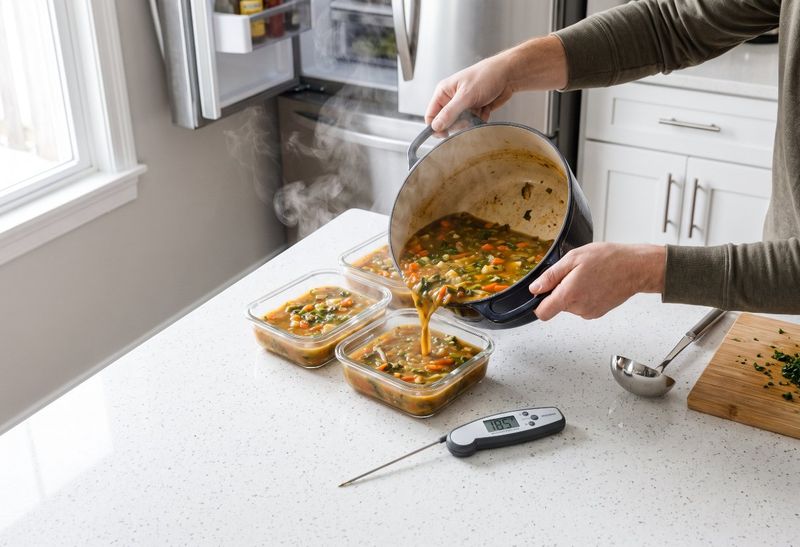
Big batches hold heat like a cozy blanket. When you cram a whole pot of soup into one deep tub, the center can stay warm for hours, even inside the fridge.
Split large amounts into smaller, shallow containers instead. Thin layers cool down much faster and more evenly.
As a bonus, smaller portions are easier to grab for lunch. You only reheat what you need, so nothing gets warmed up again and again.
3. Forgetting to Label Containers
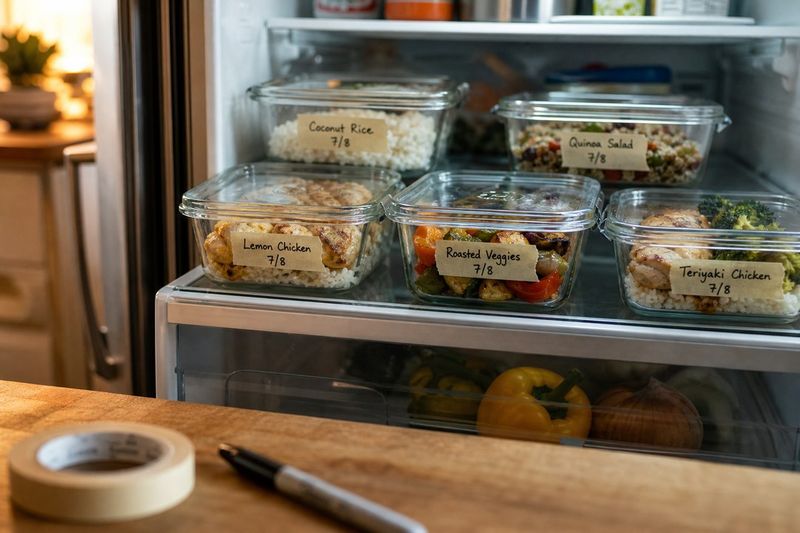
Quick quiz: how old is that mystery container in the back of your fridge? If you have no idea, you are not alone.
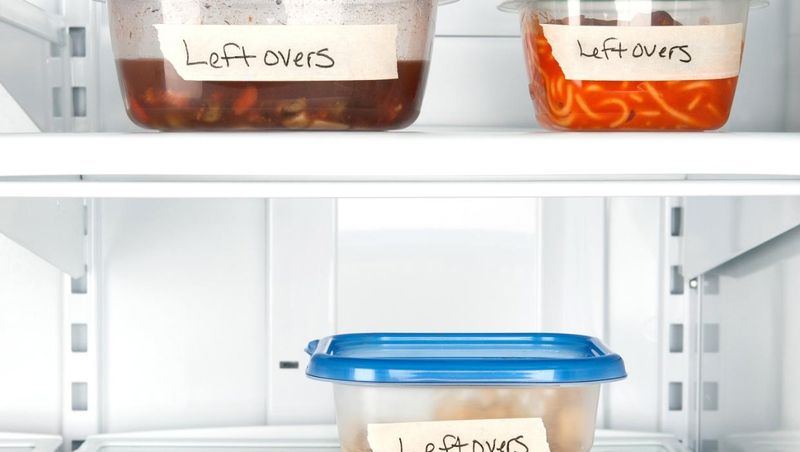
Most cooked leftovers stay safe for about three to four days. Without a date, guessing becomes risky.
A roll of masking tape and a marker can solve this forever. Write the food name and the day you cooked it.
Future you will be very thankful during a hungry Thursday night.
4. Using Containers Without Tight Lids
Covering a bowl with a plate might seem good enough. Sadly, air sneaks in and dries out your food while fridge smells creep in too.
Nobody wants pasta that tastes faintly like onions.
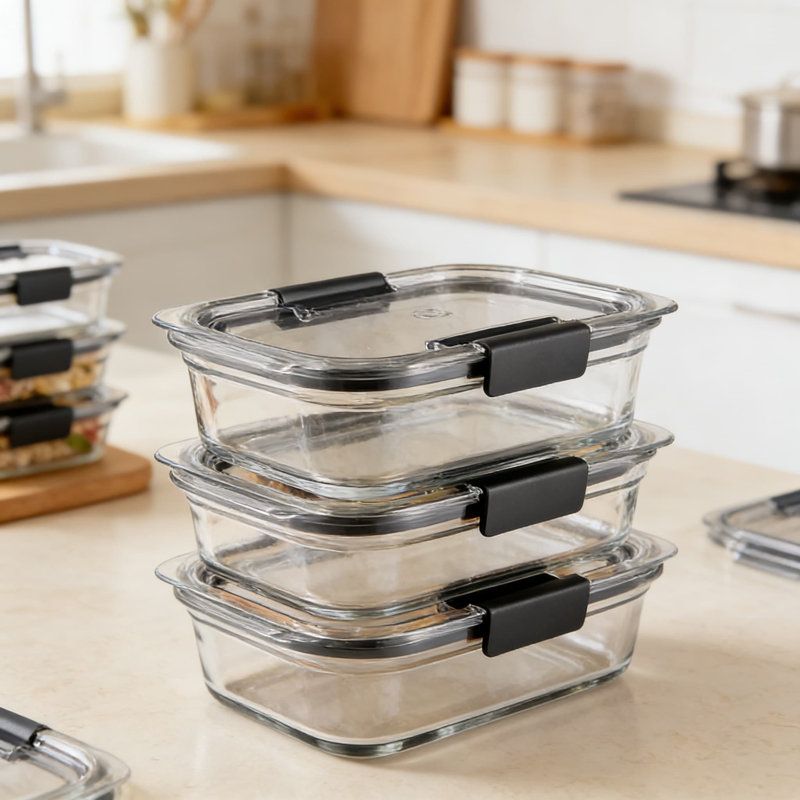
Airtight containers lock in moisture and flavor. Glass ones with snap-on lids work great because they do not stain and can go straight into the microwave.
Investing in a good set pays off with every single meal you save.
5. Reheating Pizza in the Microwave
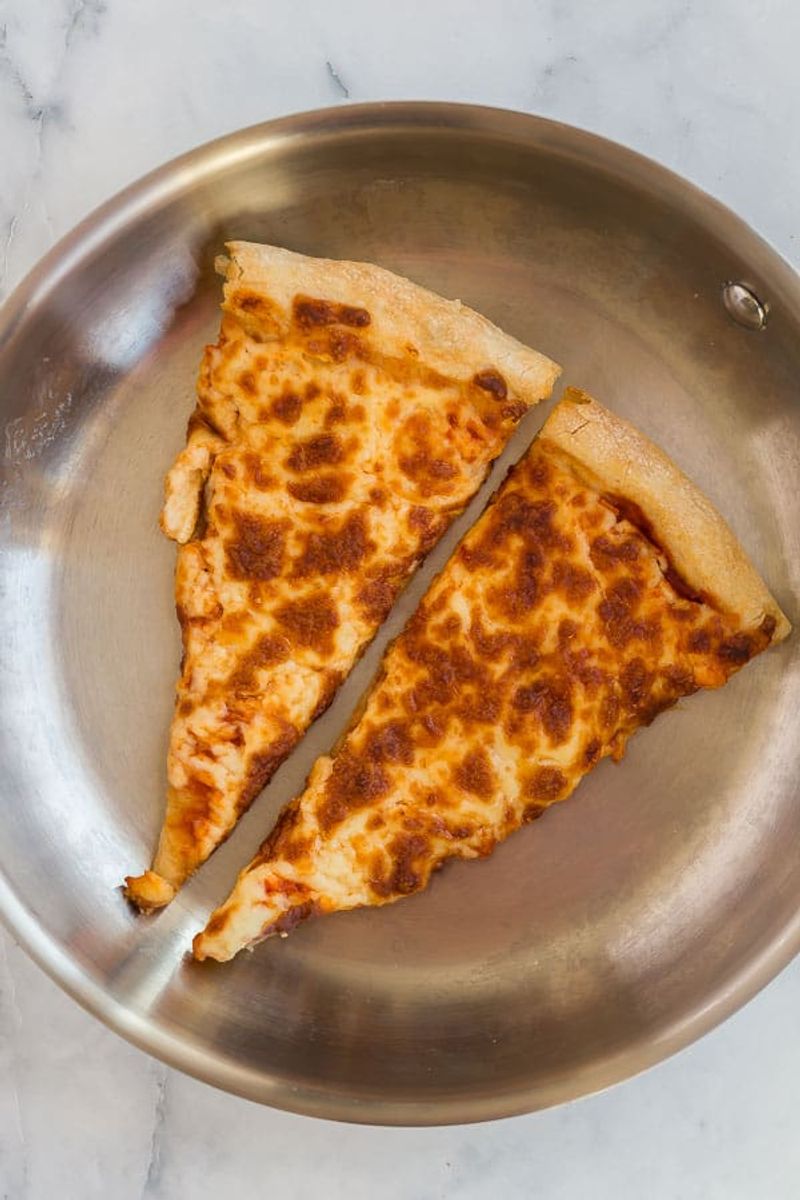
Ah, the floppy, chewy microwave pizza slice. We have all eaten one and quietly felt disappointed.
Microwaves heat the water inside food, which turns crispy crust soggy. A better choice is a hot skillet on the stove.
Place the slice in the pan for a couple of minutes, then add a few drops of water and cover it. The bottom gets crunchy while steam melts the cheese.
It tastes almost freshly delivered.
6. Not Stirring While Microwaving
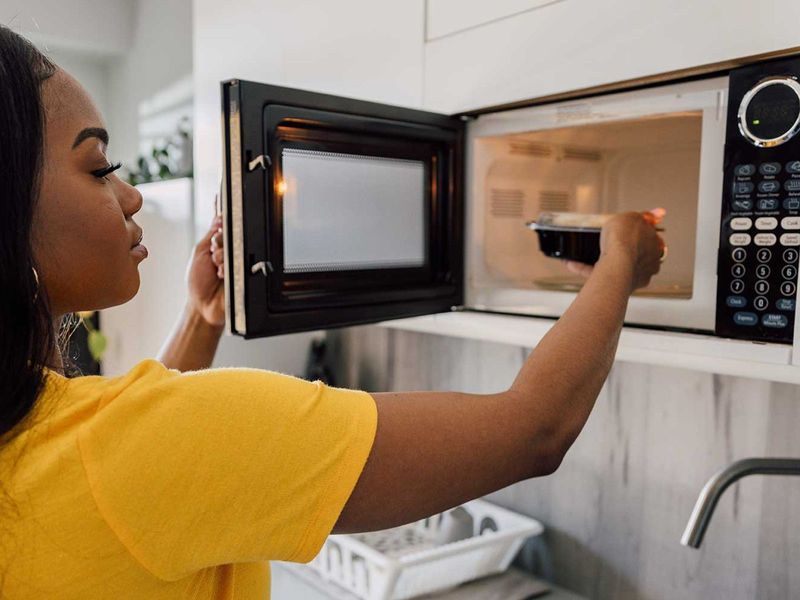
Ever bitten into leftovers that were lava-hot on the edges but icy in the middle? Microwaves heat unevenly, leaving cold spots where germs can survive.
The fix is easy. Heat your food in short bursts, then stir between each round.
Spreading food in a ring shape, with an empty center, also helps heat travel evenly. Your taste buds and your stomach will both appreciate the extra thirty seconds of effort.
7. Reheating Food More Than Once
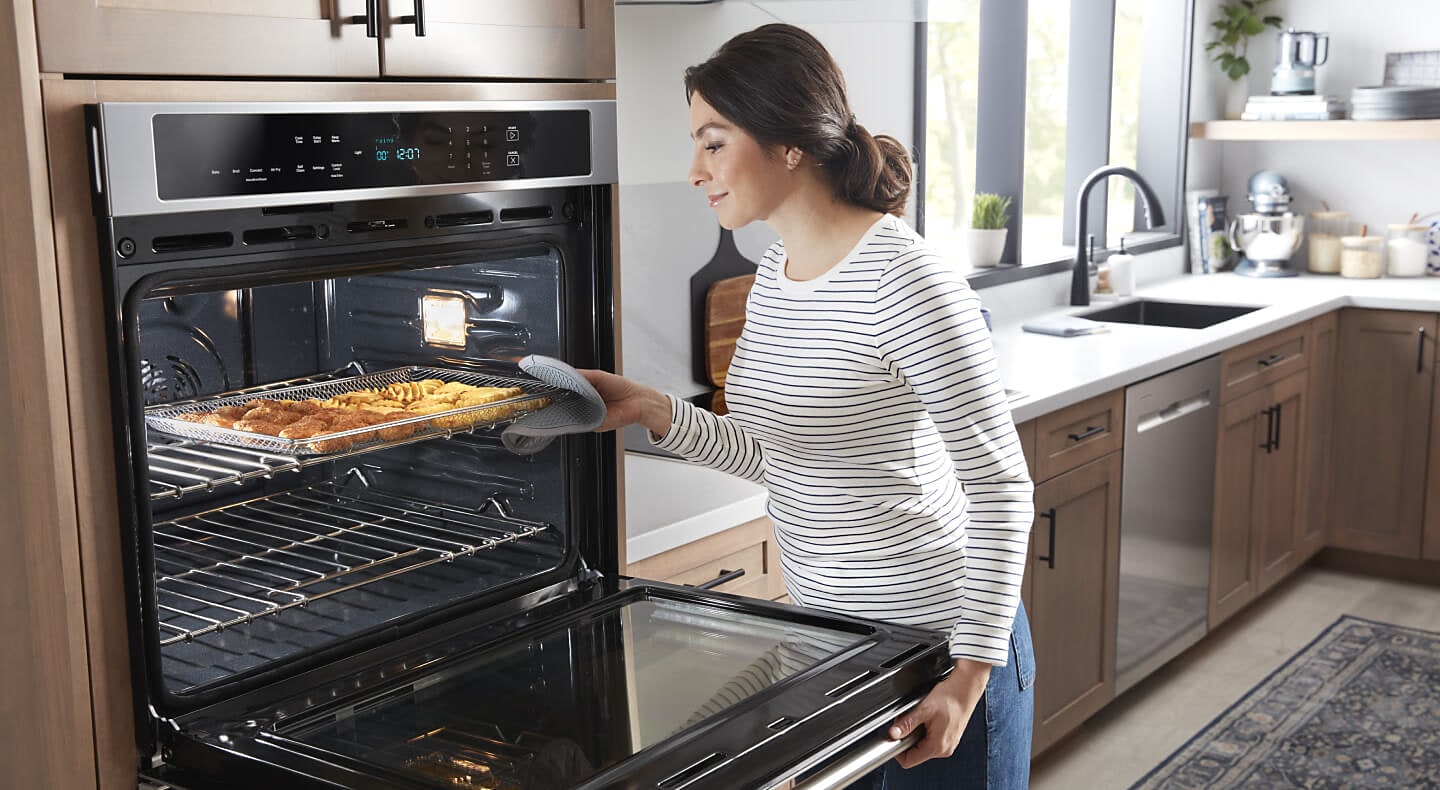
Every time food warms up and cools down, it passes through that risky temperature range again. Each round gives bacteria another chance to multiply.
Quality suffers too. Meat gets tough and veggies turn to mush.
Only reheat the amount you plan to eat right now. Leave the rest safely chilled in the fridge.
Following this one rule protects both the flavor and the safety of your meals.
8. Overstuffing the Fridge
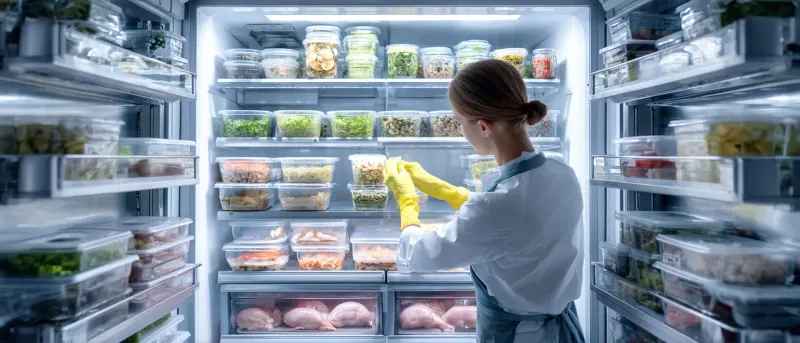
A packed fridge might look like a sign of a well-fed household. Unfortunately, cold air needs room to move around.
When shelves are jammed full, some spots stay warmer than others. Leftovers tucked in those pockets may spoil faster than you expect.
Do a quick clean-out once a week, maybe before grocery shopping. Toss old items and leave gaps between containers.
A fridge thermometer set at 40 degrees or below is also handy.
9. Storing Rice Carelessly
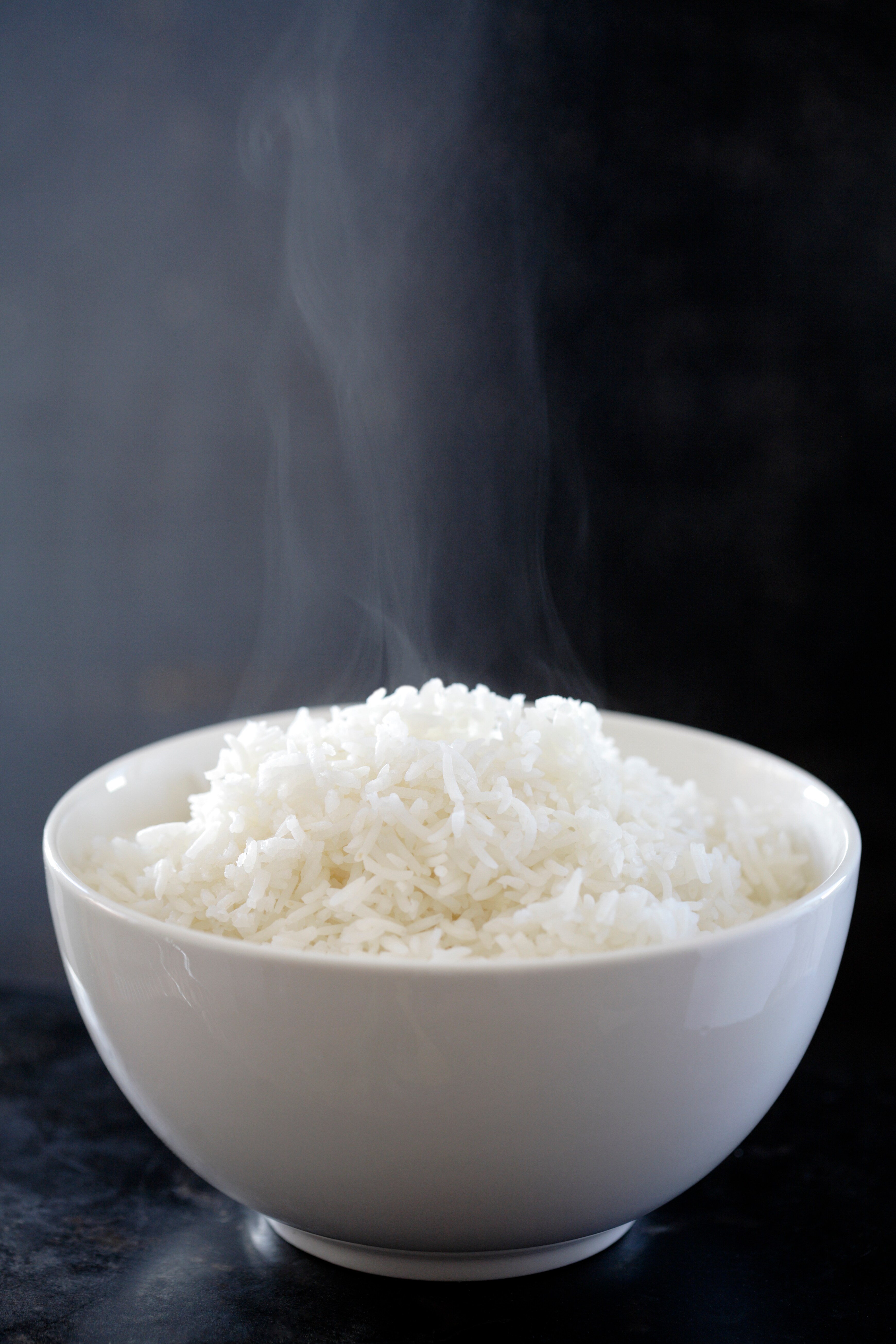
Here is a surprising fact: cooked rice can cause food poisoning more easily than many people realize. Spores from a germ called Bacillus cereus can survive cooking and grow when rice sits warm.
Cool rice quickly by spreading it on a tray. Then refrigerate it within an hour if possible.
Eat it within a day or so, and always reheat until steaming hot. Fried rice lovers, take note.
10. Skipping a Splash of Liquid
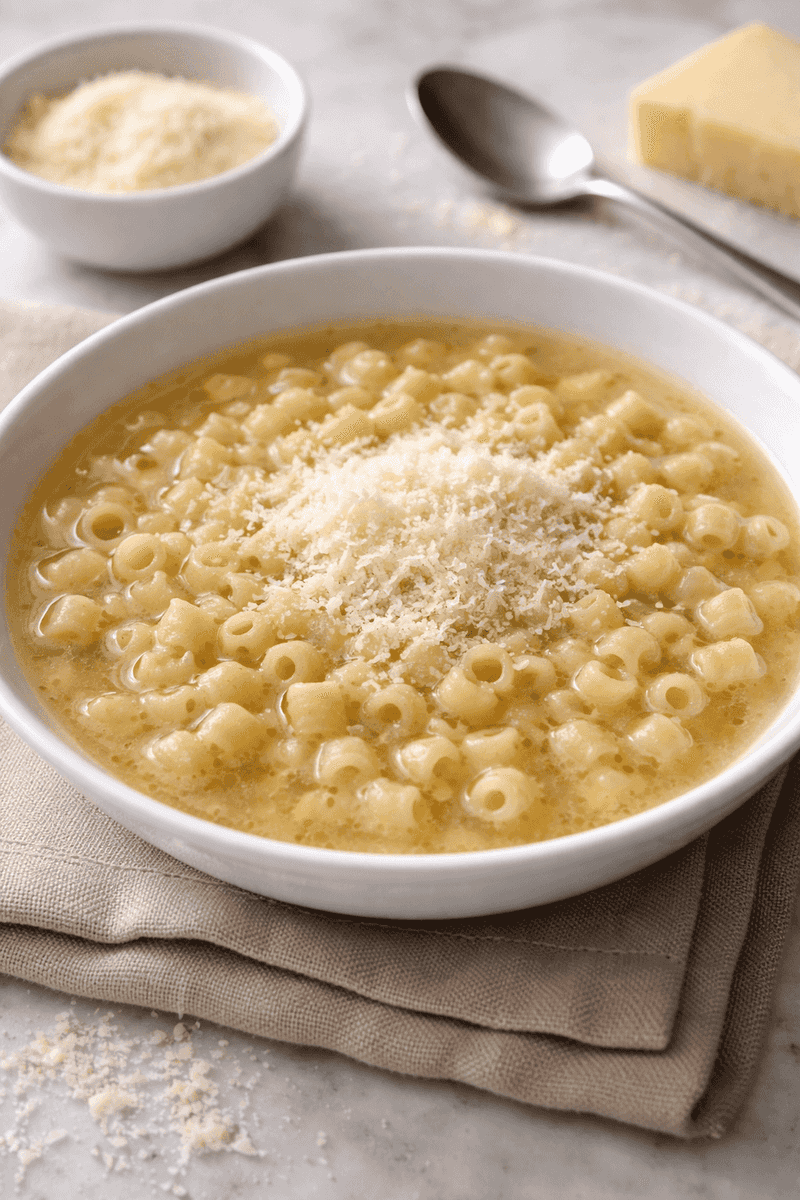
Leftover pasta, rice, and casseroles soak up moisture overnight. Reheat them as-is, and you end up with something dry and clumpy.
Think of a little water, broth, or milk as a revival potion. Just a tablespoon or two brings sauces back to life and loosens stuck noodles.
Cover the dish while it warms so steam stays trapped. Suddenly that tired mac and cheese turns creamy again.
11. Freezing Food Without Wrapping It Well
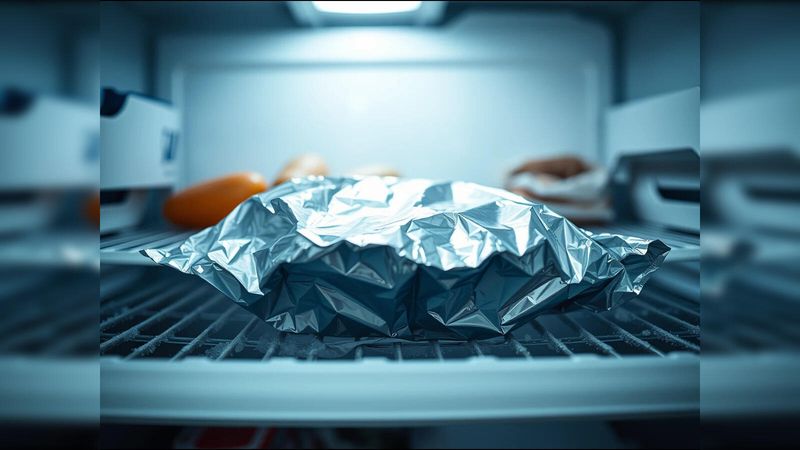
Freezer burn sounds dramatic, and honestly, it tastes that way too. Those dry, grayish patches appear when air reaches frozen food.
The food is still safe but loses flavor and texture.
Squeeze out as much air as you can before sealing freezer bags. Wrap meat tightly in plastic, then add foil or a bag on top.
Flat bags also stack neatly and thaw much faster later.
12. Thawing on the Kitchen Counter

Grandma may have thawed everything on the counter, but food scientists now know better. The outside warms up long before the center melts.
That warm outer layer becomes a playground for germs.
Move frozen leftovers to the fridge the night before you need them. In a hurry?
Seal food in a bag and submerge it in cold water, changing the water every half hour. The microwave defrost setting works too.
13. Trusting the Sniff Test
“It smells fine!” Famous last words in many kitchens.
Some of the most harmful bacteria do not change how food smells, looks, or tastes. Your nose simply cannot detect them.
Rely on time instead. If leftovers have been in the fridge longer than four days, play it safe and throw them out.
The old saying still holds: when in doubt, throw it out. A stomachache is never worth the gamble.
14. Keeping Leftovers in Takeout Boxes
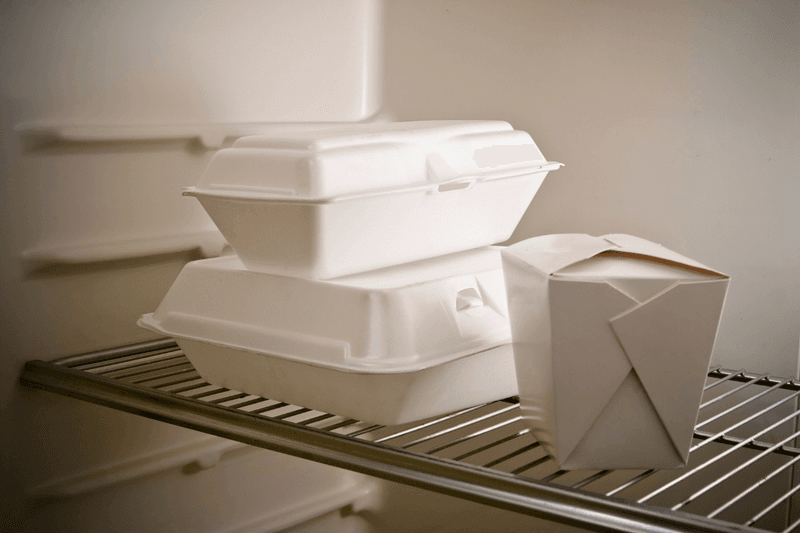
Those cute paper takeout boxes are made for carrying food home, not for long-term storage. They let air in and can soak up grease.
Many also have metal handles that should never go in the microwave. Sparks are not a fun dinner surprise.
Move restaurant food into proper sealed containers once you get home. Your lo mein will stay fresher, and reheating becomes quicker and much safer.
15. Reheating Fried Food the Wrong Way
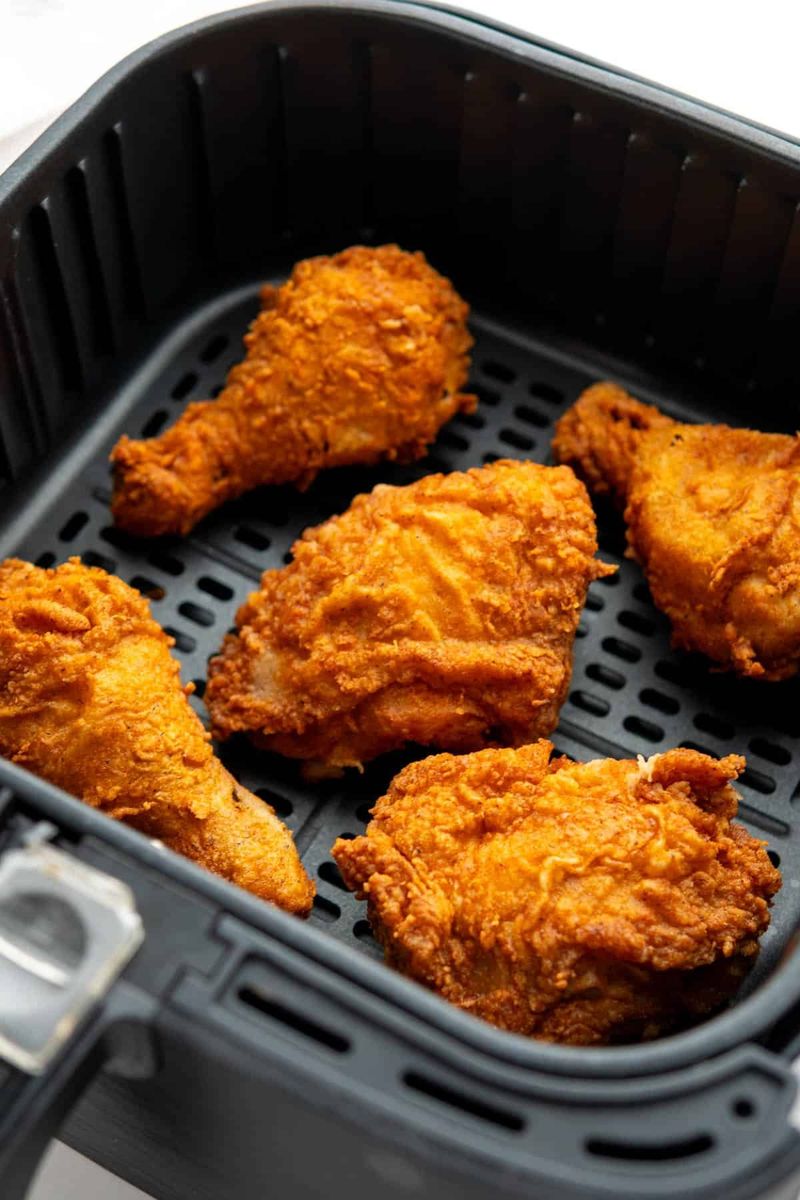
Fried chicken and french fries are pure joy on day one. On day two, a microwave turns them limp and greasy.
Dry heat is your best friend here. An oven or air fryer brings back that satisfying crunch.
Heat the oven to about 375 degrees and place food on a rack over a baking sheet. Air fryers work even faster, often in just five minutes.
Crispy happiness, restored!
16. Mixing Sauces and Crunchy Toppings
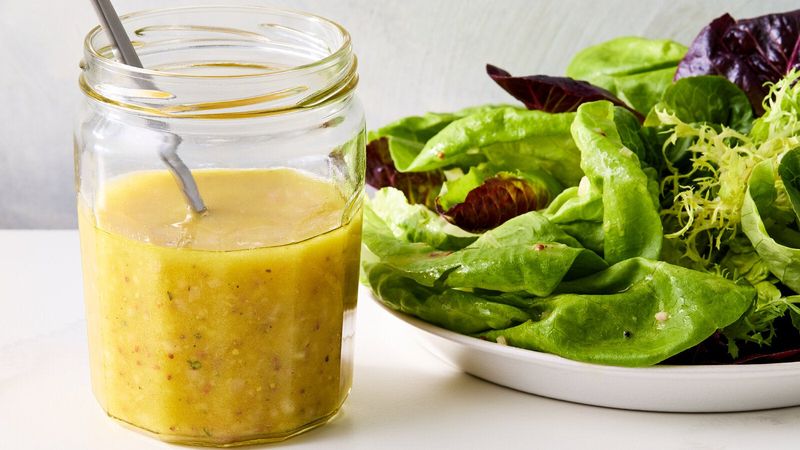
A dressed salad that sat overnight looks sad and droopy. The same happens to tacos, nachos, and crispy-topped casseroles.
When you know there will be extras, store wet and dry parts separately. Keep dressing in a small jar and croutons in a bag.
Doing this takes an extra minute after dinner. The reward is a lunch the next day that tastes crisp and fresh, not soggy and tired.
17. Forgetting About Seafood Timelines
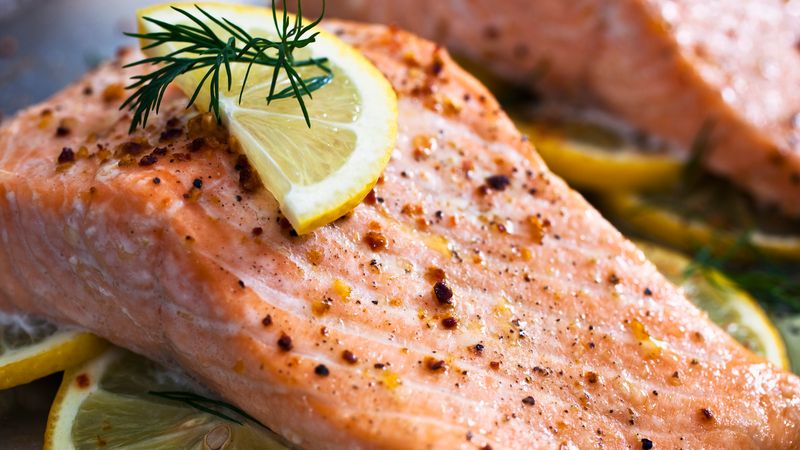
Fish is delicate, both in texture and shelf life. Cooked seafood should be eaten within about two to three days.
Reheating it can also make the whole house smell fishy and dry out the fillet.
Try enjoying leftover salmon cold instead. Flake it over a salad, mix it into pasta, or fold it into a wrap.
Low heat in the oven works if you really prefer it warm.
18. Eating the Same Dish Every Day
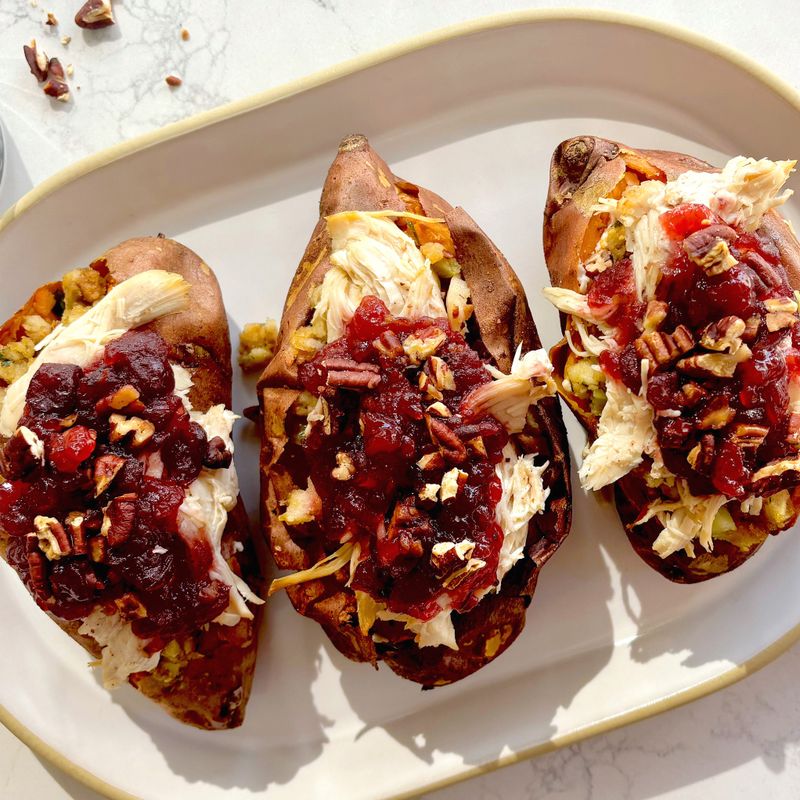
Monday’s roast chicken was amazing. By Wednesday, nobody wants to see it again.
Leftover boredom often leads to wasted food. Get creative and give old meals a brand new identity.
Shred that chicken into tacos, toss it into fried rice, or stir it into soup. Extra veggies make a great omelet filling.
Stale bread becomes French toast or croutons. With a little imagination, leftovers feel like a fresh meal.
19. Storing Food in Open Cans
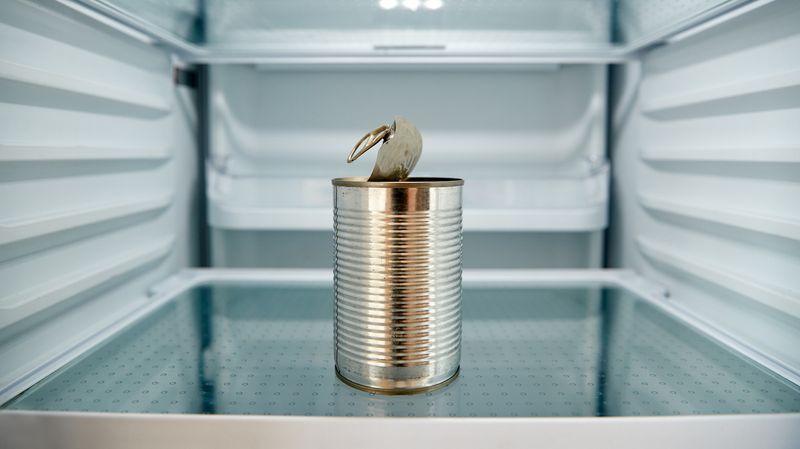
Leaving half a can of beans in the fridge, spoon still poking out, is a classic move. It is also a mistake.
Once opened, cans can give food a metallic taste. Some older cans may even leach unwanted stuff into acidic foods like tomatoes.
Transfer extras to a glass or plastic container with a lid. It keeps flavors clean and makes your fridge look tidier too.
20. Not Heating Food Hot Enough
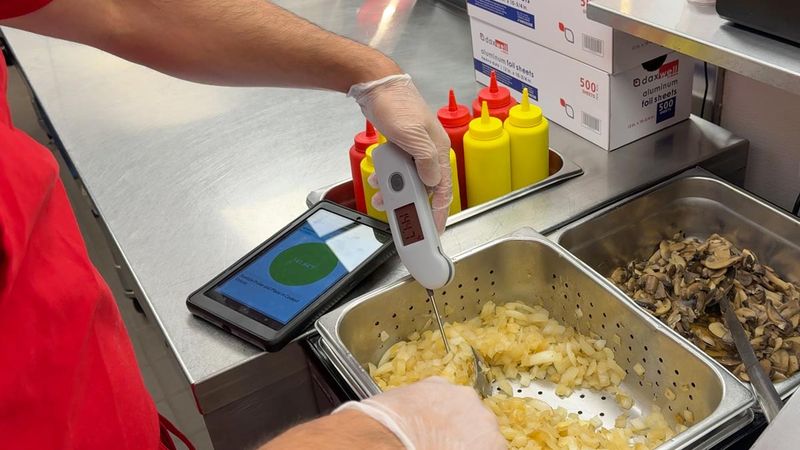
Warm is not the same as safe. Leftovers need to reach 165 degrees Fahrenheit all the way through to kill lingering bacteria.
Many people stop heating once the top feels warm.
A cheap food thermometer takes away the guessing. Poke it into the thickest part of the dish to check.
Soups and sauces should come to a rolling boil. Steam rising from every part is a helpful clue.
21. Letting Leftovers Hide and Get Forgotten
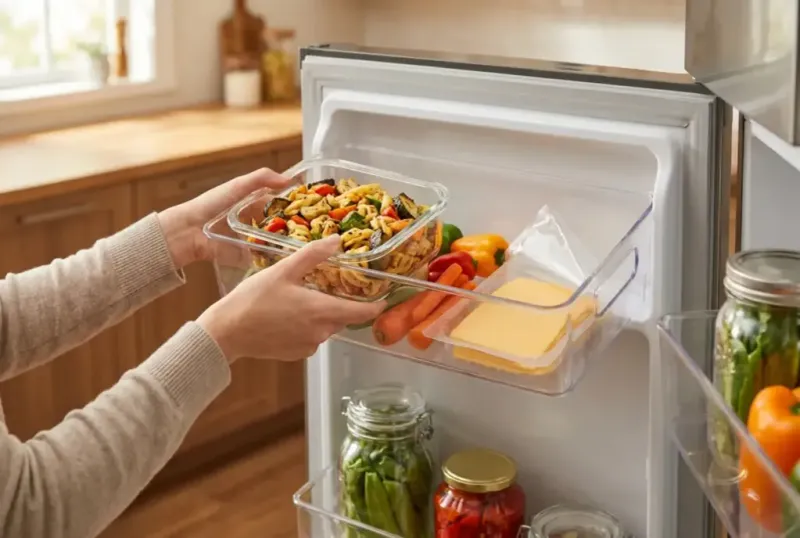
Out of sight really does mean out of mind. Leftovers pushed behind milk jugs often become science experiments.
Create an eat first zone at eye level. Put all leftovers there so everyone in the family spots them right away.
Some households even keep a small whiteboard on the fridge listing what needs eating. It is a fun, simple trick that cuts down on waste and saves real money every month.