
A wrong answer or a whispered joke once brought punishments far harsher than a trip to the principal’s office. In some schools, children faced pain, public shame, or frightening isolation for everyday mistakes.
Rules varied by place and time, so not every classroom used these methods. Looking back helps us see why school discipline should protect children while helping them learn.
1. The Classroom Cane
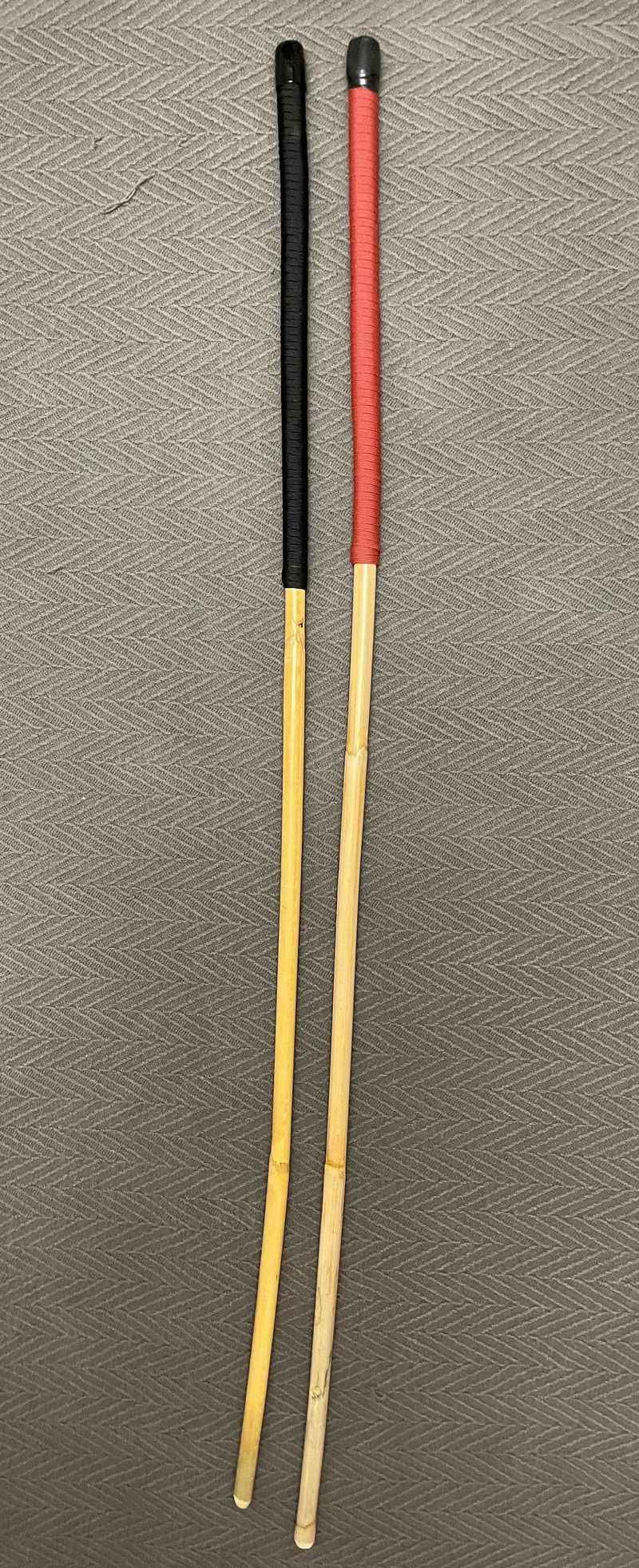
A thin stick could turn an ordinary school morning into something frightening. In many British schools, teachers used canes to strike pupils on their hands or bottoms for offenses such as talking or disobedience.
The punishment could leave painful marks, and fear often spread beyond the child being hit. Historical punishment books show how formally schools recorded these blows.
Keeping a written record, however, did not make hurting a student fair, safe, or educationally useful.
2. Leather Straps Across the Hands
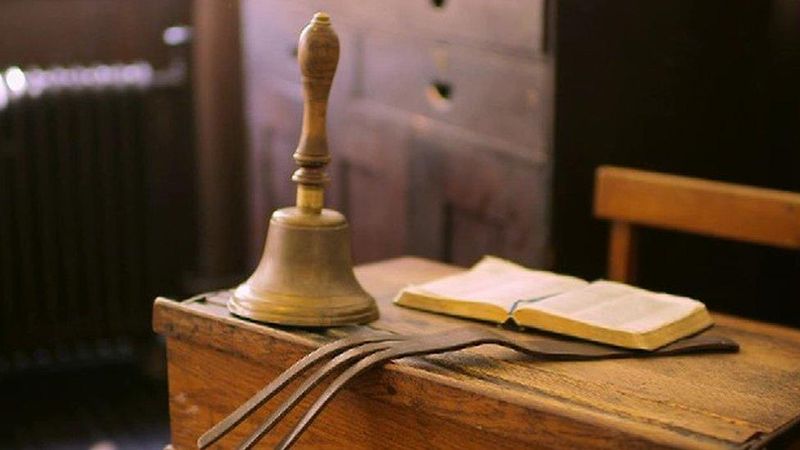
In Scotland, a leather strap called the tawse became a feared classroom object. Its split ends struck a pupil’s outstretched hands, turning a teacher’s demand for attention into a threat of pain.
Use varied between schools and teachers, but the possibility alone could make lessons stressful. Museum examples help explain what former pupils describe in their memories.
A familiar local custom could still be harmful, even when adults defended it as normal school discipline then.
3. Wooden Paddles for Broken Rules
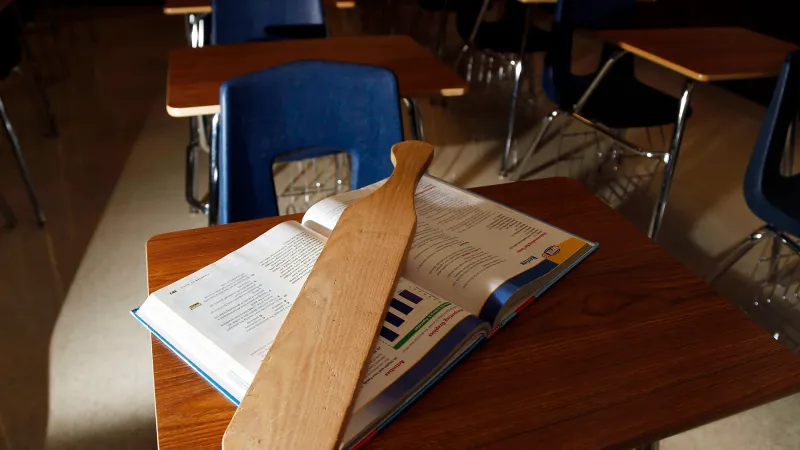
Imagine knowing that a trip to the office might end with a wooden paddle. In parts of the United States, paddling became an accepted response to school rule violations.
Adults sometimes presented it as orderly discipline rather than violence, especially when another staff member witnessed it. Yet an official setting could not remove the risk of injury or humiliation.
Looking at this history means separating a school’s permission to punish from a child’s actual wellbeing.
4. A Gym Shoe Used as a Weapon

Even an everyday gym shoe could become something a pupil dreaded. Some British teachers used a slipper or plimsoll to strike children, a practice often remembered simply as being slippered.
The ordinary name can make the punishment sound less serious than it was. Being hit with footwear could cause pain while making a child feel powerless.
When reading old school memories, notice how harmless sounding language sometimes hides the reality of what students actually experienced.
5. Slaps, Twisted Ears, and Pulled Hair
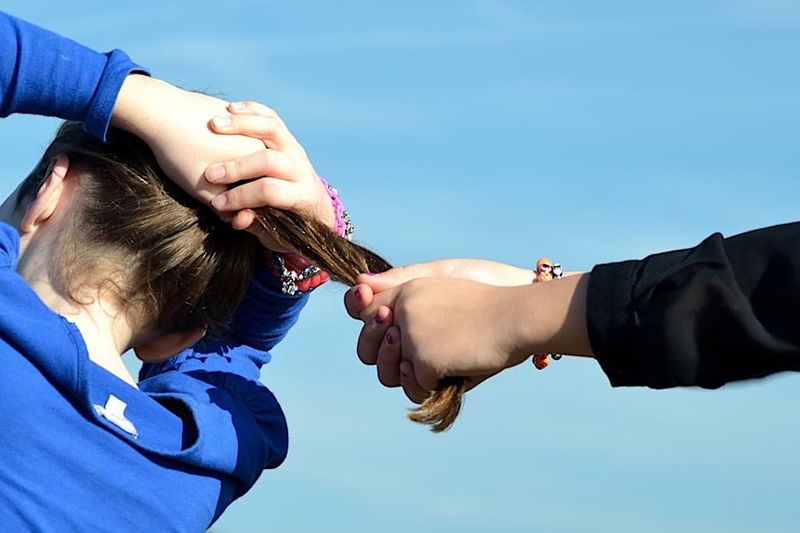
No special equipment was needed for some of the quickest classroom cruelties. Accounts from former pupils describe teachers slapping faces, twisting ears, or pulling hair when they lost patience.
Unlike punishments entered in a school ledger, sudden acts could leave little official evidence. That makes personal memories important, though individual accounts need careful handling.
A teacher’s frustration never justified causing pain, and the lack of a written complaint does not prove that children felt safe.
6. The Dunce Cap’s Public Label

A pointed paper hat could announce a cruel message without anyone speaking. The dunce cap became a symbol of classroom shame, linked with making a struggling pupil stand apart from classmates.
Its use was not universal, and popular pictures can exaggerate how common it was. Still, the idea behind it deserves attention: turning difficulty with learning into a public label.
Children need explanations and encouragement, not costumes that invite others to laugh at their mistakes.
7. Long Stretches Facing the Corner
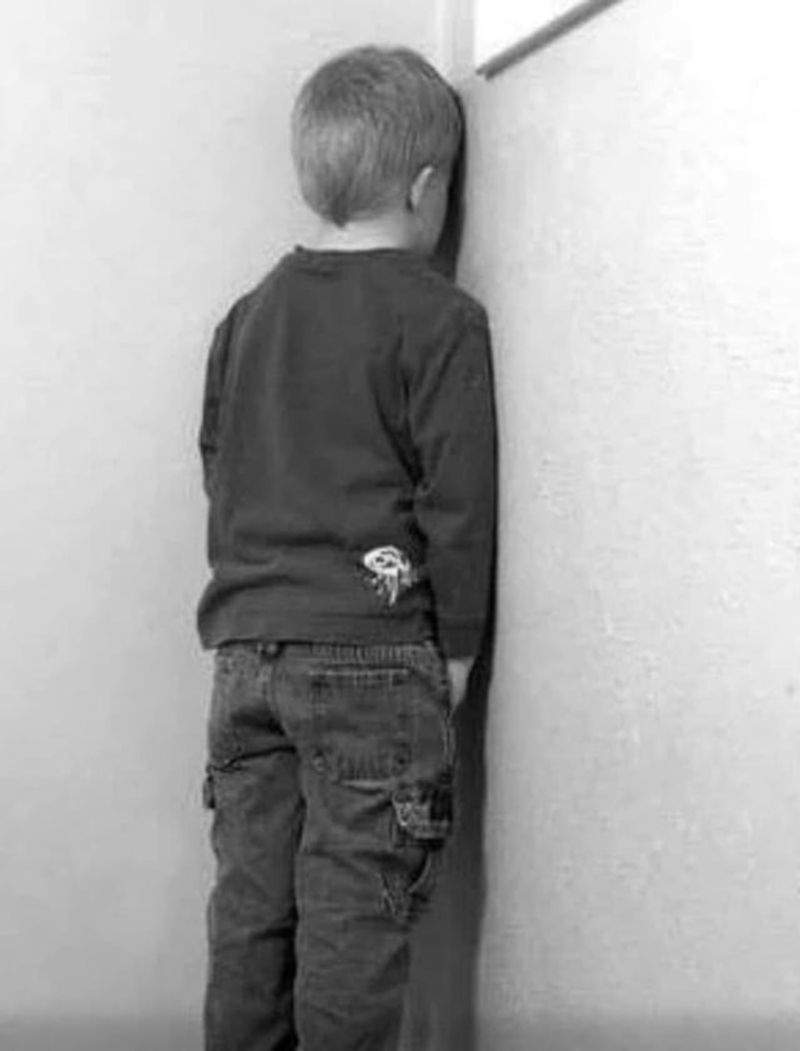
Facing a blank wall might sound mild beside a beating. But when children had to stand for long periods, especially while classmates watched, the punishment combined discomfort with exclusion.
A brief, supported break is different from being left alone in shame. Duration, supervision, and the child’s needs all matter.
Historical accounts of corner punishments remind us that a method does not have to leave bruises to make school feel lonely, frightening, or deeply unfair.
8. Punishing Children for Being Left-Handed
Your writing hand should never have been a school offense. Yet many left-handed children were pressured to switch hands, and some accounts describe tied hands or blows intended to force compliance.
Such treatment grew from mistaken beliefs about which hand was proper. Instead of helping pupils learn, it could make writing frustrating and stressful.
The lesson reaches beyond handwriting: natural differences are not bad behavior, and teaching should adapt to children rather than punish them.
9. Reading Mistakes Aloud for Ridicule
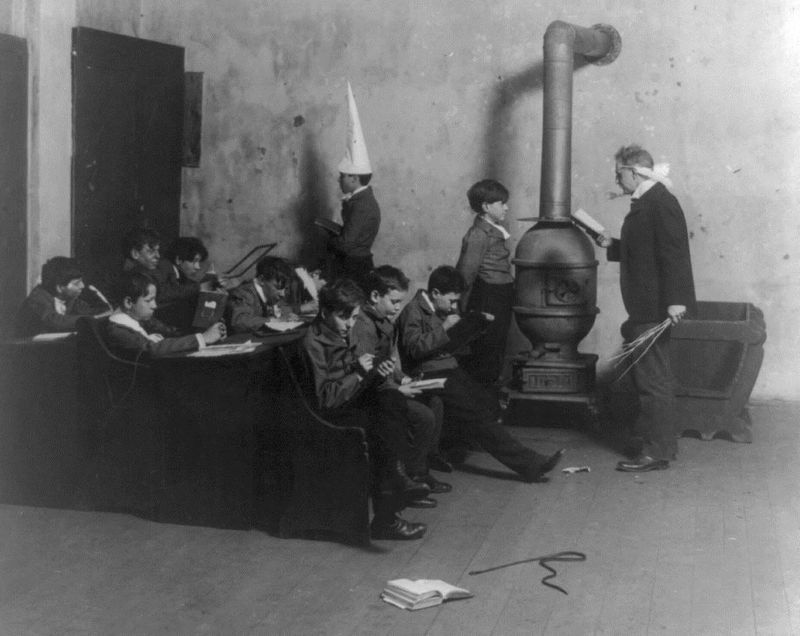
One misspelled word could become everyone’s business when a teacher used poor work for public mockery. Reading mistakes aloud to embarrass their author turned useful feedback into a performance at the child’s expense.
Sharing anonymous examples can help a class learn; inviting ridicule is another matter. Students who expect humiliation may stop asking questions or taking chances.
Old accounts of classroom shame offer a clear reminder that correcting work should never mean attacking its writer.
10. Wearing a Mark of Disgrace

Some punishments followed a child around the room. In certain historical schools, pupils had to wear signs or other visible marks meant to advertise an offense and invite public disapproval.
The objects and rules differed across places, so no single example represents every classroom. What connects them is the use of shame as a warning to others.
Making children carry a bad label can encourage bullying instead of helping them understand and repair their mistakes.
11. Writing Lines Until Hands Ached

Page after page, the same sentence could swallow an entire afternoon. Writing lines was a familiar school punishment, often involving repeated promises not to talk, arrive late, or break another rule.
Not every assignment caused serious harm, but excessive repetition could bring hand pain and exhaustion. It also offered little help with the reason behind the behavior.
A task becomes especially troubling when finishing it matters more to adults than a pupil’s comfort or understanding.
12. Holding Books With Outstretched Arms
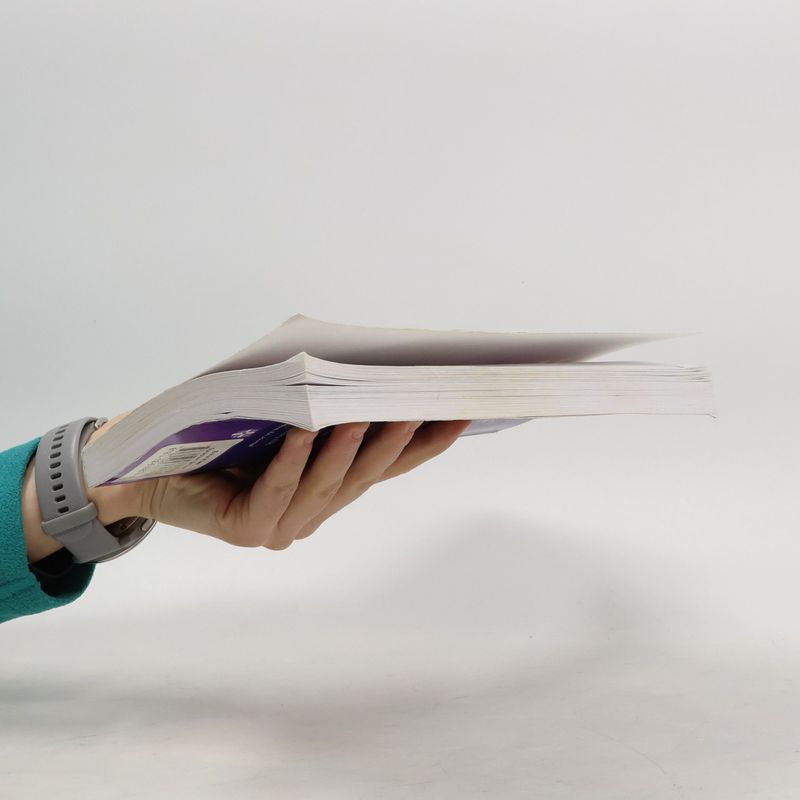
A schoolbook belongs on a desk, not in an endurance test. Historical accounts describe pupils being ordered to hold books or other objects with their arms extended as punishment.
What begins as an awkward pose can become painful as muscles tire. Reports differ in their details, so claims about exact weights or lengths of time need evidence.
The basic problem is clear enough: using physical strain to demand obedience puts suffering ahead of actual learning.
13. Kneeling on Painful Surfaces
Hard classroom floors offered no comfort to children ordered onto their knees. In some settings, kneeling became a punishment that forced pupils to remain in a painful position rather than join lessons.
Accounts mention different surfaces and durations, which should not be treated as identical experiences. Prolonged pressure can hurt, and being unable to move adds distress.
No unfinished assignment or whispered comment makes a child’s body a suitable tool for teaching the class obedience.
14. Shut Away in a Dark Closet

For a frightened child, a closed cupboard could feel far bigger than its walls. Historical accounts describe pupils confined in closets or small rooms, sometimes in darkness, as punishment.
Such confinement should not be confused with a supervised space where a student freely calms down. Being shut away removes reassurance and can make fear worse.
When examining these stories, details such as locked doors, adult supervision, and length of confinement help explain the harm involved.
15. Hair Cutting Used to Humiliate
Hair can carry family ties, identity, and deep cultural meaning. In Indigenous residential schools, forced hair cutting formed part of a wider effort to erase culture, and some survivor accounts describe additional cutting as punishment.
These experiences deserve more than treatment as strange school rules. They belonged to systems that separated children from their communities and caused lasting harm.
Survivor testimony and Indigenous-led historical resources provide essential context for understanding why this practice crossed profound boundaries.