
Some of music’s most powerful songs began with stories found in the Bible. Artists across rock, rap, country, and reggae have used its words to explore hope, guilt, love, and justice.
Their songs show how ancient writings can speak to modern struggles. Knowing these connections can give familiar music a whole new meaning.
1. Nick Cave: Wrestling With Faith

Dark stories and difficult questions have always felt at home in Nick Cave’s music. Raised around Christian traditions, he turned biblical language into songs about love, violence, loss, and mercy.
His writing often wrestles with faith rather than offering easy answers.
Try listening to The Boatman’s Call alongside his louder recordings. The change in sound reveals how spiritual questions can appear as quiet prayers or fierce arguments, sometimes within the very same artist’s work over time.
2. Kendrick Lamar: Faith Under Pressure

A prayer can sit beside a hard question in Kendrick Lamar’s music. Across good kid, m.A.A.d city, To Pimp a Butterfly, and DAMN., he explores temptation, guilt, faith, and the hope of being saved.
Biblical ideas help him connect private struggles with larger problems facing his community. Listen for changes between confidence and doubt.
Those shifts show that his spiritual themes are part of an ongoing conversation, not simply a message with every answer settled already.
3. Johnny Cash: A Voice for Judgment and Mercy
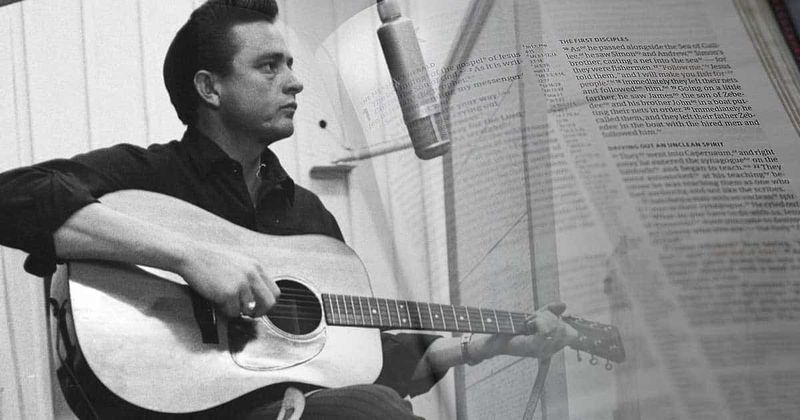
That deep, steady voice could make a warning sound personal. Johnny Cash brought Christian belief into both gospel recordings and songs heard far beyond church walls.
The Man Comes Around draws especially strong images from Revelation and other biblical passages.
His album The Holy Land, released in 1969, followed travels to Israel. Pair its spoken travel reflections with his gospel songs to hear how visiting biblical places added another layer to his lifelong interest in scripture.
4. Bob Marley: Scripture With a Reggae Pulse
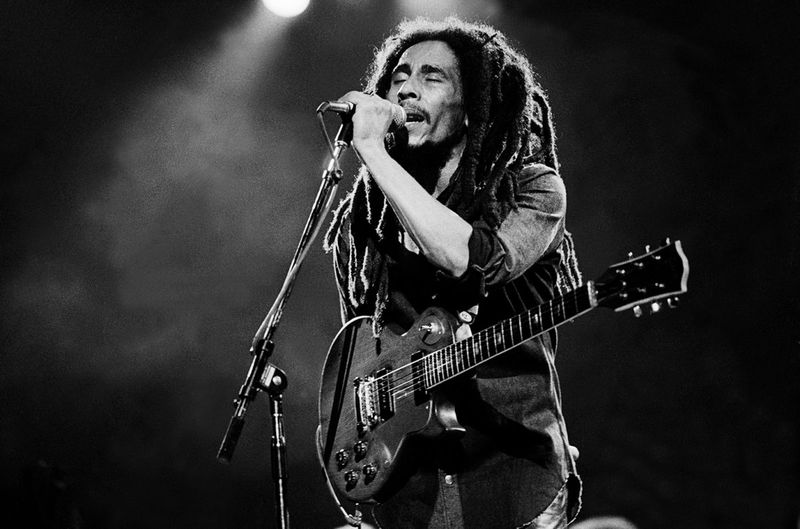
Under the easy sway of reggae, serious spiritual messages often carry the song. Bob Marley’s Rastafarian faith drew deeply on the Bible, especially its language of freedom, exile, and justice.
References to Jah reflect that religious background.
Exodus uses the biblical journey out of bondage as a powerful image of liberation. Listen to it beside Jah Live to hear two different moods: one moving toward freedom, the other declaring faith in the face of public doubt.
5. Marilyn Manson: Turning Religious Images Upside Down

Not every musician uses scripture to express belief. For Marilyn Manson, a Christian school background helped shape a lasting interest in religious power, fear, and rebellion.
His album Antichrist Superstar uses biblical imagery to build a deliberately disturbing story.
The connection is often critical rather than devotional. Keeping that difference in mind makes his place here clearer: a book can deeply influence an artist who challenges its teachings, questions its followers, or reverses its familiar symbols.
6. Lenny Kravitz: Belief Behind the Guitar
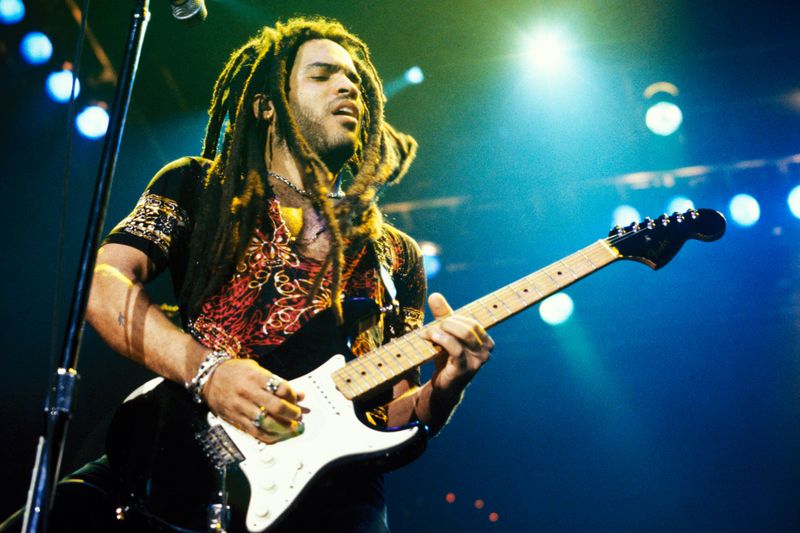
A roaring guitar riff might not sound like a spiritual starting point. Yet Lenny Kravitz has explained that Are You Gonna Go My Way was written from the perspective of Jesus.
That background changes how its central question can be heard.
Faith, love, and the search for purpose appear throughout his music. Revisit the song while thinking about its speaker, and notice how a familiar rock anthem can carry a message that listeners might miss at first.
7. Bono: Bringing the Psalms to Stadiums

Thousands of fans singing together can sound surprisingly close to a congregation. U2’s Bono often draws on scripture, and the band’s song 40 adapts words from Psalm 40.
Its simple refrain helped make it a memorable concert closer.
Until the End of the World takes a different approach, imagining Judas addressing Jesus. Compare those songs to hear the range of biblical songwriting: one offers shared praise, while the other turns a familiar story into intimate drama.
8. Geezer Butler: Heavy Metal’s Moral Warnings

Heavy riffs do not always mean a celebration of evil. Black Sabbath lyricist and bassist Geezer Butler grew up Catholic, and religious questions shaped many of his lyrics.
Songs about judgment, war, and temptation often sound more like warnings than invitations.
After Forever makes Christian belief especially clear, challenging listeners to consider faith. Read its lyrics before judging by the band’s dark image.
The contrast offers a useful reminder that musical style does not tell the whole story.
9. Kanye West: Gospel at Center Stage
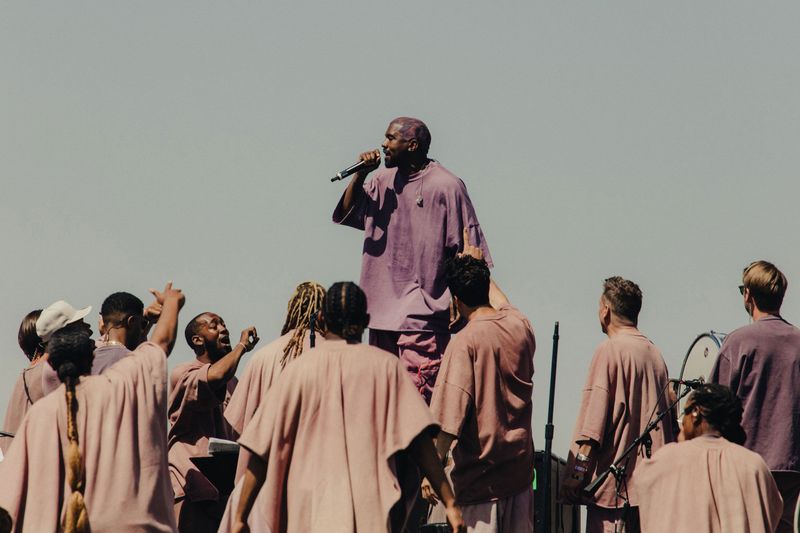
Few mainstream rap singles put Jesus in the title as boldly as Jesus Walks. Kanye West used the song to address faith, struggle, and the music industry’s response to religious subjects.
Years later, gospel moved even closer to center stage.
His 2019 album Jesus Is King includes references to biblical passages and Christian worship. Listen beside recordings from his Sunday Service gatherings to hear how choir arrangements, repeated phrases, and communal singing shaped this chapter of his music.
10. Bob Dylan: Ancient Stories on Modern Roads
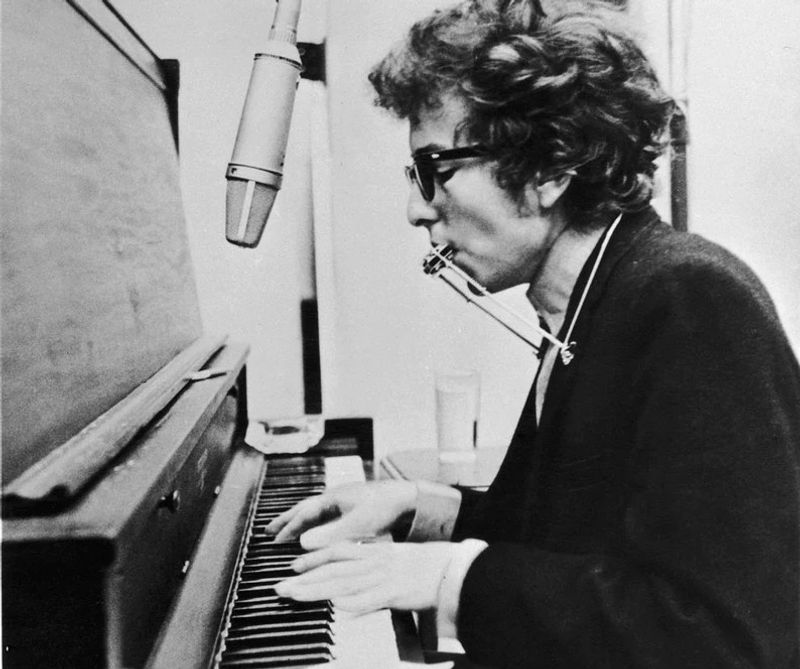
Long before his gospel albums, biblical figures were already walking through Bob Dylan’s songs. Highway 61 Revisited reshapes the story of Abraham and Isaac, while All Along the Watchtower echoes imagery from Isaiah.
Ancient scenes become strange, modern landscapes.
Following his Christian conversion, Slow Train Coming and Saved made faith more direct. Compare Gotta Serve Somebody with his earlier writing to hear how the same source can support mysterious storytelling, sharp warnings, and openly stated belief across decades.
11. The Byrds: Ecclesiastes on the Radio
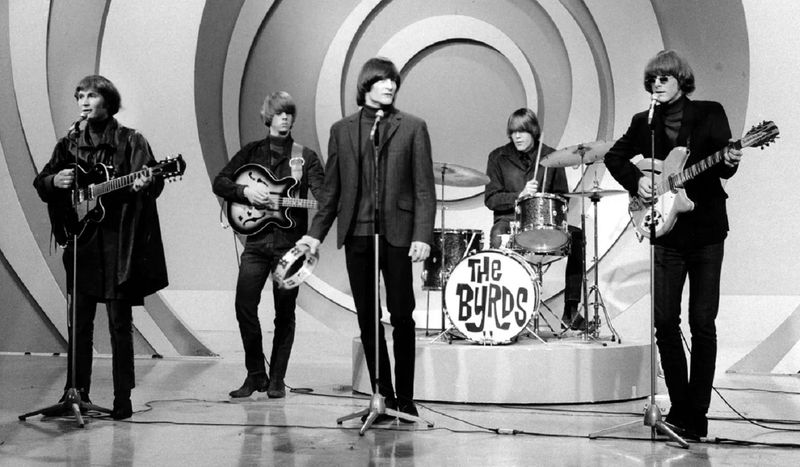
A passage about life’s changing seasons became a ringing folk rock hit. The Byrds released Turn!
Turn! Turn! in 1965, using Pete Seeger’s setting of words drawn almost entirely from Ecclesiastes 3.
Its message reached listeners through bright guitars and close harmonies.
Read the passage before playing the recording. The familiar pairs, including birth and death, gain fresh weight when sung together.
Seeger’s added closing plea also gives the ancient text a clear connection to hopes for peace.
12. Lauryn Hill: Forgiveness With an Edge

Forgiveness does not sound easy or soft in Lauryn Hill’s hands. On The Miseducation of Lauryn Hill, Forgive Them Father draws on Jesus’ words from the cross while examining betrayal and distrust.
Biblical language becomes a way to face everyday hurt.
The song also invokes Cain and Abel, linking personal conflict to an ancient family tragedy. Notice how those references deepen the emotional stakes.
They place questions about loyalty and mercy inside stories that generations have recognized.
13. Roger Waters: A Psalm Recast as Protest

A familiar prayer takes an unsettling turn in Pink Floyd’s Sheep. Written by Roger Waters for Animals, the song includes a dark parody of Psalm 23.
Instead of offering comfort, the altered passage questions obedience and the people who hold power.
That is a clearer biblical link than broad claims about every Pink Floyd album. Compare the psalm’s caring shepherd with the song’s threatening world.
The difference shows how scripture can become a tool for social criticism.
14. Elvis Presley: Gospel Close to Home
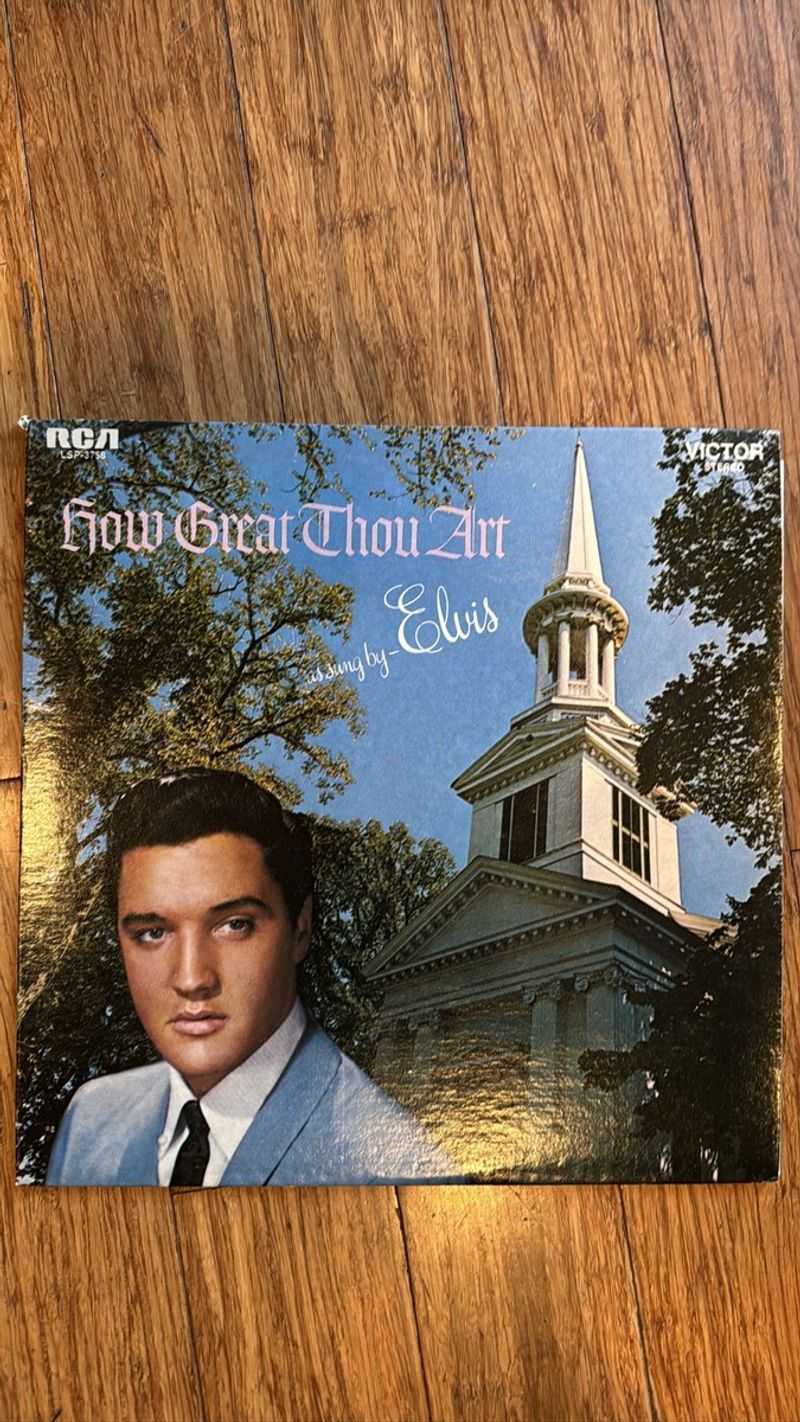
Behind the famous stage moves was a singer who loved gospel music. Elvis Presley grew up hearing church songs, and spiritual recordings remained important throughout his career.
His three competitive Grammy wins all came for gospel performances or albums.
How Great Thou Art offers a strong starting point for hearing that side of his voice. While not every gospel lyric comes straight from a Bible verse, these songs reflect the Christian stories, praise, and hope that shaped him.
15. Leonard Cohen: Sacred Stories, Human Questions
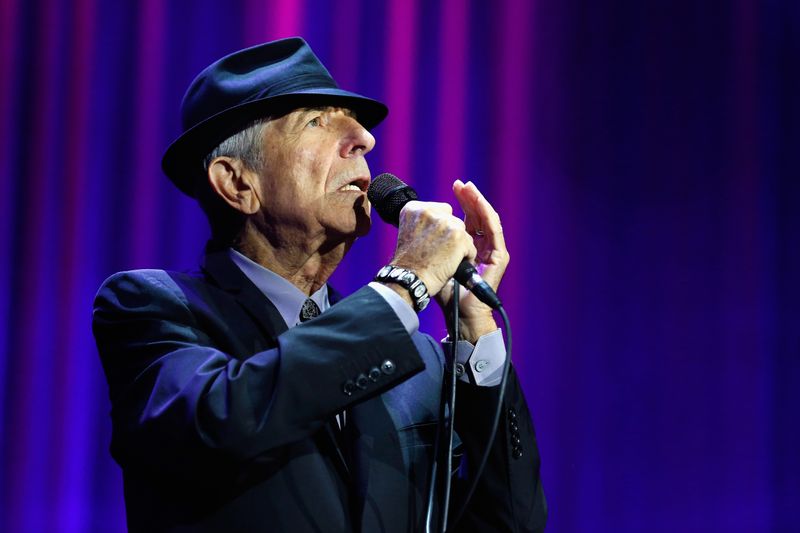
Poetry and prayer often share a room in Leonard Cohen’s songs. Raised in a Jewish family, he returned repeatedly to biblical stories and language.
Story of Isaac retells the frightening events of Genesis 22 through the child’s point of view.
Hallelujah brings in David, Samson, and the tangled relationship between desire and devotion. Rather than treating these songs as simple lessons, listen for their unanswered questions.
Cohen makes ancient figures feel close, vulnerable, and recognizably human to listeners.