
Landing a major movie role can seem like a dream come true, but even a signed deal may not last. Some actors trained for months or filmed scenes before someone else took their place.
Creative clashes, money disputes, and other problems can change a cast overnight. Behind these familiar movies and shows are surprising stories about stars who lost their parts.
1. Ryan Gosling: A Big Change That Backfired
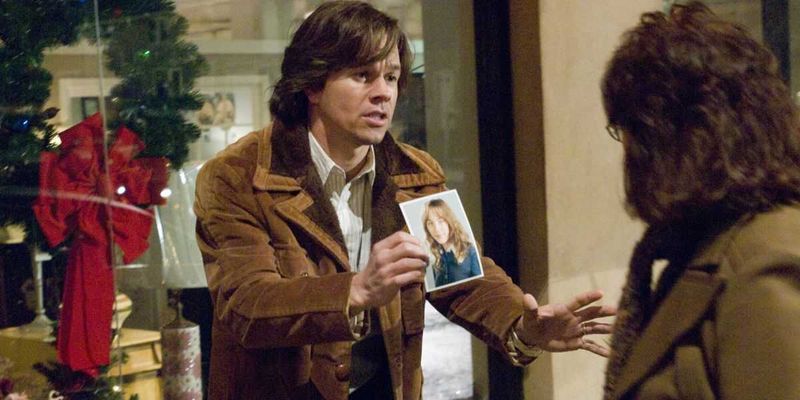
Gaining weight for a role usually signals serious effort, but it cost Ryan Gosling his part in The Lovely Bones. He gained about 60 pounds to play grieving father Jack Salmon, believing the change suited the character.
Director Peter Jackson had a different picture in mind, and Gosling left shortly before filming. Mark Wahlberg took over.
The mixup shows why actors and directors need to agree before making major changes to a character’s planned screen appearance.
2. Stuart Townsend: Training Without the Payoff
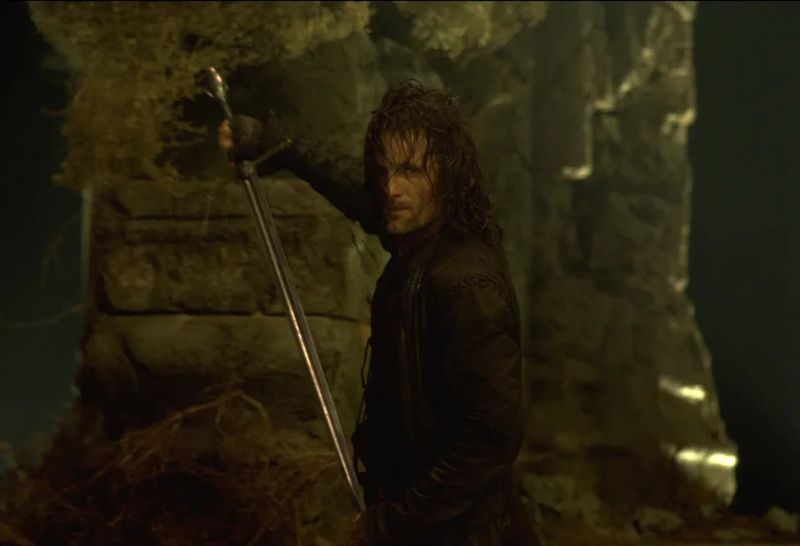
Months of sword practice could not secure Stuart Townsend’s place in Middle-earth. Cast as Aragorn in The Lord of the Rings, he prepared for the demanding role before being dropped just before filming began.
Peter Jackson decided the character needed an older presence, and Viggo Mortensen stepped in. Townsend’s experience reveals a tough side of casting: hard work cannot always fix a mismatch between an actor and the director’s final vision for a major screen character.
3. Julianne Moore: Different Ideas About Lee Israel
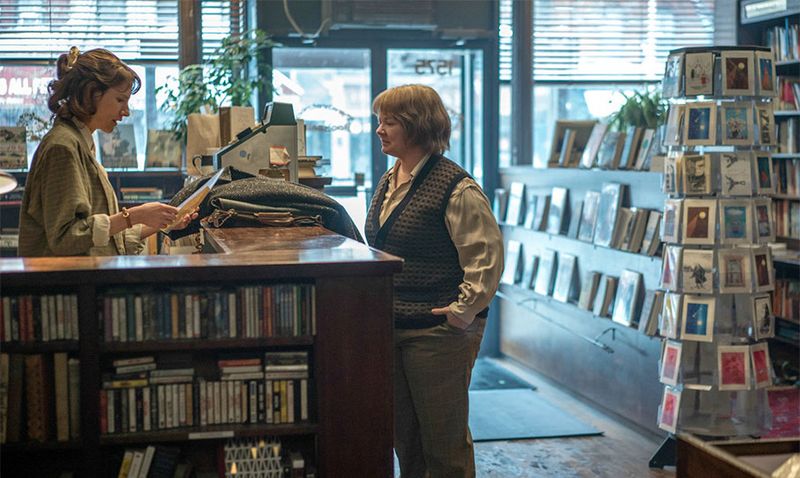
Even an Oscar winner can lose a role over creative disagreements. Julianne Moore was preparing to play writer Lee Israel in Can You Ever Forgive Me? when director Nicole Holofcener removed her shortly before shooting.
Moore later confirmed she had been fired. Reports described disagreements about the character’s appearance, though those details came from other accounts.
Melissa McCarthy eventually starred under director Marielle Heller, earning an Oscar nomination for a performance that mixed wit and sadness.
4. Eric Stoltz: Five Weeks as Marty McFly
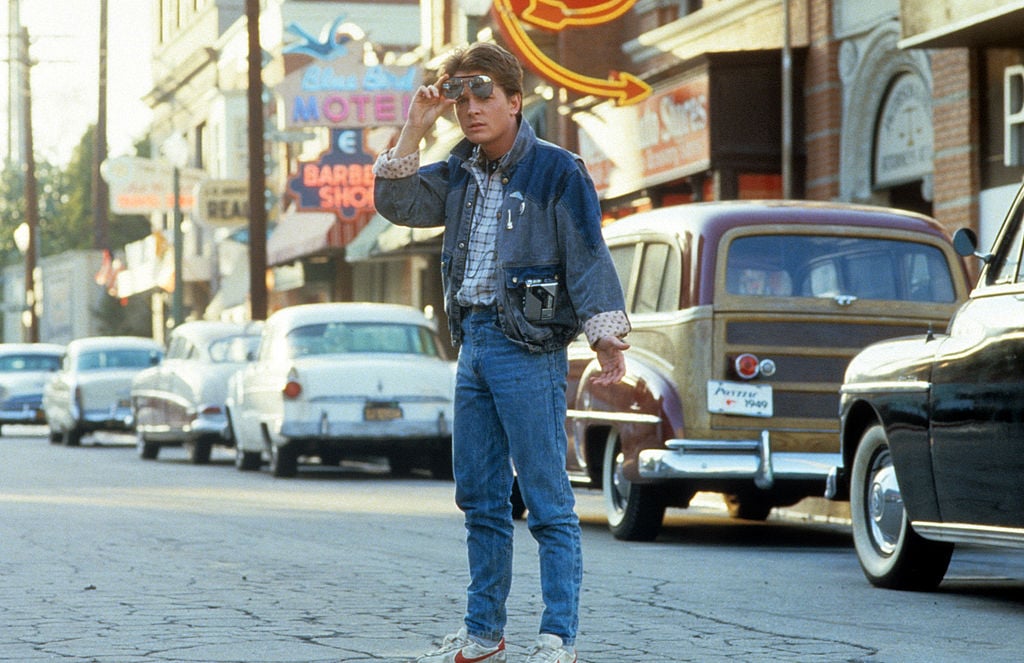
For five weeks, Back to the Future had a different Marty McFly. Eric Stoltz filmed the role before director Robert Zemeckis decided his serious approach did not match the comedy the movie needed.
Michael J. Fox, the original favorite, became available through a demanding schedule built around his television work.
The team reshot scenes with him. Stoltz’s departure is a striking reminder that a strong actor can still be the wrong fit for a film’s tone.
5. Terrence Howard: Rhodey’s Sequel Switch
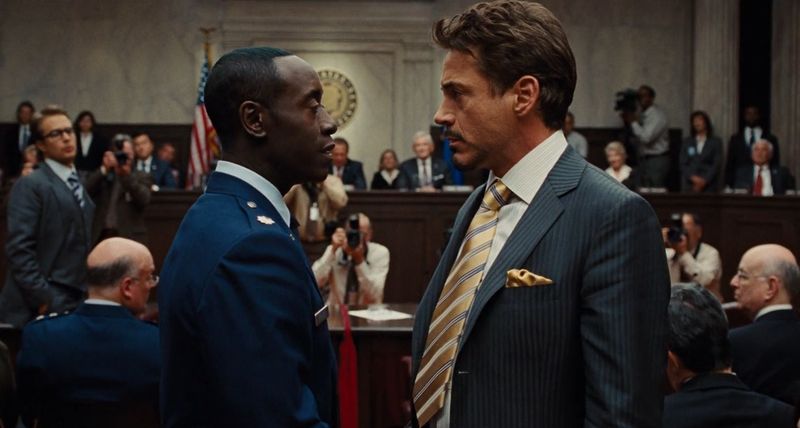
Audiences met James Rhodes through Terrence Howard in the first Iron Man. Yet when the sequel arrived, Don Cheadle was wearing the uniform, creating one of Marvel’s most noticeable early casting changes.
Howard said the deal offered for his return fell far below what he had expected. Reports also described contract and pay disputes.
Since accounts differ, the safest takeaway is simple: appearing in a hit does not guarantee keeping the same role for its sequel.
6. Johnny Depp: Grindelwald Gets a New Face
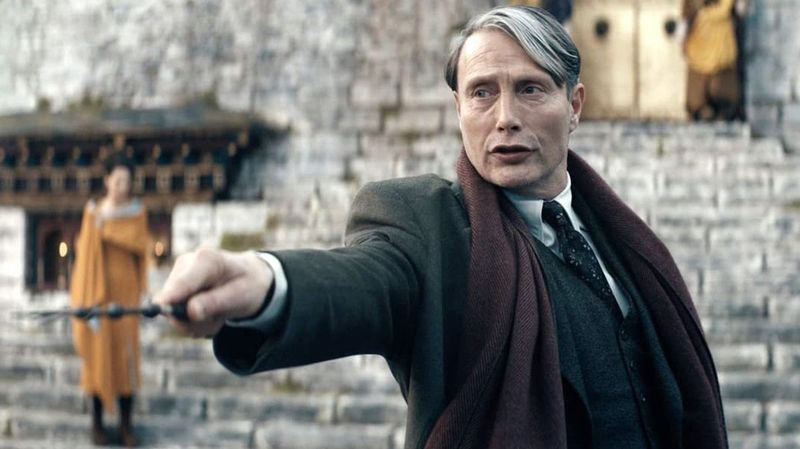
One filmed scene was all Johnny Depp completed for the third Fantastic Beasts movie. Warner Bros. asked him to resign as Gellert Grindelwald after he lost a British libel case against a newspaper.
He agreed to leave, and Mads Mikkelsen replaced him in The Secrets of Dumbledore. The change followed a legal ruling, rather than a disagreement about acting style.
It also forced a major series to introduce a different face for its central villain midway.
7. Megan Fox: An Exit From Transformers

Two blockbuster appearances made Megan Fox a familiar part of Transformers. Her character, Mikaela Banes, did not return for Dark of the Moon after public tension involving director Michael Bay and comments she made about him.
Accounts differed over whether she quit or was fired. Rosie Huntington-Whiteley joined as Carly Spencer, a new character rather than a recast Mikaela.
That distinction matters: sometimes a franchise replaces an actor’s place in the story without replacing the character.
8. James Remar: Hicks Recast During Filming
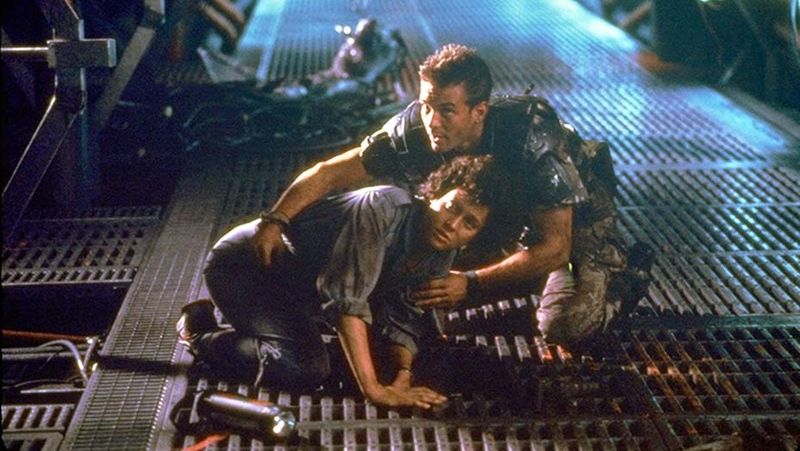
The soldier protecting Ripley in Aliens nearly had a different face. James Remar began filming as Corporal Hicks before the production replaced him with Michael Biehn, who had already worked with director James Cameron.
Remar later explained that drug problems and an arrest were behind his dismissal. His own account clarified a departure once described more vaguely.
Despite the disruption, Biehn settled into a role that became a memorable part of the film’s tense military team.
9. Samantha Morton: The Voice Audiences Never Heard
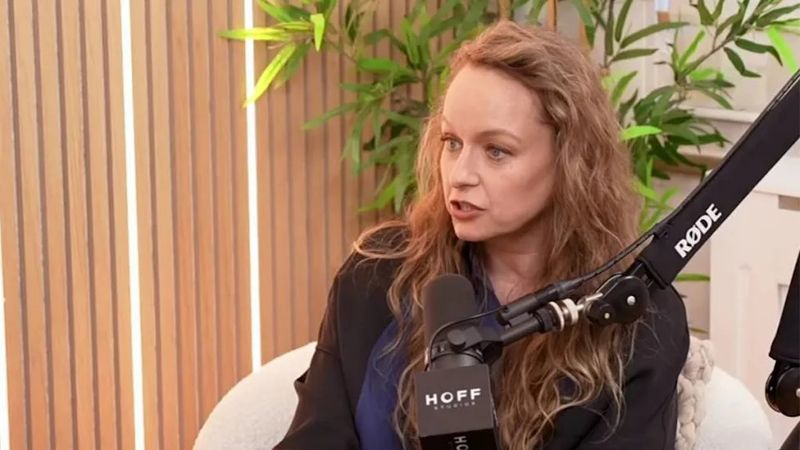
A performance can shape a movie without reaching its final soundtrack. Samantha Morton supplied the original voice of the artificial intelligence in Her, working with Joaquin Phoenix while the film was being made.
During editing, Spike Jonze decided the character needed a different voice and brought in Scarlett Johansson. He praised Morton’s contribution rather than blaming her talent.
Her experience offers an unusual glimpse of filmmaking, where even essential creative work may disappear from the finished version.
10. Colin Firth: Too Grown-Up for Paddington
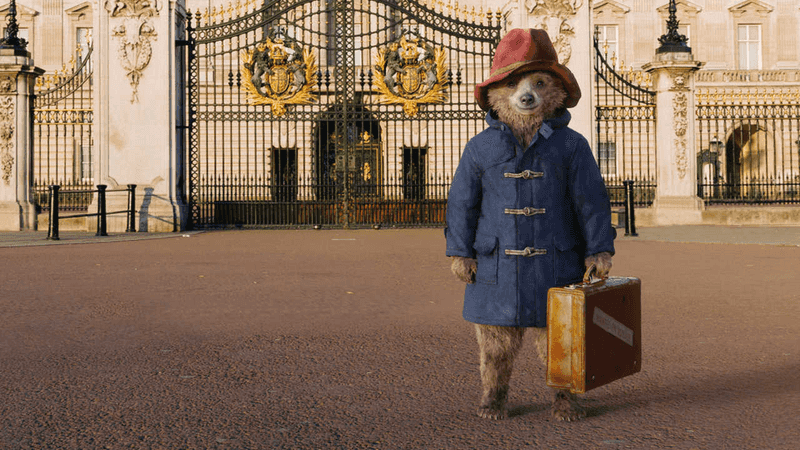
Finding the right voice for a small bear proved surprisingly tricky. Colin Firth recorded dialogue for Paddington, but the filmmakers decided his voice did not match the young character they were bringing to life.
Ben Whishaw took over before release. Firth treated the change with humor, explaining that the bear simply did not have his voice.
Unlike a dramatic firing, this was presented as a friendly creative decision about matching a performance to an animated character.
11. Harvey Keitel: A Different Captain Willard
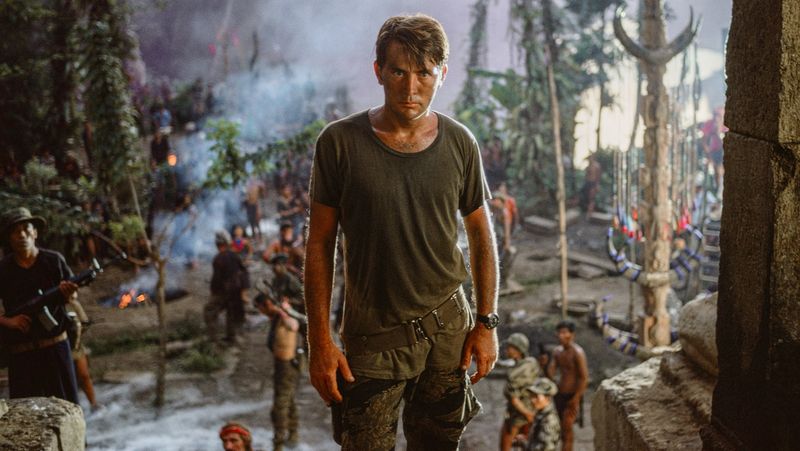
Before Martin Sheen traveled upriver in Apocalypse Now, Harvey Keitel had the lead role. Filming had already started when Francis Ford Coppola decided Keitel’s approach was not what he wanted for Captain Willard.
Sheen replaced him, adding another challenge to a production already facing major difficulties. The switch changed the film’s quiet center, not just its cast list.
Watching the finished movie makes it fascinating to imagine how another actor might have shaped that troubled journey.
12. Richard Gere: Trouble on an Early Set
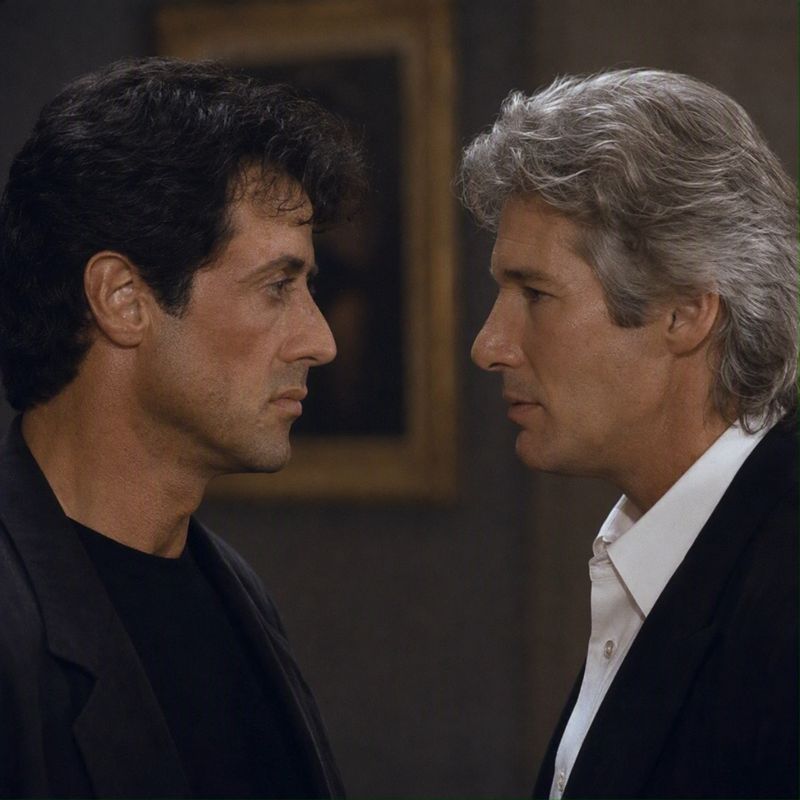
A clash between future stars helped end Richard Gere’s time on The Lords of Flatbush. He was originally cast as Chico, but tensions with Sylvester Stallone contributed to his removal from the production.
Stallone later told stories about their arguments, including a messy lunch dispute. Those colorful details reflect his account, not a shared version of events.
Perry King took the role, leaving Gere outside a film that could have become an early showcase for him.
13. Lisa Kudrow: Roz Wasn’t the Right Fit
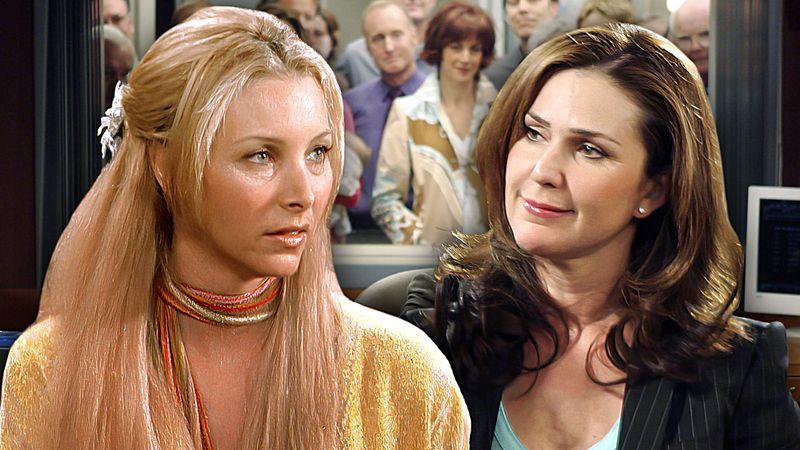
Before Phoebe Buffay made her famous, Lisa Kudrow briefly had another sitcom job. She was cast as radio producer Roz Doyle in Frasier but was replaced during work on the pilot by Peri Gilpin.
Kudrow later said she was not right for the part or the group’s chemistry. Her next major television role proved far better suited to her strengths.
Losing Roz did not predict her future, which makes this setback especially encouraging for anyone facing rejection.
14. Kevin Spacey: A Finished Role Replaced
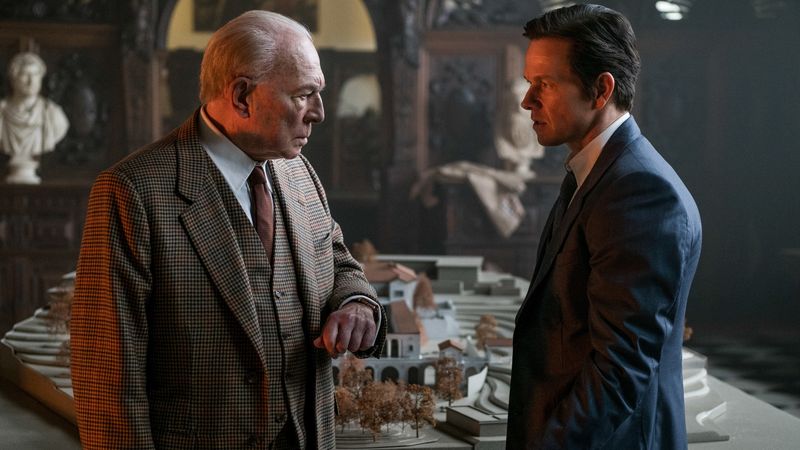
Reshooting a finished performance just weeks before release is rare. Kevin Spacey had played billionaire J.
Paul Getty in All the Money in the World when allegations of sexual misconduct prompted director Ridley Scott to replace him.
Christopher Plummer stepped in, and the team quickly filmed the affected scenes again. The movie still reached theaters on its planned schedule.
Plummer later earned an Oscar nomination, making the emergency replacement an extraordinary production story as well as a casting change.
15. Sylvester Stallone: Axel Foley Took Another Path
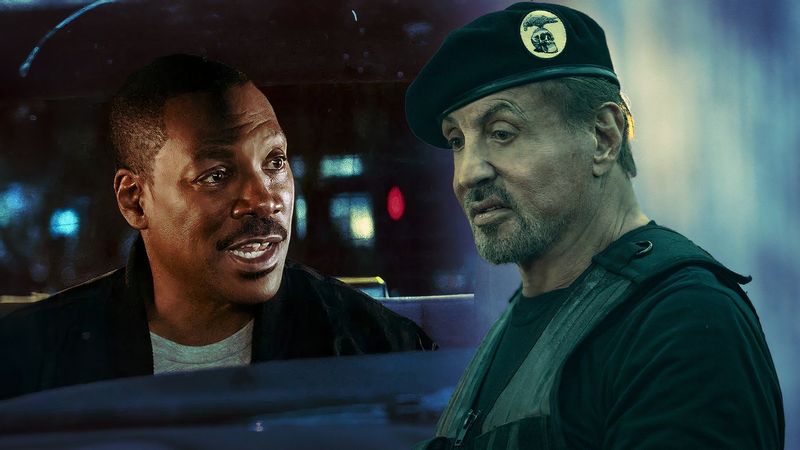
Imagine Beverly Hills Cop with fewer laughs and much heavier action. Sylvester Stallone was attached to play Axel Foley and pushed the script toward the kind of tough adventure that suited his screen image.
His version did not match the producers’ plans, and he left before filming. Eddie Murphy took over, giving the movie its famous comic energy.
Accounts describe creative and budget disagreements, so this departure is better understood as a project split than a straightforward firing.