
Some rock bands need only a few songs to leave a lasting mark. Their biggest years may pass quickly, but the music keeps finding new fans.
Breakups, changing tastes, and personal loss all played a part in these short runs. From chart stars to cult favorites, these groups show why lasting influence and lasting fame are not always the same thing.
1. Cream: Three Years of Musical Firepower
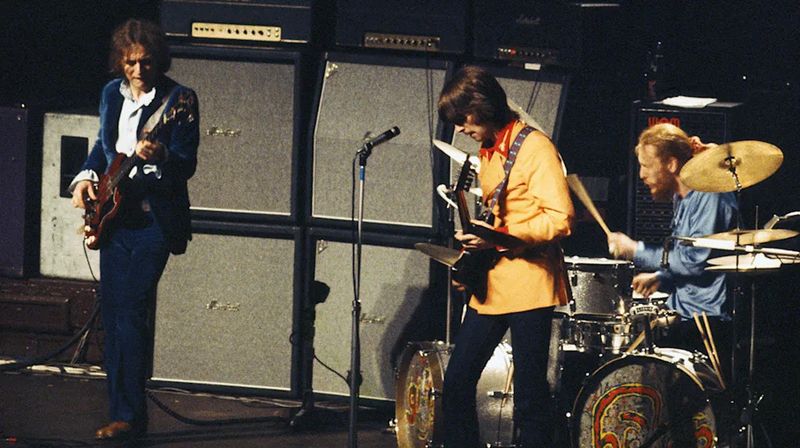
Three gifted players made enough noise to change rock in just a few years. Eric Clapton, Jack Bruce, and Ginger Baker formed Cream in 1966, blending blues roots with loud guitars and daring musical stretches.
Hits like Sunshine of Your Love and White Room still sound huge. Personal friction helped end the group in 1968, with its final album arriving afterward.
Start with those singles, then try the live recordings to hear their adventurous side unfold.
2. The Jimi Hendrix Experience: A Guitar Revolution
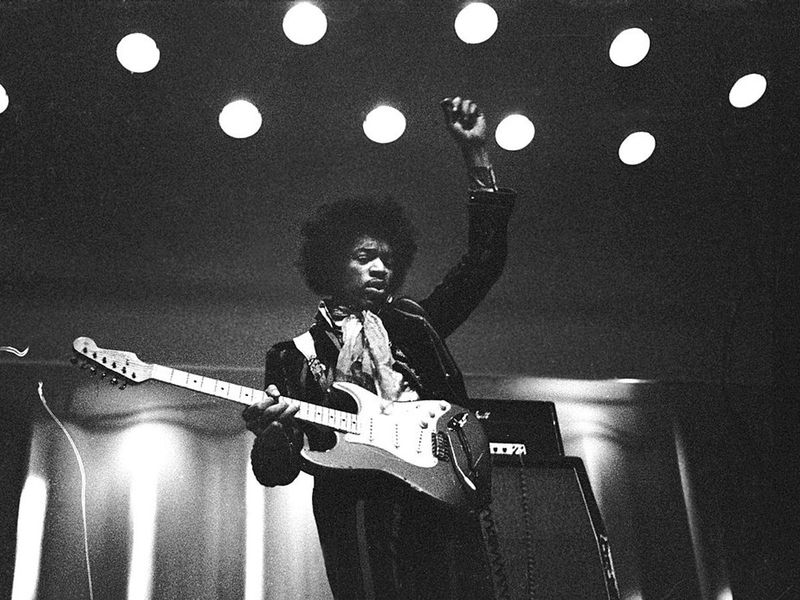
A guitar could sound like a storm, a whisper, or something from another planet when Jimi Hendrix played it. With bassist Noel Redding and drummer Mitch Mitchell, he turned the Experience into a force between 1966 and 1969.
Purple Haze and Foxy Lady offered thrilling entry points. Their three studio albums pushed rock into fresh territory.
Hendrix continued with other lineups before his death in 1970, but the original trio had already changed guitar music forever.
3. Sex Pistols: One Album, Endless Aftershocks
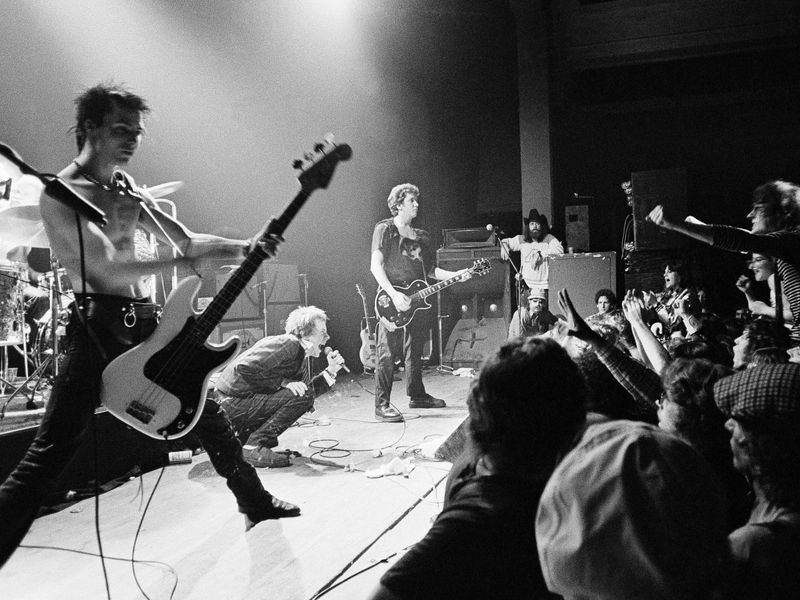
Polished manners were never part of the plan. Bursting from London’s punk scene, the Sex Pistols used sharp songs and public outrage to grab attention, especially during their explosive run from 1975 to 1978.
They released one studio album, Never Mind the Bollocks, Here’s the Sex Pistols, before falling apart. Anarchy in the U.K. and God Save the Queen became punk landmarks.
Their story shows how attitude and timing can matter as much as musical skill.
4. The Doors: A Voice That Defined an Era
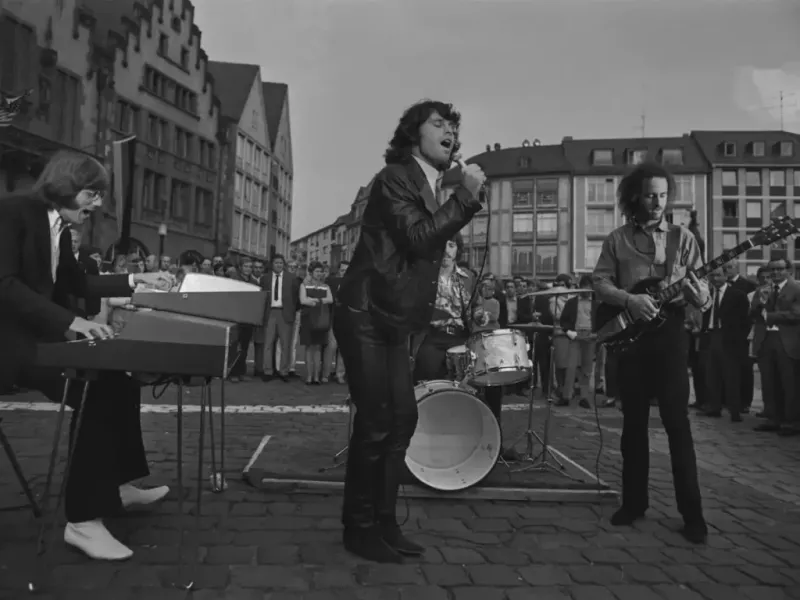
That curling organ sound could announce a Doors song before Jim Morrison sang a word. Their 1967 debut brought Light My Fire, launching a remarkable stretch of hits, strange poetry, and gripping performances.
Morrison’s death in 1971 ended the classic lineup, though the remaining members recorded two more albums before splitting in 1973. For a quick introduction, pair Hello, I Love You with Riders on the Storm.
Together, they reveal the band’s bright hooks and shadows.
5. The Smiths: Bright Guitars, Dark Humor
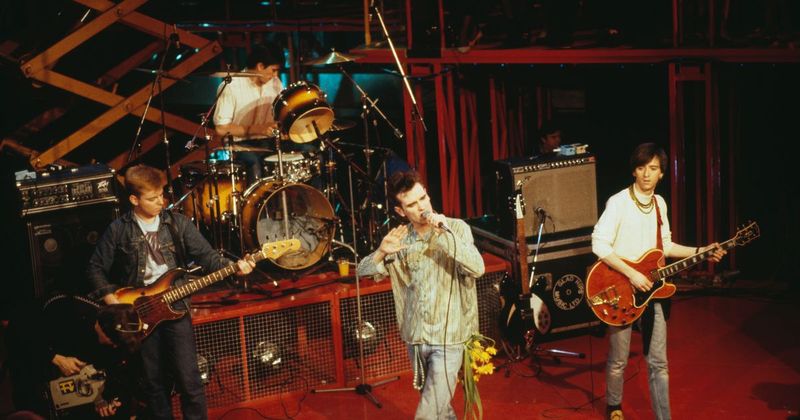
Sad feelings rarely came wrapped in such sparkling guitar lines. Formed in Manchester in 1982, the Smiths paired Johnny Marr’s inventive playing with Morrissey’s dramatic voice and sharp observations about loneliness and everyday life.
Four studio albums arrived before their 1987 breakup. Their success centered on Britain, but their influence traveled much farther.
Try This Charming Man alongside How Soon Is Now? to hear why a band with such a short life still attracts devoted listeners.
6. Creedence Clearwater Revival: A Flood of Familiar Songs
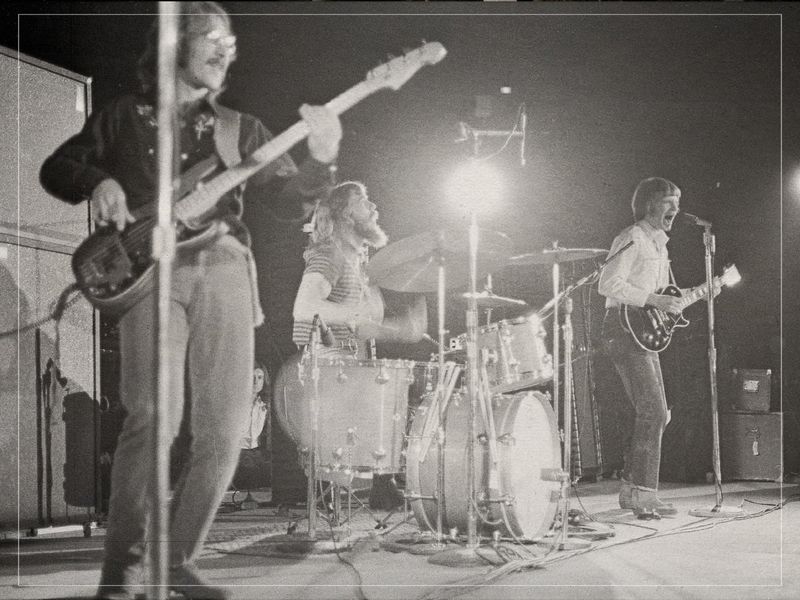
Turn on classic rock radio, and their brief career can seem impossible. Between 1968 and 1972, Creedence Clearwater Revival released seven studio albums packed with songs that became part of America’s musical memory.
Proud Mary, Bad Moon Rising, and Fortunate Son barely begin the list. Although their sound suggested the South, the musicians came from California.
Growing disputes broke the band apart in 1972. Explore their albums chronologically to appreciate how quickly those familiar songs arrived.
7. Operation Ivy: Small Stages, Lasting Ripples
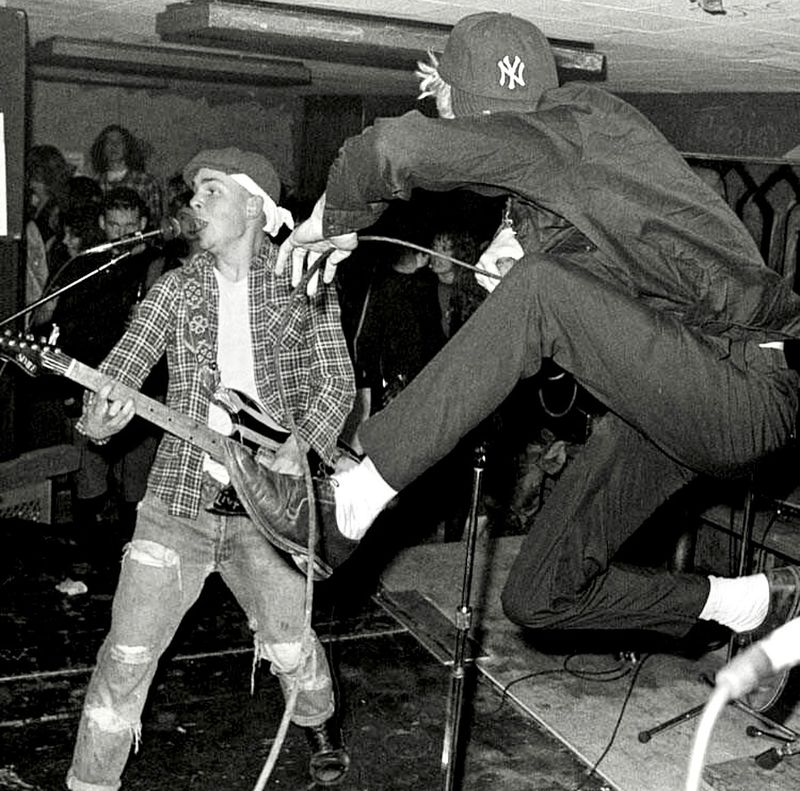
Not every lasting rock story begins with a chart hit. Operation Ivy built its name in California’s underground scene from 1987 to 1989, mixing punk speed with ska rhythms that made standing still difficult.
Their album Energy became a touchstone after their breakup, rather than a mainstream smash during their lifetime. Knowledge remains a natural starting point.
Members Tim Armstrong and Matt Freeman later formed Rancid, carrying parts of that restless spirit toward much larger audiences.
8. Mother Love Bone: Promise Cut Tragically Short
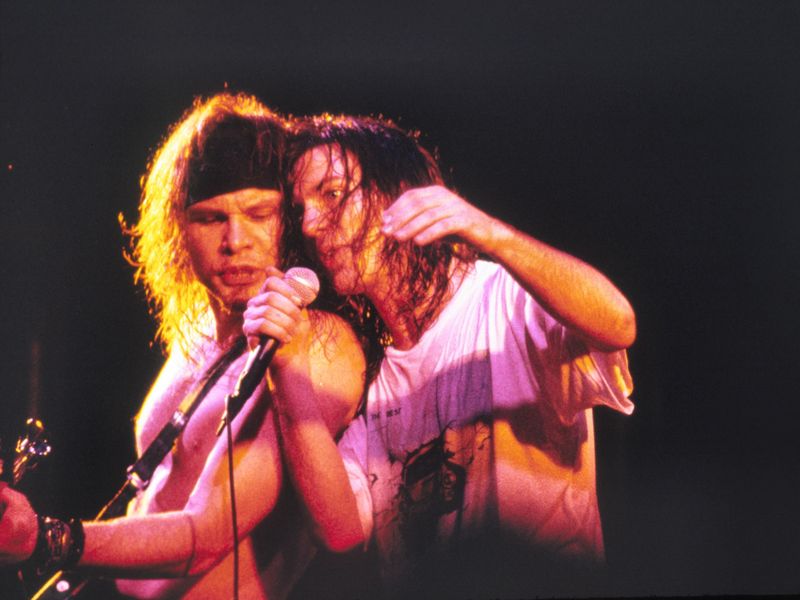
Seattle’s future rock boom had a glamorous early spark in Andrew Wood. His band, Mother Love Bone, mixed heavy riffs with a singer’s larger than life personality during its short run from 1988 to 1990.
Wood died in March 1990, months before their debut album Apple appeared. Mainstream hits never arrived, making them a promising exception here.
Listen to Chloe Dancer/Crown of Thorns, then trace members Stone Gossard and Jeff Ament into their next band, Pearl Jam.
9. Free: The Riff That Filled Arenas
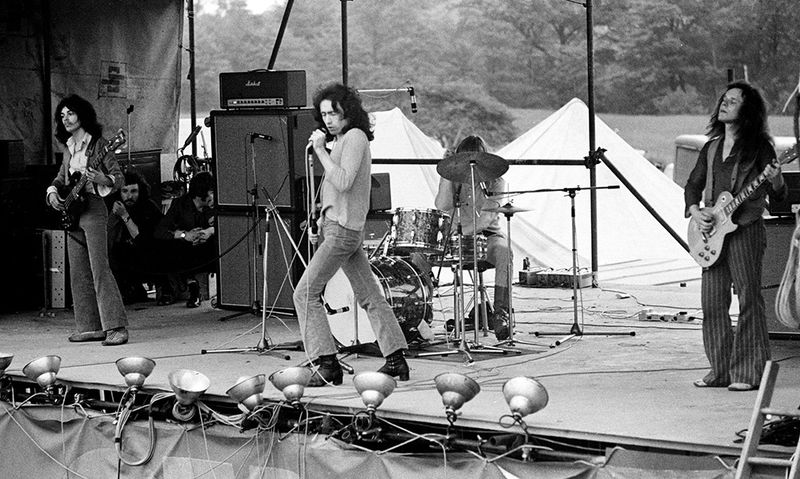
One ringing guitar riff was enough to give Free a permanent place on rock playlists. All Right Now became a major international hit in 1970, turning the young British blues rock group into stars.
Their main run lasted from 1968 to 1973, interrupted by a breakup and reunion. Personal struggles, including guitarist Paul Kossoff’s drug problems, weakened the group.
Other British hits followed, but American listeners mostly remember that anthem. Try Wishing Well for another side.
10. Men at Work: An Australian Sound Goes Global
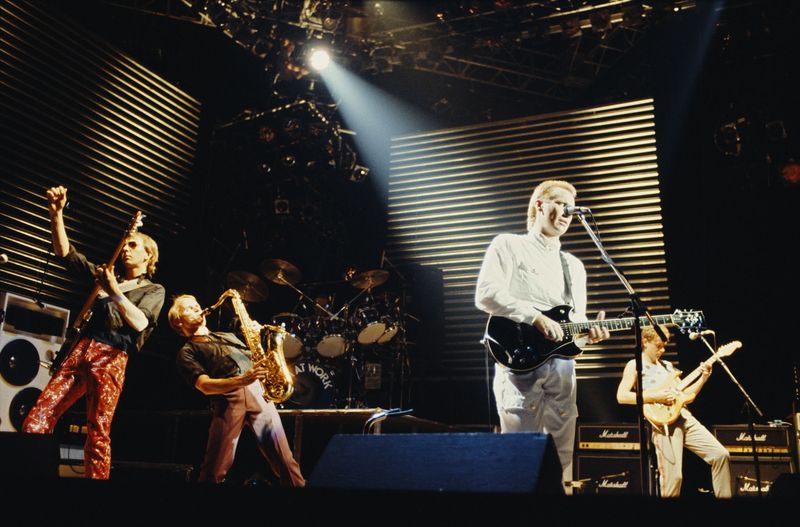
A flute melody helped carry Australian rock around the world. Men at Work broke through with Business as Usual, whose American chart run included fifteen weeks at number one and two hugely popular singles.
Who Can It Be Now? and Down Under made their sound instantly familiar. Cargo delivered more hits, including Overkill, before lineup changes and tensions slowed their momentum.
Their biggest wave passed quickly in the early 1980s, though later performances kept the songs alive.
11. The Knack: A Smash Followed by Backlash
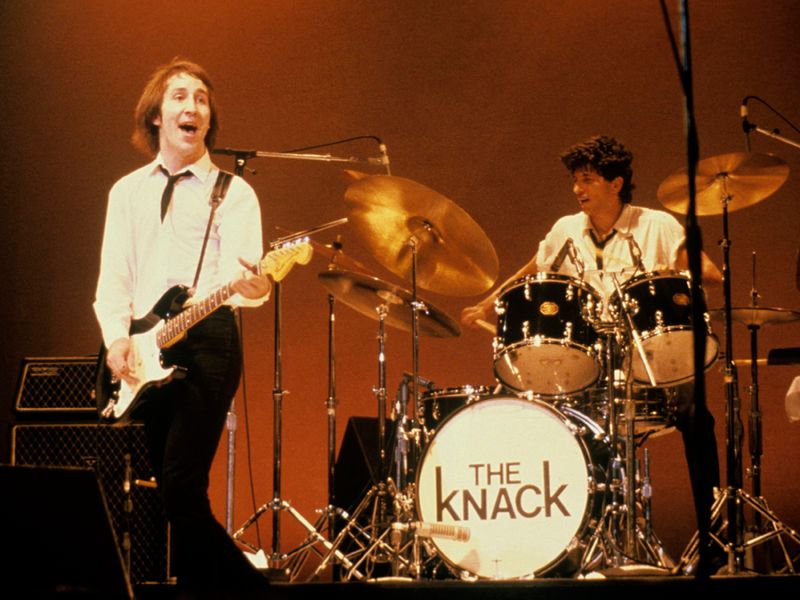
Few debut singles arrive with a drumbeat as recognizable as My Sharona. The Knack rode that punchy hit and their album Get the Knack to enormous success in 1979, making fame look almost effortless.
Then came overexposure, harsh criticism, and weaker sales for the followup. They first split in 1981, although reunions followed.
Good Girls Don’t also earned attention, so their story reaches beyond one song. Their sudden rise offers a clear lesson about pop’s unpredictable attention.
12. Blind Faith: A Supergroup Gone in Months
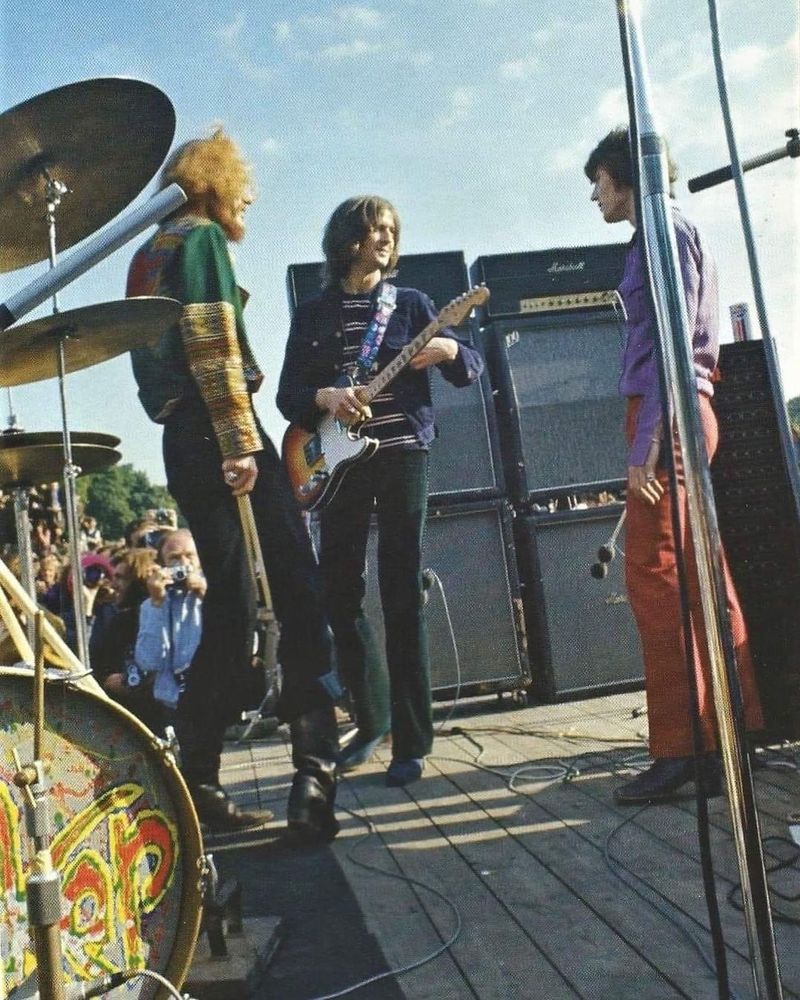
Expectations were enormous before the first album even reached stores. Eric Clapton, Steve Winwood, Ginger Baker, and Ric Grech joined forces in 1969, creating Blind Faith from musicians who already had serious reputations.
Their only studio album topped charts, and Can’t Find My Way Home became a lasting favorite. Yet touring pressure and mismatched expectations quickly drained the excitement.
The group lasted only months. Play the complete record to hear a brief partnership still searching for direction.
13. Iron Butterfly: Seventeen Minutes of Heavy History
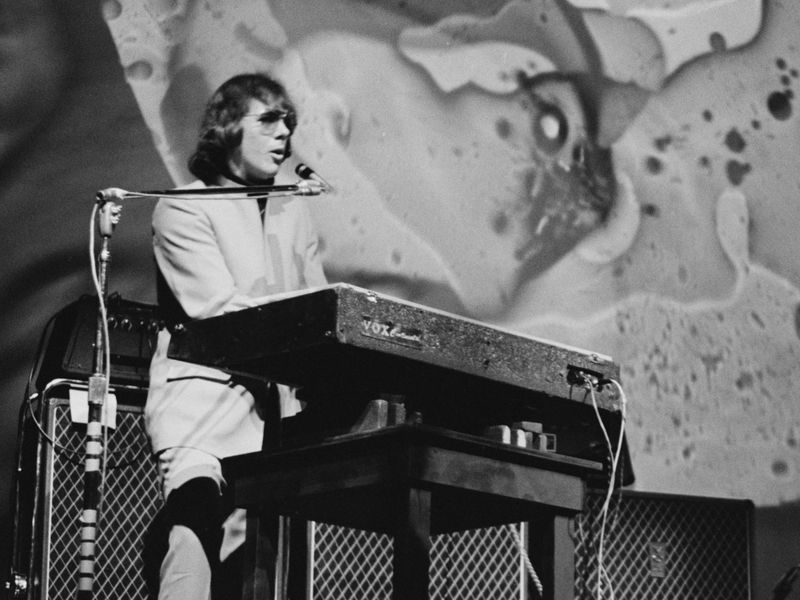
Seventeen minutes was a daring length for a signature song. Iron Butterfly made it work with In-A-Gadda-Da-Vida, the heavy 1968 album track whose organ riff and extended drum solo became symbols of psychedelic rock.
A shorter single reached radio, while the album became a huge seller. Later releases never matched that cultural grip, despite further chart activity and changing lineups.
For the full experience, skip the edited version and hear how the long performance builds its mood.
14. Wild Cherry: One Funky Breakthrough
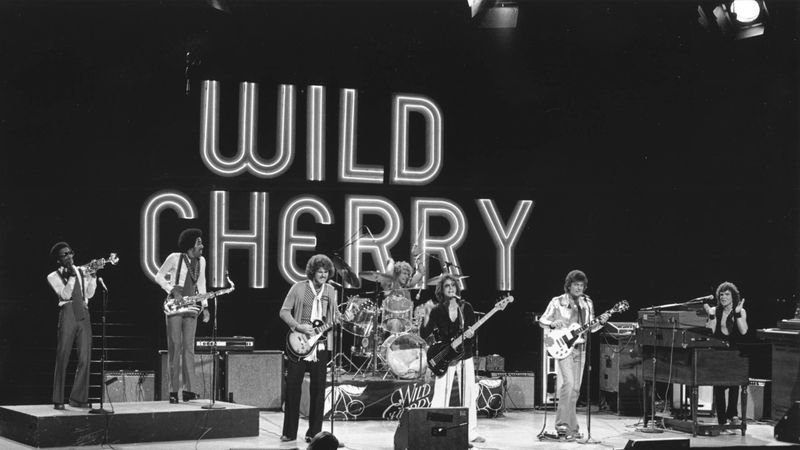
A request for dance music helped inspire an unlikely crossover smash. Pennsylvania band Wild Cherry turned Play That Funky Music into a number one American pop and R&B hit in 1976, blending rock muscle with funk.
Its snapping groove remains familiar at parties and sporting events. The group released more albums but never found another hit of similar size, eventually splitting in 1979.
Their brief peak captures a moment when rock bands were learning from the dancefloor.
15. Tommy Tutone: The Number Everyone Remembered
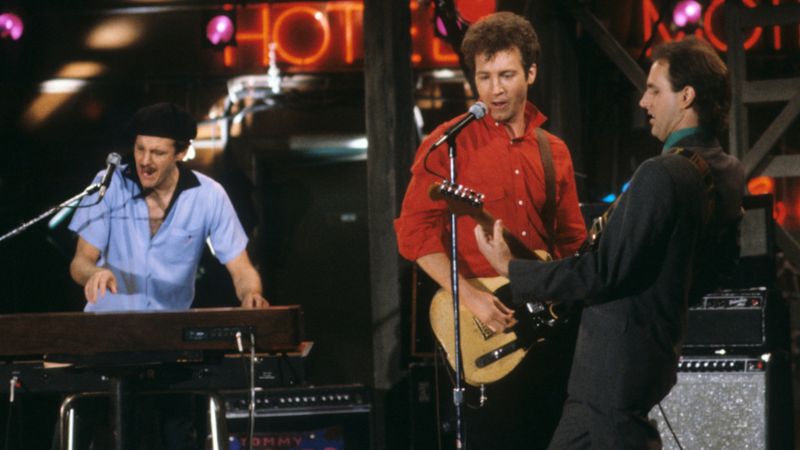
Seven digits became one of rock’s most memorable singalongs. Tommy Tutone scored big with 867-5309/Jenny, released in 1981 and a top five American hit in 1982, giving strangers an irresistible number to dial.
The band had already reached the Top 40 with Angel Say No, but Jenny overshadowed everything else. Later records failed to repeat that breakthrough.
Despite the name, Tommy Tutone is a band, not simply one performer. That small detail still surprises plenty of listeners.
16. The Outfield: More Than One Familiar Chorus
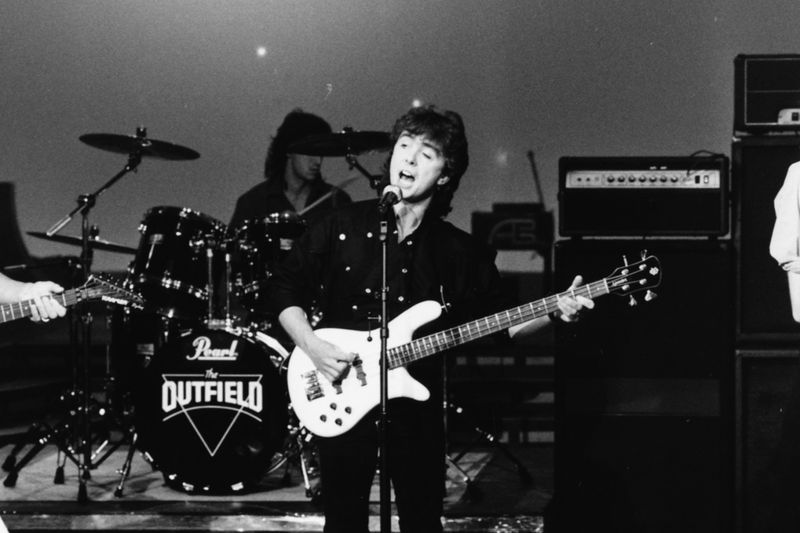
That soaring opening vocal still pulls people straight into Your Love. The Outfield found their biggest American success with the song in 1986, following the release of their debut album Play Deep the previous year.
Calling them a true one hit wonder misses Say It Isn’t So, All the Love, and later Top 40 entries. Still, their widest recognition centered on that early breakthrough.
Add those other singles to your playlist for a fuller picture of their appeal.