
Your gut is home to trillions of tiny helpers called bacteria, and they do a lot more than digest your lunch. A happy gut can boost your mood, help your body fight germs, and keep you feeling full of energy.
The good news is that you can feed those helpful bacteria with tasty, everyday foods. Here are some easy favorites to add to your plate more often.
1. Creamy Plain Yogurt
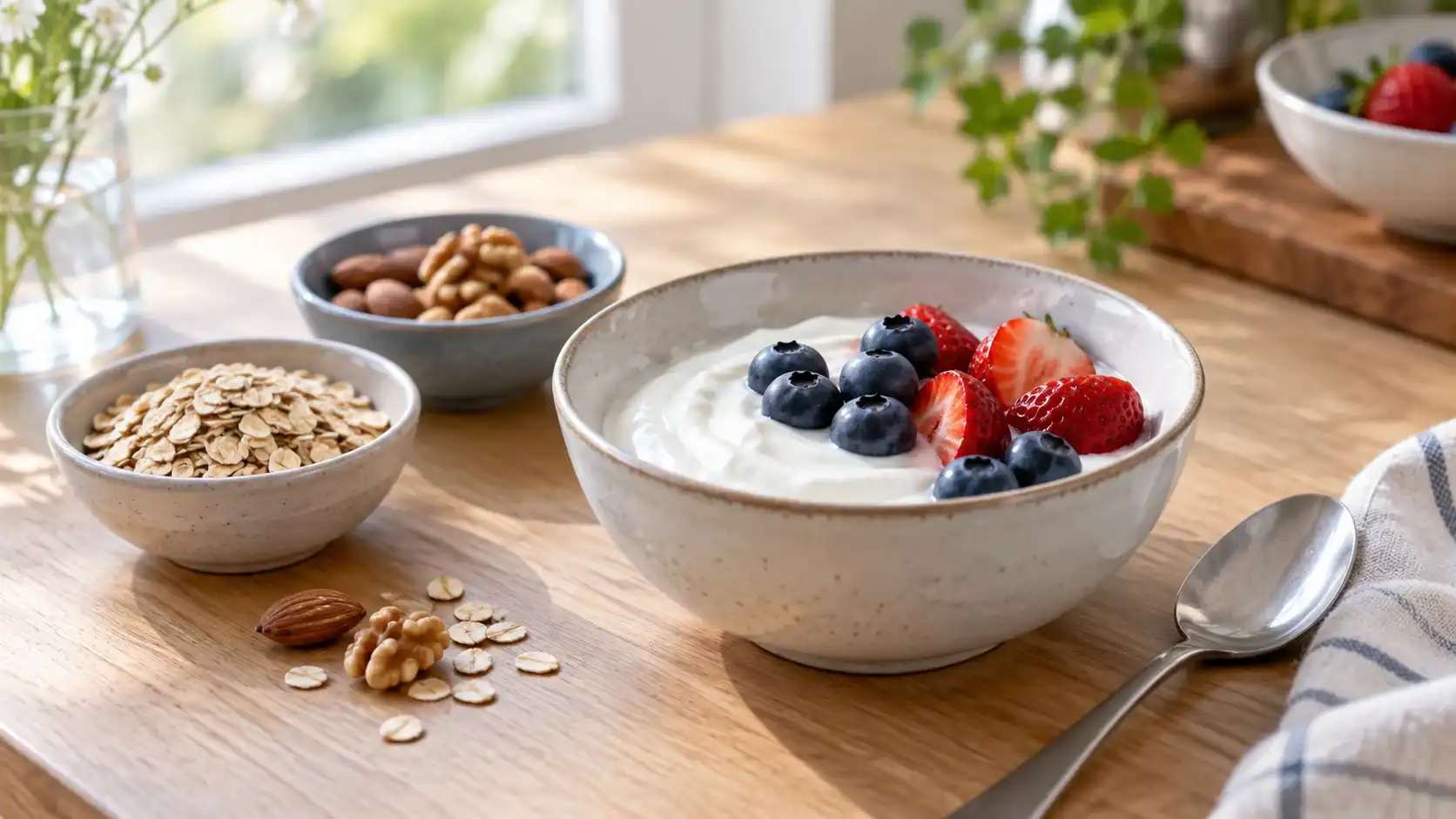
Picture a spoonful packed with millions of living bacteria. That is what you get with yogurt labeled live and active cultures.
These friendly microbes, called probiotics, help balance the crowd living in your belly.
Pick plain versions, since flavored cups often hide lots of sugar. Sweeten it yourself with berries, a drizzle of honey, or sliced banana.
Fun fact: people have been making yogurt for over 5,000 years!
2. Tangy Kefir
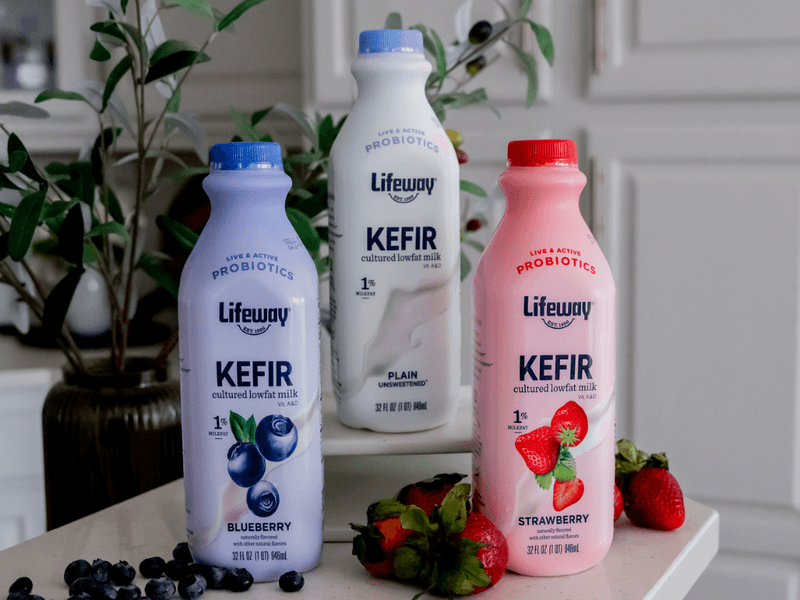
Think of kefir as yogurt’s fizzy, drinkable cousin. Made by fermenting milk with special grains, it can hold more than a dozen different kinds of good bacteria and yeast.
The taste is a little sour, kind of like buttermilk. Blend it into a fruit smoothie if the flavor feels too strong at first.
Many people who struggle with regular milk find kefir easier to digest, since the bacteria break down much of the lactose.
3. Crunchy Sauerkraut
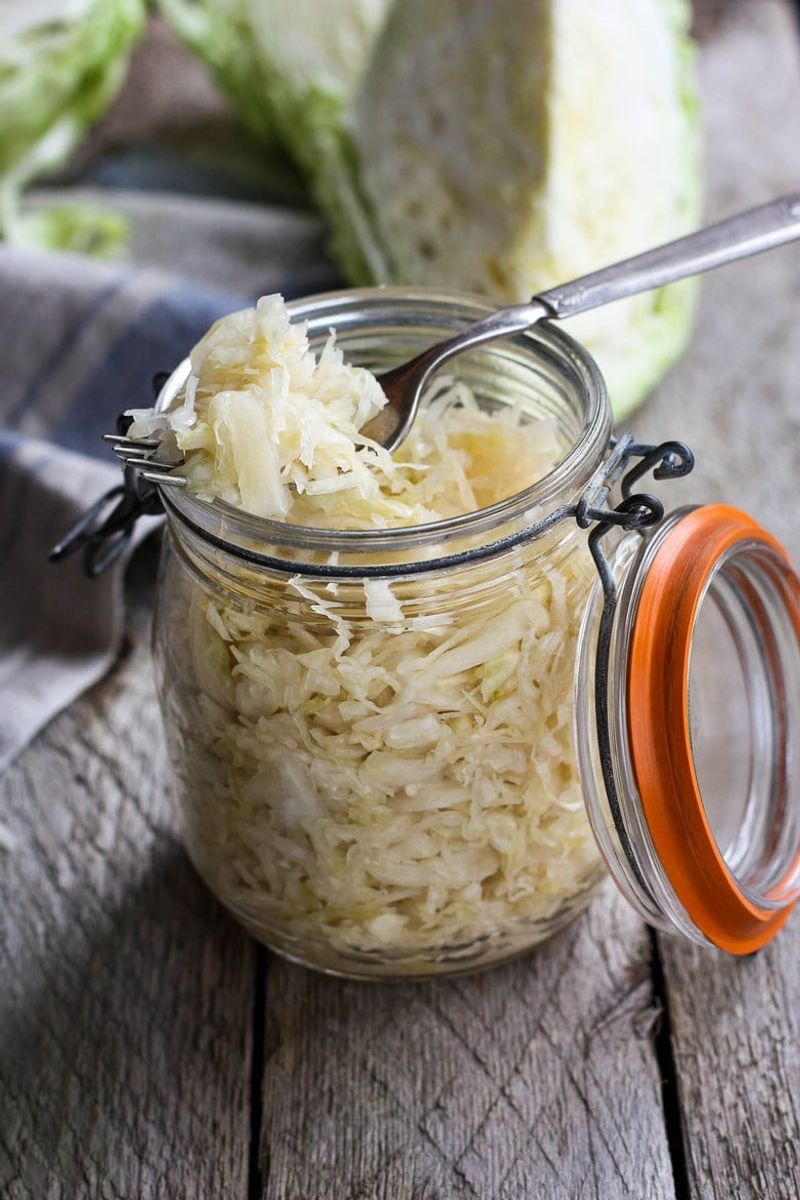
Cabbage, salt, and time. That’s the whole recipe for sauerkraut, a German favorite that turns plain cabbage into a probiotic powerhouse.
Here’s the trick, though. Shelf-stable cans are usually heated, which kills the helpful bacteria.
Look for raw sauerkraut in the refrigerated section instead.
Pile a forkful onto a hot dog, a sandwich, or even scrambled eggs. A little goes a long way, and the sour crunch wakes up any meal.
4. Spicy Kimchi

In Korea, families once buried big clay pots of kimchi in the ground to keep it cool all winter. Today, this spicy fermented dish is served with nearly every meal there.
Made from napa cabbage, radish, garlic, and chili pepper, kimchi delivers good bacteria plus plenty of fiber.
New to the heat? Start with a small spoonful beside fried rice or noodles.
Your taste buds will adjust faster than you expect.
5. Hearty Oats
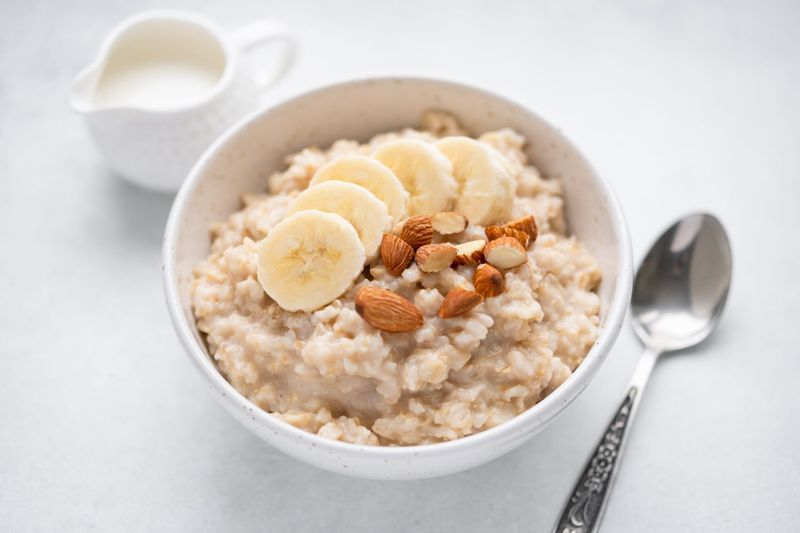
Grandma’s warm breakfast bowl was smarter than it looked. Oats contain a special fiber called beta-glucan, which acts like food for the good bacteria in your gut.
When those microbes munch on it, they make substances that help keep your intestine lining strong. Oats also keep you full until lunch.
Try overnight oats if mornings feel rushed. Just mix oats with milk, cover, and grab the jar from the fridge on your way out.
6. Slightly Green Bananas
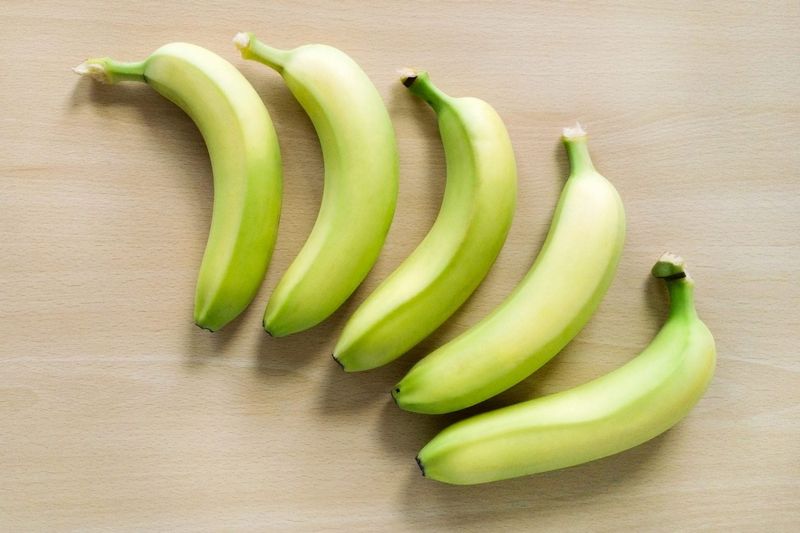
Here’s a surprise: bananas that are still a bit green may be better for your belly than super ripe ones. They hold more resistant starch, a type of carb your gut bacteria love to eat.
As bananas ripen, that starch turns into sugar. Both stages are healthy, but greener ones give microbes a bigger feast.
Slice them into cereal or blend them into smoothies, where the firmer taste hardly stands out.
7. Fragrant Garlic
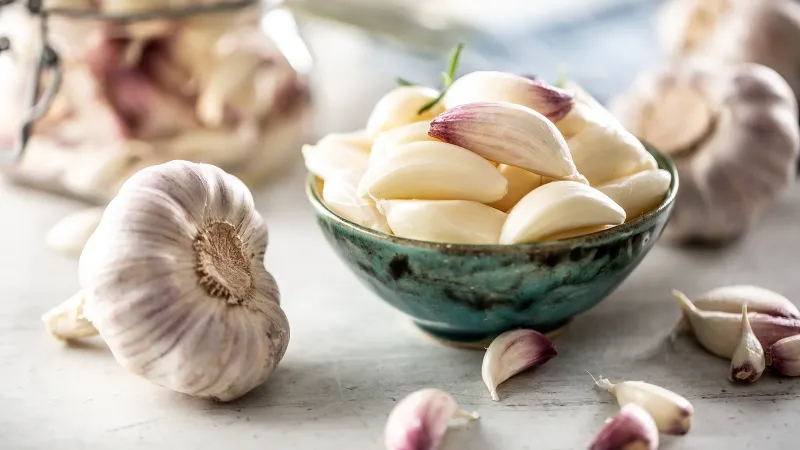
Vampires may hate it, but your gut bacteria cheer for it. Garlic is loaded with inulin, a prebiotic fiber that feeds helpful microbes and helps them grow.
To get the most out of each clove, chop or crush it, then wait about ten minutes before cooking. That short rest lets healthy compounds form.
Stir it into pasta sauce, soups, or roasted vegetables. Your kitchen will smell amazing too.
8. Sweet and Savory Onions
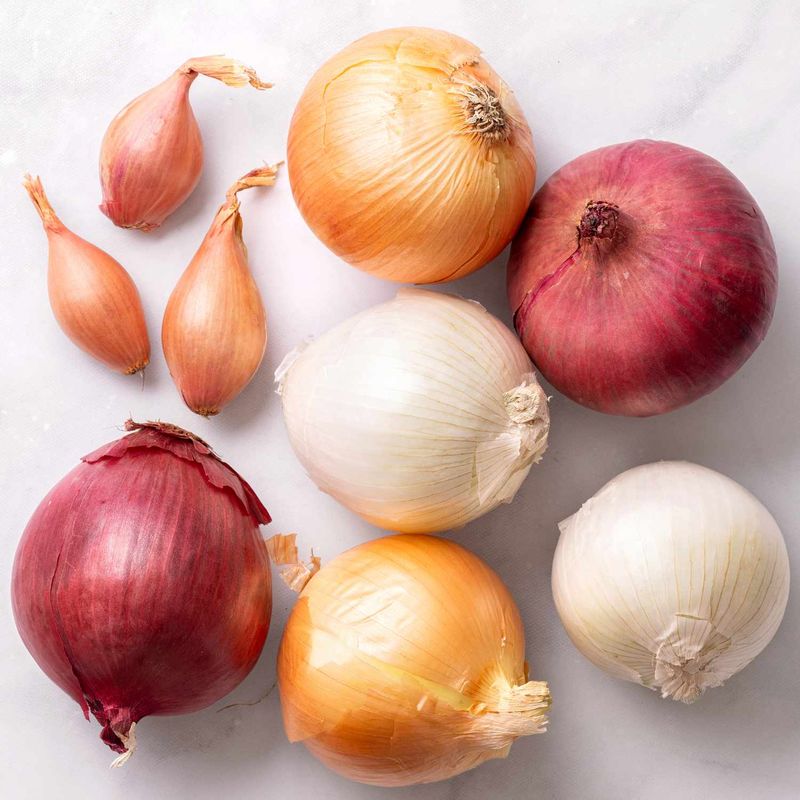
Onions might make you cry, but your digestive system sheds happy tears. Like garlic, they carry prebiotic fibers that nourish good bacteria.
Raw onions keep the most fiber, so toss thin slices of red onion onto salads, tacos, or burgers.
Not a fan of the sharp bite? Soak the slices in cold water for ten minutes.
That simple trick softens the flavor while still giving your gut a helpful boost.
9. Mighty Beans and Lentils
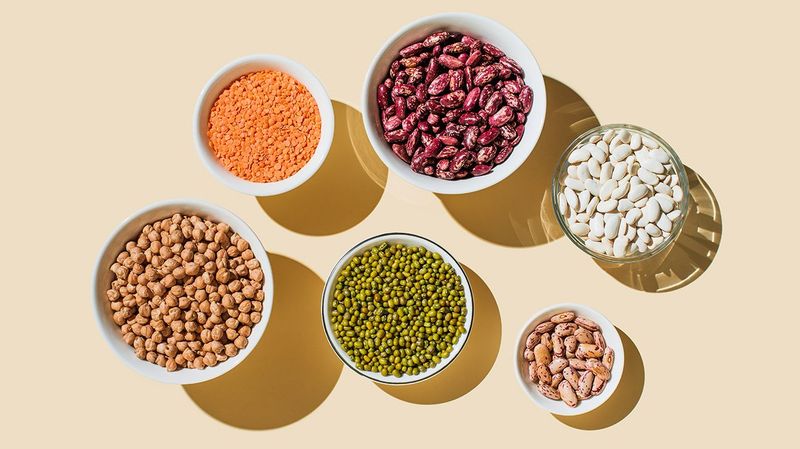
Black beans, chickpeas, and lentils are some of the cheapest health foods in any grocery store. One cup of lentils serves up around 15 grams of fiber, which is about half of what many kids need daily.
All that fiber feeds gut bacteria and keeps things moving smoothly.
Feeling gassy? Add them slowly over a couple of weeks.
Your belly gets used to the extra fiber, and the bloating usually fades.
10. Spring Asparagus
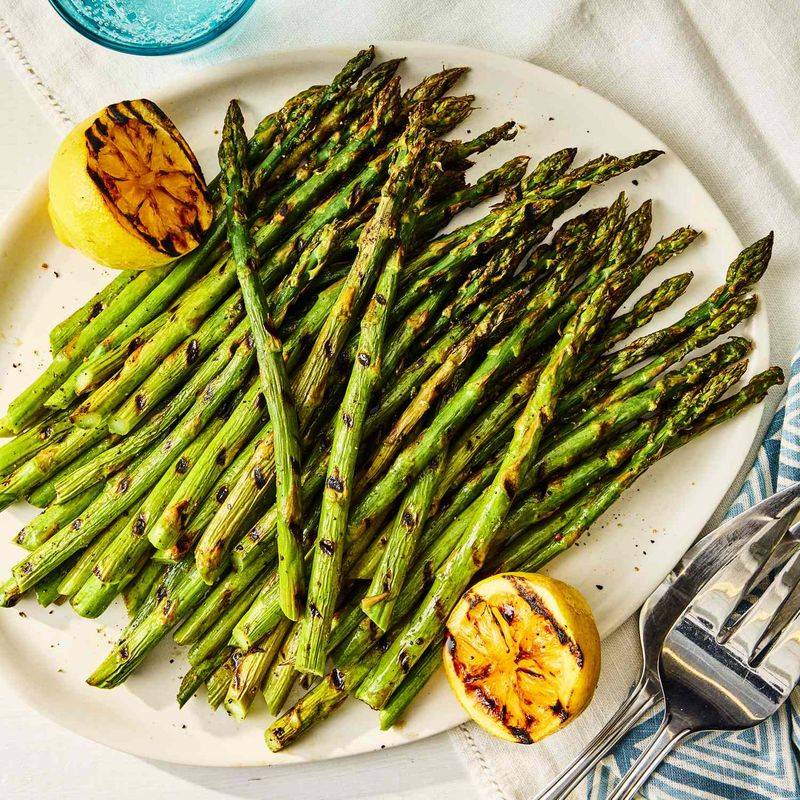
Spring brings bright green asparagus spears to farmers markets, and they deserve a spot on your plate. Asparagus contains inulin, the same gut-friendly fiber found in garlic and onions.
Roasting is the easiest way to win over picky eaters. Toss spears with olive oil and salt, then bake until the tips turn crispy.
Quirky fact: asparagus can grow up to ten inches in a single day when the weather is warm!
11. Juicy Apples
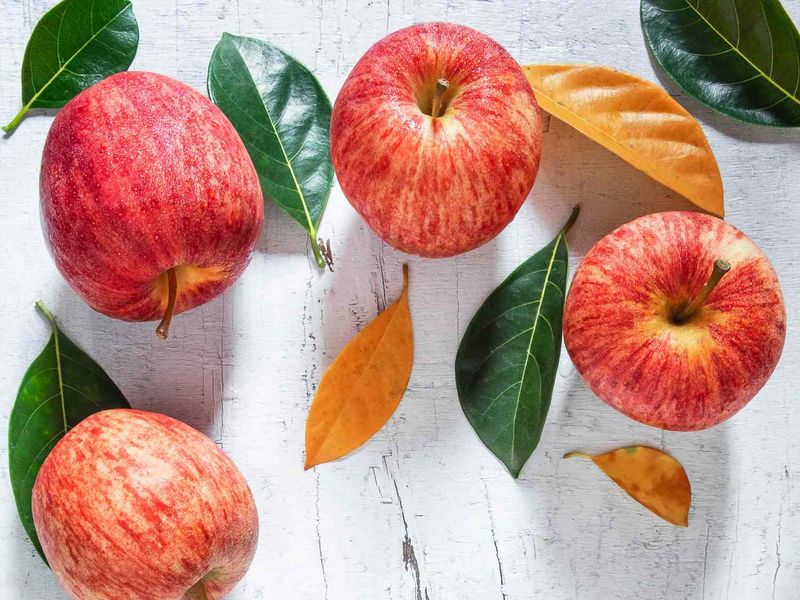
An apple a day really might keep tummy trouble away. Apples are rich in pectin, a fiber that turns into a gel inside your gut and gives good bacteria something to snack on.
Most of the goodness hides in or right under the peel, so skip the peeler.
Pair apple slices with peanut butter for an after-school snack that feels like a treat but works hard for your body.
12. Tiny Chia Seeds
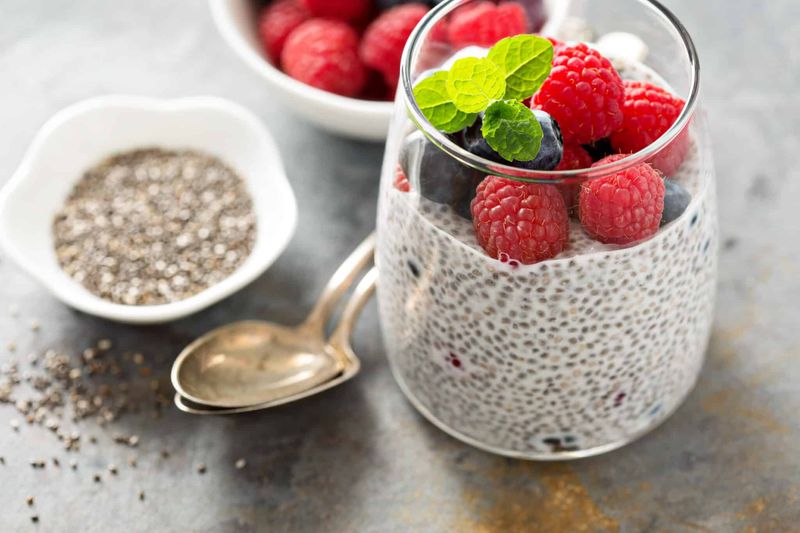
Drop chia seeds in water and watch something wild happen. Within minutes, they swell into little gel-coated beads, soaking up about ten times their weight in liquid.
That gel comes from soluble fiber, which helps digestion run smoothly and keeps you feeling full.
Make chia pudding by stirring two tablespoons into half a cup of milk. Leave it overnight, add fruit in the morning, and enjoy a breakfast that tastes like dessert.
13. Colorful Berries
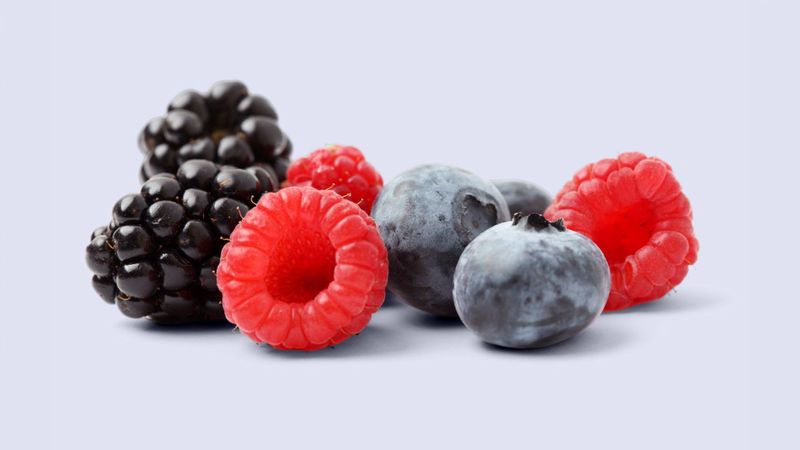
Raspberries win the fiber contest among berries, with about eight grams per cup. Blueberries and blackberries are close behind.
Berries also contain polyphenols, plant compounds that help good gut bacteria thrive while keeping troublemakers in check.
Fresh berries cost a lot in winter, so grab frozen bags instead. They are picked at peak ripeness and work great in smoothies, oatmeal, or yogurt bowls.
Your wallet and your belly will both be happier.
14. Whole Grain Bread
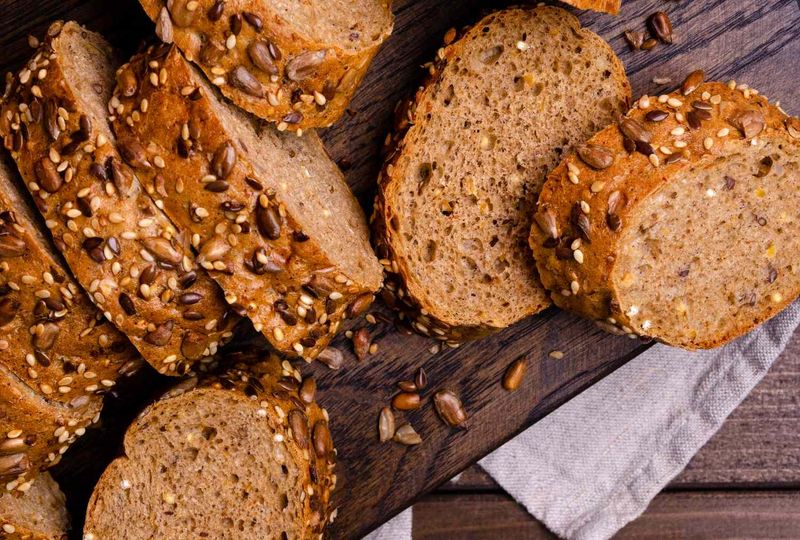
Not all bread is created equal. White bread loses most of its fiber during processing, while whole grain bread keeps the bran and germ that gut bacteria crave.
Check the label carefully. The first ingredient should say whole wheat or whole grain, not just wheat flour.
Sourdough made with whole grains offers a bonus, since its long fermentation may make it gentler on sensitive stomachs. Toast a slice and top it with avocado.
15. Leafy Greens
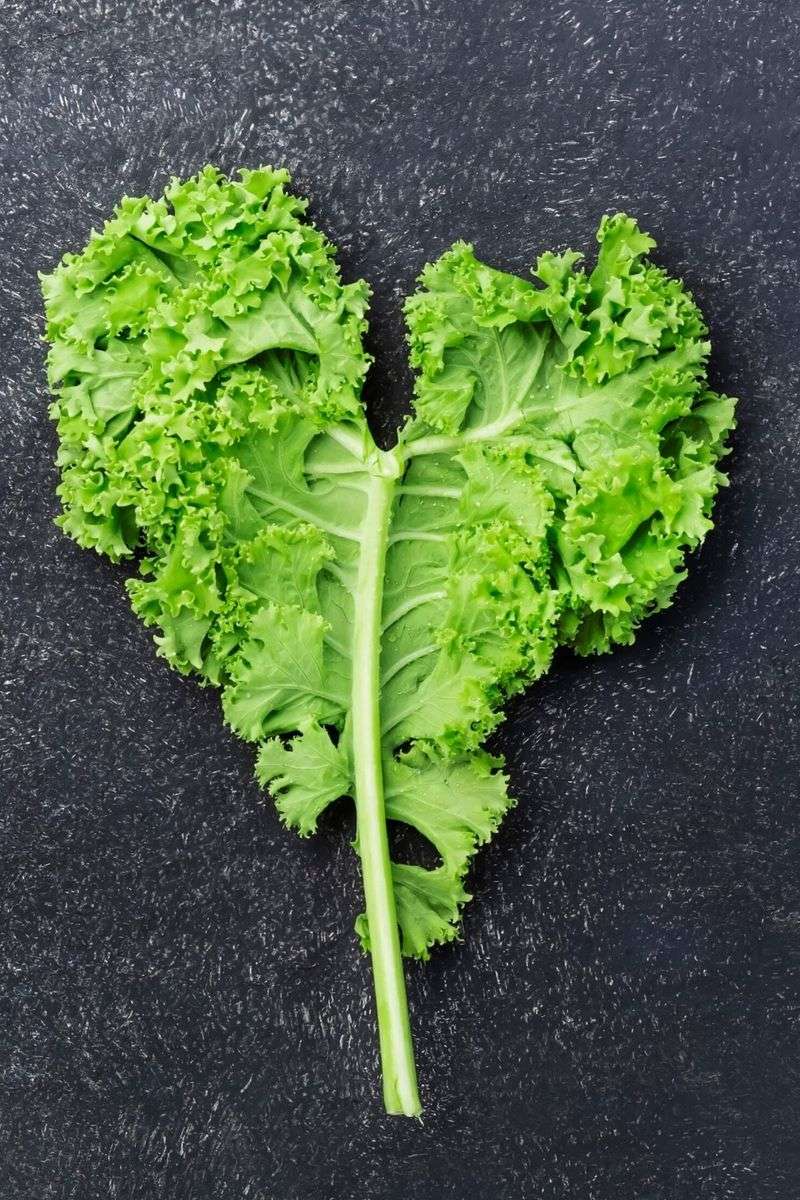
Popeye had the right idea. Spinach, kale, and other leafy greens contain a special sugar that helps feed healthy gut bacteria, according to scientists in Australia.
Greens also supply fiber, vitamins, and minerals your body uses every single day.
Don’t love salads? Sneak a handful of spinach into a fruit smoothie.
The berries cover up the taste completely, and the only clue is a fun green color.
16. Bubbly Kombucha

Kombucha is fermented tea that sparkles naturally, kind of like soda but with live cultures inside. It has been brewed in parts of Asia and Russia for centuries.
The drink offers probiotics and a tangy, slightly sweet flavor.
Still, read labels before buying. Some brands add lots of sugar, and kombucha contains a tiny bit of caffeine from tea.
Choose low-sugar bottles and sip a small glass rather than chugging the whole thing.
17. Nutty Almonds
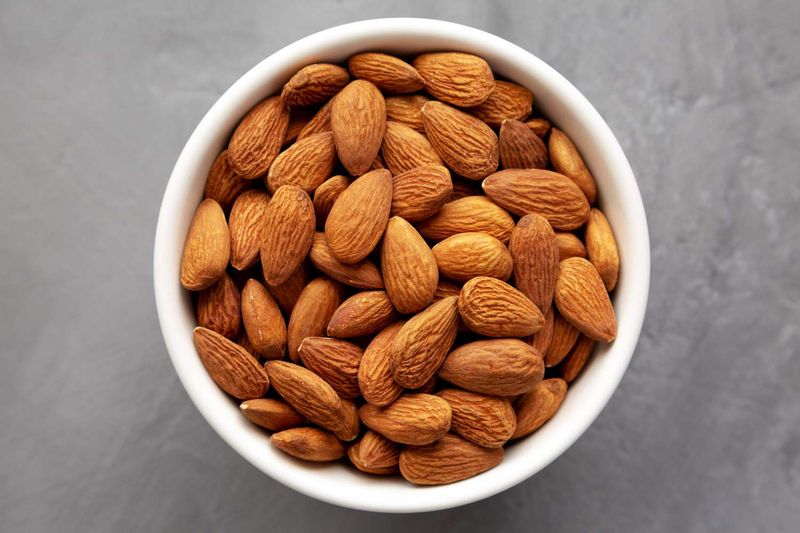
Grab a handful of almonds and you are giving your gut a crunchy gift. Studies show almonds can raise levels of helpful bacteria thanks to their fiber and healthy fats.
About 23 almonds make one serving, which fits easily in a snack bag.
Keep a small container in your backpack for busy days. They beat chips when hunger strikes, and almond butter on toast works just as well if crunching isn’t your style.