
Some relationships leave you feeling hurt, afraid, or worn out long after a conversation ends. Going no contact means stopping calls, messages, visits, and online contact so you have room to feel safe and heal.
It can be a temporary break or a lasting choice, not a way to punish someone. If you share children, face threats, or have legal duties, get support to plan the safest boundaries for your situation.
1. Abuse Makes Staying Connected Unsafe
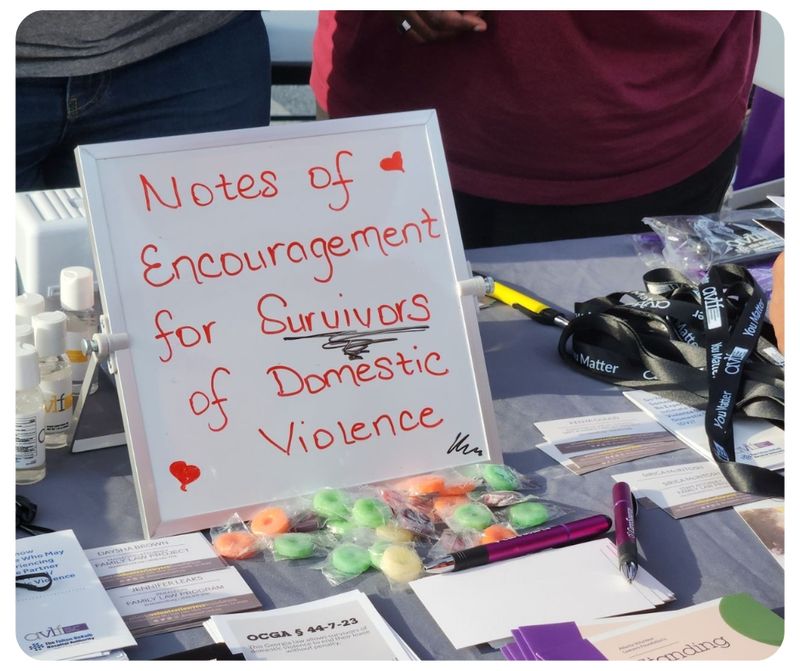
Fear should never be the price of keeping a relationship. Hitting, threats, cruel insults, and controlling behavior are reasons to consider ending contact, even when the person also has loving moments.
Before blocking or leaving, speak with a domestic violence advocate about a safety plan, since separation can increase danger. Use a safe device to seek help.
If danger is immediate, contact local emergency services when safe. You do not owe anyone a final meeting.
2. Manipulation Keeps You Doubting Yourself

Some conversations leave you questioning events you remember clearly. Repeated lies, guilt trips, and gaslighting can wear down your trust in yourself, whatever label someone uses for the person causing harm.
Focus on their behavior rather than trying to diagnose them. Ending contact can reduce chances for further manipulation.
Save relevant messages safely, tell trusted people your plan, and expect that sudden praise or promises may not mean lasting change. Watch actions, not persuasive words.
3. Family Ties Come With Ongoing Harm

Sharing a last name does not give someone unlimited access to your life. A parent, sibling, or relative who repeatedly humiliates, threatens, or controls you can cause deep harm.
If safer boundaries and reduced contact have not helped, a complete break may be worth considering. Plan for holidays, shared relatives, and pressure to make peace.
Support from a therapist or trusted friend can help you manage grief without treating guilt as proof you chose wrongly.
4. Clear Boundaries Get Ignored Again

You said not to visit without asking, yet they keep appearing at your door. A boundary means little when someone treats it as a challenge instead of a limit.
When safe, explain what you will do if the behavior continues, then follow through. You do not need endless arguments to justify your decision.
Repeated violations may call for no contact, especially when smaller steps have failed. For unwanted visits or harassment, seek local safety advice.
5. Apologies Never Lead to Change

An apology can sound perfect while the same hurt keeps happening. Real accountability includes naming the harm, respecting consequences, and changing behavior over time, not demanding instant forgiveness.
Look at the pattern instead of the latest speech. If every concern becomes your fault and every promise fades, stepping away may protect your peace.
You are allowed to stop waiting for improvement. Keep notes if helpful, and discuss your options with someone who respects your choices.
6. A Breakup Needs Room to Heal

Seeing your ex’s name light up your phone can reopen feelings you were finally settling. After a breakup, distance often makes it easier to grieve and rebuild daily routines.
Consider pausing messages, muting social updates, and asking friends not to share news. There is no magic number of days that guarantees healing.
If you share responsibilities, keep necessary exchanges brief and practical. The goal is recovery, not making your ex miss you or come back.
7. The Same Unhealthy Pattern Keeps Returning

Another reunion, another fight, another promise to start fresh. When a relationship keeps circling through the same painful stages, staying connected can make the next round easier to enter.
A clean break may interrupt that routine long enough to understand your choices. Write down what usually brings you back, such as loneliness or guilt.
Then build other ways to meet those needs. Counseling can help you practice different responses without blaming yourself for someone else’s behavior.
8. Your Confidence Shrinks Around Them

Notice who you become around this person. If you stop sharing opinions, hide harmless interests, or need permission for ordinary choices, the relationship may be wearing away your independence.
Distance can give you space to hear your own thoughts again. Start rebuilding confidence through small decisions, supportive friendships, and activities you enjoy.
No contact may help when criticism or control continues despite your efforts. Healthy closeness leaves room for your voice, preferences, and separate life.
9. Children Are Being Drawn Into the Harm

A child’s safety matters more than keeping adults comfortable. Someone who frightens children, insults them, or uses them to carry hurtful messages may need to lose access to your household.
Explain changes in simple words without asking children to take sides. Keep routines steady and seek professional support when needed.
If custody orders or parenting agreements apply, get legal advice before changing contact arrangements. A safe plan should protect children while respecting any court requirements.
10. Kindness and Cruelty Create a Trauma Bond

Missing someone who hurt you can feel confusing, but it does not mean the harm was acceptable. In abusive relationships, shifts between cruelty and kindness can create a strong attachment often called a trauma bond.
Safe distance may help weaken that pull. Work with an abuse advocate or therapist, and plan for moments when longing feels strongest.
Keep reminders of why you left somewhere private. Recovery takes patience; feeling attached is not a personal failure.
11. Substance Use Makes Contact Unsafe

Caring about someone does not require accepting dangerous behavior linked to their substance use. Threats, unsafe driving, theft, or repeated chaos can make distance necessary, even when you hope they recover.
Base your decision on safety and conduct, not the diagnosis alone. Limited contact may work for some families; others need a full break.
A counselor or family support group can help you set limits. You cannot manage another person’s recovery by sacrificing your wellbeing.
12. Friendship With an Ex Keeps Hope Alive

Friendly coffee dates can hurt when you secretly hope each one will restart the relationship. Staying close too soon may blur the breakup and keep you watching for signs of romance.
You can decline friendship for now without being cruel. Explain briefly, if safe, that you need space to move forward.
Avoid checking their dating life through mutual friends. Friendship may become possible later, but neither person owes it, and healing does not require it.
13. Every Exchange Leaves You Anxious or Foggy

Your stomach drops before every call, and afterward you cannot focus on simple tasks. That repeated reaction deserves attention, even if you cannot yet explain everything about the relationship.
Track how contact affects your sleep, mood, and concentration. A break may help you notice patterns and think more clearly.
Seek medical or mental health support if symptoms persist, since anxiety and brain fog can have other causes. Let your observations guide boundaries rather than pressure.
14. Reaching Out Would Restart a Harmful Cycle

Late at night, a familiar message can make old problems seem smaller than they were. Vulnerable moments may tempt you to reconnect before anything meaningful has changed.
Prepare a plan while you feel steady. Block or mute contact when safe, choose a friend to call, and list activities that help you ride out the urge.
If you do reply, avoid treating it as total failure. Reset your boundary and consider what support was missing then.
15. Interactions Put Your Recovery at Risk

Progress can feel harder around someone who pressures you to drink, use drugs, take risks, or hurt yourself. Protecting recovery sometimes means ending access, even when that person calls you boring or selfish.
Tell a therapist, sponsor, or trusted supporter what happens during these interactions. Make a plan for invitations, unexpected visits, and urges afterward.
If you feel at risk of harming yourself, seek urgent crisis support. Your safety matters more than proving your loyalty.
16. Respect and Care Only Flow One Way

Being someone’s permanent helper can leave little room for your own needs. When they dismiss your feelings, demand favors, and disappear whenever you need support, the imbalance can become draining.
One difficult season does not define a whole relationship. Look for a lasting pattern, and discuss it when safe.
If disrespect continues, reducing or ending contact may be reasonable. Put that energy toward people who listen, share responsibility, and accept that your needs matter equally.