
Some movies stay alive long after their first trip to theaters. Fans keep them growing through midnight screenings, favorite quotes, costumes, and memes.
While a few were hits right away, others needed years to find their crowd. Their stories show how audiences can turn unusual films into a shared part of everyday culture.
1. The Rocky Horror Picture Show (1975): A Midnight Party
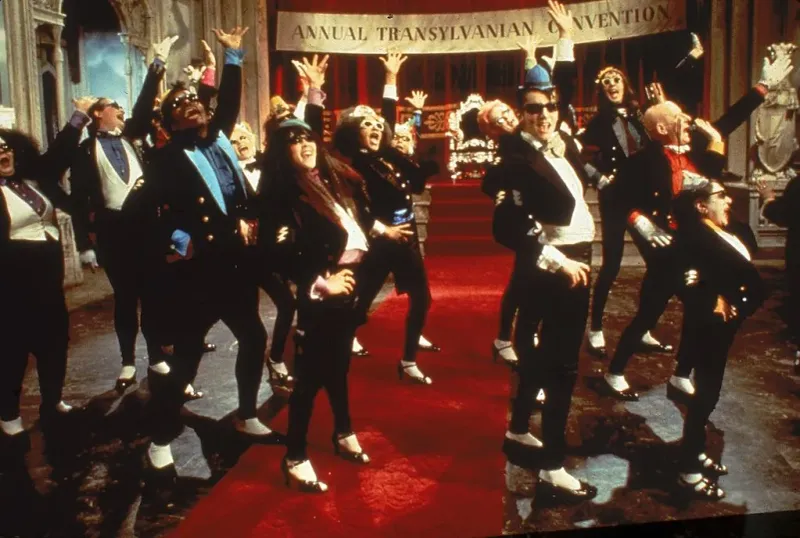
Forget sitting quietly with your popcorn. Fans turned this strange musical into a live event, shouting responses, wearing costumes, and dancing along to the Time Warp.
Its story follows a stranded couple into the home of a wildly unusual scientist. Midnight screenings helped a disappointing original release become a lasting tradition.
If you attend, check the theater’s rules first, since props and audience customs vary. The real attraction is sharing the joyful chaos with strangers.
2. The Big Lebowski (1998): The Dude Abides
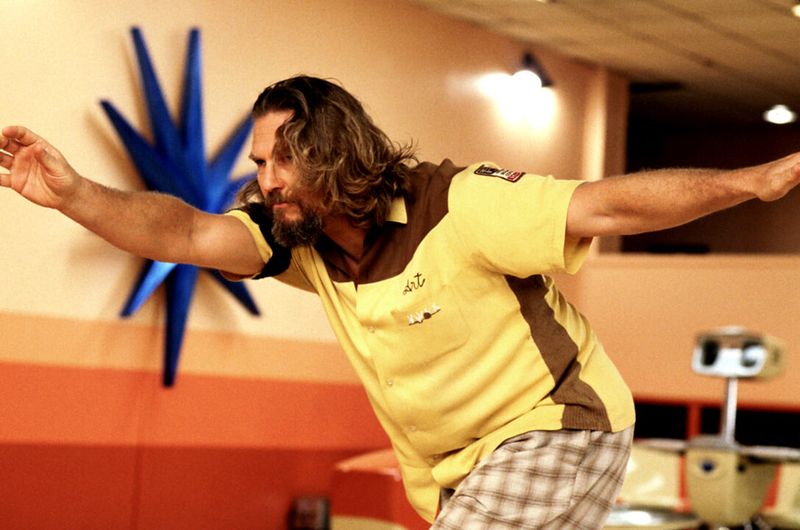
A bathrobe, a bowling lane, and one very laid back hero became an unlikely cultural package. Jeff Bridges plays the Dude, whose quiet routine collapses after criminals mistake him for another man.
The tangled mystery matters less than the odd characters and lines fans love repeating. Festivals, costumes, and Dudeism grew around that relaxed attitude.
Watch without worrying about solving every plot detail. Much of the pleasure comes from simply spending time with these memorable weirdos.
3. Heathers (1988): A Darker Side of High School
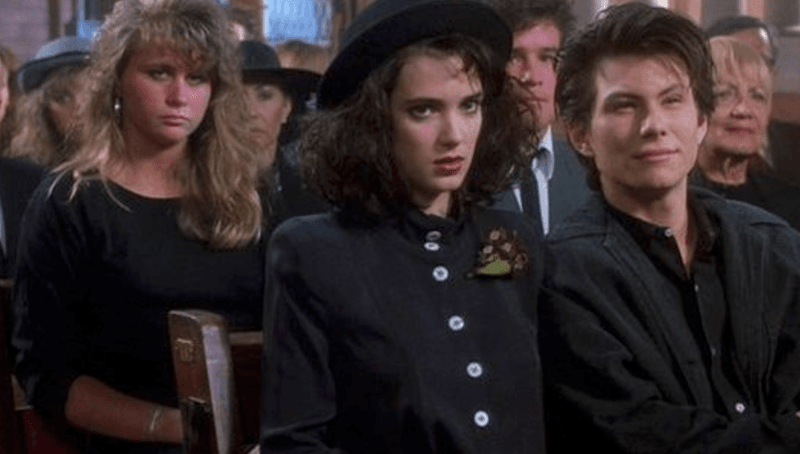
Popularity has rarely looked so poisonous. Winona Ryder and Christian Slater lead a dark comedy that takes familiar school cliques into deeply disturbing territory.
Its sharp dialogue helped shape later teen stories, while a stage musical brought the material to new audiences. Beneath the bright clothes sits a harsh look at cruelty, status, and adults who fail to listen.
Expect mature themes involving suicide and violence, not the comforting lessons of a typical school movie.
4. This Is Spinal Tap (1984): Turning Comedy Up to Eleven
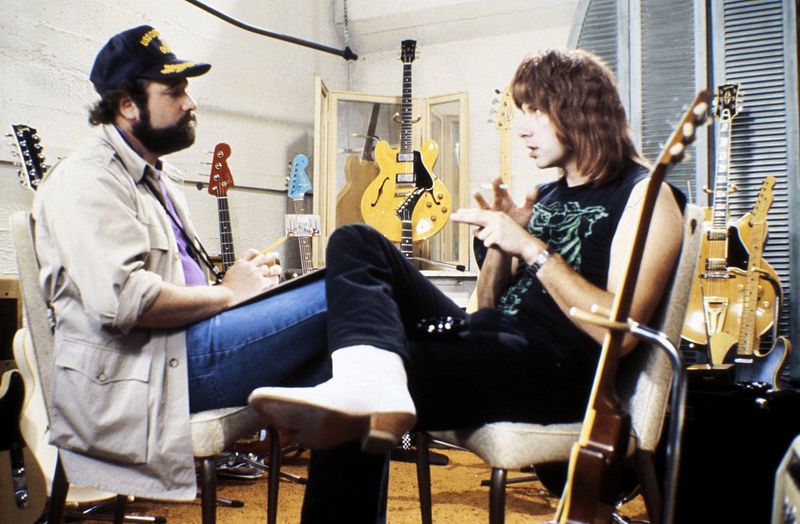
One amplifier dial explains the joke perfectly: why stop at ten when you can go to eleven? Following a fictional British rock band, this mock documentary finds comedy in giant egos and tiny disasters.
The performances feel so natural that the foolishness almost seems real. Its influence reaches music jokes, television comedies, and countless mock documentaries.
Look closely at the background details and awkward pauses. Many of the funniest moments arrive without announcing themselves loudly.
5. Pulp Fiction (1994): Stories Out of Order
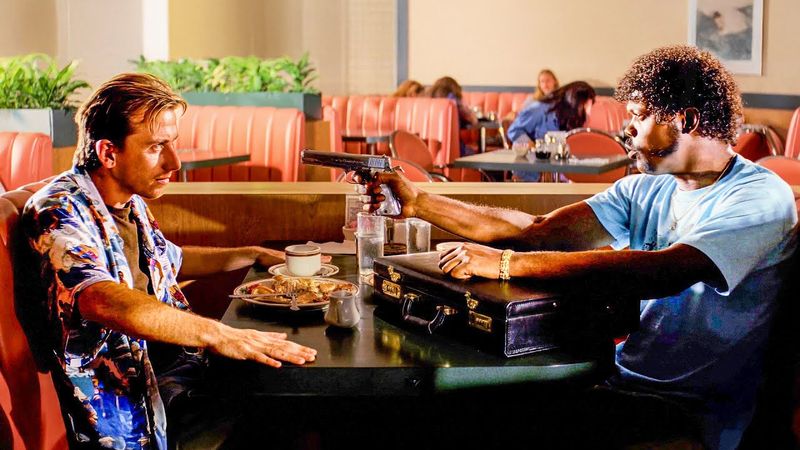
Conversations about burgers somehow became as memorable as the crime scenes. Quentin Tarantino connects hitmen, a boxer, and other troubled people through a story told outside normal time order.
Unlike many slow growing cult favorites, it earned major attention immediately, then inspired years of quotes, costumes, and film debates. Notice how ordinary talk builds tension before sudden turns.
Strong language and graphic violence make it an adult watch, despite its playful rhythm and famous dance scene.
6. The Matrix (1999): Reality Gets a Rewrite
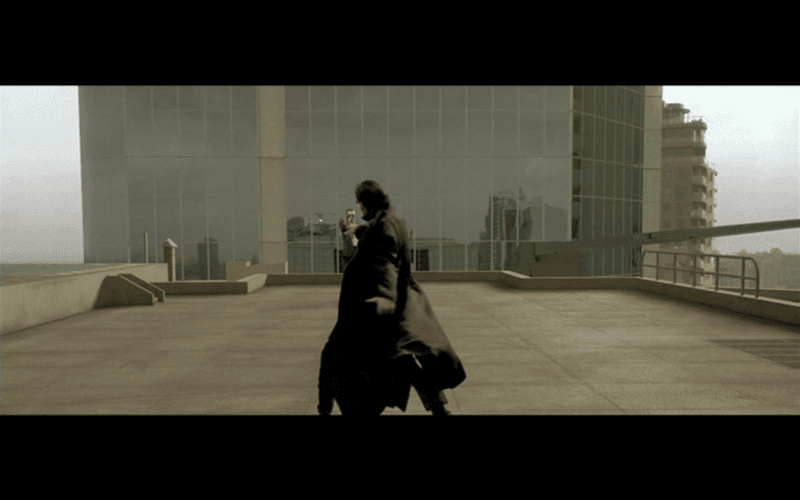
What if the world around you were a computer simulation? That unsettling idea powers an action movie whose influence stretches from slow motion battles to everyday arguments about reality.
Keanu Reeves plays Neo, a hacker offered a frightening choice about the truth. Black coats, colored pills, and bullet time became instant cultural symbols.
Watch for the blend of martial arts and philosophical questions. Its success proves that a blockbuster can inspire both cheers and long discussions.
7. Scream (1996): Horror Learns the Rules
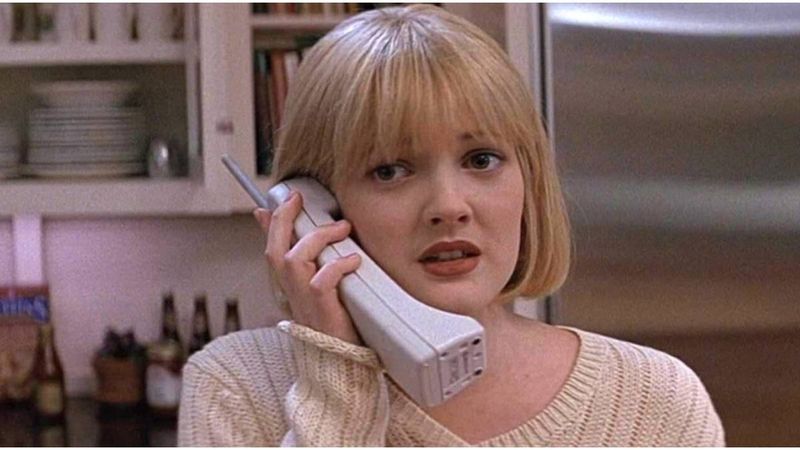
A ringing telephone suddenly felt much less harmless. Director Wes Craven mixed a masked killer story with characters who actually knew the rules of scary movies.
That clever approach helped refresh mainstream horror in the 1990s. Ghostface became a familiar Halloween costume, while the opening scene remains a frequent reference in entertainment.
Pay attention to how jokes lower your guard before suspense returns. Knowing horror traditions adds another layer, but newcomers can still follow the mystery.
8. Mean Girls (2004): Quotes That Never Graduated
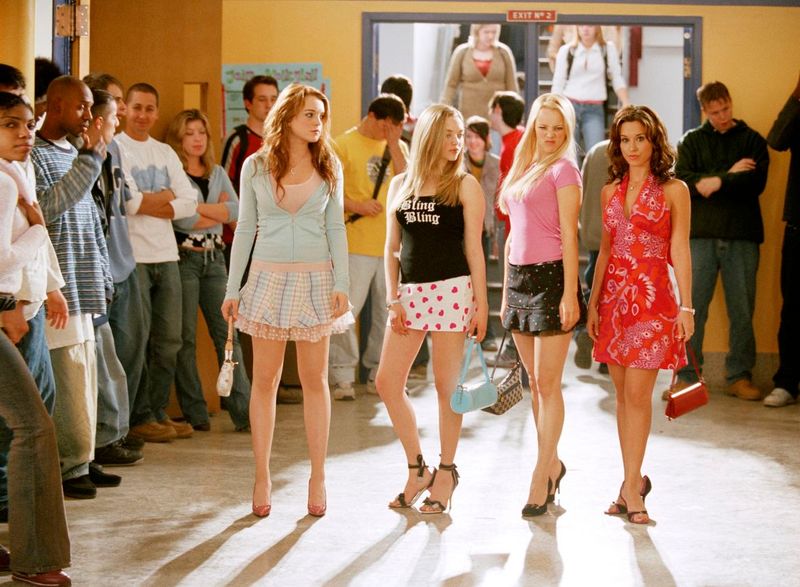
October 3 became an unofficial fan holiday because of one classroom exchange. Written by Tina Fey, this school comedy follows Cady as she enters a social world ruled by gossip and popularity.
Its quotes spread through memes, while stage and screen musical versions introduced fresh audiences. The jokes work because friendship pressure feels familiar beyond school.
Beneath the pink outfits, the story offers a useful reminder: fitting in should not require treating other people as targets.
9. Office Space (1999): Revenge of the Cubicle Crowd
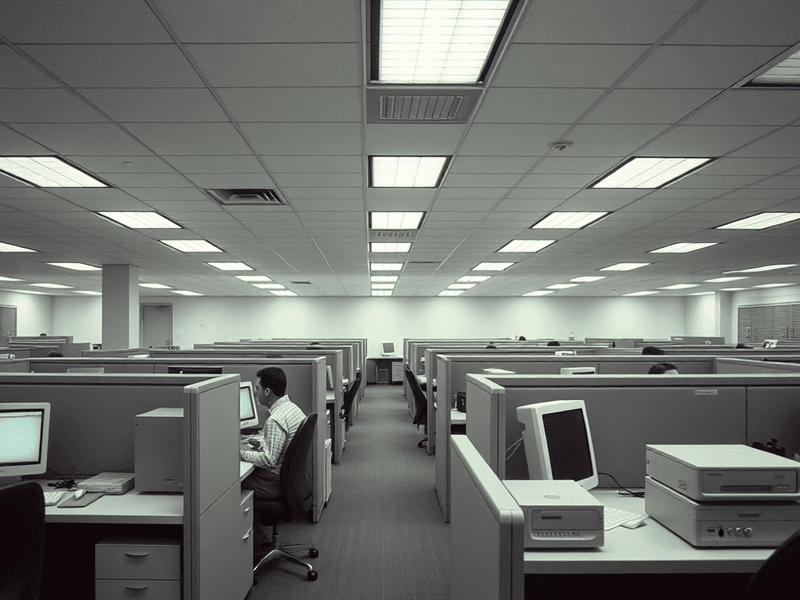
Anyone tired of pointless meetings can recognize the frustration here. Mike Judge turns office routines, annoying bosses, and printer trouble into a comedy about people who feel stuck.
A modest theatrical run gave way to a much larger following through home viewing and television. The red stapler and dreaded paperwork became workplace shorthand.
Even if you have never worked in a cubicle, the larger joke lands: people want their time and effort to mean something.
10. Donnie Darko (2001): A Rabbit With Questions
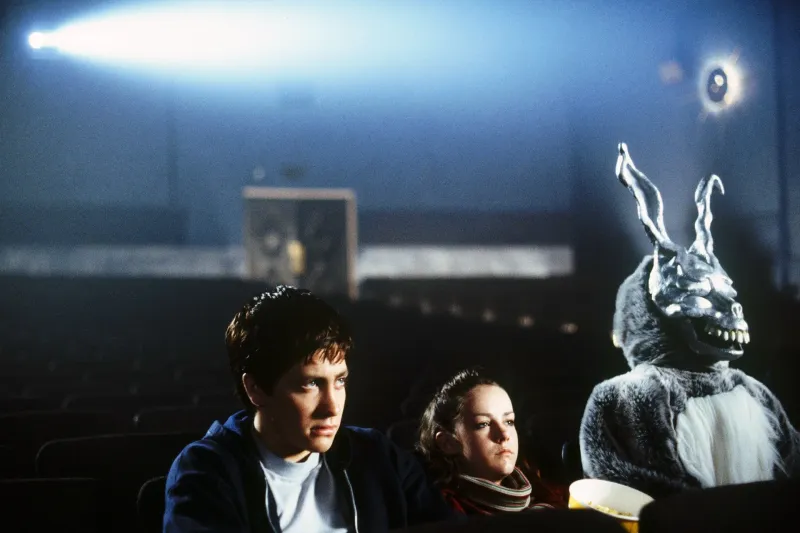
A frightening rabbit suit is only the beginning of the puzzle. Jake Gyllenhaal plays a troubled teenager whose strange experiences pull viewers toward questions about time, choice, and fate.
After a weak theatrical start, home video helped the film build a devoted audience. Its haunting mood and unusual soundtrack choices kept discussions alive.
Try watching without searching for explanations first. Letting the mystery unfold naturally makes later conversations about its clues much more rewarding for viewers.
11. Blade Runner (1982): The Future in Neon
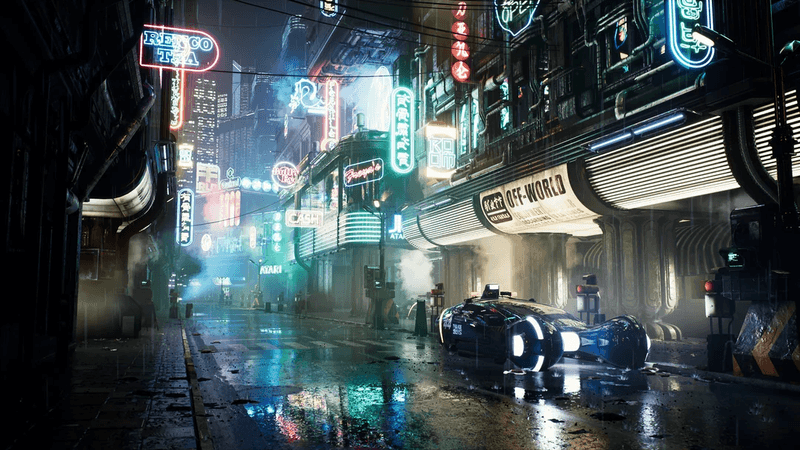
Rain, neon signs, and crowded streets made tomorrow look worn out rather than shiny. Ridley Scott’s science fiction mystery follows a hunter tracking artificial humans through a grim future city.
Early reactions were divided, but its visual style became a major influence on films, games, and design. Questions about memory and humanity give the scenery lasting weight.
Several versions exist, so check which cut you choose. The Final Cut reflects Scott’s preferred presentation of the story.
12. Fight Club (1999): More Than Its Famous Rule
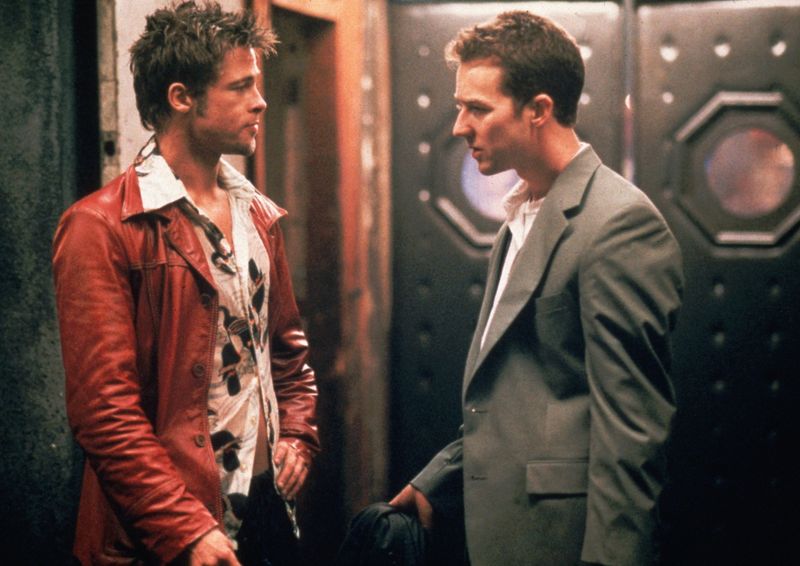
The rule about not talking became the very line everyone repeated. David Fincher’s film follows an unhappy office worker into a secret fighting group that grows into something far more dangerous.
Its twist and sharp visual style fueled repeat viewings after an initially mixed reception. However, treating its reckless characters as simple heroes misses the warning beneath the spectacle.
Watch how the film links loneliness, shopping, and anger, then question whether its promised freedom delivers anything.
13. Scarface (1983): Ambition With a Heavy Cost
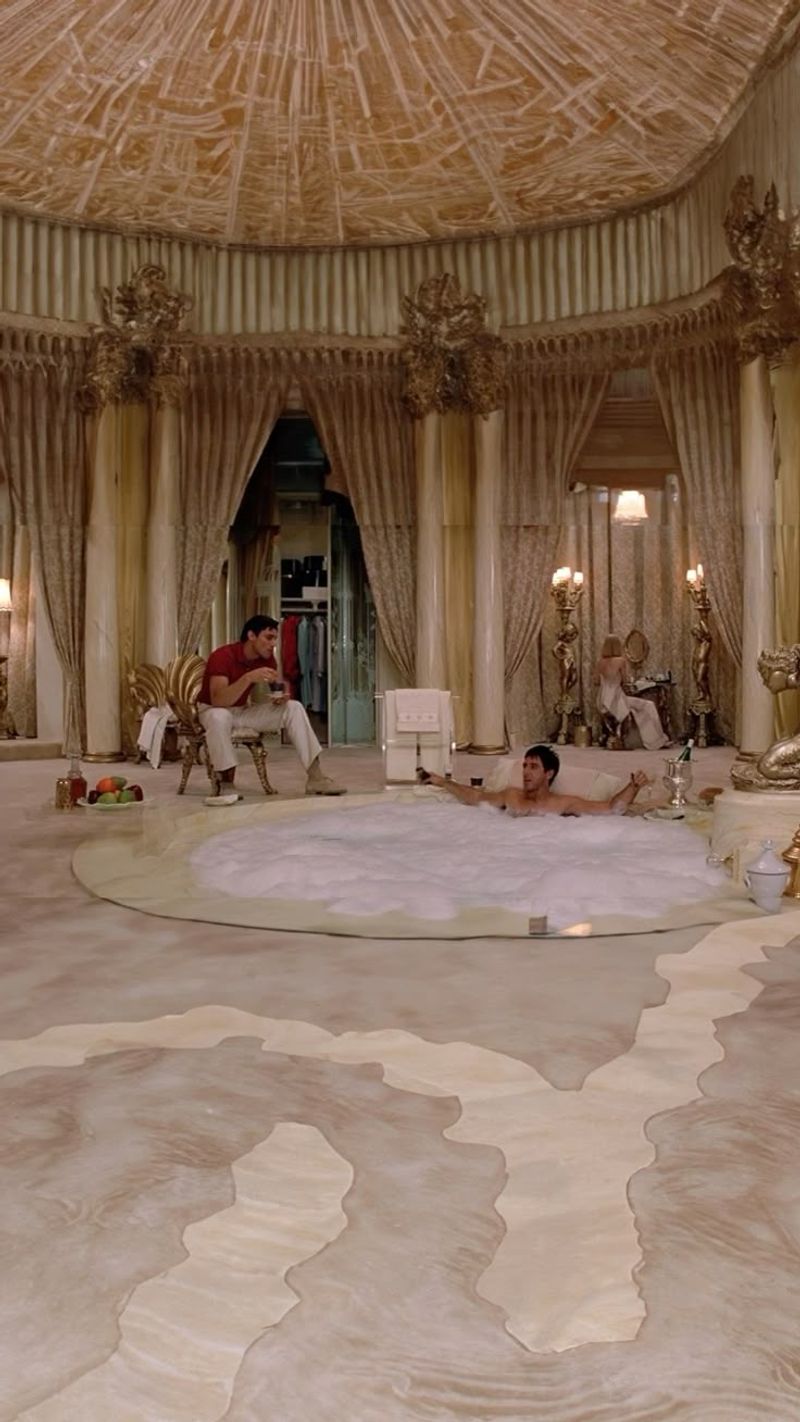
Few movie rises feel as loud or as doomed as Tony Montana’s. Al Pacino plays a Cuban immigrant whose climb through Miami’s drug trade brings wealth, fear, and growing isolation.
The film gained lasting visibility through music, posters, fashion, and games influenced by its world. Its famous mansion and fierce dialogue helped create an oversized cultural image.
Still, the story is a downfall, not a guide to success. Expect brutal violence and strong language throughout it.
14. The Terminator (1984): A Machine That Would Not Stop
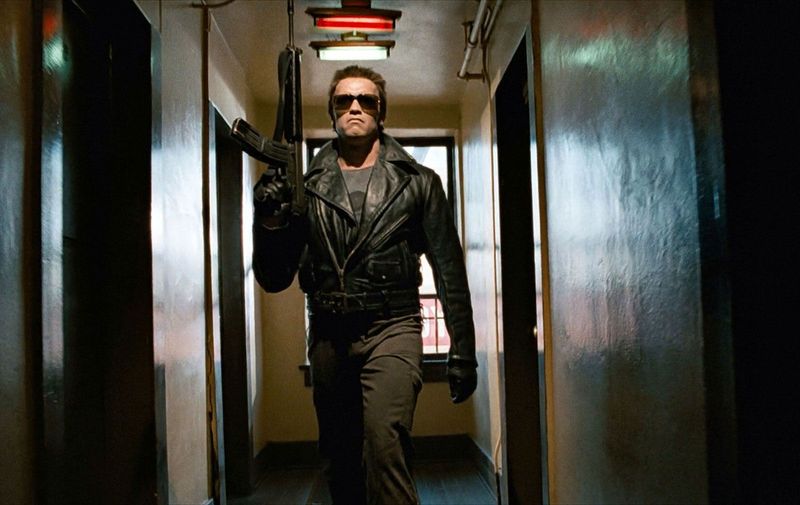
Relentless footsteps turn a simple chase into a nightmare. Arnold Schwarzenegger’s machine travels back in time to kill Sarah Connor, while a human protector races to keep her alive.
James Cameron combined science fiction with the tight suspense of a horror film. Practical effects, a pounding score, and the line ‘I’ll be back’ helped launch an enduring franchise.
Start with the original to see Sarah before her transformation, and notice how much tension comes from limited resources.
15. Mad Max (1979): Road Rage at the Edge
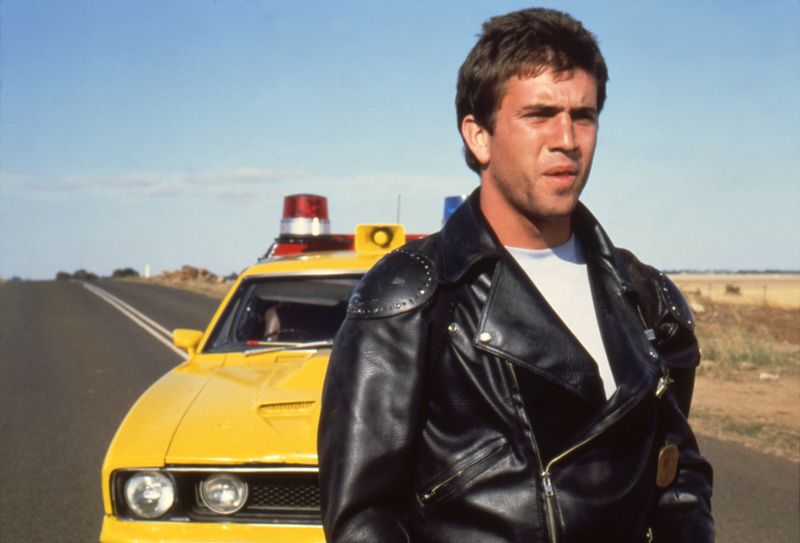
Before the giant desert battles, there was a lean Australian thriller about roads becoming dangerous territory. A young Mel Gibson plays a police officer watching society slide toward chaos.
Made on a small budget, the film used rough energy and daring vehicle work to stand out. Its success launched a series that helped shape wasteland imagery across entertainment.
Expect a world closer to ordinary life than later entries show. That familiar setting makes its breakdown especially disturbing.
16. Willy Wonka & the Chocolate Factory (1971): Sweetness With Shadows
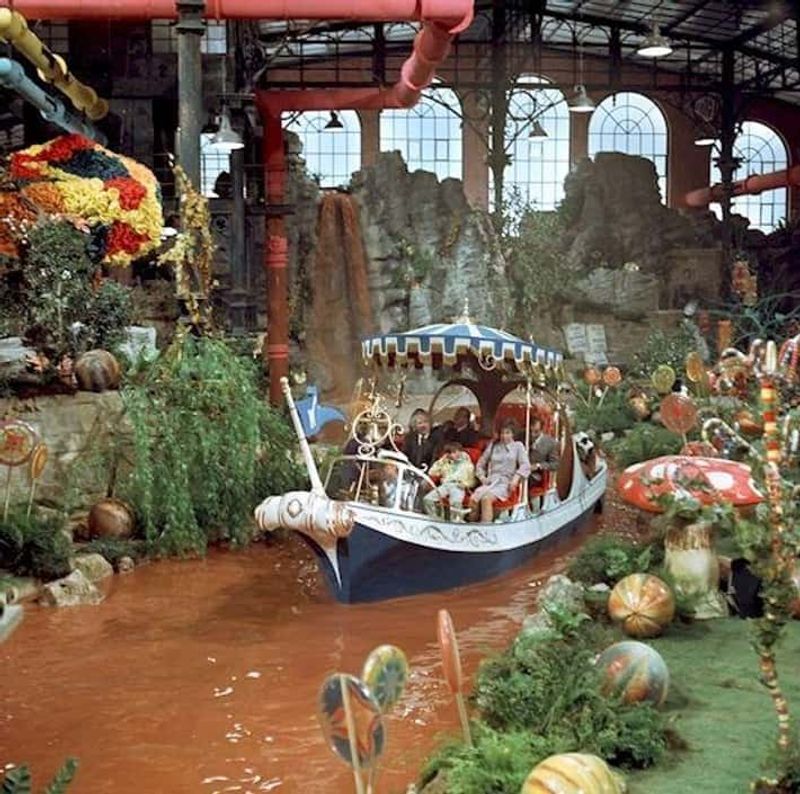
A chocolate river promises comfort, but that tunnel ride has other plans. Gene Wilder gives Willy Wonka a mix of warmth, mischief, and mystery that keeps the factory from feeling entirely safe.
Repeated television showings helped the movie become a family favorite after a modest initial run. Songs, golden tickets, and Wilder’s expressions became lasting cultural touchstones.
Families watching with younger children may want to prepare them for unsettling moments hidden among the candy and bright colors.
17. A Clockwork Orange (1971): Style That Still Disturbs
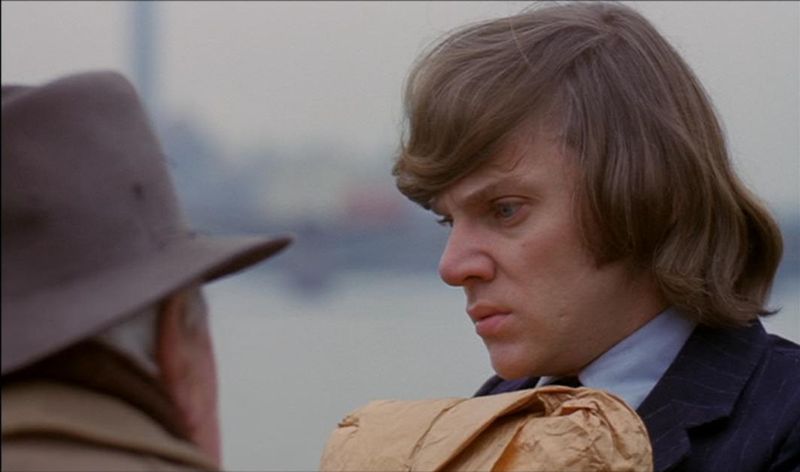
A bowler hat and one striking eyelash became an instantly recognized image. Stanley Kubrick’s disturbing film follows a violent young man subjected to a treatment designed to control his behavior.
Its bold design influenced music, fashion, and later films, even as its cruelty sparked fierce debate. The central question remains difficult: can goodness mean anything without choice?
Approach it as challenging adult cinema rather than casual entertainment. Graphic violence and sexual assault make advance content checks especially useful.