
Some movies end when the credits roll, while others start an argument that lasts for years. A bold ending, strange story, or changed hero can make the same film feel brilliant to one viewer and frustrating to another.
Audience disagreements and gaps between critics and fans show how much expectations shape our reactions. Here are films worth discussing, along with what might help you decide whether they belong on your watchlist.
1. Star Wars: The Last Jedi (2017): A Hero Fans Saw Differently

Few space adventures have sparked such fierce arguments over what a hero should become. Rian Johnson presents Luke Skywalker as a troubled legend, a choice some fans found moving and others felt betrayed his earlier journey.
Critics largely praised the film, but audience reactions were much more divided. Watch with an open mind about failure and change.
Your enjoyment may depend on whether you wanted familiar comfort or a challenge to the saga’s old rules.
2. It Comes at Night (2017): Fear Without Easy Answers
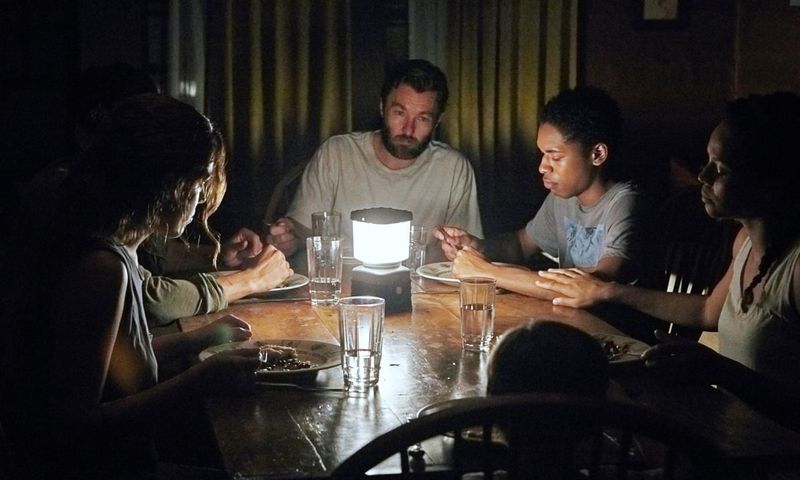
Expect a monster chase, and you may leave feeling tricked. Trey Edward Shults builds this survival story around two families, a spreading illness, and the fear of trusting strangers.
Its advertising suggested a more familiar horror experience, which helped fuel disappointment. Admirers value the tense mood and painful choices instead.
Treat the title as a warning about human fear rather than a promise of creatures, and the quiet dread becomes easier to appreciate while watching.
3. The Lighthouse (2019): Two Men, Endless Unease

Salt, sweat, and angry seabirds make this an unusually grim trip to the coast. Robert Pattinson and Willem Dafoe play lighthouse keepers whose isolation slowly twists into a battle of wills.
Fans celebrate the performances, eerie images, and strange humor. Others struggle with the old speech, harsh mood, and unclear events.
Choose it when you want atmosphere over answers. Subtitles can help with the dialogue, especially as arguments grow louder and reality starts slipping away.
4. Under the Skin (2013): An Alien View of Humanity

A familiar face becomes deeply unfamiliar as Scarlett Johansson plays an alien moving through Scotland. Rather than explaining her mission with clear dialogue, Jonathan Glazer relies on images, sound, and unsettling encounters.
Supporters find a haunting look at bodies, loneliness, and human behavior. Detractors see a slow puzzle that withholds too much.
Give the opening time to establish its rhythm. Watching without distractions helps, since small gestures often carry more meaning than spoken explanations do.
5. The Master (2012): Powerful Acting, Unsettled Feelings

Two magnetic performances can hold your attention even when the story refuses to settle down. Joaquin Phoenix plays a troubled veteran drawn toward a charismatic leader portrayed by Philip Seymour Hoffman.
Paul Thomas Anderson focuses on their shifting bond rather than offering a neat explanation of belief or control. Some viewers love that emotional mystery; others want a clearer destination.
Follow the power changes between the men instead of expecting every question to be answered.
6. mother! (2017): A House That Becomes a Nightmare

Imagine hosting guests who ignore every boundary, then watching that nightmare grow beyond reason. Jennifer Lawrence anchors Darren Aronofsky’s feverish story about a woman whose home is overwhelmed by strangers.
Its religious and environmental symbols thrill viewers who enjoy bold interpretations. Others find the violence and message exhausting or blunt.
Check content warnings before watching, especially for disturbing material involving a baby. Approaching it as an escalating nightmare makes more sense than expecting realistic behavior.
7. Joker (2019): Sympathy Meets Discomfort
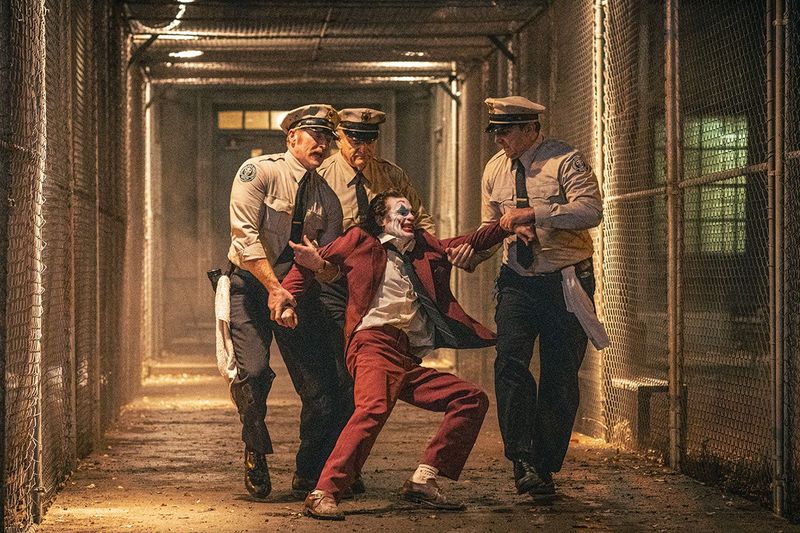
The clown makeup is familiar, but the mood is closer to a bleak character drama than a superhero adventure. Joaquin Phoenix follows Arthur Fleck’s slide toward violence in a city marked by neglect.
Many viewers admire the performance and social themes. Others question how the film frames suffering, mental illness, and responsibility.
Notice the difference between understanding a character and approving of his actions. That distinction can make discussions afterward more thoughtful and less heated.
8. The Tree of Life (2011): Family Memories on a Cosmic Scale
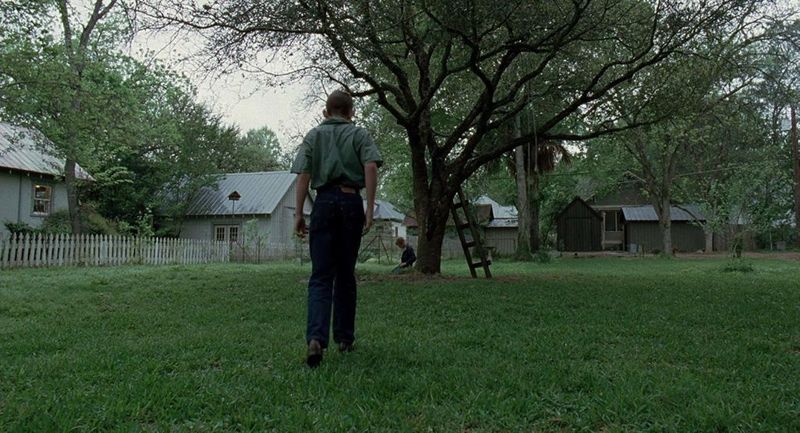
A childhood memory can sit beside the birth of the universe in Terrence Malick’s sweeping drama. The film moves between a Texas family, grief, nature, and questions about existence.
Its Cannes premiere drew sharply different reactions, yet it won the Palme d’Or. Admirers call its images deeply moving; critics of the style find it distant or self-important.
Watch when you have patience for quiet reflection. Letting scenes feel like memories may work better than tracking plot.
9. Prometheus (2012): Big Questions, Risky Decisions
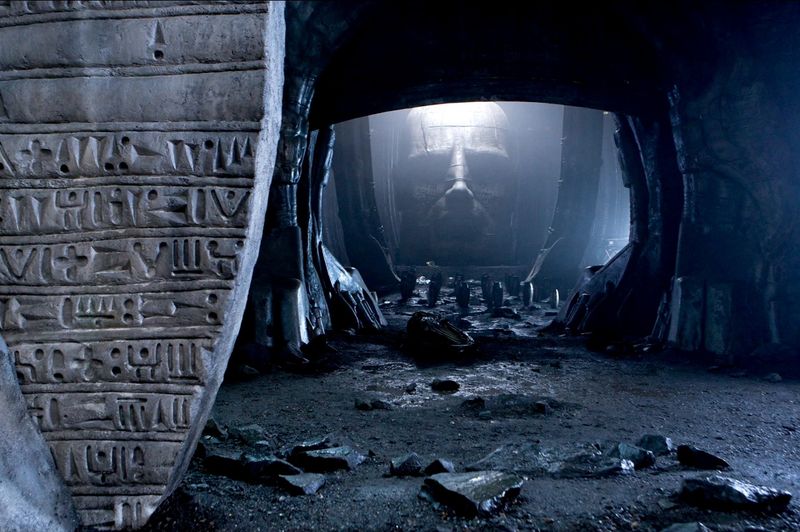
Searching for humanity’s makers sounds grand until the expedition starts making dangerous choices. Ridley Scott returns to the Alien universe with striking designs, ancient mysteries, and a crew facing forces it barely understands.
Some fans enjoy the ambitious questions about creation and faith. Others cannot overlook shaky decisions or unresolved clues.
Expect science fiction with horror elements rather than another Alien. Keeping those expectations separate may help you appreciate the atmosphere while still questioning the script.
10. Watchmen (2009): Heroes Without a Clean Moral Line
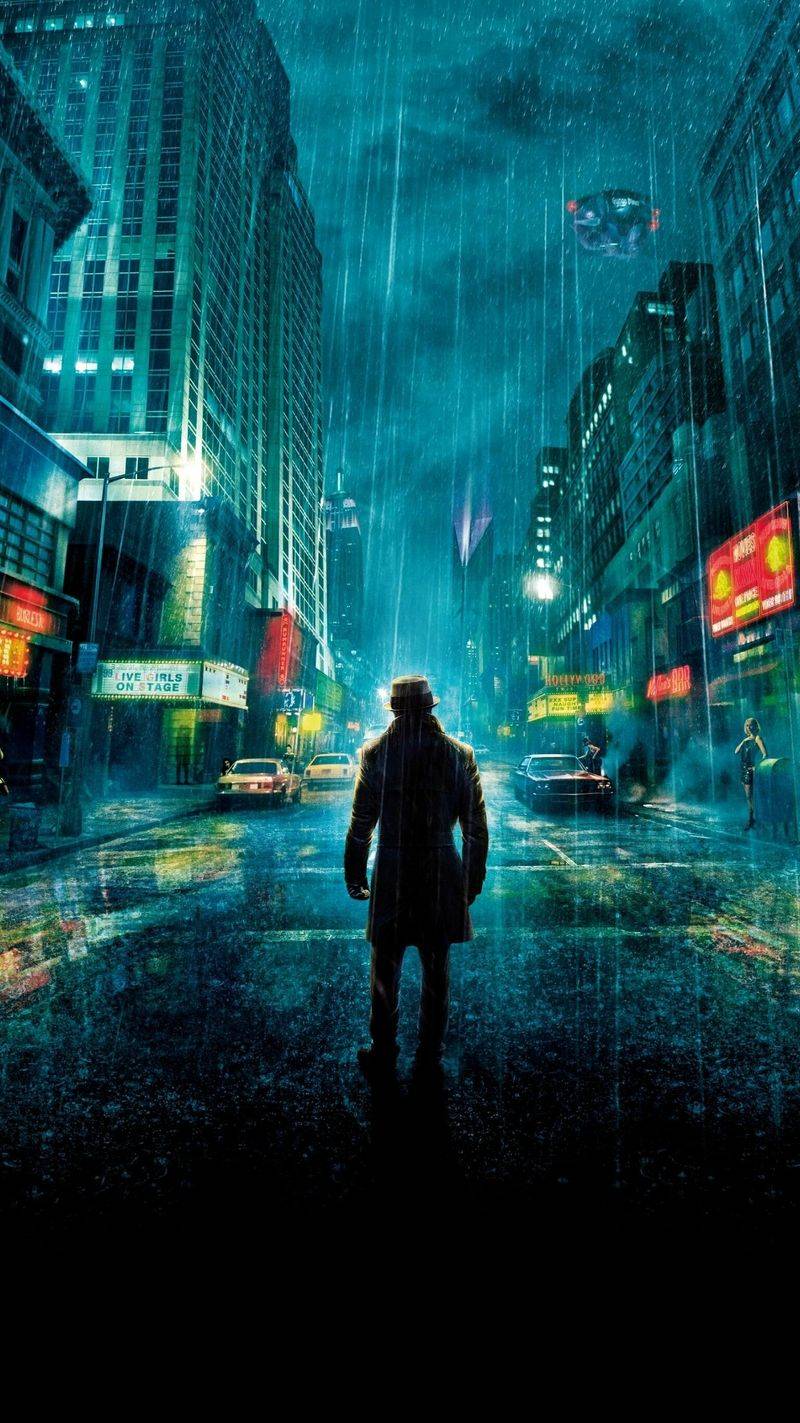
Capes offer little comfort when the people wearing them are damaged, ruthless, or deeply confused. Zack Snyder adapts a famous graphic novel into a dark mystery set against fears of nuclear war.
Fans praise its visual detail and challenge to superhero ideals. Other viewers find the long story crowded or its violence distracting.
Remember that these characters are not simple role models. Choosing the theatrical or extended version also matters, since longer cuts add substantial context.
11. Batman v Superman: Dawn of Justice (2016): Icons at Odds
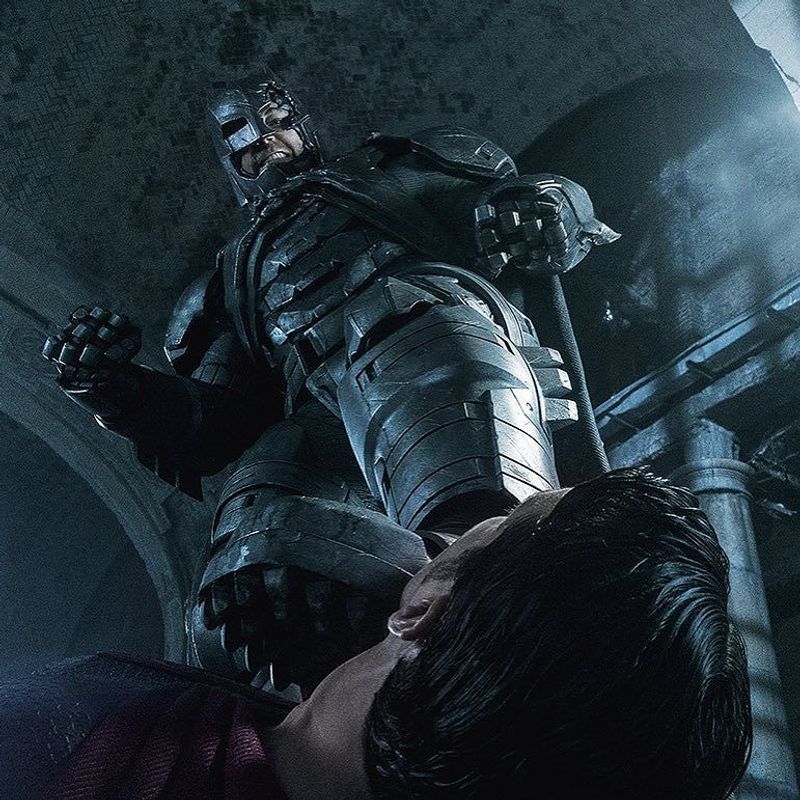
Watching two famous heroes clash should be an easy crowd pleaser, yet the serious tone changed the bargain. Political fears, personal grief, and plans for future films compete for attention.
Critics often faulted the crowded plot, while devoted fans defended its imagery and weighty themes. The longer Ultimate Edition restores story details that some viewers find helpful.
Try that version if clarity matters to you, but expect a gloomy conflict rather than a light superhero outing.
12. Venom (2018): A Messy Monster Double Act
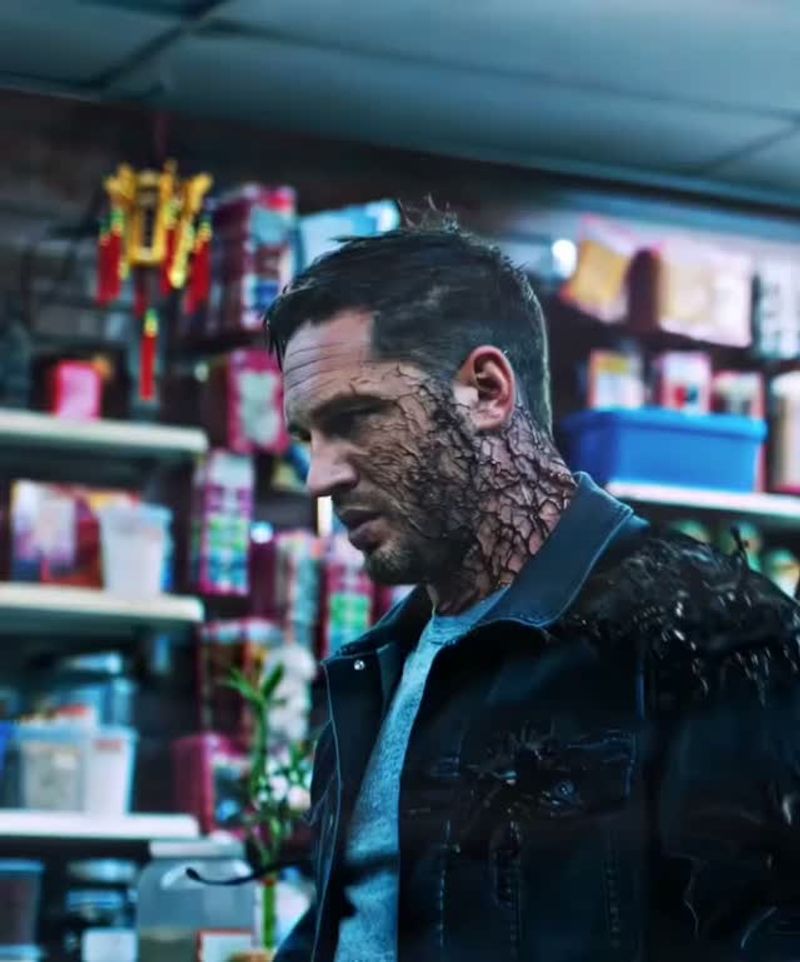
An alien roommate with terrible manners turns a superhero origin story into an odd comedy. Tom Hardy plays Eddie Brock, whose bond with a hungry creature creates arguments, action, and unexpected laughs.
Reviewers frequently criticized the uneven tone and familiar plotting. Many moviegoers simply enjoyed the strange partnership at its center.
If polished storytelling is your priority, frustration may follow. If bickering buddies and silly monster chaos sound fun, the same rough edges might become part of the appeal.
13. Justice League (2017): A Team-Up Pulled in Different Directions
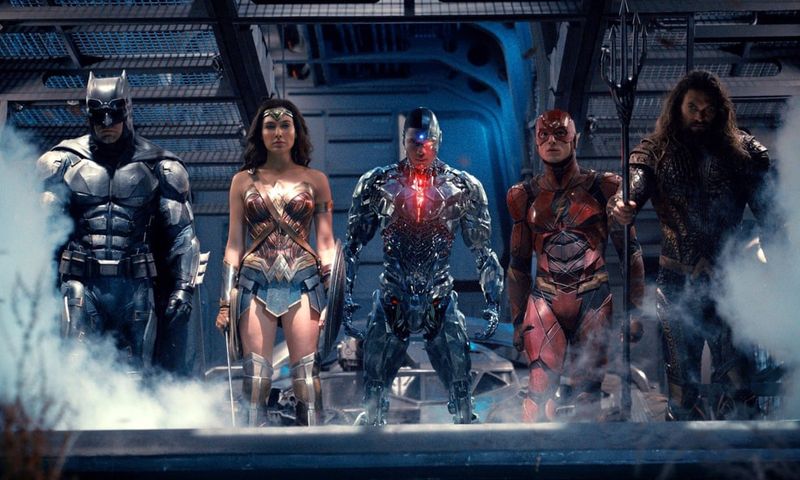
Bringing famous heroes together created excitement before anyone saw the finished film. Behind the scenes, a difficult production and a change in directors helped produce a mix of darker scenes and lighter jokes.
Some audiences welcomed the teamwork and shorter adventure. Others felt the tone, villain, and effects lacked unity.
Be sure which version you are choosing: the 2017 release differs greatly from Zack Snyder’s 2021 cut. Comparing them shows how editing can reshape an entire movie.
14. The Whale (2022): An Emotional Performance Under Debate
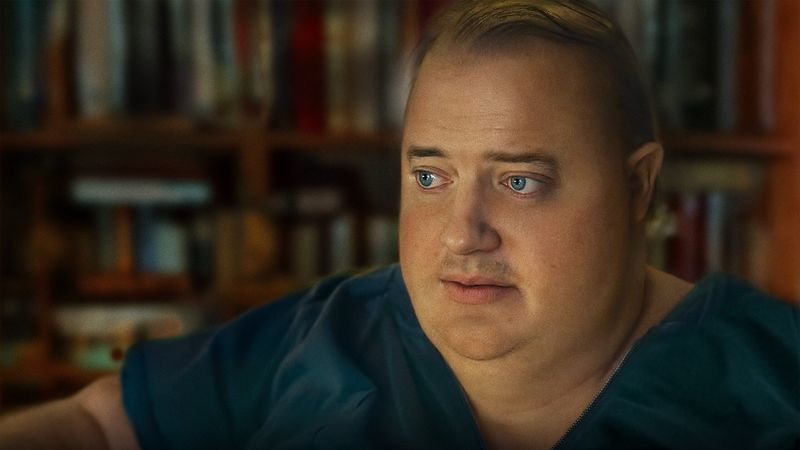
Brendan Fraser’s return to a major leading role gave this small apartment drama unusual emotional weight. He plays Charlie, a teacher trying to reconnect with his daughter while facing serious health problems.
His performance won an Oscar, but reactions to the film remained divided. Some found compassion and heartbreak; others criticized its portrayal of body size and its forceful emotional turns.
Consider content warnings for eating disorders and family conflict before deciding whether to watch it.
15. Blonde (2022): A Star’s Life Reimagined as Horror
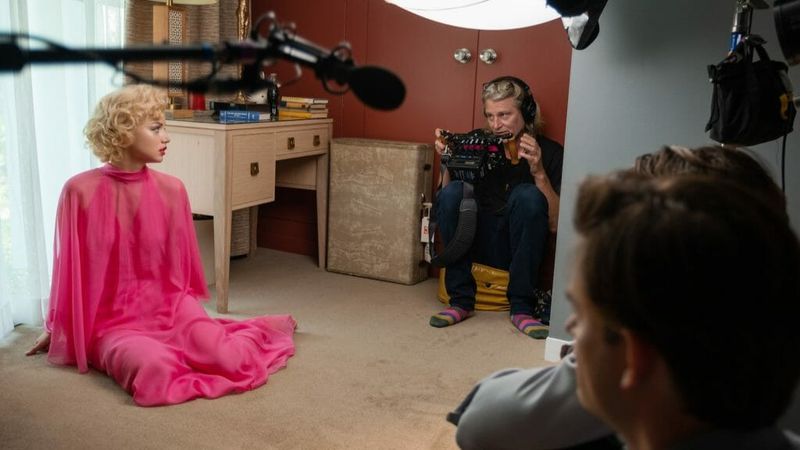
Hollywood glamour turns frightening in Andrew Dominik’s fictionalized portrait of Marilyn Monroe. Ana de Armas earned an Oscar nomination, but the film’s harsh treatment of suffering drew fierce criticism alongside praise for its craft.
Because it adapts a novel, it should not be treated as a reliable biography. Its shifting images and imagined scenes aim for nightmare rather than history.
Read about the explicit content beforehand, and seek factual sources if Monroe’s actual life interests you.
16. Anora (2024): A Fairy Tale Takes a Sharp Turn
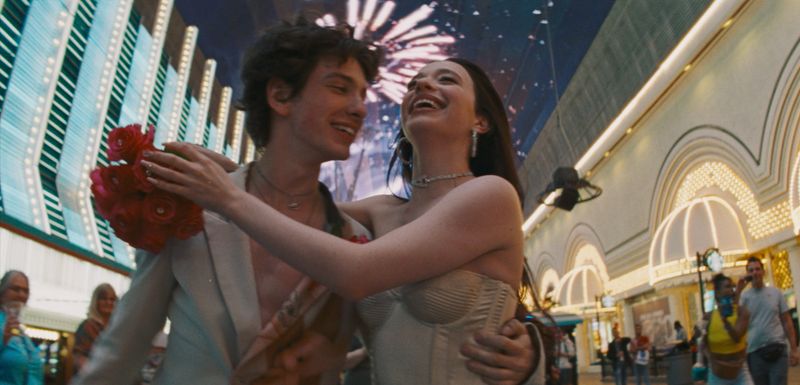
A whirlwind romance promises an escape, then reality barges through the door. Sean Baker follows a young Brooklyn sex worker whose relationship with a wealthy Russian man’s son becomes far more complicated than expected.
The Best Picture winner mixes humor, panic, and hurt. Admirers love its sudden shifts, while some viewers find those changes jarring or its characters hard to connect with.
Avoid detailed plot summaries beforehand. The changing mood is central to how the story lands.
17. Kinds of Kindness (2024): Three Stories That Refuse Comfort
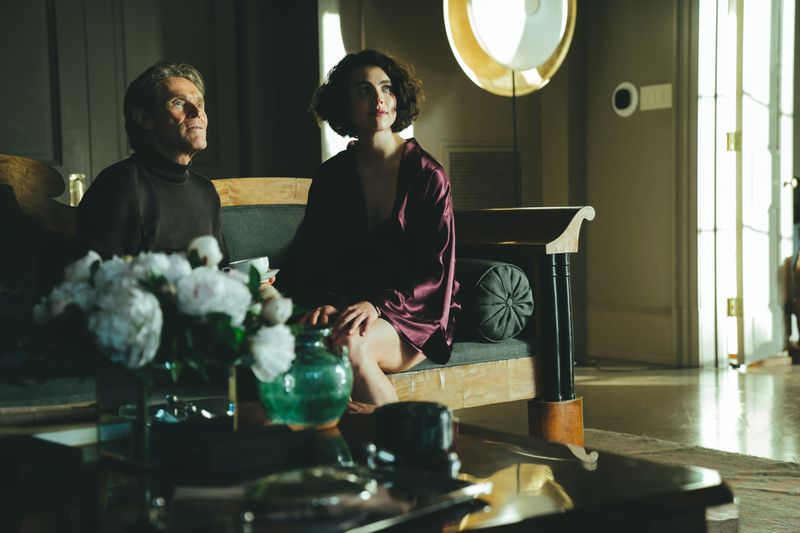
Comfort is not on the menu in this strange collection from Yorgos Lanthimos. Familiar actors return as different characters across three stories about control, belief, dependence, and troubling demands.
Jesse Plemons won the acting prize at Cannes, yet strong performances did not make the experience welcoming for everyone. Fans enjoy the dark jokes and uneasy puzzles; others find the cruelty numbing.
Treat each segment as a separate tale, and check warnings for graphic and sexual content.
18. The Room (2003): When Failure Becomes the Attraction
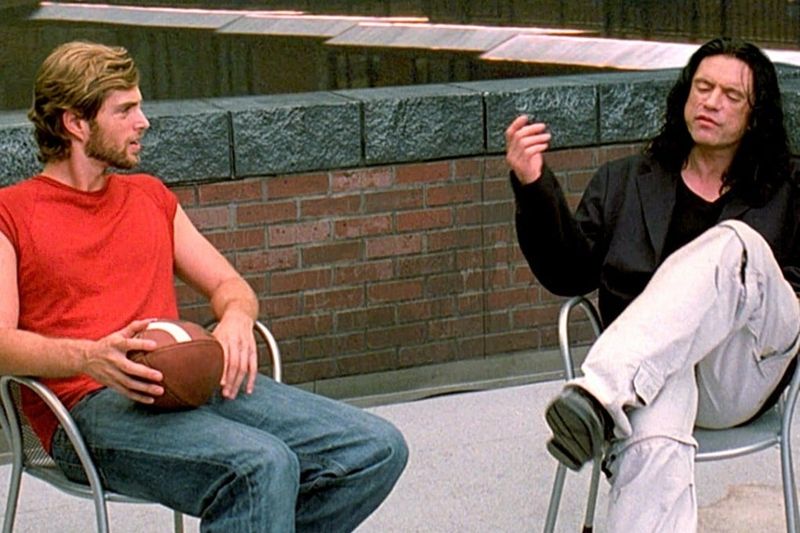
Plastic spoons and shouted lines have become part of the legend surrounding Tommy Wiseau’s relationship drama. Its awkward dialogue, strange choices, and loose plot helped turn a poorly received release into a cult event.
Devoted crowds enjoy the mistakes together, while newcomers may simply see bad filmmaking. The divide depends partly on how you watch.
A respectful public screening can reveal the shared joke, but follow venue rules and avoid copying audience rituals during ordinary screenings.
19. Spring Breakers (2012): Party Colors, Dark Undercurrents

Bright swimsuits and beach parties hide a much uglier trip in Harmony Korine’s crime film. Four friends chase excitement in Florida, where freedom becomes tangled with money, danger, and a flashy criminal.
Supporters see sharp commentary on empty dreams and pop culture. Detractors think the movie repeats the very images it claims to question.
Pay attention to repeated lines, music, and color. Those patterns carry much of the meaning, even when the plot seems thin or circular.
20. Crash (2004): A Best Picture Winner Still Argued Over
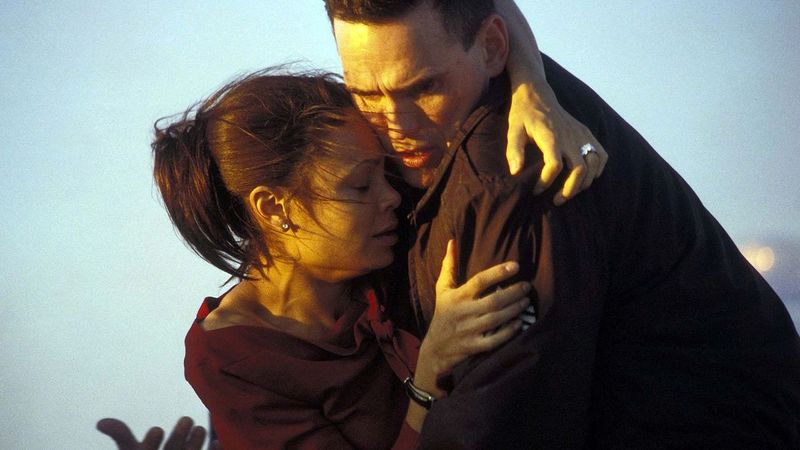
Winning Best Picture did not settle the argument around Paul Haggis’s linked stories of prejudice in Los Angeles. Characters cross paths through clashes and coincidences designed to expose fear, cruelty, and unexpected acts of care.
Some viewers find the connections moving and its message useful. Others think the moral lessons are too neat and the racial portrayals too broad.
Discuss whose viewpoint gets sympathy and whose gets limited attention. That question opens a richer conversation than ranking its ending.