
Most of us think the food in our cupboards will last forever. The truth is that many pantry staples lose flavor, go stale, or even spoil much sooner than we think.
Knowing which items to watch can save you money and keep your meals tasting great. Let’s look at the everyday foods that need a little more attention than you might expect.
1. Whole Wheat Flour
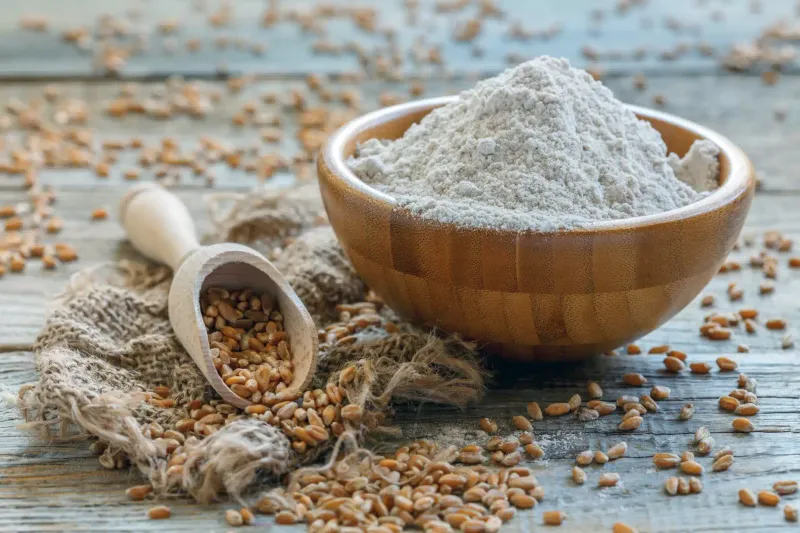
Bakers love the nutty taste of whole wheat flour, but that flavor comes with a catch. The flour keeps the natural oils from the wheat germ, and those oils can turn rancid in just a few months.
Give it a sniff before baking. A bitter or sour smell means it is past its best.
To make it last longer, store it in an airtight container in the fridge or freezer. It can stay fresh for up to a year that way.
2. Brown Rice
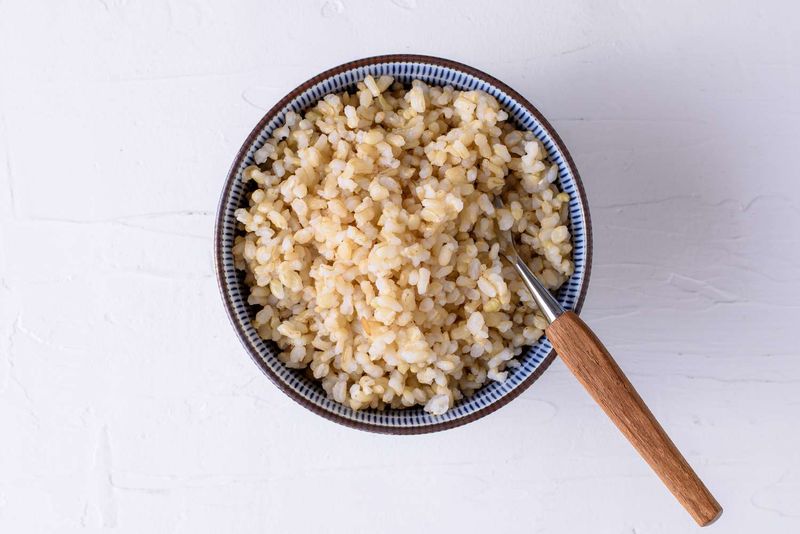
White rice can sit on a shelf for years, so it is easy to assume brown rice works the same way. Sadly, it does not.
Brown rice still has its outer bran layer, which holds healthy oils. Those oils can spoil in about six months at room temperature.
You might notice an odd, stale smell or a greasy feel.
Buy smaller bags if you only cook it now and then, and keep extras in the freezer.
3. Nuts
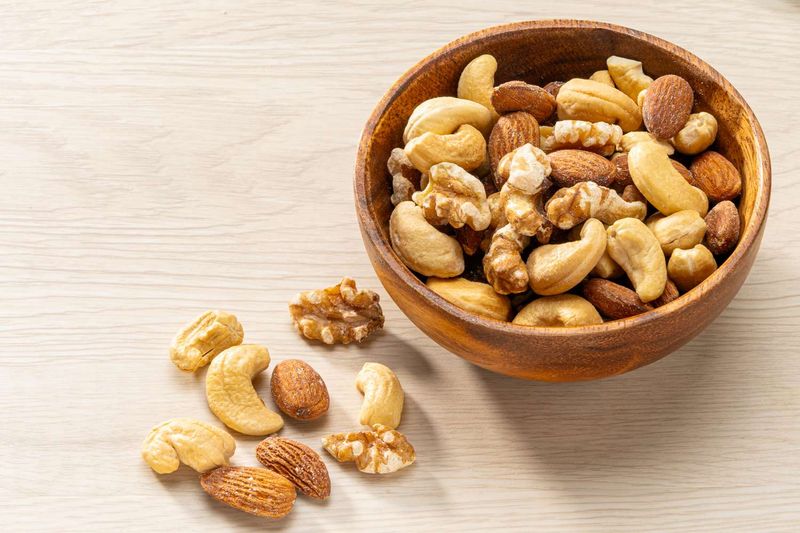
Picture this: you grab a handful of walnuts for a snack, and they taste like old paint. Yuck!
That sharp flavor is a sign the nuts have gone rancid.
Nuts are packed with fats, which makes them tasty and healthy but also quick to spoil. Walnuts and pecans are the fastest to turn.
Keep them in sealed jars in the fridge, where they can stay fresh for several months instead of just a few weeks.
4. Olive Oil
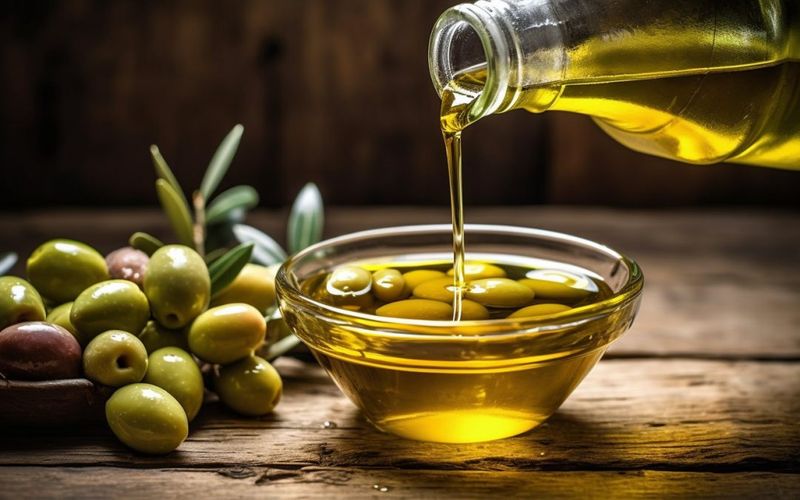
Did you know that light is one of olive oil’s biggest enemies? Leaving a bottle next to a sunny window or the stove can make it go stale much faster.
Most olive oil tastes best within a few months of opening. After that, it can lose its fruity flavor and start to smell like crayons.
Store it in a cool, dark cupboard and pick bottles made of dark glass or tin for extra protection.
5. Ground Spices
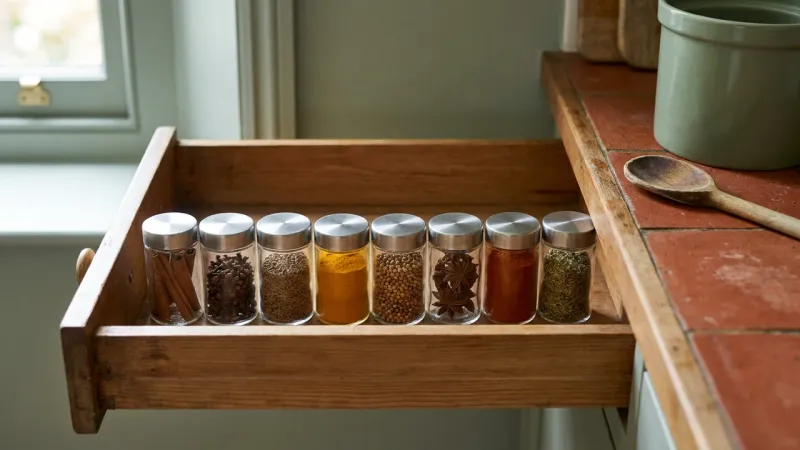
Grandma’s paprika from ten years ago probably won’t make you sick, but it won’t add much flavor either. Ground spices lose their punch over time.
Most powders stay at their best for about six months to a year. A quick test helps: rub a pinch between your fingers and smell it.
Weak scent means weak taste.
Buy whole spices when you can, since they last longer, and grind them as needed for bold, fresh flavor.
6. Baking Powder
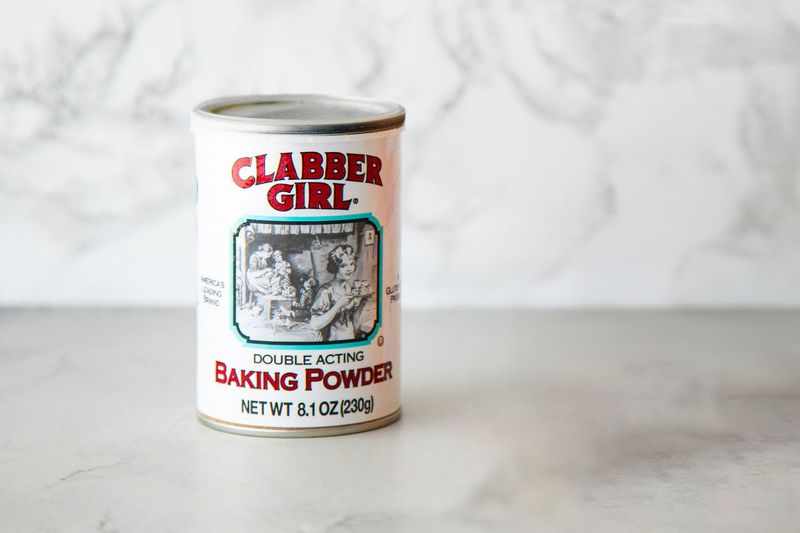
Flat pancakes and sad, dense muffins are often the work of tired baking powder. Once the can is opened, moisture in the air slowly weakens it.
Here’s an easy trick to check it. Drop a teaspoon into a little hot water.
If it fizzes and bubbles, you’re good to go.
No bubbles? Time to buy a new can.
Most opened baking powder works well for about six months, so write the date on the lid.
7. Baking Soda
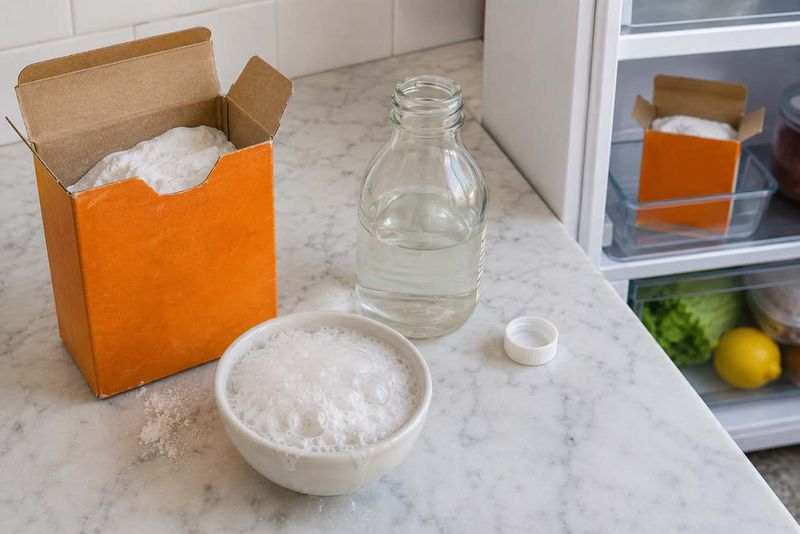
Lots of people keep a box of baking soda in the fridge to soak up smells. That same talent for absorbing odors and moisture can make your baking box lose power.
For the best rise in cookies and cakes, use opened baking soda within about six months.
Test it by adding a splash of vinegar. A strong fizz means it still works.
A weak one means it’s ready to retire to cleaning duty instead.
8. Yeast
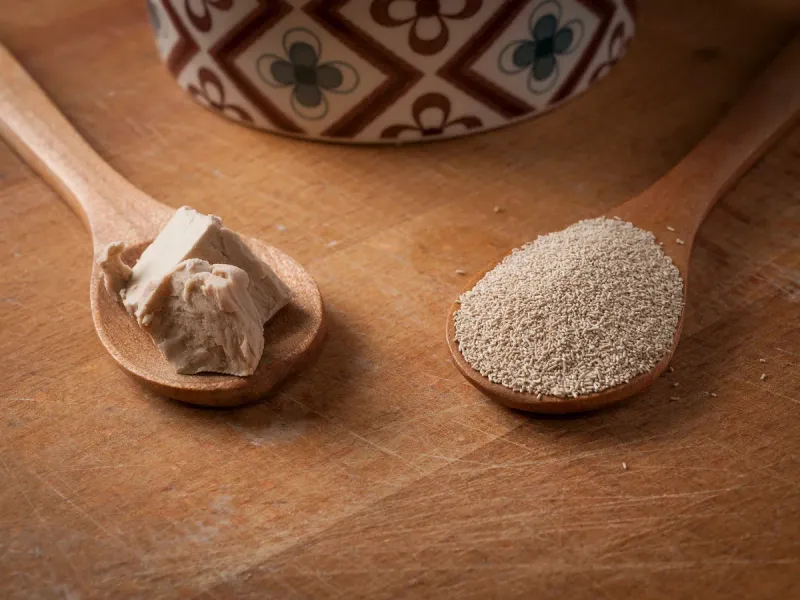
Yeast is alive, which explains why it doesn’t last forever. Those tiny living cells slowly die off, especially after the packet is opened.
Nothing is more frustrating than waiting hours for bread dough that never rises. Proof your yeast first by mixing it with warm water and a pinch of sugar.
Foam in ten minutes means it’s active.
Store opened yeast in a sealed jar in the fridge or freezer to keep it lively.
9. Breakfast Cereal
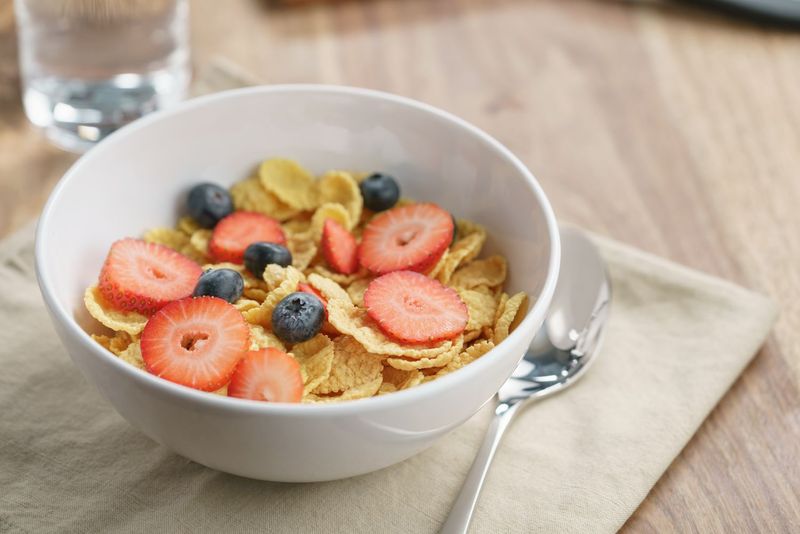
There’s something sad about pouring a bowl of cereal and hearing no crunch at all. Once a box is opened, cereal can go stale in just a few weeks.
Air and humidity soften the flakes, and cereals with nuts or seeds may even turn rancid.
Roll the inner bag tightly and clip it shut after every use. Better yet, pour cereal into an airtight container to keep that satisfying crunch around longer.
10. Crackers and Chips
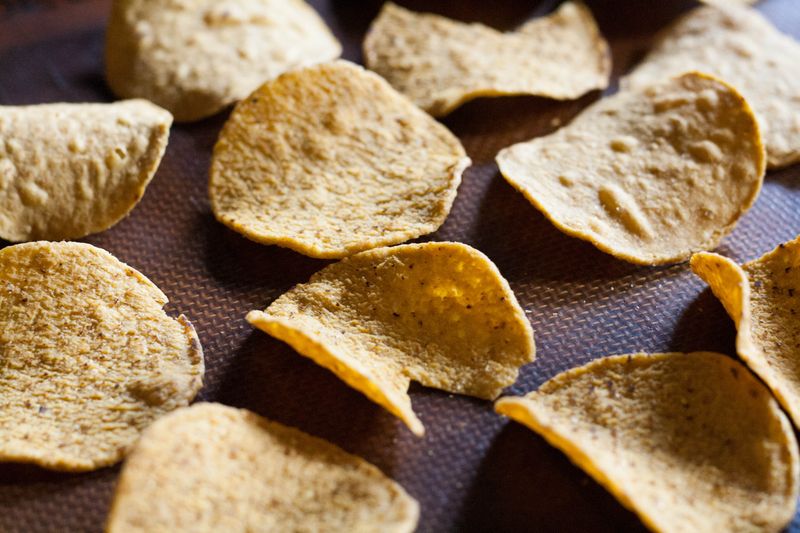
Movie night snacks have a shorter life than you might think. Crackers and chips start losing crispness within days of opening, especially in humid weather.
Many also contain oils that can go rancid, giving them a strange, cardboard-like taste.
A good habit is to use chip clips or zip bags right away. Fun fact: if crackers get soft, a few minutes in a warm oven can often bring back their crunch.
11. Maple Syrup
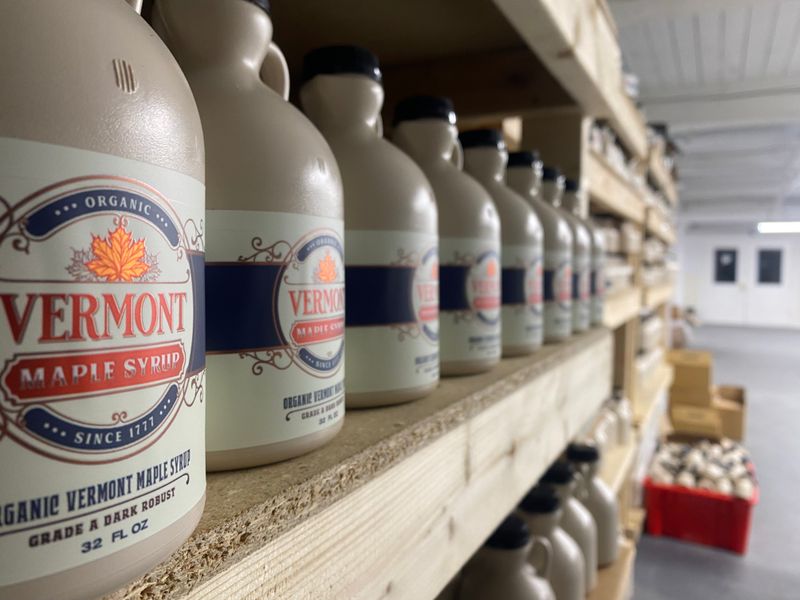
Real maple syrup feels like a treat that should last forever. Once opened, though, it can actually grow mold if left in the cupboard.
Pure maple syrup has no preservatives, unlike cheaper pancake syrups. That makes it a target for fuzzy growth on top.
After opening, keep it in the fridge, where it stays good for about a year. Unopened bottles are fine in the pantry until you’re ready to enjoy them.
12. Peanut Butter
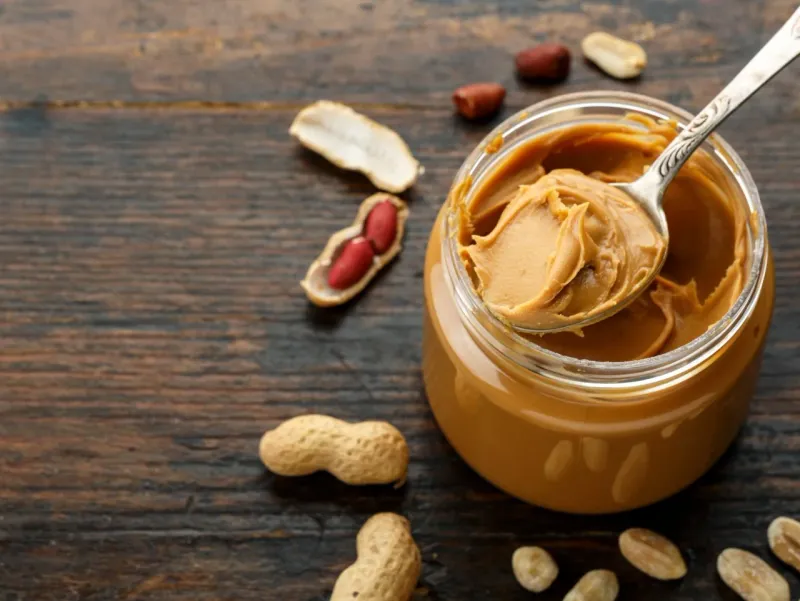
Natural peanut butter, the kind with oil floating on top, is a different beast from the regular stuff. With no added stabilizers, it can spoil in a few months at room temperature.
Signs of trouble include a sharp smell, a bitter taste, or dark, dry texture.
Stir it well and store it in the fridge after opening. It will be a bit firmer, but it will taste fresh for much longer.
13. Cocoa Powder
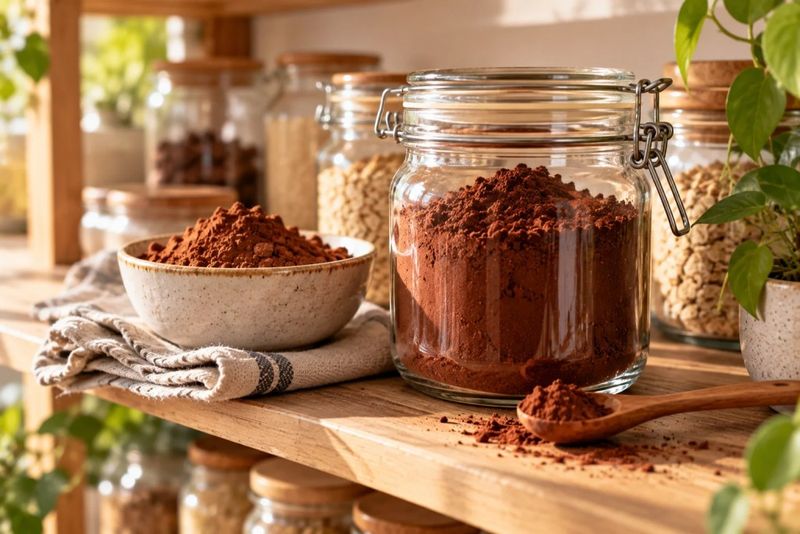
Chocolate lovers, take note. Cocoa powder won’t spoil like milk, but it does lose its rich flavor over time.
Moisture is the real problem here. Damp cocoa can clump and may even grow mold if water sneaks in.
Always use a dry spoon when scooping.
For the best taste in brownies and hot chocolate, use opened cocoa within a year. Keep the lid sealed tight and store it away from the stove.
14. Oats
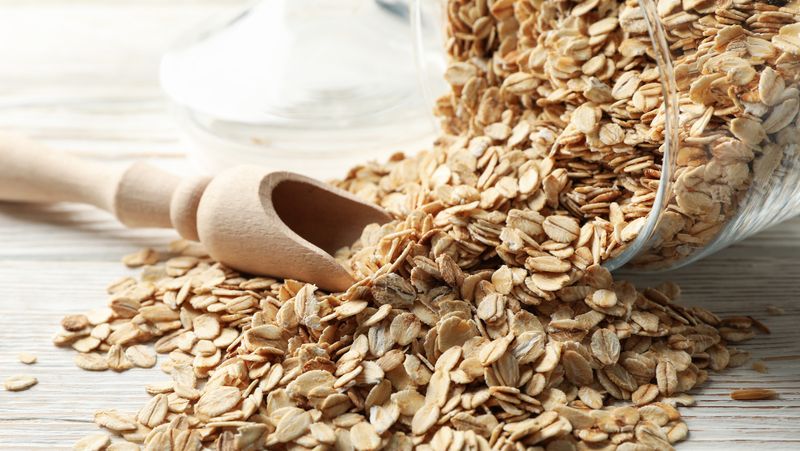
A warm bowl of oatmeal is a classic morning comfort. The oats themselves, however, can sneak past their prime faster than expected.
Oats contain more natural fat than most grains. If stored in a warm or damp spot, they can taste stale or bitter after several months.
Pantry bugs also love them.
Move oats into a sealed jar soon after buying. A cool, dry cupboard helps them last up to a year.
15. Seeds Like Flax and Chia
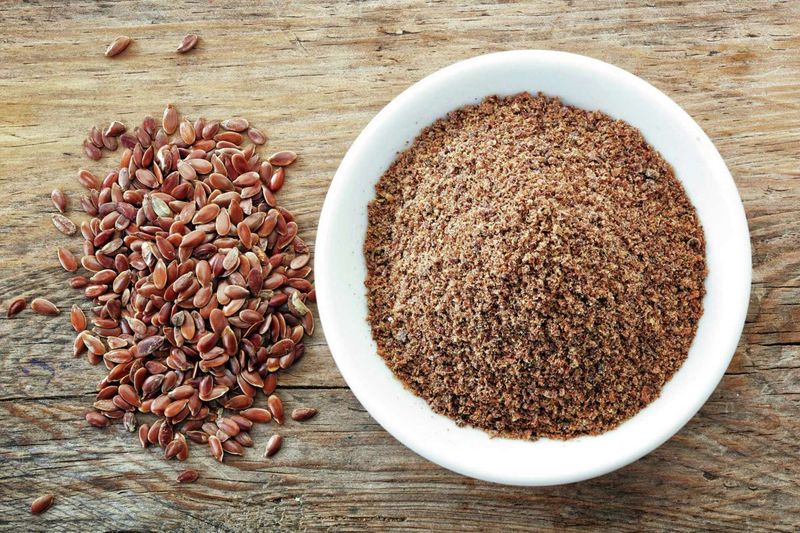
Ground flaxseed is a health superstar, but it’s also one of the fastest pantry items to spoil. Once ground, its oils are exposed to air and turn rancid within weeks.
Whole flax and chia seeds last longer, though they still prefer cool spots.
Grind flax in small batches or buy it in tiny packs. Keep any ground seeds in the freezer, and toss them if they smell fishy or bitter.
16. Dried Fruit
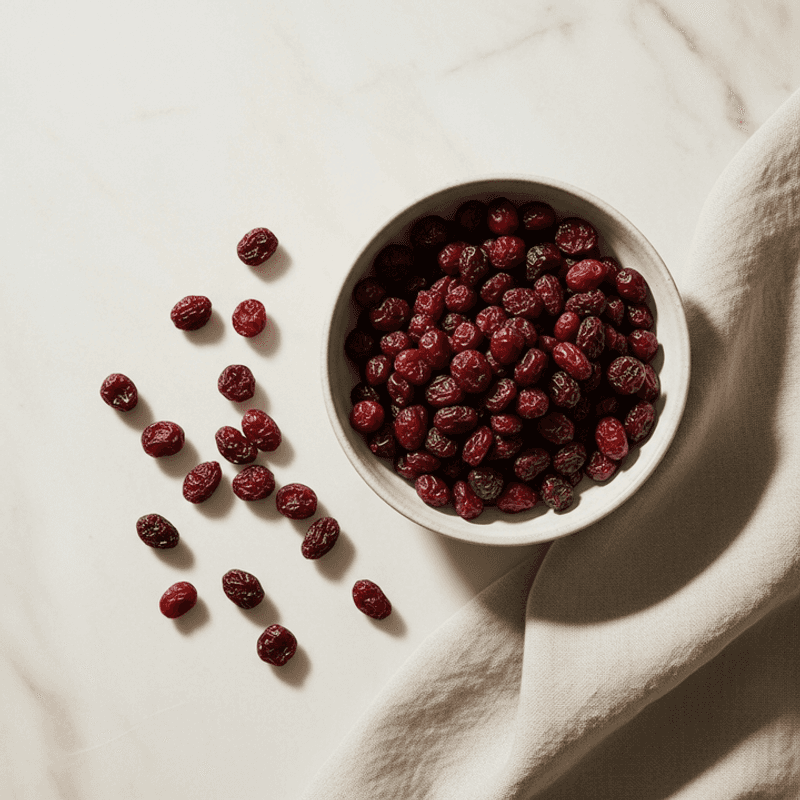
Raisins and dried apricots seem like they’d last forever since all the water is gone. In reality, they slowly dry out even more and can turn hard as pebbles.
Sugar crystals might form on the surface, and in humid kitchens mold can appear.
Seal them in airtight containers and try to finish them within six months. Hardened fruit can be softened by soaking it in warm water for a few minutes.
17. Cornmeal
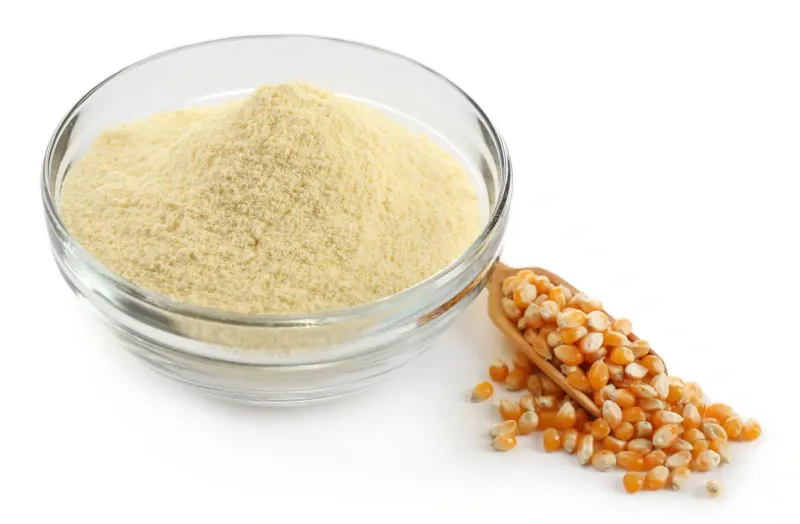
Southern cooks know that great cornbread starts with fresh cornmeal. Stone-ground or whole-grain types still contain the corn germ, which holds oils that spoil quickly.
At room temperature, whole-grain cornmeal may only last a few months. Degermed cornmeal stays fresh longer.
Check the label to see which kind you have. Keep whole-grain versions in the freezer, and give any bag a sniff before baking to catch a musty smell.