
A healthy-looking label can hide more sugar, salt, or calories than you expect. Even foods made with fruit, vegetables, or whole grains deserve a closer look.
Knowing what to check can help you make better choices without giving up foods you enjoy. A few simple swaps can make your everyday meals and snacks work harder for you.
1. Sweetened Yogurt: A Dessert in Disguise

That creamy strawberry cup can bring more than calcium to breakfast. Flavored yogurt, frozen yogurt, and packaged parfaits may contain plenty of added sugar, especially when candy or sweet granola joins the mix.
Yogurt coatings on snacks are not the same as plain yogurt.
Compare added sugar on labels and choose plain yogurt when possible. Stir in berries, cinnamon, or banana for sweetness while keeping the protein and calcium that make yogurt useful in everyday meals.
2. Granola and Granola Bars: Crunch With a Catch
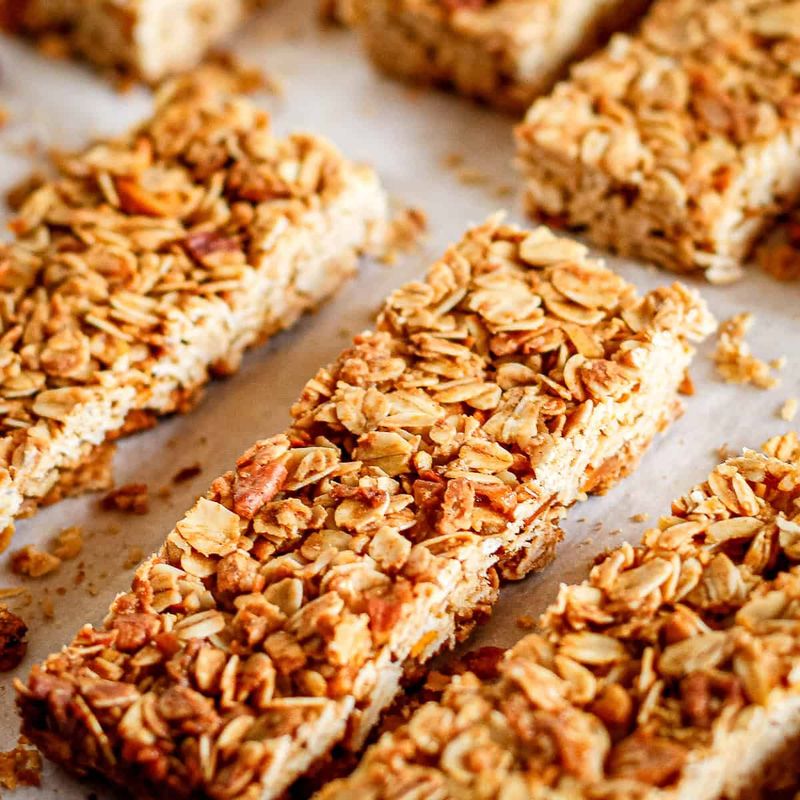
A handful of crunchy oats sounds like an easy win. But granola often gets its clusters from syrups, sugar, and oil, making a small serving surprisingly rich in calories.
Some bars also add chocolate coatings or sweet fillings.
Look for oats, nuts, and seeds near the beginning of the ingredient list. Compare added sugar and measure portions rather than pouring freely.
Use granola as a topping, not the whole bowl, for a more balanced breakfast option.
3. Protein and Energy Bars: Read Past the Promise

Muscle graphics and bold protein claims can make a candy coating seem practical. Some bars provide useful protein, but others pack enough sugar and calories to resemble dessert.
Extra vitamins do not erase those tradeoffs.
Decide whether you need a snack or a meal replacement before choosing. Compare protein, fiber, added sugar, and serving size.
Nuts with fruit or plain yogurt may suit everyday snacking, while a bar remains a convenient backup for busy travel days.
4. Fruit Juice: Fruit Without Much Fiber
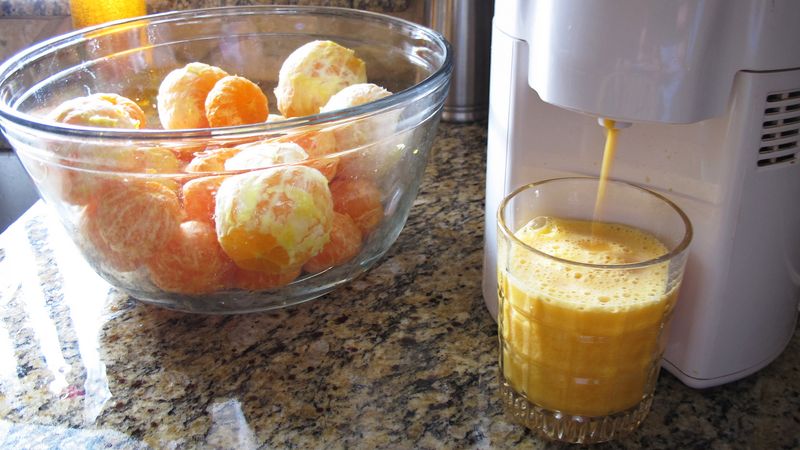
Fresh fruit takes time to chew; juice disappears in seconds. Even unsweetened, 100 percent juice contains concentrated natural sugars and usually little fiber compared with whole fruit.
Large glasses make it easy to drink several servings without feeling equally full.
Choose whole oranges or apples more often, and keep juice portions modest. Water can handle everyday thirst.
Juice still provides vitamins, but it works better as a small addition than a replacement for eating whole fruit.
5. Veggie and Potato Chips: Color Is Not a Vegetable Serving

Green and orange chips can look like a shortcut to eating vegetables. Many are mostly potato starch or flour with small amounts of vegetable powder.
Like regular potato chips, they can deliver plenty of salt and calories without much fiber.
Check the actual ingredients instead of trusting the colors. Enjoy a portion in a bowl rather than eating from the bag.
For everyday crunch, try carrots, cucumber slices, or lightly salted popcorn alongside a satisfying dip.
6. Pretzels: Light Crunch, Limited Staying Power

Few snacks look simpler than a twisted pretzel. The trouble is that many versions rely on refined flour and offer little fiber or protein.
A salty handful may taste satisfying yet leave hunger knocking again soon.
Check sodium per serving, especially if you tend to refill your bowl. Whole grain versions can provide more fiber.
Pair a modest portion with hummus, cheese, or nuts to build a snack with more staying power than pretzels alone offer.
7. Low-Fat Packaged Foods: The Label Is Only One Clue
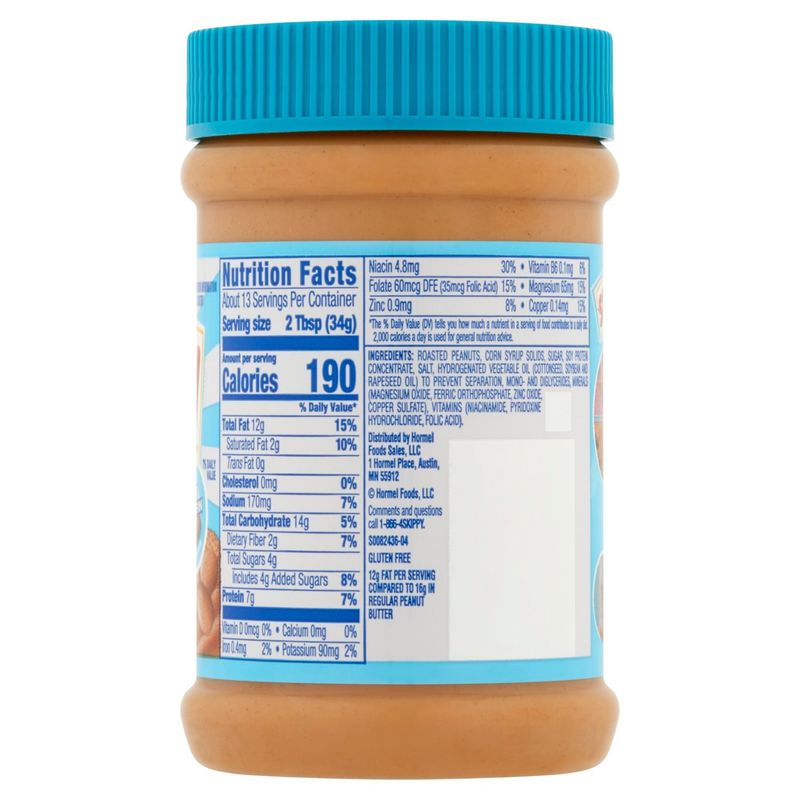
Removing fat does not automatically improve a food. Some reduced fat peanut butters and dressings replace part of it with sugar, starch, or extra salt.
Meanwhile, unsaturated fats from nuts and olive oil can support a balanced diet.
Compare the full nutrition label with the regular version, not just the calorie count. Choose peanut butter with mostly peanuts and use dressing thoughtfully.
Some fat also helps your body absorb certain vitamins from the vegetables you eat.
8. Store-Bought Smoothies: A Big Cup Can Hide Extras
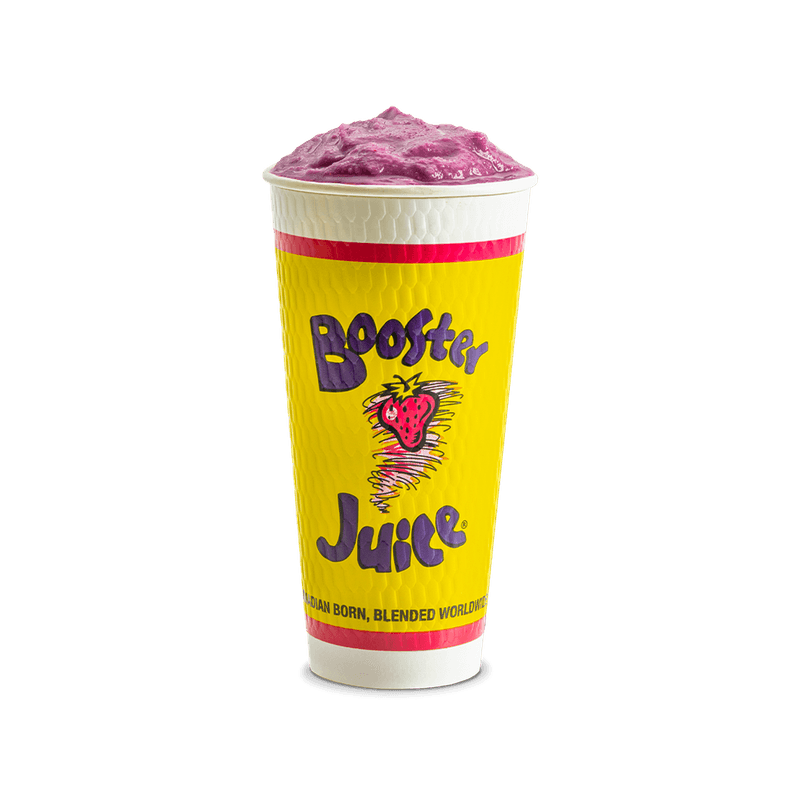
A giant berry drink can feel like breakfast done right. Yet some commercial smoothies blend juice concentrates, sweetened yogurt, syrups, or frozen desserts into the fruit.
Large portions can turn a quick drink into a substantial meal without much protein.
Ask what goes into your order and choose a smaller size. Whole blended fruit retains fiber, unlike strained juice.
At home, combine fruit, plain yogurt, and milk or an unsweetened alternative for a more balanced everyday blend.
9. Multigrain Bread and Crackers: More Grains, Not Always Whole

Seeds on the crust can create a very convincing health halo. Multigrain simply means a food contains more than one type of grain, not that those grains are whole.
Refined flour may still lead the ingredient list.
Look for whole wheat or another whole grain listed first, then compare fiber and sodium. Brown coloring alone proves little.
For crackers, portion out a serving and add hummus or tuna to make the snack more filling and balanced.
10. Trail Mix: Small Handfuls Add Up
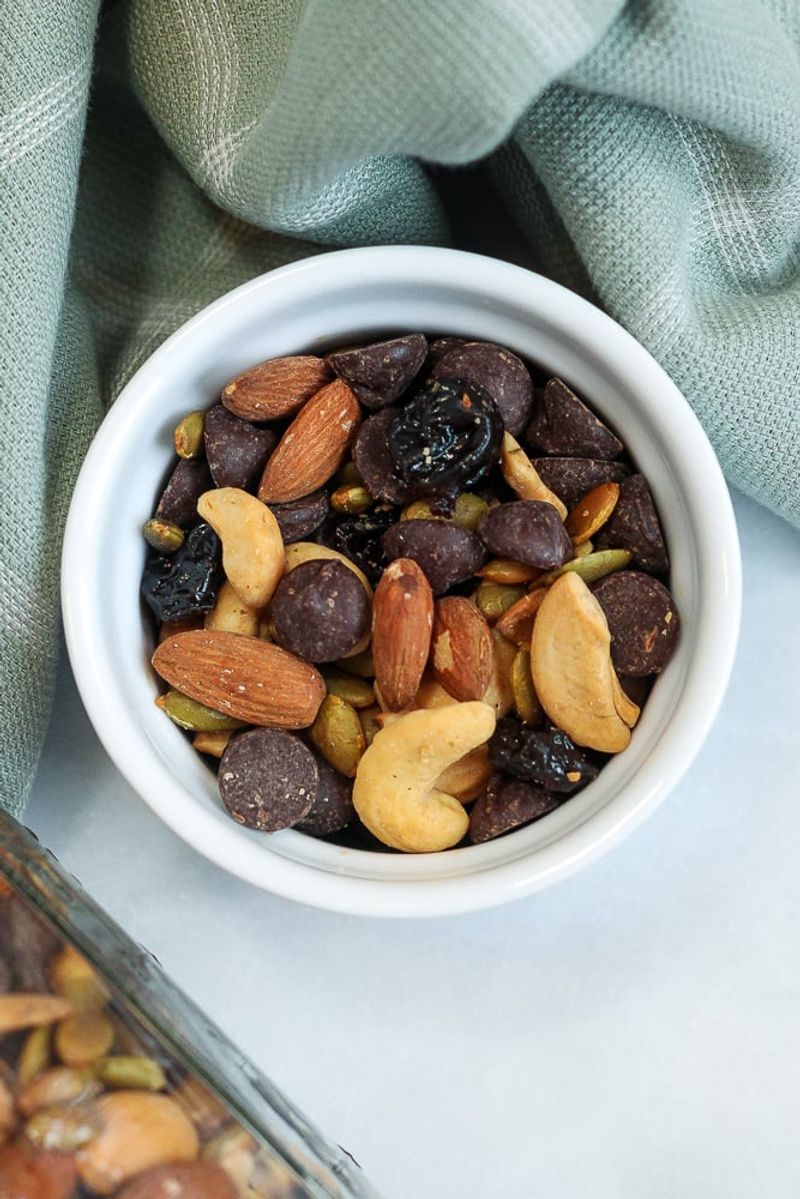
Built for the trail, this snack packs plenty of energy into little space. Nuts bring helpful fats and protein, but candy pieces, sweetened fruit, and salty coatings can change the balance.
Eating straight from a large bag makes portions easy to overlook.
Make your own mix with unsalted nuts, seeds, and a little unsweetened dried fruit. Measure a small handful into a container.
Calories are not bad, but matching portions to your hunger helps prevent mindless grazing.
11. Dried Fruit: Less Water, Smaller Portions
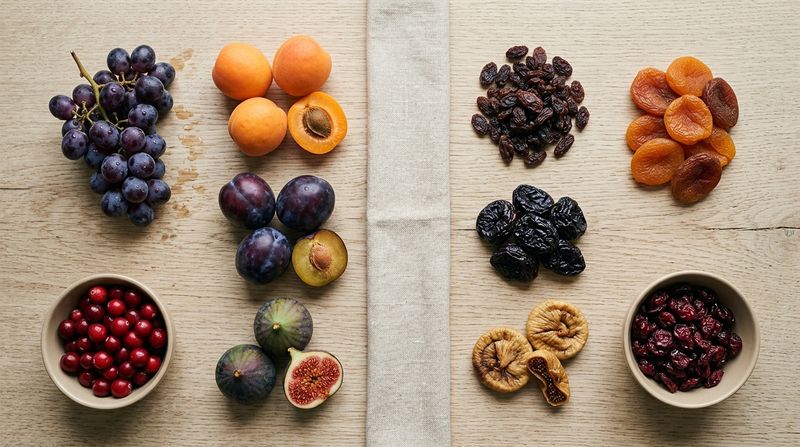
Imagine eating a bunch of grapes in just a few bites. Drying removes water, so fruit becomes smaller while its natural sugars and calories remain concentrated by weight.
Some varieties, especially cranberries and mango, also come with added sugar.
Dried fruit still offers fiber and useful nutrients, so it need not disappear from your pantry. Choose unsweetened options and serve a small portion.
Pair it with nuts or yogurt instead of treating the bag like unlimited candy.
12. Canned Beans and Soups: Comfort With Hidden Salt
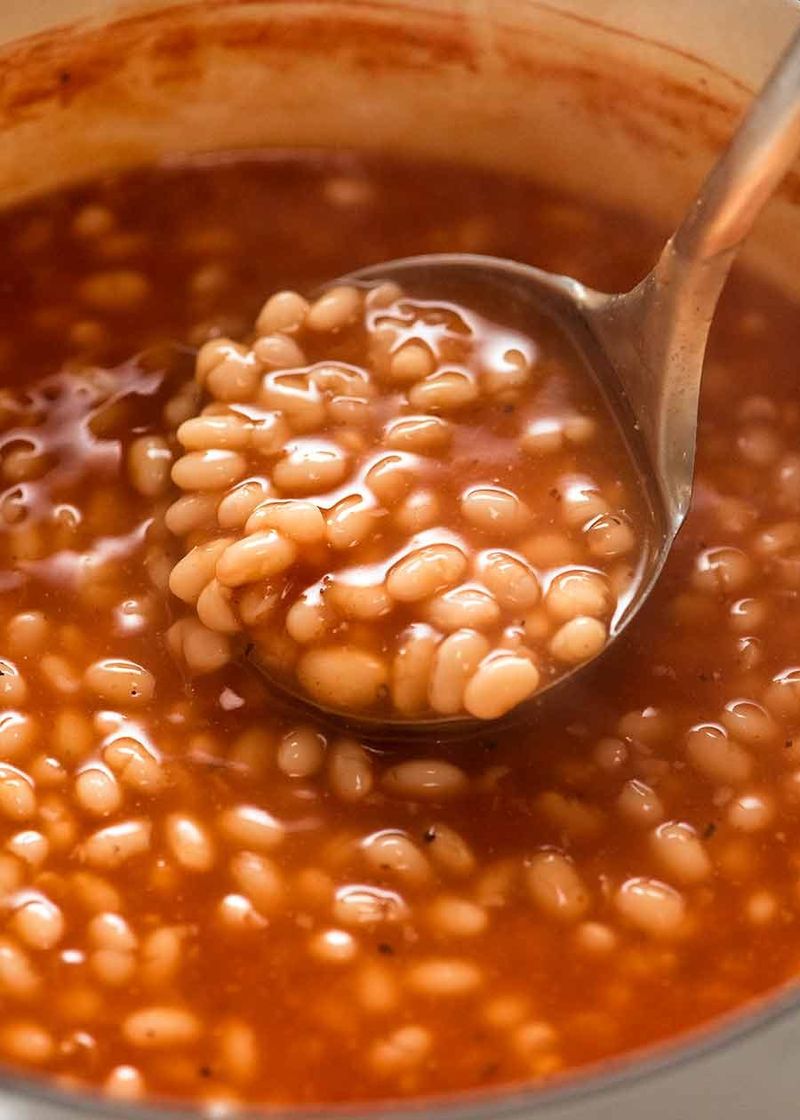
A warm bowl can be both comforting and nourishing. Canned soups and baked beans often supply vegetables, fiber, or protein, but some recipes also contain substantial sodium.
Sweet sauces in baked beans may add more sugar than expected.
Compare labels using the amount you actually eat, since one can may hold multiple servings. Choose lower sodium soups and beans with less added sugar.
Add frozen vegetables to soup for extra substance without relying on another salty ingredient.
13. Plant-Based Meat Alternatives: Check Beyond the Green Packaging
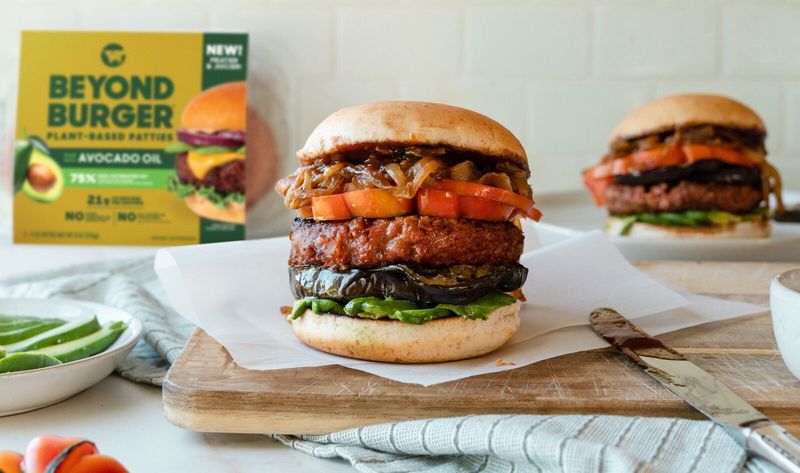
A leaf on the package does not tell the whole nutrition story. Some meat alternatives contain plenty of sodium or saturated fat, especially when coconut oil is used.
Others offer useful protein and less saturated fat than comparable meat products.
Judge each option by its label rather than assuming all processing is harmful. Compare protein, sodium, and saturated fat.
Rotate in beans, lentils, tofu, or tempeh for variety, fiber, and meals that need not imitate meat at all.
14. Condiments: Little Squeezes Still Count

One squeeze here, another drizzle there: sauces can quietly pile up. Ketchup, barbecue sauce, and some dressings contain added sugar and sodium, especially when portions grow beyond the label’s serving size.
Their small appearance can make those extras easy to miss.
Measure your usual portion once to see what it looks like. Compare brands, try mustard or herbs, and ask for sauces on the side.
Flavor still matters; the goal is enjoying it without pouring on autopilot.
15. Bakery Muffins: Breakfast Can Look Like Cake
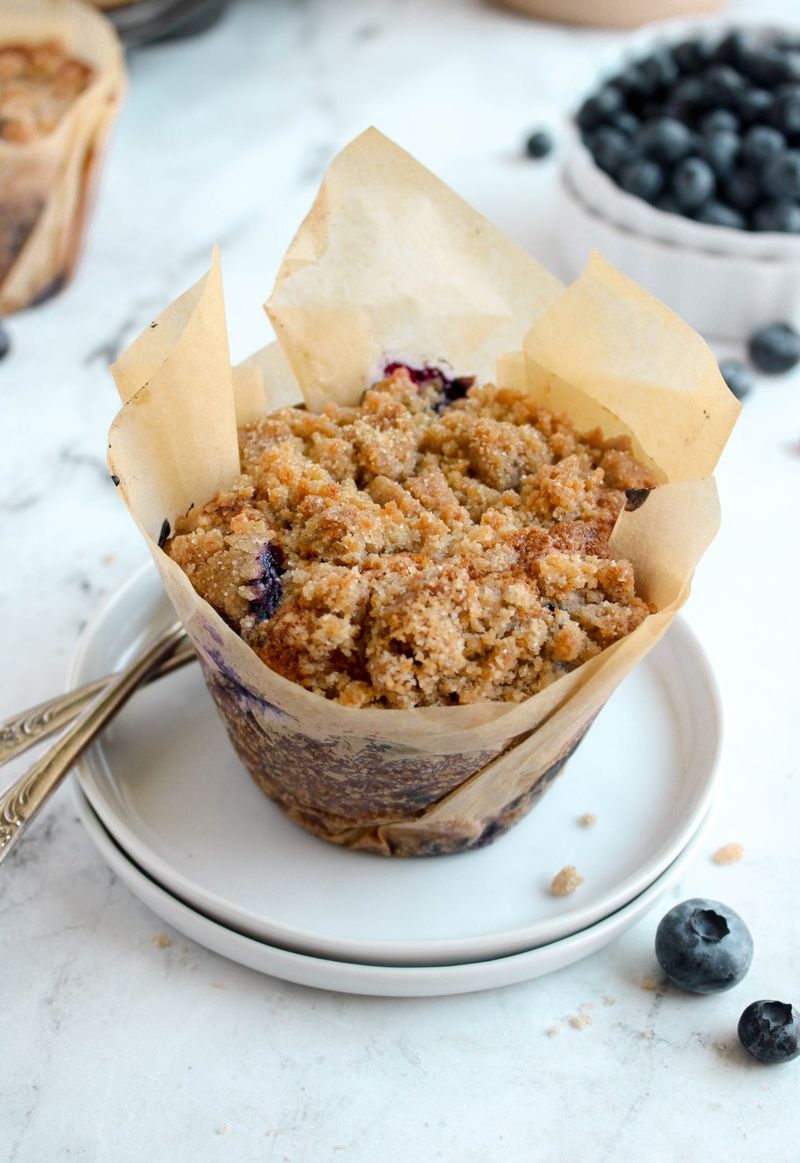
Blueberries and bran can make a bakery muffin sound wholesome. Still, a large muffin may contain generous amounts of sugar, refined flour, and fat.
Its size often matters as much as its flavor, and fruit pieces do not cancel the rest.
Check serving information when available, or split an oversized muffin. Smaller homemade versions let you adjust sugar and include whole grains.
Add eggs or plain yogurt alongside one when you want breakfast to keep you satisfied.
16. Breakfast Cereals: Marketing Can Outshine the Ingredients

Bright boxes often promise energy, vitamins, and a strong start. Inside, some cereals rely on refined grains and added sugar while offering little fiber.
Added vitamins can be helpful, but they do not automatically make a cereal filling.
Compare added sugar and fiber across similar serving sizes. Choose whole grains near the top of the ingredient list, then add milk, yogurt, nuts, or fruit.
Mixing a sweeter cereal with an unsweetened one can also ease the transition.
17. Rice Cakes: Airy Does Not Always Mean Satisfying
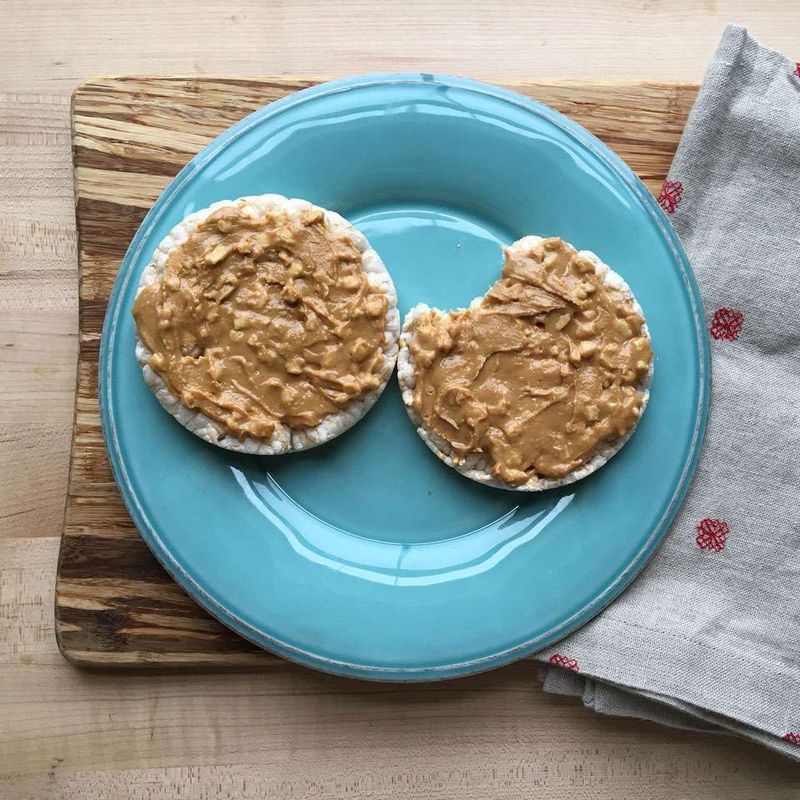
That airy crunch can seem like the ultimate light snack. Plain rice cakes are often low in calories, but they usually provide little protein or fiber.
Flavored versions may add sugar or sodium without making them much more filling.
Think of a rice cake as a base rather than a complete snack. Spread on peanut butter, hummus, or cottage cheese, then add fruit or vegetables.
Brown rice versions may offer slightly more fiber, though labels are worth checking.