
Walking away from fame can take as much courage as chasing it. For some musicians, leaving the stage meant protecting their health, spending time with family, or finding a new purpose.
Others needed a long break rather than a final goodbye, and several names here eventually returned. Their stories show why knowing when to step back matters more than pleasing a crowd.
1. Syd Barrett: Choosing Life Beyond the Spotlight
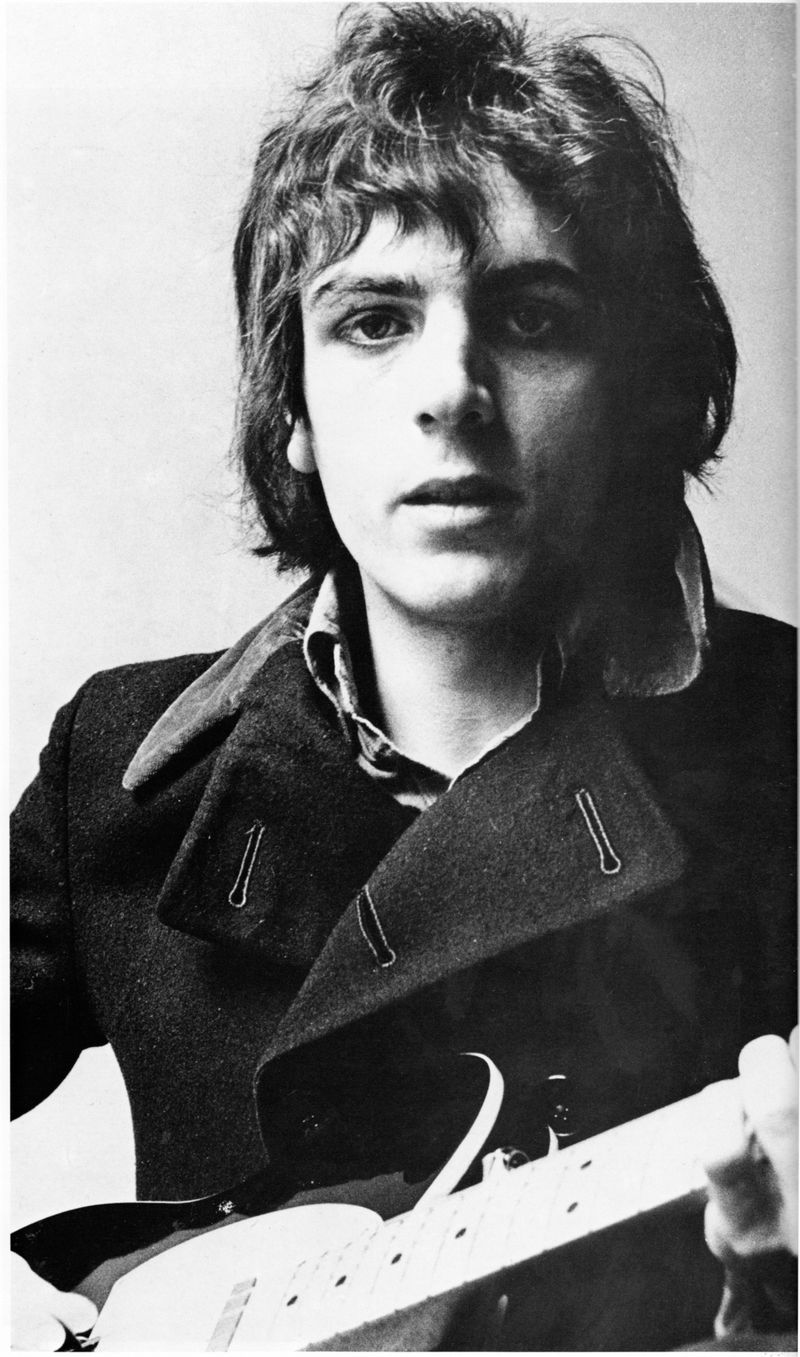
Behind Pink Floyd’s early songs stood a young artist whose imagination helped shape psychedelic rock. After leaving the band in 1968 amid serious personal difficulties, Barrett made two solo albums before largely withdrawing from music.
His retreat was not a cheerful farewell tour or a neat career plan. It was a move toward privacy.
Remembering his songwriting, rather than treating his struggles as entertainment, offers the most respectful way to understand his lasting musical influence today.
2. Yusuf Islam: Trading Pop Fame for Purpose
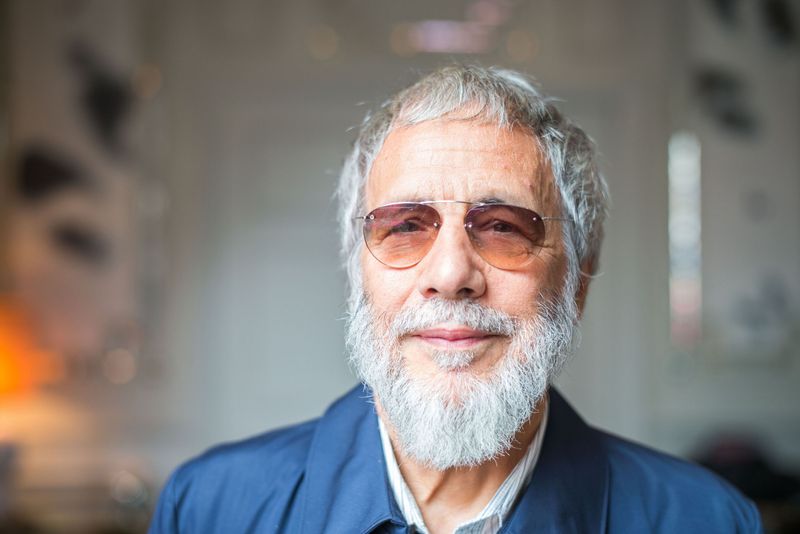
A search for meaning took the singer of Peace Train far beyond the pop charts. After embracing Islam in 1977, Cat Stevens became Yusuf Islam and stepped away from mainstream recording to focus on faith, education, and charity.
His absence lasted decades, but it was not permanent. He returned to mainstream albums in 2006.
That distinction matters: sometimes the right exit creates room for growth, and returning later does not make the original choice less meaningful.
3. Peter Green: Putting Health Before the Band
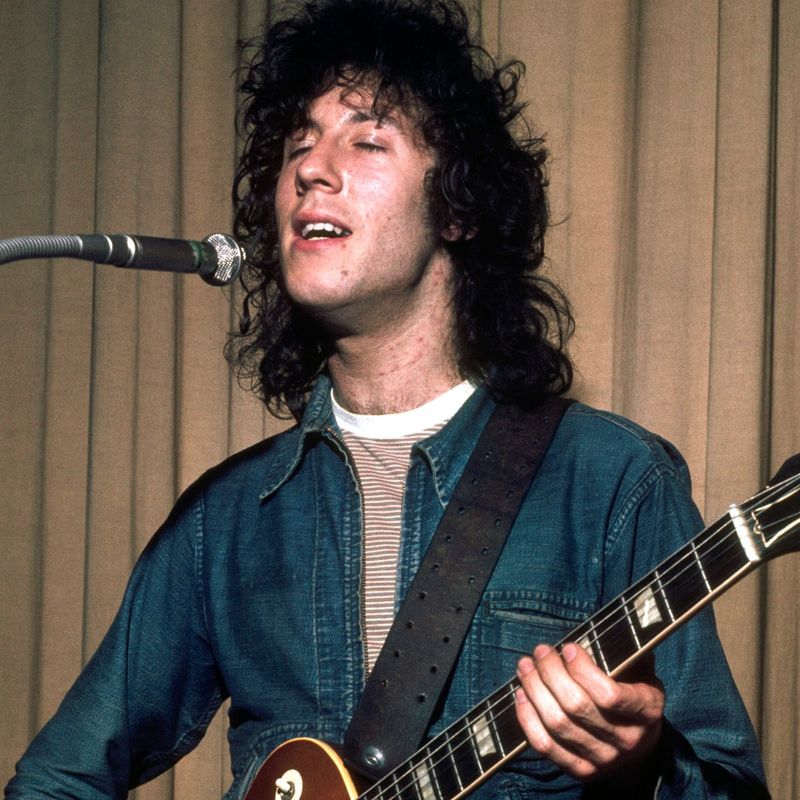
Few guitarists could make a single note feel as powerful as a whole chorus. Fleetwood Mac cofounder Peter Green left the group in 1970 while facing personal difficulties, and he later received a diagnosis of schizophrenia.
He did return to recording and performing, so calling his departure permanent retirement would be misleading. Still, leaving a successful band showed that a career cannot solve every problem.
His story deserves care, not a romantic view of mental illness.
4. Bill Withers: Leaving Without a Farewell Circus
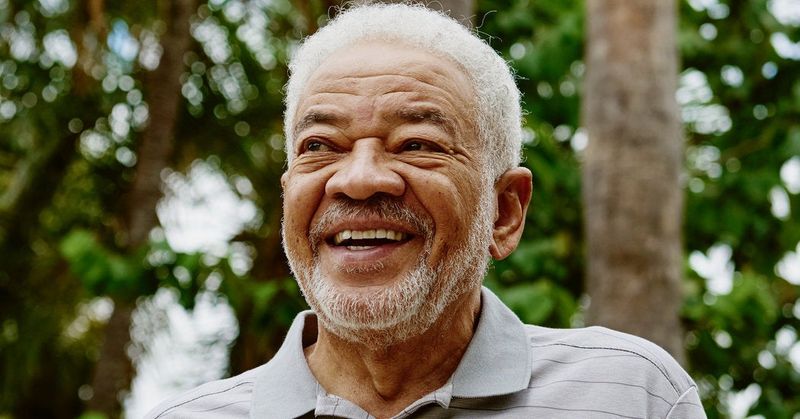
No giant farewell tour was needed for the voice behind Lean on Me. Withers released his final studio album in 1985, then chose family life over the frustrations of the record business.
Unlike many stars, he did not spend retirement planning a comeback. His songs kept reaching new listeners while he stayed largely outside the spotlight.
There is something refreshing about that choice: a satisfying life does not require constant applause or another hit record afterward.
5. Lauryn Hill: Rejecting the Pressure of Superstardom

One album made her a defining voice of a generation. Following the huge success of The Miseducation of Lauryn Hill, the singer pulled back from the usual cycle of albums, interviews, and promotion.
However, she never made a clean, lasting retirement from performing and has continued appearing onstage. Her place here is about resisting industry demands, not ending music altogether.
Fans can value that boundary while recognizing that her career has remained active in different forms.
6. Grace Slick: Swapping Concerts for Canvases
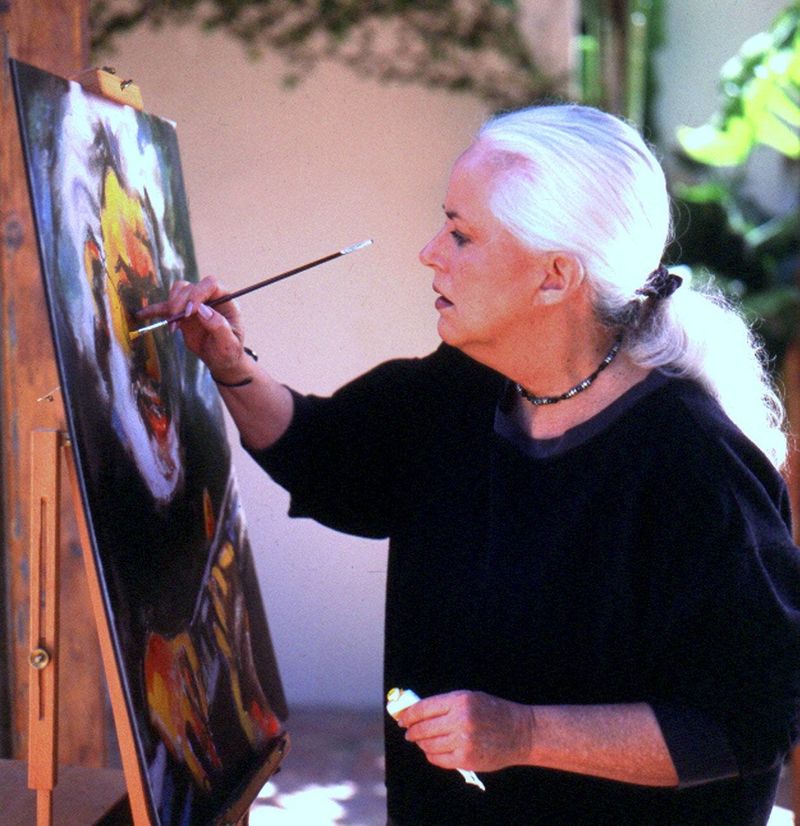
Paintbrushes eventually replaced the microphone for one of psychedelic rock’s boldest voices. After Jefferson Airplane’s 1989 reunion tour, Slick largely left rock performance behind and turned her attention to visual art.
She famously questioned whether older stars belonged on rock stages, though plenty of musicians prove otherwise. The useful lesson is personal, not universal: she recognized what she wanted next.
Retirement gave her another creative outlet instead of asking her to stop being an artist entirely.
7. John Deacon: Protecting a Private Goodbye
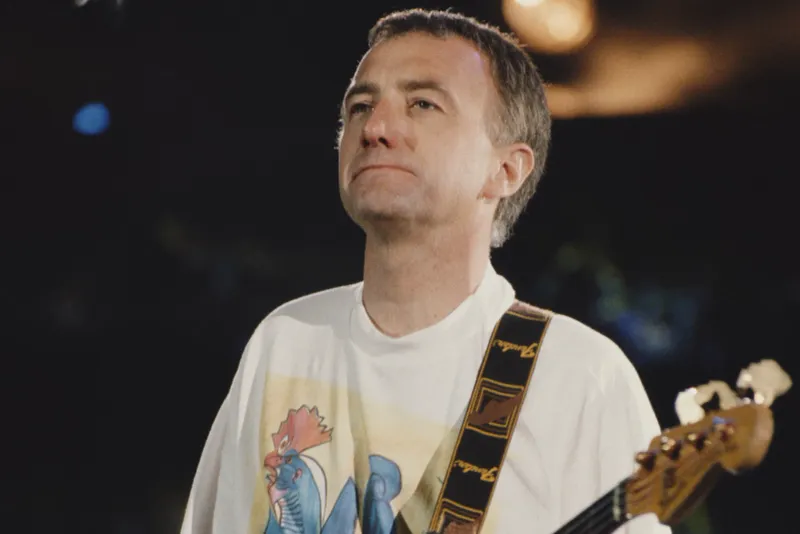
The bassist who wrote Another One Bites the Dust had little interest in becoming a public personality. Following Freddie Mercury’s death in 1991, Deacon appeared with Queen only occasionally before retiring from performing in the late 1990s.
He stayed away from later touring projects and major public celebrations. That silence was a boundary, not a puzzle fans needed to solve.
His choice shows that honoring a shared musical past does not require joining every future reunion.
8. Mark Hollis: Making Room for Family
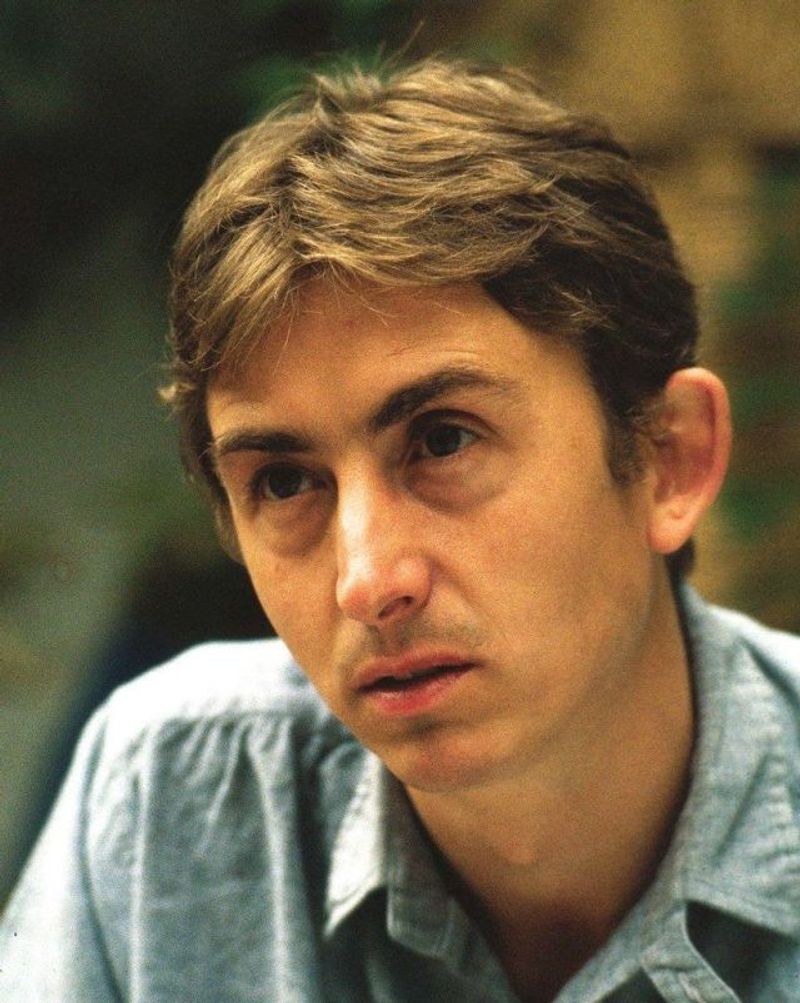
Silence became a fitting next chapter for a musician who used it so beautifully. After guiding Talk Talk toward spare, experimental music, Hollis released a solo album in 1998 and largely withdrew from the industry.
He wanted to be present for his family rather than keep chasing a recording schedule. His departure reminds listeners that creative value is not measured by output alone.
A small collection of deeply considered work can leave an enormous lasting impression.
9. The Police: Stopping Before Success Became Routine
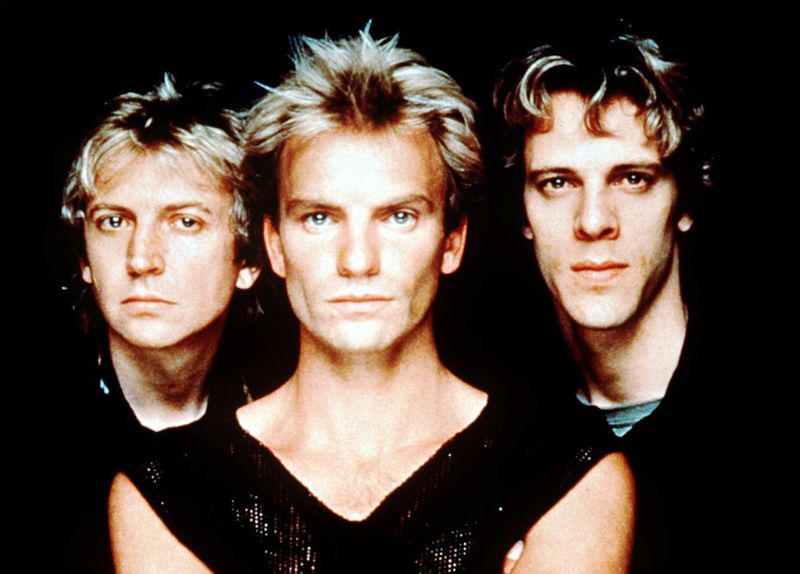
At their commercial peak, three musicians discovered that success did not guarantee harmony. Following Synchronicity and its massive tour, Sting, Stewart Copeland, and Andy Summers moved toward separate projects rather than another full studio album.
The Police later reunited for a major tour in 2007 and 2008, so this was a band ending, not three individual retirements. Their story still makes a useful point: leaving a successful partnership can preserve space for different ambitions and interests.
10. Fred Neil: Finding a Cause Beyond Concerts
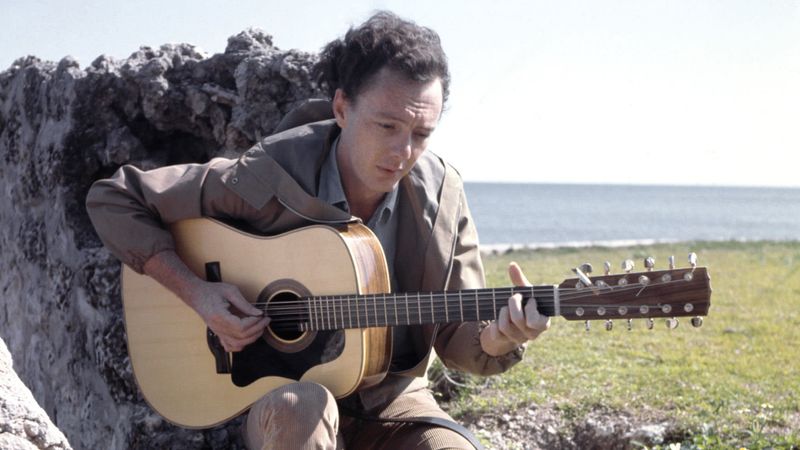
Everybody’s Talkin’ became famous through Harry Nilsson, but its writer wanted something beyond applause. A respected figure in folk music, Neil gradually stepped away from public performance and helped establish the Dolphin Research Project in 1970.
His interest in dolphin welfare gave his later life a focus outside the business. He did not vanish from every musical connection overnight.
Instead, his quieter path suggests that leaving a career can mean moving toward something that matters more.
11. Meg White: Letting Quiet Be Enough
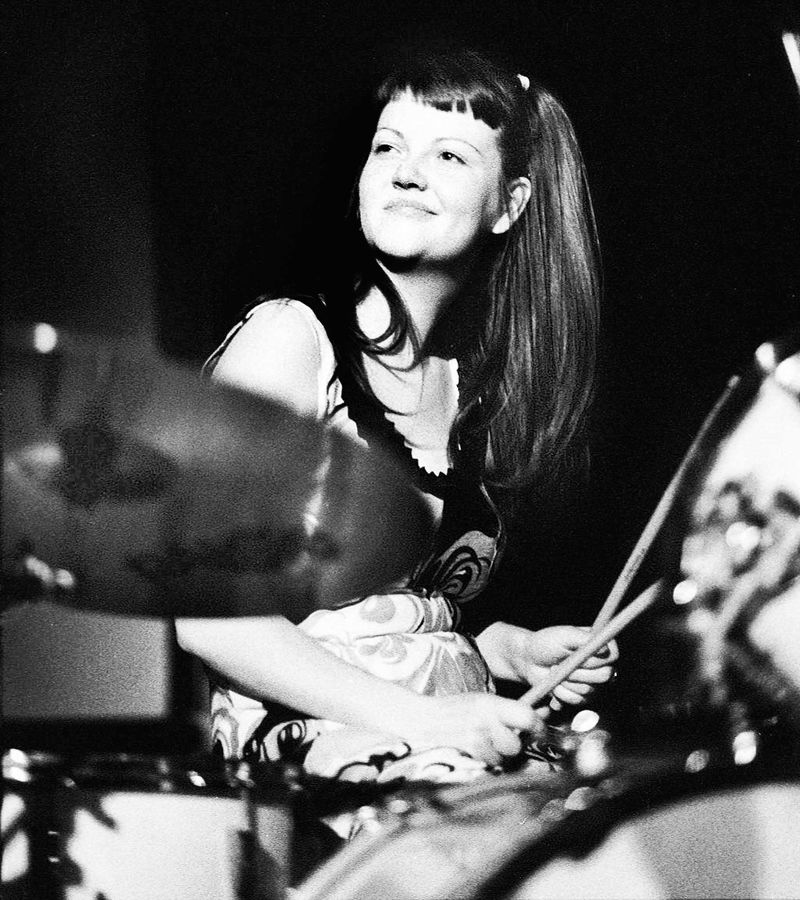
A simple drumbeat could carry enormous force when she played it. The White Stripes ended in 2011, several years after touring had been interrupted because White was experiencing acute anxiety.
Since then, she has kept a low public profile rather than pursuing another major music career. Her privacy should not be mistaken for a failure to use her talent.
For anyone facing pressure to keep going, her example makes room for rest without demanding a public explanation.
12. Gotye: Escaping the Hit Machine

What follows a song that seems to play everywhere? For Wally De Backer, the artist known as Gotye, it was not a rush to repeat Somebody That I Used to Know.
He stepped away from the mainstream spotlight while continuing musical work, including projects with the Basics and efforts involving electronic instruments. That is a change of direction, not a confirmed retirement.
His example separates two ideas often confused: leaving celebrity behind and giving up making music.
13. Yasiin Bey: Drawing a Line, Then Reconsidering
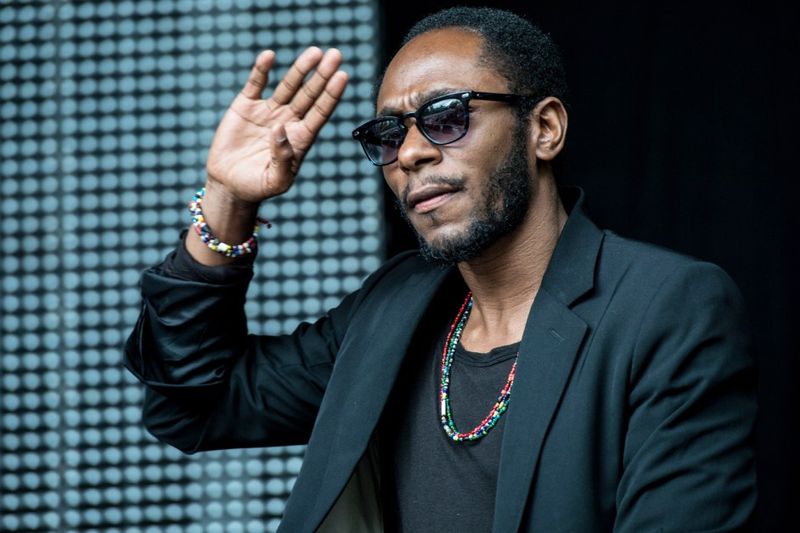
Even a retirement announcement can become part of a changing artistic journey. In 2016, the rapper formerly known as Mos Def announced plans to retire from music and film amid frustration with the entertainment business.
Later performances and Black Star’s 2022 album showed that the goodbye did not last. Calling him permanently retired would be inaccurate.
His experience offers a more flexible lesson: people may need distance from their work before deciding what deserves their energy next.
14. Linda Ronstadt: Facing an Unwanted Final Curtain
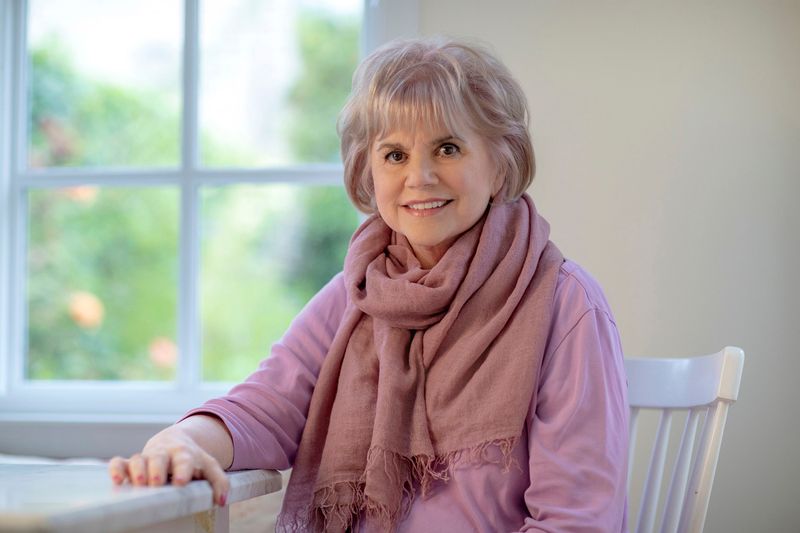
A remarkable voice fell quiet for reasons its owner never chose. Ronstadt gave her final concert in 2009 and announced her retirement in 2011 as health problems made singing increasingly difficult.
She later disclosed a Parkinson’s diagnosis, which was subsequently revised to progressive supranuclear palsy. This was a forced ending, not a perfectly timed career move.
Her honesty helps explain why retirement stories need compassion: accepting physical limits can require courage even when leaving brings no relief.
15. Bill Bruford: Finishing One Chapter, Studying Another
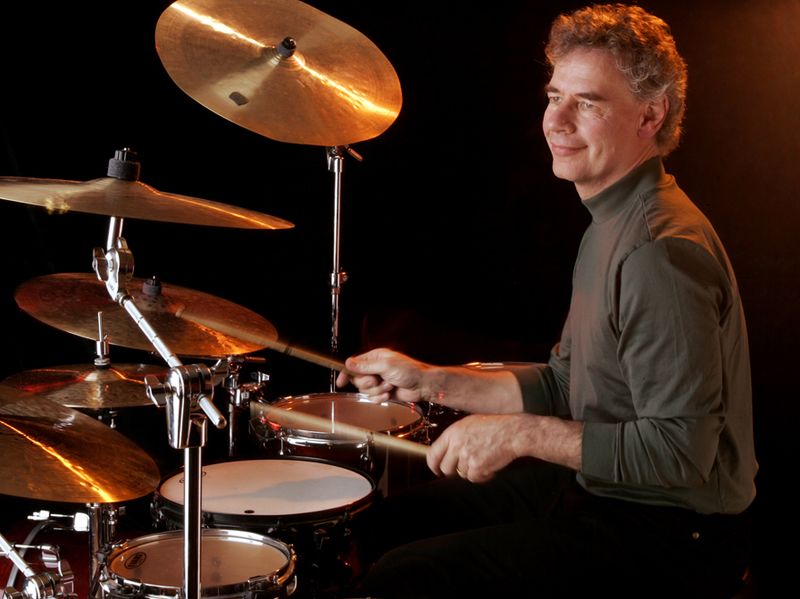
Complex rhythms were his specialty, but his retirement decision was refreshingly clear. After decades with Yes, King Crimson, and his own jazz projects, Bruford retired from public performance in 2009.
He turned toward writing and academic study, later earning a doctorate focused on musical performance. His story shows how knowledge can keep growing after touring stops.
Leaving the drum stool did not erase his curiosity; it gave him a different way to explore what musicians actually do.
16. Robert Fripp: Recognizing That Endings Can Change
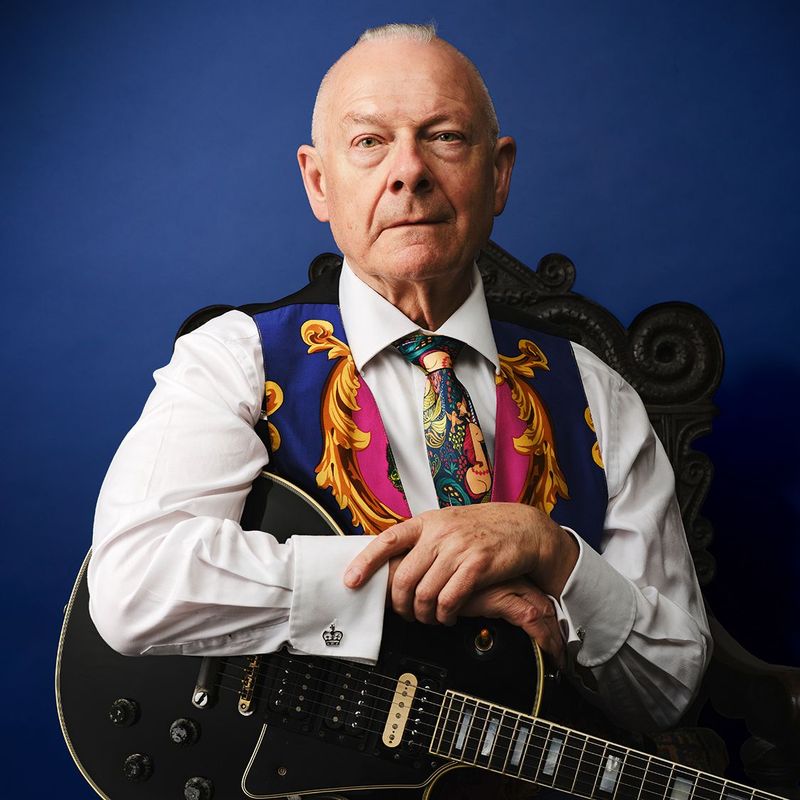
For a guitarist known for discipline, stepping away was never a simple straight line. Fripp announced retirement in 2012 amid disputes involving the music business, but King Crimson returned to live performance in 2014.
The band’s final concerts took place in 2021, while Fripp continued other creative activity. His inclusion needs that qualification: ending a band’s touring life is not the same as abandoning music.
Sometimes the wisest boundary concerns a particular job, not an entire passion.