
You can care deeply for other people while leaving very little kindness for yourself. Small habits, like brushing off praise or skipping a needed break, may show where your own needs keep coming last.
These patterns are not proof that you lack self-love, and stress, health, or past experiences can play a part. Noticing them gives you a chance to treat yourself with more care, one choice at a time.
1. Apologizing for Taking Up Space

A quick sorry can slip out before you even know what went wrong. When you apologize for asking questions, needing help, or simply being nearby, you may be treating your presence like a problem.
Pause before your next apology and ask whether you caused harm. If not, try thanking someone for their patience instead.
Real apologies still matter, but everyday needs do not require an excuse. You deserve room in the conversation, just like anyone.
2. Brushing Off Every Compliment

Your friend praises your work, and you immediately point out everything wrong with it. Rejecting kind words can feel modest, but it may also keep you from seeing your strengths fairly.
Practice saying a simple thank you without adding a reason the praise does not count. You do not have to feel confident right away.
Let the kind words sit for a moment. Accepting a compliment is not bragging; it is allowing another person’s view.
3. Speaking to Yourself Like a Bully
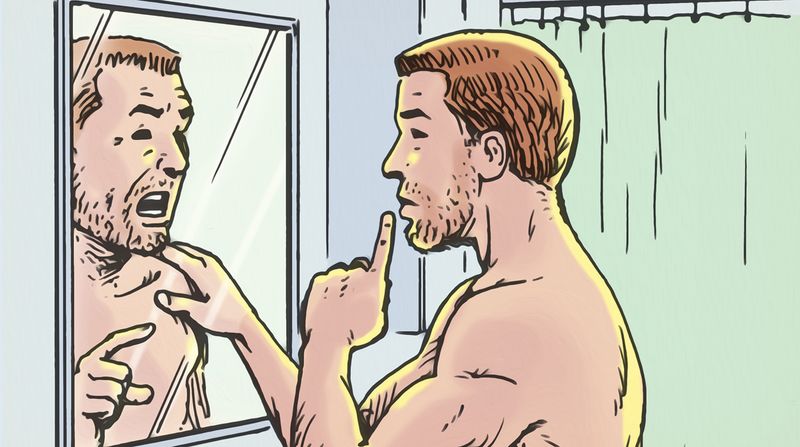
One forgotten appointment becomes proof that you never get anything right. Harsh self-talk can turn a small mistake into a judgment about your whole character, leaving little room to learn.
Notice the exact words you use when something goes wrong. Replace insults with a fair description: you forgot something, and you can make a reminder.
The goal is not fake praise. It is speaking honestly without being cruel, as you would with someone you love.
4. Putting Basic Needs Last

Lunch gets pushed back again because everyone else needs something first. Missing meals, cutting sleep, or putting off basic care can become routine when your needs always land at the bottom.
Choose one steady habit, such as keeping water nearby or setting a lunch reminder. Money, illness, and busy schedules can make care harder, so aim for what is possible.
Your body deserves support even when the dishes, messages, and unfinished tasks are still waiting.
5. Polishing Work Long Past Good Enough

The email is ready, but you read it for the tenth time. Careful work is useful; endless checking can become exhausting when every small flaw feels like a threat to your worth.
Before starting, decide what a finished task needs and how much time it deserves. Stop when those needs are met, even if discomfort remains.
Save extra effort for work that truly requires it. Being careful does not mean you must chase perfection forever.
6. Waiting for Approval to Feel Okay

A quiet phone can make a good day suddenly feel disappointing. If praise, likes, or reassurance decide how you feel about yourself, your mood may depend on things you cannot control.
Before asking someone what they think, name one thing you value about your own effort. Perhaps you were brave, patient, or honest.
Advice and encouragement are welcome, but they need not be your only guide. Build a small record of choices that make you proud.
7. Agreeing When You Want to Say No

Another favor lands on your full schedule, and yes arrives before you can think. Agreeing to avoid disappointment may keep the peace briefly while leaving you tired or quietly upset.
Give yourself a pause with a simple promise to check your schedule. Then offer an honest answer, including a limit when needed.
You can care about someone’s feelings without taking responsibility for every reaction. A respectful no protects the time and energy you already need.
8. Handing Every Decision to Someone Else
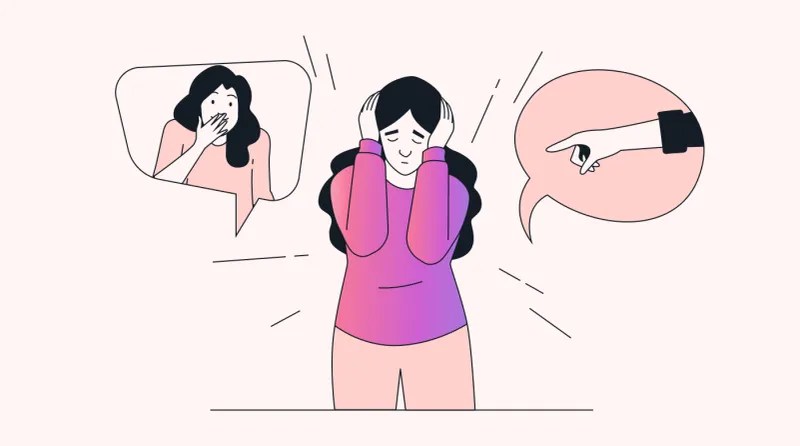
Even choosing dinner can feel risky when you do not trust your own judgment. Asking for advice is normal, but handing off every choice can leave your preferences harder to hear.
Start with one small decision each day and make it without a vote. Pick the music, your lunch, or a walking route.
Notice that an imperfect choice is usually manageable. Trust grows through practice, not through proving that you will never get anything wrong.
9. Measuring Your Life Against Highlight Reels

Someone else’s vacation photos can make your ordinary Tuesday seem like a failure. Comparing your full life with another person’s best moments leaves out the struggles you cannot see.
Pay attention to accounts or conversations that repeatedly leave you feeling smaller. Take a break, mute an account, or shift toward people who encourage realistic goals.
Then measure progress against your own starting point. A quieter life can still hold joy, meaning, friendship, and real success.
10. Avoiding Anything You Might Get Wrong

That class sounds fun until you picture being the beginner who struggles. Fear of looking foolish can shrink your world when mistakes start to feel like evidence that you are not enough.
Choose a small challenge with low stakes and give yourself permission to be new. Set a goal based on showing up rather than doing well.
Learning often includes awkward moments. You can feel nervous, make errors, and still deserve respect throughout the process.
11. Making Yourself the Punchline

Everyone laughs, but the joke about being useless stays with you afterward. Humor can bring relief, yet repeated insults aimed at yourself may hide feelings that deserve more care.
Notice whether the joke feels playful or painfully true in your mind. Try telling a funny story about a situation without attacking your worth.
You do not need to shame yourself to keep people entertained. Good company should leave space for your dignity as well as laughter.
12. Giving Luck All the Credit

You finish something difficult, then decide anyone could have done it. Feeling like an impostor can make success seem accidental, even when your effort and skill helped produce the result.
Keep a short list of what you actually contributed: preparation, practice, patience, or a useful idea. Include support from others without erasing your own part.
You do not need to claim all the credit. Simply allow yourself a fair share of it when things go well.
13. Pushing Through Exhaustion Every Day

Running on empty is not a badge you need to earn. Repeatedly ignoring tiredness can mean you are treating rest as a reward instead of a basic need.
Look for one demand you can reduce, delay, or share, and make space for regular sleep. Lasting fatigue can also have medical or mental health causes; it is not proof of poor self-love.
If exhaustion continues despite rest, speak with a healthcare professional rather than blaming yourself.
14. Ignoring Your Limits Until You Snap

A tiny inconvenience becomes the last straw after a day of swallowed needs. Irritability has many causes, but it can sometimes signal that you have pushed past your limits without noticing.
Check for hunger, stress, pain, or a need for quiet before judging yourself. Take a brief pause when possible, and repair any hurtful behavior without excusing it.
Caring for yourself does not remove responsibility; it can help you respond more thoughtfully next time around.
15. Pulling Away From People Who Care

An unanswered message can turn into a week of silence when you feel like a burden. Alone time can be healthy, but withdrawing because you believe nobody wants you around may deepen loneliness.
Try one small connection with someone safe: a brief reply, a walk, or a simple check-in. You do not have to be cheerful to deserve company.
If isolation feels hard to change, a counselor can help you explore what is making contact difficult.
16. Keeping Your Preferences a Secret

Whatever you want sounds easygoing until it becomes your answer to everything. When you hide your wishes, others may never realize that a different plan would make you happier or more comfortable.
Practice naming a preference in a calm, direct sentence. You might suggest an earlier meeting or ask for a quieter table.
Other people can disagree without making your needs wrong. Speaking up gives relationships a better chance to include the real you too.
17. Explaining Away Repeated Disrespect

Maybe they were stressed becomes a familiar excuse for repeated put-downs. Harmful treatment is never your fault, and staying in a difficult relationship can involve fear, money, housing, or safety concerns.
You deserve respect without having to earn it by giving more. Consider telling a trusted person what is happening and seeking confidential support.
If abuse is involved, a local support service can help you plan safely. You do not have to handle it alone.
18. Rehearsing Defenses Nobody Asked For

Before anyone comments, you have already prepared a speech explaining your clothes, job, or weekend plans. Constantly predicting judgment can turn ordinary choices into a tiring exercise in defending yourself.
Ask whether someone has actually criticized you or whether you are guessing. Give yourself permission to keep harmless choices private and explanations brief.
When worries feel strong, return to what matters to you. Not every imagined opinion needs an answer, especially at your own expense.
19. Telling Yourself Your Struggles Do Not Count

Other people have it worse can shut down a feeling before you understand it. Perspective may help, but comparing pain can also become a way to deny yourself comfort or support.
Name what you feel without deciding whether it is serious enough. Writing a few honest lines or talking with someone trustworthy can be a start.
If sadness, numbness, or hopelessness persists, seek professional care. You deserve help before things become unbearable, not only afterward.