
Almost every country has a sweet treat that gets dropped into hot oil and comes out golden and crispy. Fried desserts bring people together at fairs, holidays, and family kitchens.
Learning about them is a tasty way to explore new cultures without leaving home. Get ready to meet some crunchy, sugary favorites you may want to try next.
1. Churros From Spain
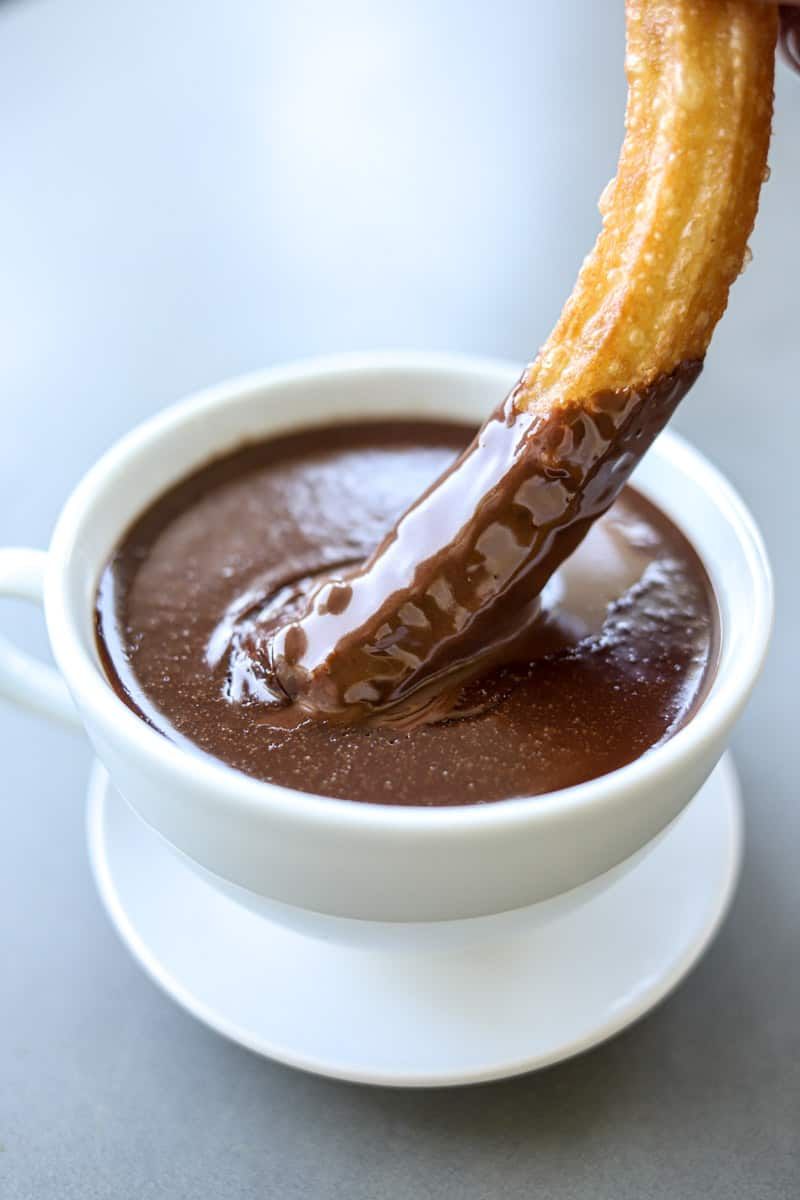
Picture a cold morning in Madrid with a paper cone of hot churros in your hand. Spanish families often eat them for breakfast, dunking each ridged stick into thick, pudding-like hot chocolate.
The dough is simple: flour, water, and salt, piped through a star-shaped tip so it fries extra crunchy.
Want to try them at home? Roll them in cinnamon sugar right after frying so the coating sticks well.
2. Gulab Jamun From India
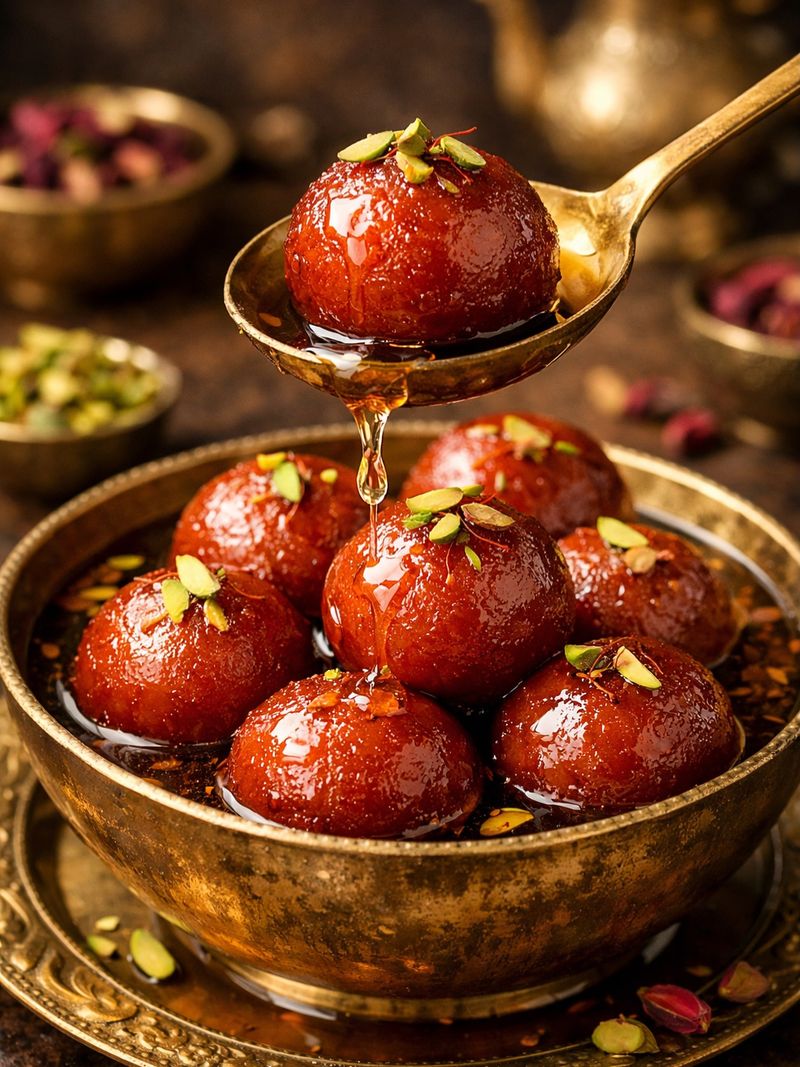
Soft, spongy, and soaked in syrup, gulab jamun shows up at nearly every Indian wedding and Diwali party. The name means rose water berry, which hints at the flowery syrup.
Cooks make the balls from milk solids, fry them slowly until deep brown, then let them bathe in sugar syrup flavored with cardamom.
Serve them warm. A scoop of vanilla ice cream on the side makes a wonderful hot and cold combo.
3. New Orleans Beignets
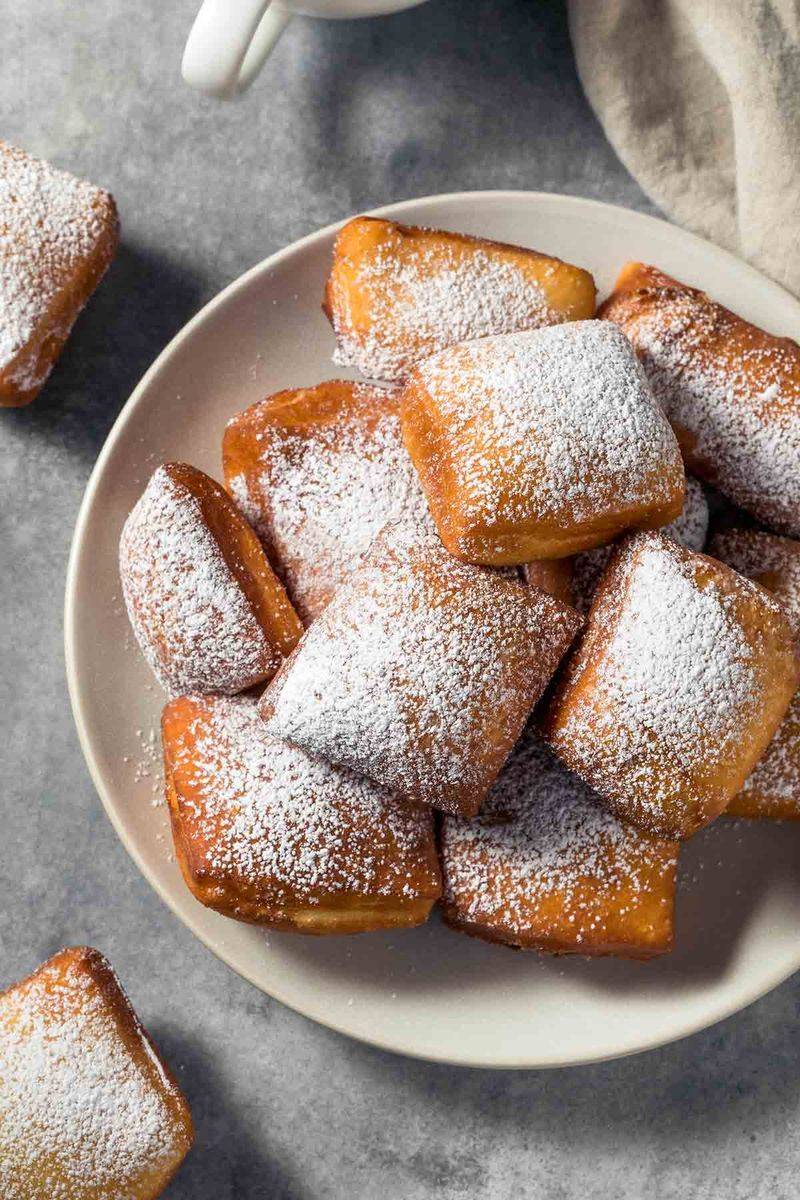
Fair warning: you will end up wearing powdered sugar. That is part of the fun with beignets, the puffy square doughnuts of New Orleans.
French settlers brought the recipe to Louisiana in the 1700s. Today, cafes in the French Quarter serve them hot, piled under snowy mountains of sugar, often with chicory coffee.
Tip for first-timers: don’t breathe out while taking a bite, or you’ll get a sugar cloud everywhere.
4. Loukoumades From Greece
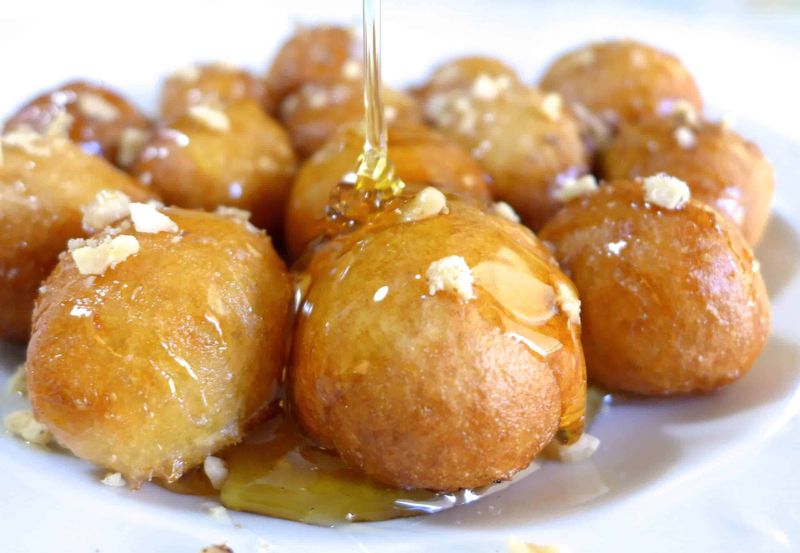
Did you know these little honey puffs may be among the oldest desserts on Earth? Ancient Greek athletes at the first Olympic Games reportedly received fried dough balls as rewards.
Modern loukoumades are light and airy inside with a crisp shell. Bakers drizzle them with warm honey, then add cinnamon and chopped walnuts.
Eat them quickly while hot. The honey soaks in fast, and the crunch fades within minutes.
5. Sopaipillas With Honey
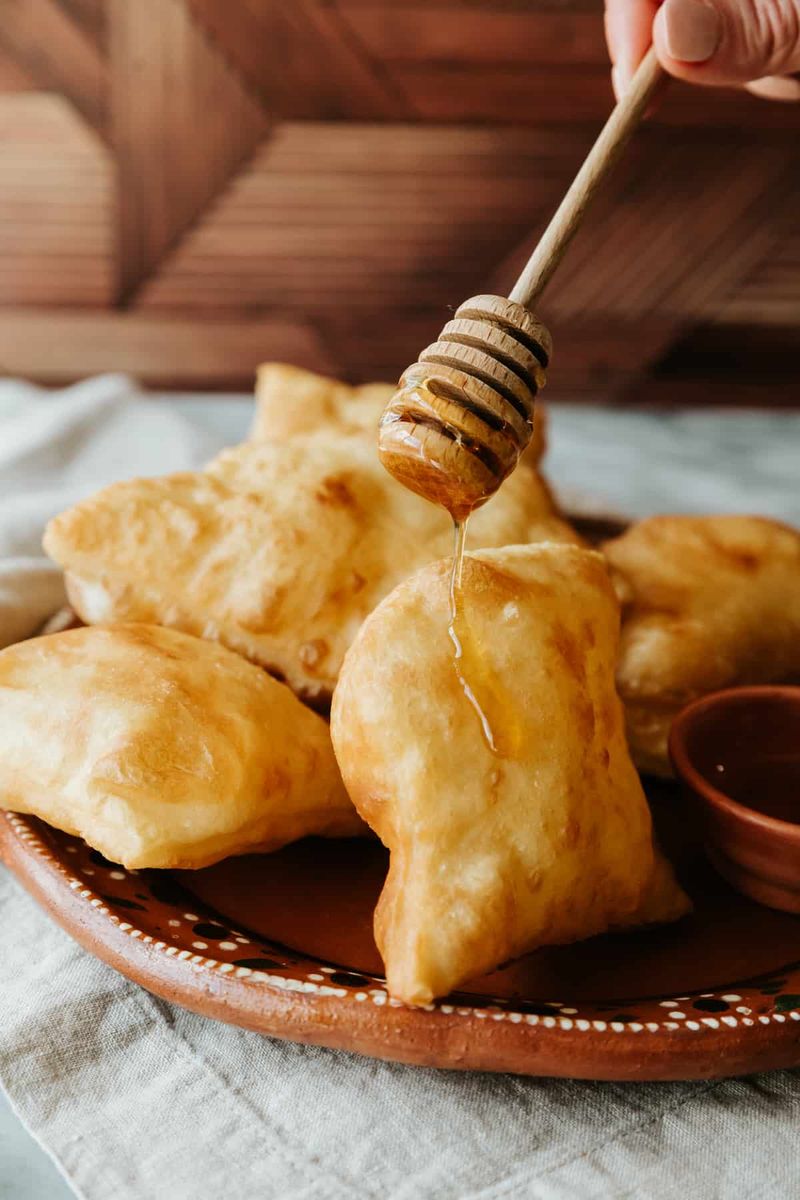
Tear open a sopaipilla and steam rushes out of the hollow pocket inside. In New Mexico, restaurants bring baskets of these pillowy triangles to the table with a bottle of honey.
The trick is that the hot oil makes the thin dough puff up like a balloon.
Many diners poke a hole in one corner and pour honey straight inside. Others sprinkle cinnamon sugar on top instead.
Both ways are delicious.
6. Funnel Cake At The Fair
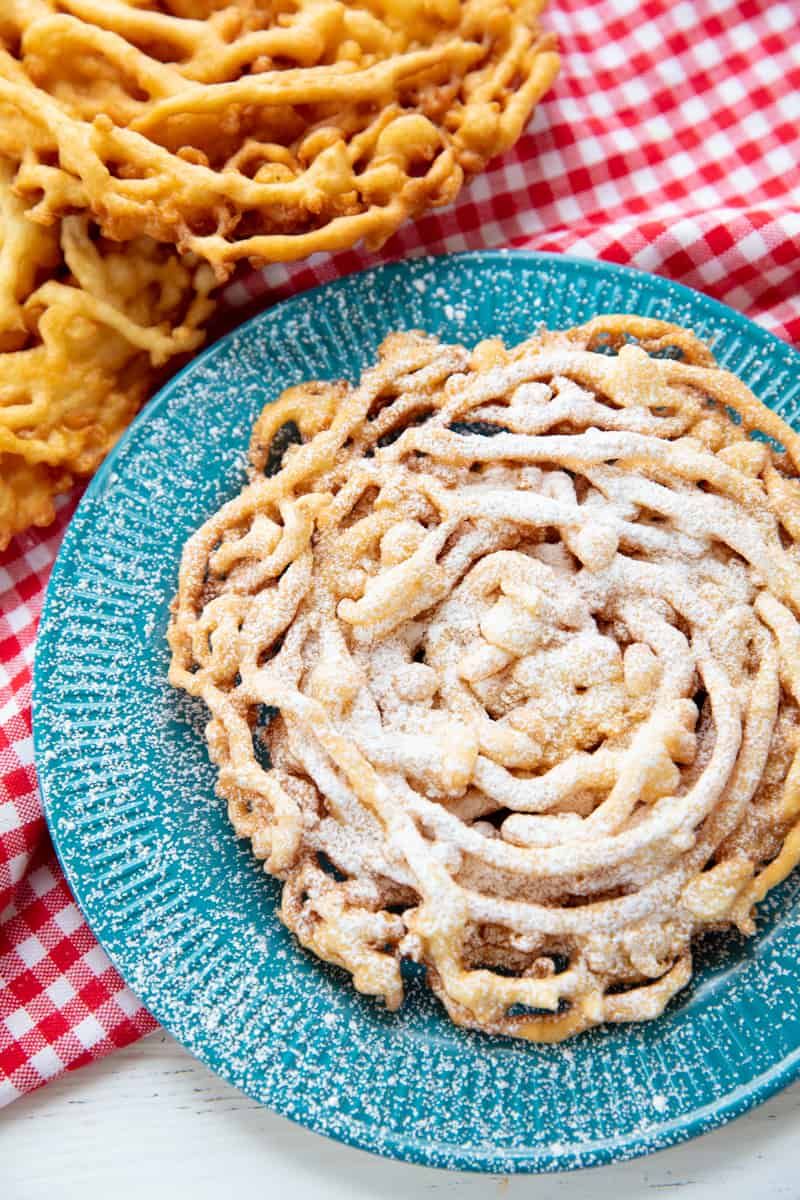
Nothing smells more like summer than funnel cake drifting across a county fairground. Vendors pour batter through a funnel into hot oil, swirling it into a tangled, lacy web.
The Pennsylvania Dutch made this treat popular in America long before carnival stands did.
Classic toppings are powdered sugar, but strawberries and whipped cream turn it into a party. Grab extra napkins and maybe share, because one cake is surprisingly huge.
7. Jalebi Spirals
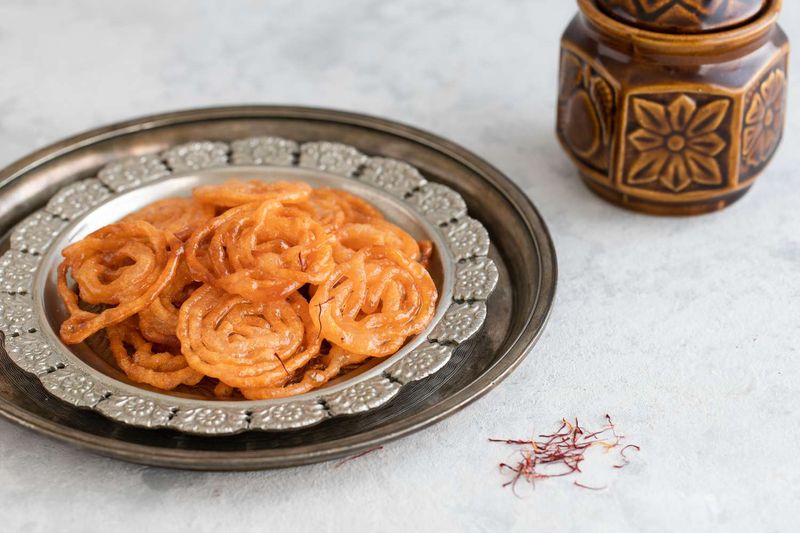
Bright orange swirls glowing in syrup make jalebi hard to miss at any South Asian sweet shop. Street cooks pipe batter freehand into loops, a skill that takes years to master.
After frying, the crispy coils soak up sugar syrup, so every bite crackles and then oozes sweetness.
In parts of India, people eat jalebi for breakfast with warm milk or yogurt. It sounds unusual, yet the pairing works wonderfully.
8. Mexican Buñuelos
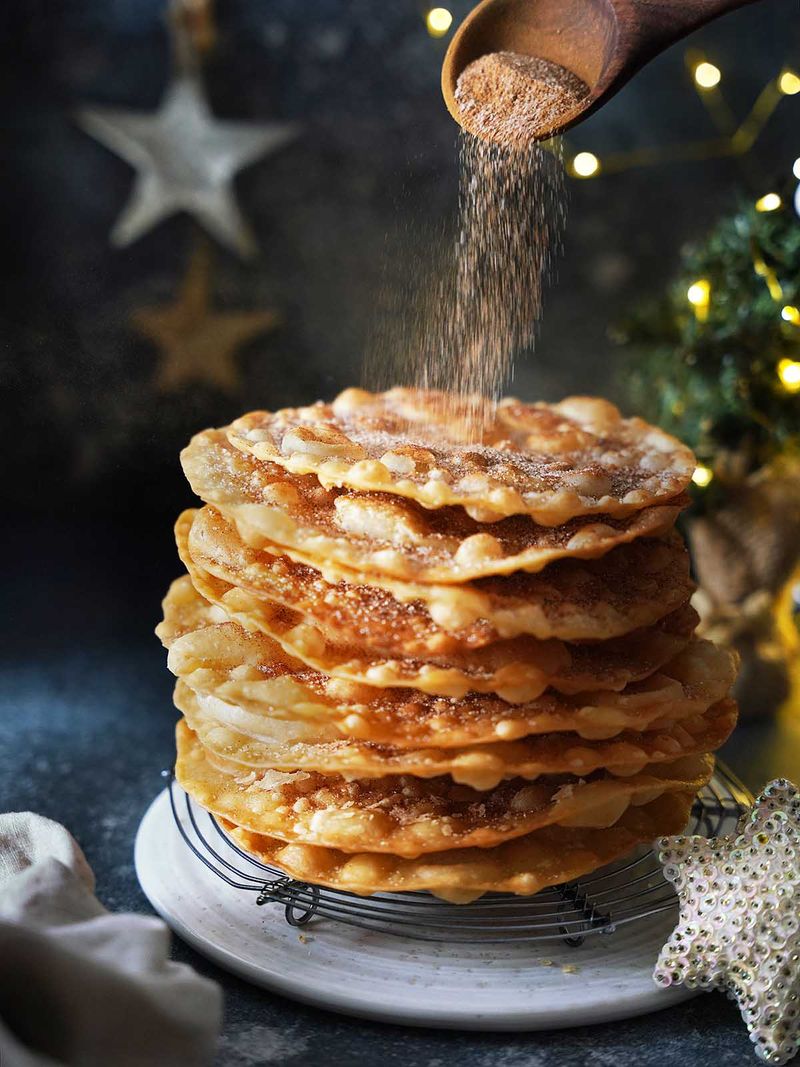
Around Christmas in Mexico, families gather to stretch dough so thin you can almost see through it. These are buñuelos, crispy fried discs that shatter like glass.
Some cooks top them with cinnamon sugar. Others pour on a dark syrup made from piloncillo, an unrefined cane sugar.
An old tradition says you should make a wish and break the clay plate after eating. That might be one custom to skip at home!
9. Andagi From Okinawa
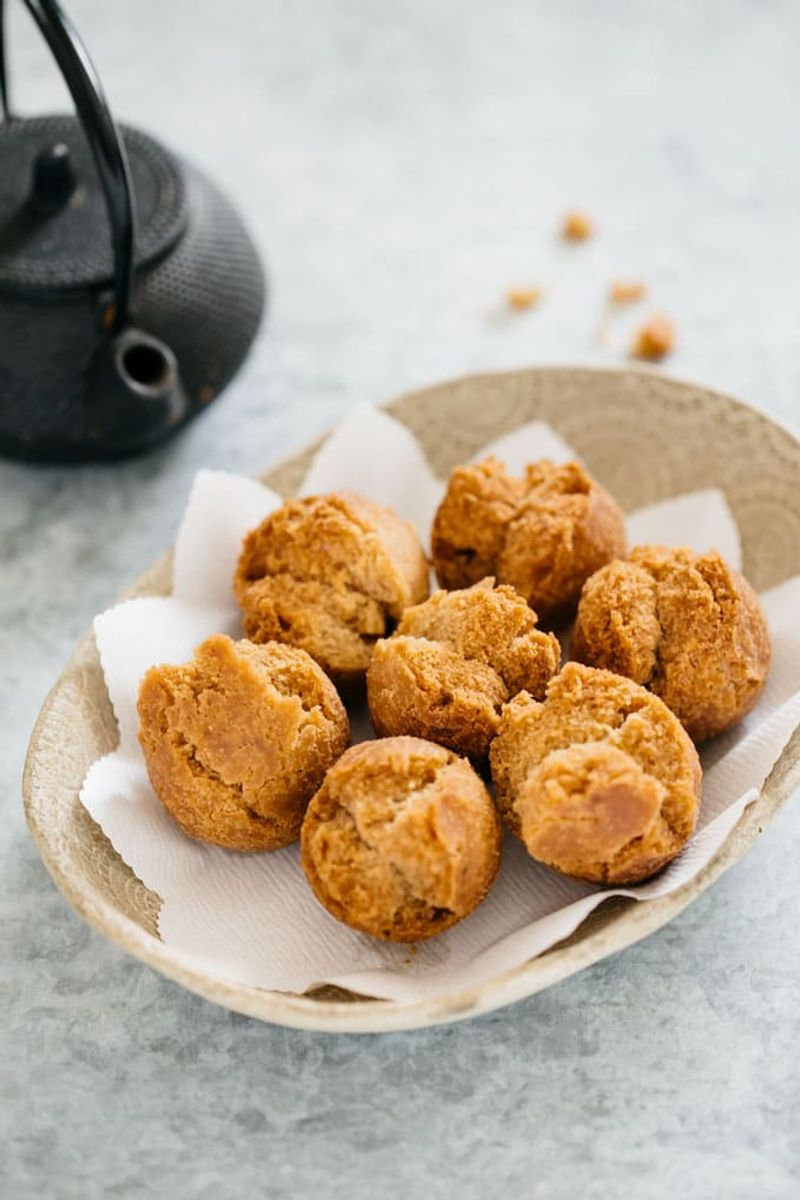
Okinawa, Japan, has a doughnut that smiles at you. Sata andagi crack open while frying, and locals say the split looks like a happy grin.
Dense and cake-like, they taste a bit like a crunchy muffin. Their name roughly means sugar deep fried in the local dialect.
Since they stay fresh for days, families pack them for picnics and celebrations. Try a purple sweet potato version if you ever spot one.
10. Zeppole For Saint Joseph’s Day
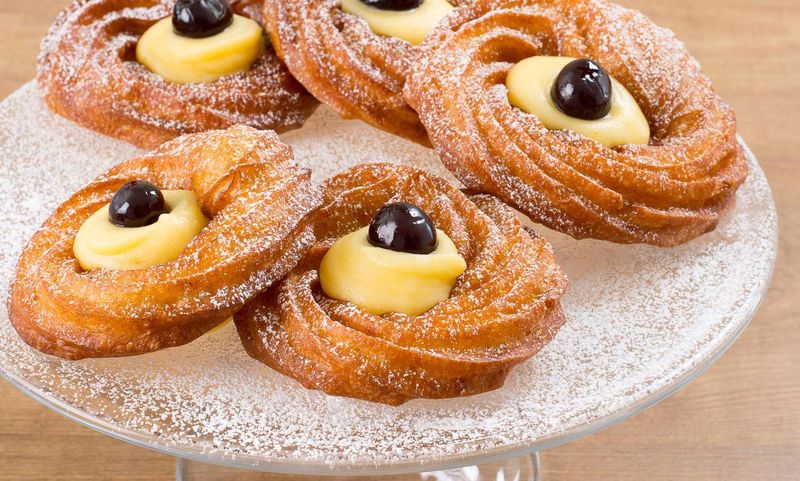
Every March 19, Italian bakeries go wild for zeppole to honor Saint Joseph. Naples is especially famous for them.
Simple versions are fried dough balls tossed in sugar, sold at street festivals. Fancier ones are rings filled with custard and topped with a shiny cherry.
Fun fact: Saint Joseph is often called the patron saint of pastry cooks. If you see zeppole in spring, grab one and join the celebration.
11. Polish Pączki
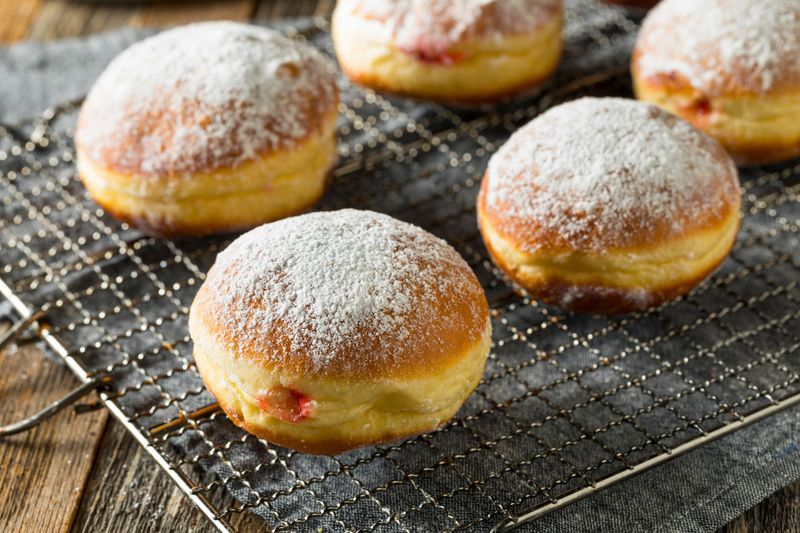
Lines wrap around bakery blocks on Fat Thursday in Poland. Everyone wants pączki, rich jelly-filled doughnuts eaten right before Lent begins.
Families once made them to use up eggs, butter, and sugar before weeks of fasting. The dough is richer than an ordinary doughnut, so each one feels heavy and lush.
Rose jam is the traditional filling. Plum and custard are tasty too.
Pronounce it POONCH-kee to sound like a pro.
12. Fried Ice Cream
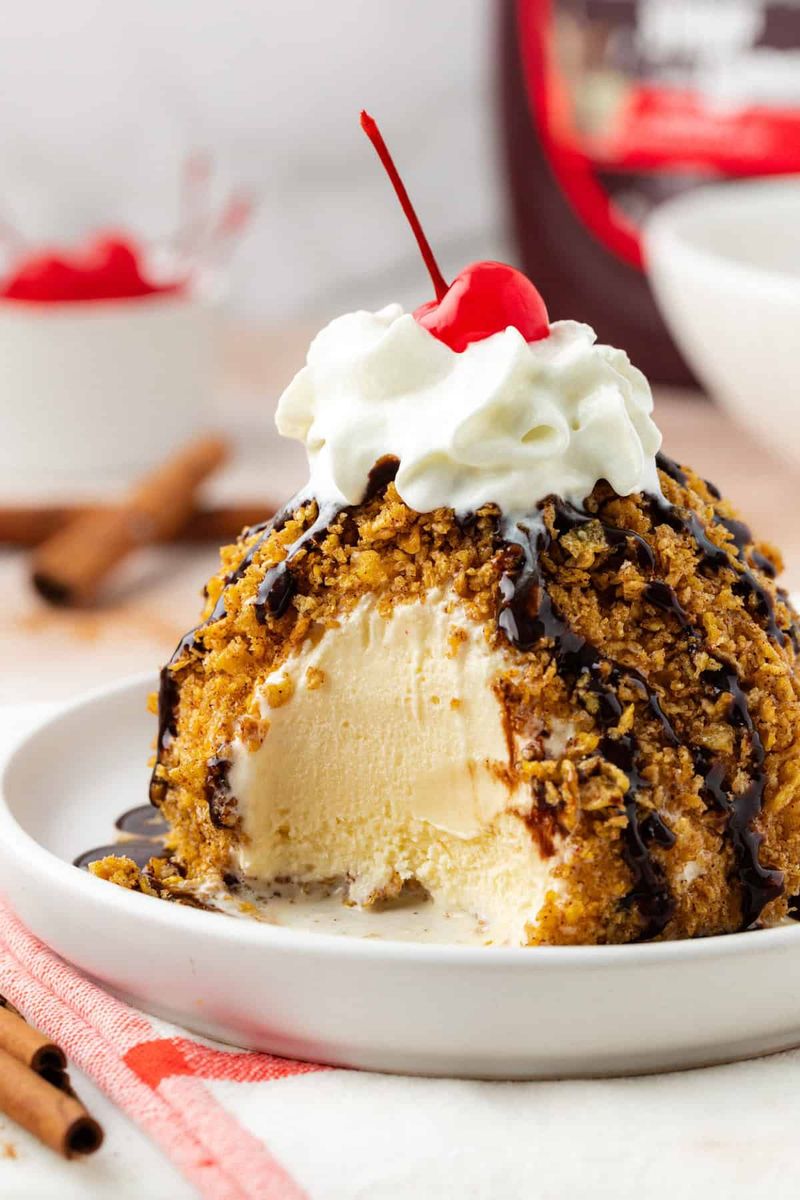
Hot outside, frozen inside. How does that even work?
The secret is freezing a scoop of ice cream rock solid, rolling it in crushed cornflakes or cookies, then frying it for just a few seconds. The crust turns crunchy before the center can melt.
Mexican-style restaurants often serve it in a crispy tortilla bowl with honey and whipped cream. Eat fast for the best mix of warm crunch and cold creaminess.
13. Banana Turon From The Philippines
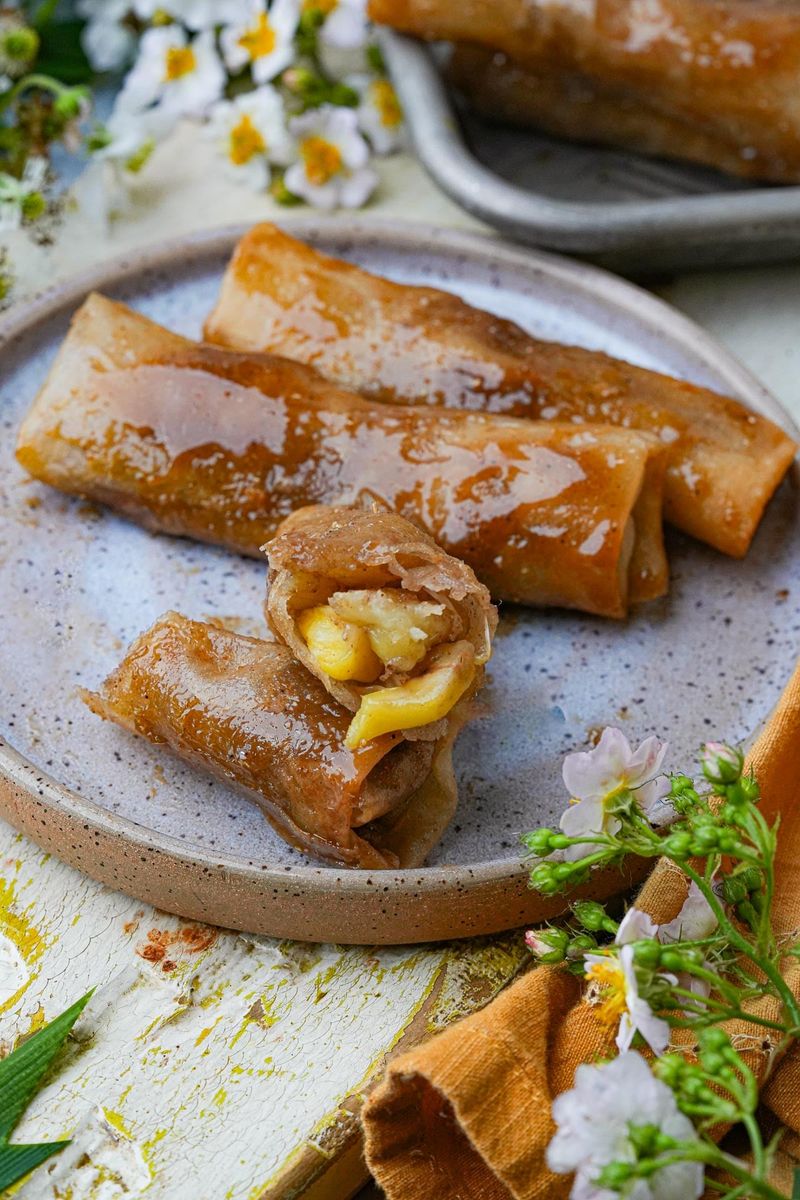
Walk past a Manila street cart in the afternoon and you’ll hear the sizzle of turon. Slices of sweet saba banana get wrapped in spring roll paper, often with strips of jackfruit.
Brown sugar melts in the oil and coats each roll in a glassy caramel shell.
Kids love it as an after-school snack, and it costs only a few pesos. Let it cool slightly, since that caramel stays very hot.
14. Koeksisters From South Africa
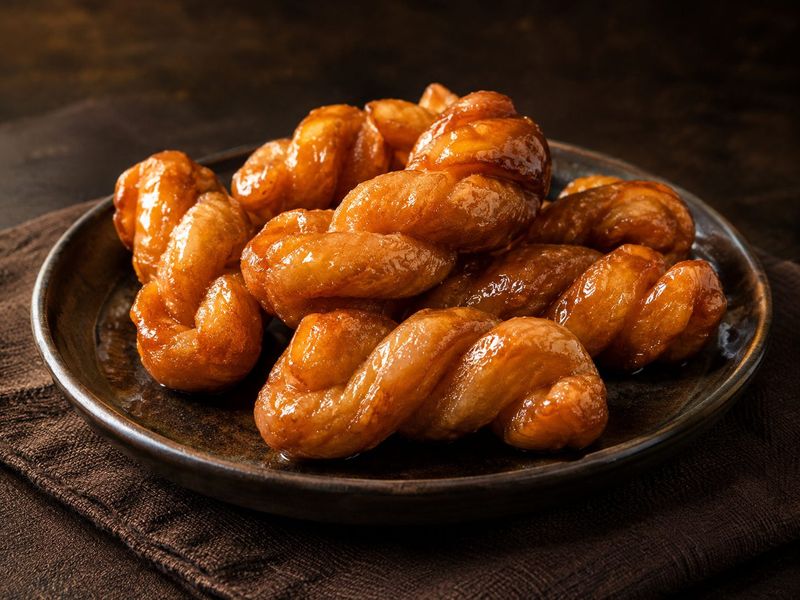
Braided like a tiny rope, koeksisters are South Africa’s sticky pride and joy. There’s even a monument to them in the town of Orania.
Bakers fry the twisted dough, then plunge it straight into ice-cold syrup. That temperature shock helps the syrup soak deep inside while the outside stays crisp.
Store them in the fridge. Many South Africans insist they taste best chilled, with a cup of rooibos tea nearby.
15. Dutch Oliebollen
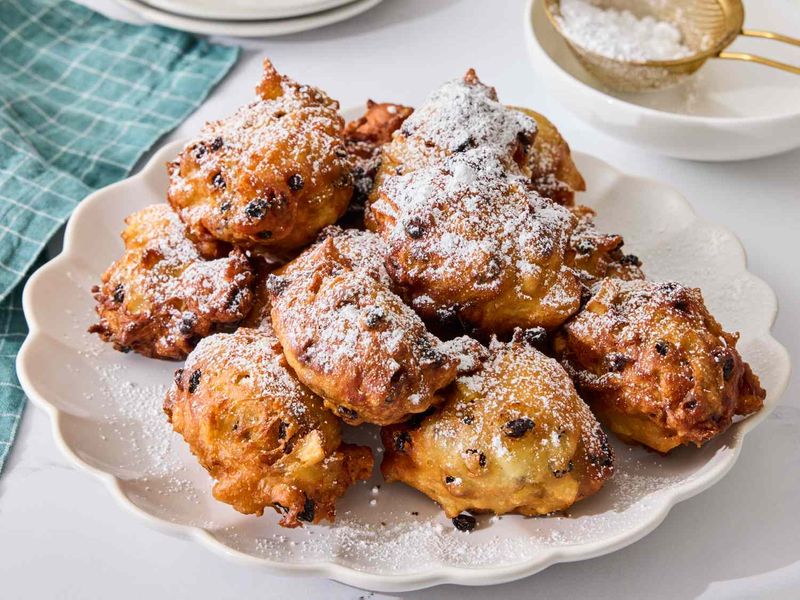
When fireworks light up Dutch skies on New Year’s Eve, oliebollen are close at hand. The name means oil balls, which is honest, if not very fancy.
Inside the crispy shell you’ll find a fluffy yeast dough dotted with raisins or apple bits. A thick dusting of powdered sugar finishes them off.
Stands pop up all over the Netherlands each winter. Some towns even hold contests to crown the best batch.
16. Chinese Sesame Balls
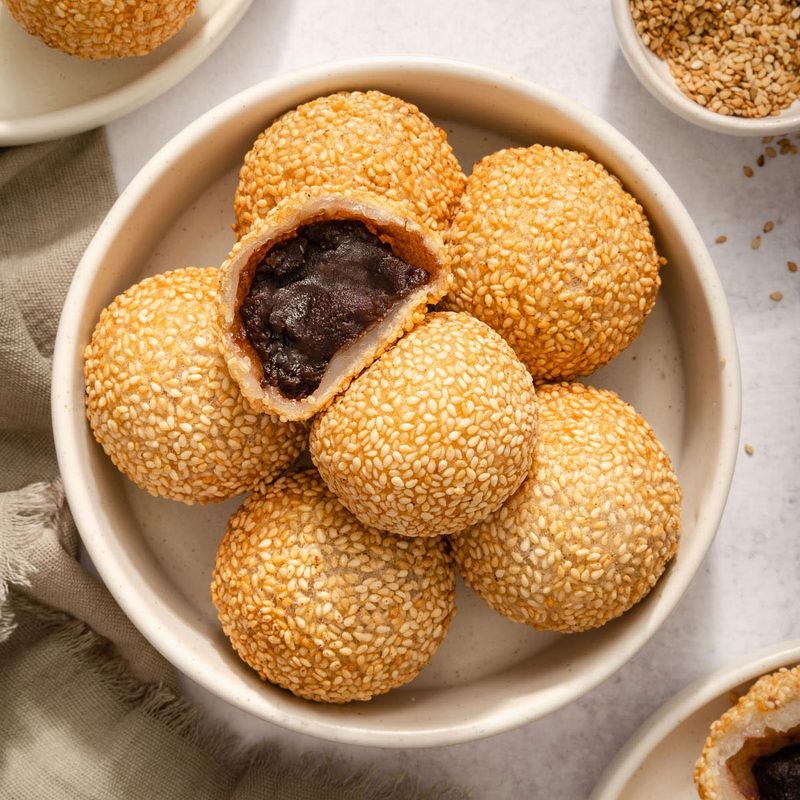
Crack one open and you’ll find a surprise: a chewy, stretchy layer hiding sweet red bean paste. Chinese sesame balls, called jian dui, are a dim sum classic.
Glutinous rice flour gives them that fun, bouncy texture, while sesame seeds toast into a nutty crust.
During Lunar New Year, people say the balls puffing up in oil means good luck will grow. That’s a pretty sweet reason to eat a few.
17. Malasadas In Hawaii
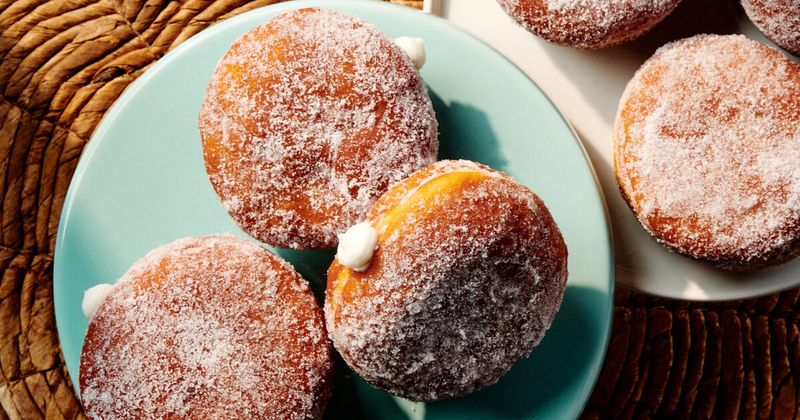
Portuguese workers sailed to Hawaii in the 1800s and brought malasadas with them. The islands fell in love and never looked back.
Picture an eggy, holeless doughnut rolled in sugar while still steaming. Hawaiian bakeries fill them with local flavors like haupia, a coconut pudding, or guava cream.
Visitors to Honolulu often line up at famous bakeries just for a warm box. Arrive early, because popular flavors sell out fast.
18. Lokma From Turkey
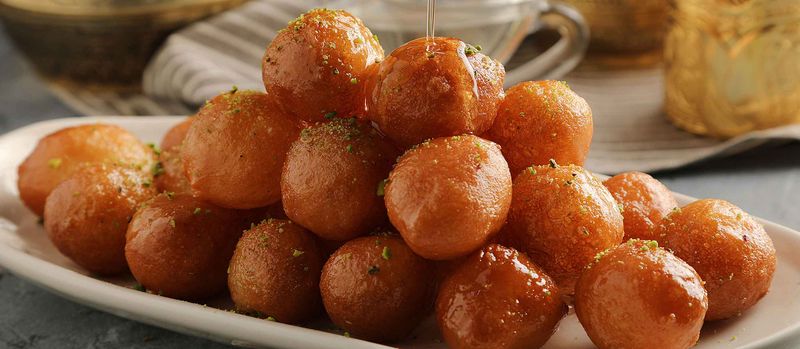
Bite-sized and impossible to stop eating, lokma are Turkey’s answer to the doughnut hole. Street vendors scoop batter by hand and drop perfect little balls into bubbling oil.
Once crisp, they get a bath in lemon-scented syrup. Modern stands add chocolate sauce, pistachios, or even cookie crumbs.
In Turkey, families sometimes hand out free lokma to neighbors to remember a loved one. Sharing is truly part of the recipe.
19. Brazilian Bolinho De Chuva
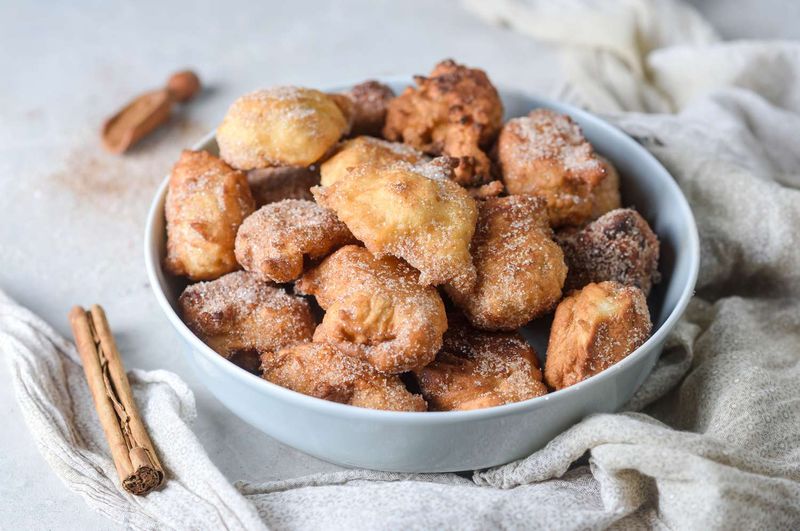
Their name means little rain cakes, and Brazilian grandmothers often whip them up on gloomy, rainy afternoons. Nothing fixes a gray day faster.
The batter is basic pantry stuff: flour, eggs, milk, and sugar. Spoonfuls drop into hot oil and form lumpy, rustic shapes, which is part of their charm.
Roll them in cinnamon sugar and pair them with coffee or hot cocoa. Next stormy weekend, give them a go.
20. Sufganiyot For Hanukkah
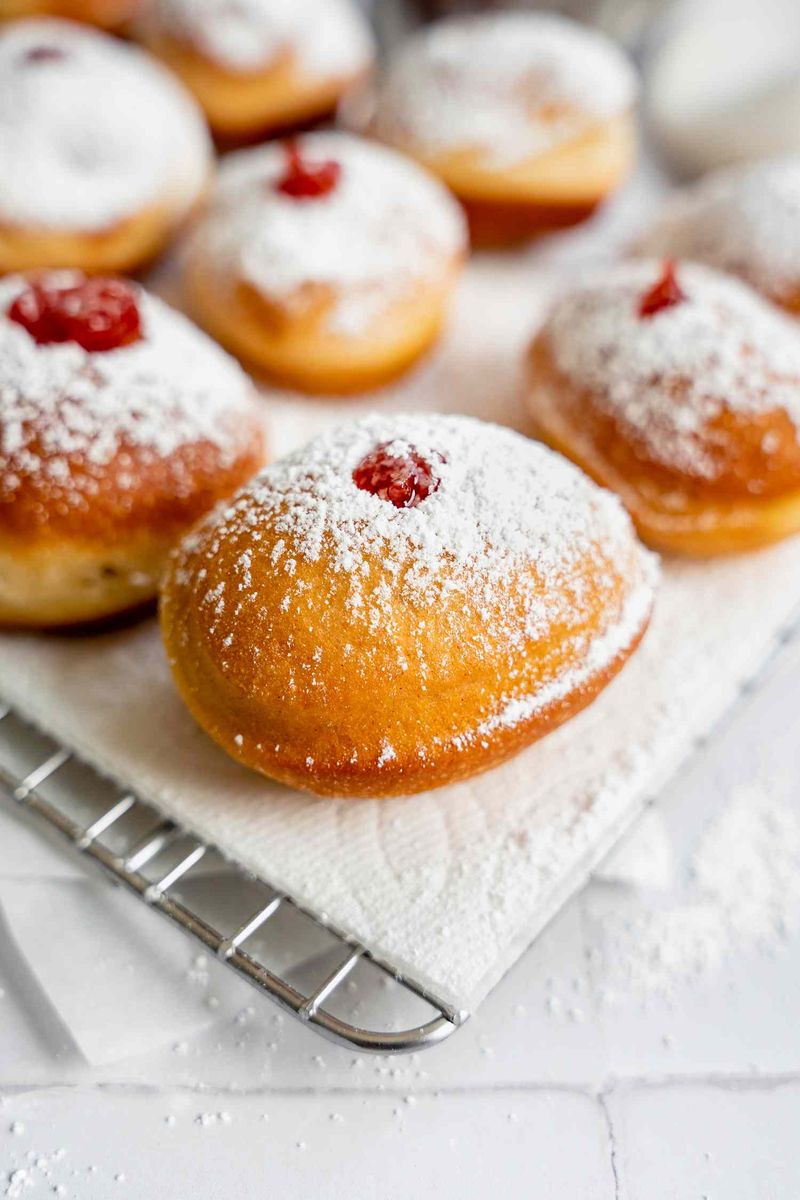
Oil plays a starring role in the Hanukkah story, so frying foods is a way to celebrate. In Israel, that means mountains of sufganiyot.
These round jelly doughnuts are traditionally stuffed with strawberry jam and topped with powdered sugar. Bakeries now get creative with dulce de leche, pistachio cream, and chocolate.
Israelis eat millions of them during the eight-day holiday. Making a batch with family is a cozy winter tradition worth starting.
21. Scottish Deep Fried Mars Bar
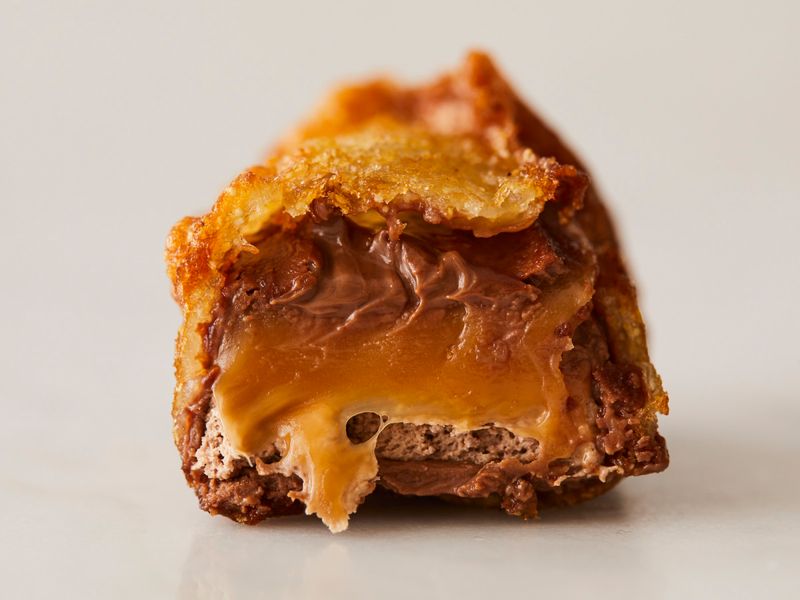
Here’s one for the bold eaters. Back in the 1990s, a chip shop in Stonehaven, Scotland, dipped a Mars bar in fish batter and fried it.
The result became a legend. Crispy batter gives way to melted chocolate and gooey caramel that oozes everywhere.
It’s very rich, so splitting one with a friend is smart. Chilling the candy bar beforehand helps keep it from melting completely before the batter turns golden.