
A quiet piano, a soaring voice, and a huge guitar solo can turn a simple love song into something unforgettable. Power ballads mix rock’s loud energy with feelings almost anyone can understand.
They have filled arenas, shaped movie soundtracks, and helped listeners through heartbreak. From tender promises to desperate pleas, these songs show why rock’s softer side still hits so hard.
1. Dream On – Aerosmith

Before power ballads ruled radio, a young Boston band showed how huge a quiet beginning could become. Released in 1973, Aerosmith’s breakthrough pairs thoughtful verses with Steven Tyler’s rising cries, turning worries about time into a fierce call to keep hoping.
Listen for how the instruments gather strength beneath his voice. The final stretch feels earned, not rushed.
Years later, Eminem sampled the recording for Sing for the Moment, introducing its emotional force to another generation.
2. I Don’t Want to Miss a Thing – Aerosmith
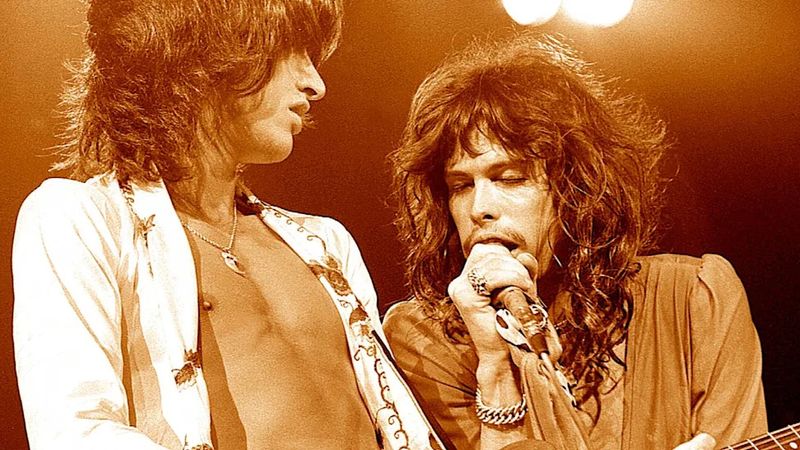
Movie romance rarely gets louder than Steven Tyler refusing to let a single moment slip away. Written by Diane Warren for the 1998 film Armageddon, the song surrounds his rough voice with sweeping strings and a chorus built for enormous crowds.
It became Aerosmith’s first and only number one on the Billboard Hot 100. Try hearing it without the movie’s images: the contrast between tender words and full force singing still carries the whole emotional story.
3. Alone – Heart
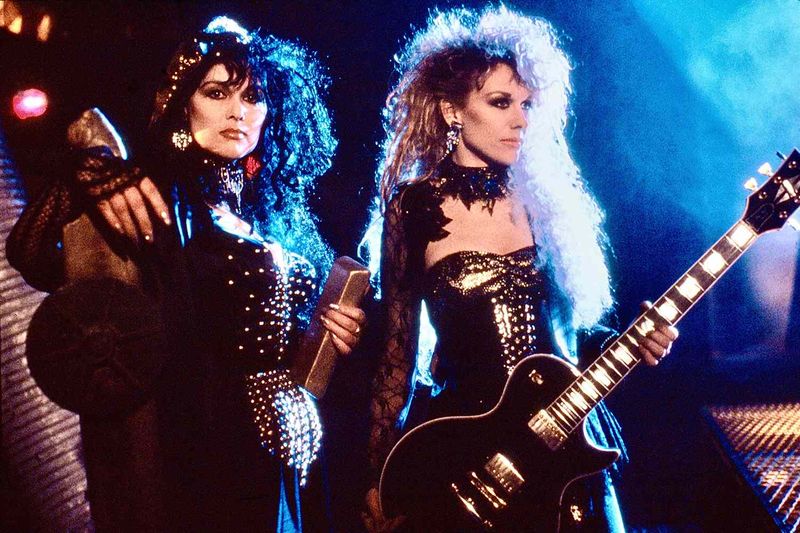
A few lonely keyboard notes set the scene before Ann Wilson blows the doors open. Heart’s 1987 recording makes the fear of admitting love sound both deeply private and big enough to fill a stadium.
The chorus is a karaoke favorite, but its high notes demand more control than they might suggest. Notice how Wilson holds back early, giving her later outburst extra impact.
That balance of restraint and release makes the performance so memorable today.
4. Open Arms – Journey
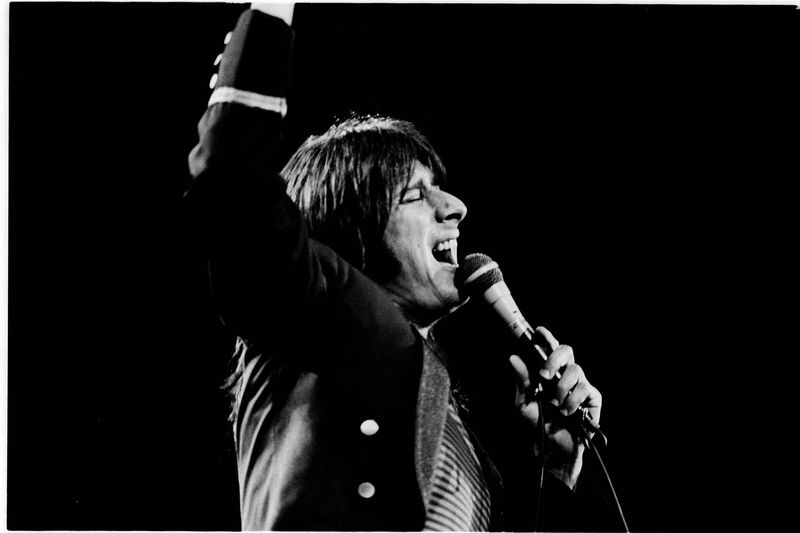
Sometimes the strongest move a rock band can make is to leave space. Journey does exactly that on this 1982 single, letting piano and Steve Perry’s clear voice carry a story about returning to someone you love.
Rather than burying the message under busy playing, the arrangement keeps its focus on trust and welcome. Play it after a heavier Journey track to hear the difference.
The same band can sound powerful without pushing every instrument forward.
5. Faithfully – Journey
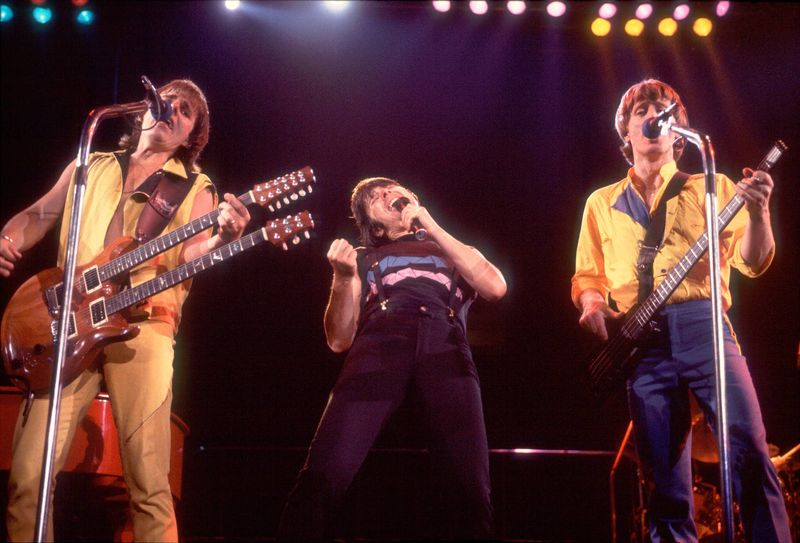
Life on the road sounds exciting until distance starts testing the people left at home. Written by keyboardist Jonathan Cain, Journey’s 1983 ballad turns that struggle into a promise, with Steve Perry giving every line a sense of longing.
The familiar piano opening creates warmth before the guitars widen the picture. Listen closely to the closing vocal passages, where words give way to feeling.
They capture how a simple melody can express what conversation sometimes cannot.
6. I’d Do Anything for Love (But I Won’t Do That) – Meat Loaf

Subtlety takes the night off when Meat Loaf steps up to this grand declaration. Jim Steinman’s 1993 epic mixes tender piano, crashing rock passages, and a dramatic vocal exchange into something closer to a stage show than a standard single.
The album version runs about twelve minutes, giving its changing moods room to breathe. Choose that version when you have time to follow the journey.
Its oversized emotions make more sense when the whole story unfolds.
7. November Rain – Guns N’ Roses
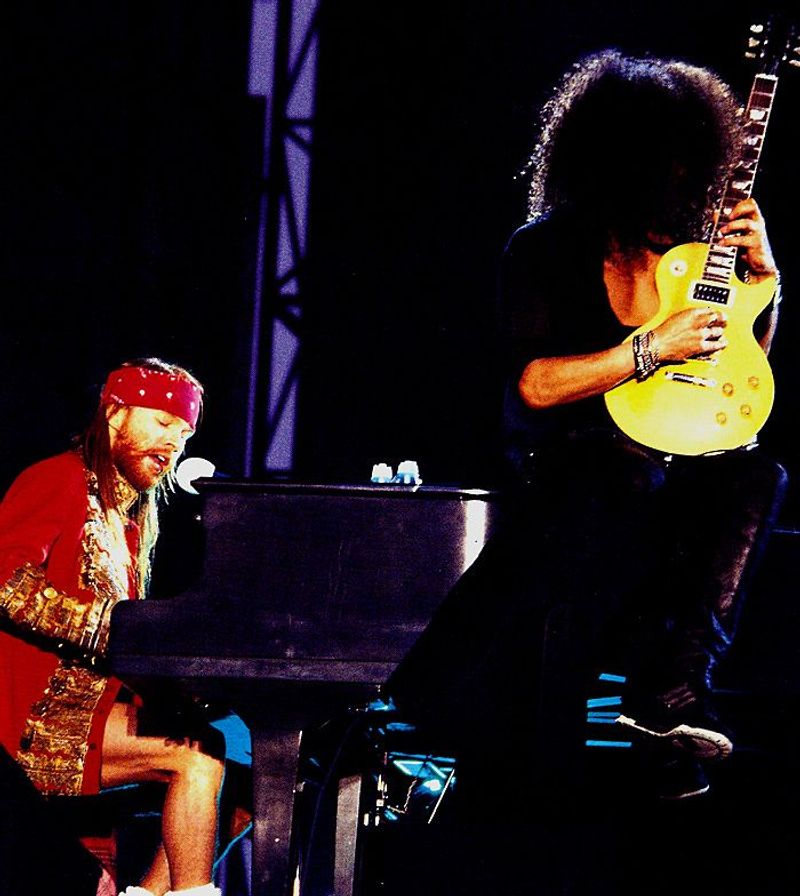
Rain, roses, and a guitar solo outside a church helped make this song a music video landmark. Yet the recording stands on its own, with Axl Rose’s piano guiding a sweeping account of love, doubt, and change.
Released as a single in 1992, it gives Slash plenty of space to shape the emotion through guitar. Save it for an uninterrupted listen.
The long buildup matters, especially when the closing section shifts from sadness toward something stormier.
8. Every Rose Has Its Thorn – Poison

Under the big hair and bright stage clothes, Poison found a surprisingly plainspoken way to describe heartbreak. Their 1988 hit begins with acoustic guitar, giving Bret Michaels room to sound hurt rather than larger than life.
A touch of country flavor helps the song feel familiar even to listeners who rarely choose hard rock. It became the band’s only Billboard Hot 100 number one.
Try playing it acoustically: the melody needs little decoration to land its message.
9. I Want to Know What Love Is – Foreigner
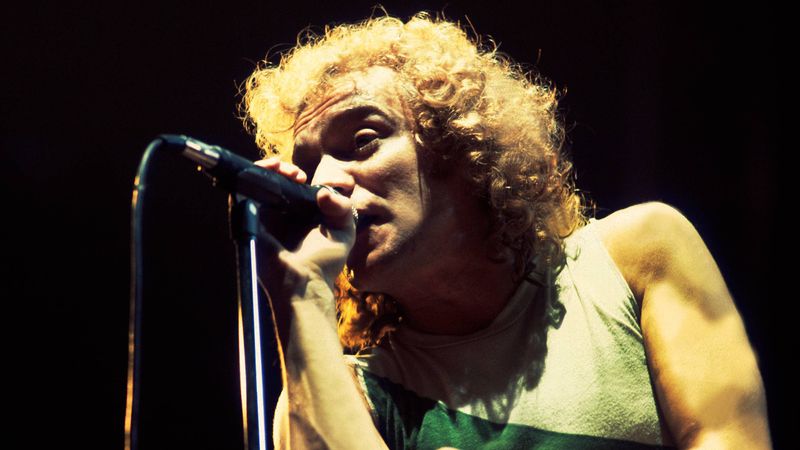
One searching voice becomes a roomful of hope when the choir arrives. Foreigner’s 1984 single builds around Lou Gramm’s heartfelt singing, then opens outward with backing vocals from the New Jersey Mass Choir.
That shift gives a personal wish a shared feeling, as though everyone listening wants the same answer. The song reached number one in the United States.
For the fullest effect, notice the space before the final choruses, not just the big finish itself.
10. Always – Bon Jovi
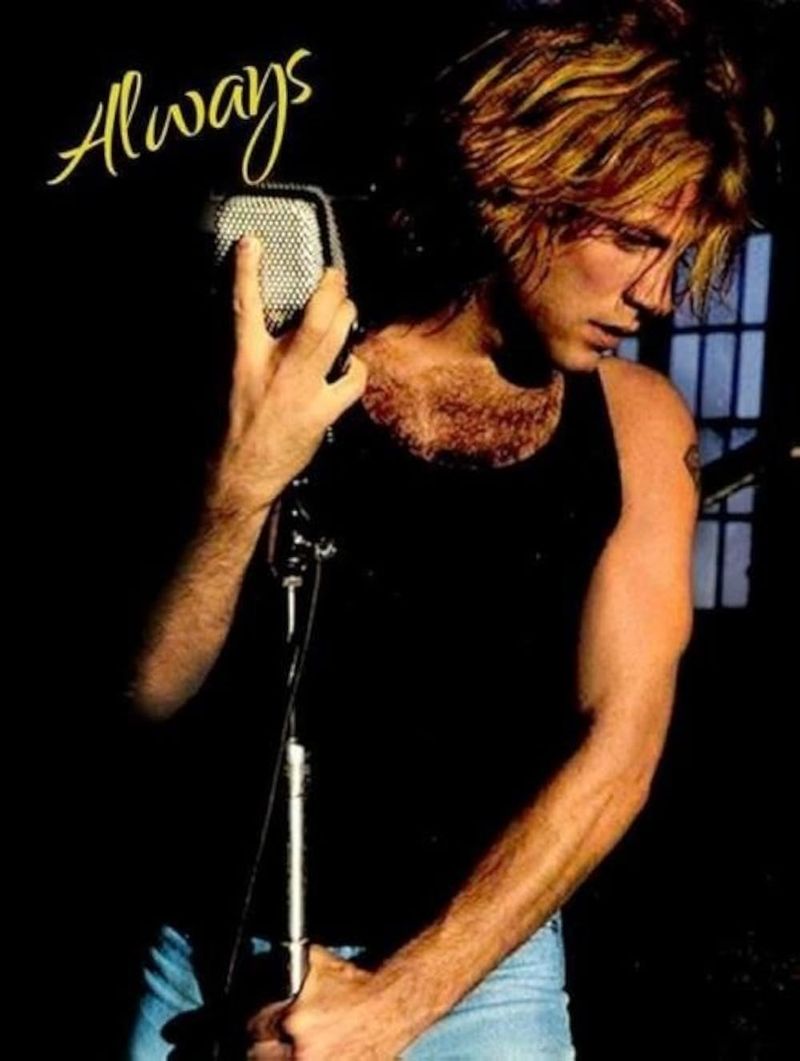
Regret has a rough edge in Jon Bon Jovi’s voice, and that suits this 1994 ballad perfectly. Rather than offering an easy happy ending, the song presents someone reaching desperately for a love that may already be lost.
Piano and swelling strings support a chorus that seems determined to reach the back row. Pay attention to the uneasy feelings beneath its romantic surface.
Big promises can sound moving while still revealing how badly a relationship has unraveled.
11. Total Eclipse of the Heart – Bonnie Tyler
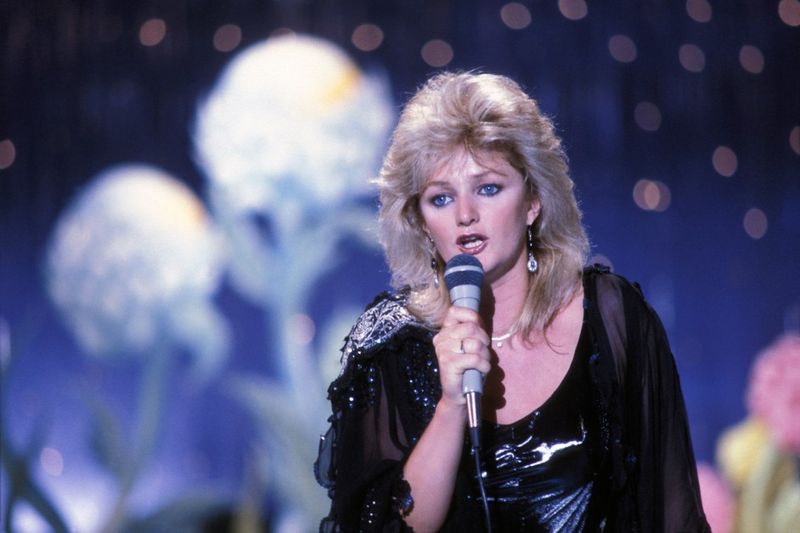
Few voices sound as weathered and fearless as Bonnie Tyler’s on this 1983 classic. Written by Jim Steinman, the song turns loneliness into musical theater, complete with answering vocals, sudden surges, and a chorus that refuses to stay small.
The strange, dreamlike video adds another layer of drama, but headphones reveal plenty without pictures. Listen for how the backing voices frame Tyler’s rasp.
Their smoother sound makes her delivery feel even more urgent, exposed, and deeply human.
12. Still Loving You – Scorpions
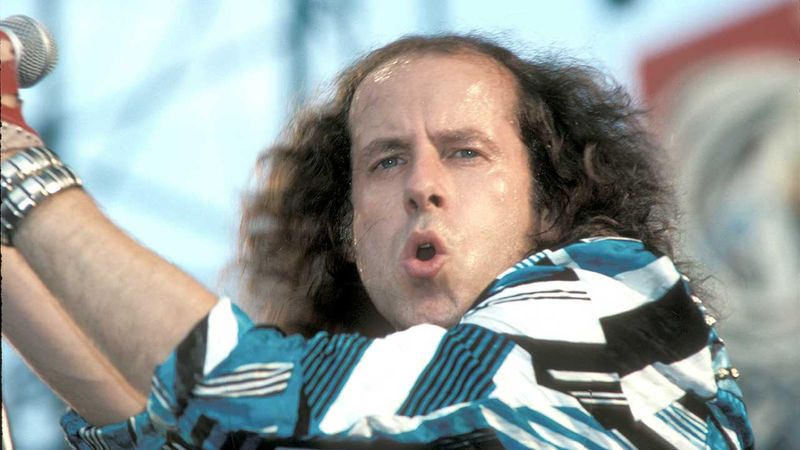
A whispered plea slowly grows into a roar on this Scorpions favorite from 1984. Klaus Meine sings as someone hoping to repair real damage, while the guitars move from careful phrases to a much heavier release.
Patience is the secret ingredient here. Skip ahead, and you lose the tension that makes the later sections hit so hard.
Hear the track from its opening notes, following how each added layer raises the stakes without erasing the underlying hurt.
13. Bringin’ on the Heartbreak – Def Leppard

Before their biggest pop hits, Def Leppard already knew how to make heartbreak sound enormous. Released in 1981, this track matches Joe Elliott’s gritty lead with layered group vocals, giving its chorus both muscle and a wounded edge.
Early MTV exposure helped bring the band to American viewers. The recording also offers a useful listening lesson: harmonies do more than sweeten a tune.
Here, they make one person’s pain feel like a whole crowd is carrying it.
14. Is This Love – Whitesnake
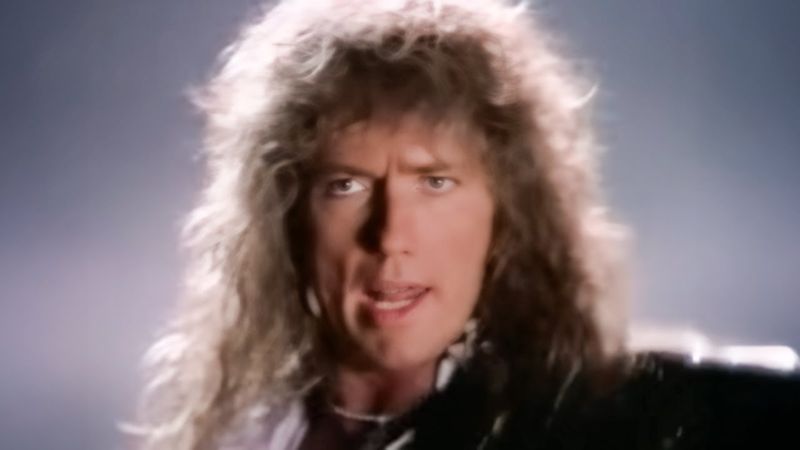
Not every power ballad needs to sound like the world is ending. Whitesnake’s 1987 hit takes a smoother route, letting David Coverdale explore the uncertain moment when attraction begins to feel like something deeper.
Soft keyboards and measured guitar lines leave plenty of room for his warm, bluesy voice. Add it to a playlist between heavier songs when you want the energy to settle without disappearing.
Its strength lies in confidence and atmosphere rather than constant vocal fireworks.
15. Don’t Know What You Got (Till It’s Gone) – Cinderella
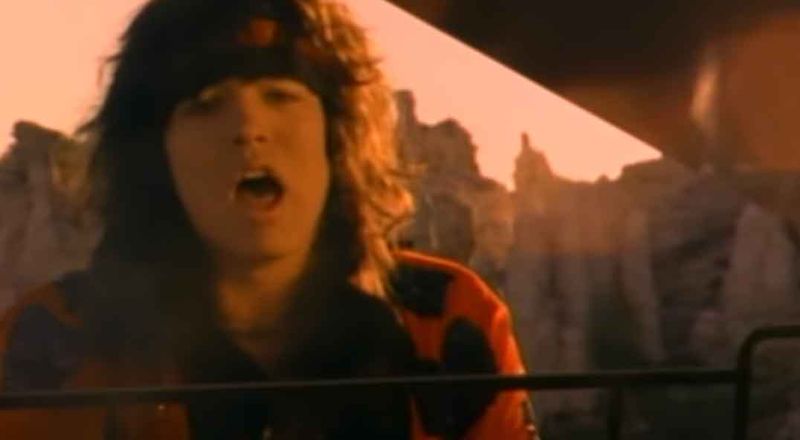
Loss sounds painfully rough when Tom Keifer pushes his voice through this 1988 Cinderella ballad. The piano opening feels almost fragile, making the arrival of electric guitars seem like feelings finally breaking through a carefully held wall.
Its message is easy to recognize: people often understand what mattered only after losing it. Instead of treating that idea as simple advice, the performance makes regret feel immediate.
Notice how Keifer’s cracked delivery keeps the polished arrangement from feeling distant.