
A movie star’s biggest change sometimes happens before the cameras even roll. Behind strange creatures and dramatic new faces are makeup teams solving tough problems with glue, paint, and patience.
Here, challenging means demanding makeup work, not a claim that these actors were rude or hard to work with. These examples explore famous transformations, rather than a verified ranking of artists’ most difficult clients.
1. Jim Carrey: Bringing the Grinch to Life
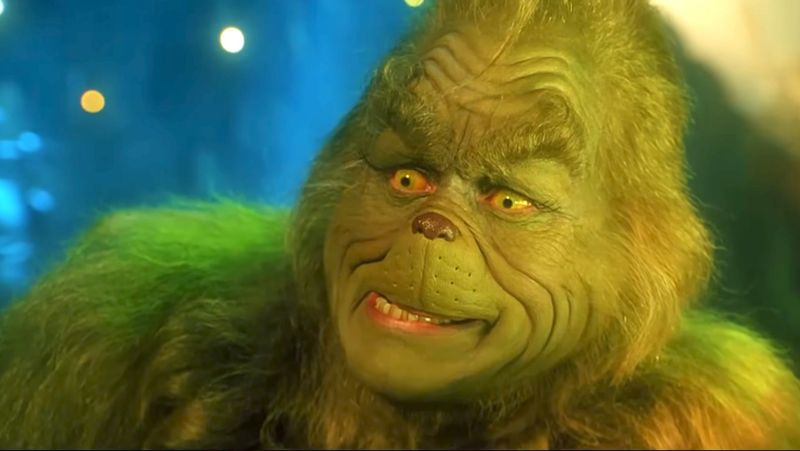
Green fur looks cheerful until someone has to wear it for hours. For How the Grinch Stole Christmas, Rick Baker’s team transformed Carrey with facial pieces, hair, and heavy costume elements.
The challenge went beyond making him look grouchy: his face still needed room for those wild expressions. Carrey has publicly described the process as extremely uncomfortable.
For anyone trying costume makeup, the lesson is simple: test comfort and movement before committing to a full look.
2. Ron Perlman: Hellboy’s Heavy Red Armor
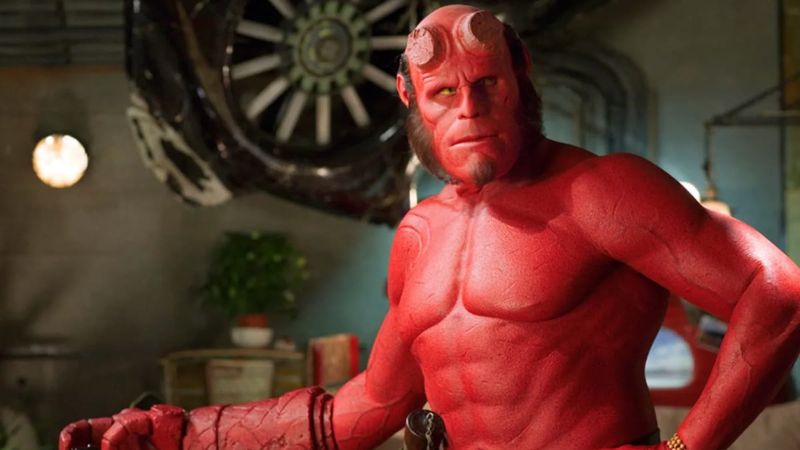
Under that red face, a human performance still had to shine. Perlman’s Hellboy look combined facial appliances, horn stumps, hair, and a muscular creature design developed by makeup artist Jake Garber and the team.
Keeping those pieces secure during action scenes added another hurdle. Sweat, movement, and changing camera angles can reveal edges that look fine in a mirror.
A useful takeaway: judge costume makeup while moving, not just while standing still under one flattering light.
3. Doug Jones: A Creature Built for Close-Ups
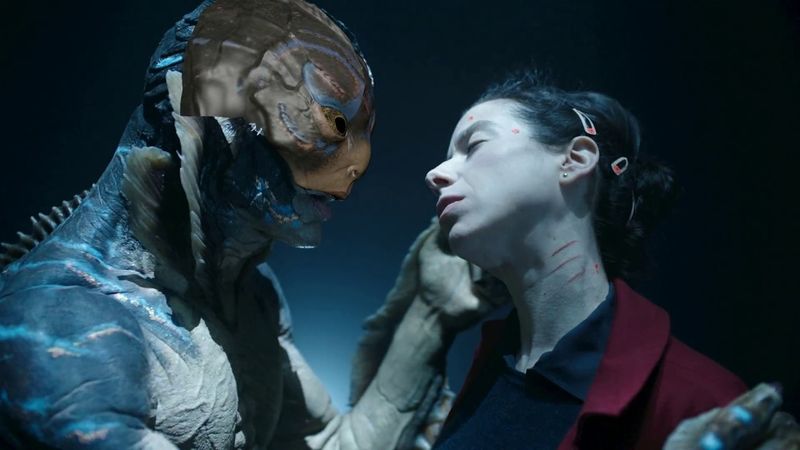
A love story needs eyes and expressions viewers can believe. In The Shape of Water, Jones wore an elaborate amphibian suit and makeup created by a team led by Shane Mahan and Mike Hill.
The design needed to feel strange without hiding the emotion beneath it. Water scenes also demanded careful planning around materials and repairs.
Notice how color, texture, and tiny facial movements work together; successful creature makeup supports acting instead of simply covering someone.
4. Rebecca Romijn: Mystique’s Detailed Blue Finish
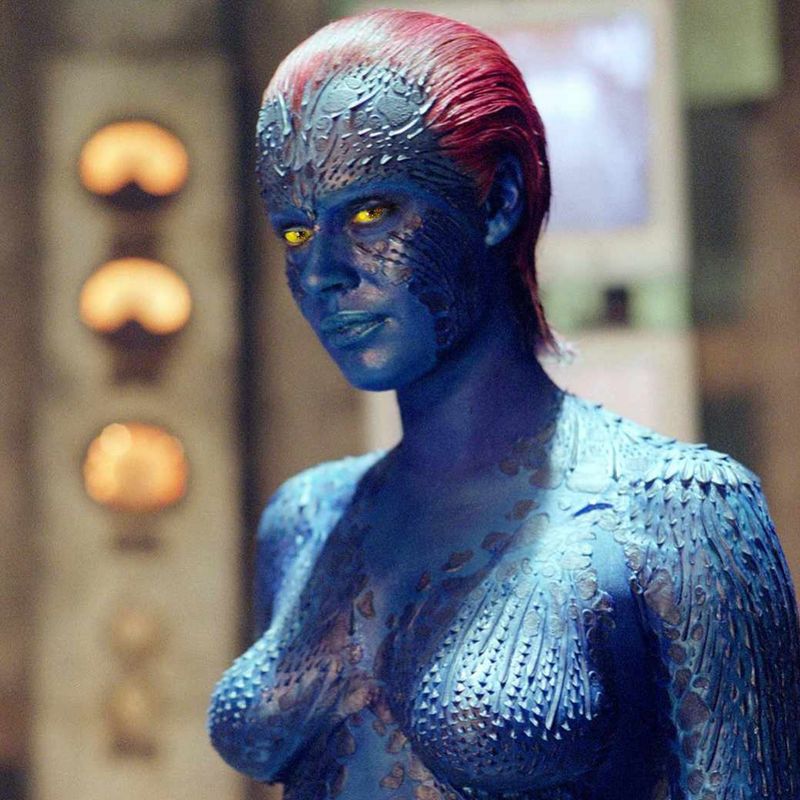
Blue skin sounds easy until every visible inch must match. Romijn’s original Mystique transformation involved extensive body makeup and carefully placed textured pieces, creating one of the X-Men films’ most striking looks.
The demanding application required patience from both performer and crew. Matching placement across filming days mattered as much as the first beautiful result.
If you recreate a detailed character, take reference photos from several angles so tomorrow’s version follows the same pattern and colors.
5. Jennifer Lawrence: A New Approach to Mystique
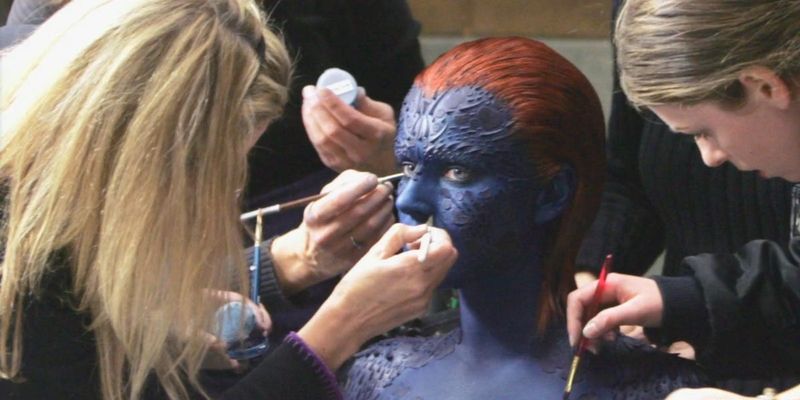
Taking over a famous blue character brought a familiar problem: long makeup sessions. Lawrence has discussed the discomfort of playing Mystique, including reactions associated with the body makeup used early in her run.
Later productions used a bodysuit to reduce how much painting was needed. That change shows why challenging makeup jobs often call for redesign, not more endurance.
Skin irritation deserves attention, and changing materials can be smarter than pushing through an uncomfortable application repeatedly.
6. Dave Bautista: Drax’s Raised Red Markings
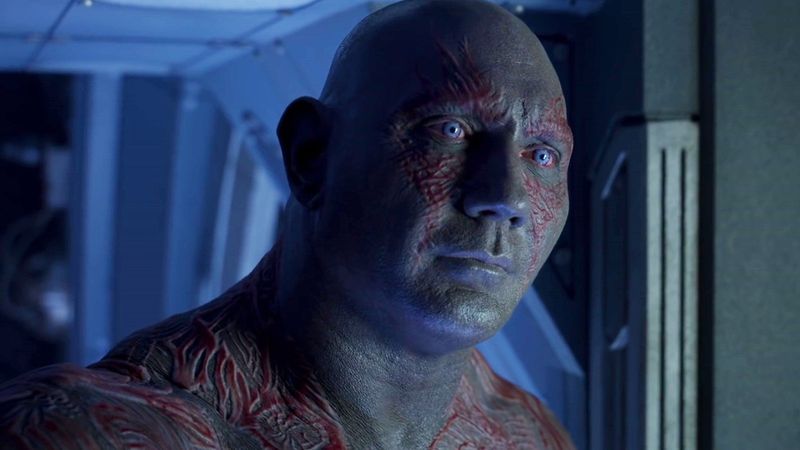
Those red markings are more than a quick paint job. Bautista’s Drax transformation required detailed work across his upper body, with raised designs that needed consistent placement and a convincing finish.
Makeup artist David White’s team refined the process as the Guardians films developed. Speed mattered because every extra application hour affected the working day.
For ambitious costume projects, prepare repeated shapes ahead of time; careful organization often saves more time than rushing the final details.
7. Zoe Saldaña: Making Gamora’s Green Look Natural
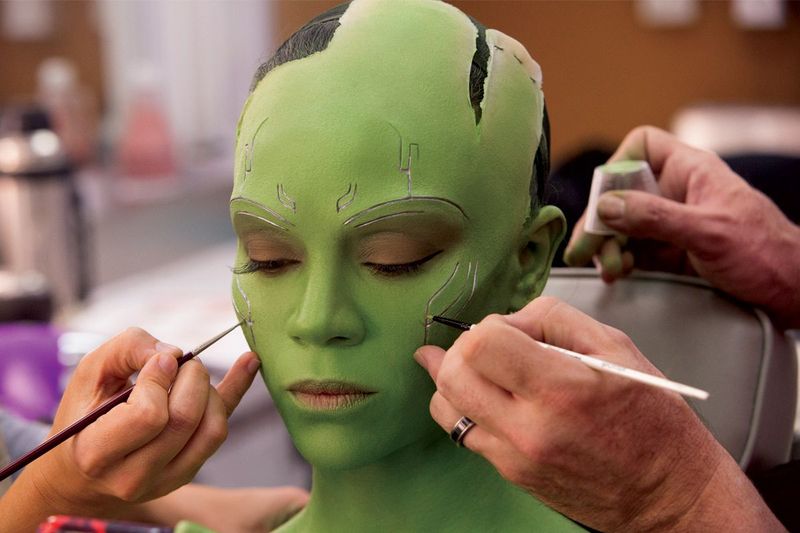
Gamora needed to look alive, not like someone dipped in green paint. Saldaña’s makeup relied on layered color, facial details, and carefully blended shading to give an unusual skin tone believable depth.
Action scenes made durability another concern for the Guardians makeup department. A flat color can lose shape on camera, especially under bright lighting.
When experimenting with fantasy makeup, add gentle highlights and shadows rather than assuming one solid coat will create the whole effect.
8. Karen Gillan: Nebula’s Precise Mechanical Face
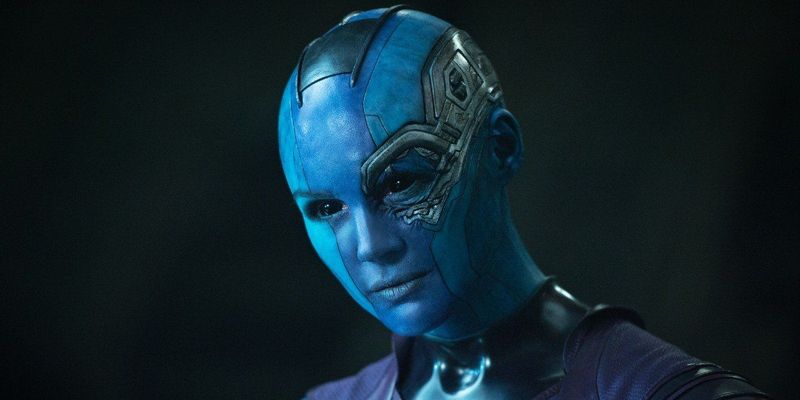
Sharp lines leave little room for mistakes. Gillan’s Nebula appearance mixed blue and purple makeup with prosthetic pieces that suggested a body repeatedly altered by machinery.
Unlike a loose, messy monster design, this face depended on clear borders and careful alignment. Gillan even shaved her head for the first Guardians film.
The practical lesson is about planning: map out geometric details before applying color, because small placement errors become obvious when a design relies on symmetry.
9. Brad Pitt: Aging Backward Without Losing Himself
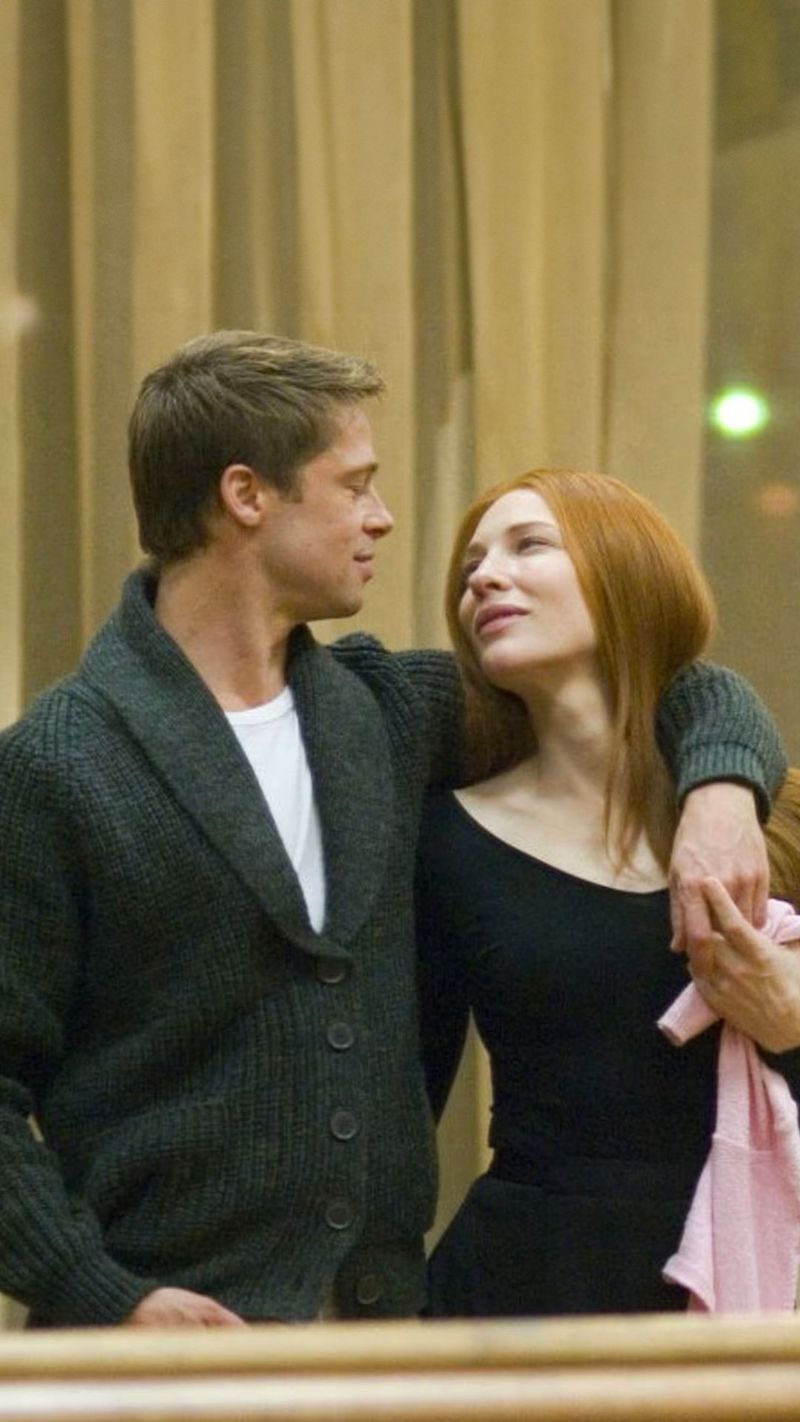
How do you make one person appear to grow younger across a lifetime? The Curious Case of Benjamin Button combined makeup effects with digital work rather than relying on a single trick.
Greg Cannom’s makeup contributions helped shape believable stages of age around Pitt’s performance. The difficulty was keeping the character recognizable as those stages changed.
For realistic aging makeup, study actual faces: wrinkles alone are not enough without changes in skin texture, hair, and facial shape.
10. Gary Oldman: Finding Churchill Beneath the Pieces
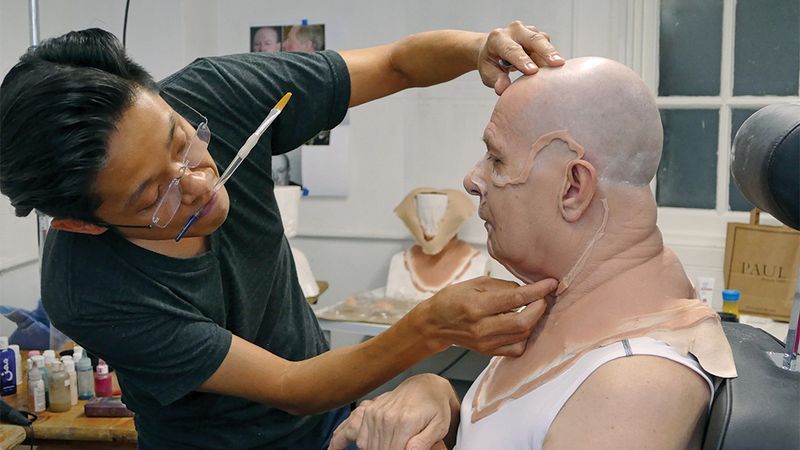
A famous face brings a tough test: audiences already know what it should look like. For Darkest Hour, Kazu Hiro and his colleagues transformed Oldman into Winston Churchill with extensive prosthetics and careful finishing.
The result needed to survive close shots while allowing speech and emotion. Simply making a larger face would not have been enough.
Anyone studying character makeup can learn from the balance here: likeness matters, but the performer must still be able to perform.
11. Charlize Theron: Monster’s Quietly Complex Changes
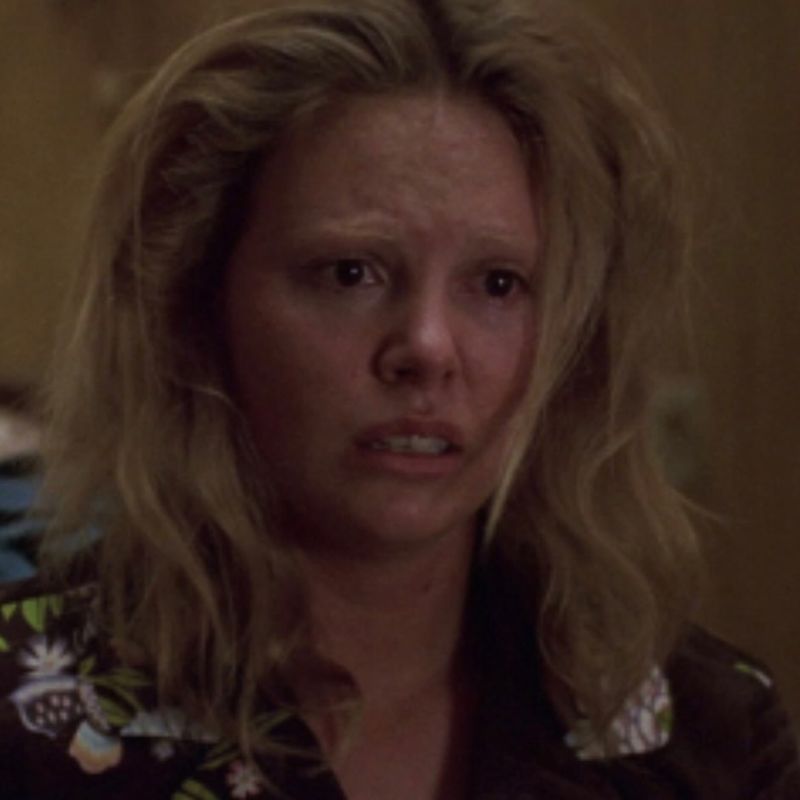
Not every difficult transformation comes with horns or bright paint. Theron’s appearance in Monster used carefully chosen changes, including dental work and skin effects, to support her portrayal of Aileen Wuornos.
Makeup artist Toni G helped create a face that felt lived in rather than decorative. Subtle realism can be unforgiving because viewers recognize human skin so easily.
For grounded character work, focus on specific details and research instead of assuming that heavier makeup always tells a stronger story.
12. Nicole Kidman: The Nose That Changed the Face
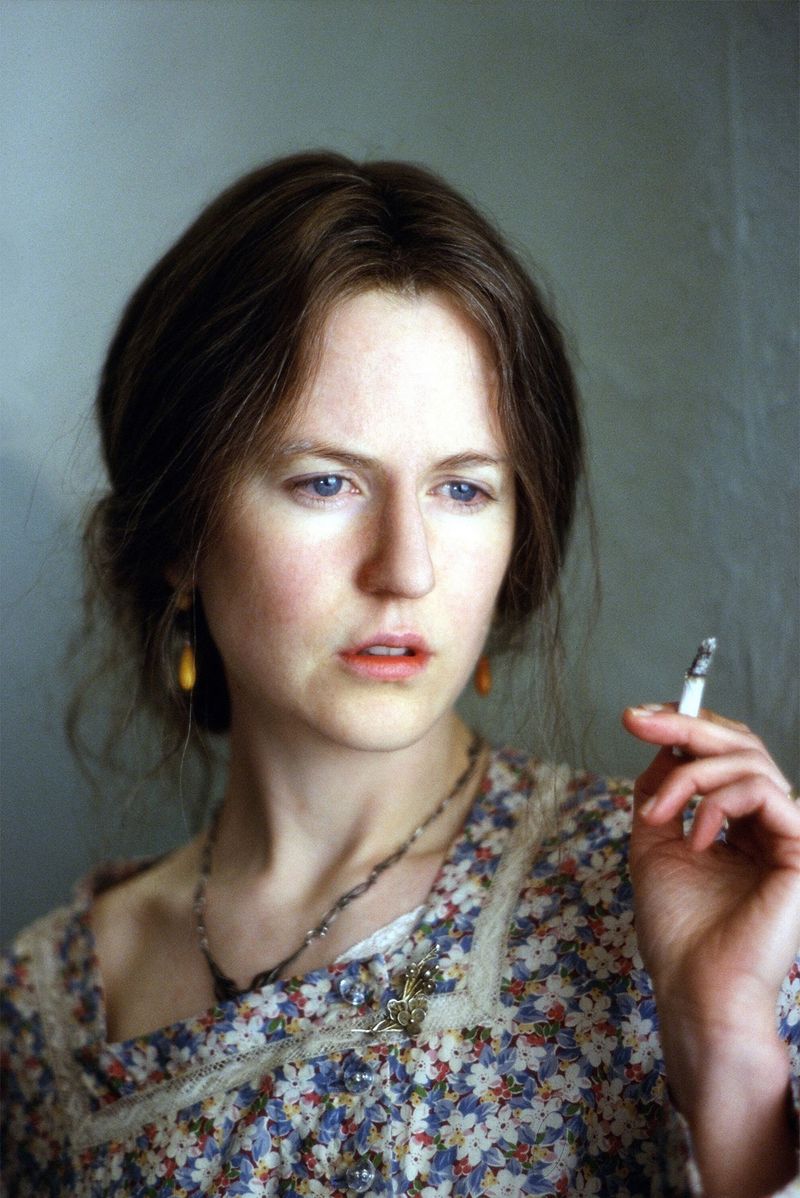
One small feature can reshape an entire face. Kidman’s portrayal of Virginia Woolf in The Hours became closely associated with a prosthetic nose, but making that addition believable required more than attaching a piece.
Makeup designer Jo Allen’s work had to blend with the surrounding skin and hold up under intimate camera attention. That is the hidden challenge of subtle effects.
A simple costume change works best when edges, color, and lighting agree with the intended illusion.
13. Danny DeVito: The Penguin’s Unsettling Details
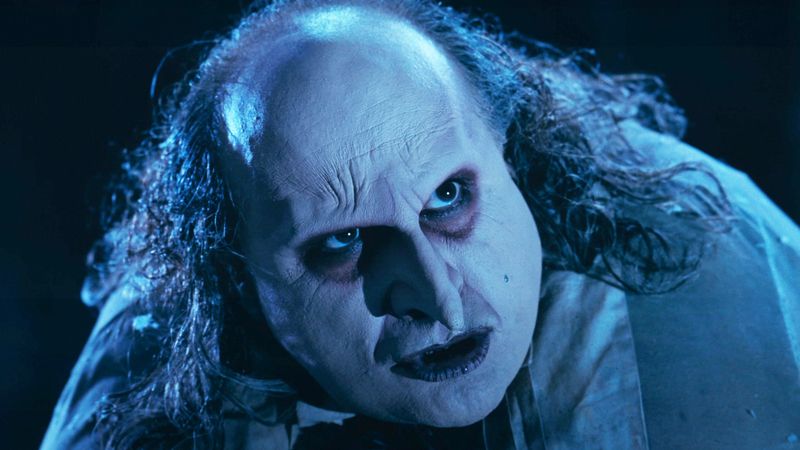
Gotham’s strangest villain needed a face that felt both theatrical and unpleasant. In Batman Returns, DeVito’s Penguin combined a pointed nose, pale skin, darkened eyes, and other character details developed by Stan Winston’s team.
The makeup had to work alongside an unusual costume and physical performance. Every element contributed to the same grim fairy tale mood.
When building a character look, choose a clear visual direction first; disconnected details can compete instead of strengthening the finished design.
14. John Hurt: The Elephant Man’s Demanding Transformation
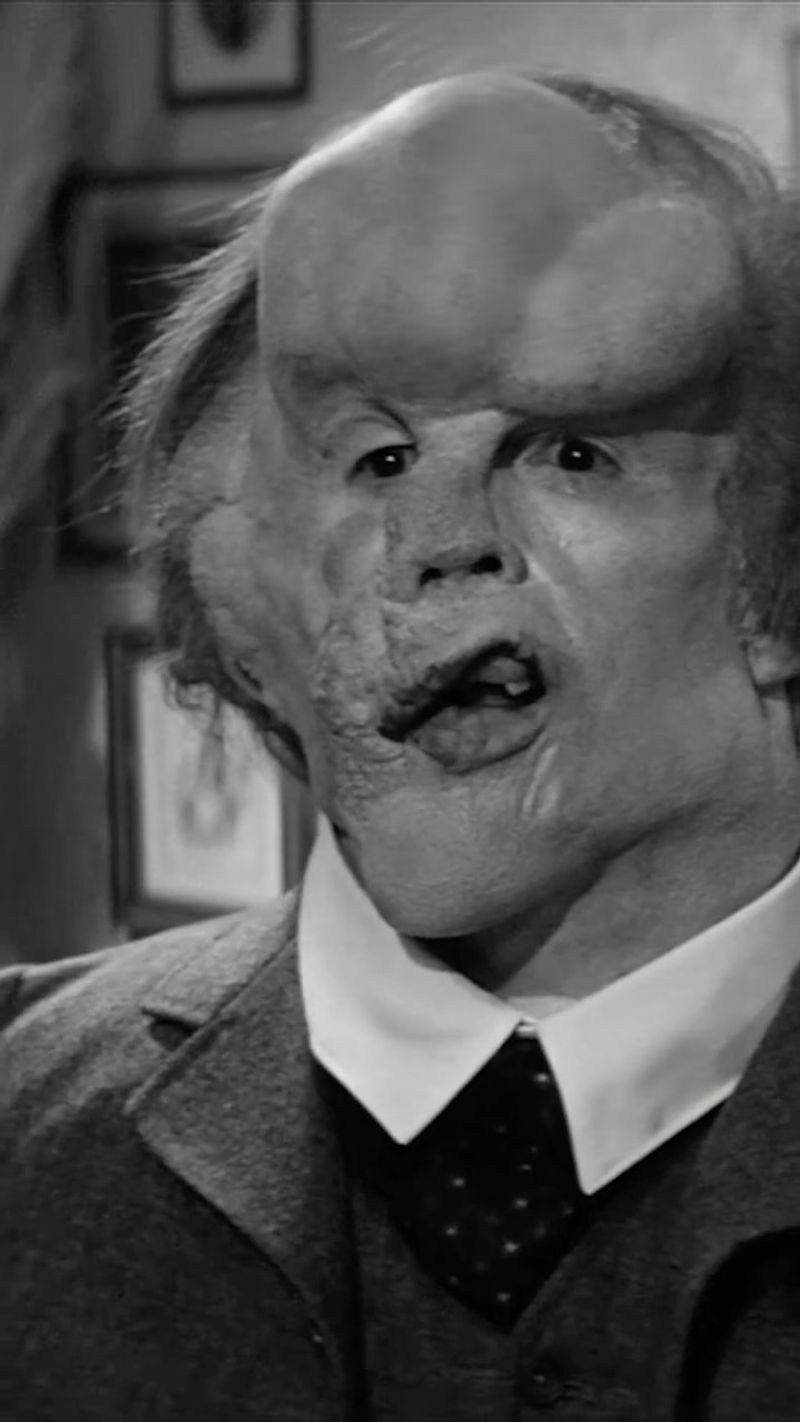
Hours in a makeup chair helped create one of cinema’s most moving performances. Hurt’s transformation in The Elephant Man required extensive prosthetic work designed by Christopher Tucker to portray the physical differences of Joseph Merrick.
The challenge was technical, but the purpose was deeply human. Heavy makeup could not be allowed to swallow the character’s feelings.
Watch the eyes and posture: they show how a performer and makeup team can preserve tenderness beneath a very elaborate exterior.
15. Jeff Goldblum: A Transformation That Kept Changing
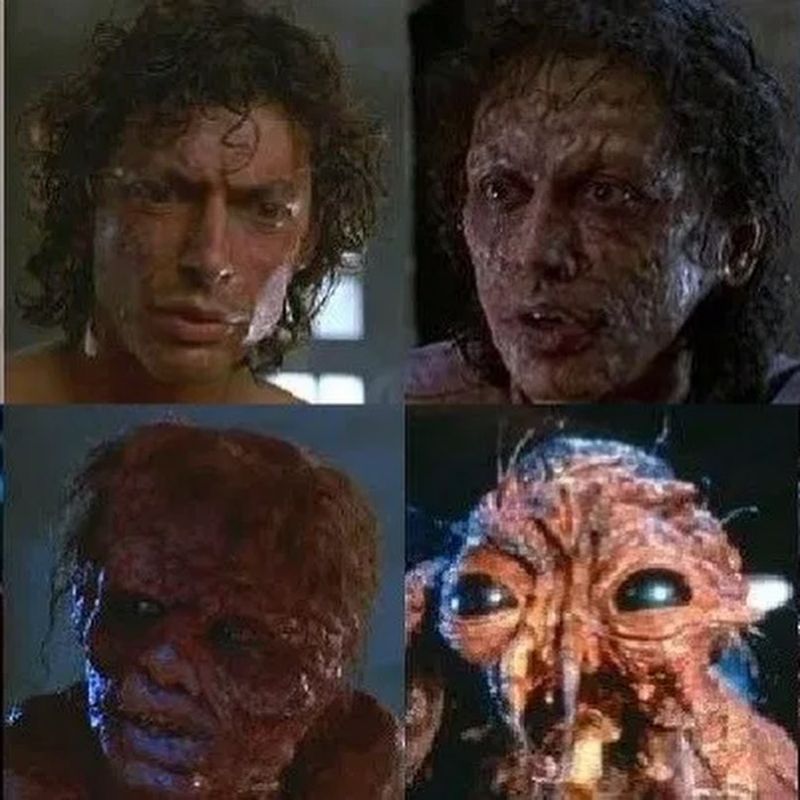
A monster that changes scene by scene creates a moving target. Goldblum’s deterioration in The Fly required multiple stages of makeup, with Chris Walas and Stephan Dupuis helping turn gradual physical change into a disturbing story.
Each stage needed to connect clearly with the next while leaving room for acting. That makes continuity especially important.
For any evolving costume project, photograph every version and label the materials used, so changes look planned rather than accidental or inconsistent.
16. Tim Curry: Darkness and Those Giant Horns
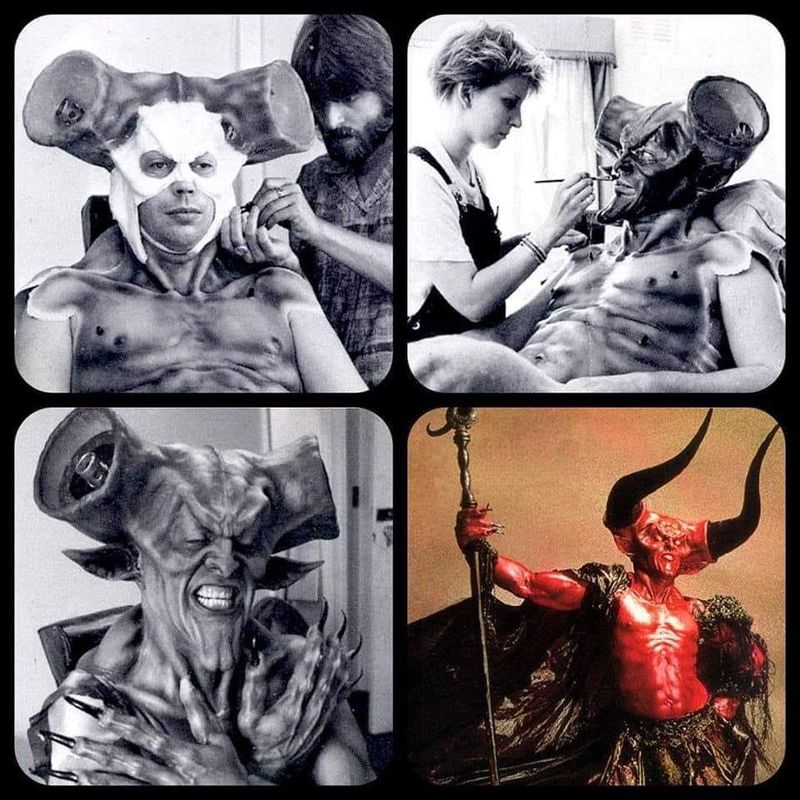
Those enormous horns could almost deserve their own screen credit. Curry’s Darkness in Legend was a major creature transformation created through Rob Bottin’s makeup effects work, combining a striking face with a dramatic overall silhouette.
Scale made the design memorable, but it also raised practical questions about weight, movement, and wear. Bigger is not automatically better for homemade costumes.
Lightweight materials and secure construction matter more than size when someone must safely act, walk, or dance inside.
17. Brendan Fraser: The Whale’s Full-Body Illusion
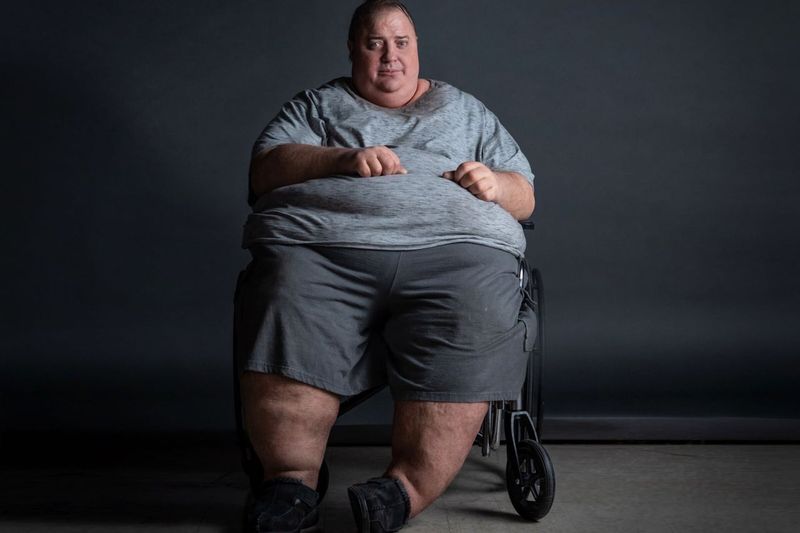
Believable skin becomes especially demanding when a transformation covers much of the body. Fraser’s appearance in The Whale relied on extensive prosthetics developed by Adrien Morot and his team, supported by digital adjustments.
The work needed convincing texture, movement, and facial expression rather than a static disguise. The film’s portrayal also prompted debate about representation and casting.
A useful distinction remains: judging the craft of makeup does not require ignoring the wider questions a character raises publicly.