
Some bakers love a simple cookie, but others crave a real kitchen adventure. Hard pastry recipes teach patience, careful measuring, and how heat and butter really work.
Every flaky layer or perfect swirl is a small victory you can taste. If you are ready to stretch your skills and maybe make a few happy mistakes, this list is your next big challenge.
1. Classic French Croissants
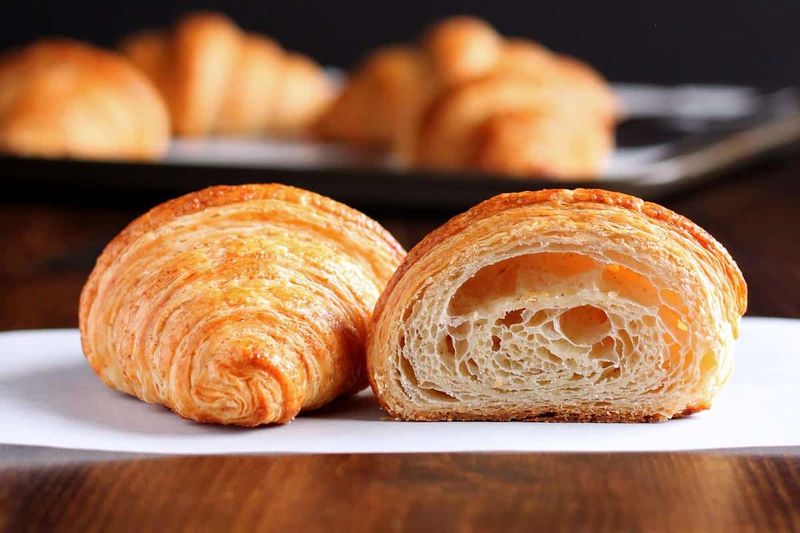
Picture a Paris bakery at sunrise, with butter-scented air drifting out the door. Croissants are the king of laminated dough, and they demand respect.
You fold cold butter into dough again and again, chilling between each turn. If the butter melts, the layers vanish.
If it cracks, they tear.
Plan for two days of work. Keep your kitchen cool, use a ruler for even rolling, and proof slowly for that honeycomb center.
2. Kouign-Amann
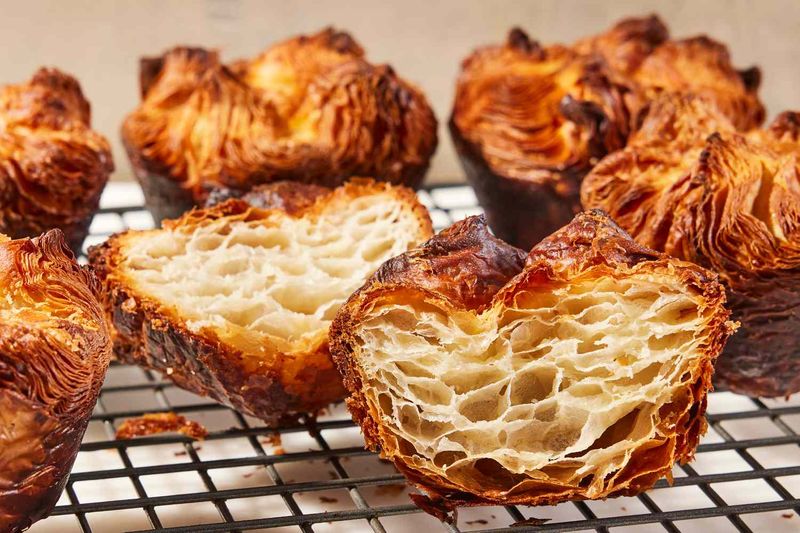
Bakers in Brittany, France, created this treat in the 1860s, and the name means butter cake. That name is honest.
Kouign-amann uses laminated dough plus sugar folded into the last turns. As it bakes, the sugar melts into a crackly caramel shell around soft, buttery layers.
Work fast, since sugar pulls moisture and makes dough sticky. Bake in a muffin tin and pop them out while warm, before the caramel hardens.
3. Puff Pastry From Scratch
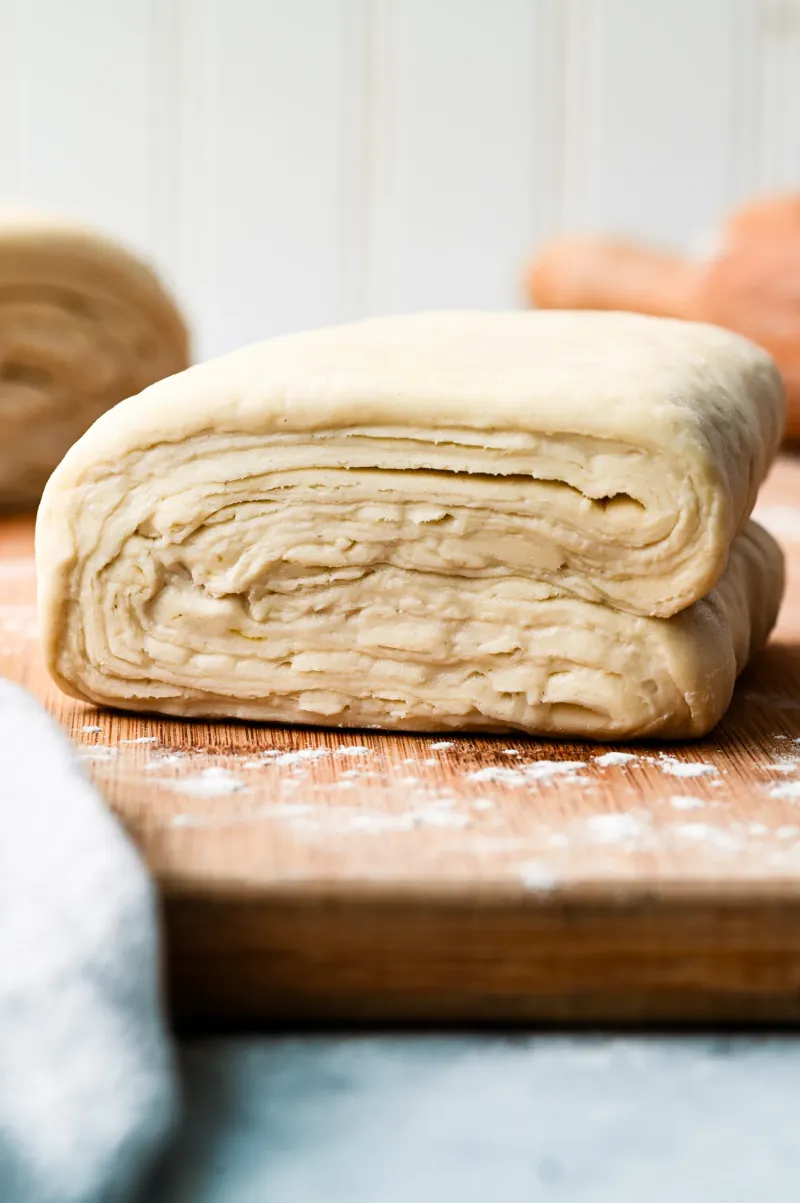
Store-bought sheets are handy, but making your own feels like a magic trick. No yeast is involved at all.
Steam does all the lifting.
Classic puff pastry gets six folds, creating over 700 thin layers. Each layer of butter turns to steam in the oven and pushes the dough upward.
Trim edges with a sharp knife instead of pressing down. Squashed edges seal the layers shut and stop that dramatic rise.
4. Paris-Brest
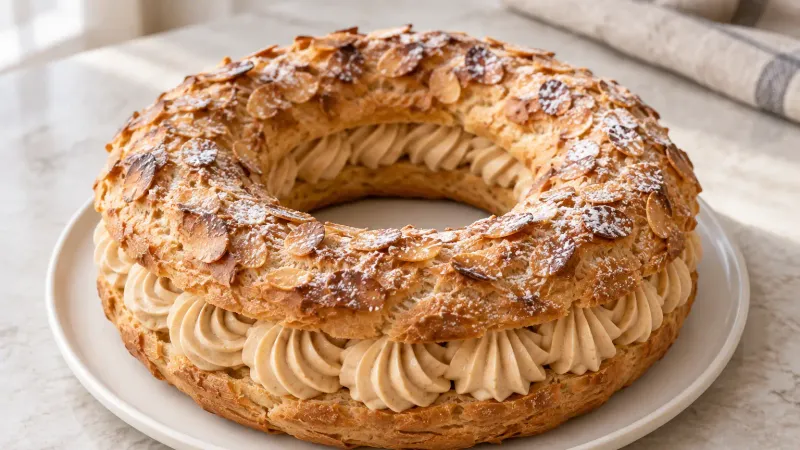
Shaped like a bicycle wheel, this dessert honors the Paris-Brest bike race from 1891. Fun history, serious baking.
You pipe choux dough into a big ring, bake it until crisp, then slice it open. The filling is a rich praline cream made from caramelized hazelnuts.
Underbaked choux will sink, so leave it in longer than feels right. Making praline paste at home takes a strong blender and lots of patience.
5. Croquembouche
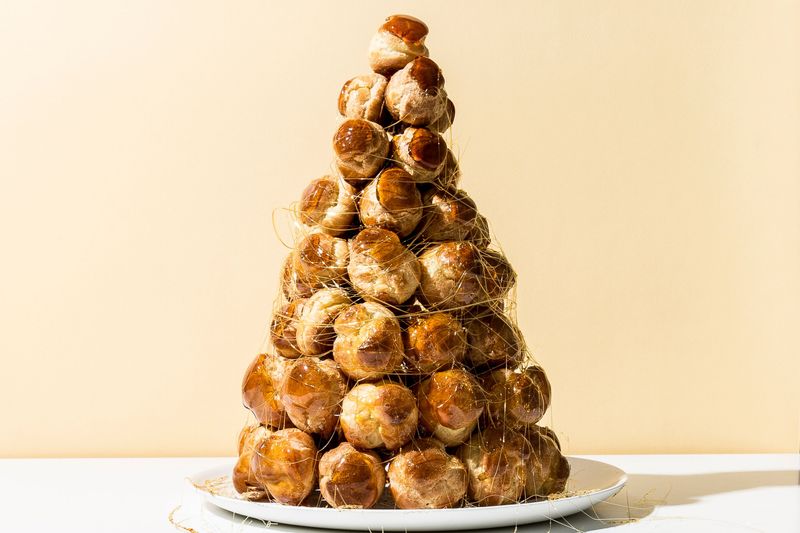
Want a showstopper? A croquembouche is a tower of cream puffs glued together with hot caramel, often served at French weddings.
First you bake dozens of choux puffs and fill each one with pastry cream. Then you dip them in caramel and stack them into a cone.
Hot sugar burns badly, so keep a bowl of ice water close. Finish by spinning thin caramel threads around the tower for sparkle.
6. Mille-Feuille
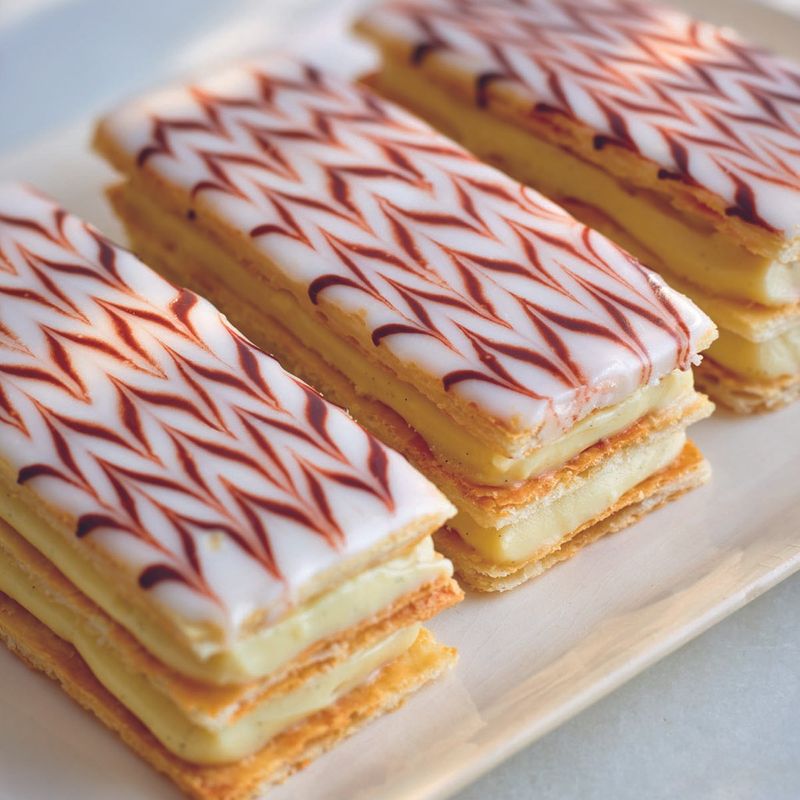
Mille-feuille means a thousand leaves, and every crisp sheet earns its spot. Slicing it cleanly is half the battle.
Bake puff pastry pressed flat under a tray so it stays thin and crunchy. Stack it with thick vanilla pastry cream.
The top gets white icing with chocolate lines dragged into a feather pattern using a toothpick. Chill well, then cut with a serrated knife using gentle sawing motions.
7. Baklava
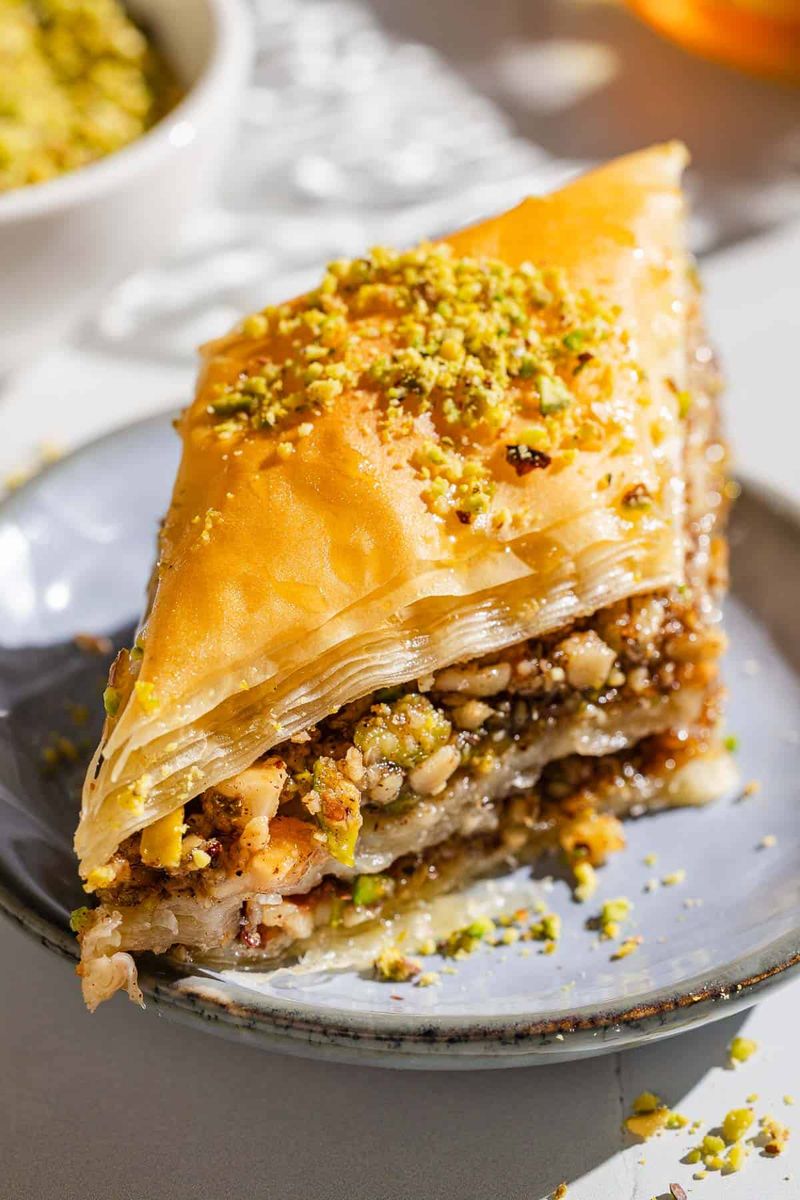
Grandmas across Turkey and Greece make baklava look effortless. Trust me, it is not.
You brush melted butter on dozens of paper-thin phyllo sheets, sprinkling chopped nuts between layers. Phyllo dries out in minutes, so cover it with a damp towel while you work.
Cut the pastry before baking, then pour cool syrup over hot baklava. That temperature difference keeps it crisp instead of soggy.
Let it rest overnight for best flavor.
8. Apple Strudel
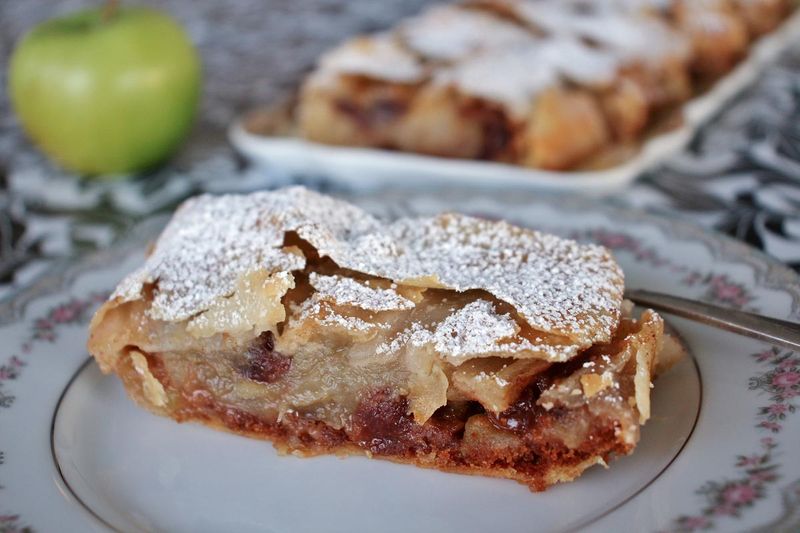
Old Vienna bakers say strudel dough should be so thin you can read a newspaper through it. Imagine that test!
The dough is stretched by hand across a floured tablecloth until it covers the table. Use the backs of your hands, not your fingertips, to avoid holes.
Spread buttery breadcrumbs, apples, raisins, and cinnamon over it. Lift the cloth to roll everything up neatly, then bake until golden.
9. French Macarons
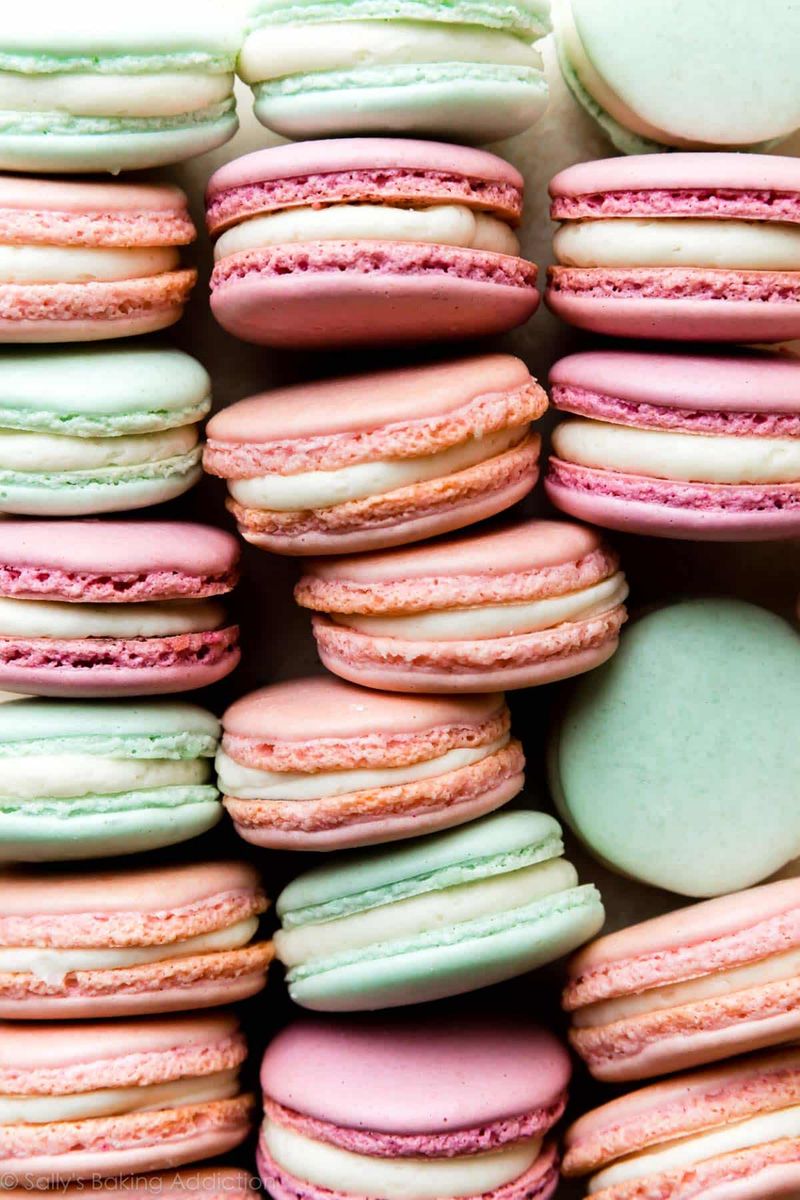
Ask any baker about macarons and you might hear a groan. These little cookies are famously picky.
Success depends on whipped egg whites, finely ground almonds, and folding the batter just enough. Too little mixing leaves lumps.
Too much makes flat puddles.
Look for smooth tops and frilly bottoms called feet. Rest piped shells until a skin forms, and buy an oven thermometer, since many ovens run hot or cold.
10. Cannoli
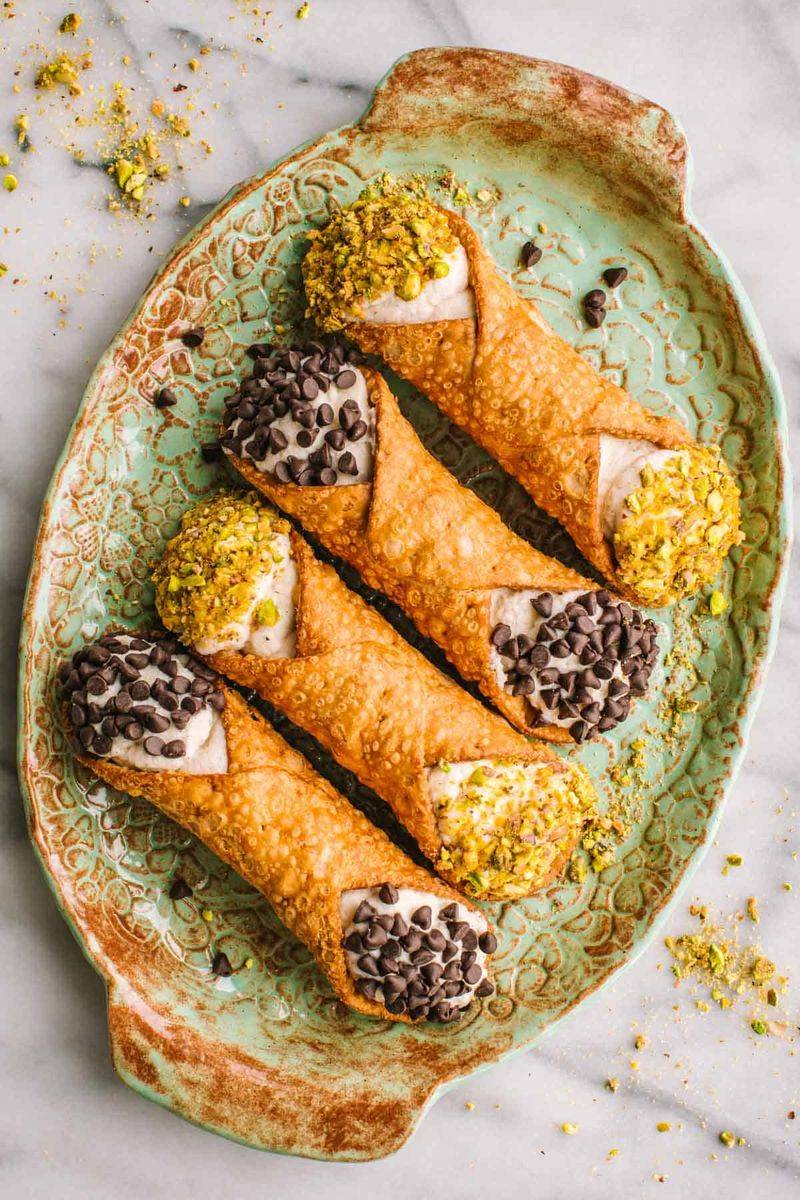
Born in Sicily, cannoli were once a treat for carnival season. Today they show up at bakeries everywhere.
The shells are the tricky part. You roll the dough very thin, wrap it around metal tubes, and fry it until bubbly and crisp.
Drain your ricotta overnight so the filling stays thick. Fill shells right before serving, because wet cream softens them fast.
Dip the ends in pistachios or mini chocolate chips.
11. Danish Pastries
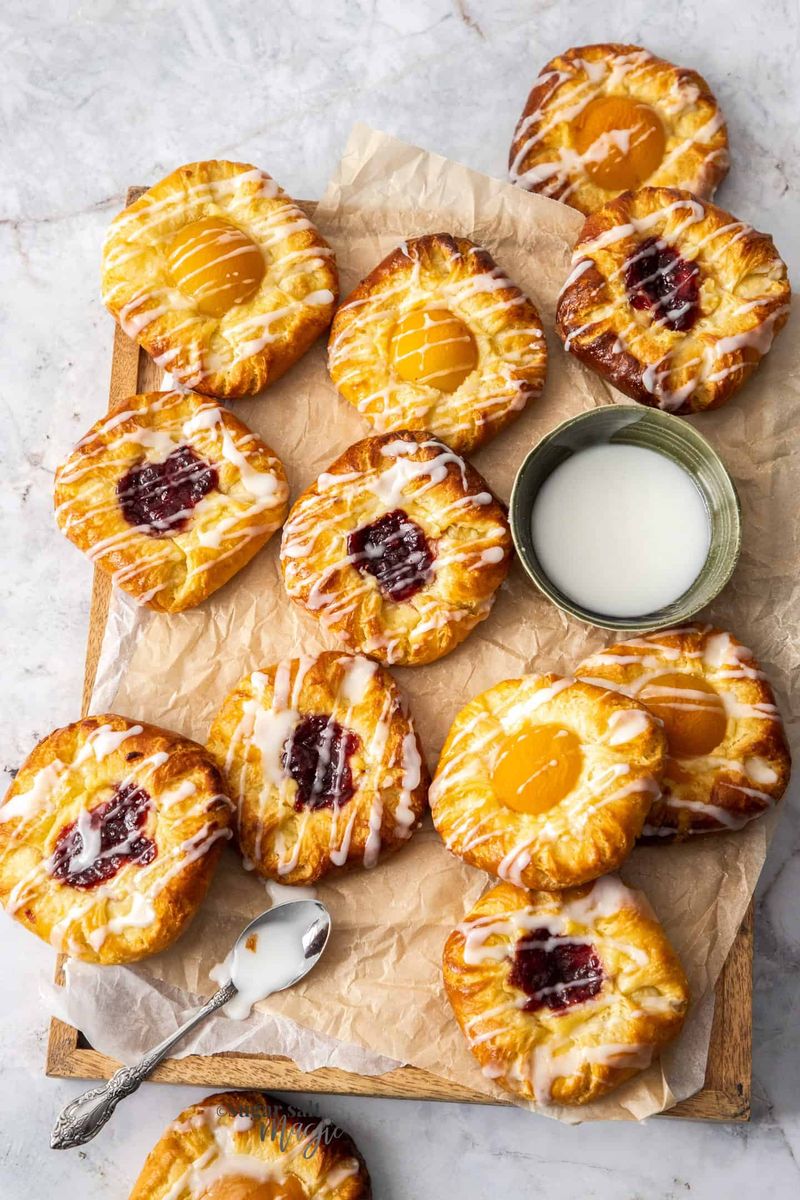
Funny thing: Danes call these pastries Vienna bread, since Austrian bakers brought the method north long ago.
Danish dough is laminated like croissant dough, but richer with eggs and a touch of cardamom. You can twist it into pinwheels, braids, or envelopes.
Add fillings like cream cheese, jam, or almond paste. Keep fillings thick so they do not leak out and burn.
A light glaze makes them bakery-pretty.
12. Beef Wellington
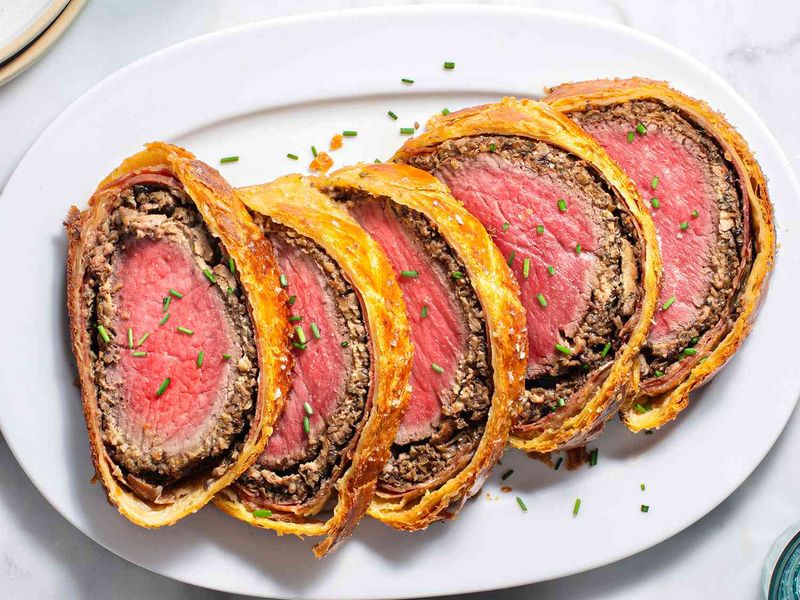
Pastry is not only for dessert. Beef Wellington wraps tender beef in mushrooms, ham, and puff pastry for a grand dinner.
Timing is everything. The meat must reach the right doneness right when the crust turns golden.
Cook mushroom paste until very dry, or moisture will make soggy pastry. Chill the wrapped log before baking.
A meat thermometer removes guessing, so pull it around 125 degrees for medium-rare.
13. Opera Cake
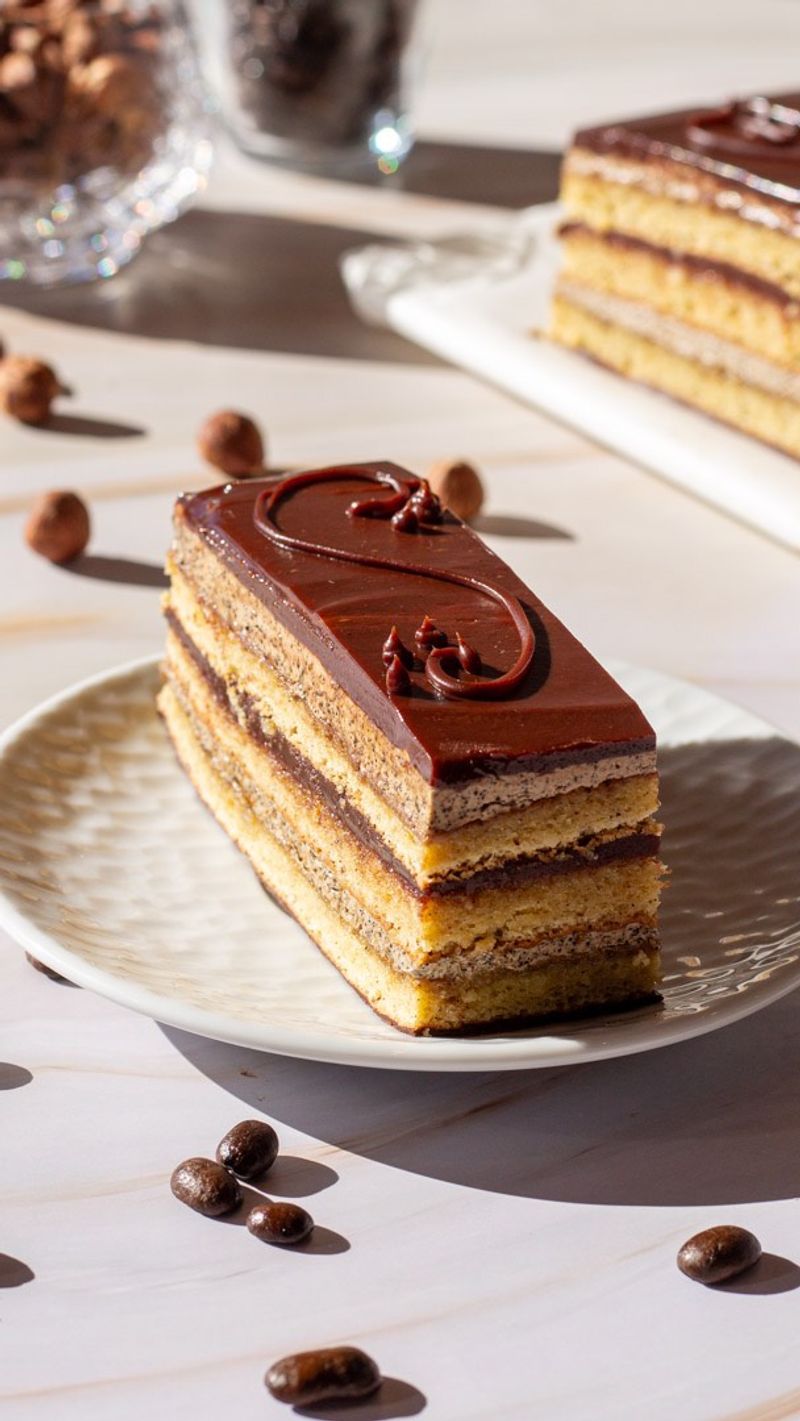
Layer after layer, the opera cake rewards careful hands. A famous Paris pastry shop helped make it popular in the 1950s.
You need thin almond sponge soaked in coffee syrup, coffee buttercream, chocolate ganache, and a mirror-smooth chocolate glaze. Each layer should be the same thickness.
Use an offset spatula and chill between layers. Warm a knife in hot water before cutting, and those stripes will look sharp.
14. Eclairs
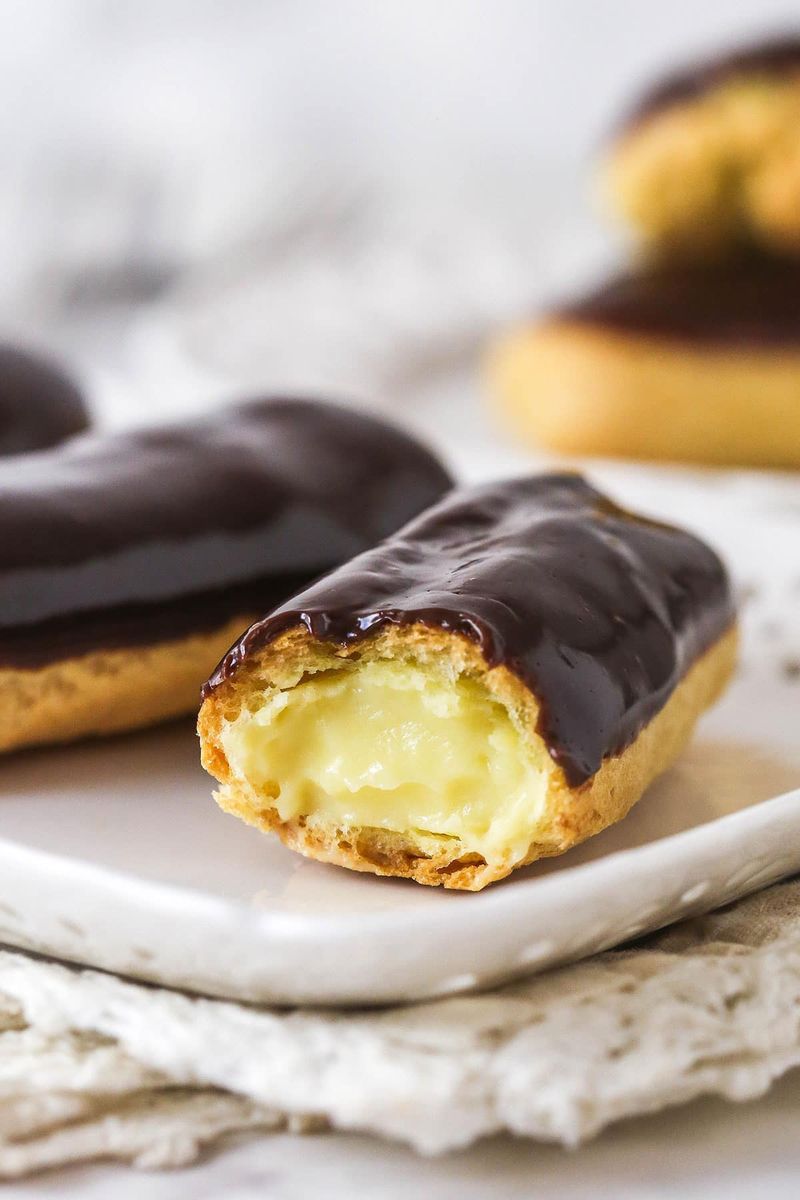
Lightning fast is the meaning of eclair in French. Some say it is because people eat them that quickly.
Choux dough must be cooked on the stove, then beaten with eggs until glossy. Pipe straight, even logs using a star tip to help prevent cracks.
Bake until deep golden and hollow inside. Fill with pastry cream through small holes, then dip tops in smooth chocolate glaze for a bakery finish.
15. Sfogliatelle
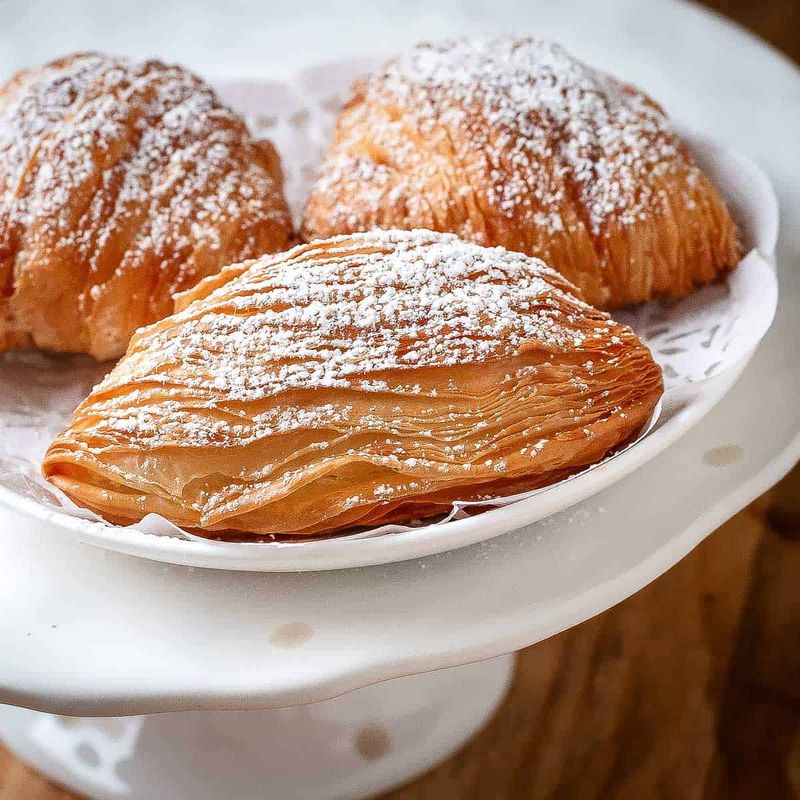
Shaped like seashells, sfogliatelle come from Naples and crackle loudly when you bite them. Few pastries look this dramatic.
Dough is stretched into a long, see-through sheet, brushed with fat, and rolled tightly into a log. Slices are then pushed into cone shapes.
The filling mixes ricotta, semolina, and orange peel. Expect a mess the first try.
Even skilled bakers practice this shape many times before it looks right.
16. Gateau St. Honore
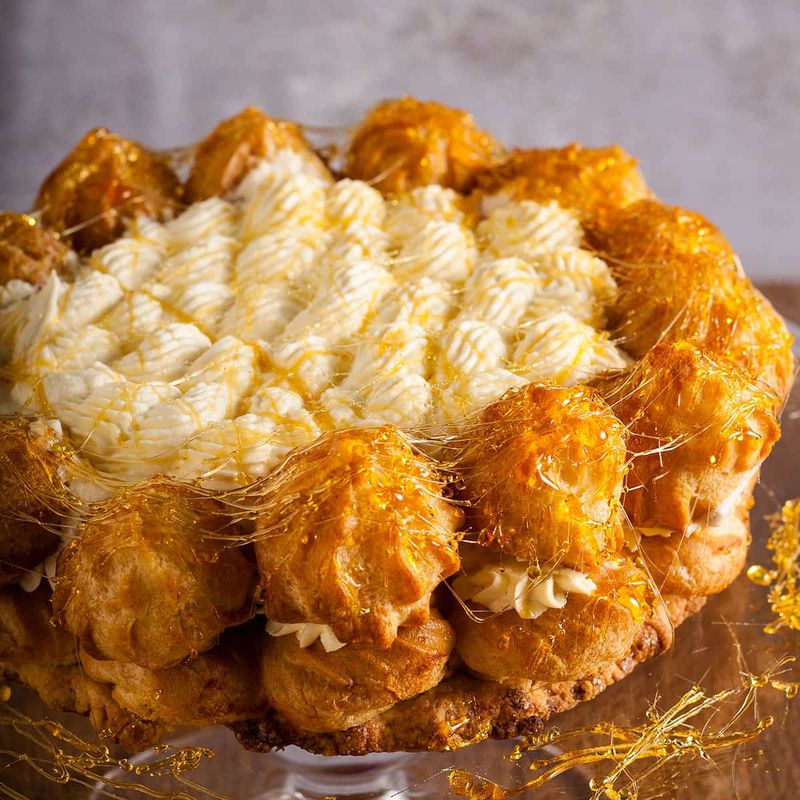
Named for the French patron saint of bakers, this cake feels like a final exam in pastry.
It combines puff pastry, choux puffs, caramel, and a special cream piped with a notched tip. That means four different skills in one dessert.
Dip each puff carefully in amber caramel and set them around the edge. Make components the day before, and assemble right before guests arrive for crisp textures.
17. Pain au Chocolat
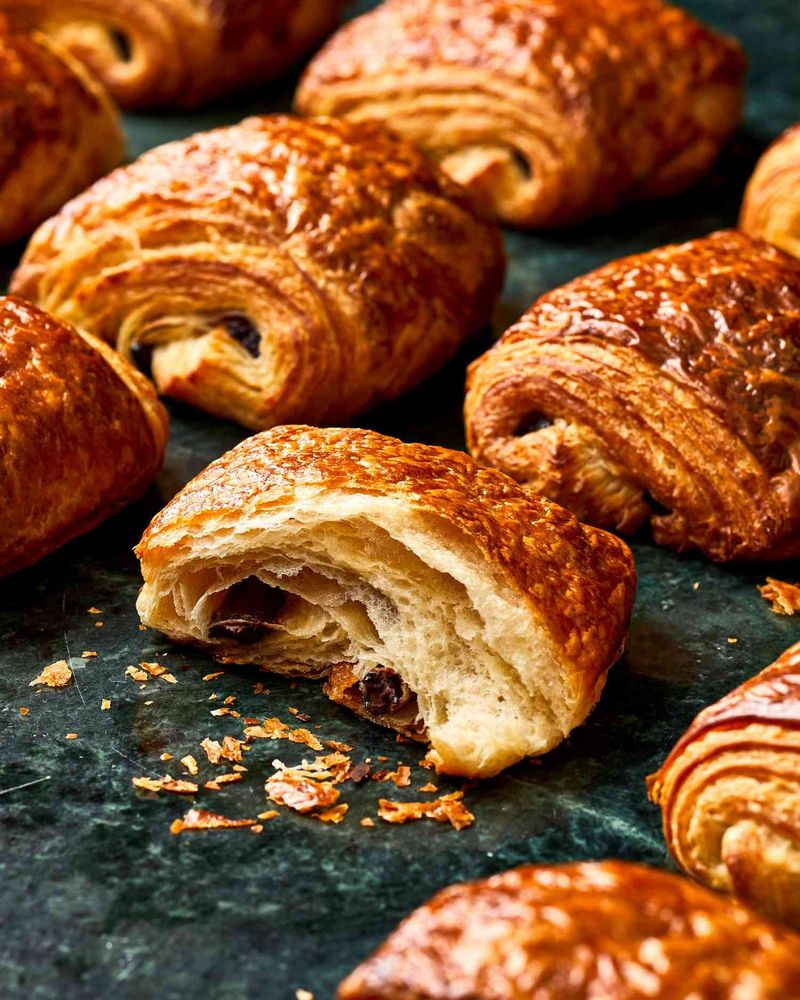
Kids in France often grab one of these after school. Lucky them!
Pain au chocolat uses the same laminated dough as croissants, rolled around two sticks of dark chocolate. The shape is easier than a croissant, but the dough still tests you.
Place the seam underneath so it stays closed while baking. Brush with egg wash twice for a deep shine.
Bake until the bottoms are browned and crisp.
18. Lemon Meringue Tart
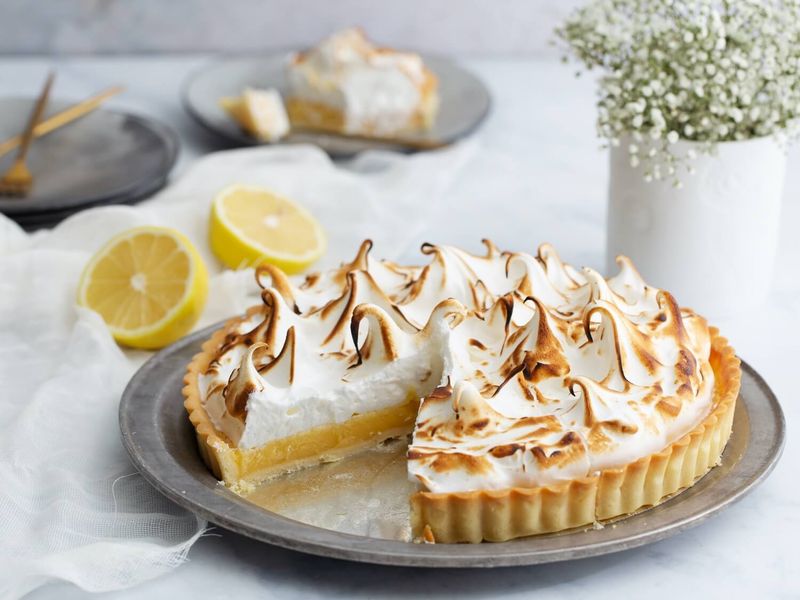
Sweet, sour, and toasty all at once, this tart packs three skills into one slice.
Start with a buttery crust baked blind, which means baking it empty with weights. Next comes silky lemon curd that must thicken without turning lumpy.
Top with Italian meringue made from hot sugar syrup for stable, glossy peaks. Toast with a kitchen torch.
Strain your curd every time for a perfectly smooth filling.
19. Chinese Egg Tarts
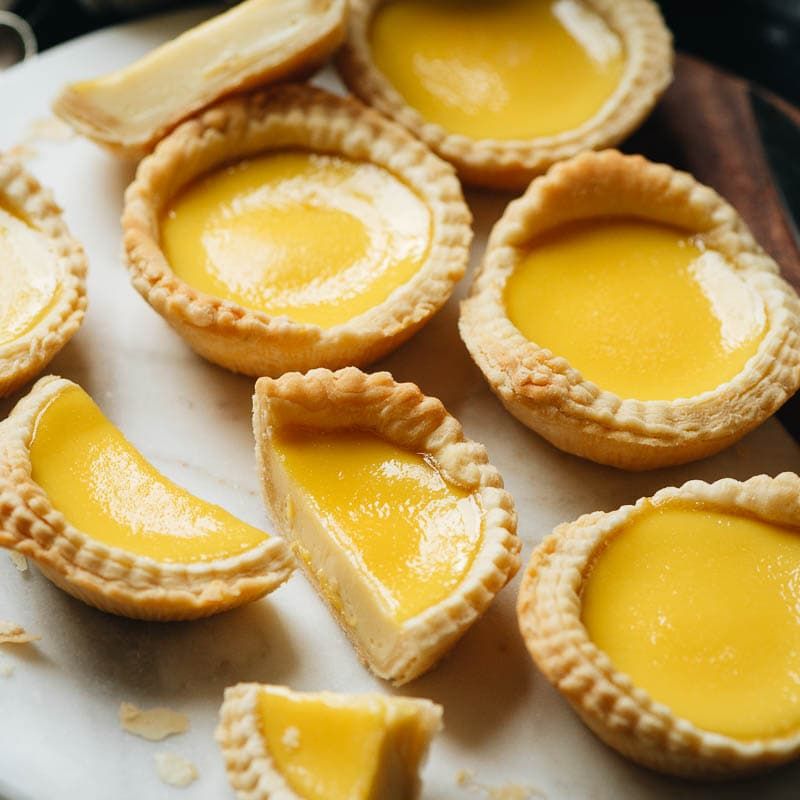
Walk into a Hong Kong dim sum spot and you will spot these golden beauties right away.
Many versions use a flaky water and oil dough folded around a fatty dough. It creates tender layers without cold butter.
The custard is simple, yet tricky. Bake too hot and it puffs and cracks.
Strain the egg mix, skim off bubbles, and lower the oven heat for that smooth, glassy top.
20. Raspberry Linzer Torte
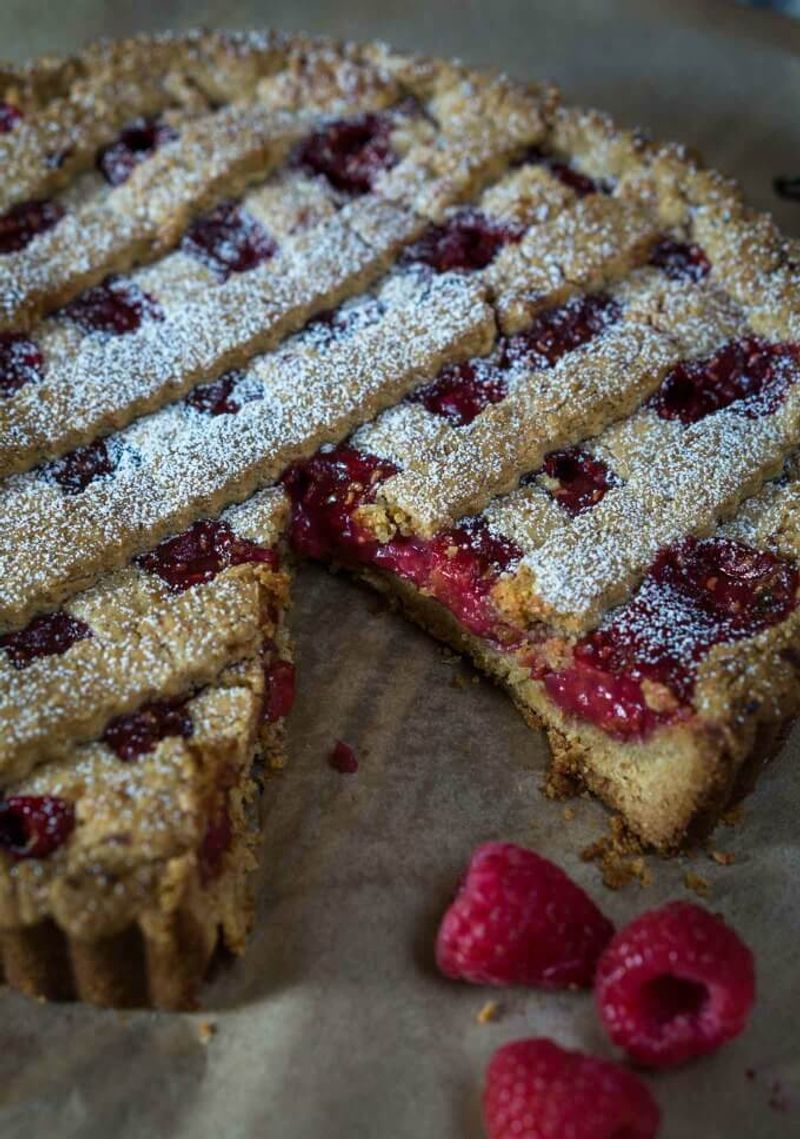
Here is a fun fact: the Linzer torte is often called the oldest known cake recipe, dating back to the 1600s in Austria.
Its crust is made with ground nuts and spices, which makes it tasty but very crumbly. Weaving the lattice top takes gentle hands.
Chill dough strips until firm before moving them. Patch any breaks by pressing pieces together.
Let it rest a day so flavors deepen.
21. Cronut-Style Pastries
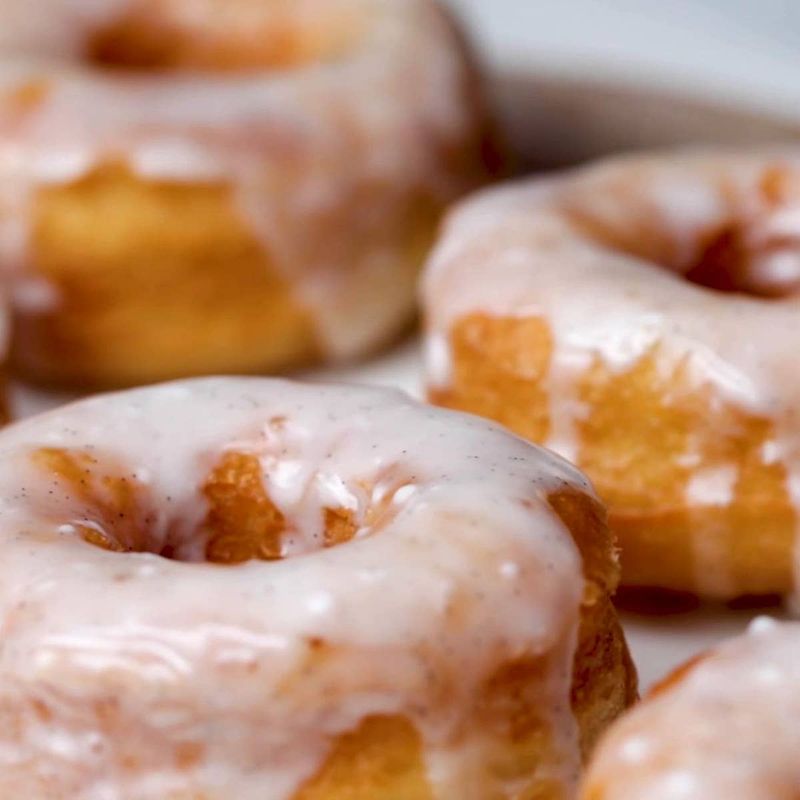
In 2013, a New York bakery mixed a croissant with a doughnut, and people lined up for hours to buy one.
You make laminated dough, cut it into rings, then fry it. Oil temperature matters a lot.
Too hot burns the outside, while too cool makes greasy layers.
Keep a thermometer clipped to the pot near 350 degrees. Fill with cream, roll in sugar, and top with glaze.