
That little squeeze of sauce on your plate can pack more salt, sugar, or fat than you might expect. As we get older, our bodies handle these things differently, and some health conditions or medicines can make certain toppings a bigger deal.
The good news is that you do not have to give up flavor to eat smarter. Here is a friendly look at common condiments worth a second glance, plus simple swaps to keep meals tasty.
1. Soy Sauce
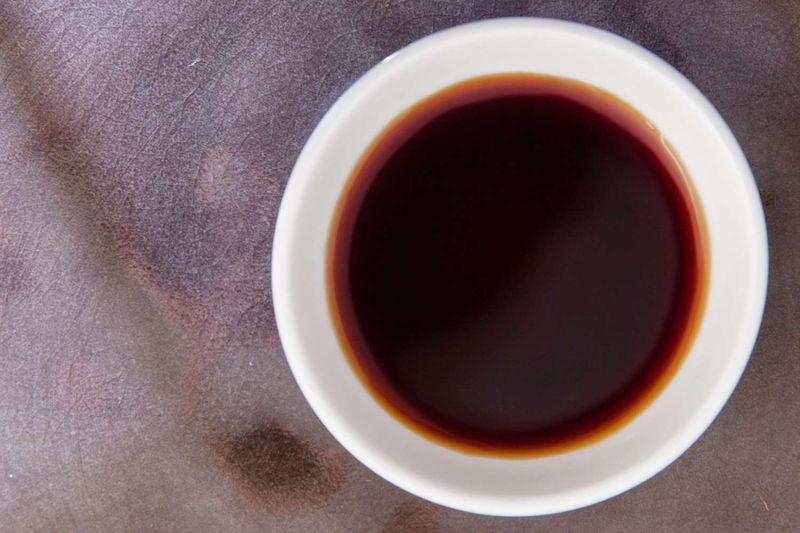
One tablespoon of regular soy sauce can hold close to 900 milligrams of sodium. That is a big chunk of what most doctors suggest for a whole day.
Too much salt can raise blood pressure, which matters more as the years go by. Try a low-sodium version, or mix soy sauce with a splash of rice vinegar to stretch it.
Dipping your food lightly, instead of pouring, also saves a surprising amount.
2. Ketchup
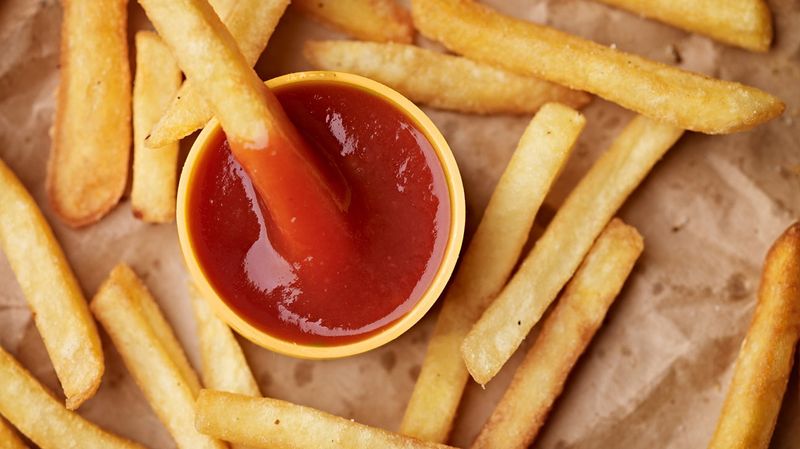
Remember dunking fries into a big red puddle as a kid? Ketchup still brings back happy memories, but it hides more sugar than many people realize.
About one teaspoon of sugar sits in every tablespoon. For anyone watching blood sugar or managing diabetes, that adds up fast over a day.
Look for no-sugar-added ketchup, or top burgers with sliced fresh tomatoes and a pinch of black pepper instead.
3. Mayonnaise
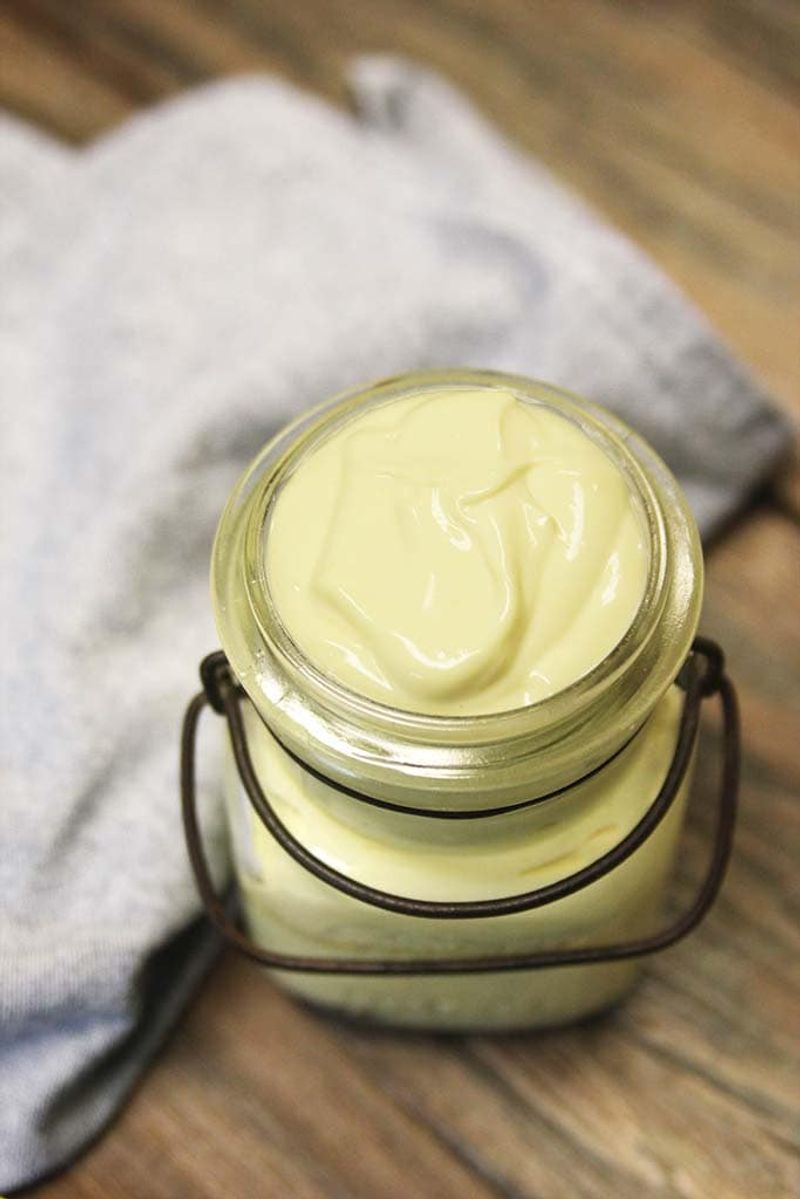
Creamy and comforting, mayo makes a sandwich feel complete. Still, a single tablespoon carries around 90 to 100 calories, mostly from fat.
Heavy spreading can quietly push up daily calories and affect weight, which can strain joints and the heart. Homemade versions with raw eggs also carry a food safety risk for older adults.
Try mashed avocado, plain Greek yogurt, or a light mayo spread thinly for that same smooth bite.
4. Barbecue Sauce
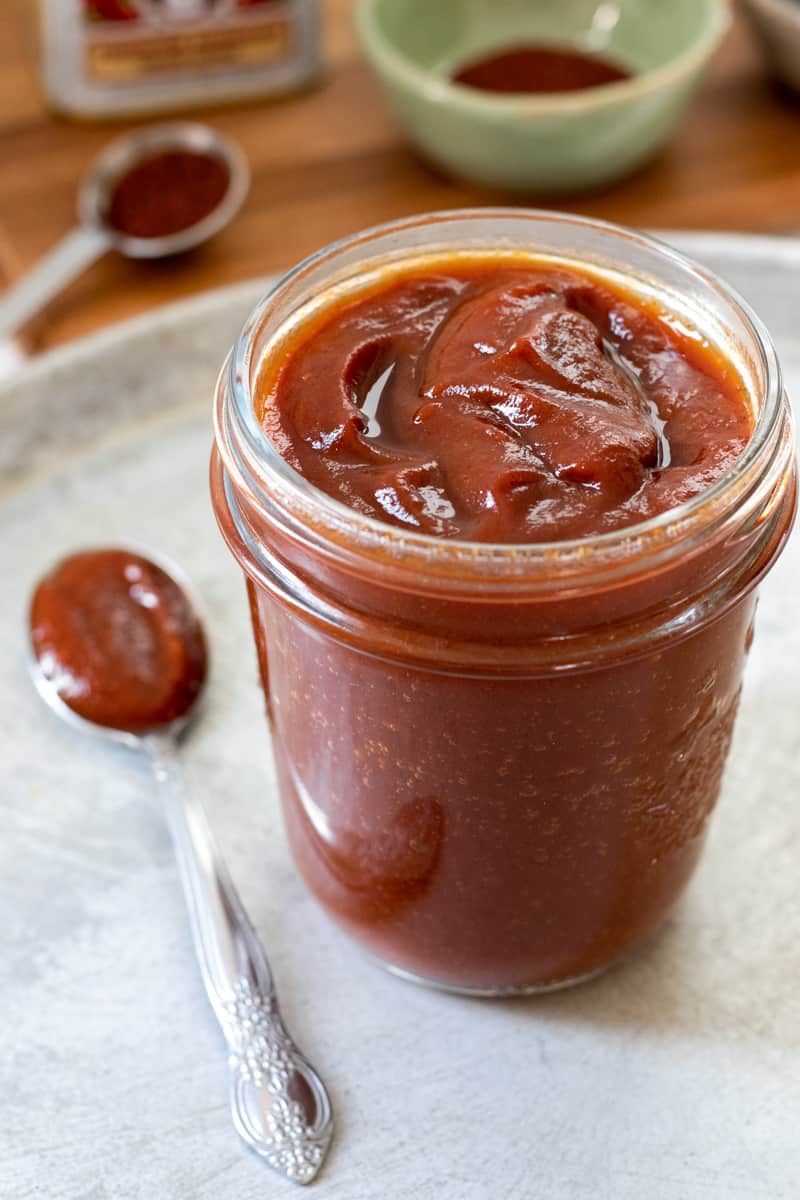
Summer cookouts just smell better with barbecue sauce sizzling on the grill. Sadly, many bottled brands list sugar or corn syrup as the very first ingredient.
Two tablespoons can contain 12 grams of sugar or more, plus plenty of salt. That combo is tough on blood sugar and blood pressure alike.
Season meat with a dry rub of paprika, garlic, and cumin first. Then brush on just a thin layer of sauce at the end.
5. Hot Sauce
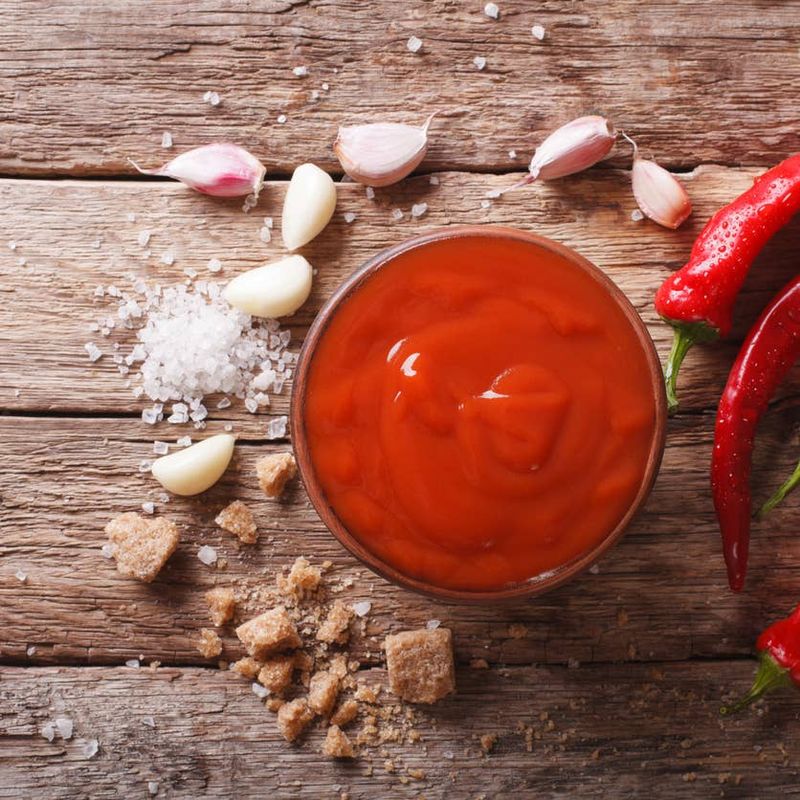
Fans of fiery food often swear a few drops make everything better. Hot sauce is low in calories, which is great news.
However, many brands are surprisingly salty, and the heat can trigger heartburn or acid reflux. Those problems tend to show up more often with age, and some stomach medicines work less well with spicy meals.
Choose lower-sodium bottles and pay attention to how your tummy feels after eating.
6. Salad Dressing
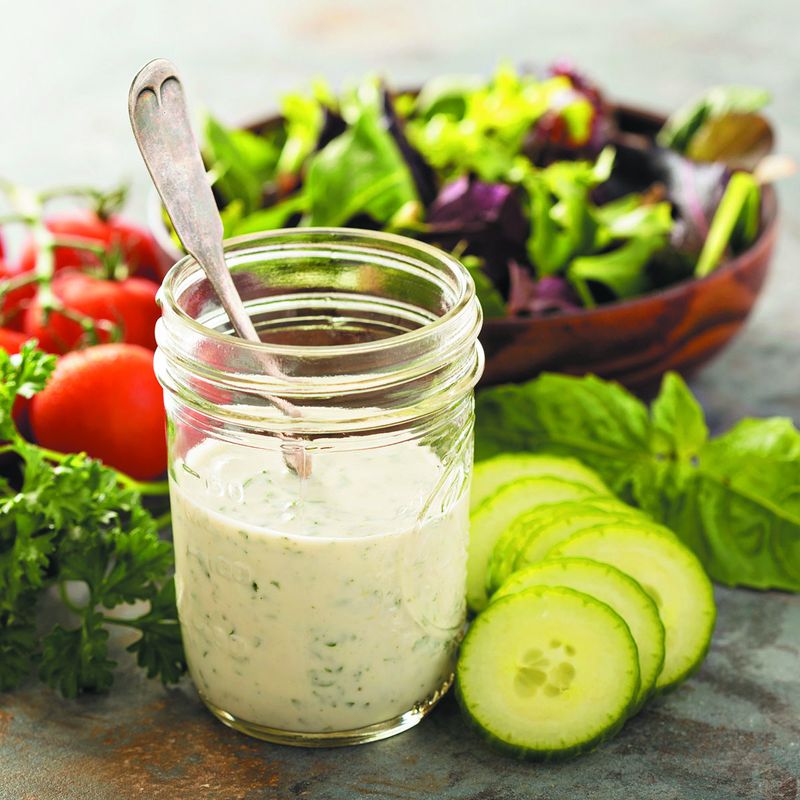
Salads seem like the healthy choice, right? A heavy pour of creamy ranch or blue cheese can turn a light lunch into a calorie bomb.
Just two tablespoons may add 140 calories and lots of sodium. Many people actually use double that amount without noticing.
Keep dressing on the side and dip your fork into it before each bite. A simple mix of olive oil, lemon juice, and herbs works wonderfully too.
7. Teriyaki Sauce
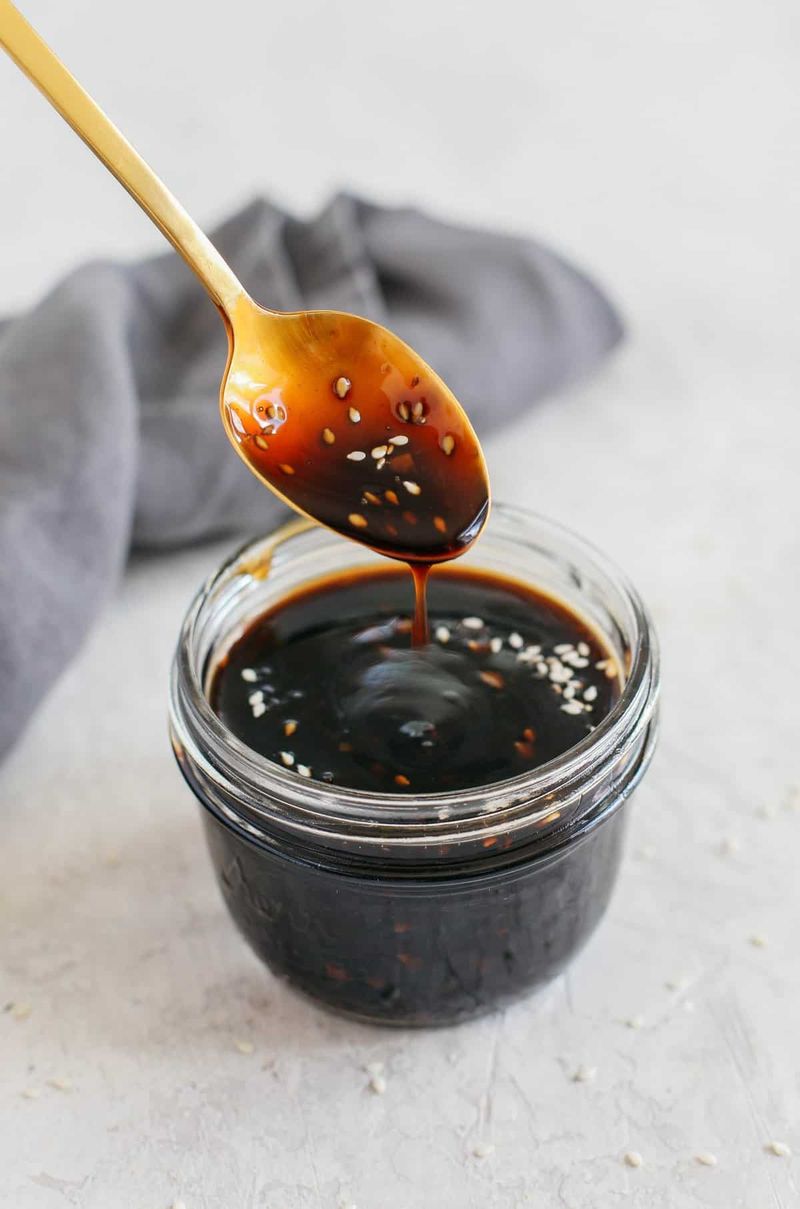
Sweet, sticky, and shiny, teriyaki glaze makes salmon and chicken look restaurant-ready. Behind that gloss sits a double dose of trouble.
Because it starts with soy sauce and adds sugar, teriyaki brings both high sodium and extra sweetness. One serving can be loaded for anyone with heart or sugar concerns.
Make a quick homemade version using low-sodium soy sauce, fresh ginger, garlic, and a small drizzle of honey. Your taste buds will hardly notice.
8. Pickle Relish
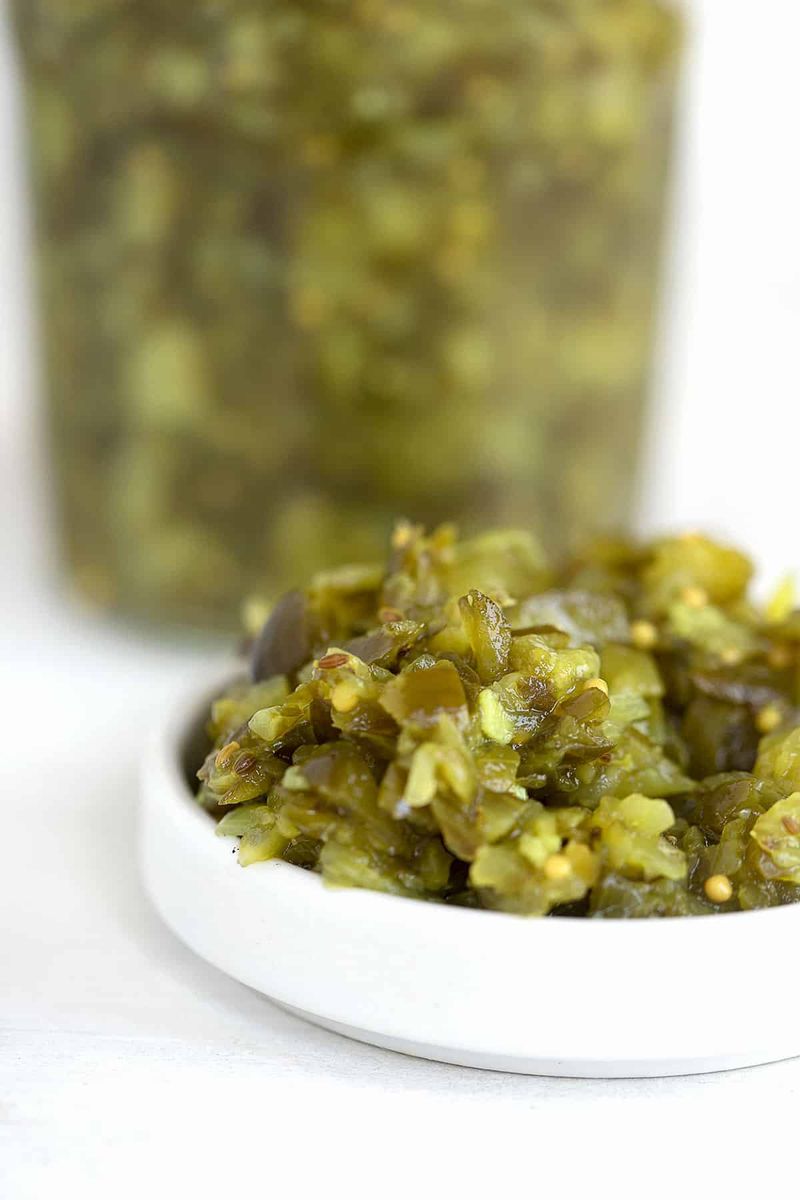
Hot dogs at the ballpark just are not the same without that bright green relish. Those tiny pickle bits, though, soak in salty brine for weeks.
Sweet relish adds sugar on top of the salt. Even a small spoonful can nudge your daily sodium higher, especially when paired with already salty hot dogs.
Try chopping fresh cucumber with a splash of vinegar and dill. You get crunch and tang without the heavy salt load.
9. Fish Sauce
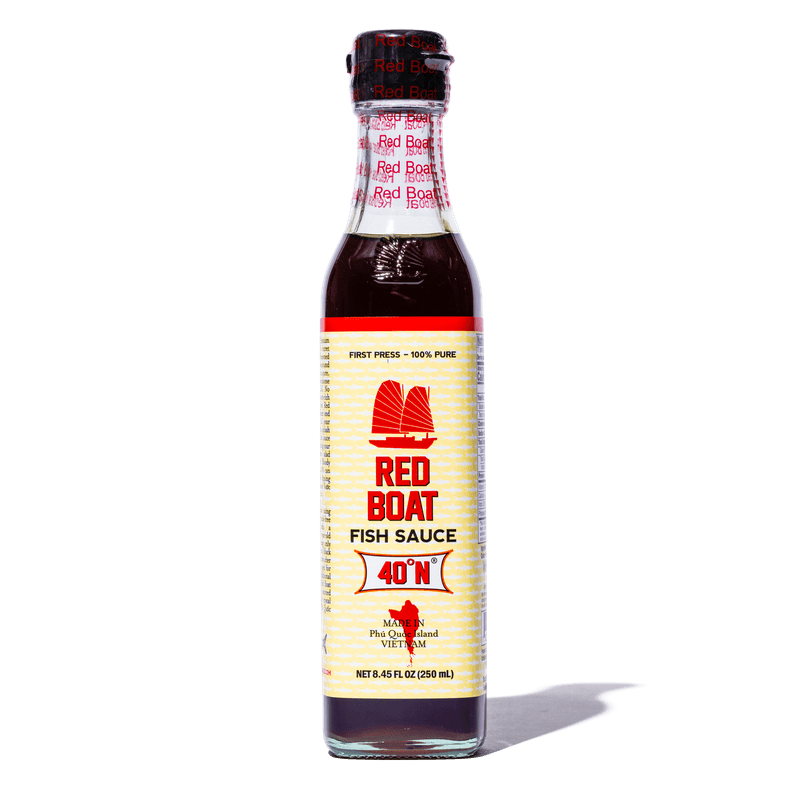
Did you know ancient Romans loved a fish sauce called garum? Today, it gives Thai and Vietnamese dishes their deep, savory punch.
Fish sauce is one of the saltiest condiments around, with over 1,400 milligrams of sodium per tablespoon. A little truly goes a long way.
Use just a few drops, then brighten your dish with lime juice, fresh cilantro, or basil. Those add bold flavor without extra salt.
10. Honey Mustard
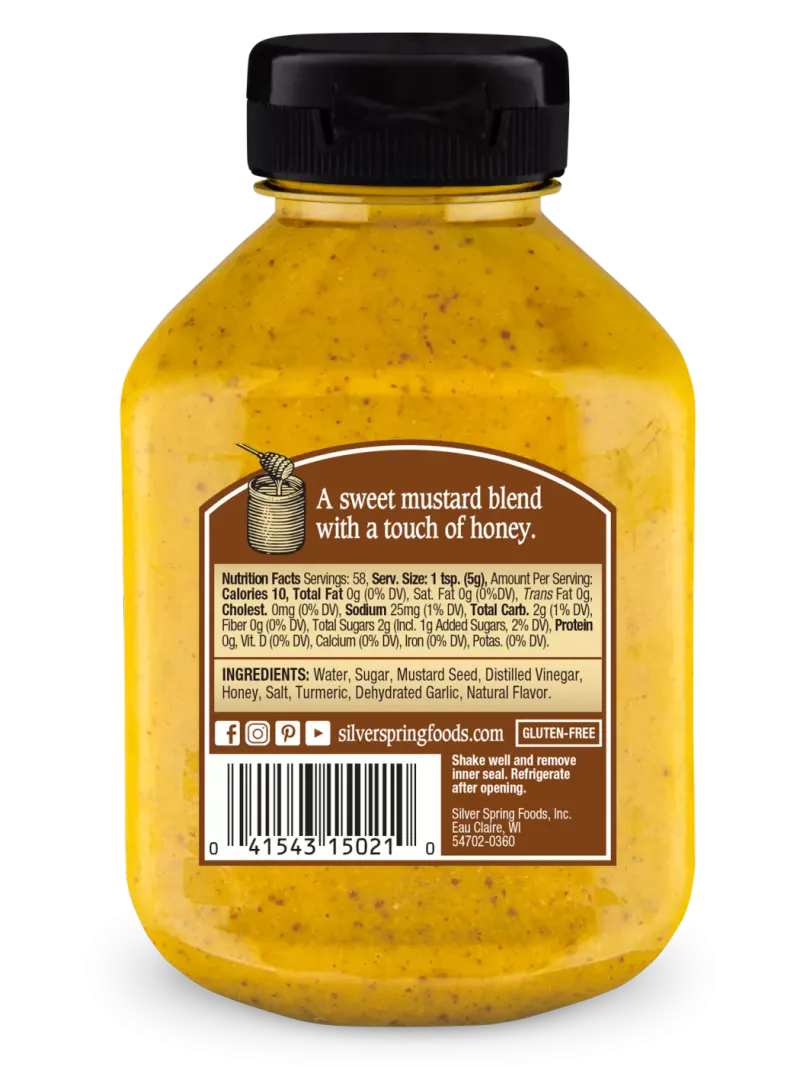
Plain yellow mustard is actually a pretty smart pick, with almost no calories. Add honey, though, and the story changes.
Honey mustard blends sugar, sometimes mayo, and salt into one tasty dip. That makes it much richer than its tangy cousin, and easy to overdo with chicken tenders or pretzels.
Stir a tiny bit of honey into plain Dijon at home. You control the sweetness, and the flavor stays bold and satisfying.
11. Worcestershire Sauce
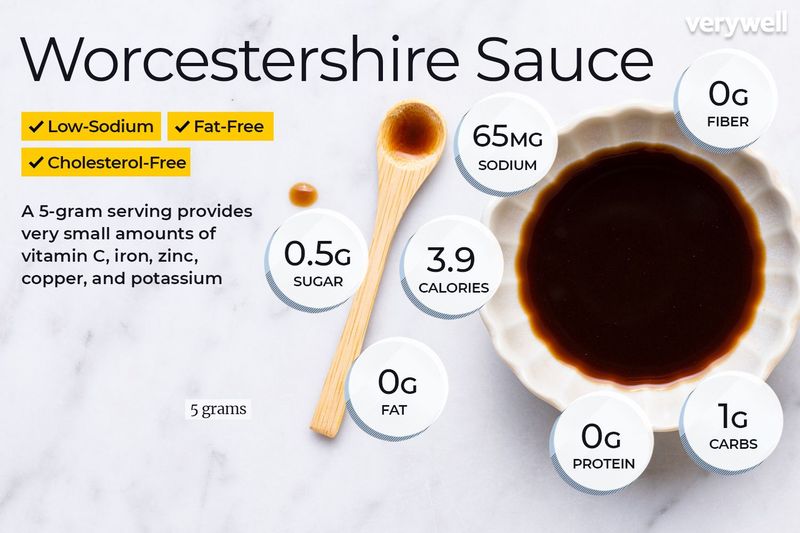
Created in England in the 1830s, Worcestershire sauce has a name many folks still struggle to pronounce. Its savory kick is famous in steaks and Bloody Marys.
Each spoonful packs sodium plus some sugar. It also contains anchovies, which matters for anyone with fish allergies or a gout diet.
Measure it with a teaspoon instead of shaking freely. Smoked paprika and black pepper can add a similar rich depth.
12. Grapefruit Marmalade
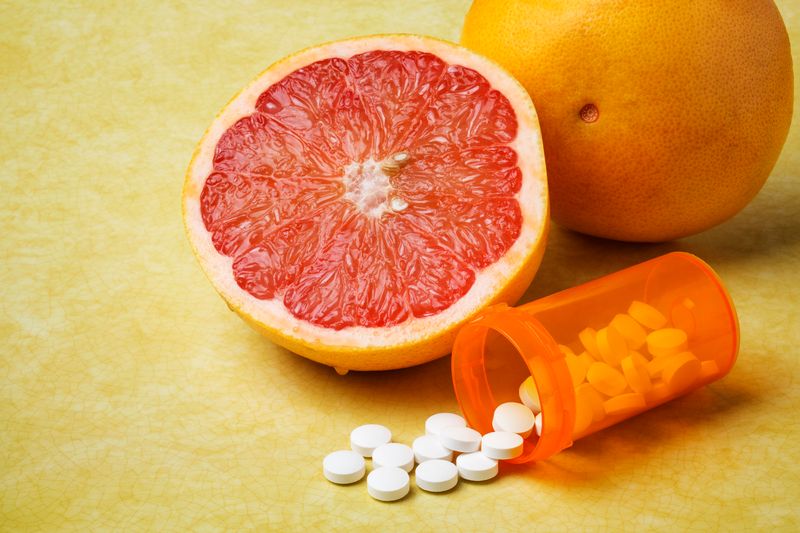
Here is one many people never think about. Grapefruit can interfere with certain medicines, including some cholesterol and blood pressure pills.
Marmalades and jams made with grapefruit may carry the same concern. They also contain a lot of added sugar, often more than half the jar by weight.
Ask your pharmacist whether grapefruit is safe with your prescriptions. Meanwhile, try mashed berries or a low-sugar fruit spread on your morning toast.
13. Steak Sauce
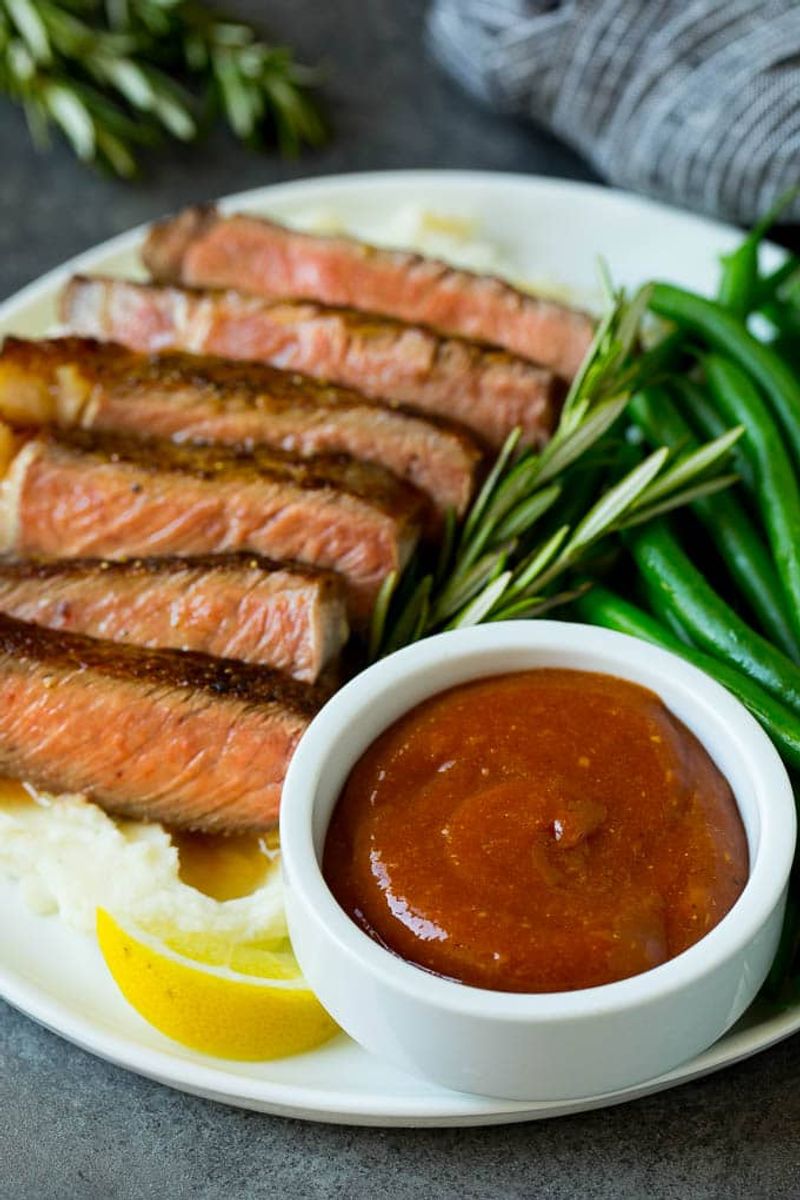
Some steak lovers call it a crime to cover good beef with sauce. Health-wise, they may have a point.
Bottled steak sauce combines salt, sugar, and raisin paste or corn syrup. When added to red meat, which is already rich, the meal becomes heavy for the heart.
Let a good piece of meat shine with cracked pepper, garlic, and rosemary. If you crave sauce, keep it to one spoonful on the side.
14. Horseradish
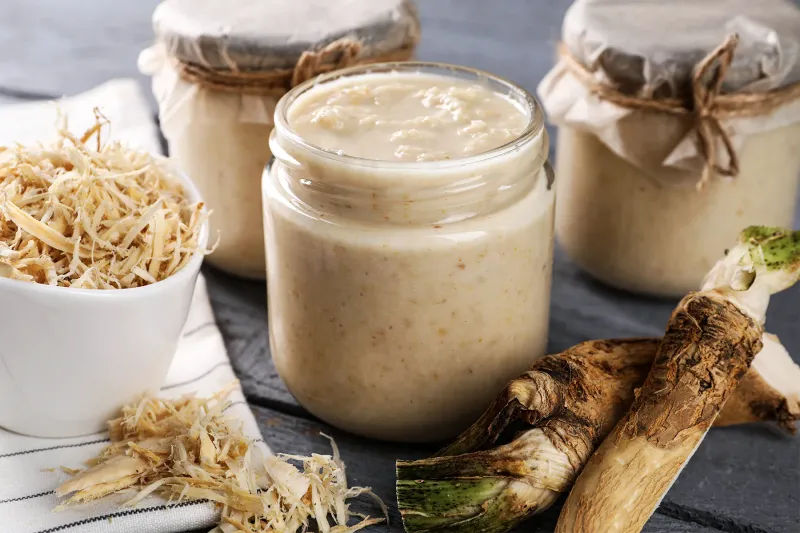
Ever taken a big bite of horseradish and felt it rush straight up your nose? That zing comes from natural plant compounds.
Pure horseradish is low in calories, but it can irritate a sensitive stomach and worsen reflux. Creamy versions also add fat and salt.
People taking blood thinners or thyroid medicine should check with their doctor before eating lots of it. Small dabs usually give plenty of flavor anyway.
15. Salsa
Bright, chunky, and full of veggies, salsa is honestly one of the better choices out there. So why is it on this list?
Jarred salsa can carry 200 to 300 milligrams of sodium in just two tablespoons. The tomatoes and peppers can also bother people with acid reflux.
Fresh pico de gallo made at home lets you skip most of the salt. Pair it with veggies instead of salty chips.
16. Garlic Butter Spread
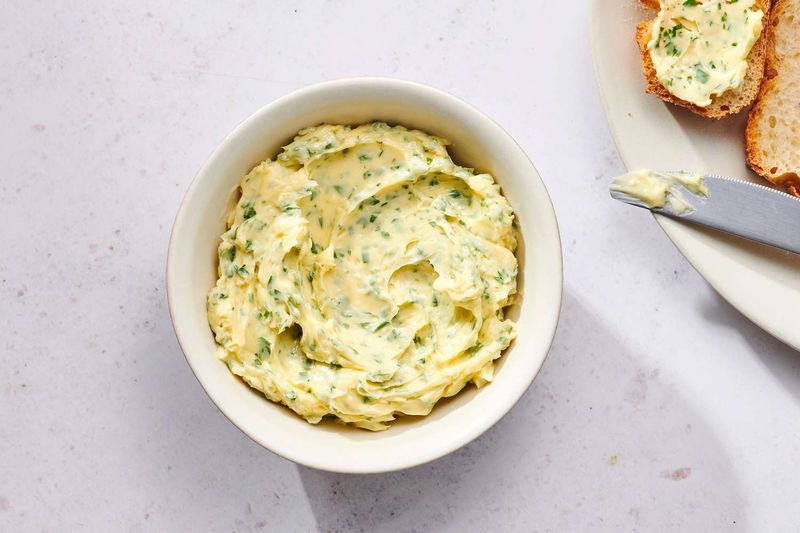
Warm bread with melting garlic butter feels like a cozy hug. Unfortunately, butter is high in saturated fat.
Over time, too much saturated fat can raise LDL cholesterol, the kind linked to heart trouble. Store-bought spreads may also sneak in extra salt.
Brush bread with olive oil, then rub it with a cut garlic clove. You keep that amazing aroma while giving your heart a friendlier option.
17. Bouillon Cubes
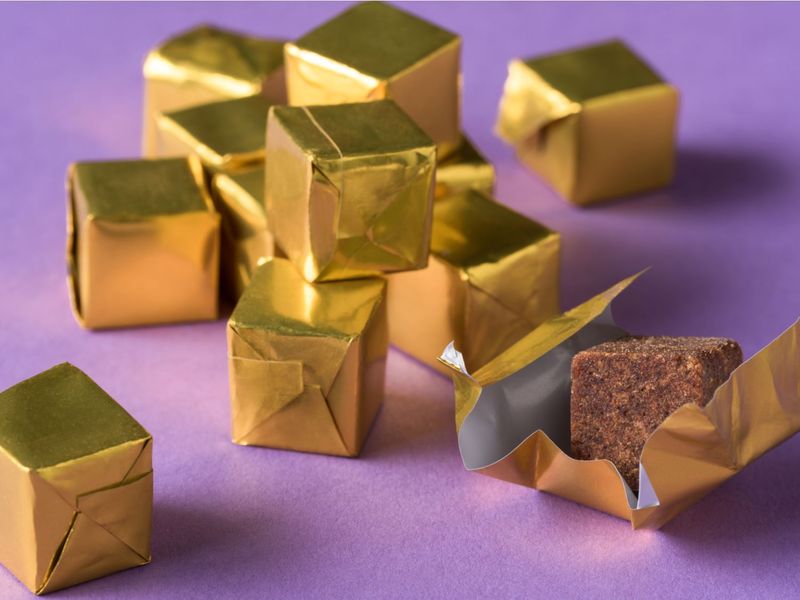
Grandma might have kept a stash of bouillon cubes for quick soups. They are handy, but each tiny cube can hold nearly half a day of sodium.
Many also contain MSG and added fats. For anyone with kidney concerns or heart failure, that salt can cause swelling and fluid buildup.
Look for low-sodium broth or make your own from leftover chicken bones and veggie scraps. It freezes beautifully, too.
18. Salt Substitutes
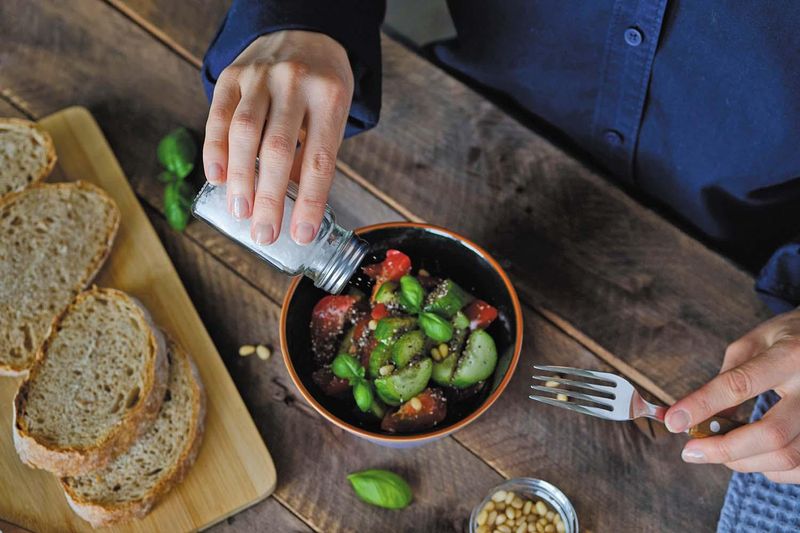
Swapping regular salt for a salt substitute sounds like a win. Surprise, it is not always that simple.
Many substitutes use potassium chloride instead of sodium. For people taking certain blood pressure drugs or with kidney disease, too much potassium can be dangerous for the heart.
Talk with your doctor before switching. Herb blends with lemon peel, onion powder, and dill are a safe way to add flavor.
19. Pancake Syrup

Saturday pancakes swimming in syrup are a beloved tradition. Most bottled pancake syrup, though, is mainly corn syrup with flavoring, not real maple.
A quarter cup can top 50 grams of sugar. That spike can be rough on blood sugar and energy levels later in the morning.
Warm some berries in a pan until they turn juicy and saucy. A small drizzle of real maple syrup on top tastes richer anyway.